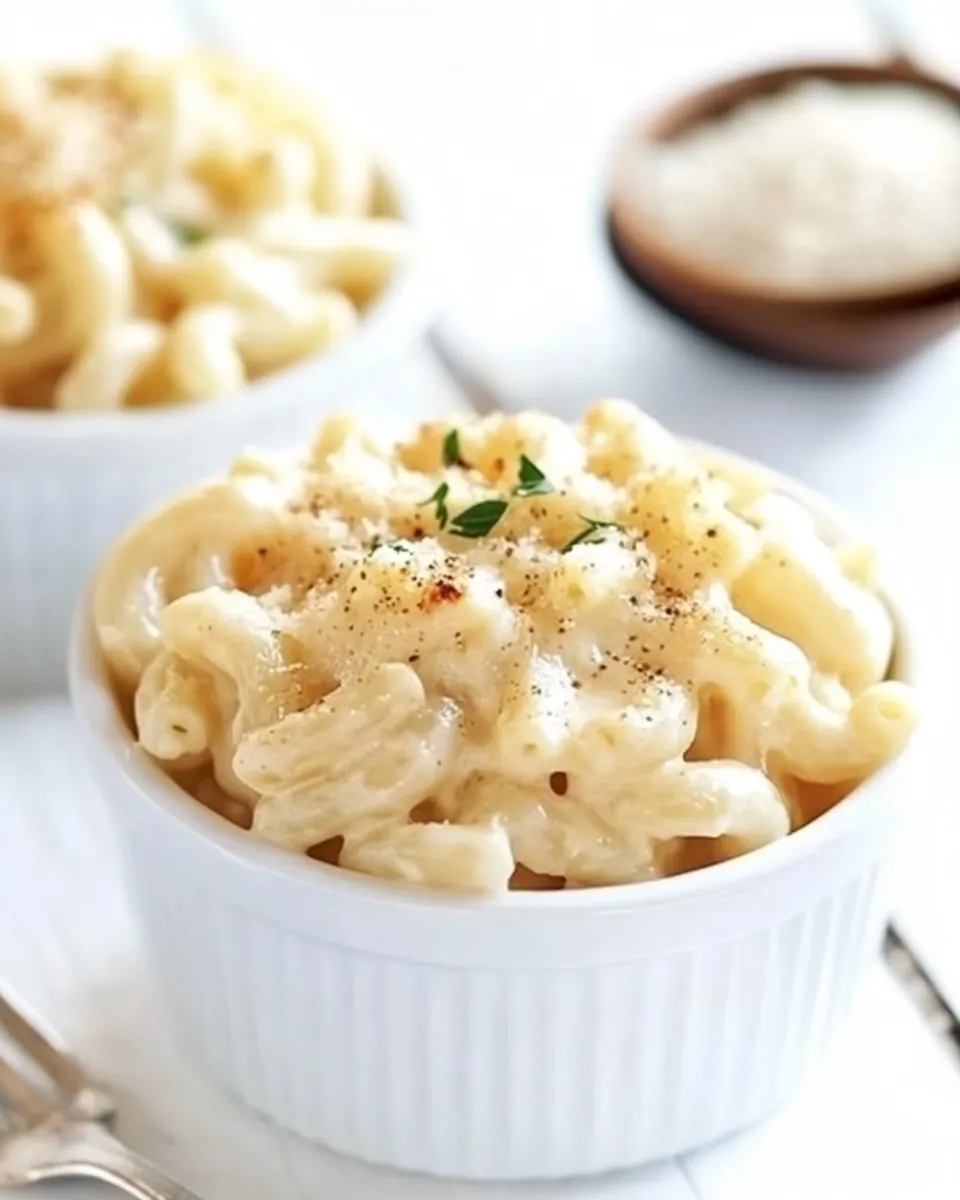
Easy Creamy Southern Mac and Cheese
Easy Creamy Southern Mac and Cheese is the kind of dish I reach for when family shows up unannounced or when I want something that feels like a warm hug on a plate. The first time I made this, a rainy Sunday turned into a kitchen full of laughter and that unmistakable cheesy aroma that pulls everyone into the room. I remember stirring the sauce slowly, feeling the texture change beneath my spoon, and thinking how comfort food can be so simple yet so precise.
Over the years I’ve adjusted small things to nail the texture I love: silky sauce that clings to each noodle, a hint of sharpness to cut through the cream, and a finish that stays loose enough to serve straight from the pot. It is one of those recipes that became part of our regular rotation, the one I bring to potlucks, family dinners, and lazy weeknight suppers. Each time I make it I’m reminded of childhood dinners and the easy confidence of a well made cheese sauce.
Recipe Snapshot
40 mins
30 mins
10 mins
Easy
400 kcal
American
Keto, Gluten-Free
Dinner
Stock pot, Medium sauce pot, Colander, Wooden spoon
Why You Need This Easy Creamy Southern Mac and Cheese
Classic Southern Comfort
I adore how Easy Creamy Southern Mac and Cheese tastes like a classic Southern kitchen, rich and unapologetic. The combination of multiple cheeses gives the sauce depth and a layered flavor profile, so every bite feels familiar yet special. I always think about the grandparents and neighbors who made similar versions, and how this recipe honors that comforting lineage while staying straightforward.
Texture That Wins
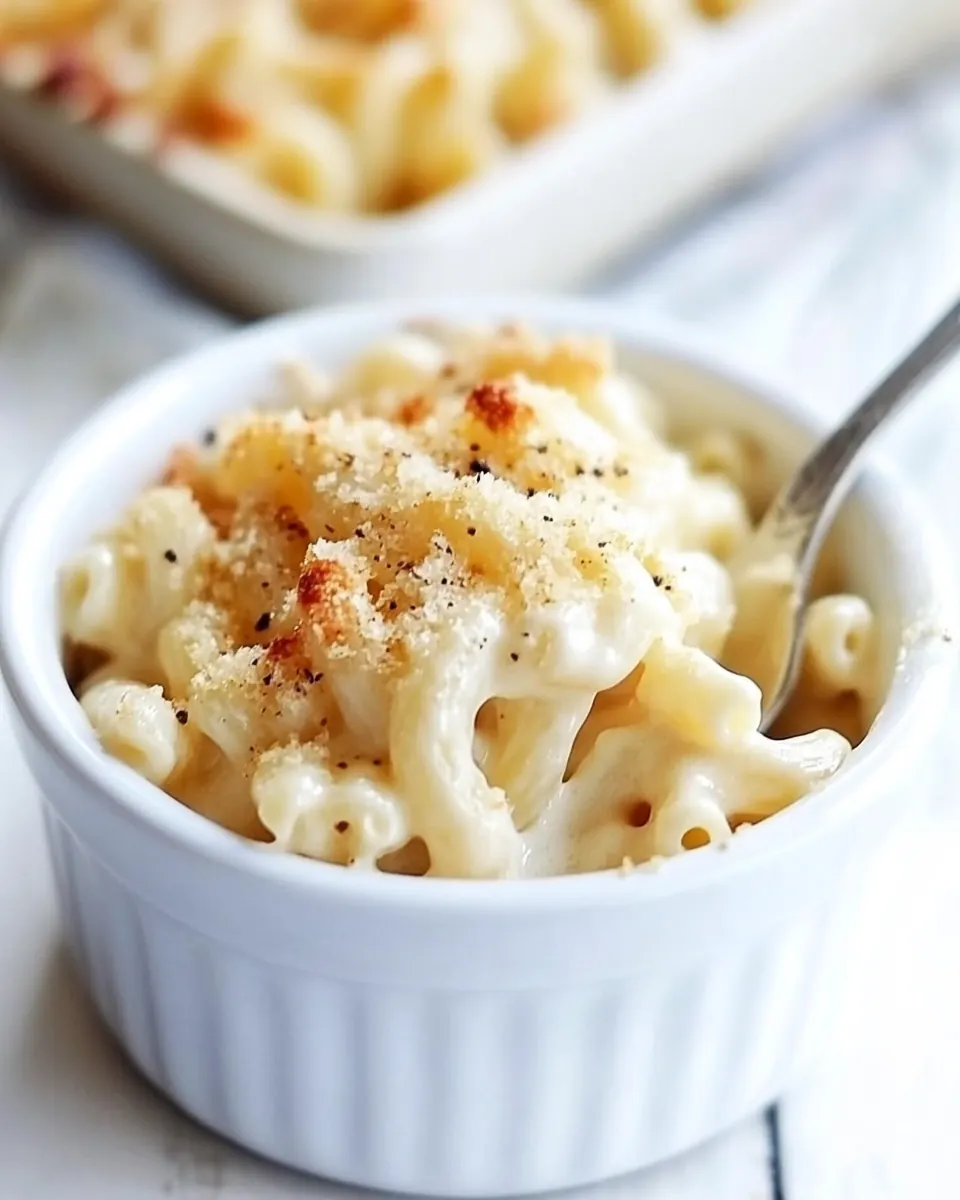
The texture here is the real hero. When the sauce is warmed gently and melted with patience, it becomes velvety and coats the pasta in a luxurious way. I find that a careful low heat melt prevents grainy cheese and creates a smooth, clingy sauce that keeps your fork satisfied. This is why I recommend watching the pot closely and stirring often, it’s worth the few extra moments.
Kid Friendly, Crowd Friendly
Families and kids tend to adore this version because the mouthfeel is creamy and friendly without being overly sharp. For gatherings, it scales easily which makes it a reliable go to for feeding a crowd. I’ve brought it to school functions and block parties, and it always disappears fast, which is a telling sign of a winning recipe.
Simple Technique, Big Flavor
What I love is that the technique is accessible. You do not need fancy equipment, just patience and attention. Melting the cheeses slowly with cream and butter yields a sauce that tastes far richer than the effort suggests. I often remind myself that the slow melt is the secret, and it pays off in every bite.
Versatile Serving
This dish sits well on the table for many occasions. I enjoy it as a comforting side for weeknight dinners, and it doubles as the star of casual gatherings. The softness of the sauce invites creativity, whether you serve it straight from the pot or transfer it to a casserole dish for a nicer presentation. The flexibility makes it a keeper in my recipe box.
What to Buy for Easy Creamy Southern Mac and Cheese
These ingredients are chosen for one goal, creamy cohesive comfort. The cheeses play different roles: some melt and create body, others add sharpness and complexity. The dairy brings silkiness and the pasta acts as the vehicle that soaks up every bit of sauce. Together they create a balanced mouthfeel and nostalgic flavor.
- 1 stick of butter: Melted to add richness and help create a smooth, silky cheese sauce that binds the pasta together. Provides a buttery depth of flavor and helps emulsify the cream and cheeses when heated. Contributes to a glossy finish and keeps the mac and cheese from becoming grainy as it cools.
- 8 oz cream cheese: Softened and blended into the sauce to provide tangy creaminess and body, creating a luscious, velvety texture. Helps stabilize the emulsion between dairy components so the sauce remains cohesive. Adds a subtle tang that balances the richness of butter and American cheese food.
- 1 cup grated parmesan cheese: Grated and stirred in to introduce a sharp, nutty umami note that complements milder cheeses. Aids in flavor complexity while slightly thickening the sauce when melted. Provides savory depth and a hint of saltiness to elevate the overall profile.
- 1 cup heavy cream: Poured in to loosen the sauce and add luxurious creaminess while carrying the flavors of the cheeses. Helps control the sauce consistency so it coats each macaroni strand evenly. Contributes a smooth mouthfeel and richness that defines a decadent mac and cheese.
- 16 oz American Cheese Food: Melted as the primary cheesy base to give the dish its characteristic creamy, American-style texture and mild flavor. Ensures a super-smooth, velvety sauce that stretches and binds the pasta. Adds a familiar comfort-food taste and creamy meltability.
- 4 oz Sharp Cheddar Cheese: Shredded and added to bring sharpness and depth, cutting through the richness of the other dairy components. Enhances complexity with a bolder cheddar flavor and helps create slight textural contrast. Melts into the sauce to contribute color and a pleasantly tangy finish.
- 1 lb macaroni noodles: Cooked to tender al dente to provide the substantial base that soaks up the creamy sauce and delivers satisfying bite. Serves as the vehicle for the cheese mixture, ensuring each forkful has balanced pasta-to-sauce ratio. Provides structure and body to the finished casserole.
Easy Creamy Southern Mac and Cheese Instructions

I like to keep the process conversational and rhythmical, moving between pot and spoon as the sauce comes together. This method requires gentle attention more than complicated technique, and if you time things well, the final dish feels cohesive and indulgent.
- Put a large stock pot of water on to boil – follow the box instructions for cooking the pasta – however, do not salt the water as heavily as the box instructs – just about 1/2 teaspoon is enough.: The moment the water hits a rolling boil you will smell the mineral brightness in the steam and the kitchen comes alive, which signals the pasta is about to get the best start. Use plenty of water so the macaroni noodles have room to move, and add around 1/2 teaspoon of salt to season the pasta subtly rather than heavily. A heavy salting at this stage can make the finished dish too salty since the cheeses add salt too. A common error is under boiling the water before adding pasta, which can cause sticking and uneven cooking.
- In a medium sauce pot (heavy bottom) over medium low heat, add the butter, cream cheese, parmesan, heavy cream, American Cheese food and stir frequently until all is melted and thick. Try real hard not to burn it to the bottom of the pan. Turn it off as everything is melted and allow it to sit on the stove.: As the noodles cook, listen for the gentle rolling boil and watch for the surface agitation to calm slightly when pasta is added. Stir occasionally so the macaroni noodles do not clump or stick to the bottom. Test a noodle a few minutes before the lower end of the time range to judge doneness, aiming for firm to the bite so the pasta holds up in the sauce. Overcooking here is the biggest mistake because softened pasta will go mushy once mixed with the sauce.
- When pasta is cooked, drain well and return to the stock pot. Pour the sauce over the top of the pasta and very gently, mix well.: Because the recipe incorporates multiple salty cheeses like parmesan cheese and processed American Cheese Food , a lighter hand with salt prevents an overly salty result. The scent of the boiling water will be faintly oceany when properly salted; if it’s very pronounced, you likely added too much. Remember that cheeses concentrate flavor, so err on less salt here and adjust later if needed. Adding too much salt early is tough to fix later.
- just about 1/2 teaspoon is enough: That small amount seasons the pasta gently without overpowering the final dish, and it blends into the sauce once mixed. A mild base allows the complexity of the cheeses to shine through, including the tang from Sharp Cheddar Cheese and the umami from parmesan cheese . If your water tastes clearly salty, reduce the seasoning next time to protect the balance. Trying to dilute an over salted batch by adding water rarely restores the original texture or flavor.
- In a medium sauce pot over medium low heat, add the butter: As you melt the butter , you will notice a soft, nutty aroma and a glossy sheen forming on the surface, which primes the sauce for cream and cheese. Keep the flame at medium low so the dairy does not scorch, and swirl the pot to keep heat even. If the butter browns, it will add a toasted note but can also introduce bitterness if pushed too far, so watch closely to avoid burning.
- add the cream cheese, parmesan, heavy cream, American Cheese Food and stir frequently until all is melted and thick: The aroma will deepen into a warm, rich cheese scent as the mixture softens, and the texture will evolve from lumpy to silken. Stirring frequently ensures even melting and prevents the cheese from catching on the pot, which leads to grainy sauce. The visual cue is a smooth glossy liquid that lightly coats the back of a spoon, and the sound is a gentle, steady simmer. A typical mistake is increasing heat to hurry melting, which makes the cheese separate and become oily.
- Try real hard not to burn it to the bottom of the pan: Burnt bits impart acrid bitterness that cannot be masked, so keep the temperature low and stir the bottom and sides to prevent scorching. If you notice any dark flecks, remove the pot from heat and gently lift the unburnt portion to avoid incorporating scorched flavors. A nonstick or heavy bottom pot helps distribute heat evenly, minimizing hotspots. Allowing the pot to overheat is a frequent error that ruins the clean dairy flavors you want.
- Turn it off as everything is melted and allow it to sit on the stove: When the sauce is fully melted, the residual heat will continue to smooth and thicken the mixture; the smell is a warm, reassuring cheesy warmth without sharp bite. Letting it rest briefly stabilizes the texture and makes it easier to coat the pasta evenly. If the sauce cools too much though, it may stiffen, so be ready to rewarm gently with a splash of heavy cream if needed. Reheating too aggressively is a quick route to grainy sauce.
- When pasta is cooked, drain well and return to the stock pot: After draining, you will notice steam rising and the pasta shedding a little surface starch which helps the sauce cling. Returning the macaroni noodles to the pot while still warm creates the ideal temperature for the sauce to adhere. Ensure you drain thoroughly because extra water will thin the sauce and dilute flavors, leading to a watery final dish. Leaving pasta in hot, standing water is a common culprit for soggy results.
- Pour the sauce over the top of the pasta and very gently, mix well: As the sauce lands on the warm noodles, you will hear a soft settling sound and see the sauce ripple across the contours of the macaroni, indicating proper coating. Use a gentle folding motion to avoid breaking the pasta, and mix until every noodle is glossy and covered. Taste a small portion to check seasoning and texture, adjusting with tiny splashes of heavy cream if the sauce feels too thick. Over stirring can break pasta shapes and make the texture homogenous, so keep movements careful and deliberate.
Make It Your Own

I like to tweak small details to adapt this recipe for different crowds, textures, and serving situations. Below are practical ideas and tricks that let you personalize the result without losing the creamy soul of the dish.
- Scale Confidently When making larger quantities, melt cheeses in batches so the heat stays gentle and uniform, preventing separation and ensuring even texture.
- Rescue With Cream If the sauce firms up after resting, add a splash of heavy cream while warming slowly to restore silkiness without thinning flavor too much.
- Fresh Grated Parmesan Always opt for freshly grated parmesan cheese when possible since it melts cleaner and adds brighter umami than pregrated varieties.
- Watch Your Heat Keep the sauce on medium low and stir frequently; rushing with higher heat often leads to grainy texture or burnt bits at the bottom of the pot.
- Serve From the Pot Serving directly from the stock pot keeps the mac and cheese warm and cozy, and it reduces dishwashing in busy gatherings.
- Transport Tip If you need to travel with the dish, keep it in a warm crockpot on the low or warm setting, adding a touch of cream if it firms up.
Perfect Matches for Easy Creamy Southern Mac and Cheese
This mac and cheese pairs beautifully with many mains and occasions. It is flexible enough to be a centerpiece for casual feasts or a comforting side at family dinners, and it travels well for potlucks. Consider serving ideas that emphasize comfort, ease, and communal sharing.
- Weeknight Dinner Pairing Serve alongside a simple green salad to bring brightness and balance to the rich, creamy dish for an easy weeknight dinner.
- Holiday or Gathering For holiday tables or family gatherings, present the mac and cheese in a large casserole dish so guests can help themselves and it looks inviting on the buffet.
- Potluck Friendly Keep it warm in a crockpot on the warm setting for traveling to potlucks, and provide serving utensils so people can plate easily and enjoy it hot.
- Storage Tips Refrigerate leftovers within two hours in an airtight container. To reheat, add a splash of heavy cream and warm slowly on the stove to restore creaminess rather than microwaving dry.
- Seasonal Serving This dish is welcome in colder months when rich, warming foods are desired, but it also plays well at summer gatherings as a nostalgic comfort side when balanced with brighter sides.
- Occasions Great for family dinners, potlucks, holiday spreads, and casual celebrations where you want a crowd pleasing, familiar comfort food.
FAQ
Conclusion
This recipe stands out because it delivers a reliably creamy, comforting bowl of mac and cheese that feels both nostalgic and thoughtfully balanced. It brings together multiple cheeses and a gentle technique so the sauce is silky and flavorful without fuss. Give it a try when you want a crowd pleasing side or a cozy main, and you may find it becoming one of your go to comfort recipes. I hope it earns a spot at your table and becomes part of your family traditions for easy, satisfying meals.

Easy Creamy Southern Mac and Cheese
Equipment
- Stock Pot
- Medium sauce pot
- Colander
- Wooden Spoon
Ingredients
- 1 stick of butter Melted to add richness and help create a smooth, silky cheese sauce that binds the pasta together. Provides a buttery depth of flavor and helps emulsify the cream and cheeses when heated. Contributes to a glossy finish and keeps the mac and cheese from becoming grainy as it cools.
- 8 oz cream cheese Softened and blended into the sauce to provide tangy creaminess and body, creating a luscious, velvety texture. Helps stabilize the emulsion between dairy components so the sauce remains cohesive. Adds a subtle tang that balances the richness of butter and American cheese food.
- 1 cup grated parmesan cheese Grated and stirred in to introduce a sharp, nutty umami note that complements milder cheeses. Aids in flavor complexity while slightly thickening the sauce when melted. Provides savory depth and a hint of saltiness to elevate the overall profile.
- 1 cup heavy cream Poured in to loosen the sauce and add luxurious creaminess while carrying the flavors of the cheeses. Helps control the sauce consistency so it coats each macaroni strand evenly. Contributes a smooth mouthfeel and richness that defines a decadent mac and cheese.
- 16 oz American Cheese Food Melted as the primary cheesy base to give the dish its characteristic creamy, American-style texture and mild flavor. Ensures a super-smooth, velvety sauce that stretches and binds the pasta. Adds a familiar comfort-food taste and creamy meltability.
- 4 oz Sharp Cheddar Cheese Shredded and added to bring sharpness and depth, cutting through the richness of the other dairy components. Enhances complexity with a bolder cheddar flavor and helps create slight textural contrast. Melts into the sauce to contribute color and a pleasantly tangy finish.
- 1 lb macaroni noodles Cooked to tender al dente to provide the substantial base that soaks up the creamy sauce and delivers satisfying bite. Serves as the vehicle for the cheese mixture, ensuring each forkful has balanced pasta-to-sauce ratio. Provides structure and body to the finished casserole.
Instructions
- Put a large stock pot of water on to boil - follow the box instructions for cooking the pasta - however, do not salt the water as heavily as the box instructs - just about 1/2 teaspoon is enough.: The moment the water hits a rolling boil you will smell the mineral brightness in the steam and the kitchen comes alive, which signals the pasta is about to get the best start. Use plenty of water so the macaroni noodles have room to move, and add around 1/2 teaspoon of salt to season the pasta subtly rather than heavily. A heavy salting at this stage can make the finished dish too salty since the cheeses add salt too. A common error is under boiling the water before adding pasta, which can cause sticking and uneven cooking.
- In a medium sauce pot (heavy bottom) over medium low heat, add the butter, cream cheese, parmesan, heavy cream, American Cheese food and stir frequently until all is melted and thick. Try real hard not to burn it to the bottom of the pan. Turn it off as everything is melted and allow it to sit on the stove.: As the noodles cook, listen for the gentle rolling boil and watch for the surface agitation to calm slightly when pasta is added. Stir occasionally so the macaroni noodles do not clump or stick to the bottom. Test a noodle a few minutes before the lower end of the time range to judge doneness, aiming for firm to the bite so the pasta holds up in the sauce. Overcooking here is the biggest mistake because softened pasta will go mushy once mixed with the sauce.
- When pasta is cooked, drain well and return to the stock pot. Pour the sauce over the top of the pasta and very gently, mix well.: Because the recipe incorporates multiple salty cheeses like parmesan cheese and processed American Cheese Food , a lighter hand with salt prevents an overly salty result. The scent of the boiling water will be faintly oceany when properly salted; if it’s very pronounced, you likely added too much. Remember that cheeses concentrate flavor, so err on less salt here and adjust later if needed. Adding too much salt early is tough to fix later.
- just about 1/2 teaspoon is enough: That small amount seasons the pasta gently without overpowering the final dish, and it blends into the sauce once mixed. A mild base allows the complexity of the cheeses to shine through, including the tang from Sharp Cheddar Cheese and the umami from parmesan cheese . If your water tastes clearly salty, reduce the seasoning next time to protect the balance. Trying to dilute an over salted batch by adding water rarely restores the original texture or flavor.
- In a medium sauce pot over medium low heat, add the butter: As you melt the butter , you will notice a soft, nutty aroma and a glossy sheen forming on the surface, which primes the sauce for cream and cheese. Keep the flame at medium low so the dairy does not scorch, and swirl the pot to keep heat even. If the butter browns, it will add a toasted note but can also introduce bitterness if pushed too far, so watch closely to avoid burning.
- add the cream cheese, parmesan, heavy cream, American Cheese Food and stir frequently until all is melted and thick: The aroma will deepen into a warm, rich cheese scent as the mixture softens, and the texture will evolve from lumpy to silken. Stirring frequently ensures even melting and prevents the cheese from catching on the pot, which leads to grainy sauce. The visual cue is a smooth glossy liquid that lightly coats the back of a spoon, and the sound is a gentle, steady simmer. A typical mistake is increasing heat to hurry melting, which makes the cheese separate and become oily.
- Try real hard not to burn it to the bottom of the pan: Burnt bits impart acrid bitterness that cannot be masked, so keep the temperature low and stir the bottom and sides to prevent scorching. If you notice any dark flecks, remove the pot from heat and gently lift the unburnt portion to avoid incorporating scorched flavors. A nonstick or heavy bottom pot helps distribute heat evenly, minimizing hotspots. Allowing the pot to overheat is a frequent error that ruins the clean dairy flavors you want.
- Turn it off as everything is melted and allow it to sit on the stove: When the sauce is fully melted, the residual heat will continue to smooth and thicken the mixture; the smell is a warm, reassuring cheesy warmth without sharp bite. Letting it rest briefly stabilizes the texture and makes it easier to coat the pasta evenly. If the sauce cools too much though, it may stiffen, so be ready to rewarm gently with a splash of heavy cream if needed. Reheating too aggressively is a quick route to grainy sauce.
- When pasta is cooked, drain well and return to the stock pot: After draining, you will notice steam rising and the pasta shedding a little surface starch which helps the sauce cling. Returning the macaroni noodles to the pot while still warm creates the ideal temperature for the sauce to adhere. Ensure you drain thoroughly because extra water will thin the sauce and dilute flavors, leading to a watery final dish. Leaving pasta in hot, standing water is a common culprit for soggy results.
- Pour the sauce over the top of the pasta and very gently, mix well: As the sauce lands on the warm noodles, you will hear a soft settling sound and see the sauce ripple across the contours of the macaroni, indicating proper coating. Use a gentle folding motion to avoid breaking the pasta, and mix until every noodle is glossy and covered. Taste a small portion to check seasoning and texture, adjusting with tiny splashes of heavy cream if the sauce feels too thick. Over stirring can break pasta shapes and make the texture homogenous, so keep movements careful and deliberate.
Notes
- Scale Confidently When making larger quantities, melt cheeses in batches so the heat stays gentle and uniform, preventing separation and ensuring even texture.
- Rescue With Cream If the sauce firms up after resting, add a splash of heavy cream while warming slowly to restore silkiness without thinning flavor too much.
- Fresh Grated Parmesan Always opt for freshly grated parmesan cheese when possible since it melts cleaner and adds brighter umami than pregrated varieties.
- Watch Your Heat Keep the sauce on medium low and stir frequently; rushing with higher heat often leads to grainy texture or burnt bits at the bottom of the pot.
- Serve From the Pot Serving directly from the stock pot keeps the mac and cheese warm and cozy, and it reduces dishwashing in busy gatherings.
- Transport Tip If you need to travel with the dish, keep it in a warm crockpot on the low or warm setting, adding a touch of cream if it firms up.