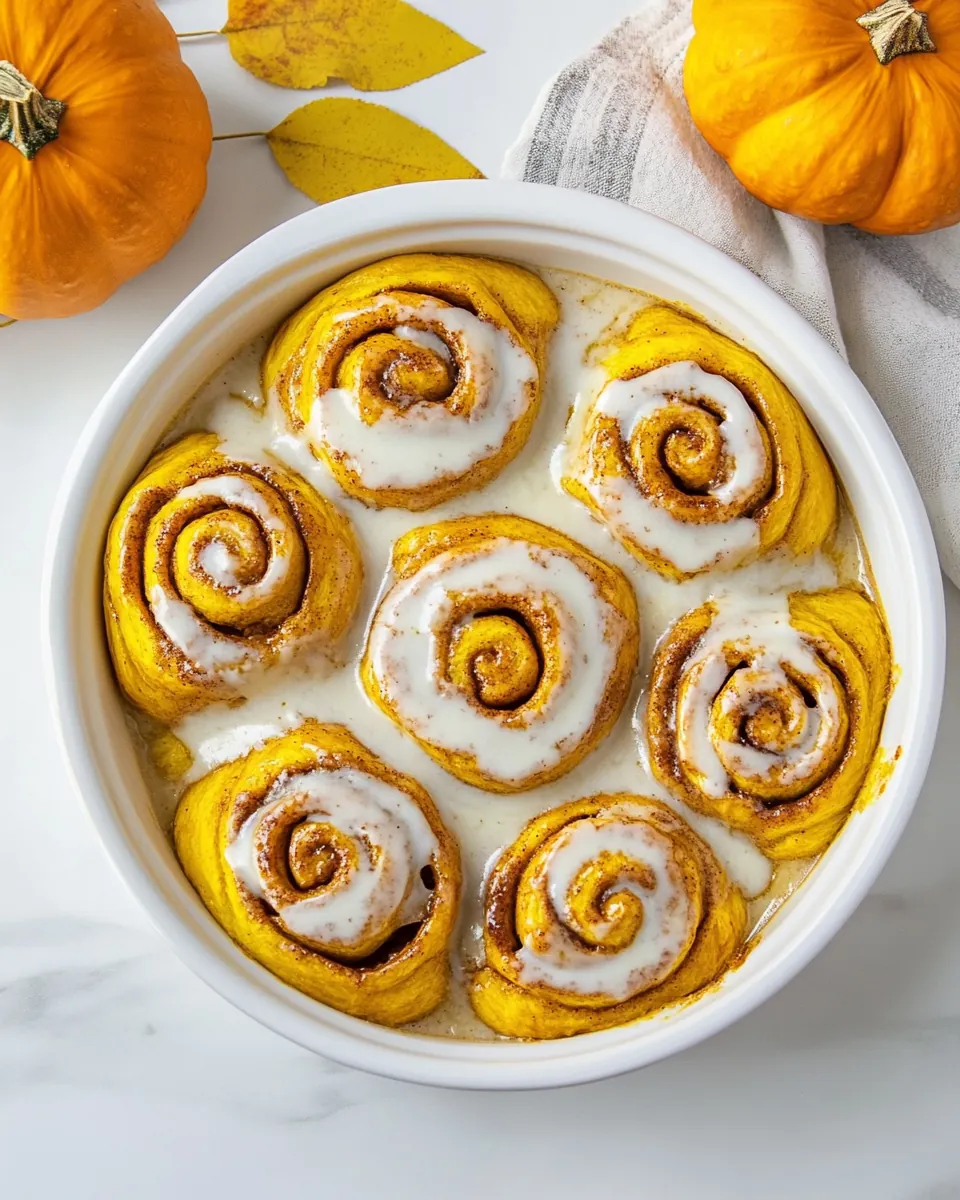
Quick Pumpkin Cinnamon Rolls
Quick Pumpkin Cinnamon Rolls are the little comfort I turn to when the air shifts and my kitchen starts to smell like cozy afternoons. The first time I made these, a spill of flour and a tiny smear of cream cheese somehow became the memory I kept replaying, because the rolls came out tender, warmly spiced, and impossibly easy to grab straight from the pan.
I remember pulling a warm tray from the oven and handing one to a neighbor who was passing by, and the look of surprise on their face made me grin. There’s something about that swirl of pumpkin and cinnamon, with a soft, pillowy crumb, that makes mornings feel special without a lot of fuss. These are the kind of rolls you can make on a busy weekend, or when you want a small indulgence that does not require babysitting dough for hours.
Over many iterations I learned to trust the dough, not chase perfection, and to let the flavors speak plainly. The glaze is sweet and smooth, brightening each bite, while the filling gives a gentle autumnal warmth rather than overwhelming spice. I love serving them still slightly warm, when the aroma fills the house and the glaze is just beginning to set, because those moments are the ones people remember.
Recipe Snapshot
37 mins
15 mins
22 mins
Medium
210 kcal
American
Gluten-Free, Low FODMAP
Breakfast
Mixing bowl, Standing mixer, Rolling pin, Baking sheet, Muffin cups
Why This Quick Pumpkin Cinnamon Rolls Shines
They are fast without feeling rushed
I adore how Quick Pumpkin Cinnamon Rolls deliver comforting results in a fraction of the time of traditional yeast rolls. You get tender texture and layered flavor without waiting for rises, so I can make them on a casual morning or for an impromptu guest.
Flavor harmony
The combination of pumpkin, cinnamon, and a touch of honey in the filling creates a rounded profile that is sweet, warmly spiced, and slightly earthy. I find this balance keeps each bite interesting from the first swirl to the last.
Flexible and forgiving
These rolls are forgiving in technique, which is a huge reason I keep them in my repertoire. The dough tolerates gentle variations in thickness, and the glaze can be adjusted to your preferred sweetness. I often tweak texture by rolling slightly thicker or thinner depending on my mood.
Great for sharing and storing
I love that they pack well for friends, and they hold up in the fridge for several days. That makes them perfect for holiday mornings or potlucks when I want something that travels well and still tastes fresh when reheated.
Accessible ingredients
You probably have most of the pantry staples already. The short list keeps things simple, and I enjoy that the ingredient list does not demand specialty items. That ease encourages me to make them more often.
Ingredients for Quick Pumpkin Cinnamon Rolls
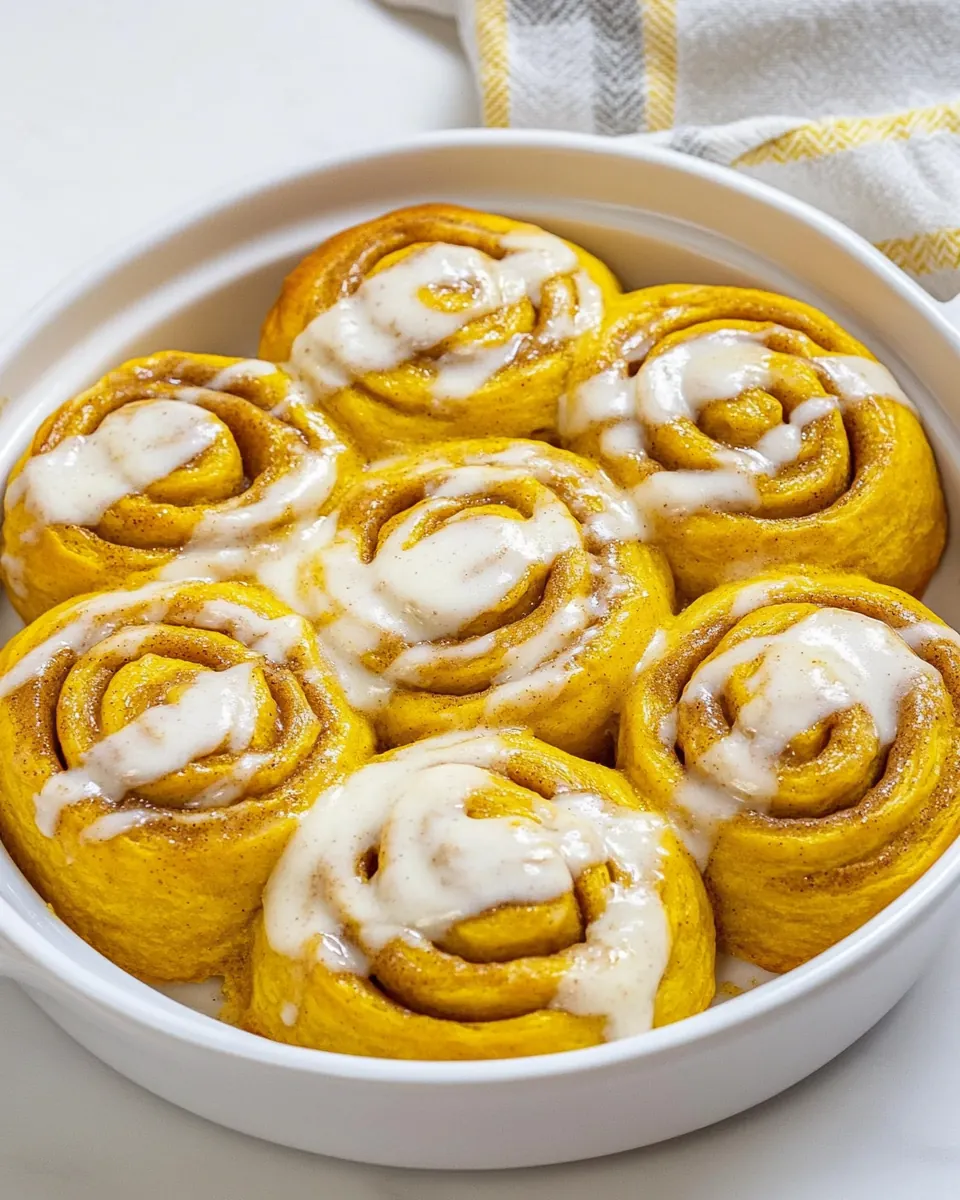
These ingredients are built for straightforward success. The key players are the flour for structure, pumpkin for moisture and gentle flavor, and cream cheese for a tangy layer that contrasts the sweet glaze. Together they form a tender dough, a flavorful filling, and a glossy finish that keeps every bite balanced.
- 2 1/4 cups all purpose flour: Provide structure and bulk to the dough, absorbing liquids and forming gluten when mixed; sift or whisk to ensure even texture and prevent lumps, resulting in a tender roll crumb.
- 2 teaspoons baking powder: Leaven baked goods by releasing carbon dioxide when activated, helping the rolls rise and become light; measure precisely to avoid over-rising or a metallic taste.
- 1/4 teaspoon kosher salt: Enhance overall flavor balance and control the dough's chemistry by adding a touch of salt; helps strengthen gluten and brightens the sweetness in the filling and glaze.
- 1/4 cup unsalted butter, softened: Contribute richness, flakiness, and tender mouthfeel by coating flour proteins with fat; soften at room temperature so it incorporates smoothly into the dough.
- 1/4 cup brown sugar: Provide caramel-like sweetness and moisture to the filling while adding depth of flavor; dark or light varieties both work, and it melts into a sticky, flavorful layer.
- 1 cup pumpkin puree: Add moisture, natural sweetness, and a seasonal pumpkin flavor to the dough and filling; use plain pumpkin puree (not pumpkin pie filling) for best consistency.
- 1/2 cup whipped cream cheese: Create a creamy, slightly tangy filling layer and help lighten the frosting or filling texture; soften to room temperature for smooth, spreadable consistency.
- 3 tablespoons honey: Sweeten naturally and thin fillings or glazes slightly while imparting floral notes; drizzle into mixtures to adjust sweetness and viscosity as needed.
- 2 teaspoons ground cinnamon: Impart warm, aromatic spice and classic fall flavor throughout the filling and dough; combine with other spices if desired but cinnamon alone provides signature taste.
- 1 cup powdered sugar: Sweeten and thicken the glaze to a smooth, pipeable consistency; sift before mixing to avoid lumps and achieve a glossy finish.
- 2 3 tablespoons milk, water or cream: Adjust glaze consistency to desired thickness, allowing it to be drizzled or spread; use milk, water, or cream depending on the richness desired.
- 1/4 1/2 teaspoon vanilla extract () (optional): Add a subtle vanilla aroma to the glaze or dough, enhancing overall flavor complexity; optional amount prevents overpowering the pumpkin and cinnamon notes.
Making This Quick Pumpkin Cinnamon Rolls
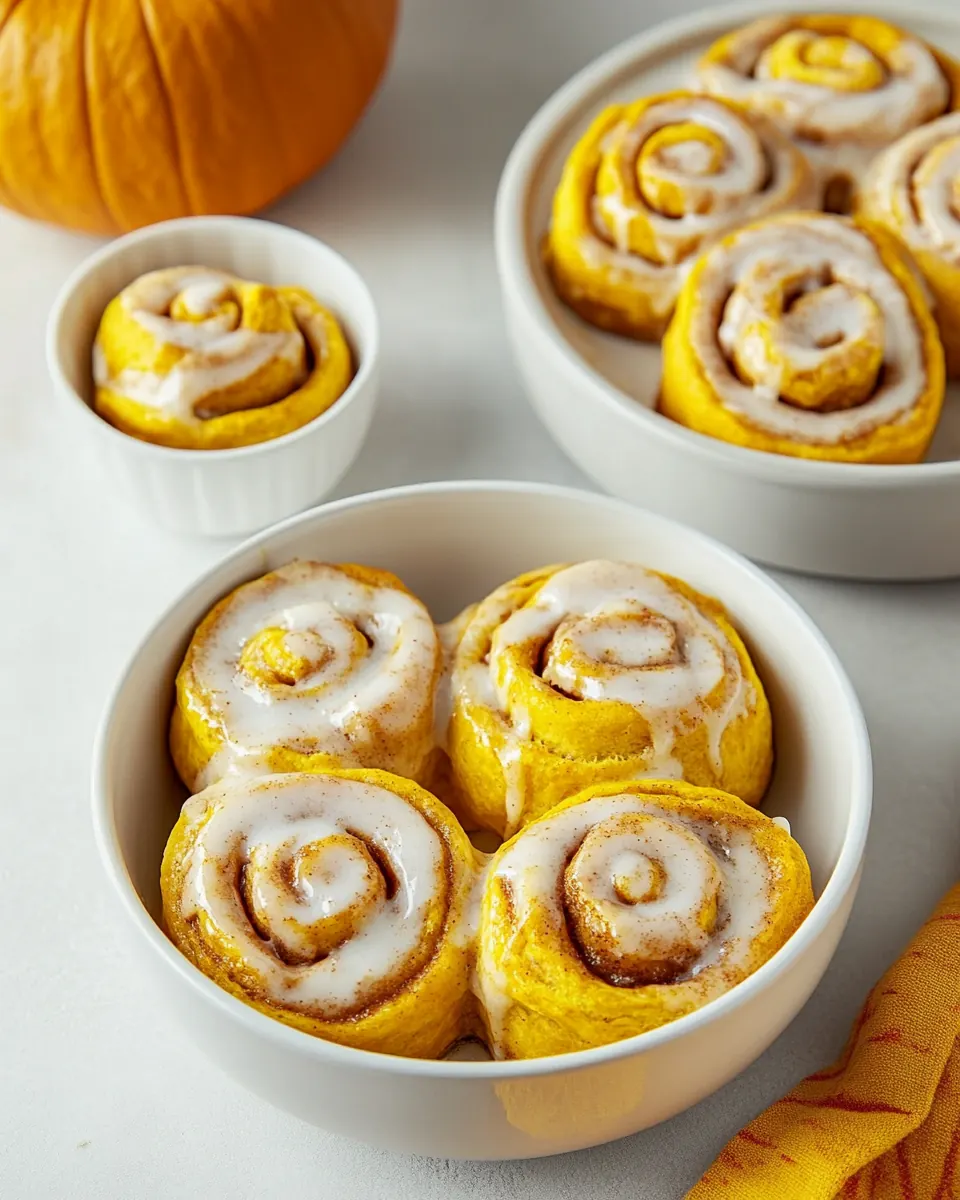
These directions are friendly and conversational, intended to guide you step by step without stress. I walk you through from warming the oven to glazing the cool rolls, sharing sensory cues and fixes along the way so you end up with consistent results.
- Preheat oven to 375°F.: The kitchen should smell faintly warm and the air should feel ready for baking, which ensures the rolls start cooking immediately and evenly. Preheating to 375°F sets the oven environment so the edges crisp slightly while the centers remain tender. If you skip preheating, expect uneven rise and longer bake times. A common mistake is not allowing the oven to reach temperature, which can lead to dense centers, so always wait until the oven indicator shows ready.
- In a bowl, whisk together the flour, baking powder and salt.: As you whisk, you should see a uniform pale mixture with no streaks of the individual components, which creates even lift and seasoning in the dough. This step is crucial because it distributes the baking powder and salt evenly, preventing pockets of salty or flat flavor. Over mixing dry ingredients is not a concern, but be sure to break up clumps. If you notice lumps of flour , sift or press them with the whisk to avoid dense spots in the dough.
- In a separate bowl or the bowl of a standing mixer, cream together the butter and sugar, then mix in pumpkin puree. Add the flour mixture to the pumpkin mixture and stir to combine.: You want the butter and brown sugar to become light and slightly fluffy before the pumpkin is incorporated, which helps aerate the dough and improves texture. When you add the pumpkin , the mixture should look smooth and cohesive, not separated. If the mixture appears greasy, the butter may have been too warm, so chill briefly and mix again. Avoid over beating once the pumpkin is added, as that can make the dough dense.
- On a well floured surface, roll the dough to a 1/4 inch thick rectangle about 16 x 12 inches. Spread the cream cheese on top of the dough, drizzle with honey and sprinkle with cinnamon.: After adding, the dough should come together without long streaks of dry flour or overly wet patches, forming a slightly tacky but manageable mass. This balance matters because too dry a dough will crack when rolled, and too wet a dough will be sticky and hard to handle. If it is sticky, dust the counter lightly with extra flour , but do it sparingly to preserve tenderness. The common error here is adding too much extra flour which yields dry rolls.
- Carefully roll up the dough, starting with the long side and cut into 1 1/2-inch pieces.: As you roll, the dough should spread smoothly and hold together, with a matte surface from the flour dusting. Rolling to roughly 1/4 inch thickness creates neat spirals that bake through without becoming too thick in the center. If the dough resists, let it rest five minutes to relax the gluten, which makes rolling easier. Rolling too thin will produce fragile spirals that may collapse during baking.
- Place the rolls in greased muffin cups or silpat or parchment lined baking sheet and bake for 20-22 minutes, or until golden brown.: The cream cheese should be spread evenly in a thin layer so every bite has tang and moisture, while the honey and cinnamon add sticky sweetness and warmth. Look for a smooth white layer dotted with specks of cinnamon , which signals even distribution. If the cream cheese is too cold it will tear the dough, so ensure it is soft before spreading. A frequent misstep is piling the filling too thick, which makes it hard to roll cleanly.
- A tablespoon at a time, add milk to the powdered sugar and mix until desired consistency is reached. Add the vanilla extract and stir.: As you roll, you should feel gentle resistance and watch the spiral form, creating clean concentric layers. Cutting into 1 1/2 inch pieces gives bite sized rolls that bake through without a raw center. Use a sharp knife or dental floss for clean cuts, as dragging a dull blade can squish the rolls. If the roll unravels while cutting, chill briefly to firm the dough and make neater slices.
- Drizzle glaze over cooked cinnamon rolls.: Look for even golden edges and a lightly browned top, and you may hear a faint crackle as the outsides set. This visual cue tells you the exterior is done and the interior will be soft and fully cooked. If you are using muffin cups, they help the rolls hold shape; on a baking sheet they will spread more. A common mistake is overbaking which dries the center, so start checking at 18 minutes and remove when golden.
- A tablespoon at a time, add milk to the powdered sugar and mix until desired consistency is reached: As you whisk the powdered sugar and milk , you are aiming for a glossy, pourable glaze that drips slowly off a spoon. The texture should coat the back of a spoon but still flow, which ensures it will set with a sheen and not a brittle crust. Adding liquid slowly prevents an overly thin glaze that runs off the rolls. If your glaze is too thin, add more powdered sugar , a tablespoon at a time, to thicken.
- Add the vanilla extract and stir: Stirring in the vanilla should deepen the aroma of the glaze without changing its texture, leaving a fragrant top note that complements pumpkin and cinnamon . Mix until the vanilla is fully incorporated and the glaze looks uniform. Avoid adding more than the recommended amount, because it can overpower the other flavors. If the vanilla makes the glaze smell too strong, a tiny pinch more powdered sugar can rebalance it.
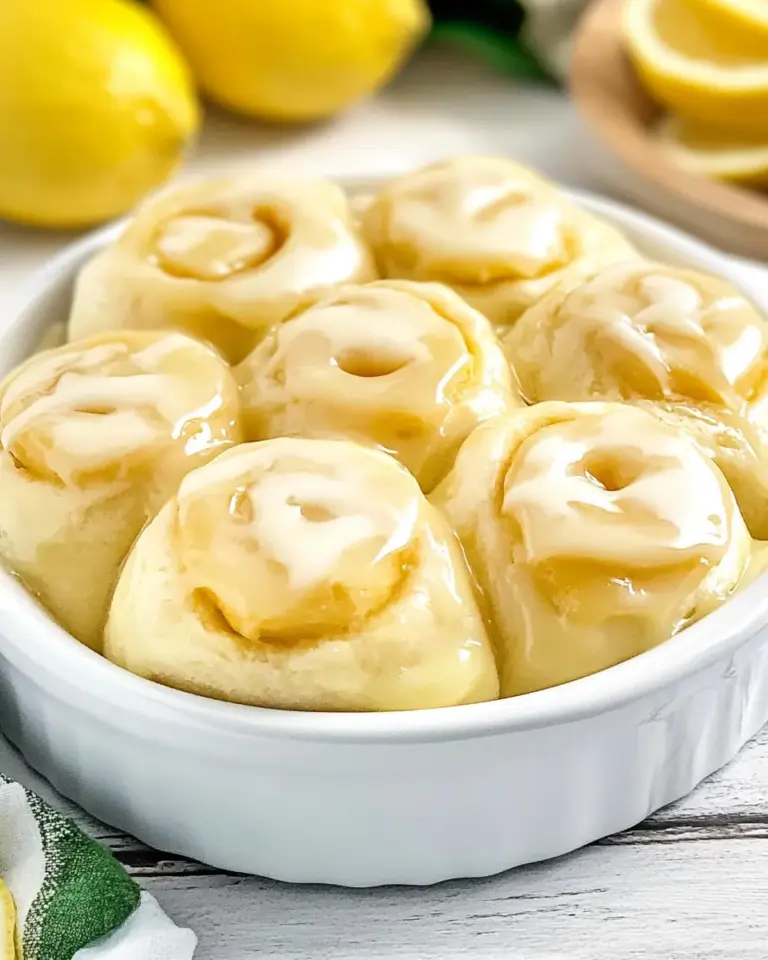
- Drizzle glaze over cooked cinnamon rolls: When glazing, aim for a thin ribbon that catches the ridges and pools slightly in the swirls, offering glossy, sweet highlights. The warmth of the rolls will help the glaze spread and lightly melt, creating that irresistible glossy finish. If the rolls are piping hot, the glaze will soak in more, so allow them to cool for five to ten minutes if you want a visible icing layer. A common pitfall is glazing immediately and losing all the glaze into the rolls, so let them rest briefly for the best texture.
Substitutions and Tips
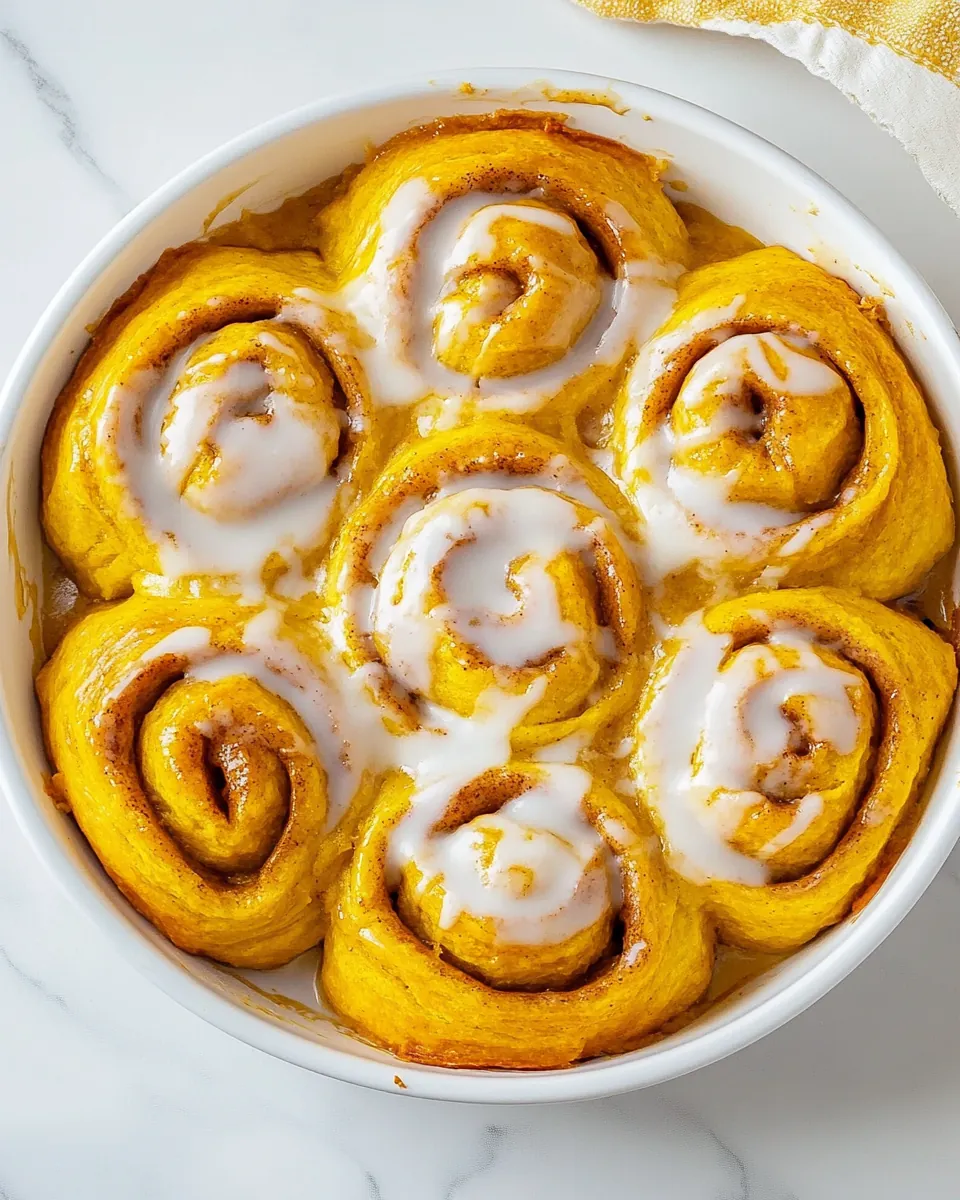
Here are practical tips and expanded notes based on tested experience. I organized them so you can apply them quickly while making the recipe. Each tip begins with a highlighted phrase for easy scanning.
- Room temperature dairy: Let both the butter and cream cheese sit at room temperature for at least 30 minutes so they blend smoothly with the brown sugar and pumpkin. This prevents lumps and helps create an even filling layer that spreads without tearing the dough.
- Measure flour properly: Spoon the flour into your measuring cup and level with a knife instead of scooping directly from the bag. That small step prevents dense dough and keeps the texture light and tender.
- Control sweetness: If you prefer less sweet rolls, reduce the powdered sugar in the glaze or the honey in the filling by a tablespoon. Adjust gradually and taste the glaze before drizzling to get the balance you like.
- Freeze baked rolls: Bake the rolls without glaze, cool completely, then freeze in a single layer in an airtight container for up to two months. Reheat gently in a warm oven, then add the glaze for that fresh baked finish.
- Handling sticky dough: If the dough sticks to the rolling pin, place a sheet of parchment on top and roll the dough through it, then remove the parchment when spreading the filling. This keeps the surface tidy and avoids adding excess flour.
How to Serve Quick Pumpkin Cinnamon Rolls
Serving these rolls is part of the joy because they fit many occasions. Whether I set them out for a slow weekend breakfast or pack a few for an afternoon get together, they always bring warmth and a hint of season. Below are serving ideas and pairing suggestions.
- Breakfast spread: Serve warm with coffee or tea, placing the rolls on a lined platter so guests can help themselves. A soft napkin and a small serving tong make it feel like a casual bakery experience.
- Brunch centerpiece: Arrange several rolls on a cake stand for a brunch table. Surround them with simple fresh fruit to balance the sweet and spiced profile for a multi textural offering.
- Holiday mornings: These fit nicely into Thanksgiving or fall holiday breakfast spreads, offering an approachable indulgence that pairs well with hearty egg dishes or lighter yogurt bowls.
- Storage and reheating: Store in an airtight container in the refrigerator for up to five days. To refresh, warm in a low oven or microwave briefly, then add fresh glaze for that out of oven gloss.
- Make ahead options: Prepare the rolls up through slicing, then cover and refrigerate for a few hours before baking, or freeze unbaked for longer storage. Bake from chilled or slightly thawed for reliable results.
- Portioning: For gatherings, place individual rolls in muffin cups to make serving and reheating simple, and to help each roll keep its shape with neat spirals.
FAQ
Conclusion
What makes these Quick Pumpkin Cinnamon Rolls special is their ability to feel indulgent while staying remarkably simple to prepare. The pairing of tender pumpkin spiced dough with a tangy cream cheese layer and a glossy glaze delivers warm, familiar flavors without long waits or complicated technique. Give them a try on a cozy morning or for a holiday breakfast, and you will find they earn a regular spot in the rotation. I hope these rolls become one of those comfort recipes you reach for again and again, bringing a little warmth to the table whenever you need it.
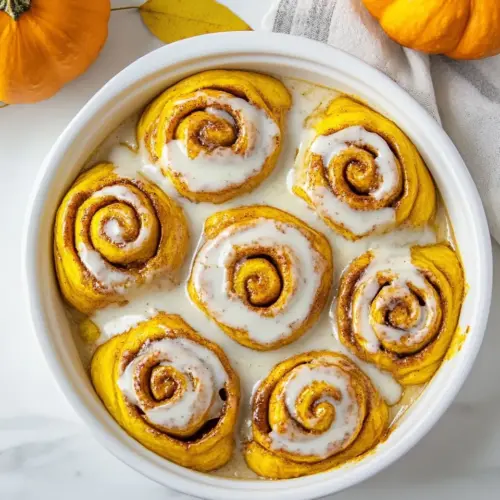
Quick Pumpkin Cinnamon Rolls
Equipment
- Mixing Bowl
- Standing mixer
- Rolling Pin
- Baking Sheet
- Muffin cups
Ingredients
- 2 1/4 cups all purpose flour Provide structure and bulk to the dough, absorbing liquids and forming gluten when mixed; sift or whisk to ensure even texture and prevent lumps, resulting in a tender roll crumb.
- 2 teaspoons baking powder Leaven baked goods by releasing carbon dioxide when activated, helping the rolls rise and become light; measure precisely to avoid over-rising or a metallic taste.
- 1/4 teaspoon kosher salt Enhance overall flavor balance and control the dough's chemistry by adding a touch of salt; helps strengthen gluten and brightens the sweetness in the filling and glaze.
- 1/4 cup unsalted butter, softened Contribute richness, flakiness, and tender mouthfeel by coating flour proteins with fat; soften at room temperature so it incorporates smoothly into the dough.
- 1/4 cup brown sugar Provide caramel-like sweetness and moisture to the filling while adding depth of flavor; dark or light varieties both work, and it melts into a sticky, flavorful layer.
- 1 cup pumpkin puree Add moisture, natural sweetness, and a seasonal pumpkin flavor to the dough and filling; use plain pumpkin puree (not pumpkin pie filling) for best consistency.
- 1/2 cup whipped cream cheese Create a creamy, slightly tangy filling layer and help lighten the frosting or filling texture; soften to room temperature for smooth, spreadable consistency.
- 3 tablespoons honey Sweeten naturally and thin fillings or glazes slightly while imparting floral notes; drizzle into mixtures to adjust sweetness and viscosity as needed.
- 2 teaspoons ground cinnamon Impart warm, aromatic spice and classic fall flavor throughout the filling and dough; combine with other spices if desired but cinnamon alone provides signature taste.
- 1 cup powdered sugar Sweeten and thicken the glaze to a smooth, pipeable consistency; sift before mixing to avoid lumps and achieve a glossy finish.
- 2 -3 tablespoons milk, water or cream Adjust glaze consistency to desired thickness, allowing it to be drizzled or spread; use milk, water, or cream depending on the richness desired.
- 1/4 -1/2 teaspoon vanilla extract (optional) Add a subtle vanilla aroma to the glaze or dough, enhancing overall flavor complexity; optional amount prevents overpowering the pumpkin and cinnamon notes.
Instructions
- Preheat oven to 375°F.: The kitchen should smell faintly warm and the air should feel ready for baking, which ensures the rolls start cooking immediately and evenly. Preheating to 375°F sets the oven environment so the edges crisp slightly while the centers remain tender. If you skip preheating, expect uneven rise and longer bake times. A common mistake is not allowing the oven to reach temperature, which can lead to dense centers, so always wait until the oven indicator shows ready.
- In a bowl, whisk together the flour, baking powder and salt.: As you whisk, you should see a uniform pale mixture with no streaks of the individual components, which creates even lift and seasoning in the dough. This step is crucial because it distributes the baking powder and salt evenly, preventing pockets of salty or flat flavor. Over mixing dry ingredients is not a concern, but be sure to break up clumps. If you notice lumps of flour , sift or press them with the whisk to avoid dense spots in the dough.
- In a separate bowl or the bowl of a standing mixer, cream together the butter and sugar, then mix in pumpkin puree. Add the flour mixture to the pumpkin mixture and stir to combine.: You want the butter and brown sugar to become light and slightly fluffy before the pumpkin is incorporated, which helps aerate the dough and improves texture. When you add the pumpkin , the mixture should look smooth and cohesive, not separated. If the mixture appears greasy, the butter may have been too warm, so chill briefly and mix again. Avoid over beating once the pumpkin is added, as that can make the dough dense.
- On a well floured surface, roll the dough to a 1/4 inch thick rectangle about 16 x 12 inches. Spread the cream cheese on top of the dough, drizzle with honey and sprinkle with cinnamon.: After adding, the dough should come together without long streaks of dry flour or overly wet patches, forming a slightly tacky but manageable mass. This balance matters because too dry a dough will crack when rolled, and too wet a dough will be sticky and hard to handle. If it is sticky, dust the counter lightly with extra flour , but do it sparingly to preserve tenderness. The common error here is adding too much extra flour which yields dry rolls.
- Carefully roll up the dough, starting with the long side and cut into 1 1/2-inch pieces.: As you roll, the dough should spread smoothly and hold together, with a matte surface from the flour dusting. Rolling to roughly 1/4 inch thickness creates neat spirals that bake through without becoming too thick in the center. If the dough resists, let it rest five minutes to relax the gluten, which makes rolling easier. Rolling too thin will produce fragile spirals that may collapse during baking.
- Place the rolls in greased muffin cups or silpat or parchment lined baking sheet and bake for 20-22 minutes, or until golden brown.: The cream cheese should be spread evenly in a thin layer so every bite has tang and moisture, while the honey and cinnamon add sticky sweetness and warmth. Look for a smooth white layer dotted with specks of cinnamon , which signals even distribution. If the cream cheese is too cold it will tear the dough, so ensure it is soft before spreading. A frequent misstep is piling the filling too thick, which makes it hard to roll cleanly.
- A tablespoon at a time, add milk to the powdered sugar and mix until desired consistency is reached. Add the vanilla extract and stir.: As you roll, you should feel gentle resistance and watch the spiral form, creating clean concentric layers. Cutting into 1 1/2 inch pieces gives bite sized rolls that bake through without a raw center. Use a sharp knife or dental floss for clean cuts, as dragging a dull blade can squish the rolls. If the roll unravels while cutting, chill briefly to firm the dough and make neater slices.
- Drizzle glaze over cooked cinnamon rolls.: Look for even golden edges and a lightly browned top, and you may hear a faint crackle as the outsides set. This visual cue tells you the exterior is done and the interior will be soft and fully cooked. If you are using muffin cups, they help the rolls hold shape; on a baking sheet they will spread more. A common mistake is overbaking which dries the center, so start checking at 18 minutes and remove when golden.
- A tablespoon at a time, add milk to the powdered sugar and mix until desired consistency is reached: As you whisk the powdered sugar and milk , you are aiming for a glossy, pourable glaze that drips slowly off a spoon. The texture should coat the back of a spoon but still flow, which ensures it will set with a sheen and not a brittle crust. Adding liquid slowly prevents an overly thin glaze that runs off the rolls. If your glaze is too thin, add more powdered sugar , a tablespoon at a time, to thicken.
- Add the vanilla extract and stir: Stirring in the vanilla should deepen the aroma of the glaze without changing its texture, leaving a fragrant top note that complements pumpkin and cinnamon . Mix until the vanilla is fully incorporated and the glaze looks uniform. Avoid adding more than the recommended amount, because it can overpower the other flavors. If the vanilla makes the glaze smell too strong, a tiny pinch more powdered sugar can rebalance it.
- Drizzle glaze over cooked cinnamon rolls: When glazing, aim for a thin ribbon that catches the ridges and pools slightly in the swirls, offering glossy, sweet highlights. The warmth of the rolls will help the glaze spread and lightly melt, creating that irresistible glossy finish. If the rolls are piping hot, the glaze will soak in more, so allow them to cool for five to ten minutes if you want a visible icing layer. A common pitfall is glazing immediately and losing all the glaze into the rolls, so let them rest briefly for the best texture.
Notes
- Room temperature dairy: Let both the butter and cream cheese sit at room temperature for at least 30 minutes so they blend smoothly with the brown sugar and pumpkin. This prevents lumps and helps create an even filling layer that spreads without tearing the dough.
- Measure flour properly: Spoon the flour into your measuring cup and level with a knife instead of scooping directly from the bag. That small step prevents dense dough and keeps the texture light and tender.
- Control sweetness: If you prefer less sweet rolls, reduce the powdered sugar in the glaze or the honey in the filling by a tablespoon. Adjust gradually and taste the glaze before drizzling to get the balance you like.
- Freeze baked rolls: Bake the rolls without glaze, cool completely, then freeze in a single layer in an airtight container for up to two months. Reheat gently in a warm oven, then add the glaze for that fresh baked finish.
- Handling sticky dough: If the dough sticks to the rolling pin, place a sheet of parchment on top and roll the dough through it, then remove the parchment when spreading the filling. This keeps the surface tidy and avoids adding excess flour.