Dried Cherry Scones
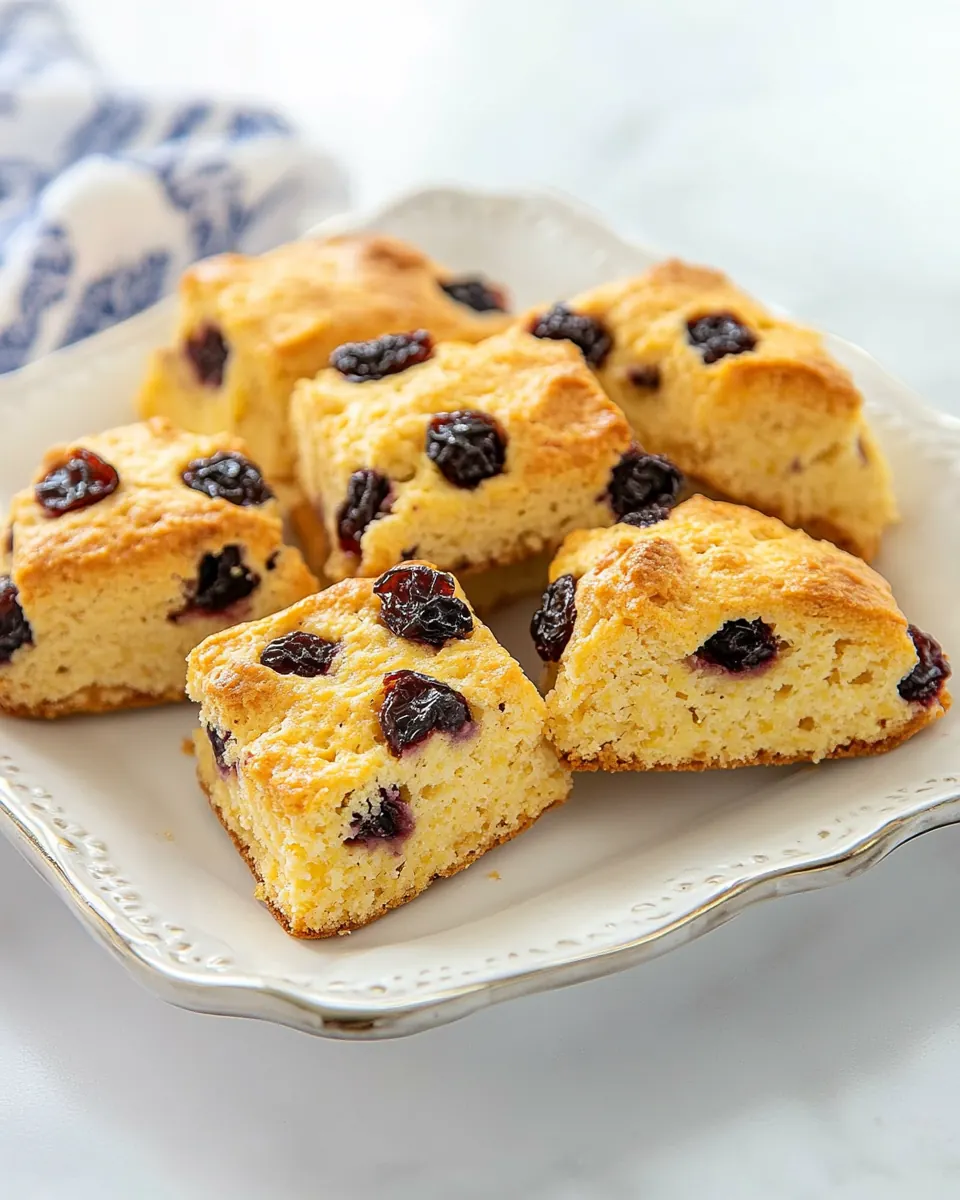
Dried Cherry Scones have been one of my fastest comfort bakes on chilly mornings, and the scent that fills my kitchen when they come out of the oven always makes me smile. I first learned to bake these after a brisk autumn walk when I wanted something slightly sweet, tender, and easy to share with neighbors. The mix of flaky crumb and little bursts of chewy fruit felt like a small celebration with every bite.
When I make Dried Cherry Scones I like to lean into simple techniques that let the quality of the ingredients sing. Over the years I have experimented with shapes and finishes, and I often choose cutters that make the scones feel a little festive. There is a warm rhythm to pressing the dough, brushing the tops, and sliding the tray into the oven, and it is one of those tasks that soothes me on an otherwise busy morning.
These scones are forgiving, and they reward small acts of patience, like chilling the butter and not overworking the dough. I’ve learned to trust the dough when it looks a bit dry, because resting lets the flour hydrate and the texture comes together. Guests always notice the crisp, slightly golden exterior and the tender interior studded with chewy dried cherries.
Recipe Snapshot
30 mins
5 mins
25 mins
Medium
200 kcal
American
Gluten-Free, Low FODMAP
Breakfast
Mixing bowl, Pastry blender, Measuring cups, Baking sheet, Parchment paper, Wire cooling rack, Cookie cutter
Why You Need This Dried Cherry Scones
They are effortless to make
I love that Dried Cherry Scones come together with minimal fuss, which makes them perfect for mornings when you want something homemade without a long commitment. A few bowls and a quick mix are all you need, and the result feels special rather than rushed.
Balanced sweet and tart flavor
The combination of simple sugar and dried cherries gives these scones a pleasant contrast, keeping them from tasting cloying. I appreciate how each bite offers a hint of brightness from the fruit, which keeps you reaching for another one.
Versatile for occasions
I’ve served Dried Cherry Scones at brunches, neighborhood swaps, and quiet weekend breakfasts. They travel well and pair beautifully with tea or coffee, which makes them reliable when I need a crowd pleasing baked good.
Textural play
The key players like flour, butter, and milk create a tender crumb with a lightly crisp crust. The contrast between the flaky interior and the golden exterior is what keeps me coming back to this recipe again and again.
Room for creativity
While making these scones I often play with shapes and finishes, which keeps the recipe feeling fresh. Subtle changes in cutting or brushing the tops can make them look quaint and bakery worthy.
Ingredients for Dried Cherry Scones

These ingredients are deliberately simple and dependable. The backbone of the recipe is flour and butter, which create a tender, flaky crumb, while sugar and dried cherries provide the sweet and fruity notes. Baking powder lifts the scones, and a pinch of kosher salt balances the flavors. Milk binds the dough without weighing it down, and the optional egg or heavy cream gives the tops a glossy, golden finish.
- 2 1/2 cups flour: Provide structure and bulk to the scones, creating the dough matrix that holds other ingredients together. Develops gluten when mixed, which should be minimized for tender scones by gentle handling and short mixing. Also contributes to the final crumb and texture, and can be measured precisely for consistent results.
- 1/2 cup sugar: Add sweetness and balance to the scones while also aiding in browning of the exterior during baking. Dissolves into the dough to affect moisture and tenderness, and can be adjusted slightly for taste without dramatically altering structure. Helps create a pleasant contrast to the tart dried cherries.
- 2 1/2 teaspoons baking powder: Leaven the scones by releasing gas when exposed to moisture and heat, producing lightness and rise in the baked product. Should be evenly distributed through the dry ingredients to avoid uneven pockets of lift and ensure consistent texture. Works quickly so dough should be baked soon after mixing for best results.
- 1/2 teaspoon kosher salt: Enhance overall flavor by balancing sweetness and accentuating other tastes in the scones. Strengthens gluten slightly and can influence the chemical reaction of the leavening agent, so use the specified amount for proper rise. Also helps preserve freshness and improves mouthfeel.
- 6 tablespoons unsalted butter, chilled and chopped: Introduce rich, buttery flavor and create tender, flaky layers by coating flour particles with fat. Cold, chopped butter forms small pockets that melt during baking, producing steam and lift for flakiness; keep chilled to maintain texture. Contributes to mouthfeel, flavor, and a golden exterior when evenly distributed.
- 3/4 cup whole milk: Provide moisture to hydrate dry ingredients and activate the baking powder, forming the scone dough. Contributes to tenderness and richness, and the type of milk affects flavor and crumb slightly; whole milk adds more richness than lower-fat milks. Use measured amount to achieve correct dough consistency without overhydrating.
- 1/2 cup dried cherries: Offer concentrated fruity flavor and chewy texture that complements the scones' richness. Adds bursts of tart-sweet contrast and visual interest; if very dry, consider briefly rehydrating to prevent it from drawing moisture from the dough. Distribute evenly so each scone gets a balanced amount.
- 1 egg, beaten or 1 tablespoon heavy cream: Bind the dough and promote browning on the scone surface when brushed on top, while adding richness if incorporated. Beaten egg will contribute more structure and shine, while heavy cream gives a subtler glaze and tender finish; choose based on desired crust and richness. Use sparingly to avoid overworking the dough.
Step by Step Instructions for Dried Cherry Scones
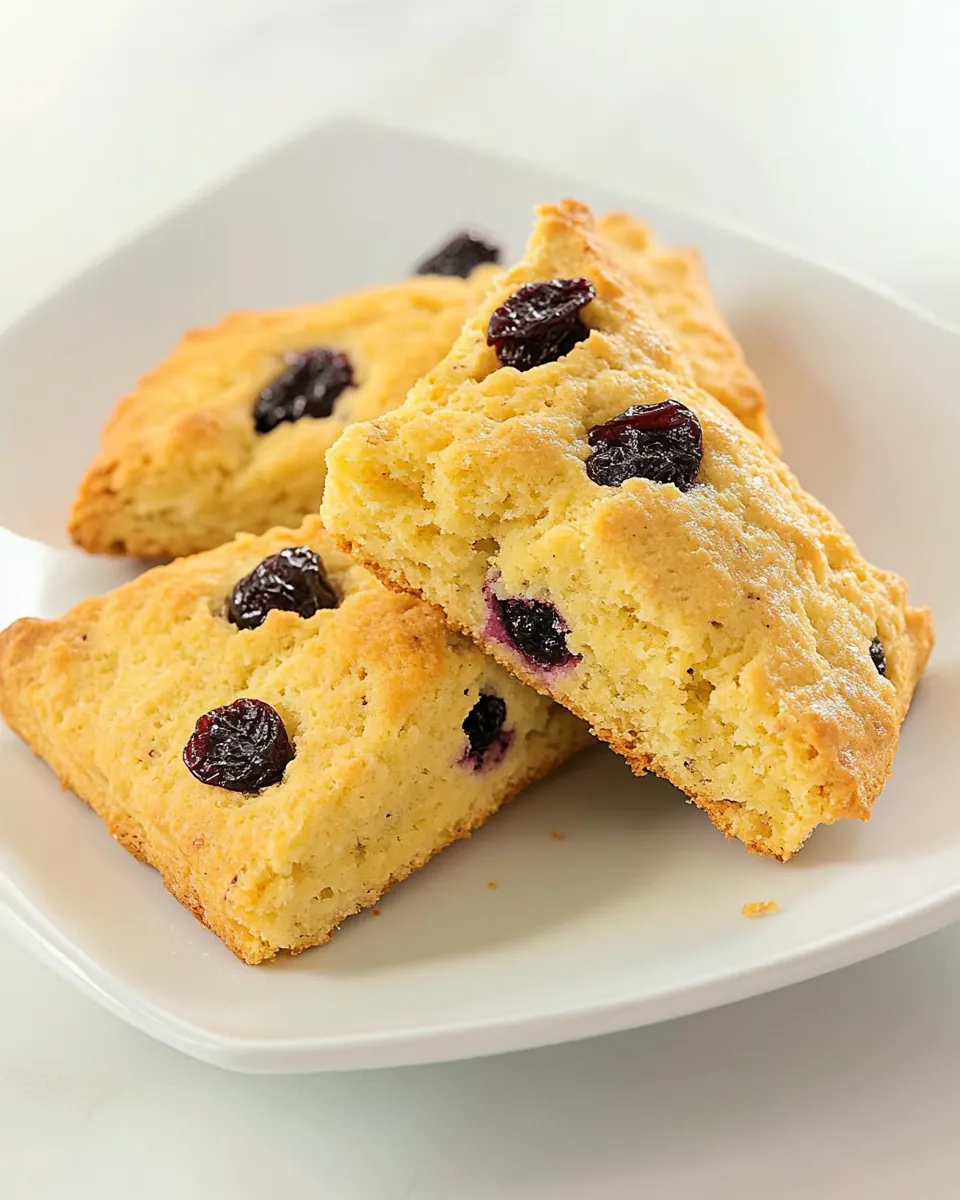
These directions will guide you through each move so you can sense when the dough looks and feels right. Take your time on the mixing and shaping, and you will be rewarded with consistent, bakery style scones.
- Preheat oven to 400 F.: Your kitchen will fill with warm, slightly sweet aromas almost immediately once the oven is ready, and starting with a properly preheated oven ensures the butter creates steam that lifts the scones. A common mistake is sliding the tray in before the oven is hot enough, which yields dense, under risen scones. Check for an accurate oven temperature using an oven thermometer. Expect a faint scent of warmth and a steady heat that signals readiness.
- Whisk the first four ingredients together in a large bowl.: You will notice the dry mix smells faintly of toasted grain and salt, and whisking helps distribute the baking powder evenly so every scone rises uniformly. If you skip thorough whisking, some scones may rise more than others. Look for a homogenous pale mixture with no streaks of salt or clumps of leavening.
- Add the butter to the flour mixture and mix with either your fingertips, a pastry blender, or two knives until it forms the texture of coarse meal.: At this stage you are aiming for small, pea sized bits of chilled butter coated in flour , and the smell will be rich and slightly buttery when you break the mixture between your fingers. Resist overworking or letting the butter warm up, since that will make the dough greasy and affect flakiness. A common misstep is working the butter until it disappears; instead you want visible, cold pieces to create steam pockets while baking.
- Add the milk and cherries and mix gently until just incorporated (the dough may look a bit dry, but allow it sit for a few minutes and the flour will soak up all the milk).: You will feel the dough come together as the milk hydrates the flour , and the aroma will turn milky and slightly fruity from the dried cherries . Gentle mixing preserves those tender layers, so avoid vigorous stirring which can toughen the dough. If you add too much force you risk activating gluten, yielding firmer scones.
- Place dough on a lightly floured surface and gently press into a 1 inch thick circle.: When you press the dough you should sense a cool, slightly tacky texture, and you will see the dough form a smooth surface with embedded dried cherries . Pressing too hard compresses the layers, so be gentle and even. If the dough sticks, dust with a little flour , but avoid adding excessive flour , which will dry the scones out.
- Cut out scones using a heart shaped cookie cutter.: Cutting reveals clean edges and a neat shape, and you may hear a soft thud as the cutter separates the dough. Press straight down without twisting to preserve the height. Twisting can pinch the edges and seal layers, which prevents optimal rise. Arrange the shapes carefully to keep them from sticking together on the baking sheet.
- Place scones on a parchment lined baking sheet and brush with beaten egg or heavy cream, if desired (this will give the scones a golden crust).: Brushing provides an attractive glossy finish, and you will notice a difference in color once baked. The surface will brown evenly because the proteins and sugars in the egg or heavy cream caramelize. A frequent oversight is skipping the brush, which leads to paler tops; if you want deep golden color, do not skip this step.
- Bake in oven for 25 minutes.: The oven will sing with a toasty aroma as the scones rise and the butter melts, and you should see golden edges and a slightly domed top when they are done. Avoid opening the oven repeatedly, as fluctuating heat can cause uneven rise. If the tops brown too quickly, lower the rack slightly or tent loosely with foil for the last minutes of baking.
- Move immediately to a wire cooling rack and serve.: Cooling on a wire rack prevents steam from collecting under the scones, preserving a crisp exterior while the interior sets. You will feel a gentle warmth from the scones and smell concentrated fruit notes from the dried cherries . Leaving them on the hot sheet will steam the bottoms and soften the crust, so transfer promptly to keep texture contrast.
Recipe Notes about Dried Cherry Scones

These notes expand on small techniques and choices that improve the final bake, and they reflect what I have learned from repeated baking sessions. Each tip highlights a single practical step to make your Dried Cherry Scones turn out reliably.
- Chill the butter: Using cold, chopped butter creates pockets that steam during baking, leading to a flakier interior and a more tender crumb.
- Measure flour correctly: Spoon flour into the measuring cup and level it with the back of a knife to avoid compacting, which can make the scones dense.
- Rest briefly if dough seems dry: Allowing the dough to sit for a few minutes helps the milk hydrate the flour, often eliminating the need to add extra liquid.
- Brush with egg or cream: A thin wash of beaten egg or heavy cream yields a shiny golden top, enhancing both appearance and flavor.
- Use parchment paper: Baking on parchment prevents sticking and promotes even browning without extra greasing.
Serving Ideas for Dried Cherry Scones
These scones are versatile and suited to a range of occasions from weekday breakfasts to cozy gatherings. Below I outline serving styles, pairings, and storage tips that help you enjoy these scones across seasons.
- Breakfast pairing: Serve warm with a pat of softened butter and a steaming cup of coffee or tea for a comforting morning treat.
- Brunch spread: Arrange on a platter with fruit and a small bowl of jam so guests can customize, making them ideal for weekend get togethers or casual celebrations.
- Afternoon tea: Pair with black tea or a mild herbal infusion, and consider small bowls of clotted cream or preserves to accentuate the dried cherries.
- Picnics and travel: These scones travel well at room temperature for a few hours, making them a good choice for outdoor meals or potlucks.
- Storage tips: Let scones cool completely, then store in an airtight container at room temperature for up to two days. For longer storage, freeze wrapped scones for up to one month and rewarm gently in the oven.
- Occasions: These are lovely for autumn gatherings, school events, or simple weekend baking since they feel festive without being fussy.
FAQ
Conclusion
These Dried Cherry Scones shine because they pair an easy method with a timeless texture contrast between a crisp exterior and a tender interior studded with fruity bites. Try them when you want a simple yet impressive bake that fills your kitchen with warm, comforting aromas. Make a batch to share or keep them all for yourself, and enjoy how quickly they become a favorite.
Dried Cherry Scones
Equipment
- Mixing Bowl
- Pastry blender
- Measuring Cups
- Baking Sheet
- Parchment Paper
- wire cooling rack
- Cookie Cutter
Ingredients
- 2 1/2 cups flour Provide structure and bulk to the scones, creating the dough matrix that holds other ingredients together. Develops gluten when mixed, which should be minimized for tender scones by gentle handling and short mixing. Also contributes to the final crumb and texture, and can be measured precisely for consistent results.
- 1/2 cup sugar Add sweetness and balance to the scones while also aiding in browning of the exterior during baking. Dissolves into the dough to affect moisture and tenderness, and can be adjusted slightly for taste without dramatically altering structure. Helps create a pleasant contrast to the tart dried cherries.
- 2 1/2 teaspoons baking powder Leaven the scones by releasing gas when exposed to moisture and heat, producing lightness and rise in the baked product. Should be evenly distributed through the dry ingredients to avoid uneven pockets of lift and ensure consistent texture. Works quickly so dough should be baked soon after mixing for best results.
- 1/2 teaspoon kosher salt Enhance overall flavor by balancing sweetness and accentuating other tastes in the scones. Strengthens gluten slightly and can influence the chemical reaction of the leavening agent, so use the specified amount for proper rise. Also helps preserve freshness and improves mouthfeel.
- 6 tablespoons unsalted butter, chilled and chopped Introduce rich, buttery flavor and create tender, flaky layers by coating flour particles with fat. Cold, chopped butter forms small pockets that melt during baking, producing steam and lift for flakiness; keep chilled to maintain texture. Contributes to mouthfeel, flavor, and a golden exterior when evenly distributed.
- 3/4 cup whole milk Provide moisture to hydrate dry ingredients and activate the baking powder, forming the scone dough. Contributes to tenderness and richness, and the type of milk affects flavor and crumb slightly; whole milk adds more richness than lower-fat milks. Use measured amount to achieve correct dough consistency without overhydrating.
- 1/2 cup dried cherries Offer concentrated fruity flavor and chewy texture that complements the scones' richness. Adds bursts of tart-sweet contrast and visual interest; if very dry, consider briefly rehydrating to prevent it from drawing moisture from the dough. Distribute evenly so each scone gets a balanced amount.
- 1 egg, beaten or 1 tablespoon heavy cream Bind the dough and promote browning on the scone surface when brushed on top, while adding richness if incorporated. Beaten egg will contribute more structure and shine, while heavy cream gives a subtler glaze and tender finish; choose based on desired crust and richness. Use sparingly to avoid overworking the dough.
Instructions
- Preheat oven to 400 F.: Your kitchen will fill with warm, slightly sweet aromas almost immediately once the oven is ready, and starting with a properly preheated oven ensures the butter creates steam that lifts the scones. A common mistake is sliding the tray in before the oven is hot enough, which yields dense, under risen scones. Check for an accurate oven temperature using an oven thermometer. Expect a faint scent of warmth and a steady heat that signals readiness.
- Whisk the first four ingredients together in a large bowl.: You will notice the dry mix smells faintly of toasted grain and salt, and whisking helps distribute the baking powder evenly so every scone rises uniformly. If you skip thorough whisking, some scones may rise more than others. Look for a homogenous pale mixture with no streaks of salt or clumps of leavening.
- Add the butter to the flour mixture and mix with either your fingertips, a pastry blender, or two knives until it forms the texture of coarse meal.: At this stage you are aiming for small, pea sized bits of chilled butter coated in flour , and the smell will be rich and slightly buttery when you break the mixture between your fingers. Resist overworking or letting the butter warm up, since that will make the dough greasy and affect flakiness. A common misstep is working the butter until it disappears; instead you want visible, cold pieces to create steam pockets while baking.
- Add the milk and cherries and mix gently until just incorporated (the dough may look a bit dry, but allow it sit for a few minutes and the flour will soak up all the milk).: You will feel the dough come together as the milk hydrates the flour , and the aroma will turn milky and slightly fruity from the dried cherries . Gentle mixing preserves those tender layers, so avoid vigorous stirring which can toughen the dough. If you add too much force you risk activating gluten, yielding firmer scones.
- Place dough on a lightly floured surface and gently press into a 1 inch thick circle.: When you press the dough you should sense a cool, slightly tacky texture, and you will see the dough form a smooth surface with embedded dried cherries . Pressing too hard compresses the layers, so be gentle and even. If the dough sticks, dust with a little flour , but avoid adding excessive flour , which will dry the scones out.
- Cut out scones using a heart shaped cookie cutter.: Cutting reveals clean edges and a neat shape, and you may hear a soft thud as the cutter separates the dough. Press straight down without twisting to preserve the height. Twisting can pinch the edges and seal layers, which prevents optimal rise. Arrange the shapes carefully to keep them from sticking together on the baking sheet.
- Place scones on a parchment lined baking sheet and brush with beaten egg or heavy cream, if desired (this will give the scones a golden crust).: Brushing provides an attractive glossy finish, and you will notice a difference in color once baked. The surface will brown evenly because the proteins and sugars in the egg or heavy cream caramelize. A frequent oversight is skipping the brush, which leads to paler tops; if you want deep golden color, do not skip this step.
- Bake in oven for 25 minutes.: The oven will sing with a toasty aroma as the scones rise and the butter melts, and you should see golden edges and a slightly domed top when they are done. Avoid opening the oven repeatedly, as fluctuating heat can cause uneven rise. If the tops brown too quickly, lower the rack slightly or tent loosely with foil for the last minutes of baking.
- Move immediately to a wire cooling rack and serve.: Cooling on a wire rack prevents steam from collecting under the scones, preserving a crisp exterior while the interior sets. You will feel a gentle warmth from the scones and smell concentrated fruit notes from the dried cherries . Leaving them on the hot sheet will steam the bottoms and soften the crust, so transfer promptly to keep texture contrast.
Notes
- Chill the butter: Using cold, chopped butter creates pockets that steam during baking, leading to a flakier interior and a more tender crumb.
- Measure flour correctly: Spoon flour into the measuring cup and level it with the back of a knife to avoid compacting, which can make the scones dense.
- Rest briefly if dough seems dry: Allowing the dough to sit for a few minutes helps the milk hydrate the flour, often eliminating the need to add extra liquid.
- Brush with egg or cream: A thin wash of beaten egg or heavy cream yields a shiny golden top, enhancing both appearance and flavor.
- Use parchment paper: Baking on parchment prevents sticking and promotes even browning without extra greasing.