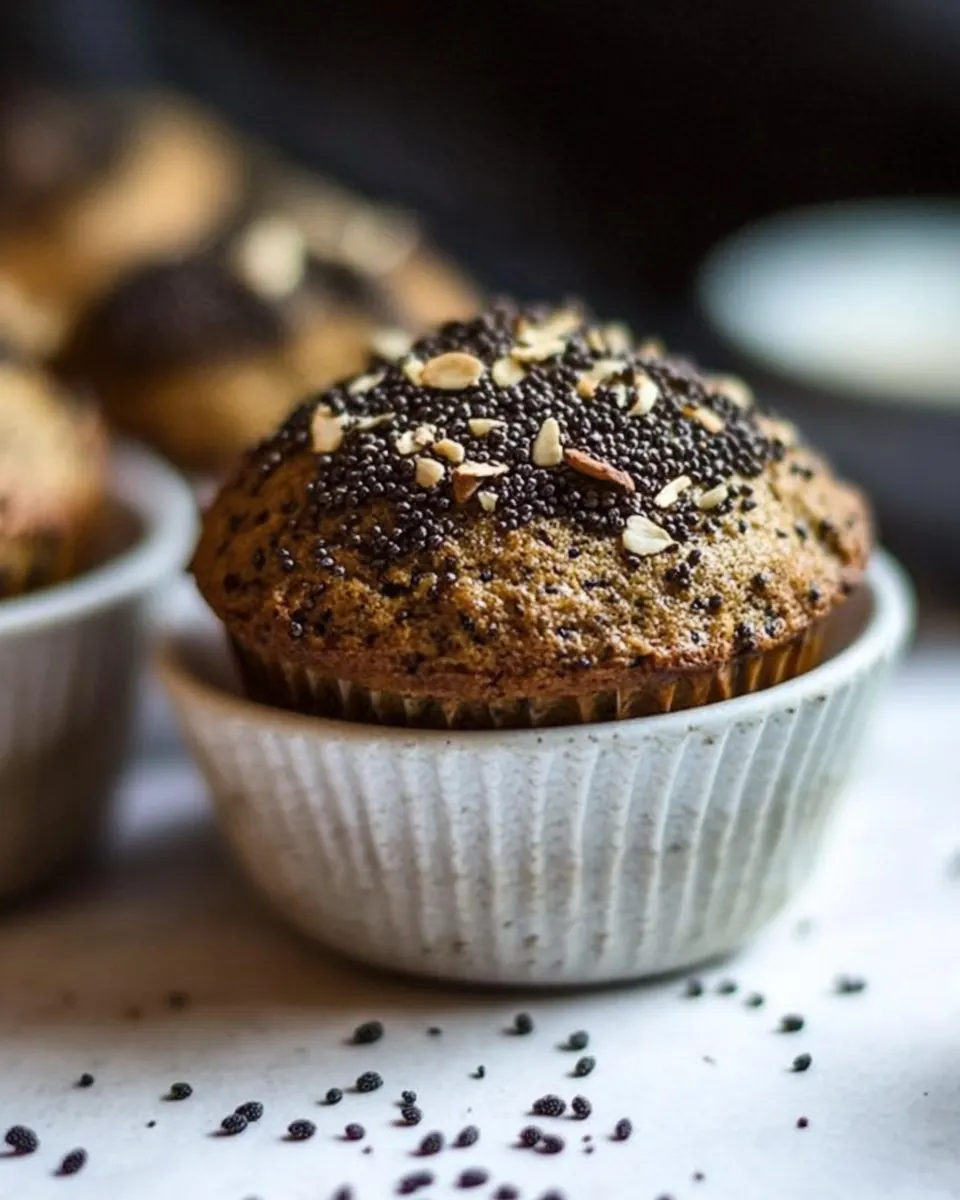
Poppy Breakfast Muffins
Poppy Breakfast Muffins have been my go to for bright mornings when I want something hearty but still light enough to pair with coffee and conversation.
I first made Poppy Breakfast Muffins on an early spring weekend, when I had a jar of poppy seeds that begged to be used and a bag of white whole wheat flour that felt too important to leave untouched. I remember the kitchen filling with a warm, nutty scent as the quinoa finished cooking, the grains swelling and whispering in the pot as they absorbed the water. That texture, a soft chew against a tender crumb studded with tiny crunchy poppy seeds, is what keeps me returning to this recipe.
What I love most about these muffins is how flexible they are. The recipe calls for simple pantry players like honey, olive oil, and a single egg, yet it yields a muffin that feels thoughtful and not overly sweet. I like to bake a batch when friends swing by, because the aroma seems to usher them in faster than a text ever could. When you bite into one, you get a gentle toast of olive oil, a floral note from the almond extract, and a pleasant pop from the poppy seeds, all balanced by the wholesome body of the quinoa and white whole wheat flour.
Recipe Snapshot
55 mins
30 mins
25 mins
Medium
180 kcal
American
Gluten-Free, Vegan
Breakfast
Muffin tin, Mixing bowls, Whisk, Saucepan, Fork
What You’ll Enjoy About This Poppy Breakfast Muffins
They are surprisingly wholesome
I adore how Poppy Breakfast Muffins blend comfort and nutrition. The inclusion of cooked quinoa adds a subtle chew and extra protein, so these muffins feel like a purposeful breakfast rather than an indulgence. They keep you satisfied through a morning of errands or work without weighing you down.
Texture that sings
The contrast between the tender crumb made from white whole wheat flour and the tiny crunch of poppy seeds is a reason I make them again and again. The tiny seeds add small bursts of nuttiness and a delicate visual interest that makes each bite interesting.
Flexible and forgiving
I love recipes that forgive a little improvisation, and these muffins do just that. You can swap the milk for your preferred variety, adjust the sweetness slightly, and still end up with a great result. That freedom makes them perfect for busy mornings when you want something reliable.
Balanced sweetness
The use of honey rather than refined sugar gives a gentle, floral sweetness that complements the almond extract and the pop from the poppy seeds. The flavor profile stays refined, not cloying, which is why they pair so well with coffee or tea.
Great for sharing
These muffins are sturdy enough to pack for lunches, yet elegant enough to bring to a brunch. I usually double the batch when guests are coming, because they disappear fast. The combination of approachable ingredients and a lovely finish makes them a crowd pleaser.
Ingredients for Poppy Breakfast Muffins
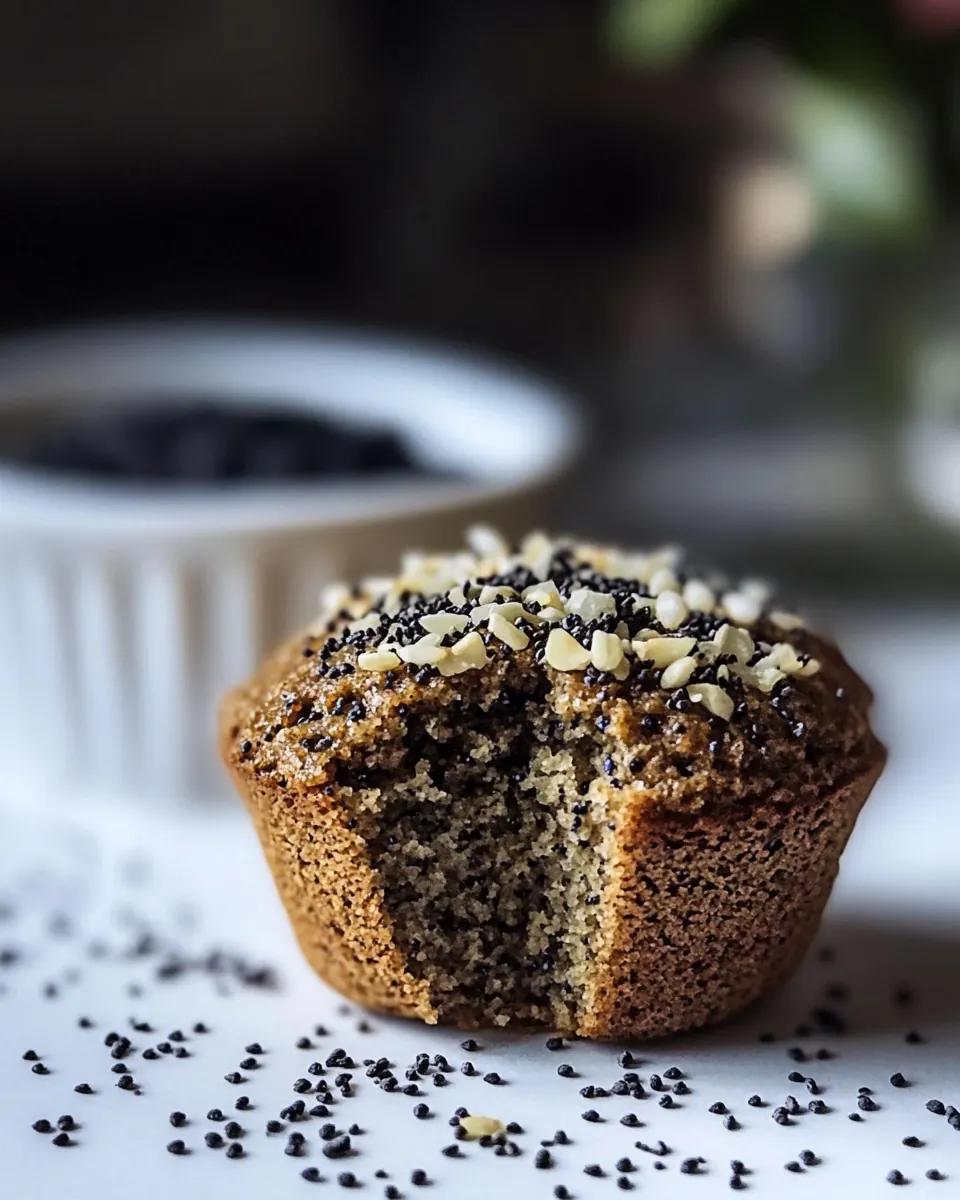
These ingredients are chosen to create a balance of texture, moisture, and flavor. The cooked quinoa brings body and protein, while the white whole wheat flour keeps the crumb tender yet wholesome. Honey and almond extract provide a warm, nuanced sweetness, and a touch of olive oil ensures each muffin stays moist for days. The poppy seeds are the bright accent that gives each bite a tiny crunchy surprise.
- 1 cup quinoa uncooked: Provide a firm, protein-rich base that absorbs cooking liquid and becomes chewy when cooked; supports structure and adds whole-grain nutrition to the muffin batter. Rinse before use if desired to remove any residue, then cook or hydrate according to recipe instructions to ensure even texture. Contributes a nutty flavor that complements sweet and citrus elements in baked goods.
- 3/4 cup milk of any variety dairy, almond, soy, coconut: Add a creamy liquid element that hydrates dry ingredients and contributes tenderness and moisture to the crumb. Choose any dairy or plant-based option to control richness and flavor profile; warmer milk blends more smoothly into batter. Provides a medium for dissolving sugars and distributing leavening agents evenly throughout the mix.
- 2/3 cup honey: Sweeten the batter with a natural liquid sweetener that adds moisture and a glossy finish while contributing color and chewiness. Adjust quantity for desired sweetness level and to balance other flavors like almond extract and poppy seeds. Helps retain moisture during baking, extending freshness of the muffins.
- 1/4 cup olive oil: Introduce healthy fat that tenderizes the crumb and aids in browning for a moist, rich texture in the finished muffins. Use extra virgin or light olive oil based on desired flavor intensity; combine thoroughly with wet ingredients for even distribution. Fat also carries and enhances almond extract and other flavor compounds.
- 1 egg large: Bind the batter and help provide lift through proteins that coagulate during baking, contributing structure and a tender crumb. Beat briefly with wet ingredients to incorporate air and ensure uniform texture. Can be substituted with appropriate alternatives if needed for dietary restrictions.
- 1 1/2 teaspoons almond extract: Impart a concentrated aromatic note that elevates the overall flavor profile with a sweet, nutty essence; intensify or reduce amount to taste. Add to the wet ingredients to distribute its aroma evenly through the batter. Pairs well with honey and poppy seeds to create a balanced flavor.
- 2 cups 100% white whole-wheat flour: Supply the primary dry bulk and gluten-forming proteins that create the muffin's structure and chew; whole–wheat flour contributes fiber and a hearty flavor. Sift or whisk with leavening agents to ensure even distribution and to prevent lumps in the batter. Using 100% white whole–wheat yields a milder taste than traditional whole–wheat.
- 1 1/2 teaspoons baking powder: Provide chemical leavening that produces carbon dioxide when activated, helping the muffins rise and achieve a light, airy texture. Combine with baking soda and liquids at the correct proportions to avoid over- or under-rising. Freshness of the powder is important for reliable lift.
- 1/4 teaspoon kosher or sea salt: Enhance overall flavor by balancing sweetness and strengthening gluten; also helps regulate yeast or chemical leavening reactions for consistent results. Use kosher or sea salt for cleaner flavor without iodine notes. Dissolve into wet ingredients to ensure even seasoning throughout the batter.
- 1/2 teaspoon baking soda: React with acidic components to create additional lift and tenderness, supplementing baking powder to fine-tune rise and crumb. Measure accurately, as excess can produce off-flavors or uneven browning. Mix into dry ingredients to distribute evenly before combining with wet mixture.
- 1/3 cup poppy seeds: Provide a distinctive nutty crunch and visual appeal while dispersing tiny bursts of flavor throughout the muffins. Fold in last to prevent concentration in one area and to avoid crushing the seeds, preserving their texture. Small amount contributes aroma and pairs well with almond extract and honey.
Preparation Steps for Poppy Breakfast Muffins
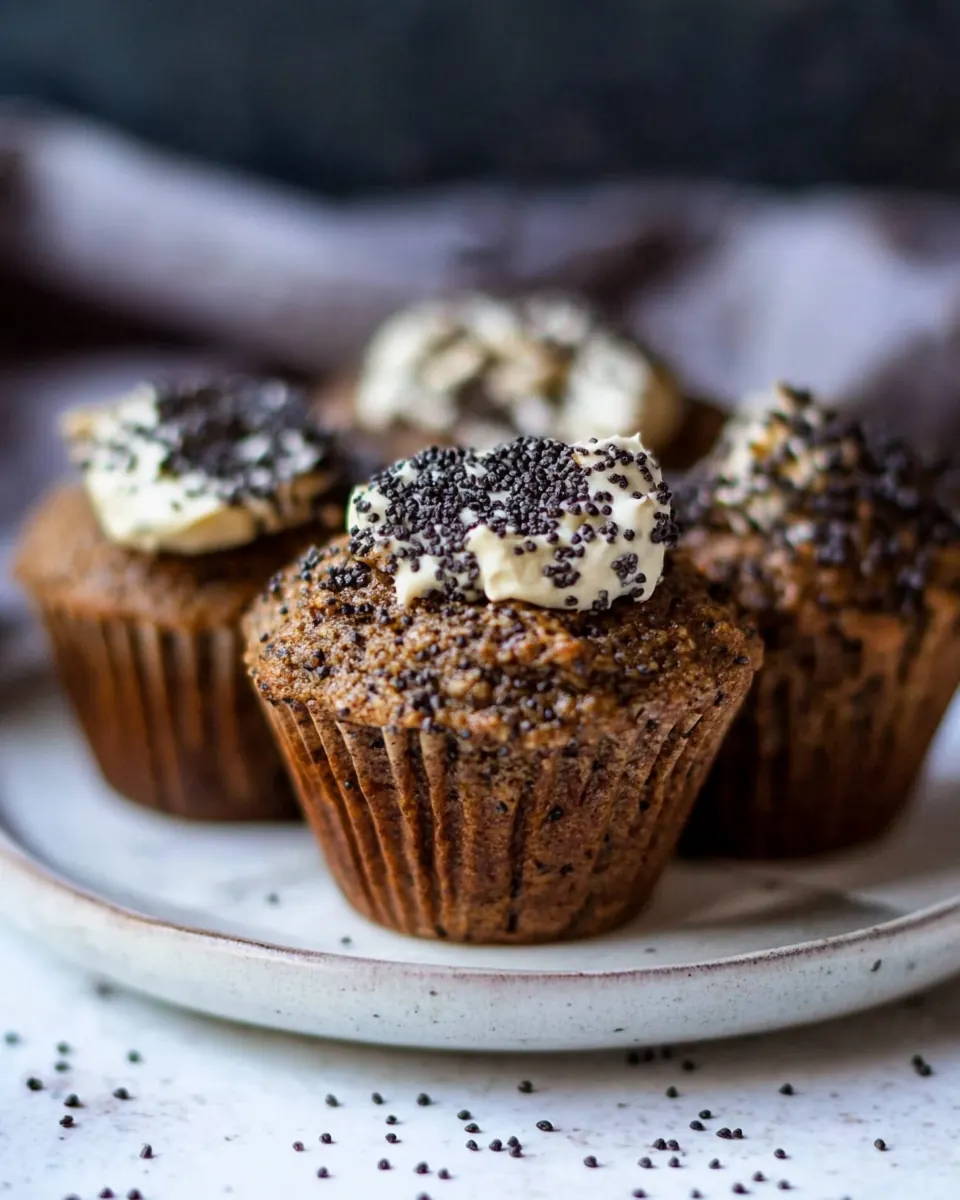
These directions will guide you from warming the oven to enjoying a fresh batch of muffins. I like to read through each step first, then gather the bowls and tools so the process flows without pause. Below I expand each instruction with sensory cues, why the technique matters, and a common pitfall to watch for.
- Preheat oven to 350 degrees. Line a muffin tin with papers or grease with a light layer of cooking spray.: You should feel the quiet ritual of preheating as essential because a properly heated oven allows the muffins to rise right away and set a golden exterior. By the time the batter is ready, the oven should be at an even heat, and when you open the door a steady warmth will greet you. The muffin papers will keep the sides from sticking while greasing creates a slight sheen that helps the tops release cleanly. A common mistake is skipping this step or preheating too late, which can lead to flat, dense muffins that do not develop that light dome.
- Bring quinoa to a boil in 1-2/3 cup water. Reduce heat to lowest setting, cover, and cook for 20 minutes until all water is absorbed. Fluff with a fork.: Listen for the soft rolling sound as water comes to a boil and watch the tiny grains bounce before you reduce the heat. As it reaches a boil, the quinoa separates and becomes bright, signaling the start of cooking. The why is simple: properly cooked quinoa yields a fluffy texture that blends into the batter without adding chalkiness. A frequent error is stirring too much while it simmers, which can make it gluey instead of light. Reduce to a simmer once boiling to maintain gentle motion.
- Whisk together all of the dry ingredients.: The pot should emit a soft steamed scent as the quinoa absorbs liquid, and you may see tiny translucent rings around each grain when it is done. This gentle cooking lets the grains swell fully and develop a tender chew that complements the muffin crumb. Leaving the lid off wastes steam and can lengthen cooking time, while lifting the lid too often lets heat escape and may leave liquid in the pan.
- In a separate bowl, whisk together all of the wet ingredients and then add to the dry ingredients.: When you remove the lid, you should see distinct grains and a light, steamy aroma. Fluffing with a fork separates the grains and releases trapped steam, preventing a gummy texture. This step is crucial so the cooked quinoa integrates smoothly into the batter, dispersing evenly rather than clumping. Overworking it with a spoon or pressing down on it will compress the grains and reduce that pleasant chew.
- Fold wet mix into dry mix until just combined.: The dry mix should look uniform, with the baking powder and baking soda evenly distributed through the white whole wheat flour . Whisking also aerates the flour, which helps create lift during baking. You will notice a consistent, paler color when everything is blended well. A common misstep is dumping wet into dry without mixing, which can lead to pockets of leavening and uneven rise.
- Pour into each muffin tin and bake for about 25 minutes or until a toothpick inserted in the center comes out clean.: As you whisk, the honey should loosen and the olive oil will create a glossy sheen in the mixture, while the egg emulsifies the liquids. Mixing the wet ingredients thoroughly ensures even distribution and helps prevent lumps of honey or oil. The batter will appear smooth and cohesive when poured into the dry mixture. Avoid vigorous mixing after combining with dry, as overmixing creates toughness rather than a tender crumb.
- Enjoy!: At this stage you should see streaks of flour disappear into a slightly thick batter, studded with little flecks of poppy seeds and specks of cooked quinoa . Folding gently preserves air in the batter, which is essential for a light texture. You can still see a few streaks of flour and that is okay because the batter will finish blending during the remainder of folding. A typical mistake is overfolding, which knocks out the air and yields dense muffins.
- Pour into each muffin tin and bake for about 25 minutes or until a toothpick inserted in the center comes out clean: The batter should pour with a slightly thick but fluid motion, resting in the tin with small domes forming as it settles. As they bake, smell a warm honeyed aroma and watch the tops turn a gentle golden brown. The toothpick test is your best cue; when it comes out clean or with a few moist crumbs, the muffins are ready. Pulling them too early leaves underbaked centers, while leaving them too long will dry them out.
- Enjoy!: When you take the first bite, you should notice a tender interior, a hint of oil warmth, and the crunch of poppy seeds . Serving them slightly warm enhances the aroma and texture, and they will keep well for a couple of days stored in an airtight container. A common oversight is not allowing them to cool a few minutes, which can cause the crumb to feel gummy instead of set.
Tips and Tricks about Poppy Breakfast Muffins
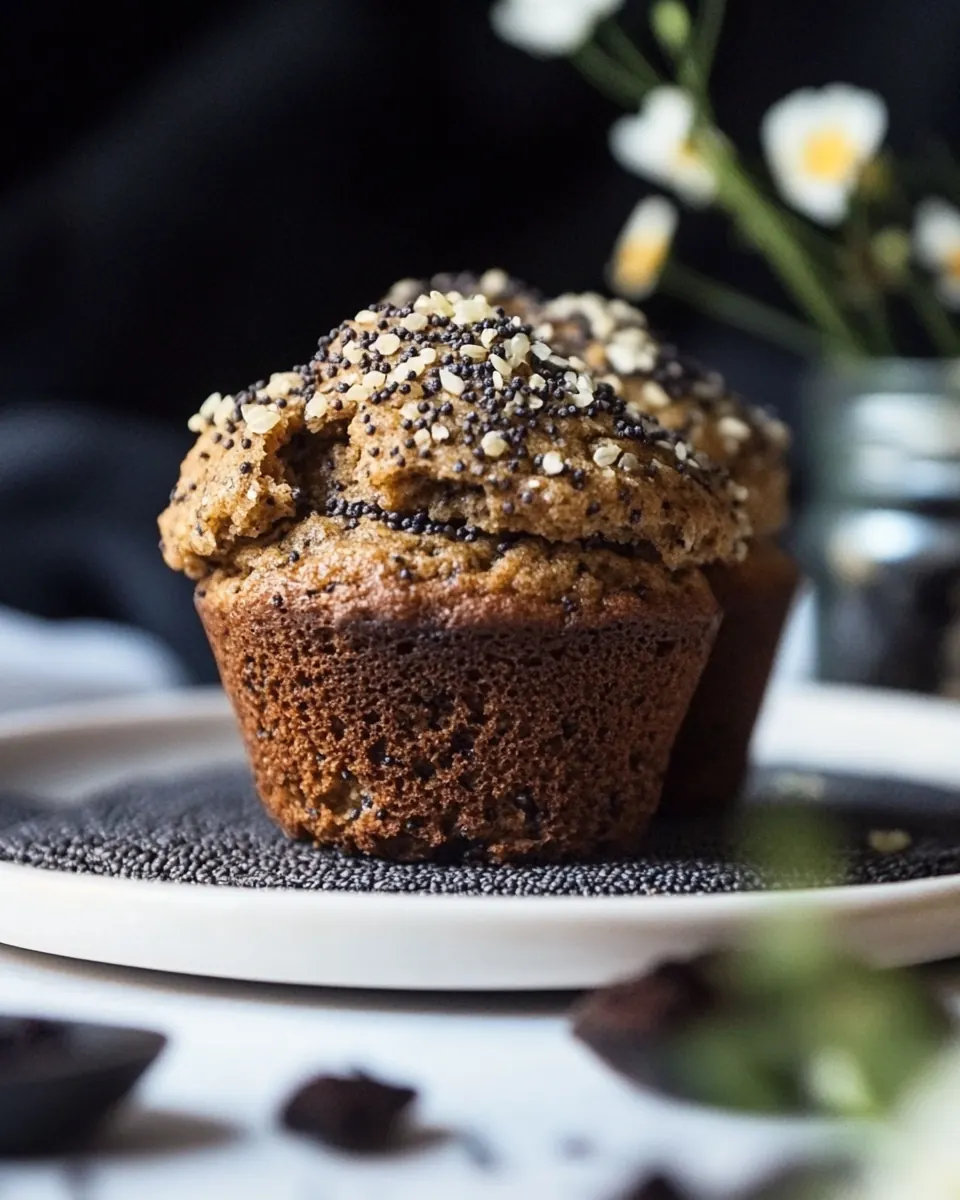
These tips focus on technique, storage, and small tweaks to get the best texture and flavor from your muffins. I include practical tweaks I use when I want consistently excellent results, whether baking for a crowd or a quiet weekend morning.
- Let cooked quinoa cool slightly before folding into the batter so it disperses evenly and does not loosen the batter too much.
- Use room temperature wet ingredients to help the egg and milk emulsify smoothly with the olive oil, promoting an even crumb.
- Do not overfill the muffin cups fill to about two thirds full to allow for a pretty dome without spillover.
- Rotate the pan halfway through baking for even browning if your oven has hot spots, this prevents darker spots on one side.
- Store in an airtight container at room temperature for up to two days, or freeze cooled muffins for longer storage and thaw as needed.
Serving This Poppy Breakfast Muffins
These muffins are versatile, making them ideal for breakfast, brunch, or a portable snack. I often serve them warm with a light spread or alongside a bowl of fruit for a balanced morning. They also work well at gatherings where you want something that travels easily and pleases a variety of palates.
- Casual breakfast Serve slightly warm with a cup of coffee or tea and a side of fresh fruit for a simple, satisfying meal.
- Brunch spread Include the muffins on a brunch table with a few savory options so guests can alternate between sweet and savory bites.
- Lunchbox idea Pack one or two muffins with a piece of fruit for a midday boost that stays satisfying until dinner.
- Storage suggestion Keep cooled muffins in an airtight container for up to two days at room temperature, or freeze for up to three months and thaw overnight in the fridge.
- Seasonal pairing These work great year round thanks to their evergreen ingredient profile; pair with lighter citrus in spring and heartier warm beverages in cooler months.
FAQ
Conclusion
These Poppy Breakfast Muffins stand out for their pleasing texture, balanced sweetness, and the tiny pops of flavor from the poppy seeds. They feel both nourishing and celebratory, which is why I turn to them for mornings when I want something a step above ordinary. Give them a try on a weekend or bake a batch to share, and you may find they become a regular in your repertoire. The recipe is forgiving and adaptable, so once you try it, you can tinker slightly to make it your own without losing what makes it special.
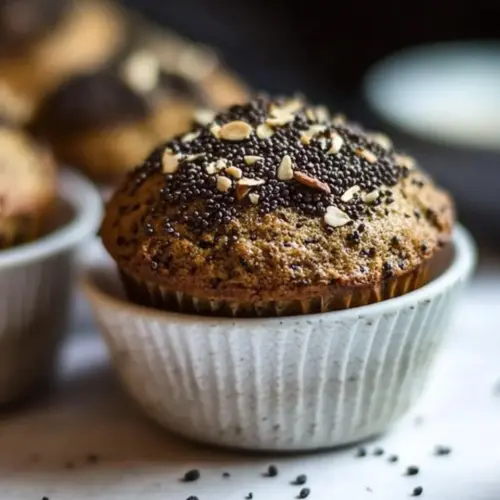
Poppy Breakfast Muffins
Equipment
- Muffin Tin
- Mixing Bowls
- Whisk
- Saucepan
- Fork
Ingredients
- 1 cup quinoa uncooked Provide a firm, protein-rich base that absorbs cooking liquid and becomes chewy when cooked; supports structure and adds whole-grain nutrition to the muffin batter. Rinse before use if desired to remove any residue, then cook or hydrate according to recipe instructions to ensure even texture. Contributes a nutty flavor that complements sweet and citrus elements in baked goods.
- 3/4 cup milk of any variety dairy, almond, soy, coconut Add a creamy liquid element that hydrates dry ingredients and contributes tenderness and moisture to the crumb. Choose any dairy or plant-based option to control richness and flavor profile; warmer milk blends more smoothly into batter. Provides a medium for dissolving sugars and distributing leavening agents evenly throughout the mix.
- 2/3 cup honey Sweeten the batter with a natural liquid sweetener that adds moisture and a glossy finish while contributing color and chewiness. Adjust quantity for desired sweetness level and to balance other flavors like almond extract and poppy seeds. Helps retain moisture during baking, extending freshness of the muffins.
- 1/4 cup olive oil Introduce healthy fat that tenderizes the crumb and aids in browning for a moist, rich texture in the finished muffins. Use extra virgin or light olive oil based on desired flavor intensity; combine thoroughly with wet ingredients for even distribution. Fat also carries and enhances almond extract and other flavor compounds.
- 1 egg large Bind the batter and help provide lift through proteins that coagulate during baking, contributing structure and a tender crumb. Beat briefly with wet ingredients to incorporate air and ensure uniform texture. Can be substituted with appropriate alternatives if needed for dietary restrictions.
- 1 1/2 teaspoons almond extract Impart a concentrated aromatic note that elevates the overall flavor profile with a sweet, nutty essence; intensify or reduce amount to taste. Add to the wet ingredients to distribute its aroma evenly through the batter. Pairs well with honey and poppy seeds to create a balanced flavor.
- 2 cups 100% white whole-wheat flour Supply the primary dry bulk and gluten-forming proteins that create the muffin's structure and chew; whole-wheat flour contributes fiber and a hearty flavor. Sift or whisk with leavening agents to ensure even distribution and to prevent lumps in the batter. Using 100% white whole-wheat yields a milder taste than traditional whole-wheat.
- 1 1/2 teaspoons baking powder Provide chemical leavening that produces carbon dioxide when activated, helping the muffins rise and achieve a light, airy texture. Combine with baking soda and liquids at the correct proportions to avoid over- or under-rising. Freshness of the powder is important for reliable lift.
- 1/4 teaspoon kosher or sea salt Enhance overall flavor by balancing sweetness and strengthening gluten; also helps regulate yeast or chemical leavening reactions for consistent results. Use kosher or sea salt for cleaner flavor without iodine notes. Dissolve into wet ingredients to ensure even seasoning throughout the batter.
- 1/2 teaspoon baking soda React with acidic components to create additional lift and tenderness, supplementing baking powder to fine-tune rise and crumb. Measure accurately, as excess can produce off-flavors or uneven browning. Mix into dry ingredients to distribute evenly before combining with wet mixture.
- 1/3 cup poppy seeds Provide a distinctive nutty crunch and visual appeal while dispersing tiny bursts of flavor throughout the muffins. Fold in last to prevent concentration in one area and to avoid crushing the seeds, preserving their texture. Small amount contributes aroma and pairs well with almond extract and honey.
Instructions
- Preheat oven to 350 degrees. Line a muffin tin with papers or grease with a light layer of cooking spray.: You should feel the quiet ritual of preheating as essential because a properly heated oven allows the muffins to rise right away and set a golden exterior. By the time the batter is ready, the oven should be at an even heat, and when you open the door a steady warmth will greet you. The muffin papers will keep the sides from sticking while greasing creates a slight sheen that helps the tops release cleanly. A common mistake is skipping this step or preheating too late, which can lead to flat, dense muffins that do not develop that light dome.
- Bring quinoa to a boil in 1-2/3 cup water. Reduce heat to lowest setting, cover, and cook for 20 minutes until all water is absorbed. Fluff with a fork.: Listen for the soft rolling sound as water comes to a boil and watch the tiny grains bounce before you reduce the heat. As it reaches a boil, the quinoa separates and becomes bright, signaling the start of cooking. The why is simple: properly cooked quinoa yields a fluffy texture that blends into the batter without adding chalkiness. A frequent error is stirring too much while it simmers, which can make it gluey instead of light. Reduce to a simmer once boiling to maintain gentle motion.
- Whisk together all of the dry ingredients.: The pot should emit a soft steamed scent as the quinoa absorbs liquid, and you may see tiny translucent rings around each grain when it is done. This gentle cooking lets the grains swell fully and develop a tender chew that complements the muffin crumb. Leaving the lid off wastes steam and can lengthen cooking time, while lifting the lid too often lets heat escape and may leave liquid in the pan.
- In a separate bowl, whisk together all of the wet ingredients and then add to the dry ingredients.: When you remove the lid, you should see distinct grains and a light, steamy aroma. Fluffing with a fork separates the grains and releases trapped steam, preventing a gummy texture. This step is crucial so the cooked quinoa integrates smoothly into the batter, dispersing evenly rather than clumping. Overworking it with a spoon or pressing down on it will compress the grains and reduce that pleasant chew.
- Fold wet mix into dry mix until just combined.: The dry mix should look uniform, with the baking powder and baking soda evenly distributed through the white whole wheat flour . Whisking also aerates the flour, which helps create lift during baking. You will notice a consistent, paler color when everything is blended well. A common misstep is dumping wet into dry without mixing, which can lead to pockets of leavening and uneven rise.
- Pour into each muffin tin and bake for about 25 minutes or until a toothpick inserted in the center comes out clean.: As you whisk, the honey should loosen and the olive oil will create a glossy sheen in the mixture, while the egg emulsifies the liquids. Mixing the wet ingredients thoroughly ensures even distribution and helps prevent lumps of honey or oil. The batter will appear smooth and cohesive when poured into the dry mixture. Avoid vigorous mixing after combining with dry, as overmixing creates toughness rather than a tender crumb.
- Enjoy!: At this stage you should see streaks of flour disappear into a slightly thick batter, studded with little flecks of poppy seeds and specks of cooked quinoa . Folding gently preserves air in the batter, which is essential for a light texture. You can still see a few streaks of flour and that is okay because the batter will finish blending during the remainder of folding. A typical mistake is overfolding, which knocks out the air and yields dense muffins.
- Pour into each muffin tin and bake for about 25 minutes or until a toothpick inserted in the center comes out clean: The batter should pour with a slightly thick but fluid motion, resting in the tin with small domes forming as it settles. As they bake, smell a warm honeyed aroma and watch the tops turn a gentle golden brown. The toothpick test is your best cue; when it comes out clean or with a few moist crumbs, the muffins are ready. Pulling them too early leaves underbaked centers, while leaving them too long will dry them out.
- Enjoy!: When you take the first bite, you should notice a tender interior, a hint of oil warmth, and the crunch of poppy seeds . Serving them slightly warm enhances the aroma and texture, and they will keep well for a couple of days stored in an airtight container. A common oversight is not allowing them to cool a few minutes, which can cause the crumb to feel gummy instead of set.
Notes
- Let cooked quinoa cool slightly before folding into the batter so it disperses evenly and does not loosen the batter too much.
- Use room temperature wet ingredients to help the egg and milk emulsify smoothly with the olive oil, promoting an even crumb.
- Do not overfill the muffin cups fill to about two thirds full to allow for a pretty dome without spillover.
- Rotate the pan halfway through baking for even browning if your oven has hot spots, this prevents darker spots on one side.
- Store in an airtight container at room temperature for up to two days, or freeze cooled muffins for longer storage and thaw as needed.
