Reuben Sandwich
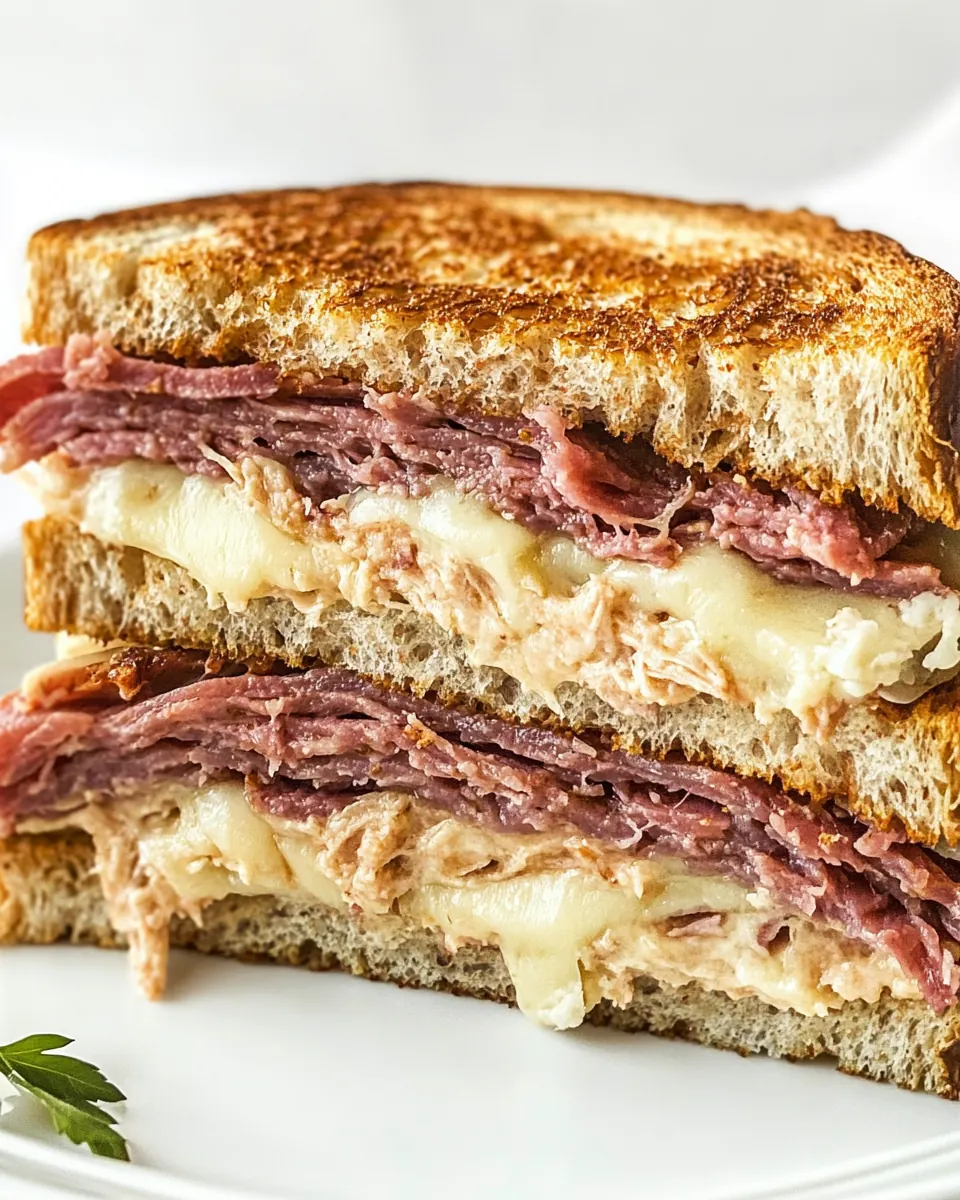
Reuben Sandwich was the kind of lunch that turned my messy Sundays into celebrations of crisp, gooey comfort.
When I first learned to assemble this sandwich I was living in a tiny apartment with a temperamental stove and a thrift store panini press that squealed louder than a subway train. Still, a few simple components, a bit of patience, and a steady medium heat turned ordinary bread into golden, crunchy envelopes around warm, salty meat and bubbling cheese. I remember the first time the smell of toasted rye and melting Swiss cheese filled the room, and a neighbor knocked on my door asking what smelled so inviting. That moment convinced me that the Reuben Sandwich is less about a recipe and more about a small, triumphant ritual.
Over the years I experimented with ratios, swapped a few elements, and learned three important things: drain the sauerkraut, keep the heat consistent, and butter the outside of the bread for that irresistible crust. Now I lean into those habits every time I make a Reuben Sandwich, and it reliably turns a quick lunch into a memory. Whether you are feeding two or just treating yourself, this sandwich has a way of making ordinary ingredients feel deliberate and satisfying.
Recipe Snapshot
11 mins
5 mins
6 mins
Easy
600 kcal
American
Gluten-Free, Low FODMAP
Dinner
Cuisinart Panini Press
The Charm of This Reuben Sandwich
Classic Flavor Harmony
I love how the Reuben Sandwich balances bold, savory notes with tangy brightness. The interplay of tender, salted corned beef and the tang of well-drained sauerkraut creates a rich contrast that lingers on the palate. When the Swiss cheese melts into silky ribbons it ties everything together, making each bite both cohesive and exciting.
Textural Contrast
Texture is king for me, and this sandwich delivers. The outside of the bread crisps to a satisfying crunch thanks to softened butter toasted on the exterior, while the inside stays soft and melty. That crisp to tender transition is what makes the Reuben Sandwich feel elevated, even though the assembly is straightforward.
Speed and Satisfaction
I keep coming back to this recipe because it is quick to assemble, yet it feels indulgent. With only a handful of ingredients you get a sandwich that tastes like you spent hours crafting it. If you are looking for an easy weeknight dinner or a substantial lunch, this gives maximum flavor for minimal time.
Flexible but True to Form
One of the charms of the Reuben Sandwich is its flexibility. Swap the meat for a different cured option, try a different melting cheese, or adjust how tangy you make the sauerkraut. Small tweaks let you make the sandwich your own without losing what makes it iconic.
Comfort Food with Personality
Finally, this recipe feels like a hug that knows how to assert itself. It is comforting, bold, and resolutely savory. When I need a dish that is both familiar and a little extravagant, the Reuben Sandwich is my go to, and I think you will find it earns a spot in your regular rotation.
What’s In This Reuben Sandwich
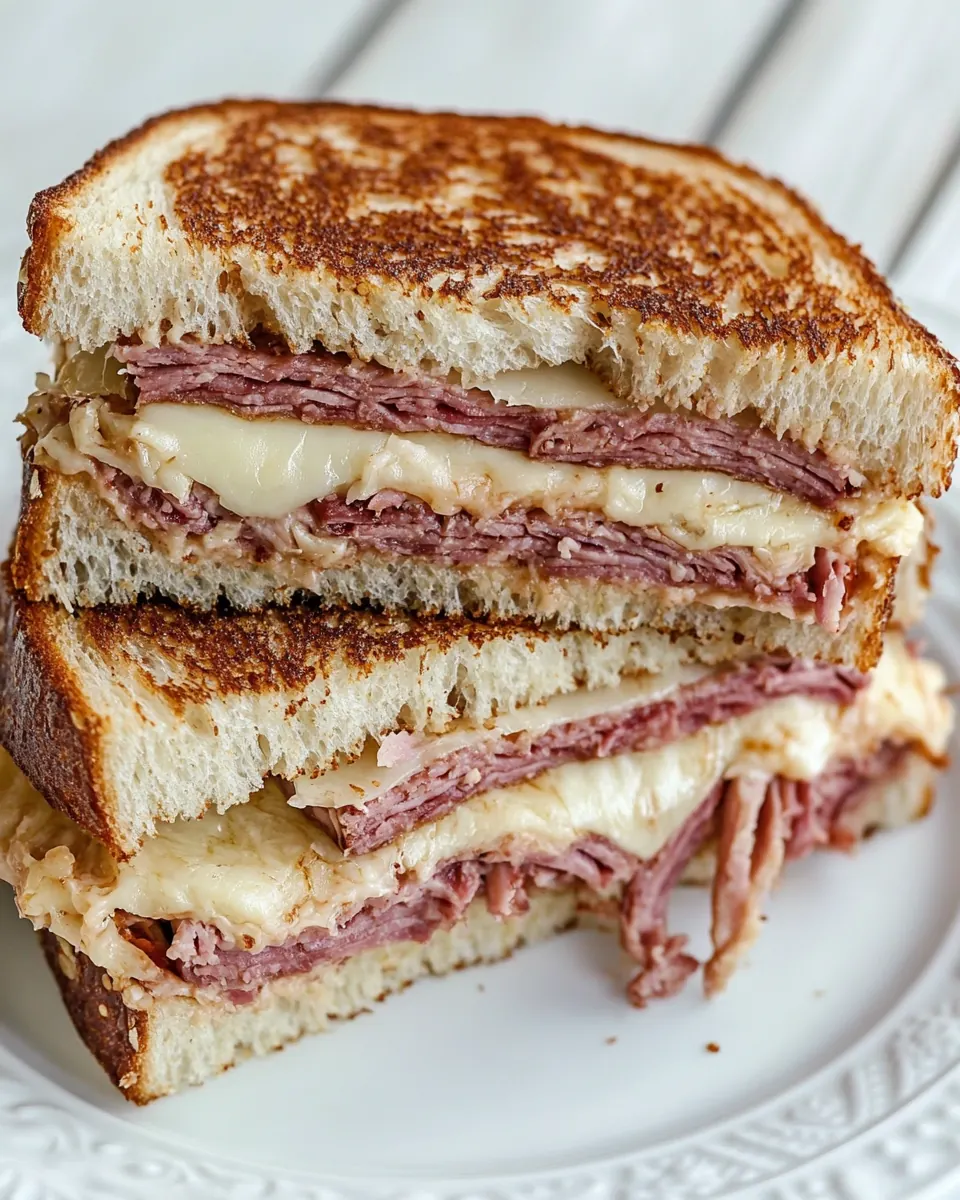
The ingredients for this sandwich are simple but intentional, each playing a clear role. The bread provides structure and crunch, the corned beef supplies savory heft, and the Swiss cheese melts to bind everything. The sauerkraut adds bright acidity to cut through the richness, while the thousand island dressing brings creaminess and a hint of sweetness. Finally, softened butter ensures a golden, toasted exterior.
- 4 slices dark rye bread: Provide hearty, slightly tangy foundation for the sandwich by contributing robust flavor and chewy texture; pairs well with savory fillings and holds up to grilling. Use slices to encase fillings and brown in butter for a crisp, golden crust that enhances overall mouthfeel.
- 1 cup Swiss cheese (shredded): Add creamy, nutty melting layer that binds the sandwich components and adds mellow richness; shredded form ensures even coverage and quick melting. Sprinkle evenly over meat and kraut before grilling to create gooey, cohesive interior cheese pull.
- 4 tablespoons thousand island dressing: Contribute creamy, tangy, and slightly sweet condiment that balances salty and sour elements; adds moisture and a zesty finish to each bite. Spread evenly on bread interiors to infuse classic Reuben flavor and to complement the cheese and meat.
- 1 cup sauerkraut: Provide bright, fermented tang and tender crunch that cuts through richness and adds acidity; drainage prior to use helps control excess moisture. Layer between meat and cheese to deliver characteristic sour note and maintain overall texture contrast.
- 1/2 pound corned beef (or pastrami, thinly sliced): Supply savory, seasoned, and thinly sliced protein that forms the sandwich's meaty core and primary savory flavor; choose corned beef or pastrami according to preference. Arrange slices evenly for consistent bites and to soak up dressing and melted cheese.
- 4 tablespoons butter (unsalted, softened): Impart rich fat for grilling that promotes even browning and crisp exterior while preventing sticking; softened unsalted butter allows controlled seasoning. Spread on outer bread surfaces before toasting to achieve golden, flavorful crust without overpowering fillings.
Step by Step Instructions for Reuben Sandwich
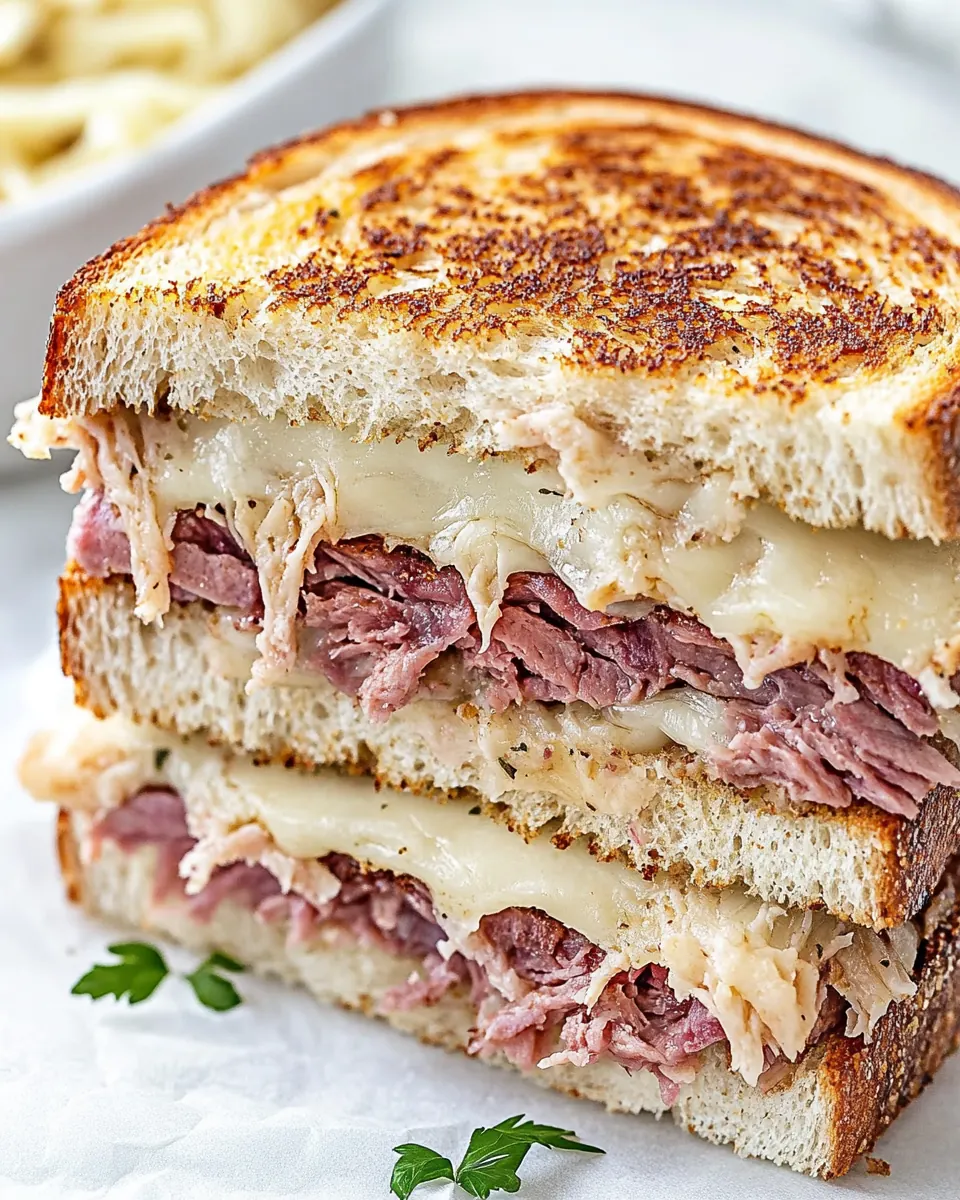
These steps will guide you through building and toasting two classic sandwiches. I like to work left to right, gathering ingredients and tools so the assembly flows without interruption. Keep a medium heat and be patient while the cheese melts and the crust forms.
- Lay out 2 slices of bread on a cutting board. Top each with Swiss cheese, either shredded or sliced. Drizzle some thousand island dressing on each slice, then top with half of the corned beef on each. Finish with half of the sauerkraut on each slice then top each with another slice of bread. Spread about 1 tbsp of butter on the outside of the top slice.: The first sensory cue is the soft give of the bread as you place it down, and the smell will be faintly wheaty if the loaf is fresh. Working on a cutting board keeps crumbs contained and gives you a stable surface for even assembly. A common mistake is assembling directly on a plate which can slide, causing uneven layering.
- Heat a large skillet over medium heat. Place both sandwiches with the buttered bread down in the skillet and cook until golden, about 3 minutes. Spread the remaining butter on the outside of the top slice of bread, flip the sandwich and cook for another 2 to 3 minutes or until golden.: As you add the Swiss cheese , notice how the shreds sit and overlap; this creates even melting, which gives you a uniform, gooey interior. Cheese that is too thick can delay melting, while too thin may dry out, so aim for moderate shredding for predictable results.
- Drizzle some thousand island dressing on each slice: The creamy dressing should bead slightly on the cheese, offering immediate visual contrast. The dressing introduces a tangy sweetness that balances salty elements, and spreading it evenly helps every bite shine. Avoid drowning the bread or the sandwich will become sloppy.
- Then top with half of the corned beef on each: Layer the thinly sliced corned beef so pieces fold naturally, creating pockets of meaty richness. Press gently to compact the layers without squeezing out the dressing. Overstuffing is the usual pitfall, which can prevent proper toasting and make flipping difficult.
- Finish with half of the sauerkraut on each slice then top each with another slice of bread: Add the drained sauerkraut in a thin, evenly distributed layer so it contributes acidity without releasing excess moisture. When you sandwich the top slice, press gently to meld components together. If you add too much sauerkraut , the sandwich may become wet, so aim for balance.
- Spread about 1 tbsp of butter on the outside of the top slice: The softened butter should coat the surface evenly, creating a sheen that leads to golden browning. This is the moment when aroma begins to promise the final texture. Uneven buttering will cause patchy toasting, so be thorough but light handed.
- Heat a large skillet over medium heat: You should hear a faint sizzle when a drop of water hits the pan, signaling proper temperature. A steady medium heat allows the bread to toast while giving the Swiss cheese time to melt, which is essential for even texture. Too hot a pan burns the outside before the cheese melts.
- Place both sandwiches with the buttered bread down in the skillet and cook until golden about 3 minutes: The first side will hiss softly and then progress from pale to a deep golden brown; that color is your cue that the crust is forming. Smell plays a role here, buttered rye will give off a warm, toasty aroma. Resist pressing down aggressively, which can squeeze fillings out and make the sandwich dense.
- Spread the remaining butter on the outside of the top slice of bread: Before flipping, coat the exposed side so it browns once flipped; the butter will melt and sizzle, adding a rich toasty note. This step ensures symmetry in texture and color. If you skip this, the second side may not crisp evenly, leaving the sandwich lopsided.
- Flip the sandwich and cook for another 2 to 3 minutes or until golden: As you flip, listen for the return of a steady sizzle and watch the color deepen to match the first side, while the Swiss cheese should now be visibly melted and slightly oozing at the edges. This creating of golden symmetry yields both crisp exterior and molten interior, which defines a great Reuben Sandwich . A typical error here is flipping too early, exposing under melted cheese and resulting in inconsistent texture.
Variations to Try
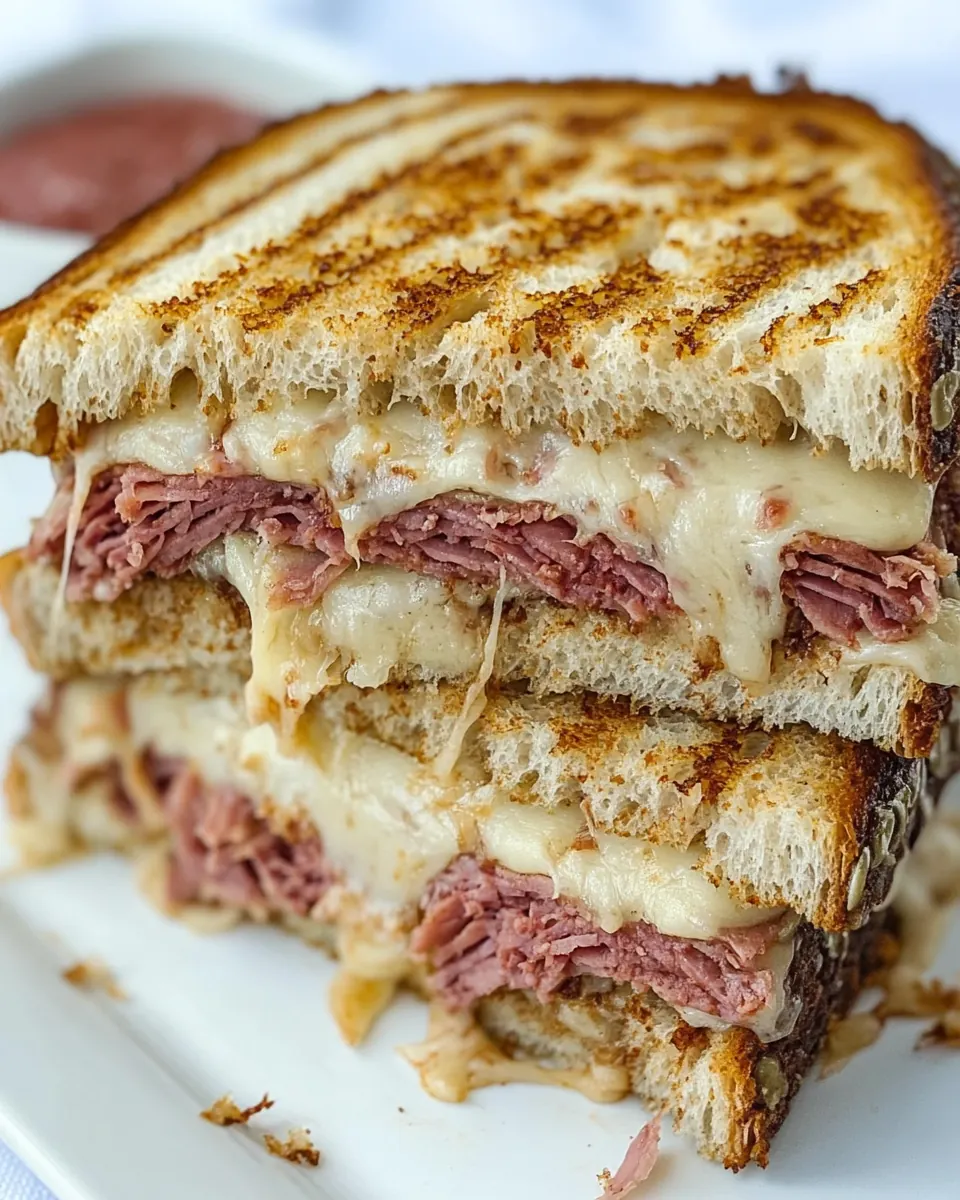
These variations let you experiment while staying true to the core elements that define a great sandwich. Small changes can transform texture, aroma, and balance without complicating the process.
- Swap the meat: Try pastrami instead of corned beef for a smokier, peppery profile that plays wonderfully with the tang of sauerkraut.
- Cheese alternatives: Substitute Gruyère, Havarti, or Provolone if you want a different melting character and flavor while keeping that gooey texture.
- Bread choices: While dark rye is classic, marble rye or pumpernickel add visual interest and a slightly different flavor note, just be sure the bread is sturdy enough to hold the fillings.
- Toasting method: Use a panini press like a Cuisinart Panini Press for even pressure and grill marks, or stick with a skillet for control over crust development.
- Control sogginess: Drain the sauerkraut very well and place it between the meat and cheese layers to protect the bread from moisture.
- Butter swap: Try mayonnaise on the exterior for an alternate toasting approach that yields a slightly tangy, equally golden crust.
Side Dish Ideas for Reuben Sandwich
The right sides can elevate this sandwich into a full meal for various occasions. Below are thoughtful pairings and serving suggestions that complement the sandwich’s bold flavors.
- Classic pairing: Crispy kettle chips or fries provide a crunchy foil to the melty interior and are perfect for casual lunches or weeknight dinners.
- Light salad: A simple green salad with a bright vinaigrette refreshes the palate and balances the sandwich’s richness, making it ideal for a spring or fall lunch.
- Pickles and relishes: Sharp dill pickles or a small selection of pickled vegetables echo the tang of the sauerkraut and cut through the buttery bread.
- Soup pairing: Tomato soup or a clear vegetable broth works well for a cozy meal. Serve the sandwich for dipping, and the combination makes a comforting dinner.
- Occasions: Serve the Reuben Sandwich for casual lunch dates, a relaxed dinner, game day gatherings, or any time you want a hearty, satisfying plate. It also works as a quick meal during busy seasons like fall.
- Storage tips: Keep components separate if making ahead: store corned beef and sauerkraut chilled and assemble just before toasting. For leftovers, reheat in a skillet or air fryer to regain crispness, avoiding the microwave.
- Seasonal pairings: In fall, pair with roasted root vegetables or a warm apple slaw to echo the season’s flavors while keeping the sandwich central.
FAQ
Conclusion
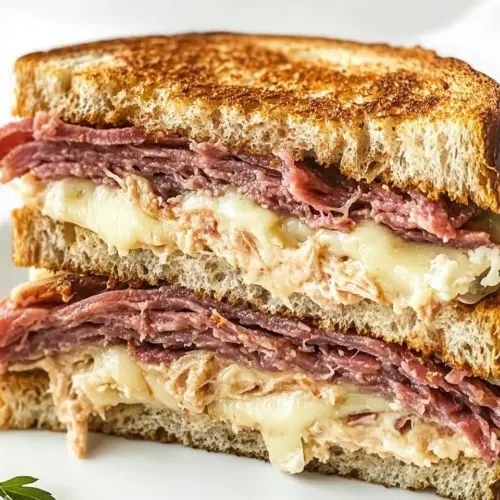
What makes this Reuben Sandwich special is the way a few bold components transform into a perfectly balanced, crunchy, and melty experience. The combination of toasted dark rye, warm savory meat, tangy sauerkraut, and gooey Swiss cheese creates a sandwich that feels both nostalgic and indulgent. Give it a try the next time you want a quick yet impressive lunch or a cozy dinner; with minimal effort you get a dish that delivers maximum satisfaction and a comforting, memorable flavor.
Reuben Sandwich
Equipment
- Cuisinart Panini Press
Ingredients
- 4 slices dark rye bread Provide hearty, slightly tangy foundation for the sandwich by contributing robust flavor and chewy texture; pairs well with savory fillings and holds up to grilling. Use slices to encase fillings and brown in butter for a crisp, golden crust that enhances overall mouthfeel.
- 1 cup Swiss cheese (shredded) Add creamy, nutty melting layer that binds the sandwich components and adds mellow richness; shredded form ensures even coverage and quick melting. Sprinkle evenly over meat and kraut before grilling to create gooey, cohesive interior cheese pull.
- 4 tablespoons thousand island dressing Contribute creamy, tangy, and slightly sweet condiment that balances salty and sour elements; adds moisture and a zesty finish to each bite. Spread evenly on bread interiors to infuse classic Reuben flavor and to complement the cheese and meat.
- 1 cup sauerkraut Provide bright, fermented tang and tender crunch that cuts through richness and adds acidity; drainage prior to use helps control excess moisture. Layer between meat and cheese to deliver characteristic sour note and maintain overall texture contrast.
- 1/2 pound corned beef (or pastrami, thinly sliced) Supply savory, seasoned, and thinly sliced protein that forms the sandwich's meaty core and primary savory flavor; choose corned beef or pastrami according to preference. Arrange slices evenly for consistent bites and to soak up dressing and melted cheese.
- 4 tablespoons butter (unsalted, softened) Impart rich fat for grilling that promotes even browning and crisp exterior while preventing sticking; softened unsalted butter allows controlled seasoning. Spread on outer bread surfaces before toasting to achieve golden, flavorful crust without overpowering fillings.
Instructions
- Lay out 2 slices of bread on a cutting board. Top each with Swiss cheese, either shredded or sliced. Drizzle some thousand island dressing on each slice, then top with half of the corned beef on each. Finish with half of the sauerkraut on each slice then top each with another slice of bread. Spread about 1 tbsp of butter on the outside of the top slice.: The first sensory cue is the soft give of the bread as you place it down, and the smell will be faintly wheaty if the loaf is fresh. Working on a cutting board keeps crumbs contained and gives you a stable surface for even assembly. A common mistake is assembling directly on a plate which can slide, causing uneven layering.
- Heat a large skillet over medium heat. Place both sandwiches with the buttered bread down in the skillet and cook until golden, about 3 minutes. Spread the remaining butter on the outside of the top slice of bread, flip the sandwich and cook for another 2 to 3 minutes or until golden.: As you add the Swiss cheese , notice how the shreds sit and overlap; this creates even melting, which gives you a uniform, gooey interior. Cheese that is too thick can delay melting, while too thin may dry out, so aim for moderate shredding for predictable results.
- Drizzle some thousand island dressing on each slice: The creamy dressing should bead slightly on the cheese, offering immediate visual contrast. The dressing introduces a tangy sweetness that balances salty elements, and spreading it evenly helps every bite shine. Avoid drowning the bread or the sandwich will become sloppy.
- Then top with half of the corned beef on each: Layer the thinly sliced corned beef so pieces fold naturally, creating pockets of meaty richness. Press gently to compact the layers without squeezing out the dressing. Overstuffing is the usual pitfall, which can prevent proper toasting and make flipping difficult.
- Finish with half of the sauerkraut on each slice then top each with another slice of bread: Add the drained sauerkraut in a thin, evenly distributed layer so it contributes acidity without releasing excess moisture. When you sandwich the top slice, press gently to meld components together. If you add too much sauerkraut , the sandwich may become wet, so aim for balance.
- Spread about 1 tbsp of butter on the outside of the top slice: The softened butter should coat the surface evenly, creating a sheen that leads to golden browning. This is the moment when aroma begins to promise the final texture. Uneven buttering will cause patchy toasting, so be thorough but light handed.
- Heat a large skillet over medium heat: You should hear a faint sizzle when a drop of water hits the pan, signaling proper temperature. A steady medium heat allows the bread to toast while giving the Swiss cheese time to melt, which is essential for even texture. Too hot a pan burns the outside before the cheese melts.
- Place both sandwiches with the buttered bread down in the skillet and cook until golden about 3 minutes: The first side will hiss softly and then progress from pale to a deep golden brown; that color is your cue that the crust is forming. Smell plays a role here, buttered rye will give off a warm, toasty aroma. Resist pressing down aggressively, which can squeeze fillings out and make the sandwich dense.
- Spread the remaining butter on the outside of the top slice of bread: Before flipping, coat the exposed side so it browns once flipped; the butter will melt and sizzle, adding a rich toasty note. This step ensures symmetry in texture and color. If you skip this, the second side may not crisp evenly, leaving the sandwich lopsided.
- Flip the sandwich and cook for another 2 to 3 minutes or until golden: As you flip, listen for the return of a steady sizzle and watch the color deepen to match the first side, while the Swiss cheese should now be visibly melted and slightly oozing at the edges. This creating of golden symmetry yields both crisp exterior and molten interior, which defines a great Reuben Sandwich . A typical error here is flipping too early, exposing under melted cheese and resulting in inconsistent texture.
Notes
- Swap the meat: Try pastrami instead of corned beef for a smokier, peppery profile that plays wonderfully with the tang of sauerkraut.
- Cheese alternatives: Substitute Gruyère, Havarti, or Provolone if you want a different melting character and flavor while keeping that gooey texture.
- Bread choices: While dark rye is classic, marble rye or pumpernickel add visual interest and a slightly different flavor note, just be sure the bread is sturdy enough to hold the fillings.
- Toasting method: Use a panini press like a Cuisinart Panini Press for even pressure and grill marks, or stick with a skillet for control over crust development.
- Control sogginess: Drain the sauerkraut very well and place it between the meat and cheese layers to protect the bread from moisture.
- Butter swap: Try mayonnaise on the exterior for an alternate toasting approach that yields a slightly tangy, equally golden crust.