Summer Chicken Sheet Pan Dinner
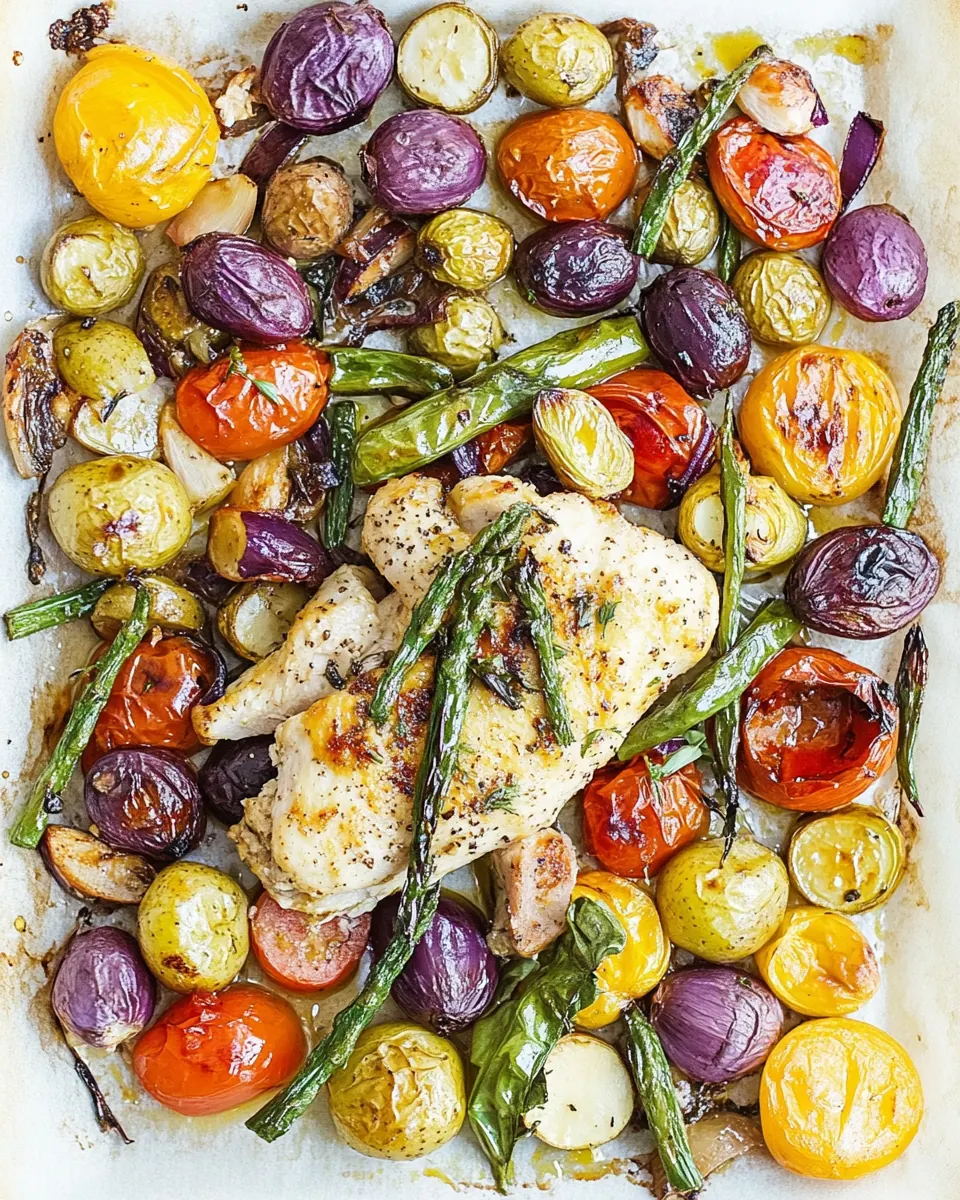
Summer Chicken Sheet Pan Dinner is the kind of recipe I reach for on a sunlit evening when I want a fuss free meal that still feels thoughtful. I remember the first time I roasted everything together on one pan, the kitchen filled with a warm, savory aroma that made the whole house slow down. There was a satisfying crunch from the edges of the baby potatoes and a tender juiciness to the chicken that made everyone at the table pause between bites. I loved how the simple seasoning let each ingredient sing, and how easy cleanup felt like a small victory.
That meal turned into a habit. I started pulling this together when friends dropped by unannounced, and when I needed something healthy yet comforting after a long day. What keeps me coming back is the balance of textures, from the crisp tips of asparagus to the caramelized notes on the red onion. Every time I tweak the timing slightly, I learn more about how the veggies and chicken talk to each other in the oven. It is forgiving, adaptable, and ideal for evenings when you want a real dinner with minimal planning.
Recipe Snapshot
35 mins
5 mins
30 mins
Easy
350 kcal
American
Paleo, Gluten-Free
Dinner
Baking sheet, Large bowl, Oven
What’s Great About This Summer Chicken Sheet Pan Dinner
One pan, huge payoff
I adore how Summer Chicken Sheet Pan Dinner transforms a handful of ingredients into a full meal with almost no babysitting. I get a tray of perfectly roasted baby potatoes and zucchini while the chicken cooks alongside, which saves time and reduces dishes. That efficiency is essential for weeknights when I want to spend time with family instead of standing over the stove.
Bright, seasonal flavors
I love that this dish leans into summer produce. The tender snap of asparagus and the sweet tang from the red onion pair beautifully with the warm, earthy notes of roasted potatoes. I find the combination feels light yet grounding, perfect for warm weather dinners when heavy sauces feel out of place.
Simple seasoning, big results
With just olive oil, kosher salt, garlic powder, onion powder, and paprika, this recipe hits a satisfying savory profile. I appreciate how each spice plays a supporting role, and how they coax caramelization out of both vegetables and chicken without competing with the natural flavors.
Adaptable and forgiving
I’ve swapped vegetables and adjusted timing more times than I can count, and it still works. I often change quantities to match what is in my fridge, and the method tolerates variations in size and thickness. That flexibility makes it a go to when I want a dependable, crowd pleasing meal.
Perfect for gatherings or quiet nights
Whether I am hosting friends or cooking for two, I can scale this easily. I enjoy the way it looks when plated, colorful and rustic, which makes meals feel a little more celebratory without any extra fuss.
Ingredients Required for Summer Chicken Sheet Pan Dinner
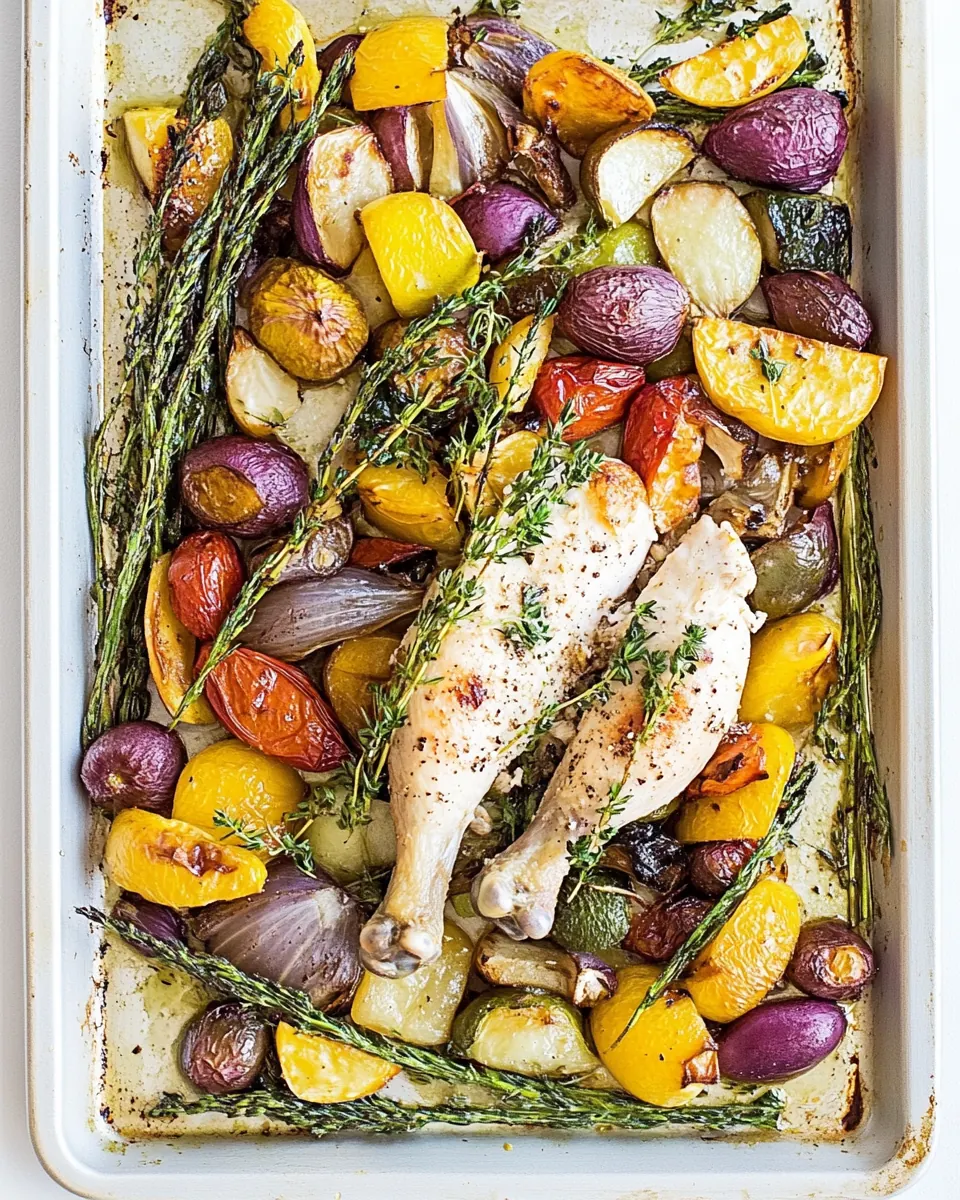
The philosophy behind these ingredients is straightforward: let fresh summer produce and simple pantry spices work together to highlight texture and natural flavors. The chicken provides the savory backbone, while the baby potatoes offer a comforting starch and the asparagus and zucchini bring bright vegetal notes. Light seasoning with olive oil and a few dried spices encourages caramelization, which creates contrast between tender centers and crisped edges.
- 4 chicken breasts, boneless: Season and cook to provide the main protein for the dish; boneless breasts offer quick, even cooking on a sheet pan and absorb seasonings well. Slice or pound to uniform thickness for predictable doneness and a tender result.
- 1 pound baby potatoes, halved: Add roasted, hearty texture and a creamy interior; halved baby potatoes crisp at the cut sides while remaining soft inside. Toss with oil and seasonings so they brown evenly and contribute substance to the meal.
- 1/2 pound asparagus, trimmed: Provide crisp-tender green vegetable contrast and a fresh, slightly grassy flavor when trimmed and roasted briefly. Arrange toward the end of cooking time to preserve color and avoid limpness.
- 2 zucchini, chopped: Introduce mild, slightly sweet summer squash that softens and caramelizes when chopped and roasted. Mix with other vegetables so it soaks up oil and seasonings for balanced texture and flavor.
- 1 small red onion, cut into wedges: Offer a sharp, sweet-savory bite that softens and caramelizes into rich flavor when cut into wedges and roasted. Distribute among the other vegetables to add color, moisture, and aromatic depth.
- 2 tablespoons olive oil: Coat and help brown the chicken and vegetables; olive oil promotes even roasting and enhances flavor with healthy fats. Drizzle over all ingredients and toss to ensure seasonings adhere and surfaces crisp.
- 1 teaspoon kosher salt: Enhance overall flavor by bringing mild saltiness that heightens natural tastes and helps proteins retain moisture. Sprinkle evenly to ensure balanced seasoning throughout the sheet pan components.
- 1 teaspoon garlic powder: Impart concentrated garlic flavor and a warm aromatic note; garlic powder blends easily into dry seasoning mixes for convenient, even coverage. Use it to boost savory depth without adding fresh garlic texture.
- 1/2 teaspoon onion powder: Provide a subtle savory-sweet background and help round out the seasoning blend; onion powder disperses smoothly across ingredients. Use it to complement garlic powder and deepen the overall flavor profile.
- 1 teaspoon paprika: Add smoky color and a touch of warm earthiness that enhances roasted chicken and vegetables; paprika contributes both flavor and visual appeal. Sprinkle into the seasoning mix for balanced warmth without heat.
- black pepper (optional): Season to taste and offer adjustable spiciness; black pepper gives a bright, pungent finish when freshly cracked. Use sparingly or omit per preference to control the dish's bite.
Preparation Steps for Summer Chicken Sheet Pan Dinner
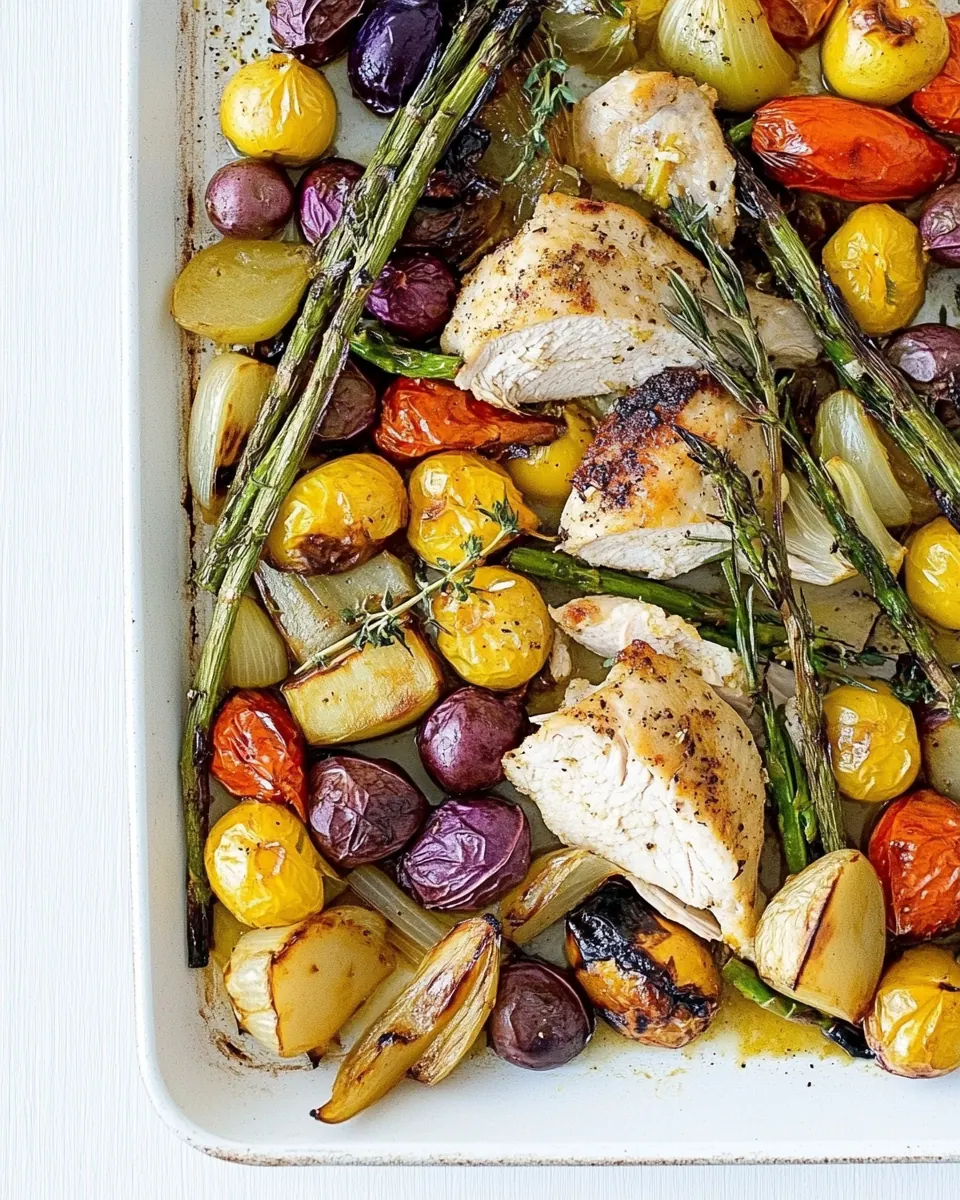
These steps walk you through roasting the tray to golden, juicy perfection. I keep the instructions conversational and sensory so you can trust your senses as much as the clock. Take a breath, preheat the oven, and enjoy the small ritual of arranging the tray.
- Preheat oven to 425 F degrees.: The oven will soon fill with warm, dry heat that encourages caramelization, creating fragrant toasted notes from the edges of the baby potatoes and a lightly crisp exterior on the chicken . You should feel the kitchen growing warmer and notice a faint toasty scent as the racks heat, which signals readiness. Using the correct high temperature is crucial to develop a crust instead of steaming the ingredients. A common mistake is skipping preheating, which leads to uneven roasting and limp vegetables, so always wait until the oven reaches full heat.
- Toss all the vegetables in a large bowl with olive oil and half the amount of salt, garlic powder and onion powder called for. Place on a baking sheet.: As you toss the baby potatoes , asparagus , zucchini , and red onion in the slick of olive oil and seasonings, you will notice the spices cling and the surfaces take on a glossy sheen, which helps them brown evenly. This coating encourages the Maillard reactions that produce savory aromas and browned bits, enriching flavor. Make sure each piece is evenly coated because dry spots will not caramelize properly. A typical error is under seasoning the vegetables, which yields bland bites, so be thorough with the toss.
- In the same bowl you used for the vegetables add the chicken breasts and toss with olive oil and the remaining seasonings. Add to the sheet pan with the vegetables and roast for 30 minutes, or until the chicken is cooked through.: When you spread the vegetables out, aim for a single layer so hot air circulates and each piece roasts rather than steams, resulting in crisp edges and tender centers. The visual cue to watch for is small browned patches forming on the surfaces, and you may hear gentle sizzling as moisture evaporates. Overcrowding the sheet traps steam and keeps vegetables soft, so use two pans if needed.
- In the same bowl you used for the vegetables add the chicken breasts and toss with olive oil and the remaining seasonings: Handling the chicken in the same bowl lets residual seasonings cling, reinforcing flavor consistency across the tray. As you coat each breast with olive oil and the rest of the spices, you should feel the oil smooth over the surface and see the paprika and powders form a uniform layer which will darken and form a savory crust. The reason for tossing now is to ensure the chicken surface is primed for quick browning in the hot oven. Avoid crowding the bowl so each breast is evenly seasoned, and do not skip patting the chicken dry first if it is wet, otherwise it will steam rather than brown.
- Add to the sheet pan with the vegetables and roast for 30 minutes, or until the chicken is cooked through: As the tray roasts, expect a chorus of sensory clues, from a rich roasted aroma to the sight of bubbling oils and crisped edges on the potatoes and zucchini . The chicken should develop a golden exterior while remaining juicy inside; the internal temperature should reach a safe level when tested, indicating doneness. This technique allows juices from the chicken to mingle with the vegetables, enhancing flavor. A common pitfall is relying solely on visual cues for doneness, so use a thermometer when in doubt, and rotate the pan halfway through if one side of the oven browns faster than the other.
Recipe Tips about Summer Chicken Sheet Pan Dinner
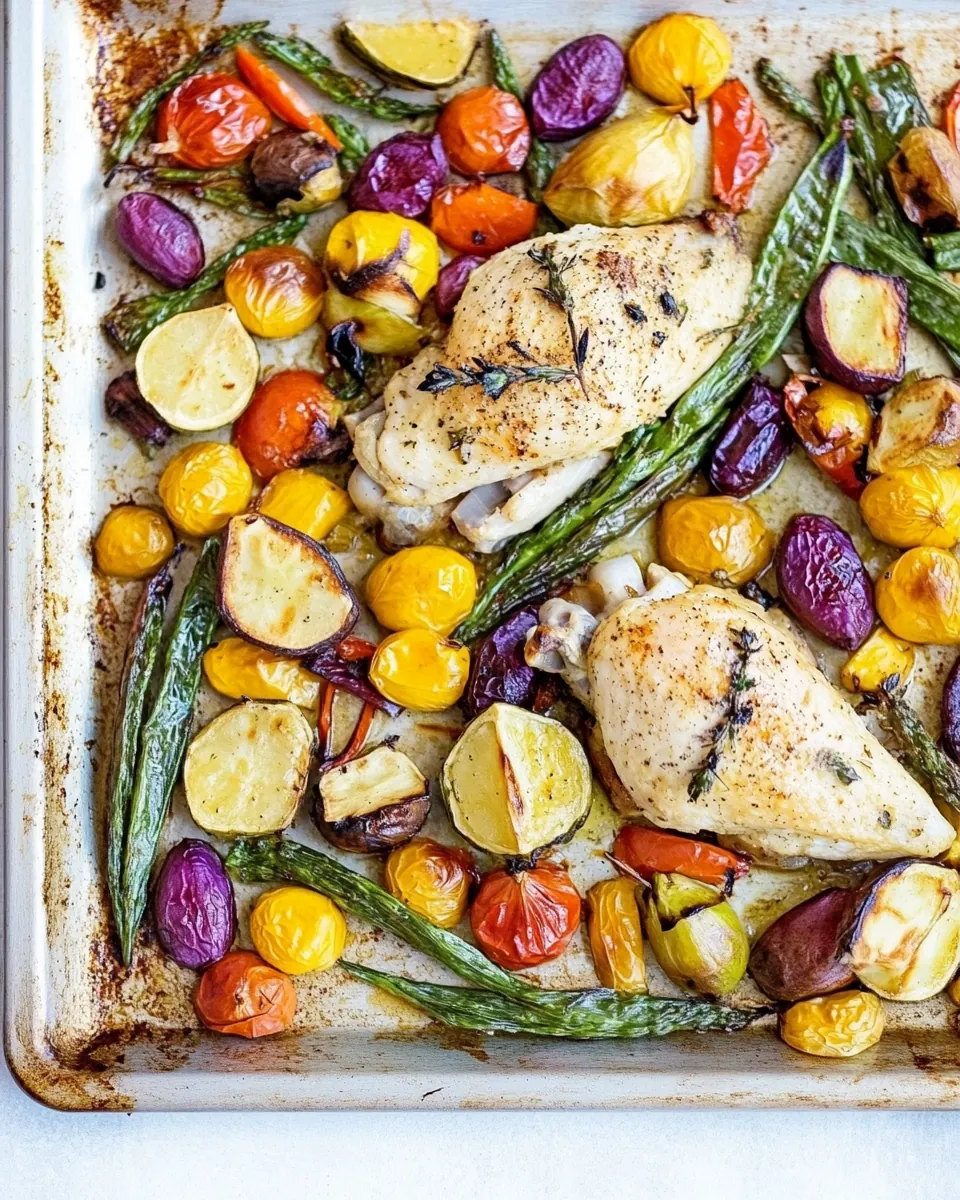
This dish rewards small attentions that improve texture and flavor. Below are tried and true tips I use to make the most of a single sheet pan roast.
- Use room temperature chicken to help it cook evenly and reduce the chance of the exterior overcooking while the interior reaches a safe temperature.
- Choose uniform vegetable sizes so every piece browns at the same rate, avoiding a mix of burnt edges and raw centers.
- Space ingredients out on the pan to allow hot air to circulate, which creates crisp surfaces rather than steamed vegetables.
- Rotate the pan halfway through roasting if your oven has hot spots, ensuring even color and doneness across the sheet.
- Measure spices accurately the first few times, then adjust to taste as you become familiar with how they develop in the oven.
- Use a light coating of oil to promote browning without making the tray greasy, and toss ingredients thoroughly so spices cling.
How to Enjoy Summer Chicken Sheet Pan Dinner
This meal is wonderfully flexible, fitting casual weeknights and relaxed weekend dinners alike. Serve it warm straight from the oven, and embrace the rustic, family style presentation where everyone helps themselves from the pan.
- Serve hot from the tray alongside a simple green salad for a light summer dinner.
- Family style plating encourages sharing and conversation, perfect for gatherings or easy entertaining.
- Bring to potlucks by transferring to a warmed dish; the colorful vegetables and roasted chicken travel well and look inviting.
- Storage tip: refrigerate leftovers in an airtight container for up to three days, and reheat gently to preserve texture.
- Seasonal pairing ideas include light grain salads or lemony side dishes that complement the savory roasted notes.
FAQ
Conclusion
This Summer Chicken Sheet Pan Dinner stands out because it delivers a complete, balanced meal with minimal effort and maximum flavor. It combines juicy roasted chicken and caramelized vegetables into one tray that looks as good as it tastes. I encourage you to give it a try on a busy weeknight when you want something nourishing and satisfying without long prep. You will appreciate the ease, the bright summer flavors, and how little cleanup is required, making it a reliable favorite to return to again and again.
Summer Chicken Sheet Pan Dinner
Equipment
- Baking Sheet
- Large Bowl
- Oven
Ingredients
- 4 chicken breasts, boneless Season and cook to provide the main protein for the dish; boneless breasts offer quick, even cooking on a sheet pan and absorb seasonings well. Slice or pound to uniform thickness for predictable doneness and a tender result.
- 1 pound baby potatoes, halved Add roasted, hearty texture and a creamy interior; halved baby potatoes crisp at the cut sides while remaining soft inside. Toss with oil and seasonings so they brown evenly and contribute substance to the meal.
- 1/2 pound asparagus, trimmed Provide crisp-tender green vegetable contrast and a fresh, slightly grassy flavor when trimmed and roasted briefly. Arrange toward the end of cooking time to preserve color and avoid limpness.
- 2 zucchini, chopped Introduce mild, slightly sweet summer squash that softens and caramelizes when chopped and roasted. Mix with other vegetables so it soaks up oil and seasonings for balanced texture and flavor.
- 1 small red onion, cut into wedges Offer a sharp, sweet-savory bite that softens and caramelizes into rich flavor when cut into wedges and roasted. Distribute among the other vegetables to add color, moisture, and aromatic depth.
- 2 tablespoons olive oil Coat and help brown the chicken and vegetables; olive oil promotes even roasting and enhances flavor with healthy fats. Drizzle over all ingredients and toss to ensure seasonings adhere and surfaces crisp.
- 1 teaspoon kosher salt Enhance overall flavor by bringing mild saltiness that heightens natural tastes and helps proteins retain moisture. Sprinkle evenly to ensure balanced seasoning throughout the sheet pan components.
- 1 teaspoon garlic powder Impart concentrated garlic flavor and a warm aromatic note; garlic powder blends easily into dry seasoning mixes for convenient, even coverage. Use it to boost savory depth without adding fresh garlic texture.
- 1/2 teaspoon onion powder Provide a subtle savory-sweet background and help round out the seasoning blend; onion powder disperses smoothly across ingredients. Use it to complement garlic powder and deepen the overall flavor profile.
- 1 teaspoon paprika Add smoky color and a touch of warm earthiness that enhances roasted chicken and vegetables; paprika contributes both flavor and visual appeal. Sprinkle into the seasoning mix for balanced warmth without heat.
- black pepper, optional Season to taste and offer adjustable spiciness; black pepper gives a bright, pungent finish when freshly cracked. Use sparingly or omit per preference to control the dish's bite.
Instructions
- Preheat oven to 425 F degrees.: The oven will soon fill with warm, dry heat that encourages caramelization, creating fragrant toasted notes from the edges of the baby potatoes and a lightly crisp exterior on the chicken . You should feel the kitchen growing warmer and notice a faint toasty scent as the racks heat, which signals readiness. Using the correct high temperature is crucial to develop a crust instead of steaming the ingredients. A common mistake is skipping preheating, which leads to uneven roasting and limp vegetables, so always wait until the oven reaches full heat.
- Toss all the vegetables in a large bowl with olive oil and half the amount of salt, garlic powder and onion powder called for. Place on a baking sheet.: As you toss the baby potatoes , asparagus , zucchini , and red onion in the slick of olive oil and seasonings, you will notice the spices cling and the surfaces take on a glossy sheen, which helps them brown evenly. This coating encourages the Maillard reactions that produce savory aromas and browned bits, enriching flavor. Make sure each piece is evenly coated because dry spots will not caramelize properly. A typical error is under seasoning the vegetables, which yields bland bites, so be thorough with the toss.
- In the same bowl you used for the vegetables add the chicken breasts and toss with olive oil and the remaining seasonings. Add to the sheet pan with the vegetables and roast for 30 minutes, or until the chicken is cooked through.: When you spread the vegetables out, aim for a single layer so hot air circulates and each piece roasts rather than steams, resulting in crisp edges and tender centers. The visual cue to watch for is small browned patches forming on the surfaces, and you may hear gentle sizzling as moisture evaporates. Overcrowding the sheet traps steam and keeps vegetables soft, so use two pans if needed.
- In the same bowl you used for the vegetables add the chicken breasts and toss with olive oil and the remaining seasonings: Handling the chicken in the same bowl lets residual seasonings cling, reinforcing flavor consistency across the tray. As you coat each breast with olive oil and the rest of the spices, you should feel the oil smooth over the surface and see the paprika and powders form a uniform layer which will darken and form a savory crust. The reason for tossing now is to ensure the chicken surface is primed for quick browning in the hot oven. Avoid crowding the bowl so each breast is evenly seasoned, and do not skip patting the chicken dry first if it is wet, otherwise it will steam rather than brown.
- Add to the sheet pan with the vegetables and roast for 30 minutes, or until the chicken is cooked through: As the tray roasts, expect a chorus of sensory clues, from a rich roasted aroma to the sight of bubbling oils and crisped edges on the potatoes and zucchini . The chicken should develop a golden exterior while remaining juicy inside; the internal temperature should reach a safe level when tested, indicating doneness. This technique allows juices from the chicken to mingle with the vegetables, enhancing flavor. A common pitfall is relying solely on visual cues for doneness, so use a thermometer when in doubt, and rotate the pan halfway through if one side of the oven browns faster than the other.
Notes
- Use room temperature chicken to help it cook evenly and reduce the chance of the exterior overcooking while the interior reaches a safe temperature.
- Choose uniform vegetable sizes so every piece browns at the same rate, avoiding a mix of burnt edges and raw centers.
- Space ingredients out on the pan to allow hot air to circulate, which creates crisp surfaces rather than steamed vegetables.
- Rotate the pan halfway through roasting if your oven has hot spots, ensuring even color and doneness across the sheet.
- Measure spices accurately the first few times, then adjust to taste as you become familiar with how they develop in the oven.
- Use a light coating of oil to promote browning without making the tray greasy, and toss ingredients thoroughly so spices cling.