Easy Pesto Pasta
Easy Pesto Pasta came into my weeknight rotation the moment I needed something fast, bright, and genuinely comforting without a lot of fuss. I remember one rainy evening when I had little time and a handful of pantry staples, and this dish rescued dinner with a fragrant hit of basil and olive oil layered into warm strands of pasta. It felt like a small, fragrant celebration in a bowl, the kind of meal I reached for when I wanted simple ingredients to sing.
Over time I learned small habits that make the difference between okay pasta and memorable pasta when I make Easy Pesto Pasta. I started treating the pasta water like a secret seasoning, and I began to appreciate how a modest amount of cheese finishes a dish without overwhelming its brightness. Each bite brings a contrast between the silky sauce and the al dente bite that keeps me coming back.
Recipe Snapshot
13 mins
5 mins
8 mins
Easy
400 kcal
Italian
Keto, Paleo
Pasta
Large pot, Colander, Large bowl, Grater
Why Try This Easy Pesto Pasta
Vibrant, fresh flavor in minutes
I love how Easy Pesto Pasta delivers bold basil aroma and bright herb notes with almost no time investment. When I toss the hot pasta with a splash of starchy cooking water and pesto, the sauce loosens and coats every strand, creating a silky, glossy finish. That immediate bouquet of basil and olive oil tells me dinner is already winning.
Minimal ingredients, maximum impact
One of the things that keeps me coming back is the small shopping list. With just linguine, pesto, a sprinkling of pecorino Romano, and simple seasoning, you get layers of texture and flavor. I enjoy how each component plays a clear role, and nothing competes for attention.
Flexible and forgiving
I often change portions or add extras, but the base formula of Easy Pesto Pasta is forgiving. The starchy water rescues overly thick sauce, and cooling the pasta slightly before tossing prevents wilting the herbs. This reliability makes it a go to for busy nights when I want a sure result.
Comfort with a light, bright profile
This recipe hits that sweet spot between comforting and fresh. The oil in the pesto gives body, while the basil keeps it lively, so it never feels heavy to me. Serving it topped with a sprinkle of pecorino Romano adds a savory lift that keeps each forkful interesting.
Great for make ahead or last minute
Finally, I appreciate how the components can be prepped ahead. Keeping the pesto and pasta separate until serving preserves texture, and reheating gently keeps the sauce intact. That adaptability makes Easy Pesto Pasta perfect for meal planning or spontaneous dinners.
What You Need for Easy Pesto Pasta
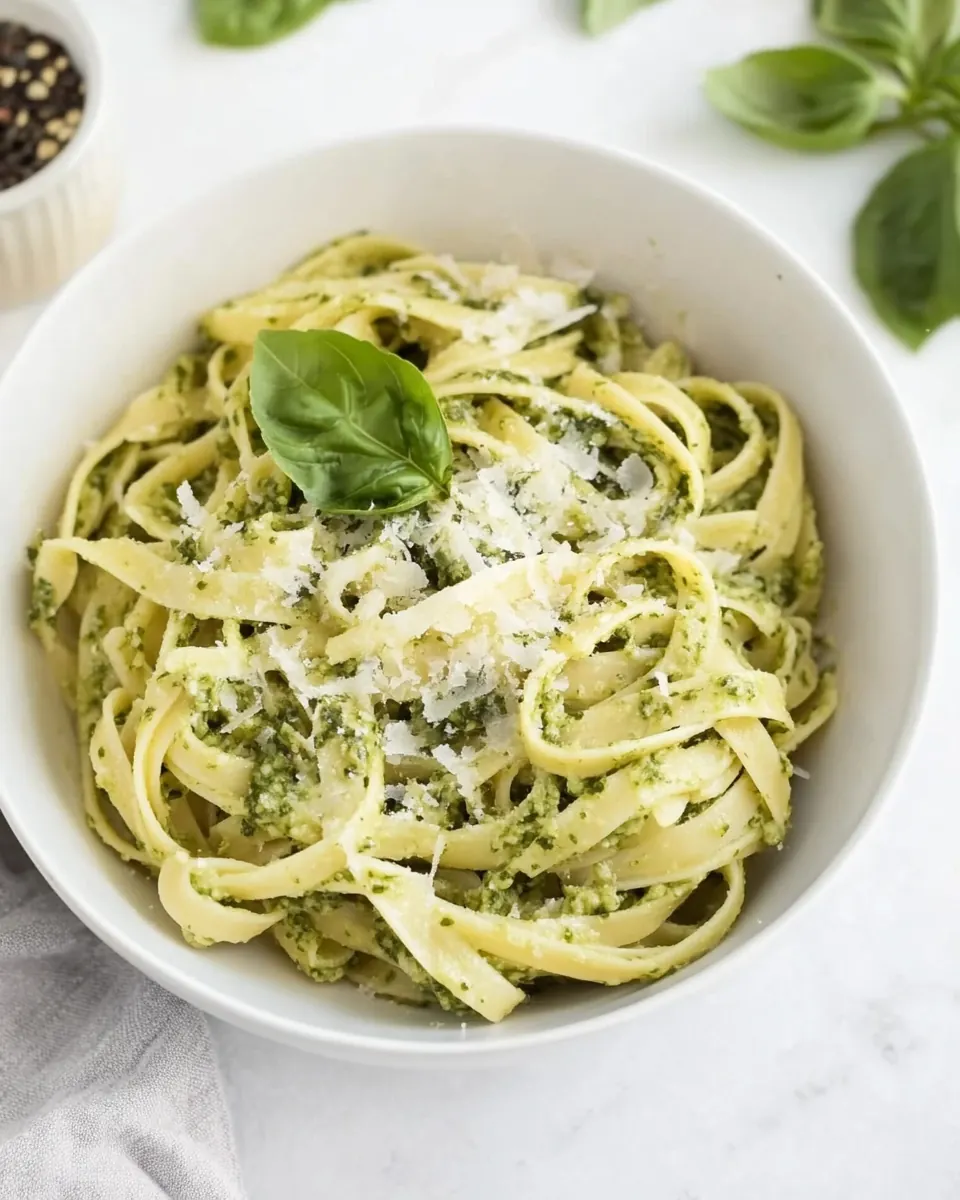
These ingredients are intentionally simple and focused on harmony. The pasta provides the canvas, the pesto delivers concentrated herb and oil flavor, and the pecorino Romano brings salty, savory brightness. A little sea salt and pepper helps everything pop. Together they create a balanced dish where each element enhances the other.
- 1 pound homemade or dried linguine: Cooked to al dente perfection, providing the primary carbohydrate base and texture for the dish; tosses readily with sauce to coat each strand and deliver substance to every bite.
- 1/3 recipe for pesto: Blended into a vibrant, herbaceous sauce that supplies concentrated flavor and richness; emulsifies with pasta water and oil to create a silky, cohesive coating for the linguine.
- pecorino Romano for garnish: Grated finely as a salty, tangy garnish that adds savory depth and umami; scattered over the finished pasta to introduce bright, dairy-based contrast and enhance mouthfeel.
- sea salt and pepper to taste: Seasoned to taste to balance and elevate all flavors; used sparingly to heighten brightness and a few grinds of pepper to add subtle warmth and complexity.
The Method for Easy Pesto Pasta
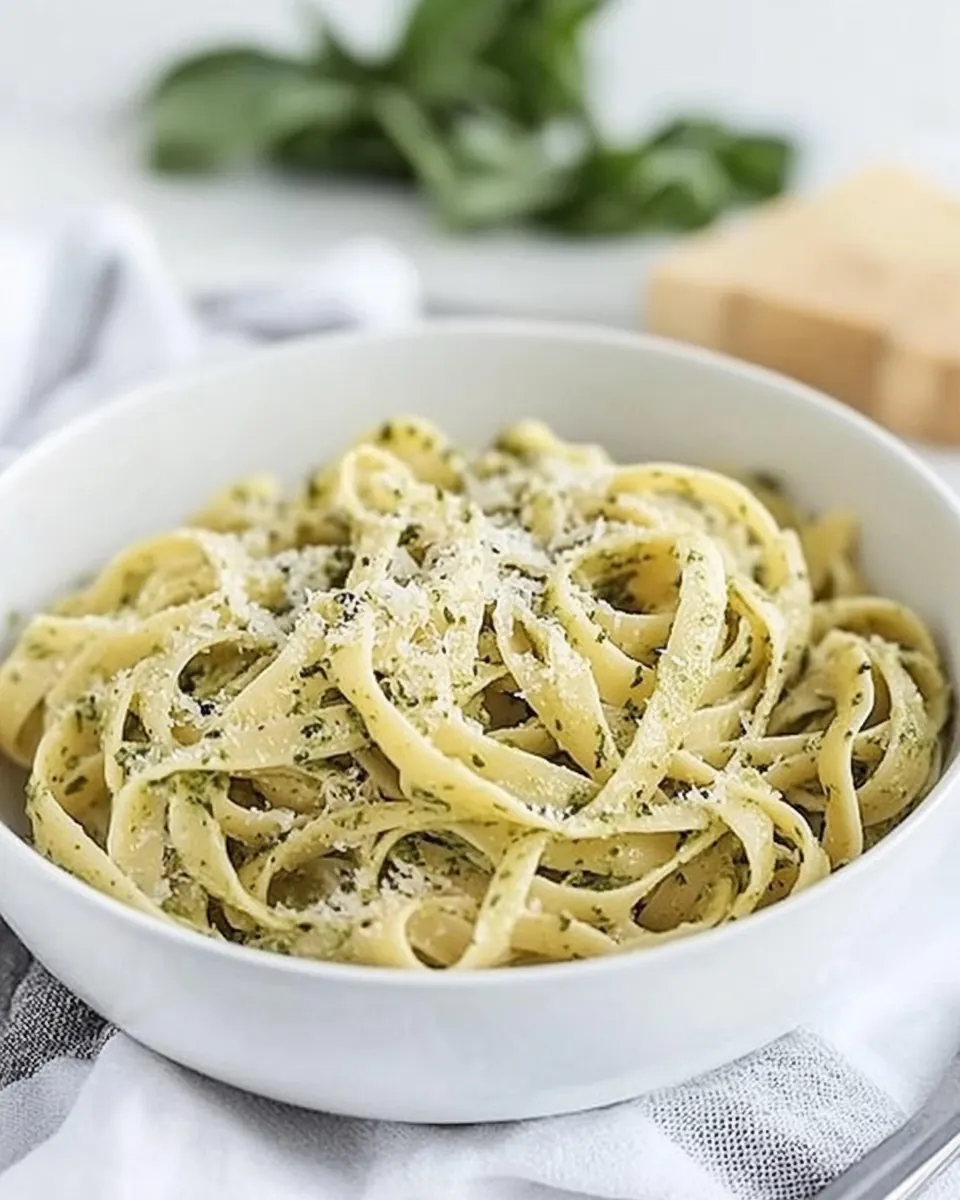
I like a relaxed, sensory approach when I cook this recipe. Warm water, the scent of basil, and the gentle sound of sauce sliding over pasta are my cues that dinner is shaping up nicely. Below, I expand each instruction with practical notes so you can cook with confidence and feel connected to the process.
- Add the pasta to a large pot of boiling water and cook according to the package instructions. For fresh, 2-3 minutes and dry 8-10 minutes.: The moment the pasta meets rolling water you will hear a gentle, steady bubbling and see the strands swirl. That boil agitates the water so the linguine stays separated and cooks evenly. I find that setting a kitchen timer helps you avoid that slippery overcooked texture; check the linguine a couple minutes before the lower bound to confirm doneness. If you let it go too long the pasta loses its bite and the final dish becomes mushy, so aim for a tender yet firm center. The water should be at a full, lively boil before you add the pasta, and stirring early prevents sticking. A common error is not using enough water, which increases stickiness and uneven cooking. When the linguine is nearly done, lift a strand to inspect the center and test for that faint white core, which signals perfect al dente.
- Drain the pasta and add to a large bowl and place in the pesto along with a 1/3 cup of the pasta water, salt, and pepper and mix until combined.: You will notice a comforting steam rising when you drain, and that warm starch is your ally. The reserved pasta water, about a third of a cup, is slightly cloudy and feels silky on the spoon, and it helps the pesto emulsify into a glossy coating rather than sitting as separate oil. When I toss, I fold gently so the linguine becomes evenly sheathed without breaking. If the sauce seems thick, I add a splash more water a tablespoon at a time until the consistency is velvety. One pitfall to avoid is adding cold water or too much oil; that can cool or separate the sauce. Taste and adjust with a pinch of sea salt and a few cracks of pepper to lift the flavors, because the final seasoning makes a big difference.
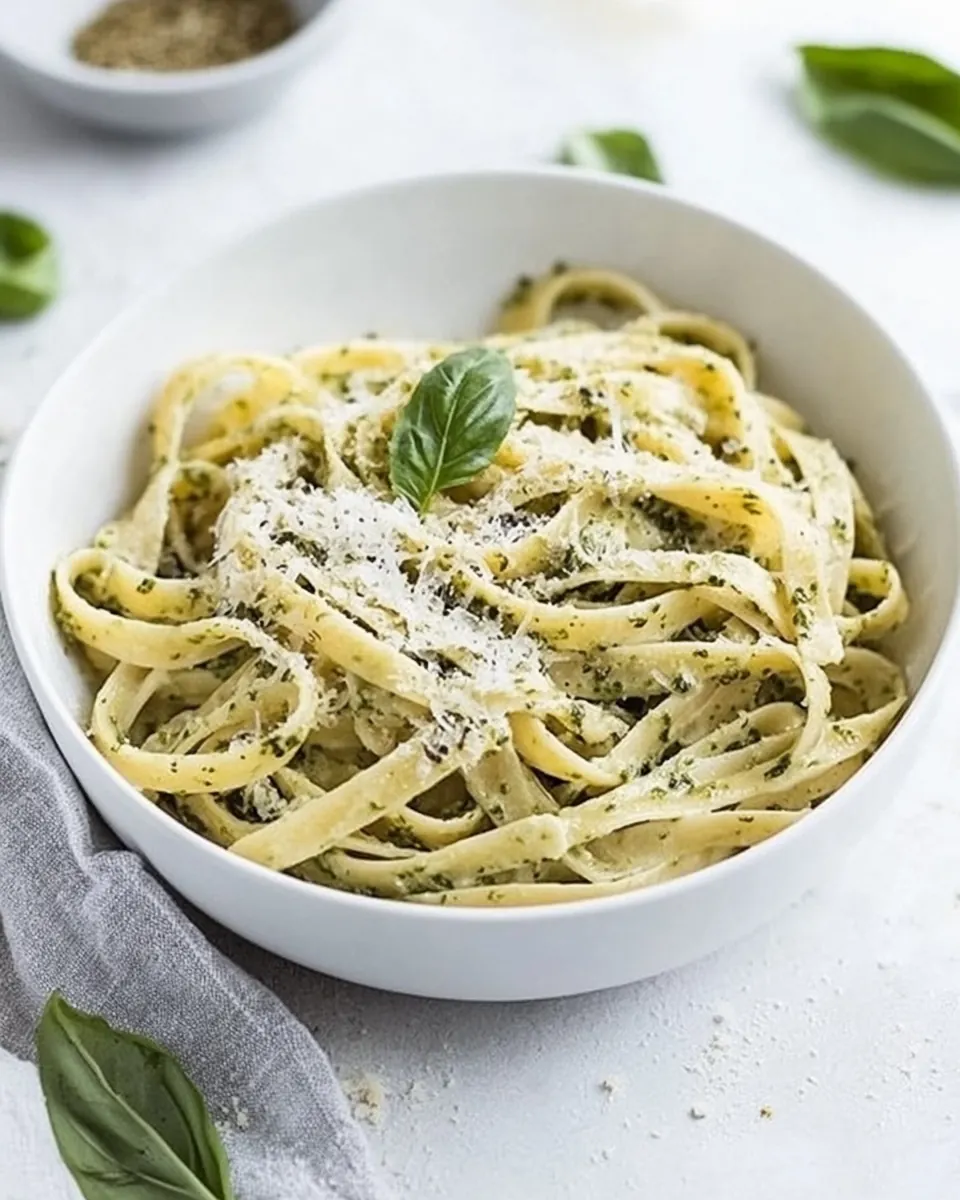
- Garnish with fresh shredded pecorino Romano cheese and serve.: The finishing grate of pecorino Romano creates a fragrant, salty ribbon over the pasta that brightens every bite. As you sprinkle, you will see fine snowy flecks settling into crevices which melt slightly from the residual heat, releasing savory perfume. I like to serve quickly while the pasta is still warm so the cheese softens into a gentle coating. Avoid adding too much cheese at once, because it can overpower the herbal notes of the pesto . If you want a lighter finish, use a very small microplane and taste as you go. One common mistake is letting the dish sit uncovered too long, which cools and dulls the flavors, so plate and serve promptly for best results.
How to Switch It Up
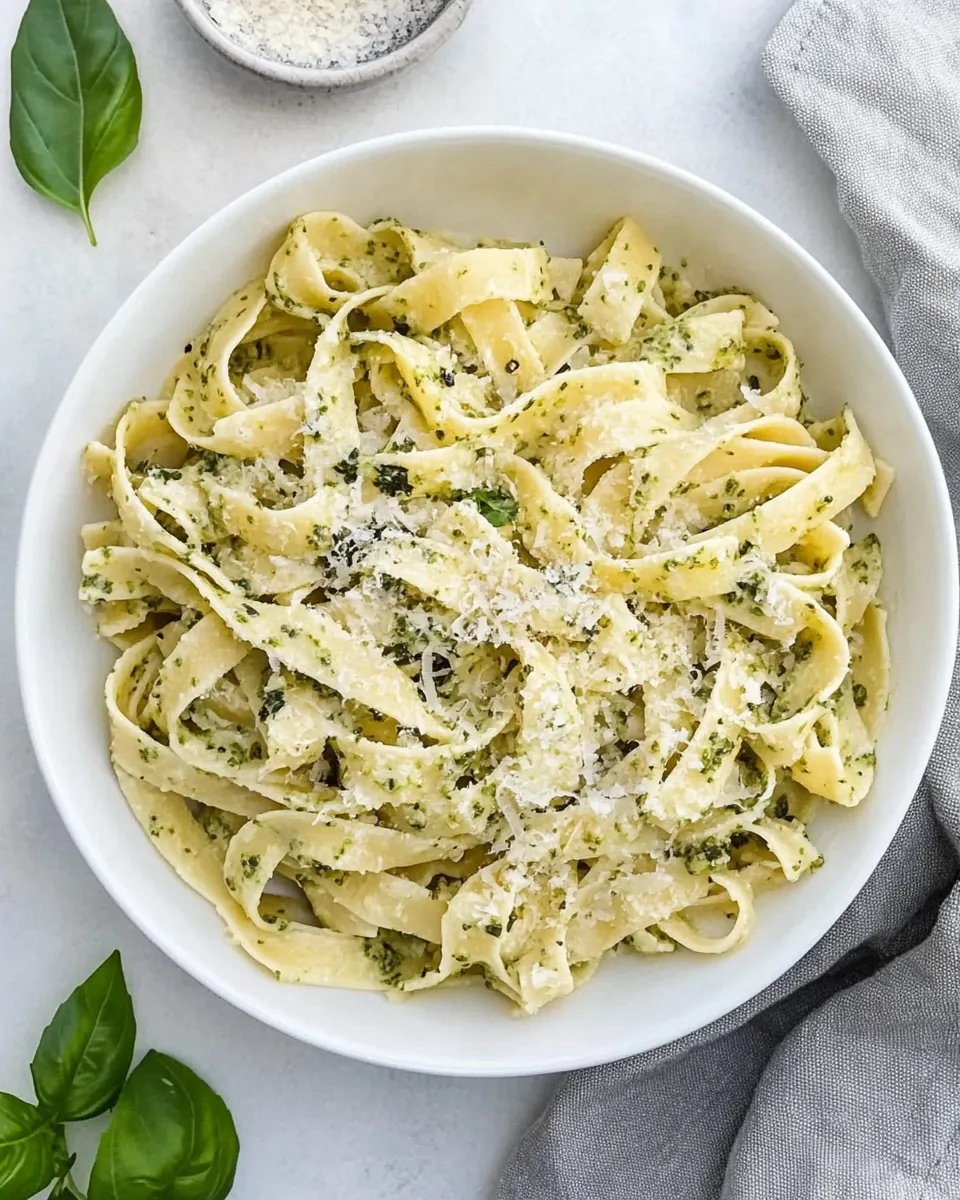
There are a few easy variations that respect the core flavors while adding interest. Below I expand practical suggestions so you can adapt Easy Pesto Pasta to what you have on hand without losing its bright character.
- Add gentle vegetables You can stir in small-roasted vegetables warmed briefly before tossing to introduce texture and color while keeping the sauce prominent.
- Use part of a pesto batch Scaling the pesto down to a third of a full recipe helps maintain balance and prevents the dish from becoming too oily.
- Finish with citrus zest A tiny amount of lemon zest can brighten the flavors without making the dish overtly citrusy, use sparingly and taste as you go.
- Try a different cheese If you prefer a milder finish, a modest grating of a less assertive hard cheese will soften the finish while still adding savory depth.
- Gently reheat with water When reheating leftovers, warm the pasta slowly over low heat with a couple of tablespoons of hot water to rebind the sauce and avoid separation.
- Keep pesto chilled If preparing ahead, store the pesto in a tight container in the refrigerator and only dress the pasta right before serving to preserve the herb color and aroma.
Great Combinations for Easy Pesto Pasta
Easy Pesto Pasta pairs beautifully with light sides and casual occasions, and it scales well for small gatherings or weeknight dinners. Below are serving ideas, storage tips, and occasion pairings to help you present this dish confidently.
- Serve with a simple green salad A crisp salad dressed lightly balances the oil and cheese, adding a refreshing contrast and making the meal feel complete for a quick dinner.
- Offer crusty bread on the side A warm slice of bread is perfect for scooping up any leftover sauce and makes the meal feel a little more indulgent for guests or family.
- Bring to a casual lunch This recipe works great for a relaxed midday meal, served slightly warm or at room temperature, and is easy to plate for an informal gathering.
- Pack for a picnic Tossed and cooled slightly, the pasta travels well and will hold its texture for a short period, making it a nice option for outdoor meals during summer.
- Storage guidance Store components separately when possible, refrigerate for up to four days, and reheat gently with hot water to restore the sauce texture without breaking it.
- Seasonal pairing In summer, pair with seasonal tomatoes or grilled vegetables to complement the herbaceous pesto and add bright, juicy notes to the plate.
FAQ
Conclusion
Easy Pesto Pasta stands out for its bright basil flavor, quick assembly, and comforting textures that come together in a few simple steps. You can make this dish any night you want an effortless but flavorful meal, and its components are forgiving and adaptable to small changes. Try it when you need a satisfying, fresh pasta that feels special without a lot of fuss. I hope this recipe becomes one of your reliable weeknight favorites.
Easy Pesto Pasta
Equipment
- Large Pot
- Colander
- Large Bowl
- Grater
Ingredients
- 1 pound homemade or dried linguine Cooked to al dente perfection, providing the primary carbohydrate base and texture for the dish; tosses readily with sauce to coat each strand and deliver substance to every bite.
- 1/3 recipe for pesto Blended into a vibrant, herbaceous sauce that supplies concentrated flavor and richness; emulsifies with pasta water and oil to create a silky, cohesive coating for the linguine.
- pecorino Romano for garnish Grated finely as a salty, tangy garnish that adds savory depth and umami; scattered over the finished pasta to introduce bright, dairy-based contrast and enhance mouthfeel.
- sea salt and pepper to taste Seasoned to taste to balance and elevate all flavors; used sparingly to heighten brightness and a few grinds of pepper to add subtle warmth and complexity.
Instructions
- Add the pasta to a large pot of boiling water and cook according to the package instructions. For fresh, 2-3 minutes and dry 8-10 minutes.: The moment the pasta meets rolling water you will hear a gentle, steady bubbling and see the strands swirl. That boil agitates the water so the linguine stays separated and cooks evenly. I find that setting a kitchen timer helps you avoid that slippery overcooked texture; check the linguine a couple minutes before the lower bound to confirm doneness. If you let it go too long the pasta loses its bite and the final dish becomes mushy, so aim for a tender yet firm center. The water should be at a full, lively boil before you add the pasta, and stirring early prevents sticking. A common error is not using enough water, which increases stickiness and uneven cooking. When the linguine is nearly done, lift a strand to inspect the center and test for that faint white core, which signals perfect al dente.
- Drain the pasta and add to a large bowl and place in the pesto along with a 1/3 cup of the pasta water, salt, and pepper and mix until combined.: You will notice a comforting steam rising when you drain, and that warm starch is your ally. The reserved pasta water, about a third of a cup, is slightly cloudy and feels silky on the spoon, and it helps the pesto emulsify into a glossy coating rather than sitting as separate oil. When I toss, I fold gently so the linguine becomes evenly sheathed without breaking. If the sauce seems thick, I add a splash more water a tablespoon at a time until the consistency is velvety. One pitfall to avoid is adding cold water or too much oil; that can cool or separate the sauce. Taste and adjust with a pinch of sea salt and a few cracks of pepper to lift the flavors, because the final seasoning makes a big difference.
- Garnish with fresh shredded pecorino Romano cheese and serve.: The finishing grate of pecorino Romano creates a fragrant, salty ribbon over the pasta that brightens every bite. As you sprinkle, you will see fine snowy flecks settling into crevices which melt slightly from the residual heat, releasing savory perfume. I like to serve quickly while the pasta is still warm so the cheese softens into a gentle coating. Avoid adding too much cheese at once, because it can overpower the herbal notes of the pesto . If you want a lighter finish, use a very small microplane and taste as you go. One common mistake is letting the dish sit uncovered too long, which cools and dulls the flavors, so plate and serve promptly for best results.
Notes
- Add gentle vegetables You can stir in small-roasted vegetables warmed briefly before tossing to introduce texture and color while keeping the sauce prominent.
- Use part of a pesto batch Scaling the pesto down to a third of a full recipe helps maintain balance and prevents the dish from becoming too oily.
- Finish with citrus zest A tiny amount of lemon zest can brighten the flavors without making the dish overtly citrusy, use sparingly and taste as you go.
- Try a different cheese If you prefer a milder finish, a modest grating of a less assertive hard cheese will soften the finish while still adding savory depth.
- Gently reheat with water When reheating leftovers, warm the pasta slowly over low heat with a couple of tablespoons of hot water to rebind the sauce and avoid separation.
- Keep pesto chilled If preparing ahead, store the pesto in a tight container in the refrigerator and only dress the pasta right before serving to preserve the herb color and aroma.