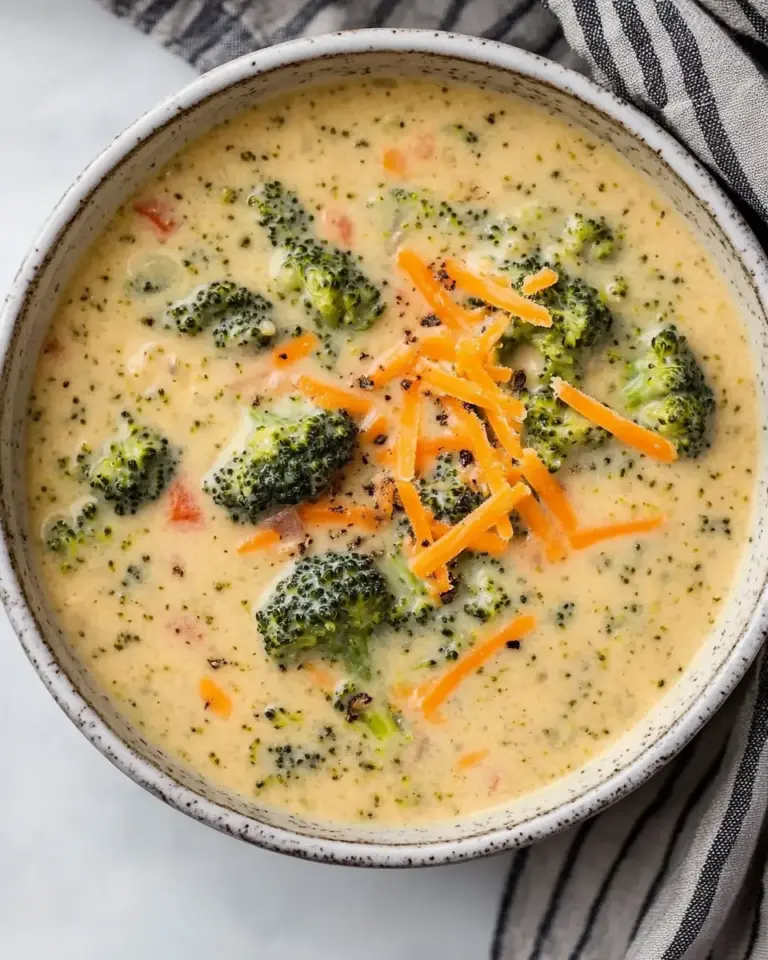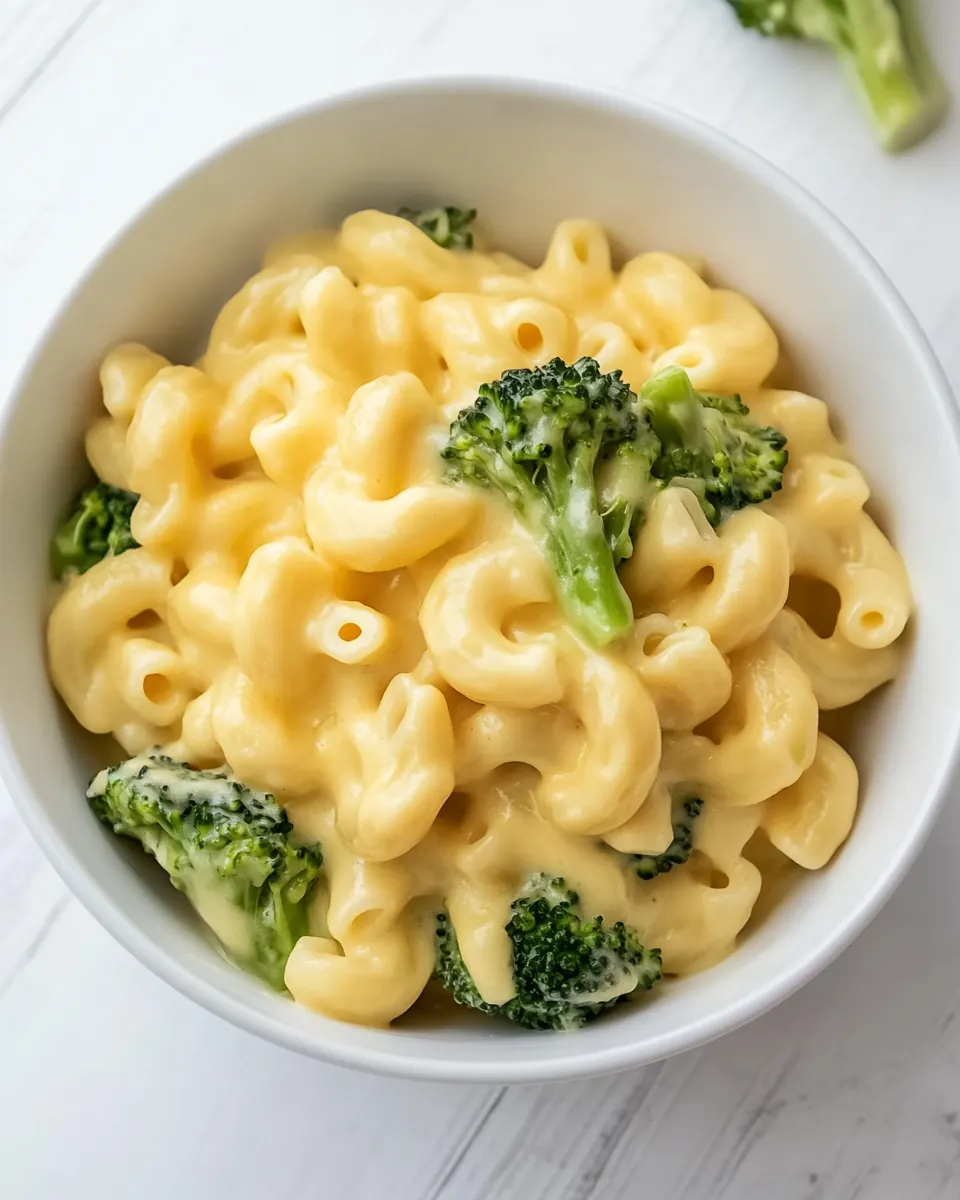
Broccoli Mac and Cheese
Broccoli Mac and Cheese is the sort of dish I reach for when I want something comforting that still feels a little thoughtful. The first time I made it, I was coming in from a chilly afternoon and wanted something creamy and warm, but I also wanted a green serving that made me feel like I had cooked a real meal. The combination of tender macaroni folded into a velvety cheese sauce with bright, lightly steamed broccoli felt like the perfect compromise between indulgence and balance.
Over the years I have tweaked the details, learning what makes the sauce silkier and how to keep the macaroni from turning gummy, while preserving the tiny pop of texture from the broccoli. I remember one weeknight when I had very little time but wanted something that would cheer up everyone at the table. The method in this recipe delivers, every time, with a short ingredient list and confident steps that result in that classic, creamy finish. There is a nostalgia to it too, a reminder of school cafeteria classics, elevated by simple technique.
Recipe Snapshot
20 mins
5 mins
15 mins
Easy
450 kcal
American
Gluten-Free, Low FODMAP
Dinner
Large pot, Colander, Large pan or pot, Whisk, Box grater
Why This Broccoli Mac and Cheese Is So Good
Comfort with a Fresh Twist
I love how Broccoli Mac and Cheese blends the classic creamy texture of mac and cheese with the brightness of steamed broccoli. The contrast keeps each bite lively, and I find it especially satisfying when I want something nostalgic but not too heavy.
Simple Pantry Staples
One major reason I reach for this recipe is its reliance on pantry and fridge staples like macaroni, butter, flour, and milk. You can put it together quickly, which makes it ideal for busy evenings when you still want home cooking that tastes intentional.
Texture Control
Steaming the broccoli just until tender preserves a pleasant bite, while the roux based sauce ensures a smooth, clingy coating on every piece of macaroni. I appreciate how the technique keeps the dish creamy without being gluey, which is a small but vital victory.
Flexible Cheese Choices
Using a mix like cheddar, Monterey Jack, or Colby lets you tune the flavor. I often adjust the ratio depending on whether I want milder, meltier notes or a fuller, tangier profile. The end result is always familiar but customizable.
Weeknight Friendly
This recipe is genuinely quick to execute, which is a huge plus on my busiest nights. It gives you reliable results without a long ingredient list or complicated techniques, making it a dependable option for family dinners or a cozy solo meal.
Ingredient List for Broccoli Mac and Cheese
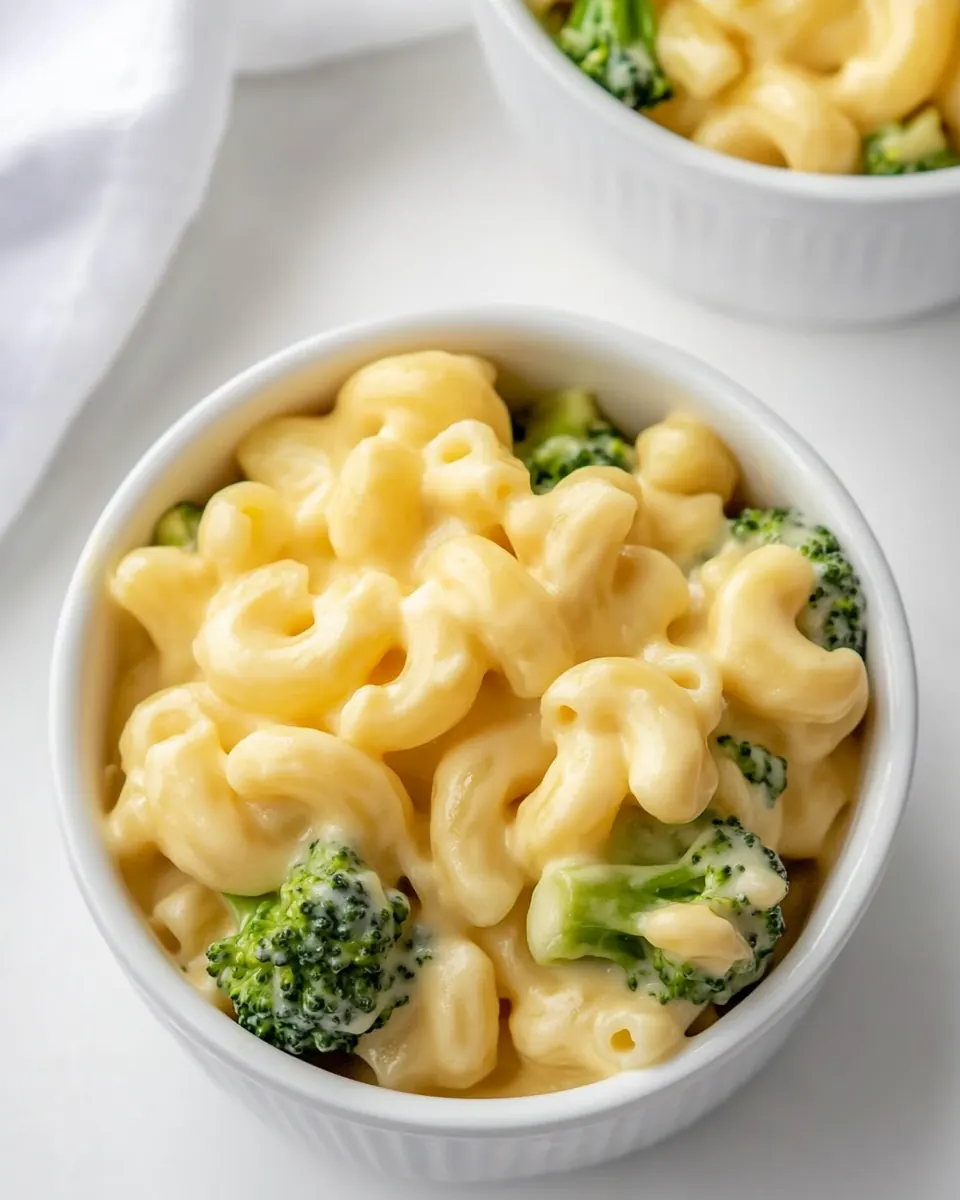
These ingredients form a straightforward, harmonious lineup. The foundation is a simple roux that becomes a creamy sauce, while the cheese lends richness and the broccoli cuts through with freshness. Each component plays a role: starch for body, fat for silkiness, dairy for flavor, and vegetables for balance.
- 8 oz (225 g) macaroni: Boil until tender and al dente to provide the pasta base that carries the creamy sauce and other flavors; drain and reserve a little cooking water to adjust sauce consistency if needed.
- 2 tablespoons unsalted butter: Melt to create a flavorful fat base for the roux, coating the pan and helping to distribute heat evenly; use unsalted butter to better control the dish's overall seasoning.
- 2 tablespoons all-purpose flour: Whisk into melted butter to form a roux that thickens the milk into a smooth cheese sauce; cook briefly to remove raw flour taste before adding milk.
- 1 and 1/2 cups milk: Warm gently and whisked into the roux to create a creamy béchamel-style sauce that binds the cheese and pasta together; choose a milk fat level based on desired richness.
- 1 teaspoon dijon mustard: Stir in to add a subtle tang and depth that brightens the cheese sauce; dissolve completely to avoid clumps and to complement the dairy flavors.
- 1/4 teaspoon nutmeg: Grate or measure and sprinkle sparingly to impart warm, nutty undertones that enhance the richness without overpowering; add early in the sauce so the flavor melds evenly.
- 1 teaspoon garlic powder: Sprinkle to introduce savory, mellow garlic flavor throughout the sauce without needing fresh aromatics; incorporate with the seasoning to ensure even distribution.
- 1/2 teaspoon salt: Season to enhance overall flavor balance and to bring out the natural tastes of the cheese and broccoli; adjust to taste, keeping in mind cheeses may add saltiness.
- 1/4 teaspoon ground black pepper: Grind to add mild heat and aromatic complexity, balancing the creaminess of the sauce; add incrementally to reach desired peppery note.
- 2 cups broccoli florets: Steam or blanch until just tender-crisp to contribute a bright, fresh vegetable component and contrasting texture; fold into the finished pasta to retain color and nutrients.
- 2 cups cheese such as cheddar, Monterey Jack, or Colby: Shred to melt smoothly into the béchamel, creating the characteristic gooey, cheesy coating that binds the dish; choose sharpness and meltability based on preferred flavor and texture.
The Process for Making Broccoli Mac and Cheese
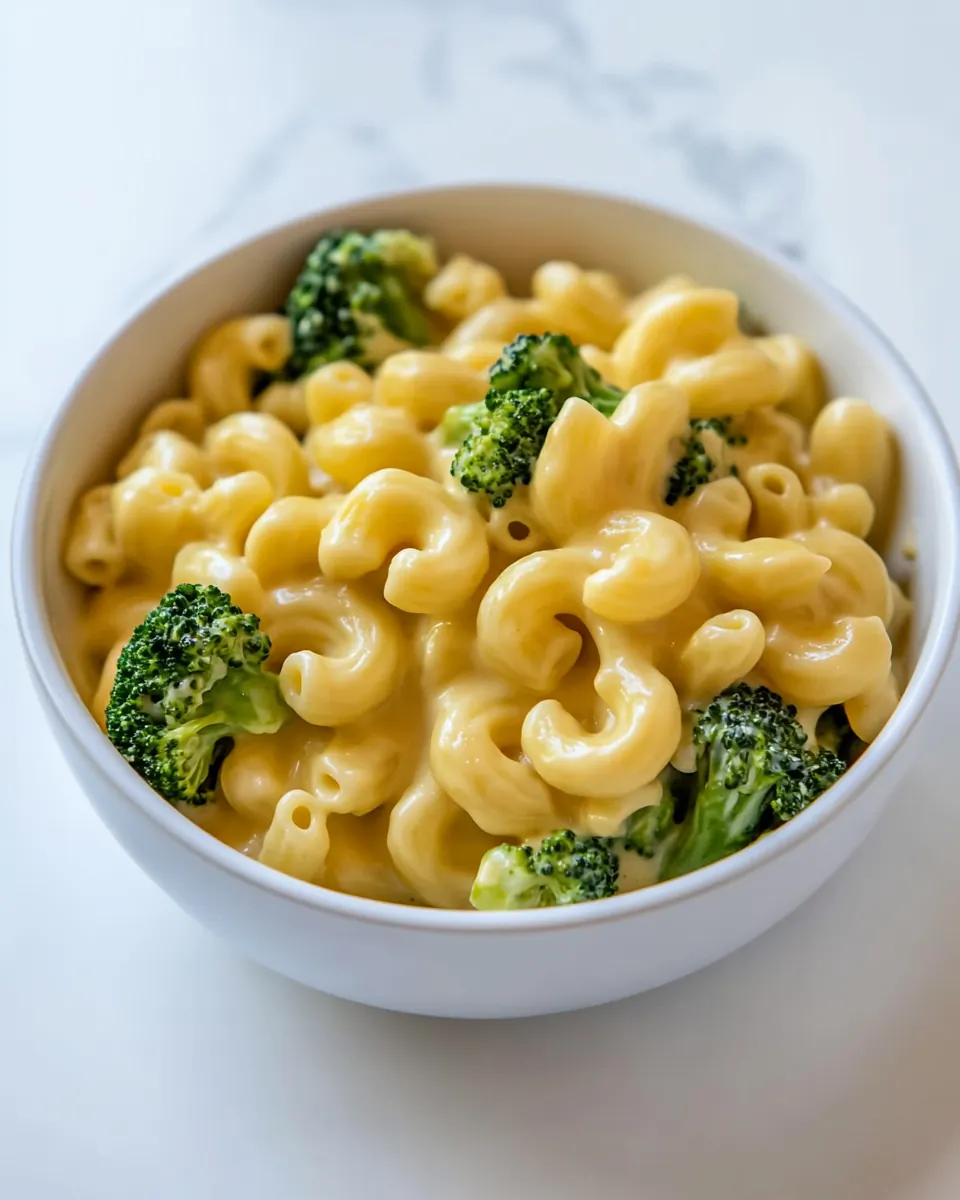
I like to approach this recipe with an organized rhythm: cook the macaroni, steam the broccoli, build the sauce, then combine. The steps are straightforward, and focusing on sensory cues makes the result consistent and satisfying.
- Cook pasta to al dente in salted water according to package directions.: You'll notice the pot bubbling gently as the macaroni simmers; the surface will show rounded bubbles when it is correctly boiling. The smell is mild, starchy, and comforting. Al dente means the macaroni gives a slight resistance when bitten, not soft all the way through, which prevents it from breaking down when mixed with the sauce. Avoid overcooking, a common mistake, as it turns the pasta mushy and causes the dish to become gluey once sauced. To test, taste one piece a minute before the lower end of the package time, then drain promptly and reserve a bit of the cooking water for adjusting sauce consistency if needed.
- Steam the broccoli over the pasta as it cooks in a colander, it needs just 4-5 minutes.: Steam produces a soft vegetal aroma and the florets will brighten to a vivid green and become tender yet slightly firm at the stem. This preserves pleasant texture and a fresh flavor that cuts through the richness of the sauce. The reason this method works is the steam cooks the broccoli gently without waterlogging it, retaining vitamins and color. A frequent error is steaming too long, which yields limp, colorless florets; aim for a quick steam and test with a fork for slight resistance. After steaming, run them under cool water briefly if you need to halt cooking, then set aside to drain well before combining with the macaroni .
- In a large pan or pot, melt the butter and add the flour. Cook the flour for a minute then add the milk and the seasonings. Whisk as it reaches a simmer.: As the butter melts it will foam and then settle, releasing a warm, buttery scent. Sprinkle in the flour and stir; the mixture will take on a pale, sand like texture known as a roux. This step is crucial because it cooks out raw flour flavor and creates the thickening agent for the sauce. Stir constantly over medium heat for about a minute until it smells slightly toasty; do not brown it, or the sauce will pick up a nutty, darker profile. A common pitfall is rushing and letting it brown, so maintain an even heat and steady whisking.
- Add the shredded/grated cheese, and whisk it in so it melts and you get a smooth sauce.: When you slowly pour in the milk , whisk continuously so the roux and liquid combine into a smooth, velvety base. The sauce will start thin then thicken as it reaches a gentle simmer, and you'll see tiny steam wisps rising with a creamy aroma. Add the dijon mustard , nutmeg , garlic powder , salt , and ground black pepper , which layer the flavor and prevent the sauce from tasting flat. The why here is simple, the warm milk activates the roux and the seasonings balance the dairy. Watch for lumps, and if they appear, whisk vigorously or briefly pass through a sieve; failing to whisk can leave grainy bits in the sauce.
- Add the cooked pasta and steamed broccoli, stir to combine and serve.: As you stir in the cheese , the aroma changes to a rich, savory scent and the sauce will loosen then become glossy and thick. Grated block cheese melts more predictably than pre grated, avoiding clumps and graininess. Stir until the sauce is uniformly smooth and flowing, tasting for seasoning adjustments. If the sauce feels too thick, a splash of reserved pasta water or a little extra milk will bring it to the right consistency. One mistake to avoid is adding cheese to sauce that is too hot or boiling, which can cause separation; keep the heat low and stir patiently for a silky finish.
- Add the cooked pasta and steamed broccoli, stir to combine and serve: At this stage you will hear a gentle shush as the hot sauce envelops the macaroni , and the plate will look glossy with cheese coating each piece. Fold the broccoli in so its green florets punctuate the pale sauce, ensuring even distribution so every bite has a bit of both. The why is that combining while warm allows the sauce to cling and integrate flavors. A common error is letting the mixture sit too long before serving, which thickens the sauce; if that happens, loosen with a tablespoon of water or milk and reheat gently while stirring. Serve immediately to enjoy the ideal creamy texture and balanced flavors.
Expert Tips about Broccoli Mac and Cheese
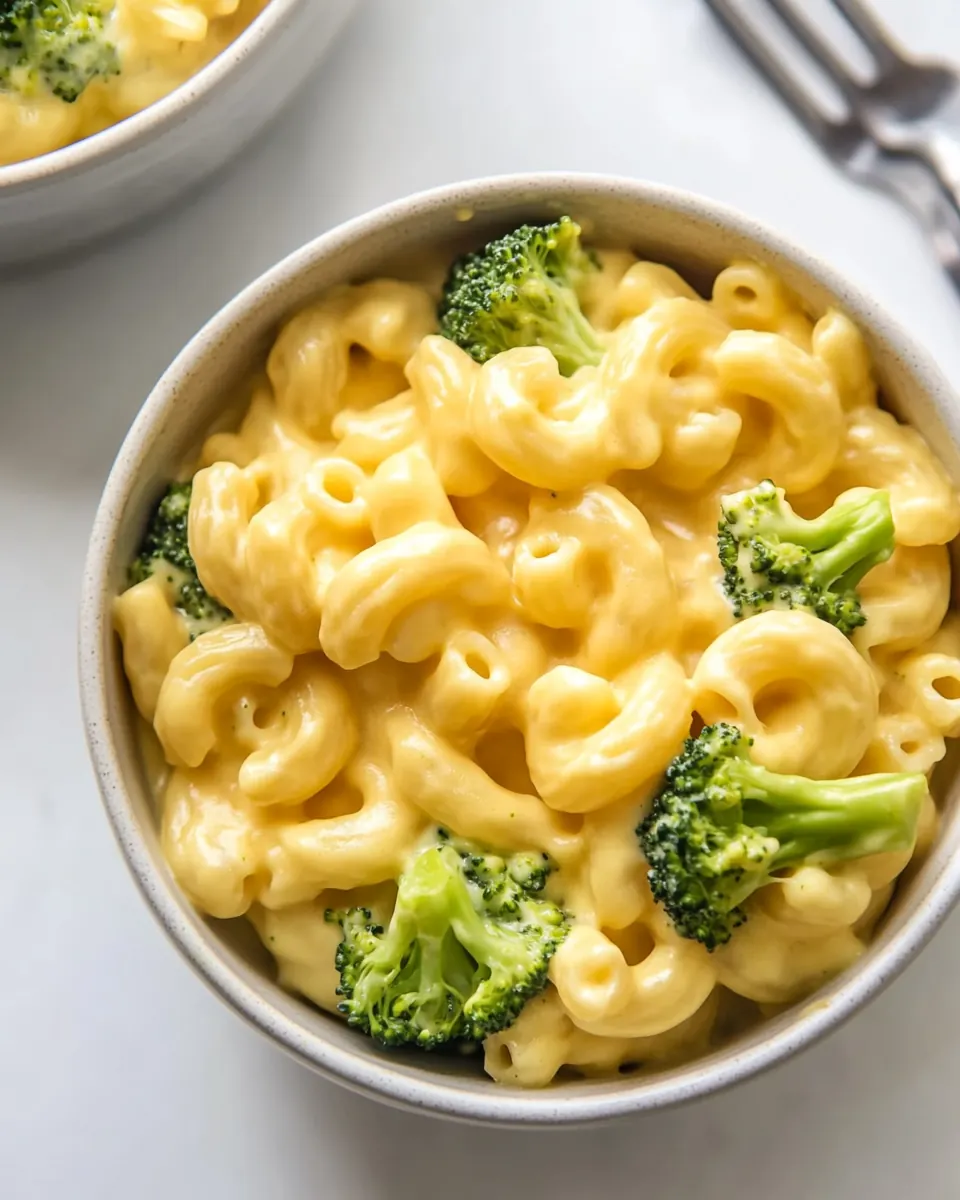
This list dives into practical, chef level advice to get the creamiest sauce and best texture. I wrote each tip to be actionable so you can apply it the next time you pull this together for dinner.
- Shred your own cheese for optimal meltability and smooth texture, using a box grater to produce even shreds that dissolve uniformly.
- Warm the milk slightly before adding to the roux to help it incorporate without shocking the flour mixture, resulting in fewer lumps and a silkier sauce.
- Cook pasta al dente so it retains structure when mixed with the sauce, preventing a mushy final dish.
- Reserve pasta water to adjust sauce consistency, the starchy liquid helps the sauce adhere to the macaroni and improves mouthfeel.
- Steam broccoli briefly to keep bright color and slight bite, which balances the rich, creamy sauce and improves overall texture contrast.
- Keep heat moderate when adding cheese so the cheese melts smoothly without separating; avoid boiling the sauce after cheese is added.
Pairing Suggestions for Broccoli Mac and Cheese
This dish pairs well with a range of sides and occasions, from casual weeknights to comforting family dinners. Below are detailed serving ideas, storage advice, and occasion specific pairings that help you plan the full meal.
- Simple green salad with a light vinaigrette contrasts the richness of the cheese sauce and adds crispness to the plate, making it a quick companion for dinner.
- Roasted vegetables such as carrots or Brussels sprouts complement the pasta by introducing roasted caramelized flavors and additional texture for a balanced meal.
- Family style dinner is perfect for weeknights or gatherings, serve the Broccoli Mac and Cheese in a warm casserole-style dish so everyone can help themselves and enjoy a communal comfort food experience.
- Lunch option serve a smaller portion alongside a cup of tomato soup for a nostalgic midday combo that is both warming and satisfying.
- Storage tips refrigerate leftovers in an airtight container for up to three days, and when reheating add a splash of milk to restore creaminess and stir gently over low heat.
- Seasonal pairing in fall the warm, cheesy profile fits cozy evenings, while in spring you can brighten the plate with a lemony arugula salad to lift the richness.
FAQ
Conclusion
Broccoli Mac and Cheese captures the comfort of classic mac and cheese while adding a fresh, green twist that keeps each bite interesting. It is quick to make, relies on simple pantry ingredients, and rewards attention to technique with a silky sauce and crisp tender broccoli. Give it a try on a busy weeknight when you want something dependable and homey yet a little more balanced. I hope you enjoy the cozy, creamy results and make it a regular go to in your dinner rotation.
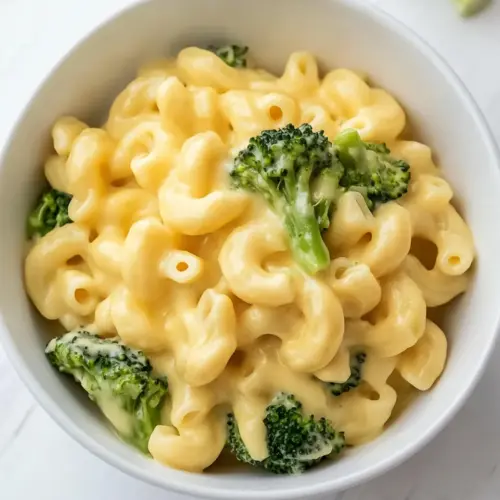
Broccoli Mac and Cheese
Equipment
- Large Pot
- Colander
- Large pan or pot
- Whisk
- Box grater
Ingredients
- 8 oz (225 g) macaroni Boil until tender and al dente to provide the pasta base that carries the creamy sauce and other flavors; drain and reserve a little cooking water to adjust sauce consistency if needed.
- 2 tablespoons unsalted butter Melt to create a flavorful fat base for the roux, coating the pan and helping to distribute heat evenly; use unsalted butter to better control the dish's overall seasoning.
- 2 tablespoons all-purpose flour Whisk into melted butter to form a roux that thickens the milk into a smooth cheese sauce; cook briefly to remove raw flour taste before adding milk.
- 1 and 1/2 cups milk Warm gently and whisked into the roux to create a creamy béchamel-style sauce that binds the cheese and pasta together; choose a milk fat level based on desired richness.
- 1 teaspoon dijon mustard Stir in to add a subtle tang and depth that brightens the cheese sauce; dissolve completely to avoid clumps and to complement the dairy flavors.
- 1/4 teaspoon nutmeg Grate or measure and sprinkle sparingly to impart warm, nutty undertones that enhance the richness without overpowering; add early in the sauce so the flavor melds evenly.
- 1 teaspoon garlic powder Sprinkle to introduce savory, mellow garlic flavor throughout the sauce without needing fresh aromatics; incorporate with the seasoning to ensure even distribution.
- 1/2 teaspoon salt Season to enhance overall flavor balance and to bring out the natural tastes of the cheese and broccoli; adjust to taste, keeping in mind cheeses may add saltiness.
- 1/4 teaspoon ground black pepper Grind to add mild heat and aromatic complexity, balancing the creaminess of the sauce; add incrementally to reach desired peppery note.
- 2 cups broccoli florets Steam or blanch until just tender-crisp to contribute a bright, fresh vegetable component and contrasting texture; fold into the finished pasta to retain color and nutrients.
- 2 cups cheese such as cheddar, Monterey Jack, or Colby Shred to melt smoothly into the béchamel, creating the characteristic gooey, cheesy coating that binds the dish; choose sharpness and meltability based on preferred flavor and texture.
Instructions
- Cook pasta to al dente in salted water according to package directions.: You'll notice the pot bubbling gently as the macaroni simmers; the surface will show rounded bubbles when it is correctly boiling. The smell is mild, starchy, and comforting. Al dente means the macaroni gives a slight resistance when bitten, not soft all the way through, which prevents it from breaking down when mixed with the sauce. Avoid overcooking, a common mistake, as it turns the pasta mushy and causes the dish to become gluey once sauced. To test, taste one piece a minute before the lower end of the package time, then drain promptly and reserve a bit of the cooking water for adjusting sauce consistency if needed.
- Steam the broccoli over the pasta as it cooks in a colander, it needs just 4-5 minutes.: Steam produces a soft vegetal aroma and the florets will brighten to a vivid green and become tender yet slightly firm at the stem. This preserves pleasant texture and a fresh flavor that cuts through the richness of the sauce. The reason this method works is the steam cooks the broccoli gently without waterlogging it, retaining vitamins and color. A frequent error is steaming too long, which yields limp, colorless florets; aim for a quick steam and test with a fork for slight resistance. After steaming, run them under cool water briefly if you need to halt cooking, then set aside to drain well before combining with the macaroni .
- In a large pan or pot, melt the butter and add the flour. Cook the flour for a minute then add the milk and the seasonings. Whisk as it reaches a simmer.: As the butter melts it will foam and then settle, releasing a warm, buttery scent. Sprinkle in the flour and stir; the mixture will take on a pale, sand like texture known as a roux. This step is crucial because it cooks out raw flour flavor and creates the thickening agent for the sauce. Stir constantly over medium heat for about a minute until it smells slightly toasty; do not brown it, or the sauce will pick up a nutty, darker profile. A common pitfall is rushing and letting it brown, so maintain an even heat and steady whisking.
- Add the shredded/grated cheese, and whisk it in so it melts and you get a smooth sauce.: When you slowly pour in the milk , whisk continuously so the roux and liquid combine into a smooth, velvety base. The sauce will start thin then thicken as it reaches a gentle simmer, and you'll see tiny steam wisps rising with a creamy aroma. Add the dijon mustard , nutmeg , garlic powder , salt , and ground black pepper , which layer the flavor and prevent the sauce from tasting flat. The why here is simple, the warm milk activates the roux and the seasonings balance the dairy. Watch for lumps, and if they appear, whisk vigorously or briefly pass through a sieve; failing to whisk can leave grainy bits in the sauce.
- Add the cooked pasta and steamed broccoli, stir to combine and serve.: As you stir in the cheese , the aroma changes to a rich, savory scent and the sauce will loosen then become glossy and thick. Grated block cheese melts more predictably than pre grated, avoiding clumps and graininess. Stir until the sauce is uniformly smooth and flowing, tasting for seasoning adjustments. If the sauce feels too thick, a splash of reserved pasta water or a little extra milk will bring it to the right consistency. One mistake to avoid is adding cheese to sauce that is too hot or boiling, which can cause separation; keep the heat low and stir patiently for a silky finish.
- Add the cooked pasta and steamed broccoli, stir to combine and serve: At this stage you will hear a gentle shush as the hot sauce envelops the macaroni , and the plate will look glossy with cheese coating each piece. Fold the broccoli in so its green florets punctuate the pale sauce, ensuring even distribution so every bite has a bit of both. The why is that combining while warm allows the sauce to cling and integrate flavors. A common error is letting the mixture sit too long before serving, which thickens the sauce; if that happens, loosen with a tablespoon of water or milk and reheat gently while stirring. Serve immediately to enjoy the ideal creamy texture and balanced flavors.
Notes
- Shred your own cheese for optimal meltability and smooth texture, using a box grater to produce even shreds that dissolve uniformly.
- Warm the milk slightly before adding to the roux to help it incorporate without shocking the flour mixture, resulting in fewer lumps and a silkier sauce.
- Cook pasta al dente so it retains structure when mixed with the sauce, preventing a mushy final dish.
- Reserve pasta water to adjust sauce consistency, the starchy liquid helps the sauce adhere to the macaroni and improves mouthfeel.
- Steam broccoli briefly to keep bright color and slight bite, which balances the rich, creamy sauce and improves overall texture contrast.
- Keep heat moderate when adding cheese so the cheese melts smoothly without separating; avoid boiling the sauce after cheese is added.