Creamy Goat Cheese and Sage Mashed Potatoes
Creamy Goat Cheese and Sage Mashed Potatoes is the kind of side dish that turned my ordinary weeknight dinners into small celebrations.
I first made Creamy Goat Cheese and Sage Mashed Potatoes on a rainy evening when I wanted something comforting but a little different from plain spuds. I remember the sweet aroma of boiling potatoes filling the kitchen while I rummaged through the herb drawer for fresh sage. When I stirred in the tangy, velvety goat cheese the texture shifted into something luxurious, and I realized how a few thoughtful ingredients can transform a simple vegetable into the star of the plate. That night, my family kept stealing bites while I tried to keep the bowl full. It became our go to when guests dropped by and when I needed a warm, cozy accompaniment to roasted vegetables.
Over the years I tweaked the balance of milk and butter, and learned to taste carefully for salt so the goat cheese can sing without being overwhelmed. The sage adds an herbaceous note that pairs especially well with the creamy tang of the cheese, giving the dish an autumnal feel I reach for when the air turns crisp. I love that this recipe is forgiving, yet precise enough to impress. You can make it ahead and refresh with a splash of milk, or keep it simple and mash straight before serving. Either way, the texture should be pillowy and the flavors harmonious, so everyone at the table asks for seconds.
Recipe Snapshot
32 mins
20 mins
12 mins
Easy
250 kcal
American
Gluten-Free, Low FODMAP
Side Dishes
Large saucepan, Potato masher, Colander, Mixing bowl
Why This Creamy Goat Cheese and Sage Mashed Potatoes Hits Different
I love the creamy tang
The combination of goat cheese with mashed potatoes gives a bright, tangy richness that feels indulgent without heaviness. I adore how the cheese melts into the hot potatoes, leaving a silky mouthfeel and a subtle tang that lifts the whole dish.
Sage brings warmth and depth
Sage adds a savory, slightly peppery edge that complements the dairy notes. I find that a little chopped fresh sage scattered in at the end keeps the flavor fragrant and lively, rather than overpowering the delicate goat cheese.
Comfort with a refined twist
This is comfort food with personality. If you want something familiar that still feels special for a holiday table or a cozy dinner, Creamy Goat Cheese and Sage Mashed Potatoes fits the bill. I reach for it when I want to elevate roasted mains without fuss.
Flexible and forgiving
The recipe adapts well to small swaps like different milk or butter choices, and it holds up if you make it ahead. I often tweak the liquid to control texture, so you can get it from chunky rustic mash to ultra smooth depending on your mood.
Easy to scale and share
Because the flavors are straightforward, it’s simple to double for a crowd. I love that the technique is approachable, so even cooks who shy away from mashed potatoes get consistent, delicious results.
Ingredients for Creamy Goat Cheese and Sage Mashed Potatoes
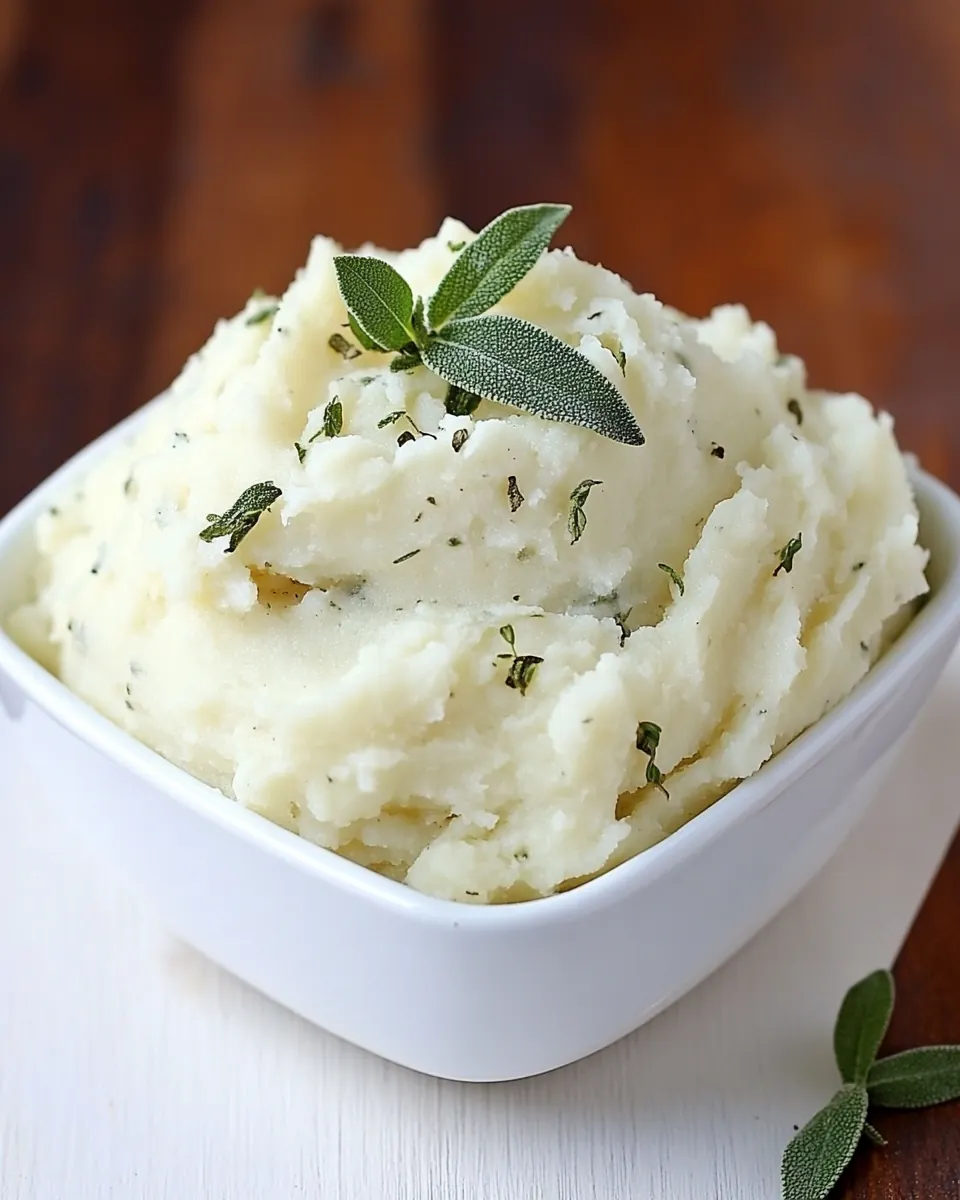
These ingredients work together like a small orchestra, each playing a clear role. The potatoes provide the comforting, starchy base, while the goat cheese gives tang and creaminess. A splash of milk and a pat of butter loosen the texture and add silkiness. Fresh sage offers aromatic lift, and salt plus freshly ground black pepper balance and brighten the flavors.
- 2 pounds potatoes, peeled and cut into 1-inch pieces: Boiled and softened for mashing, provides the starchy base and body for the dish while absorbing flavors from other ingredients. Cut into uniform pieces to ensure even cooking and creamy texture when mashed. Serves as the primary carbohydrate and structure that makes the mashed potatoes hearty and filling.
- 5 ounces crumbled goat cheese: Crumpled to add tangy, creamy richness and a subtle acidity that brightens the flavor profile of the potatoes. Mixed in while warm to melt slightly and create a silky, spreadable texture throughout the mash. Contributes a distinctive farmhouse flavor and depth that complements the herb and butter notes.
- 1/4 cup milk: Gently warmed and added to loosen the mash to the desired creaminess without cooling the potatoes too much. Adjusted as needed to balance between fluffy and smooth textures, helping incorporate the goat cheese and butter uniformly. Can be substituted for higher- or lower-fat milk depending on preferred richness.
- 2 tablespoons butter: Melted into the hot potatoes to enrich flavor and provide a luxurious mouthfeel, helping bind the mash and intensify savory notes. Added early so its fat coats starches and produces a smoother, more velvety texture. Contributes both flavor depth and a glossy finish to the finished dish.
- 1 tablespoon chopped fresh sage: Finely chopped and stirred in to provide an aromatic, earthy, and slightly peppery herbal lift that pairs well with goat cheese. Added sparingly to avoid overpowering the dish, its leaves infuse the mash with a warm, savory complexity. Can be toasted briefly in butter first to release oils and deepen the herbaceous flavor.
- 1/2 teaspoons salt: Measured and added to season the potatoes, enhancing natural flavors while balancing the tang of goat cheese and richness of butter. Distributed evenly to ensure every bite is properly seasoned, with the amount adjustable to taste or dietary needs. Helps bring out subtle savory notes without masking the other ingredients.
- freshly ground black pepper, to taste: Freshly ground to taste to provide bright, sharp heat and aromatic complexity that complements the creamy elements. Sprinkled at the end or mixed in to control pungency and allow the pepper to elevate flavors without overwhelming them. Adds a finishing layer of spice and depth to each serving.
The Method for Creamy Goat Cheese and Sage Mashed Potatoes
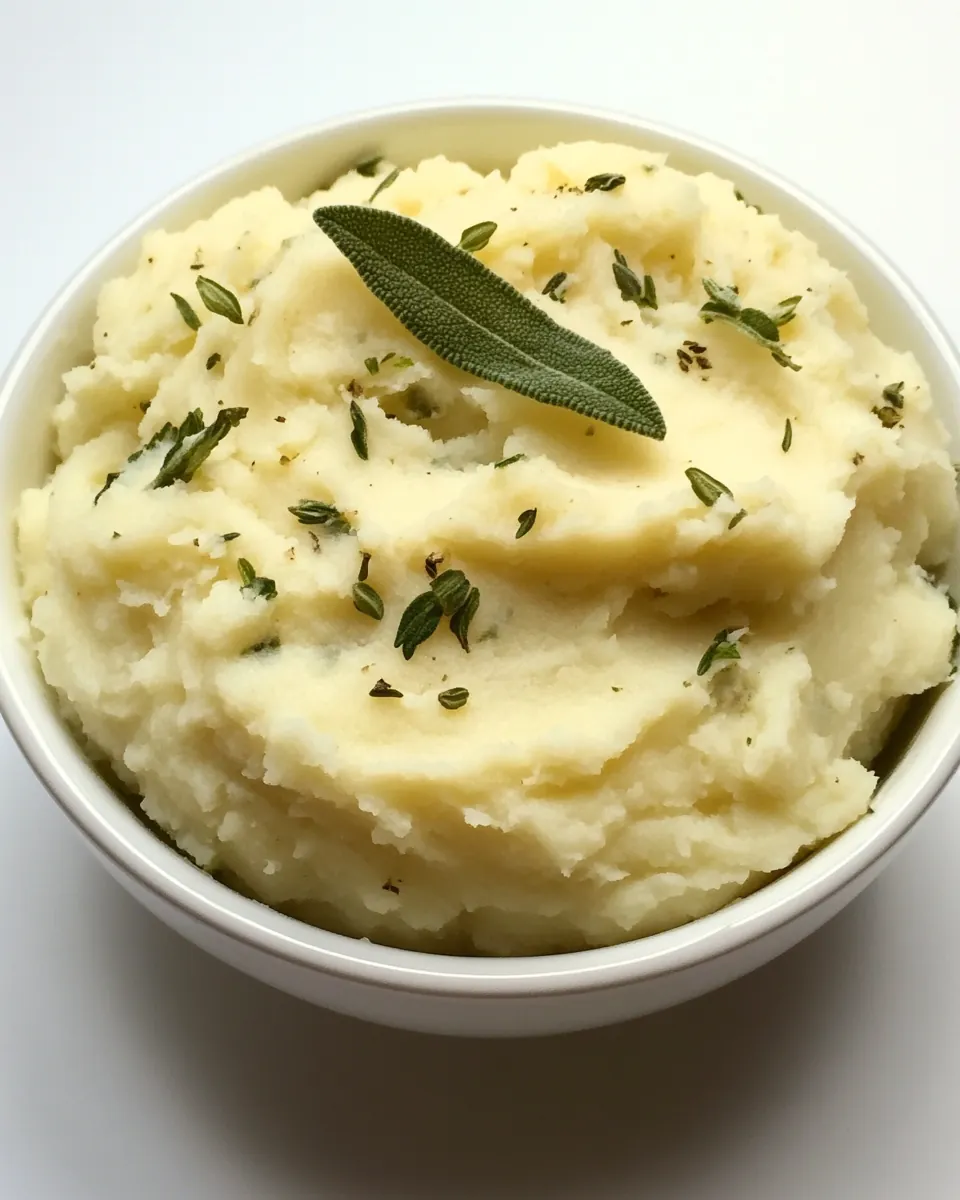
These steps are straightforward but I like to walk you through the sensory cues that tell you everything is on track. Work steadily and taste often so the tang and salt balance stays lively.
- In a large saucepan of boiling water, cook the potatoes until tender, about 12 minutes; drain well.: You'll hear a gentle bubbling as the water moves, and when the potatoes are tender a paring knife will slide through with little resistance. Boiling evenly cut 1 inch pieces ensures uniform doneness and prevents some pieces from overcooking while others are underdone. If the water is too vigorous the potatoes can break apart and become waterlogged, so aim for a steady boil. A common mistake is starting with very cold, rapid boil and not timing properly which leads to undercooked centers.
- Return the potatoes to the pan and add the goat cheese, milk, and butter; mash until smooth. Add more milk if it's not quite creamy enough for you. Mix in chopped sage and salt; season to taste with additional salt and pepper, if desired.: As you mash, you should smell the tang of melting goat cheese and see the mixture turn creamy. Warm milk and hot potatoes help everything blend into a silky texture, while the butter melts and adds gloss. Mashing immediately back in the hot pan allows residual heat to help melt the cheese; if you stop too soon you might end up with lumps. Overworking can make potatoes gluey, so aim for smoothness without excessive pounding.
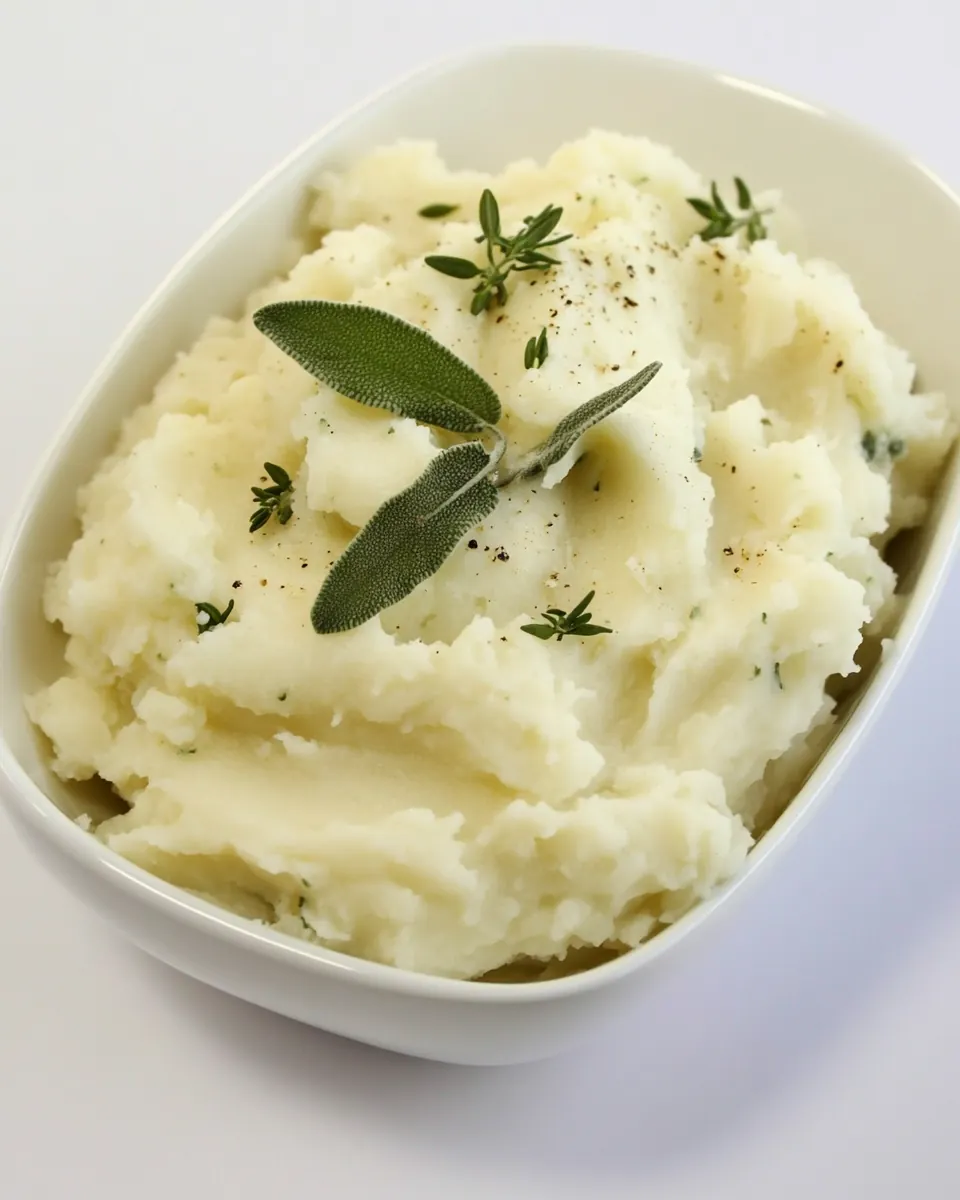
- Mound the potatoes in a bowl. Garnish with fresh sage sprigs.: When you spoon a bit of mash onto a plate it should hold shape but still feel pillowy and moist. Adding warm milk a tablespoon at a time gives you control over texture, and the aroma becomes richer as fat integrates. A common pitfall is adding too much liquid at once which makes the mash thin and loses the satisfying body of a proper mashed potato.
- Mix in chopped sage and salt; season to taste with additional salt and pepper, if desired.: The chopped sage should release its herbal notes as it warms against the mash, giving an aromatic lift. Stirring gently preserves little pockets of herb without smearing them into invisibility. Taste for seasoning because the goat cheese may already contribute salt, and you want a balanced finish. Over seasoning at this stage is easy, so add small amounts and re taste between additions.
- Mound the potatoes in a bowl.: When you transfer the mash, it should glisten slightly from the butter and hold a soft mound shape, inviting spoonfuls. The visual cue of a smooth dome with small peaks means you achieved a creamy texture. If the surface looks dry, a small pat of butter or a splash of milk will revive it. A mistake I see is leaving the mash in the pot too long which causes cooling and a firmer, less inviting texture.
- Garnish with fresh sage sprigs.: Placing whole or partial sage sprigs on top adds visual charm and a burst of aroma as guests dig in. The contrast of green against creamy white makes the dish feel seasonal and thoughtful. Avoid heavy garnishes that fall into the mash and wilt; light sprigs look and taste best.
How to Switch It Up
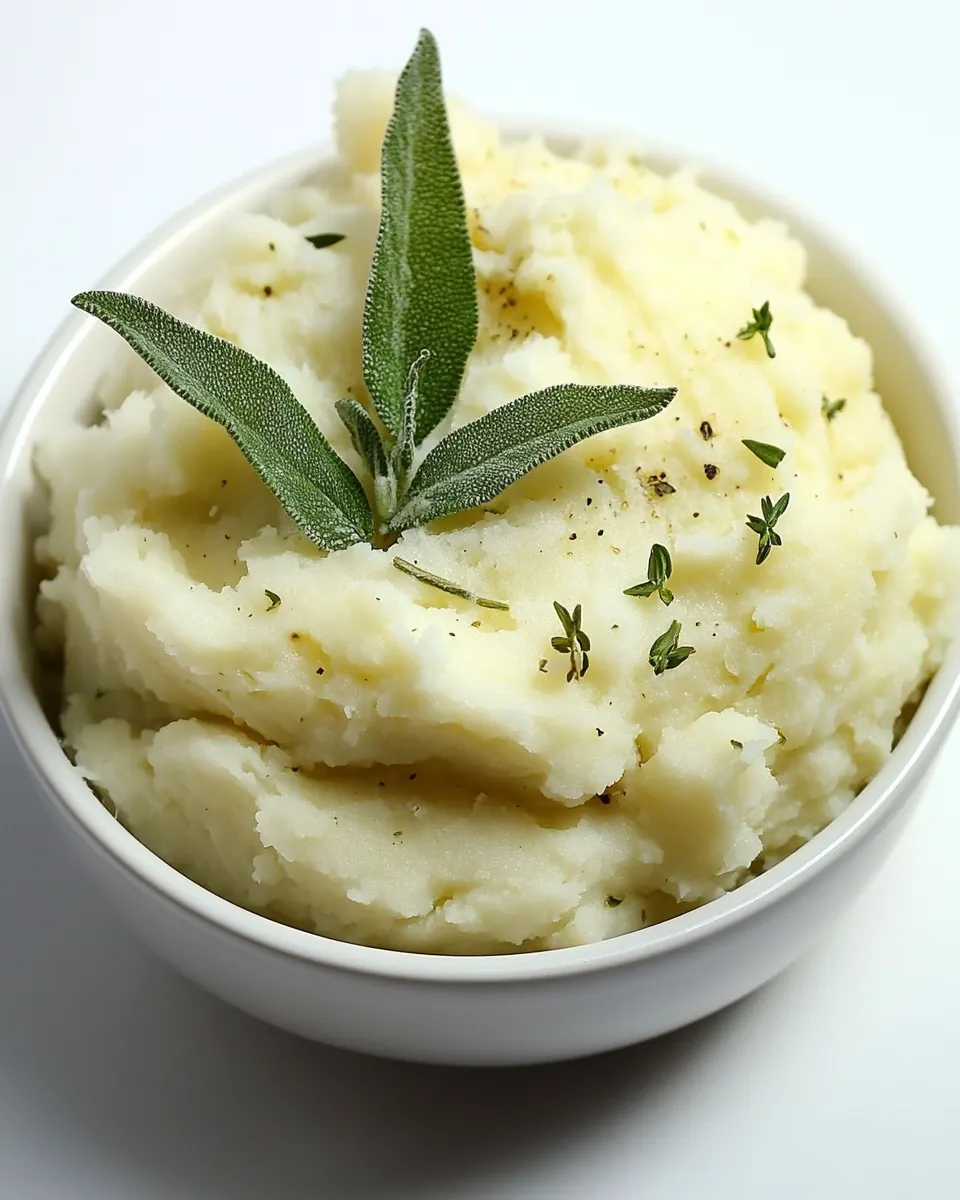
I love suggesting small variations that keep the heart of the recipe intact while letting you personalize it. Below are practical tips I use when I want to nudge the flavor, change the texture, or prepare the dish for a crowd.
- Try different potatoes Adjust the variety between Russets for fluffier results and Yukon Gold for a creamier, naturally buttery texture, which affects how much butter and milk you need.
- Adjust milk type Use lower fat milk for a lighter finish, and keep in mind you may need a touch more to reach the same silkiness compared to whole milk.
- Control the tang If you want a milder profile, use a bit less goat cheese, or choose a milder fresh cheese while maintaining the same technique.
- Make ahead strategy Prepare the mash, cool slightly, then refrigerate. Reheat gently on the stovetop and stir in warm milk to revive the texture before serving.
- Herb variations Swap or add to sage with small amounts of chopped thyme for a different herbal note, but add sparingly to keep the goat cheese prominent.
- Presentation tip Pipe the warm mash into a bowl or platter and top with a little melted butter and extra freshly ground black pepper for an elegant finish.
Serving This Creamy Goat Cheese and Sage Mashed Potatoes
This mash is versatile, comforting, and elegant, making it easy to pair for many occasions. Below are detailed serving ideas, storage guidance, and pairing suggestions to make the most of it.
- Weeknight dinners Serve a generous scoop alongside roasted vegetables or a simple pan seared protein for an easy weeknight meal that feels special.
- Holiday tables Present it on a large platter garnished with whole sage sprigs and a few crumbles of extra goat cheese for Thanksgiving or fall gatherings.
- Make ahead and reheat Cool promptly and refrigerate in an airtight container. When reheating, warm gently on the stovetop while stirring in warm milk to reach the desired creaminess.
- Portioning for guests Spoon into individual ramekins for a plated dinner, or mound on a family style platter for sharing at the table.
- Seasonal pairings In fall, pair with roasted root vegetables and a simple green salad; in winter, complement with braised greens and a savory main.
- Storage tips Refrigerate up to three days, and for longer storage freeze in a shallow container, thaw overnight in the refrigerator, then reheat gently adding warm milk as needed.
FAQ
Conclusion
What makes this recipe special is its bright, creamy balance of tangy goat cheese and aromatic sage, built on pillowy mashed potatoes. Give it a try the next time you want a comforting side that feels a little elevated, whether for a weeknight or a festive table. I hope it becomes one of your go to dishes for gatherings and cozy dinners alike, bringing warmth and a touch of elegance to the plate.
Creamy Goat Cheese and Sage Mashed Potatoes
Equipment
- Large saucepan
- Potato Masher
- Colander
- Mixing Bowl
Ingredients
- 2 pounds potatoes, peeled and cut into 1-inch pieces Boiled and softened for mashing, provides the starchy base and body for the dish while absorbing flavors from other ingredients. Cut into uniform pieces to ensure even cooking and creamy texture when mashed. Serves as the primary carbohydrate and structure that makes the mashed potatoes hearty and filling.
- 5 ounces crumbled goat cheese Crumpled to add tangy, creamy richness and a subtle acidity that brightens the flavor profile of the potatoes. Mixed in while warm to melt slightly and create a silky, spreadable texture throughout the mash. Contributes a distinctive farmhouse flavor and depth that complements the herb and butter notes.
- 1/4 cup milk Gently warmed and added to loosen the mash to the desired creaminess without cooling the potatoes too much. Adjusted as needed to balance between fluffy and smooth textures, helping incorporate the goat cheese and butter uniformly. Can be substituted for higher- or lower-fat milk depending on preferred richness.
- 2 tablespoons butter Melted into the hot potatoes to enrich flavor and provide a luxurious mouthfeel, helping bind the mash and intensify savory notes. Added early so its fat coats starches and produces a smoother, more velvety texture. Contributes both flavor depth and a glossy finish to the finished dish.
- 1 tablespoon chopped fresh sage Finely chopped and stirred in to provide an aromatic, earthy, and slightly peppery herbal lift that pairs well with goat cheese. Added sparingly to avoid overpowering the dish, its leaves infuse the mash with a warm, savory complexity. Can be toasted briefly in butter first to release oils and deepen the herbaceous flavor.
- 1/2 teaspoons salt Measured and added to season the potatoes, enhancing natural flavors while balancing the tang of goat cheese and richness of butter. Distributed evenly to ensure every bite is properly seasoned, with the amount adjustable to taste or dietary needs. Helps bring out subtle savory notes without masking the other ingredients.
- freshly ground black pepper, to taste Freshly ground to taste to provide bright, sharp heat and aromatic complexity that complements the creamy elements. Sprinkled at the end or mixed in to control pungency and allow the pepper to elevate flavors without overwhelming them. Adds a finishing layer of spice and depth to each serving.
Instructions
- In a large saucepan of boiling water, cook the potatoes until tender, about 12 minutes; drain well.: You'll hear a gentle bubbling as the water moves, and when the potatoes are tender a paring knife will slide through with little resistance. Boiling evenly cut 1 inch pieces ensures uniform doneness and prevents some pieces from overcooking while others are underdone. If the water is too vigorous the potatoes can break apart and become waterlogged, so aim for a steady boil. A common mistake is starting with very cold, rapid boil and not timing properly which leads to undercooked centers.
- Return the potatoes to the pan and add the goat cheese, milk, and butter; mash until smooth. Add more milk if it's not quite creamy enough for you. Mix in chopped sage and salt; season to taste with additional salt and pepper, if desired.: As you mash, you should smell the tang of melting goat cheese and see the mixture turn creamy. Warm milk and hot potatoes help everything blend into a silky texture, while the butter melts and adds gloss. Mashing immediately back in the hot pan allows residual heat to help melt the cheese; if you stop too soon you might end up with lumps. Overworking can make potatoes gluey, so aim for smoothness without excessive pounding.
- Mound the potatoes in a bowl. Garnish with fresh sage sprigs.: When you spoon a bit of mash onto a plate it should hold shape but still feel pillowy and moist. Adding warm milk a tablespoon at a time gives you control over texture, and the aroma becomes richer as fat integrates. A common pitfall is adding too much liquid at once which makes the mash thin and loses the satisfying body of a proper mashed potato.
- Mix in chopped sage and salt; season to taste with additional salt and pepper, if desired.: The chopped sage should release its herbal notes as it warms against the mash, giving an aromatic lift. Stirring gently preserves little pockets of herb without smearing them into invisibility. Taste for seasoning because the goat cheese may already contribute salt, and you want a balanced finish. Over seasoning at this stage is easy, so add small amounts and re taste between additions.
- Mound the potatoes in a bowl.: When you transfer the mash, it should glisten slightly from the butter and hold a soft mound shape, inviting spoonfuls. The visual cue of a smooth dome with small peaks means you achieved a creamy texture. If the surface looks dry, a small pat of butter or a splash of milk will revive it. A mistake I see is leaving the mash in the pot too long which causes cooling and a firmer, less inviting texture.
- Garnish with fresh sage sprigs.: Placing whole or partial sage sprigs on top adds visual charm and a burst of aroma as guests dig in. The contrast of green against creamy white makes the dish feel seasonal and thoughtful. Avoid heavy garnishes that fall into the mash and wilt; light sprigs look and taste best.
Notes
- Try different potatoes Adjust the variety between Russets for fluffier results and Yukon Gold for a creamier, naturally buttery texture, which affects how much butter and milk you need.
- Adjust milk type Use lower fat milk for a lighter finish, and keep in mind you may need a touch more to reach the same silkiness compared to whole milk.
- Control the tang If you want a milder profile, use a bit less goat cheese, or choose a milder fresh cheese while maintaining the same technique.
- Make ahead strategy Prepare the mash, cool slightly, then refrigerate. Reheat gently on the stovetop and stir in warm milk to revive the texture before serving.
- Herb variations Swap or add to sage with small amounts of chopped thyme for a different herbal note, but add sparingly to keep the goat cheese prominent.
- Presentation tip Pipe the warm mash into a bowl or platter and top with a little melted butter and extra freshly ground black pepper for an elegant finish.