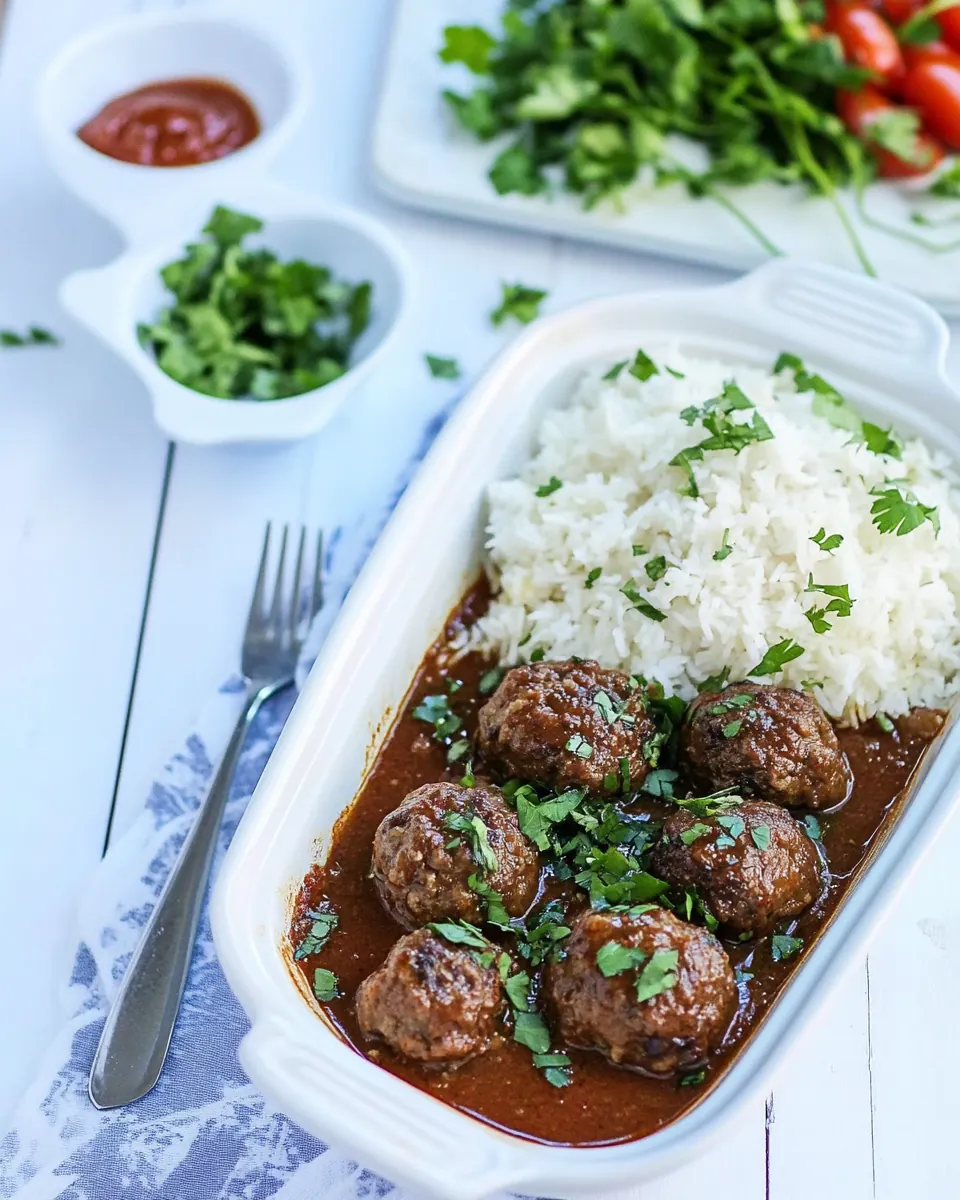
Juicy Spicy Turkish Meatballs
Juicy Spicy Turkish Meatballs have been a kitchen favorite of mine ever since I first tasted them on a noisy neighborhood street lined with tiny restaurants and bright lanterns. The memory that sticks is not just the flavor, but the way the aroma wrapped around me like a warm shawl, the faint heat that lingered at the back of the throat, and the tender bite that felt both comforting and exciting. From that first experience, I started testing versions at home, chasing that perfect balance of juicy meat, fragrant herbs, and a tangy creamy sauce.
Years later, I still reach for this recipe when I want a dish that feels both celebratory and familiar. I love how Juicy Spicy Turkish Meatballs bring friends together, because they travel easily from stovetop to table and invite conversation. I remember the time a last minute dinner turned into an impromptu party when neighbors popped by and ended up staying to help finish the platter. That kind of casual, shared meal is exactly why I make these meatballs: they are approachable, forgiving, and endlessly adaptable.
When you cook Juicy Spicy Turkish Meatballs at home, you get to control the heat, the herb brightness, and how creamy the sauce becomes. I like to test small tweaks each time I make them, sometimes adding an extra handful of <strong>parsleystrong> for freshness, or swapping the rice <strong>powderstrong> amount to change the texture. These little adjustments help you build confidence, and before long you will know exactly how you prefer them. I hope this recipe becomes one you return to again and again, whether for a cozy weeknight or a lively gathering.
Recipe Snapshot
35 mins
10 mins
25 mins
Medium
320 kcal
Turkish
Gluten-Free, Low FODMAP
Dinner
Food processor, Large bowl, Baking sheet, Large saute pan, Wooden spoon
What Sets This Juicy Spicy Turkish Meatballs Apart
Bold, balanced flavor
I love how Juicy Spicy Turkish Meatballs deliver bold spice without overpowering the palate. The use of warm spices like allspice and nutmeg works together with fresh cilantro, parsley, and dill to create layers of flavor. Each bite reveals something new, a gentle heat, an herbaceous lift, then a rounded warmth from the spices.
Juicy texture that holds up
These meatballs stay incredibly juicy because the recipe binds the mixture with ground rice flour rather than heavy breadcrumbs. I find the rice <strong>powderstrong> gives a springy chew that keeps the meatballs intact when simmered in sauce, so you get tender centers alongside a nice seared crust.
Creamy, tangy sauce contrast
The <strong>yogurtstrong> enriched sauce provides a tangy, cooling contrast to the spice. I always mix cornstarch into cold yogurt first, which prevents splitting and yields a silky texture when heated. That creaminess tames the spice while adding richness that coats each meatball beautifully.
Quick, weeknight friendly
You can have these on the table in under an hour, yet they feel special. I appreciate recipes that are both fast and impressive, and these fit that sweet spot. Minimal hands on time, simple tools, and forgiving steps make it a go to for busy evenings.
Versatile and shareable
Serve them as a main with rice or as an appetizer on a platter, they always invite conversation. I like how leftovers reheat well, and the flavors often deepen overnight, making them a favorite for make ahead meals too.
Main Ingredients for <strong>Juicy Spicy Turkish Meatballsstrong>
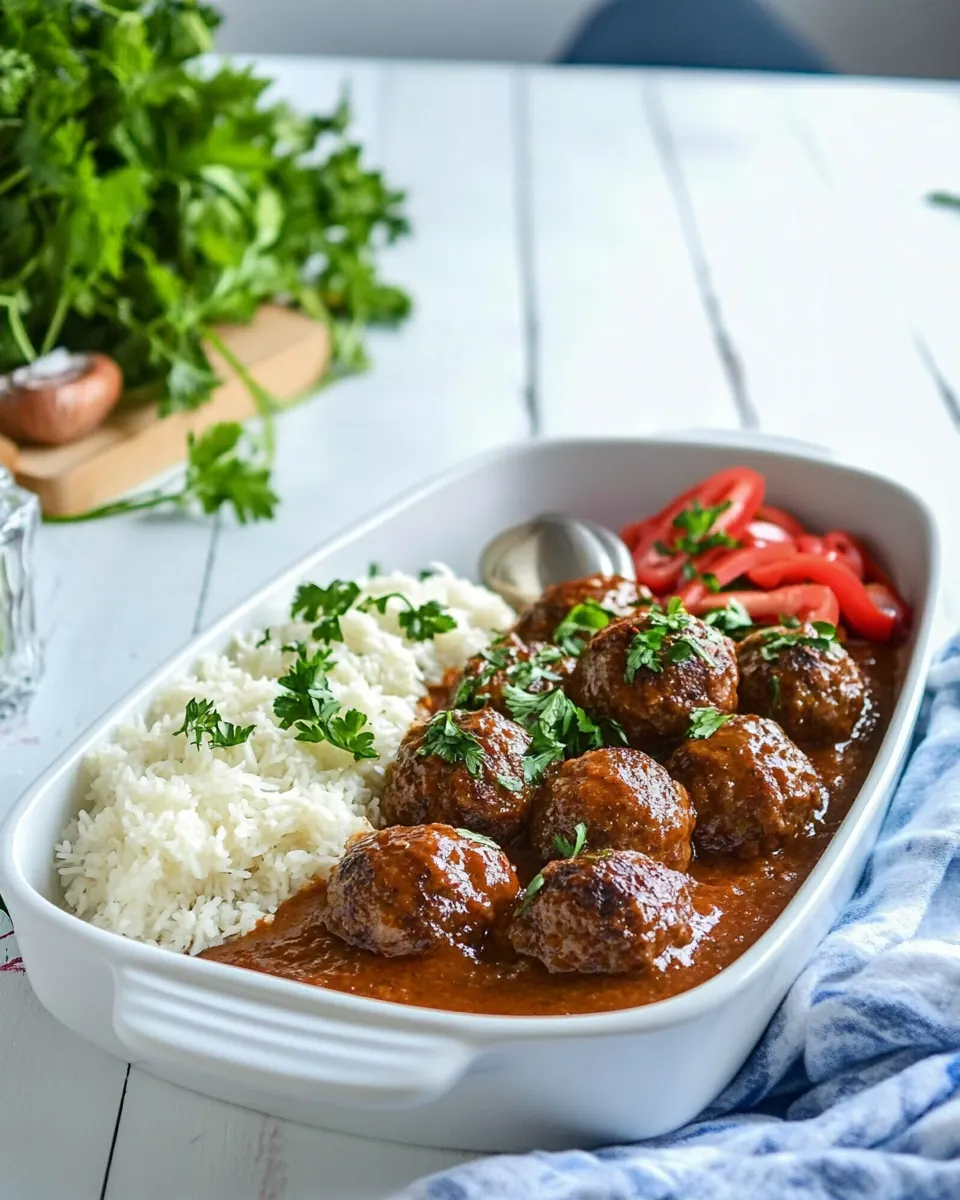
These ingredients are chosen to create a harmony of texture and flavor. The meat provides the foundation, while pantry spices give warmth, and the trio of fresh herbs brings brightness. Rice flour acts as an understated binding agent that keeps the meatballs tender and slightly springy, and the <strong>yogurtstrong> based sauce adds a cooling, creamy counterpoint to the spice.
- 1 lb ground beef (lean or extra lean to your preference, lean is a tad better 🙂): Provide lean <strong>groundstrong> texture and rich beef flavor while keeping meatballs moist; bind with fats and proteins for structure and juiciness during cooking; adapt fat level to <strong>preferencestrong> for tenderness and mouthfeel.
- 1 small red onion: Add sharp, sweet-onion bite and moisture when finely chopped; mellow when cooked and contribute aromatic depth that complements herbs and spices in both meat and sauce.
- 2 cloves garlic: Deliver pungent, aromatic heat when minced; brighten overall flavor and help balance richness in meat mixture and sauce with savory, slightly sweet garlic compounds.
- 1 2 fresh green chilli (or jalapeños) to your taste—or skip altogether if you don’t like a strong spice: Impart fresh, bright heat and vegetal flavor to the meatballs; adjust count to control spiciness and add crunchy freshness when finely chopped or <strong>slicedstrong>.
- 2 tablespoons fresh cilantro leaves: Introduce fresh herbal brightness and citrusy notes; fold into meat for aromatic lift and garnish to refresh richness of meat and sauce combinations.
- 1 1/2 tablespoons fresh dill leaves: Contribute anise-like, slightly tangy herbal aroma that complements beef and other herbs; finely chopped dill adds complexity and a distinctive Mediterranean profile.
- 2 or more tablespoons of fresh parsley leaves: Provide verdant, peppery freshness and moisture to bind with herbs and meat; increase or decrease amount for herb-forward flavor and visual green flecks.
- 1 teaspoon nutmeg: Add warm, sweetly woody aromatics in small quantity that enhance savory depth; grate or measure precisely to avoid overpowering delicate herbs and beef.
- 1 teaspoon allspice: Supply warm, slightly sweet and peppery background spice that complements nutmeg and meat; use sparingly to round out Mediterranean flavors.
- 1/2 teaspoons salt: Season the mixture to enhance all flavors and control overall saltiness; balance with other salty elements to avoid over-seasoning the meatballs.
- 1/2 teaspoon pepper: Contribute mild heat and aromatic bite to the meat mixture; freshly <strong>groundstrong> <strong>pepperstrong> brightens and sharpens the savory profile.
- 2 tablespoons ground rice flour (or grind 1/4 cup of any type of rice till it’s a fine powder): Help absorb moisture and gently bind ingredients while keeping meatballs tender; rice flour adds a light texture and is a gluten-free binder option.
- 1 teaspoon olive oil: Coat the pan or surface lightly to prevent sticking and help sear meatballs; <strong>olive oilstrong> adds a subtle fruity note and aids in browning.
- 1 teaspoon olive oil: Sauté or heat again as needed; second measure of <strong>olive oilstrong> used for sauce base provides richness and helps develop aromatics without burning.
- 1 small onion minced: Provide sweet, soft aromatic notes when minced and cooked into the sauce; small onion yields a mellow, savory base that deepens simmered flavors.
- 2 cloves garlic minced: Add immediate pungent garlic aroma when minced for the sauce; cooks quickly to infuse <strong>olive oilstrong> and <strong>tomatoesstrong> with savory depth.
- 2 green chilli thinly sliced (or use jalapeños) or skip altogether for a milder sauce: Deliver fresh, bright heat and vegetal crunch to the sauce; <strong>slicedstrong> green <strong>chillistrong> adjusts sauce spiciness and contributes visual contrast.
- 1 cup canned crushed tomatoes: Create acidic body and tomatoey sweetness for the sauce base; <strong>crushedstrong> <strong>tomatoesstrong> provide texture, moisture and a backdrop for spices and herbs.
- 2 bay leaves: Impart subtle earthy bitterness when simmered in sauce; <strong>bay <strong>leavesstrong>strong> infuse a layered herbal aroma that is removed before serving.
- 1/2 teaspoon nutmeg: Reinforce warm, slightly sweet aromatic profile in the sauce; nutmeg used sparingly adds complexity and rounds the tomato and dairy notes.
- 1/4 teaspoons salt: Season the sauce to harmonize flavors; small amount of salt enhances tomato brightness and balances acidity.
- 1/4 teaspoon pepper: Brighten and sharpen the sauce with mild heat and aromatic lift; <strong>pepperstrong> enhances savory notes and complements other spices.
- 1/2 cup cold plain yogurt (Green yogurt works fine): Provide creamy tang and cooling contrast when stirred into finished sauce; cold plain <strong>yogurtstrong> adds silkiness and a slight acidity to balance spices.
- 1 tablespoon cornstarch: Thicken <strong>yogurtstrong> gently and stabilize sauce texture by mixing with <strong>cornstarchstrong>; <strong>cornstarchstrong> helps prevent separation and gives a smooth finish.
- 1 1/2 tablespoons fresh cilantro: Offer additional fresh herb brightness and a final aromatic lift; <strong>cilantrostrong> at the end refreshes flavors and adds color to the finished dish.
- 2 more tablespoons of fresh parsley: Contribute fresh, leafy <strong>parsleystrong> flavor and vibrant green color for garnish and added herbaceous depth; stir in or scatter before serving.
- 1 1/2 tablespoons fresh dill: Enhance overall herbal aroma with a final sprinkling of dill; <strong>fresh dillstrong> reinforces Mediterranean character and complements <strong>yogurtstrong> tang.
Preparation Steps for <strong>Juicy Spicy Turkish Meatballsstrong>
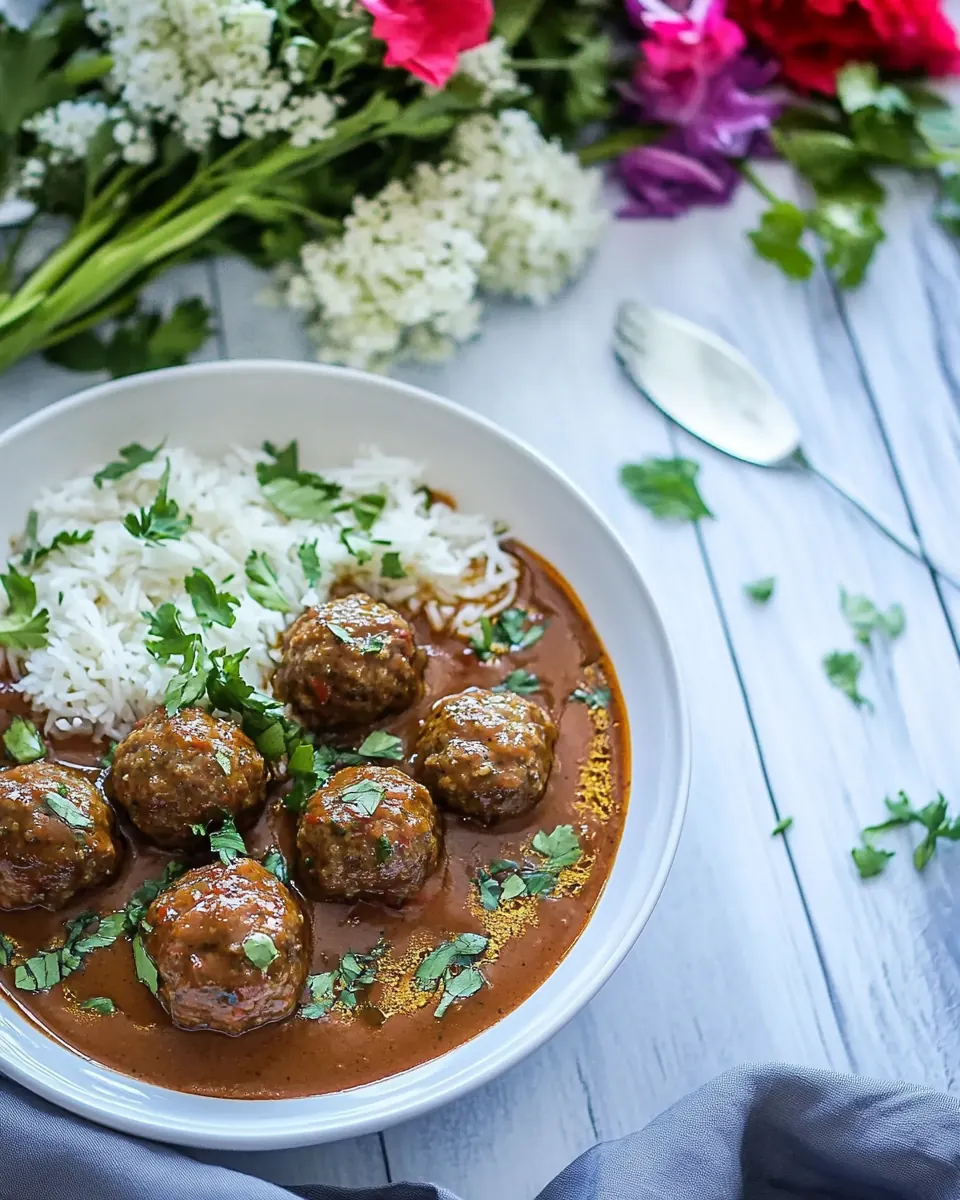
These steps walk you through building flavor, searing for texture, and finishing in a creamy sauce. I wrote them to be conversational and detailed, so you can sense the aromas and textures as you cook. Follow the sequence for best results.
- To make the meatballs, place all the ingredients (except the beef) in a food processor and process until smooth. Then take this mixture and place it in a large bowl, add the beef to it and mix well. Then shape the mixture into 1 inch size balls and place them on a baking sheet.: You will notice a fragrant green paste form, full of herb oils and spices; the scent should be bright and slightly spicy with a touch of warm <strong>allspicestrong>. This purée acts as a seasoning matrix that coats the <strong>groundstrong> beef evenly, ensuring each meatball has consistent flavor. The texture should be smooth but not watery, a cohesive paste that will bind well. If the mixture seems too wet, a light sprinkle of the <strong>groundstrong> rice flour can absorb excess moisture, but avoid over-drying which would make the meatballs dense. A common mistake is underprocessing the aromatics, leaving large chunks that make the mixture uneven, so pulse until smooth but scrape the bowl as needed.
- In a large saute pan, add the olive oil and heat for a few minutes on medium high until it’s hot. Then add the meatballs and start searing them.: As you fold the paste into the <strong>groundstrong> beef , use a gentle hand to combine until just uniform; you should still feel a soft, delicate texture, not a packed mass. The aroma will deepen as the herbs and spices mingle with the beef fat, creating a savory perfume. Mixing by hand helps you sense the right consistency, preventing overworking which can lead to tough meatballs. If you press a small piece and it feels springy, you are on track. Avoid kneading vigorously, that is the typical error that compresses proteins and yields a dry bite.
- Don’t move the meatballs at all for the first 2 minutes so they can sear and get a nice crust. Then try swirling and shaking the pan slightly back n forth and to the sides to swirl the meatballs all around. Then use a wooden spoon or spatula, try to toss the meatballs evenly so they’re seared on all sides. This takes about 7 minutes.: Rolling the mixture into equal sized balls ensures even cooking and a uniform presentation. The surface should be smooth and slightly tacky; press gently to form compact spheres without squeezing the life out of them. Chill them briefly if the mixture becomes too soft to handle, this firms them up and makes searing neater. A common pitfall is making uneven sizes which results in some meatballs overcooking while others remain underdone, so use a scoop or measure by eye for consistency.
- Remove the meatballs to a clean plate and to the same pan, add the olive oil, onion, garlic and green chilli to make the sauce.: The oil should shimmer and move fluidly across the pan, releasing a faint aroma. Heating properly creates the environment for Maillard browning, which builds the characteristic crust and deep flavor. Test the temperature by dropping a small pinch of the mixture into the oil; it should sizzle immediately. If the oil smokes, lower the heat to avoid burning, which will impart bitterness. Not heating the oil enough leads to soggy, pale meatballs, so patience at this stage pays off.
- Saute these over medium heat until soft and fragrant, then add the tomatoes, spice and bay leaves. Cover the pan and let the sauce cook for 5 minutes.: When the meatballs hit the pan you will hear a satisfying sizzle. That audible sear is the sound of flavor forming. Arrange them with some space so they do not steam, and you will begin to see edges go golden within moments. The contrast of a crisp exterior and a juicy interior is what elevates the texture here, giving each bite interest and depth. Crowding the pan is a frequent mistake that prevents browning, so work in batches if necessary.
- In a small cup, add the cold yogurt and cornstarch and use a spoon to dissolve the starch into the yogurt.: Resist the instinct to turn them early, because early disruption prevents proper crust formation. After two minutes you can swirl and shake the pan gently to loosen them, then use a wooden spoon or spatula to toss so all sides develop color. The crust should be a deep golden brown, giving a toasty aroma and firm barrier that helps the meatballs hold their shape in the sauce. Turning too soon results in pale, uninteresting surfaces, which is the common misstep here.
- Add the yogurt mixture to the tout sauce and once it starts boiling, add the meatballs back to the sauce.: As you swirl you will hear the sizzling shift, and the visual cue will be more even browning. This dynamic movement helps the meatballs sear on multiple facets without constant poking. After swirling, use a spoon to gently turn them so the crust develops uniformly. Overmanipulation can tear the outer surface, so gentle motion is the key technique to preserve the crisp exterior while finishing the sear.
- Cover the pan and let the meatballs cook all the way through in the tomato sauce for nearly 10 minutes over medium low heat.: A wooden spoon offers control and is less likely to damage the meatball surface. Tossing should be confident but gentle, resulting in an even bronze color around each ball. Listen for a steady sizzle and look for consistent color as cues the process is working. A common error is using metal utensils that scrape and roughen the surface, which can cause the meatballs to break apart later.
- Add in the fresh herbs, toss the meatballs and serve right away. Enjoy 🙂: Over that time you will observe a progression from pale to richly seared, and the pan will carry a deep, savory aroma. Seven minutes is an approximate guide, because stoves vary; use visual and tactile cues in addition to timing. If the meatballs look dark brown but feel soft in the center, lower the heat to avoid burning while ensuring the interior reaches the correct doneness. Relying only on time without observation is a frequent oversight.
- Remove the meatballs to a clean plate and to the same pan, add the olive oil, onion, garlic and green chilli to make the sauce: With the meatballs resting, the pan gains a layer of fond packed with flavor; adding a touch more <strong>olive oilstrong> loosens those browned bits. Sauté the minced onion , garlic , and <strong>slicedstrong> green <strong>chillistrong> until soft and aromatic, which will create a fragrant base for the sauce. This step extracts sweetness and perfume from the aromatics that will complement the meat. A common mistake is adding <strong>tomatoesstrong> before the aromatics are softened, which prevents full flavor development.
- Saute these over medium heat until soft and fragrant, then add the tomatoes, spice and bay leaves: As the onion turns translucent and the garlic releases its aroma, add the <strong><strong>cannedstrong> <strong>crushedstrong> <strong>tomatoesstrong>strong> , nutmeg , <strong>allspicestrong> , and <strong>bay <strong>leavesstrong>strong> . The sauce will start to bubble and thicken slightly while the spices bloom in the warm oil, releasing a richer aroma. Allowing spices to bloom amplifies their flavors, but be careful not to burn them, which can create bitterness. Stir to integrate everything evenly.
- Cover the pan and let the sauce cook for 5 minutes: A brief covered simmer lets the <strong>tomatoesstrong> mellow and the aromatics fully soften, producing a cohesive sauce that is slightly reduced. The scent will deepen, moving toward a balanced sweet and tangy framework ready to receive the meatballs. Five minutes is enough to marry flavors without losing brightness. Leaving it uncovered too long can over reduce and concentrate acidity excessively.
- In a small cup, add the cold yogurt and cornstarch and use a spoon to dissolve the starch into the yogurt: Cold <strong>yogurtstrong> with dissolved <strong>cornstarchstrong> creates a stabilized emulsion that resists splitting when heated. The mixture should be smooth and slightly thicker than plain <strong>yogurtstrong>. This technique is essential for a silky sauce. Adding <strong>yogurtstrong> directly to hot liquid without pre mixing <strong>cornstarchstrong> often leads to separation, which is frustrating and avoidable.
- Add the yogurt mixture to the tout sauce and once it starts boiling, add the meatballs back to the sauce: When you stir the <strong>yogurtstrong> blend into the warm sauce, expect the aroma to become creamier and rounder. Bring it up to a gentle boil so the <strong>cornstarchstrong> activates and the sauce thickens, then nestle the seared meatballs back into the pan, spooning sauce over them. The combination of heat and stabilized <strong>yogurtstrong> yields a luscious coating. Avoid rapid high boiling that can curdle the sauce, a mistake that ruins texture.
- Cover the pan and let the meatballs cook all the way through in the tomato sauce for nearly 10 minutes over medium low heat: A gentle simmer ensures the meatballs cook through without breaking apart, and the residual fond continues to flavor the sauce. You will see small bubbles and the meatballs will feel firmer to the touch when done. The internal temperature should reach safe doneness for <strong>groundstrong> meat. Rushing with high heat can cause the sauce to separate or the exterior to overcook before the center is ready.
- Add in the fresh herbs, toss the meatballs and serve right away. Enjoy 🙂: Finishing with <strong>fresh <strong>cilantrostrong>strong> , <strong>parsleystrong> , and dill releases bright aromas and fresh color that contrast the warm sauce. Toss gently so the herbs distribute but do not wilt completely. The final scent will be herb forward, inviting and layered. A last minute taste check lets you adjust seasoning. Letting the dish sit too long after adding herbs lets them fade, so serve promptly for peak freshness.
Tips and Tricks about <strong>Juicy Spicy Turkish Meatballsstrong>
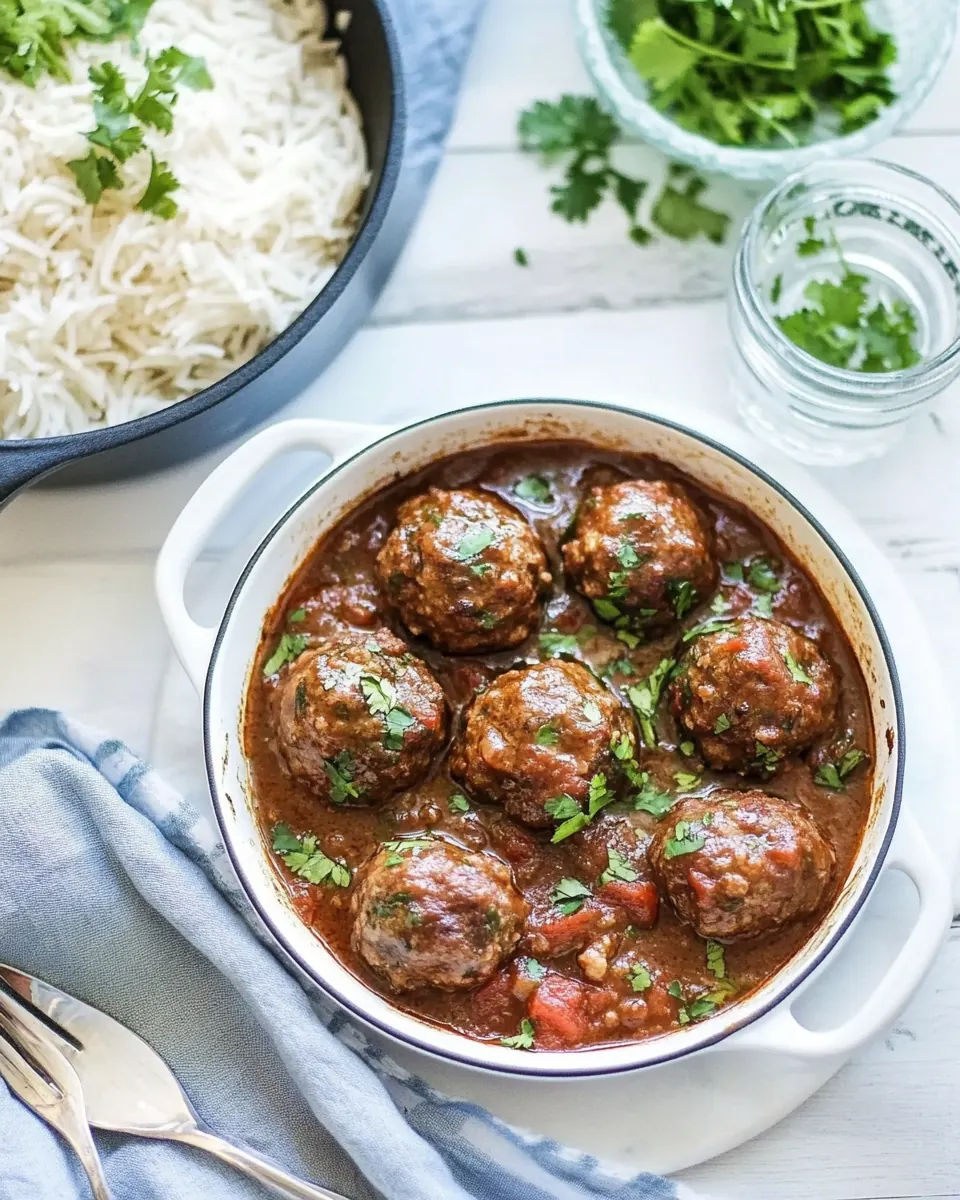
These tips will help you master texture, seasoning, and presentation. I include practical steps I use in my kitchen to make the process smoother and the result more consistent.
- Control the heat by adjusting the amount of fresh green chilli used in both the meatball mix and the sauce so you can dial the spice level to your <strong>preferencestrong> without sacrificing flavor.
- Stabilize yogurt by stirring cornstarch into cold yogurt first, this prevents splitting and gives a luxuriously smooth sauce every time.
- Use ground rice flour as a binder to achieve a slightly chewy texture that keeps meatballs moist and cohesive while simmering in sauce.
- Sear in batches if needed to ensure each meatball develops a deep golden crust, which locks in juices and improves the final mouthfeel.
- Finish with fresh herbs right before serving to preserve color and bright aroma, which contrasts the warm, spiced sauce beautifully.
Serving Suggestions
These serving ideas walk through pairing, occasions, and storage recommendations to get the most from your dish.
- Main with rice Serve the meatballs over steaming plain rice to soak up the creamy tomato <strong>yogurtstrong> sauce, making a comforting and satisfying lunch or dinner.
- Family style platter Arrange the meatballs on a large platter with extra sauce spooned over the top for sharing at a casual dinner with friends or a festive gathering.
- Occasions These are perfect for weeknight dinners, weekend gatherings, or during Ramadan evenings when a comforting, protein rich dish is welcomed.
- Leftover storage Cool completely and refrigerate in an airtight container for up to three days; reheat gently over low heat to preserve the sauce texture.
- Make ahead You can shape the meatballs and store them raw in the fridge for a few hours, or freeze for longer storage; thaw overnight before searing and finishing in the sauce.
- Seasonal pairings In cooler months, serve with warm rice or mashed root vegetables; in warmer months, offer a crisp side salad to cut through the richness.
FAQ
Conclusion
What makes this recipe special is the balance of juicy, herb infused meatballs with a tangy, creamy tomato yogurt sauce that feels both comforting and vibrant. The combination of simple techniques like searing for crust and stabilizing yogurt with cornstarch produces a restaurant quality result at home. I encourage you to try Juicy Spicy Turkish Meatballs because they are forgiving, adaptable, and rewarding to make; friends and family will notice the layers of flavor and keep asking for the recipe. Enjoy the process, adjust the heat to your taste, and savor how the fresh herbs and warm spices come together in every bite.
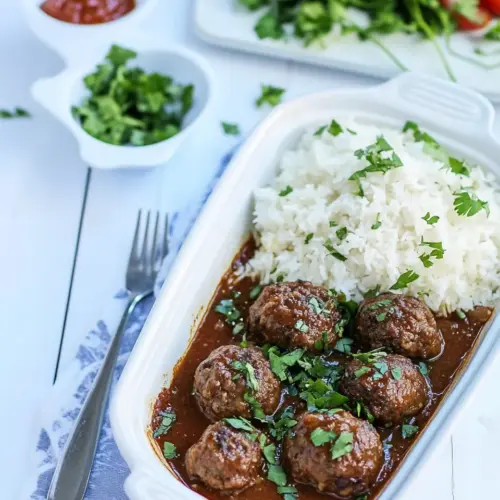
Juicy Spicy Turkish Meatballs
Equipment
- Food Processor
- Large Bowl
- Baking Sheet
- Large saute pan
- Wooden Spoon
Ingredients
- 1 lb ground beef (lean or extra lean to your preference, lean is a tad better 🙂) Provide lean ground texture and rich beef flavor while keeping meatballs moist; bind with fats and proteins for structure and juiciness during cooking; adapt fat level to preference for tenderness and mouthfeel.
- 1 small red onion Add sharp, sweet-onion bite and moisture when finely chopped; mellow when cooked and contribute aromatic depth that complements herbs and spices in both meat and sauce.
- 2 cloves garlic Deliver pungent, aromatic heat when minced; brighten overall flavor and help balance richness in meat mixture and sauce with savory, slightly sweet garlic compounds.
- 1 -2 fresh green chilli (or jalapeños) to your taste—or skip altogether if you don’t like a strong spice Impart fresh, bright heat and vegetal flavor to the meatballs; adjust count to control spiciness and add crunchy freshness when finely chopped or sliced.
- 2 tablespoons fresh cilantro leaves Introduce fresh herbal brightness and citrusy notes; fold into meat for aromatic lift and garnish to refresh richness of meat and sauce combinations.
- 1 1/2 tablespoons fresh dill leaves Contribute anise-like, slightly tangy herbal aroma that complements beef and other herbs; finely chopped dill adds complexity and a distinctive Mediterranean profile.
- 2 or more tablespoons of fresh parsley leaves Provide verdant, peppery freshness and moisture to bind with herbs and meat; increase or decrease amount for herb-forward flavor and visual green flecks.
- 1 teaspoon nutmeg Add warm, sweetly woody aromatics in small quantity that enhance savory depth; grate or measure precisely to avoid overpowering delicate herbs and beef.
- 1 teaspoon allspice Supply warm, slightly sweet and peppery background spice that complements nutmeg and meat; use sparingly to round out Mediterranean flavors.
- 1/2 teaspoons salt Season the mixture to enhance all flavors and control overall saltiness; balance with other salty elements to avoid over-seasoning the meatballs.
- 1/2 teaspoon pepper Contribute mild heat and aromatic bite to the meat mixture; freshly ground pepper brightens and sharpens the savory profile.
- 2 tablespoons ground rice flour (or grind 1/4 cup of any type of rice till it’s a fine powder) Help absorb moisture and gently bind ingredients while keeping meatballs tender; rice flour adds a light texture and is a gluten-free binder option.
- 1 teaspoon olive oil Coat the pan or surface lightly to prevent sticking and help sear meatballs; olive oil adds a subtle fruity note and aids in browning.
- 1 teaspoon olive oil Sauté or heat again as needed; second measure of olive oil used for sauce base provides richness and helps develop aromatics without burning.
- 1 small onion minced Provide sweet, soft aromatic notes when minced and cooked into the sauce; small onion yields a mellow, savory base that deepens simmered flavors.
- 2 cloves garlic minced Add immediate pungent garlic aroma when minced for the sauce; cooks quickly to infuse olive oil and tomatoes with savory depth.
- 2 green chilli thinly sliced (or use jalapeños) or skip altogether for a milder sauce Deliver fresh, bright heat and vegetal crunch to the sauce; sliced green chilli adjusts sauce spiciness and contributes visual contrast.
- 1 cup canned crushed tomatoes Create acidic body and tomatoey sweetness for the sauce base; crushed tomatoes provide texture, moisture and a backdrop for spices and herbs.
- 2 bay leaves Impart subtle earthy bitterness when simmered in sauce; bay leaves infuse a layered herbal aroma that is removed before serving.
- 1/2 teaspoon nutmeg Reinforce warm, slightly sweet aromatic profile in the sauce; nutmeg used sparingly adds complexity and rounds the tomato and dairy notes.
- 1/4 teaspoons salt Season the sauce to harmonize flavors; small amount of salt enhances tomato brightness and balances acidity.
- 1/4 teaspoon pepper Brighten and sharpen the sauce with mild heat and aromatic lift; pepper enhances savory notes and complements other spices.
- 1/2 cup cold plain yogurt (Green yogurt works fine) Provide creamy tang and cooling contrast when stirred into finished sauce; cold plain yogurt adds silkiness and a slight acidity to balance spices.
- 1 tablespoon cornstarch Thicken yogurt gently and stabilize sauce texture by mixing with cornstarch; cornstarch helps prevent separation and gives a smooth finish.
- 1 1/2 tablespoons fresh cilantro Offer additional fresh herb brightness and a final aromatic lift; cilantro at the end refreshes flavors and adds color to the finished dish.
- 2 more tablespoons of fresh parsley Contribute fresh, leafy parsley flavor and vibrant green color for garnish and added herbaceous depth; stir in or scatter before serving.
- 1 1/2 tablespoons fresh dill Enhance overall herbal aroma with a final sprinkling of dill; fresh dill reinforces Mediterranean character and complements yogurt tang.
Instructions
- To make the meatballs, place all the ingredients (except the beef) in a food processor and process until smooth. Then take this mixture and place it in a large bowl, add the beef to it and mix well. Then shape the mixture into 1 inch size balls and place them on a baking sheet.: You will notice a fragrant green paste form, full of herb oils and spices; the scent should be bright and slightly spicy with a touch of warm allspice. This purée acts as a seasoning matrix that coats the ground beef evenly, ensuring each meatball has consistent flavor. The texture should be smooth but not watery, a cohesive paste that will bind well. If the mixture seems too wet, a light sprinkle of the ground rice flour can absorb excess moisture, but avoid over-drying which would make the meatballs dense. A common mistake is underprocessing the aromatics, leaving large chunks that make the mixture uneven, so pulse until smooth but scrape the bowl as needed.
- In a large saute pan, add the olive oil and heat for a few minutes on medium high until it’s hot. Then add the meatballs and start searing them.: As you fold the paste into the ground beef , use a gentle hand to combine until just uniform; you should still feel a soft, delicate texture, not a packed mass. The aroma will deepen as the herbs and spices mingle with the beef fat, creating a savory perfume. Mixing by hand helps you sense the right consistency, preventing overworking which can lead to tough meatballs. If you press a small piece and it feels springy, you are on track. Avoid kneading vigorously, that is the typical error that compresses proteins and yields a dry bite.
- Don’t move the meatballs at all for the first 2 minutes so they can sear and get a nice crust. Then try swirling and shaking the pan slightly back n forth and to the sides to swirl the meatballs all around. Then use a wooden spoon or spatula, try to toss the meatballs evenly so they’re seared on all sides. This takes about 7 minutes.: Rolling the mixture into equal sized balls ensures even cooking and a uniform presentation. The surface should be smooth and slightly tacky; press gently to form compact spheres without squeezing the life out of them. Chill them briefly if the mixture becomes too soft to handle, this firms them up and makes searing neater. A common pitfall is making uneven sizes which results in some meatballs overcooking while others remain underdone, so use a scoop or measure by eye for consistency.
- Remove the meatballs to a clean plate and to the same pan, add the olive oil, onion, garlic and green chilli to make the sauce.: The oil should shimmer and move fluidly across the pan, releasing a faint aroma. Heating properly creates the environment for Maillard browning, which builds the characteristic crust and deep flavor. Test the temperature by dropping a small pinch of the mixture into the oil; it should sizzle immediately. If the oil smokes, lower the heat to avoid burning, which will impart bitterness. Not heating the oil enough leads to soggy, pale meatballs, so patience at this stage pays off.
- Saute these over medium heat until soft and fragrant, then add the tomatoes, spice and bay leaves. Cover the pan and let the sauce cook for 5 minutes.: When the meatballs hit the pan you will hear a satisfying sizzle. That audible sear is the sound of flavor forming. Arrange them with some space so they do not steam, and you will begin to see edges go golden within moments. The contrast of a crisp exterior and a juicy interior is what elevates the texture here, giving each bite interest and depth. Crowding the pan is a frequent mistake that prevents browning, so work in batches if necessary.
- In a small cup, add the cold yogurt and cornstarch and use a spoon to dissolve the starch into the yogurt.: Resist the instinct to turn them early, because early disruption prevents proper crust formation. After two minutes you can swirl and shake the pan gently to loosen them, then use a wooden spoon or spatula to toss so all sides develop color. The crust should be a deep golden brown, giving a toasty aroma and firm barrier that helps the meatballs hold their shape in the sauce. Turning too soon results in pale, uninteresting surfaces, which is the common misstep here.
- Add the yogurt mixture to the tout sauce and once it starts boiling, add the meatballs back to the sauce.: As you swirl you will hear the sizzling shift, and the visual cue will be more even browning. This dynamic movement helps the meatballs sear on multiple facets without constant poking. After swirling, use a spoon to gently turn them so the crust develops uniformly. Overmanipulation can tear the outer surface, so gentle motion is the key technique to preserve the crisp exterior while finishing the sear.
- Cover the pan and let the meatballs cook all the way through in the tomato sauce for nearly 10 minutes over medium low heat.: A wooden spoon offers control and is less likely to damage the meatball surface. Tossing should be confident but gentle, resulting in an even bronze color around each ball. Listen for a steady sizzle and look for consistent color as cues the process is working. A common error is using metal utensils that scrape and roughen the surface, which can cause the meatballs to break apart later.
- Add in the fresh herbs, toss the meatballs and serve right away. Enjoy 🙂: Over that time you will observe a progression from pale to richly seared, and the pan will carry a deep, savory aroma. Seven minutes is an approximate guide, because stoves vary; use visual and tactile cues in addition to timing. If the meatballs look dark brown but feel soft in the center, lower the heat to avoid burning while ensuring the interior reaches the correct doneness. Relying only on time without observation is a frequent oversight.
- Remove the meatballs to a clean plate and to the same pan, add the olive oil, onion, garlic and green chilli to make the sauce: With the meatballs resting, the pan gains a layer of fond packed with flavor; adding a touch more olive oil loosens those browned bits. Sauté the minced onion , garlic , and sliced green chilli until soft and aromatic, which will create a fragrant base for the sauce. This step extracts sweetness and perfume from the aromatics that will complement the meat. A common mistake is adding tomatoes before the aromatics are softened, which prevents full flavor development.
- Saute these over medium heat until soft and fragrant, then add the tomatoes, spice and bay leaves: As the onion turns translucent and the garlic releases its aroma, add the canned crushed tomatoes , nutmeg , allspice , and bay leaves . The sauce will start to bubble and thicken slightly while the spices bloom in the warm oil, releasing a richer aroma. Allowing spices to bloom amplifies their flavors, but be careful not to burn them, which can create bitterness. Stir to integrate everything evenly.
- Cover the pan and let the sauce cook for 5 minutes: A brief covered simmer lets the tomatoes mellow and the aromatics fully soften, producing a cohesive sauce that is slightly reduced. The scent will deepen, moving toward a balanced sweet and tangy framework ready to receive the meatballs. Five minutes is enough to marry flavors without losing brightness. Leaving it uncovered too long can over reduce and concentrate acidity excessively.
- In a small cup, add the cold yogurt and cornstarch and use a spoon to dissolve the starch into the yogurt: Cold yogurt with dissolved cornstarch creates a stabilized emulsion that resists splitting when heated. The mixture should be smooth and slightly thicker than plain yogurt. This technique is essential for a silky sauce. Adding yogurt directly to hot liquid without pre mixing cornstarch often leads to separation, which is frustrating and avoidable.
- Add the yogurt mixture to the tout sauce and once it starts boiling, add the meatballs back to the sauce: When you stir the yogurt blend into the warm sauce, expect the aroma to become creamier and rounder. Bring it up to a gentle boil so the cornstarch activates and the sauce thickens, then nestle the seared meatballs back into the pan, spooning sauce over them. The combination of heat and stabilized yogurt yields a luscious coating. Avoid rapid high boiling that can curdle the sauce, a mistake that ruins texture.
- Cover the pan and let the meatballs cook all the way through in the tomato sauce for nearly 10 minutes over medium low heat: A gentle simmer ensures the meatballs cook through without breaking apart, and the residual fond continues to flavor the sauce. You will see small bubbles and the meatballs will feel firmer to the touch when done. The internal temperature should reach safe doneness for ground meat. Rushing with high heat can cause the sauce to separate or the exterior to overcook before the center is ready.
- Add in the fresh herbs, toss the meatballs and serve right away. Enjoy 🙂: Finishing with fresh cilantro , parsley , and dill releases bright aromas and fresh color that contrast the warm sauce. Toss gently so the herbs distribute but do not wilt completely. The final scent will be herb forward, inviting and layered. A last minute taste check lets you adjust seasoning. Letting the dish sit too long after adding herbs lets them fade, so serve promptly for peak freshness.
Notes
- Control the heat by adjusting the amount of fresh green chilli used in both the meatball mix and the sauce so you can dial the spice level to your preference without sacrificing flavor.
- Stabilize yogurt by stirring cornstarch into cold yogurt first, this prevents splitting and gives a luxuriously smooth sauce every time.
- Use ground rice flour as a binder to achieve a slightly chewy texture that keeps meatballs moist and cohesive while simmering in sauce.
- Sear in batches if needed to ensure each meatball develops a deep golden crust, which locks in juices and improves the final mouthfeel.
- Finish with fresh herbs right before serving to preserve color and bright aroma, which contrasts the warm, spiced sauce beautifully.