Salt and Pepper Ceviche
Salt and Pepper Ceviche is one of those dishes I reach for when the weather leans warm and I want something bright, fresh, and honest.
Years ago, on a sticky summer afternoon, I found myself at a tiny seaside market holding a slab of sashimi grade fish that smelled faintly of the ocean and looked almost luminous. I recall the crunch of the market boards underfoot, the chatter of vendors, and the way a simple squeeze of citrus transformed that clean, silky flesh into something celebratory. That memory is the heart of how I approach Salt and Pepper Ceviche today, balancing acidity, texture, and seasoning so every bite feels intentional.
I like to keep the prep straightforward, letting the ingredients speak. The bite of onion, the cool creaminess of avocado, and a confident grind of black pepper are small dramatic moments that come together to make the dish sing. Serving it on a shallow platter, watching the lime juice glint, and seeing guests lean in for that first forkful never gets old. Over time I learned a few tricks to keep the fish vibrant and to avoid the common mistakes that dull the flavors, and those little adjustments make a big difference.
Recipe Snapshot
1 hr 5 mins
20 mins
45 mins
Medium
250 kcal
Mexican
Keto, Paleo
Appetizers
Glass or plastic bowl, Sharp knife, Cutting board, Refrigerator
Why This Salt and Pepper Ceviche Hits Different
Bright, Honest Flavor
I love how Salt and Pepper Ceviche delivers immediate, vibrant taste. The lime juice does the heavy lifting, and the gentle seasoning makes the fish feel highlighted, not hidden. When you eat it you notice the clean, citrusy tang first, then the peppery warmth, and finally the soft, oceanlike texture of the fish. I often tell friends this is the recipe that proves simple ingredients can be spectacular.
Fast to Make, Impressive to Serve
We can get this on the table quickly, which is why I pull it out for impromptu gatherings. From cutting the fish to serving, the process is efficient, and the chilled platter looks refined without hours of work. I like offering it as an appetizer when I want to impress without fuss, and guests always comment on how elegant it feels.
Textural Play
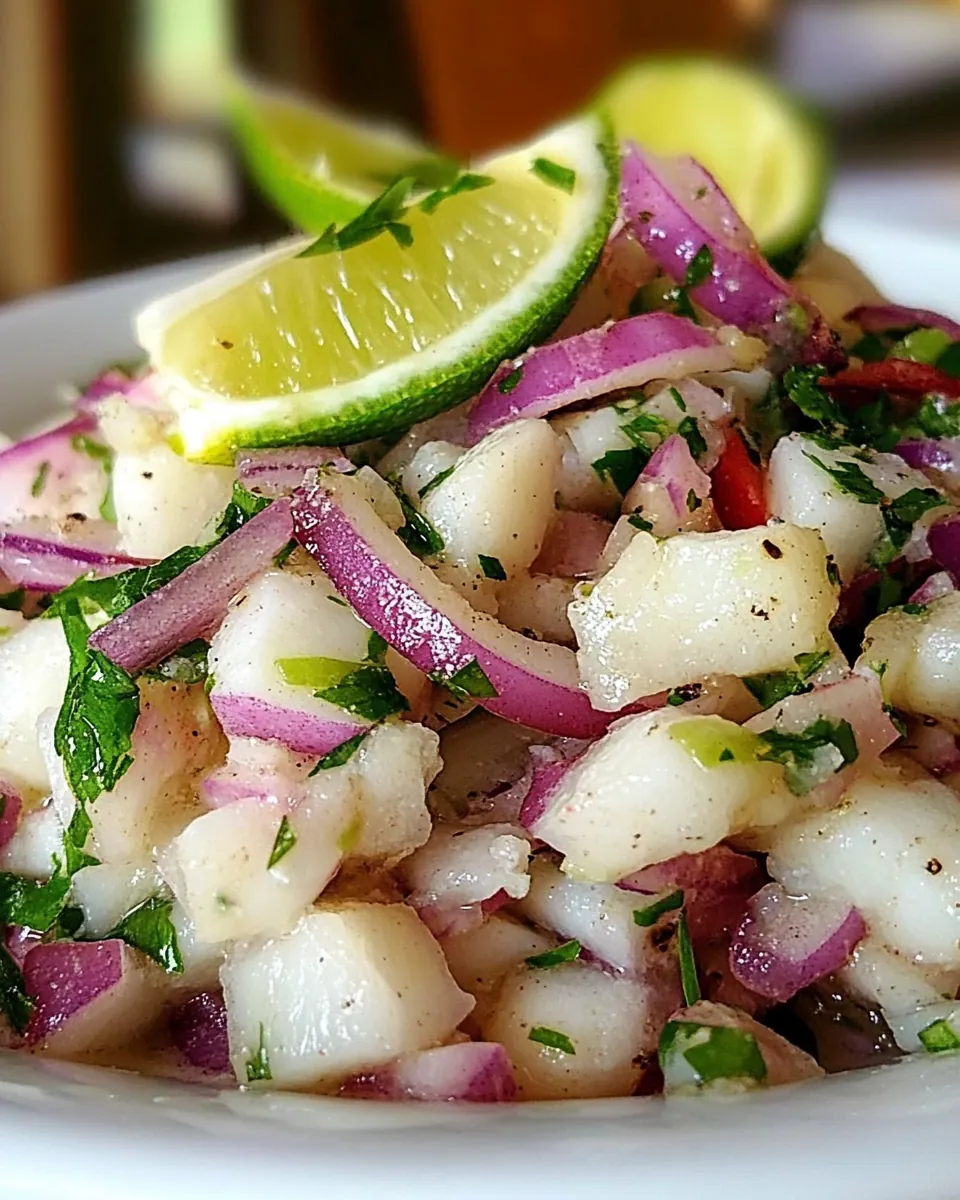
The contrast between the tender fish, the crisp thin onion, and the creamy avocado is irresistible. Every forkful has multiple textures, which keeps the palate engaged. I find that maintaining slightly firmer cubes of fish rather than letting it completely dissolve in the lime juice preserves that pleasant chew.
Adaptable and Clean
This ceviche is incredibly adaptable, so I often tweak it based on what I find at the market. You can select different light colored fish, and the core technique stays the same. I appreciate recipes that respect the ingredient and let it shine, and this one does just that, offering a clean, seafood forward experience.
Minimal Ingredients, Maximum Impact
With only a handful of components, the dish teaches restraint. When each item is good quality, the sum is greater than its parts. I always emphasize sourcing sashimi grade fish and fresh limes because those choices elevate the final bowl, and that is why I keep coming back to this recipe.
What You Need for Salt and Pepper Ceviche
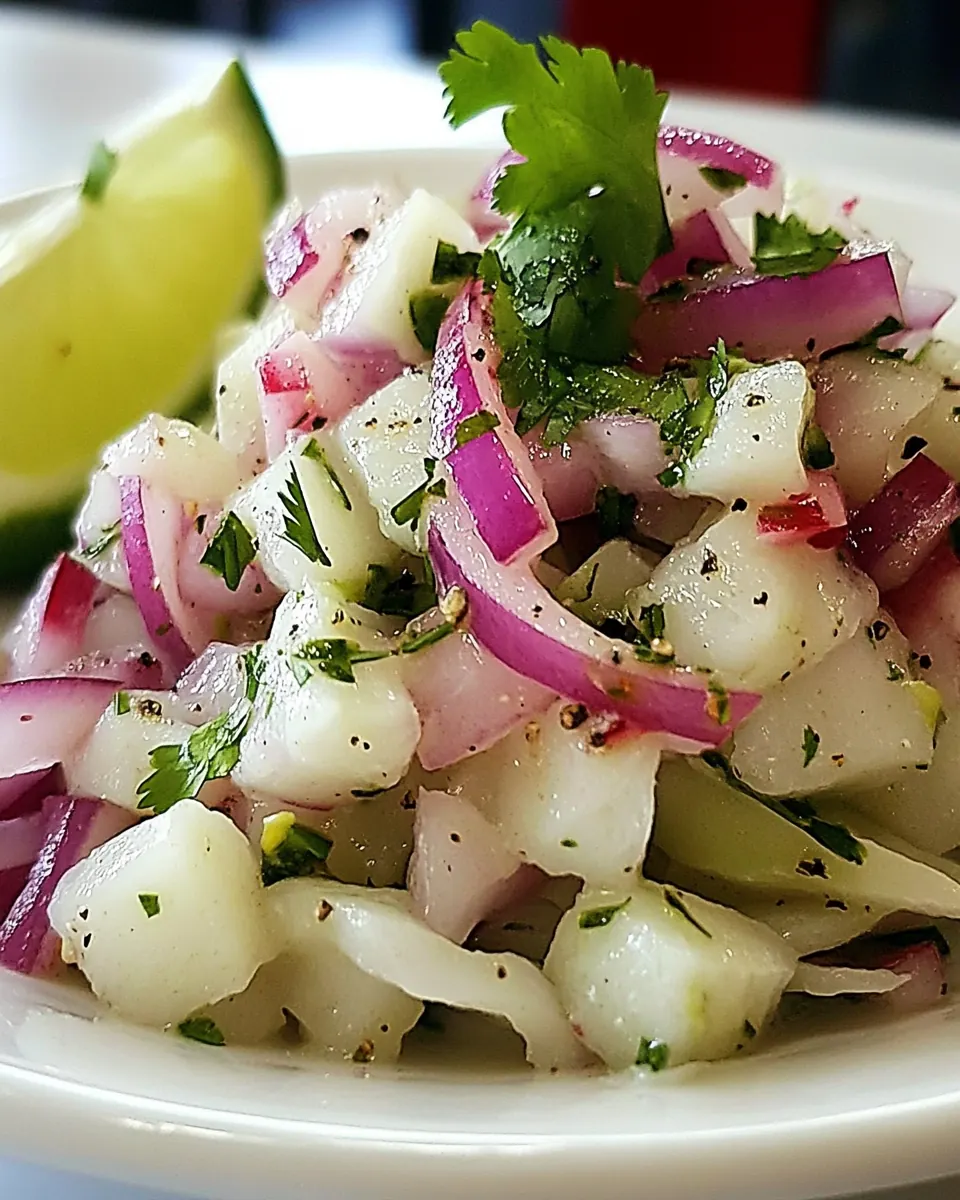
The philosophy behind these ingredients is restraint and clarity. Each ingredient plays a focused role: the fish supplies silkiness and ocean flavor, the lime juice adds bright acid to ‘cook’ the flesh, the onion brings crunch and bite, the avocado offers cream, and the cilantro adds a fresh herbal lift. Together they create a balanced ceviche where no element overwhelms another.
- 1 pounds ashimi quality boneless, skinless halibut (or other large-flake or steak-like, light color fish such as marlin, snapper or albacore tuna): Provide firm, sushi-grade halibut that will hold up to acid without becoming mushy; cut into bite-sized pieces so the lime juice can slightly 'cook' the flesh while preserving a meaty texture and clean flavor suitable for ceviche.
- 1/2 small red onion, thinly sliced: Add sharp, crisp red onion slices to contribute a mildly sweet and pungent crunch; soak briefly in lime juice or cold water if desired to mellow raw bite while maintaining color and texture contrast.
- 1 teaspoon freshly ground black pepper: Season with freshly ground black pepper to impart a bright, aromatic heat and subtle floral notes that complement the citrus and fish without overpowering delicate flavors; grind just before use for maximum aroma.
- 3/4 cup freshly squeezed lime juice: Provide abundant freshly squeezed lime juice to act as the acid that denatures the fish proteins, giving ceviche its characteristic cured texture and tangy backbone while brightening all other components.
- 1 teaspoon salt: Enhance overall flavor balance with salt to draw out moisture, season the fish and vegetables, and intensify natural tastes; dissolve evenly into the lime juice for uniform seasoning throughout the dish.
- 1 small ripe avocado, pitted, flesh scooped out from the skin and cut into 1/2-inch cubes: Offer creamy avocado cubes to add a rich, buttery contrast to the tangy, acidic ceviche; gently fold in near the end to preserve shape and provide luscious mouthfeel and color contrast.
- 2 to 3 tablespoons (lightly packed) fresh cilantro leaves: Garnish with lightly packed fresh cilantro leaves to contribute herbaceous, citrusy notes and a fresh green aroma; scatter over the finished ceviche to lift flavors and add visual appeal.
Directions for Salt and Pepper Ceviche
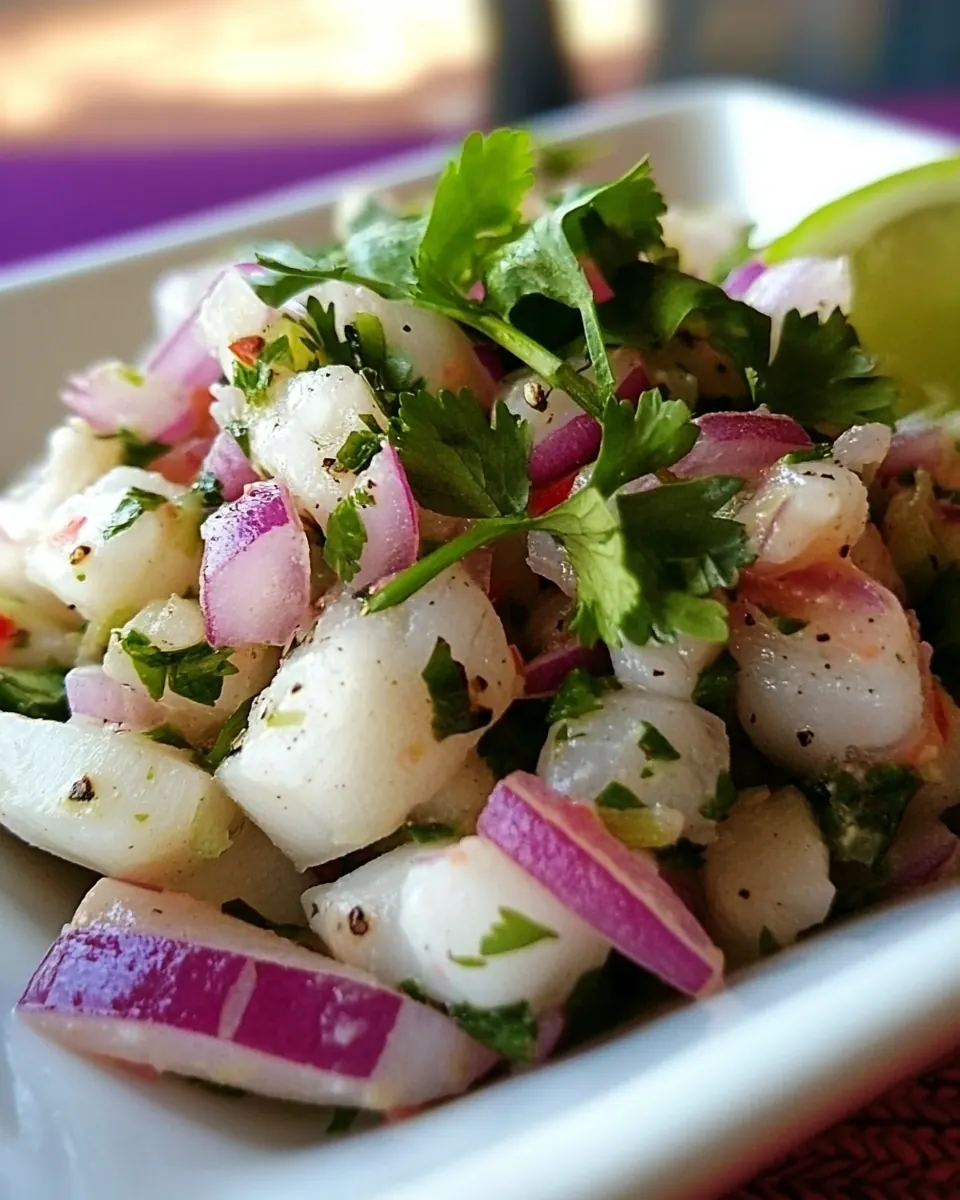
These directions transform raw ingredients into a lively, chilled ceviche. The process is simple but benefits from attention to detail and timing, so you get a pleasing texture and balanced flavor. I walk through sensory cues and common pitfalls to help you feel confident at each stage.
- Cut the fish into 1/2-inch pieces or slightly smaller.: You will notice the fish feels firm and slightly slick as you cut it, the clean ocean scent is fresh and not overpowering. Cutting into uniform 1/2 inch pieces ensures even marination, so each cube firms up consistently in the lime juice. Use a sharp knife to avoid tearing the flesh and keep the pieces similar in size so some do not over cure while others remain underdone. A common error is leaving large chunks which can remain too raw in the center and create an uneven texture.
- To marinate the fish, place in a glass or plastic bowl and mix in the onion, black pepper and lime juice. Cover and refrigerate, stirring frequently, for 45 minutes.: As the lime juice hits the fish you will hear a soft hiss and see the flesh turn opaque at the edges, that is the acid starting to 'cook' the protein. Mixing with thinly sliced red onion and freshly ground black pepper distributes flavor through the pieces. Use a non reactive bowl to prevent metallic notes. Stir gently to coat without breaking the cubes. If you skip stirring, pockets of fish may remain uncoated and not develop the proper texture.
- When ready to serve, add about a teaspoon of salt to the ceviche and mix well (the saltiness of the juice will dissipate as the fish absorbs the flavors.): During refrigeration you should notice the fish progressively firm and the liquid becoming cloudy with extracted proteins, which is normal. Stirring every 10 to 15 minutes promotes even curing and keeps the onion from settling on the bottom. Keep the bowl chilled the whole time, as warm temperatures can accelerate breakdown and increase food safety risk. A frequent mistake is leaving the ceviche uncovered or unrefrigerated which can lead to uneven curing and safety issues.
- Scoop the ceviche onto a smallish, deep platter, then dot with avocado and cilantro leaves. Serve as an appetizer to eat with a fork, or use tortilla chips for scooping.: After marination, add the salt gradually and taste, because the perceived saltiness changes as the fish soaks up the lime. The salt will lift the flavors and balance the acidity, and the texture will feel fuller in the mouth. Mix gently so you do not mash the pieces. Over salting is an easy misstep; add a bit, taste, then adjust if needed.
- Scoop the ceviche onto a smallish, deep platter, then dot with avocado and cilantro leaves: Plating reveals the ceviche's translucence turning to opaque, and the bright green of the diced avocado creates visual contrast while adding a cooling mouthfeel. Dotting the plate instead of mixing the avocado in prevents it from breaking down and turning mushy. Finish with the lightly packed cilantro leaves for fragrance. If you stir the avocado in too early it can become gummy and lose its texture.
- Serve as an appetizer to eat with a fork, or use tortilla chips for scooping: The final sensory moment is the first bite, where you get citrus brightness, pepper warmth, crunchy onion, creamy avocado, and herbaceous cilantro. Choose forks for a refined presentation or sturdy tortilla chips for a casual crunch. Keep extra chips or spoons nearby so guests can serve themselves. A misstep is serving with flimsy chips that break at the first scoop, which distracts from the experience.
Expert Tips about Salt and Pepper Ceviche
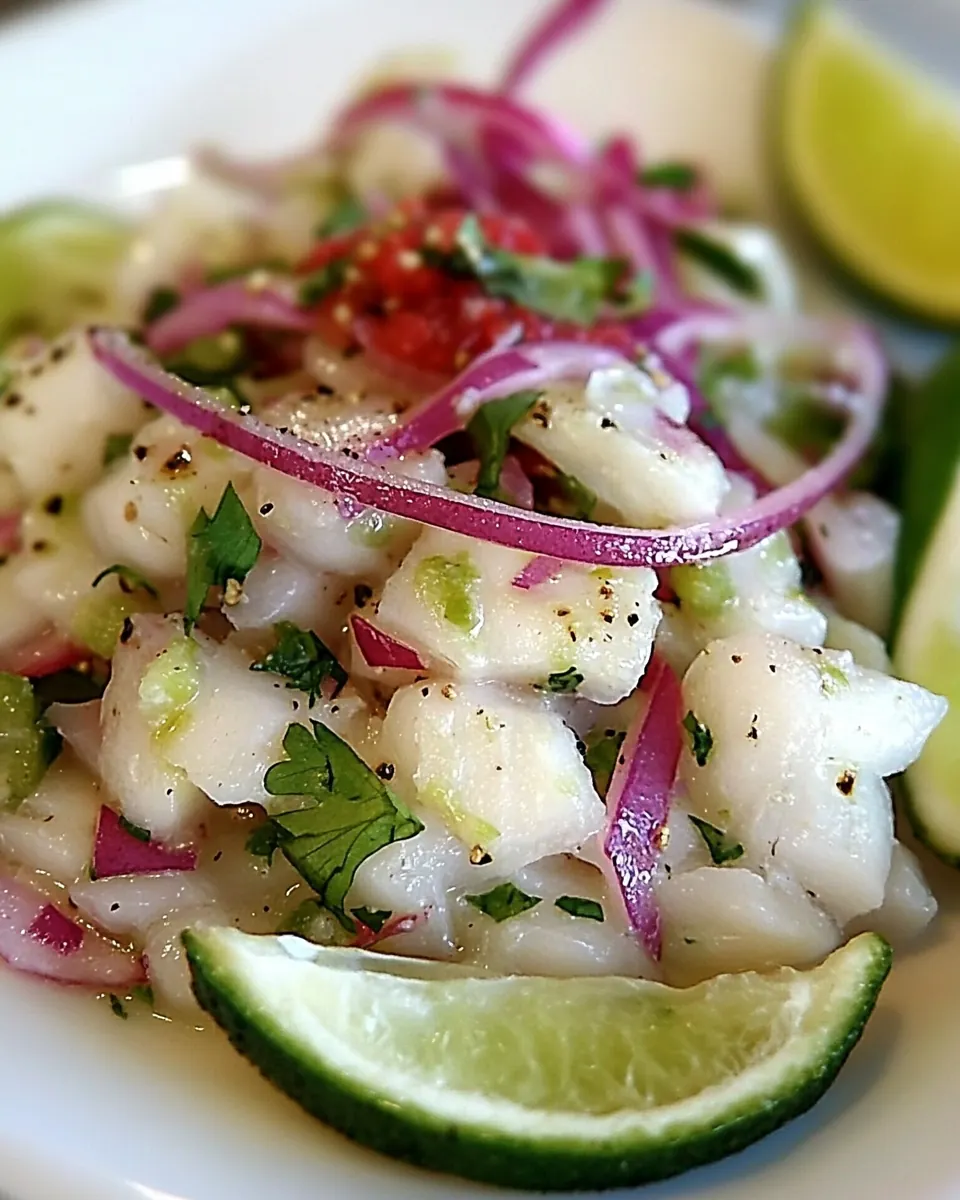
This set of tips dives into technique, timing, and ingredients to help you perfect the dish. Each suggestion is practical and based on what consistently yields the best texture and flavor.
- Choose sashimi grade fish – Always seek out firm, clean smelling fish labeled sashimi grade; it ensures safe, pleasant texture after curing.
- Keep tools and bowl chilled – A cold bowl and knife slow enzymatic changes and help the fish maintain a pleasant firmness throughout the curing process.
- Slice uniformly – Uniform 1/2 inch pieces cure evenly, preventing some cubes from overfirming while others remain undercured.
- Use fresh lime juice – Freshly squeezed lime provides a brighter citrus profile and cleaner acidity than bottled alternatives.
- Add salt at the end – Tasting and seasoning after marination avoids over salting because the fish and juice interplay shifts perceived saltiness.
- Serve promptly – Ceviche is best when chilled and eaten within a few hours, as textures soften over time and flavors change.
- Keep avocado separate until serving – Adding the avocado at the last minute preserves its color and creamy texture in each bite.
What Complements This Salt and Pepper Ceviche
Serving this ceviche well means thinking about contrast and balance, both in texture and temperature. The following list offers pairings, occasions, and storage notes that help you present the dish thoughtfully.
- Side chips and tostadas – Crisp tortilla chips or thin tostadas provide crunchy contrast and are perfect for scooping ceviche at casual gatherings.
- Light, chilled salads – A simple green salad with a citrus vinaigrette complements the ceviche without overwhelming it, great for lunch or light dinner.
- Occasions – This recipe shines at summer get togethers, seaside picnics, or as a starter during festive meals where you want a fresh first course.
- Serving style – Present on a shallow platter and top with avocado cubes and cilantro leaves so guests can admire the color and scoop as they please.
- Storage tips – Keep leftovers tightly covered and chilled, and consume within 2 to 3 hours for best texture; beyond that the fish will continue to firm and the avocado may brown.
- Seasonal pairings – Best in warmer months when citrus and herbs are bright; it also pairs well with other light seafood dishes for a summery spread.
- Make ahead advice – You can prepare the fish and marinate it a few hours in advance, but add the avocado and cilantro only at the last moment.
FAQ
Conclusion
Salt and Pepper Ceviche stands out for its direct, clean flavors and the brilliant contrast between silky cured fish and crisp, bright accents. The recipe is deceptively simple yet rewarding, allowing high quality ingredients to take center stage while you play the role of careful steward. Give it a try when you want a lively, chilled starter that tastes like summer, and don’t be afraid to enjoy the ritual of mixing, tasting, and presenting it with care. Invite friends, set a chilled platter on the table, and savor the fresh, citrus lifted bites together.
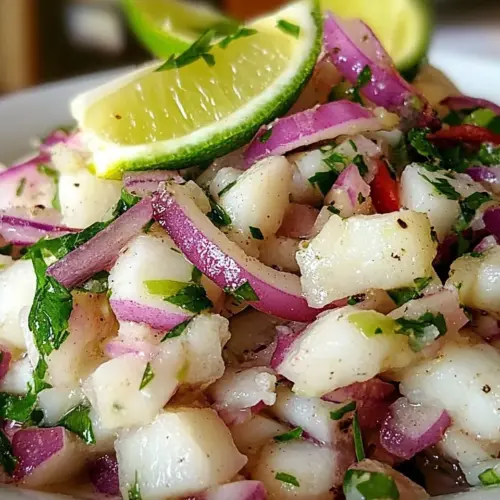
Salt and Pepper Ceviche
Equipment
- Glass or plastic bowl
- Sharp Knife
- Cutting Board
- Refrigerator
Ingredients
- 1 pounds ashimi quality boneless, skinless halibut (or other large-flake or steak-like, light color fish such as marlin, snapper or albacore tuna) Provide firm, sushi-grade halibut that will hold up to acid without becoming mushy; cut into bite-sized pieces so the lime juice can slightly 'cook' the flesh while preserving a meaty texture and clean flavor suitable for ceviche.
- 1/2 small red onion, thinly sliced Add sharp, crisp red onion slices to contribute a mildly sweet and pungent crunch; soak briefly in lime juice or cold water if desired to mellow raw bite while maintaining color and texture contrast.
- 1 teaspoon freshly ground black pepper Season with freshly ground black pepper to impart a bright, aromatic heat and subtle floral notes that complement the citrus and fish without overpowering delicate flavors; grind just before use for maximum aroma.
- 3/4 cup freshly squeezed lime juice Provide abundant freshly squeezed lime juice to act as the acid that denatures the fish proteins, giving ceviche its characteristic cured texture and tangy backbone while brightening all other components.
- 1 teaspoon salt Enhance overall flavor balance with salt to draw out moisture, season the fish and vegetables, and intensify natural tastes; dissolve evenly into the lime juice for uniform seasoning throughout the dish.
- 1 small ripe avocado, pitted, flesh scooped out from the skin and cut into 1/2-inch cubes Offer creamy avocado cubes to add a rich, buttery contrast to the tangy, acidic ceviche; gently fold in near the end to preserve shape and provide luscious mouthfeel and color contrast.
- 2 to 3 tablespoons (lightly packed) fresh cilantro leaves Garnish with lightly packed fresh cilantro leaves to contribute herbaceous, citrusy notes and a fresh green aroma; scatter over the finished ceviche to lift flavors and add visual appeal.
Instructions
- Cut the fish into 1/2-inch pieces or slightly smaller.: You will notice the fish feels firm and slightly slick as you cut it, the clean ocean scent is fresh and not overpowering. Cutting into uniform 1/2 inch pieces ensures even marination, so each cube firms up consistently in the lime juice. Use a sharp knife to avoid tearing the flesh and keep the pieces similar in size so some do not over cure while others remain underdone. A common error is leaving large chunks which can remain too raw in the center and create an uneven texture.
- To marinate the fish, place in a glass or plastic bowl and mix in the onion, black pepper and lime juice. Cover and refrigerate, stirring frequently, for 45 minutes.: As the lime juice hits the fish you will hear a soft hiss and see the flesh turn opaque at the edges, that is the acid starting to 'cook' the protein. Mixing with thinly sliced red onion and freshly ground black pepper distributes flavor through the pieces. Use a non reactive bowl to prevent metallic notes. Stir gently to coat without breaking the cubes. If you skip stirring, pockets of fish may remain uncoated and not develop the proper texture.
- When ready to serve, add about a teaspoon of salt to the ceviche and mix well (the saltiness of the juice will dissipate as the fish absorbs the flavors.): During refrigeration you should notice the fish progressively firm and the liquid becoming cloudy with extracted proteins, which is normal. Stirring every 10 to 15 minutes promotes even curing and keeps the onion from settling on the bottom. Keep the bowl chilled the whole time, as warm temperatures can accelerate breakdown and increase food safety risk. A frequent mistake is leaving the ceviche uncovered or unrefrigerated which can lead to uneven curing and safety issues.
- Scoop the ceviche onto a smallish, deep platter, then dot with avocado and cilantro leaves. Serve as an appetizer to eat with a fork, or use tortilla chips for scooping.: After marination, add the salt gradually and taste, because the perceived saltiness changes as the fish soaks up the lime. The salt will lift the flavors and balance the acidity, and the texture will feel fuller in the mouth. Mix gently so you do not mash the pieces. Over salting is an easy misstep; add a bit, taste, then adjust if needed.
- Scoop the ceviche onto a smallish, deep platter, then dot with avocado and cilantro leaves: Plating reveals the ceviche's translucence turning to opaque, and the bright green of the diced avocado creates visual contrast while adding a cooling mouthfeel. Dotting the plate instead of mixing the avocado in prevents it from breaking down and turning mushy. Finish with the lightly packed cilantro leaves for fragrance. If you stir the avocado in too early it can become gummy and lose its texture.
- Serve as an appetizer to eat with a fork, or use tortilla chips for scooping: The final sensory moment is the first bite, where you get citrus brightness, pepper warmth, crunchy onion, creamy avocado, and herbaceous cilantro. Choose forks for a refined presentation or sturdy tortilla chips for a casual crunch. Keep extra chips or spoons nearby so guests can serve themselves. A misstep is serving with flimsy chips that break at the first scoop, which distracts from the experience.
Notes
- Choose sashimi grade fish - Always seek out firm, clean smelling fish labeled sashimi grade; it ensures safe, pleasant texture after curing.
- Keep tools and bowl chilled - A cold bowl and knife slow enzymatic changes and help the fish maintain a pleasant firmness throughout the curing process.
- Slice uniformly - Uniform 1/2 inch pieces cure evenly, preventing some cubes from overfirming while others remain undercured.
- Use fresh lime juice - Freshly squeezed lime provides a brighter citrus profile and cleaner acidity than bottled alternatives.
- Add salt at the end - Tasting and seasoning after marination avoids over salting because the fish and juice interplay shifts perceived saltiness.
- Serve promptly - Ceviche is best when chilled and eaten within a few hours, as textures soften over time and flavors change.
- Keep avocado separate until serving - Adding the avocado at the last minute preserves its color and creamy texture in each bite.