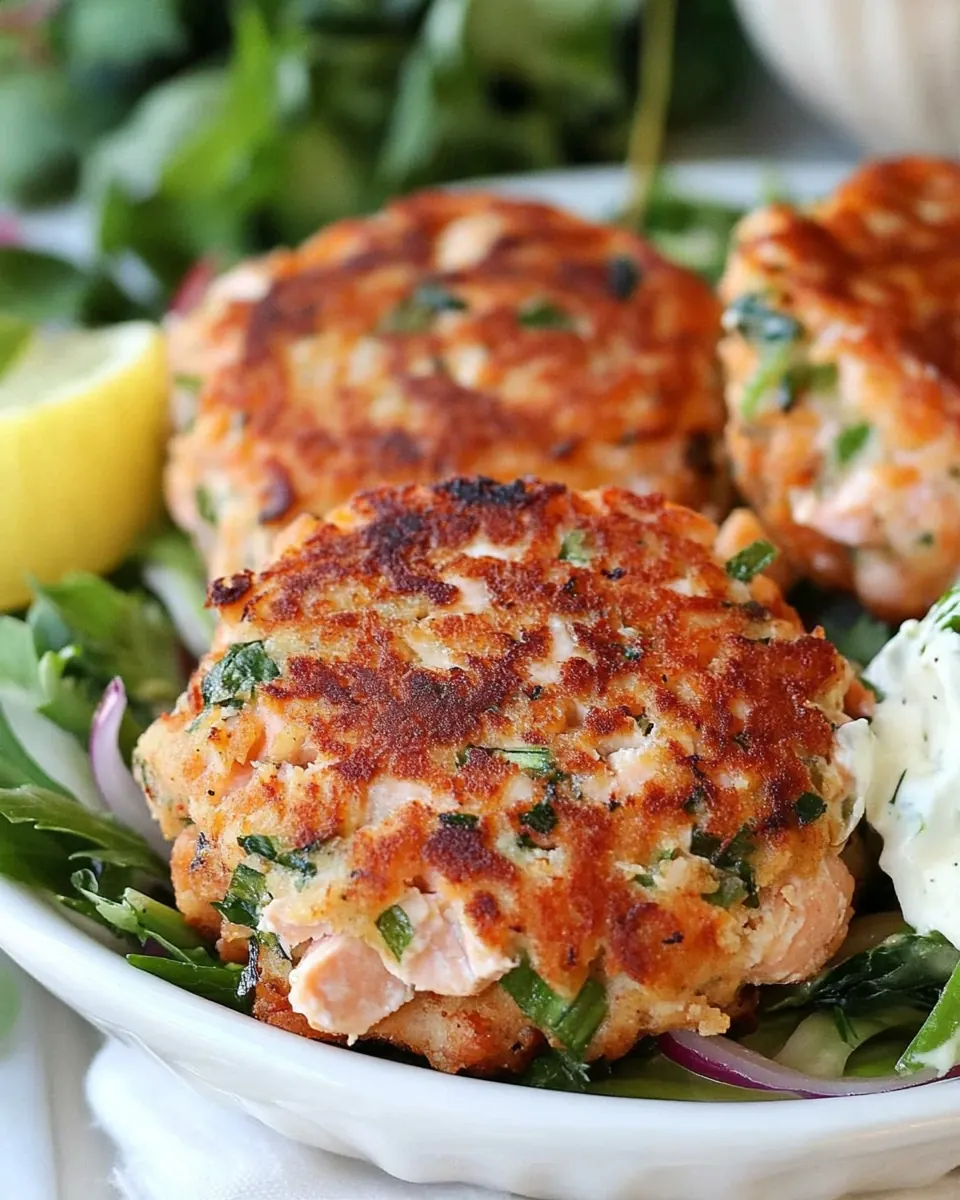
Easy Salmon Cakes
Easy Salmon Cakes are one of those recipes I reach for when I want dinner to feel both effortless and a little special.
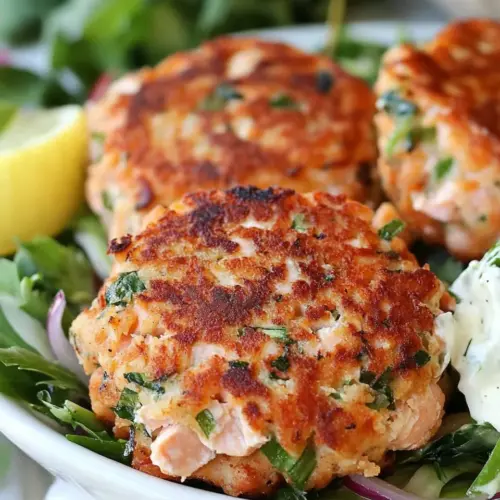
I remember the first time I made these on a humid summer evening, juggling a toddler and a ringing phone, yet somehow pulling together a crisp, golden exterior and a tender, flaky interior that made everyone pause and smile. The aroma of roasted salmon mingled with bright lemon and fresh dill, and the kitchen felt instantly cozier. I like the ease of using pantry friendly staples like mayonnaise and panko bread crumbs to bind everything together, and how the quick roast guarantees moistness without fuss.
Over the years I have tweaked the process, learning small tricks that make a big difference, like chilling the patties so they hold together while searing, and draining any excess juices so the texture stays perfect. These Easy Salmon Cakes work for weeknight dinners, casual lunches, or even a light party platter. I often pair them with a tangy sauce that features bright lemon and aromatic dill, which cuts through the richness and keeps every bite lively. Every time I serve these, someone asks for the recipe, and that simple request always makes me smile and remind myself why I keep this one in my regular rotation.
Recipe Snapshot
1 hr 8 mins
30 mins
38 mins
Medium
300 kcal
American
Paleo, Low FODMAP
Dinner
Oven, Baking sheet, Skillet, Mixing bowls, Fork, Spatula
What Sets This Easy Salmon Cakes Apart
Comfort and speed in one
I love that Easy Salmon Cakes deliver comforting textures without a long time commitment. The combination of roasted salmon and crisped exterior gives you a homey, satisfying bite, and yet the hands on time is pleasantly short. When life is busy, this recipe feels like a little culinary win.
Bright, balanced flavors
We rely on bright ingredients like lemon and fresh dill to balance the richness of the mayonnaise and salmon. That acidity lifts the dish and keeps it tasting fresh, so it never feels heavy on the palate. I enjoy how a squeeze of citrus can change the whole profile.
Flexible and forgiving
I appreciate recipes that forgive small errors, and these cakes do just that. If the mixture feels a touch loose, a short chill firms everything up. If your patties are a tad thicker, cook a little longer on medium heat to ensure they cook through without burning. That flexibility means you can adjust on the fly without worry.
Great for meal prep
These patties freeze beautifully, which is a huge reason I keep making them. Form, freeze, then finish in a skillet from frozen for a quick meal later. I often double the batch and stash extras for busy nights when a fast, reliable dinner is essential.
Family friendly appeal
I find the texture and mild flavor make these approachable for kids and picky eaters. The golden crust adds a pleasant crunch, while the inside stays tender and moist. Serve with a lemon dill sauce for dipping, and most of the table is usually happy.
Ingredients You’ll Need for Easy Salmon Cakes
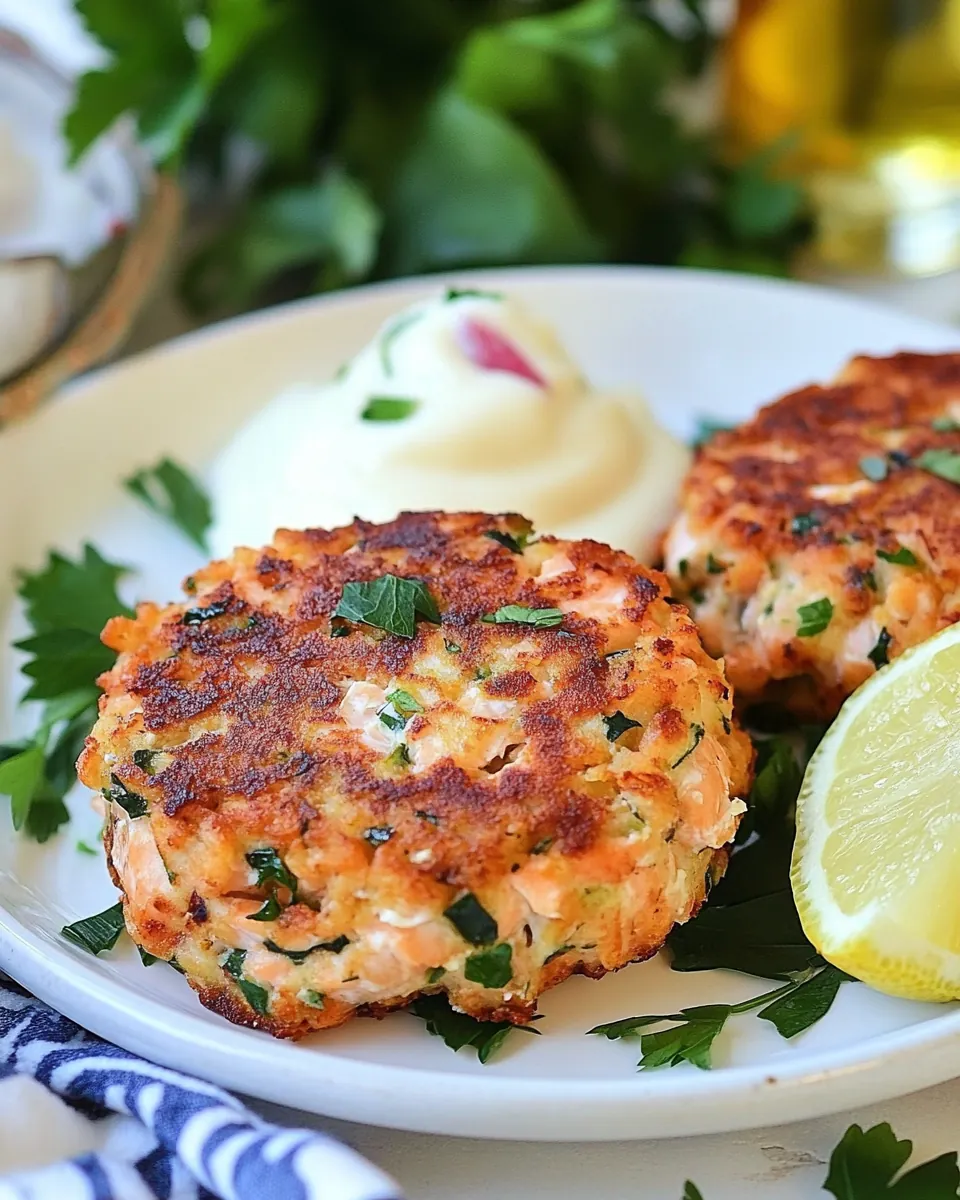
These ingredients are chosen for clarity and balance, each playing a precise role in the final cakes. The salmon provides the meaty, flaky core, while binding agents like egg, mayonnaise, and panko bread crumbs ensure the cakes hold their shape and develop a crisp crust. Bright elements like lemon and fresh herbs add lift, preventing the bite from feeling one dimensional.
- 1 pounds salmon filet: Provide flaky, protein-rich base for the cakes and deliver a mild, slightly oily flavor; cook until just opaque and flake before combining with other ingredients to maintain texture.
- 1 tablespoon olive oil: Coat the pan to prevent sticking and add a subtle fruity, peppery note; heat gently to shimmer before searing the formed cakes for a crisp exterior.
- 1/2 cup mayonnaise: Bind ingredients together while adding creaminess and a mellow tang; fold in gradually to achieve a cohesive mixture without making it too wet.
- 1 tablespoon dijon mustard: Introduce a bright, sharp tang that cuts through richness and enhances overall flavor; whisk in with mayo and egg to distribute acidity evenly.
- 1 teaspoon worcestershire sauce: Add a savory, umami-forward depth with a hint of tanginess that complements the salmon; stir in small amounts to boost complexity without overpowering.
- 1 large egg lightly beaten: Provide structure and moisture to help bind the mixture and contribute a tender crumb; beat lightly to incorporate air but avoid overbeating for density control.
- 1/8 teaspoon fresh ground pepper: Season gently with a sharp, slightly floral heat to lift the overall flavor; grind fresh at the end to preserve aroma and avoid overwhelming the mix.
- 2 tablespoons chopped fresh parsley: Contribute fresh herbaceous brightness and a subtle peppery note; chop finely and fold in to distribute color and lift heavy flavors.
- 1/4 cup panko bread crumbs: Add light crunch and absorb excess moisture while maintaining a delicate crispiness; use panko to keep the cakes airy rather than dense.
- 1 tablespoon olive oil: Create a second layer of fat for frying to ensure even browning and add a hint of richness; use sparingly to avoid greasiness while achieving a golden crust.
- 1 cup mayonnaise: Serve as a creamy, cooling binder or a base for a sauce or spread with a rich, tangy profile; incorporate into a lemon–dill sauce to pair with the salmon cakes.
- juice and zest of 1 lemon: Provide zesty citrus brightness and aromatic oils that cut through richness; add juice for acidity and zest for concentrated lemon aroma in the sauce or mix.
- 1 tablespoon whole grain mustard: Offer grainy texture and a rustic mustard flavor that complements the fish; stir into sauces or the mix to add bursts of tang and visual interest.
- 1/2 teaspoons salt: Enhance seasoning balance by adding necessary salinity to amplify flavors; sprinkle evenly and adjust to taste to avoid oversalting delicate fish.
- 1/2 teaspoon fresh ground pepper: Introduce a warm, pungent heat similar to pepper to reinforce seasoning; grind fresh when assembling to maintain vibrancy and even distribution.
- 1/4 cup chopped fresh dill: Provide a fresh, anise-like herbaceous finish that pairs well with lemon and fish; chop finely and fold into sauce or mixture to add aromatic lift.
Making Easy Salmon Cakes
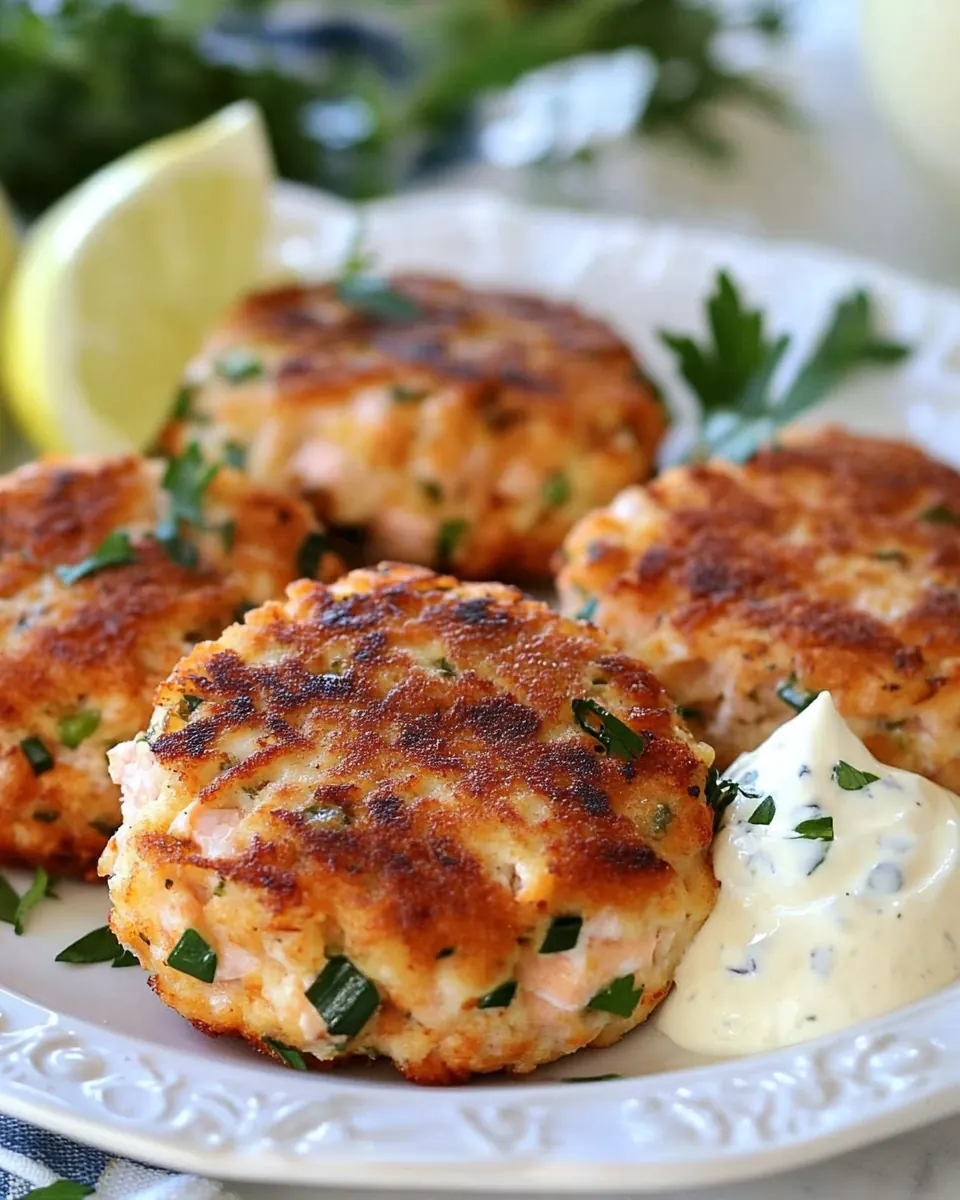
I love the straightforward flow of this recipe. Roast the salmon, mix the binder and flavorings, form and chill the patties, then sear to golden perfection. Each phase teaches you something about texture and timing, and together they create a dependable result.
- Preheat oven to 425 degrees.: The moment you set the oven, you begin building even heat that will roast the salmon quickly, sealing in juices and producing a slightly caramelized surface. You should hear a faint hum from the oven as it comes to temperature, and the heat will feel dry and intense when you open the door briefly to place the pan inside. Roasting at this temperature matters because it cooks the fish through fast enough to prevent drying, while creating a subtle crust that flakes nicely. A common mistake is skipping the preheat, which lengthens cooking time and can yield uneven doneness. If your oven runs hot, watch the fish at the 12 minute mark to avoid overcooking and check for flaking with a fork.
- Line a baking sheet with foil and place the salmon on the baking sheet. Drizzle with olive oil and roast for 15 minutes or until fish flakes easily with a fork. Cool to room temperature.: As the salmon roasts, you will notice the surface transforming from translucent to opaque, and a faint nutty aroma from the roasting oil will develop. The foil helps with cleanup and conducts heat evenly against the skin side if present. When the fish flakes easily under a fork, that visual cue signals doneness, and the interior should feel moist rather than dry. Allowing the fish to cool to room temperature stops residual heat from overcooking the flesh and makes it safer to handle when flaking. A typical error is leaving it too long in the oven which dries the meat, or attempting to flake while still too hot, which can create a mushy texture. If juices pool beneath the fish, drain them to avoid a soggy mixture later.
- When the fish is cool enough to handle, flake the salmon into bite sized pieces using a fork and transfer to a large bowl. If any juices begin to collect in the bottom of the bowl, drain the fish before moving forward with the remainder of the recipe.: Flaking by fork gives you control over piece size, creating pleasant bites that hold together while still feeling flaky. The sound is soft and delicate as the fish separates into tender clusters, and you want to avoid pulverizing it into a paste. Draining any excess juices is crucial, because liquid can make the mixture too wet and prevent proper binding, resulting in patties that fall apart. A mistake here is overworking the fish, which removes those attractive flakes and leads to a dense texture. Use gentle folding motions when combining the next ingredients to preserve the flaked structure.
- In a small bowl, stir together the mayonnaise, dijon, worcestershire sauce, egg, pepper and parsley.: Mixing these elements creates a homogeneous binder that coats the salmon pieces and distributes flavor evenly. You will feel the mayonnaise thicken as the egg integrates, and the aroma of parsley will lift the mixture. This step matters because it ensures each patty has consistent seasoning and structure, which affects how they hold up when cooking. Avoid under mixing, which can cause uneven pockets of flavor, or over mixing, which can thin the mayonnaise too much. If the mixture seems too loose, a short chill will help.
- Add the mayonnaise mixture to the salmon and, carefully, fold together being careful not to break up the fish too much. Gently fold in the breadcrumbs.: Folding preserves the flaked texture while allowing the binder to coat each piece. You should use gentle turning motions and notice the mixture becoming cohesive without turning mushy. The panko bread crumbs absorb excess moisture and create a tender interior while still permitting a crisp exterior once cooked. If you stir aggressively, the salmon will lose its structure and the cakes may become mealy. A common oversight is adding too many crumbs; measure them so the mixture remains moist enough to form patties.
- Form the salmon mixture into 6 patties and transfer to a baking sheet lined with parchment. Chill for 15-20 minutes. (Salmon cakes can be frozen at this point. Wrap each cake tightly in plastic wrap and then foil. Unwrap and cook from frozen by following the instructions below.): Forming the patties is tactile and satisfying, as you shape gentle rounds that hold together. Chilling firms the binder and helps the patties keep their shape during frying, and the surface will feel cool and slightly tacky. If you skip chilling, the cakes are more likely to fall apart in the pan. When freezing, wrap carefully to prevent freezer burn; cooking from frozen requires a little extra time and patience to reach a golden crust without burning the outside. A mistake here is making patties that are too thin, which cook too quickly and can break when flipping.
- While the salmon cakes chill, make the sauce by combining the mayonnaise, lemon juice, lemon zest, mustard, salt, pepper and dill in a small bowl. Cover and refrigerate until ready to serve.: Whisking the sauce releases bright citrus oils from the lemon zest and blends them into the creamy mayonnaise , yielding a glossy, fragrant condiment. The aroma of dill should become noticeable and refreshing, and the texture will be smooth and spreadable. This sauce matters because it provides contrast to the cakes, cutting richness and adding an herbaceous note. A mistake is preparing it too far in advance without covering, which can dull the fresh citrus aroma. Keep chilled to preserve brightness.
- Heat the olive oil in a large skillet over medium-high heat.: Heating oil until it shimmers provides the right surface for searing, offering immediate contact that creates a crisp, golden crust on the patties. You may hear a soft sizzle when a test breadcrumb hits the pan. Medium-high is ideal because it browns without burning; too hot and the exterior chars before the center cooks, too cool and the crust will be soggy. A common slip is overcrowding the pan, which lowers temperature and prevents proper browning. Work in batches if needed.
- Add the salmon cakes and cook over medium heat until golden, approximately 3-4 minutes. (Longer if frozen) Turn the salmon cakes over with a spatula. Cook until golden brown, crispy and cooked through, approximately 3 minutes.: As the patties hit the skillet, you should hear a steady sizzle and see edges turn a deep golden brown, signaling the Maillard reaction that creates flavor and texture. The surface will develop tiny bubbles and a satisfying crust while the interior stays tender. Turning once helps maintain that crust without breaking the cake, and finishing for about 3 minutes on the second side ensures the center reaches the right temperature. Avoid flipping multiple times, which can cause breakage and loss of crispness. If you notice uneven browning, lower the heat slightly and allow more time for the interior to come up to temperature.
- Transfer to a serving platter and serve immediately with lemon dill sauce and lemon wedges, if desired.: Serving right away preserves the contrast between the hot, crisp exterior and the cool, tangy sauce. The platter will steam slightly as the cakes settle, releasing a final whiff of roasted salmon and warm oil. Present with lemon wedges for extra brightness at the table. Reheating loses some crispness, so if you must reheat, do so briefly in a hot skillet to revive the crust. A common mistake is letting the cakes sit too long before serving, which softens the exterior and diminishes the intended texture.
Tips and Variations
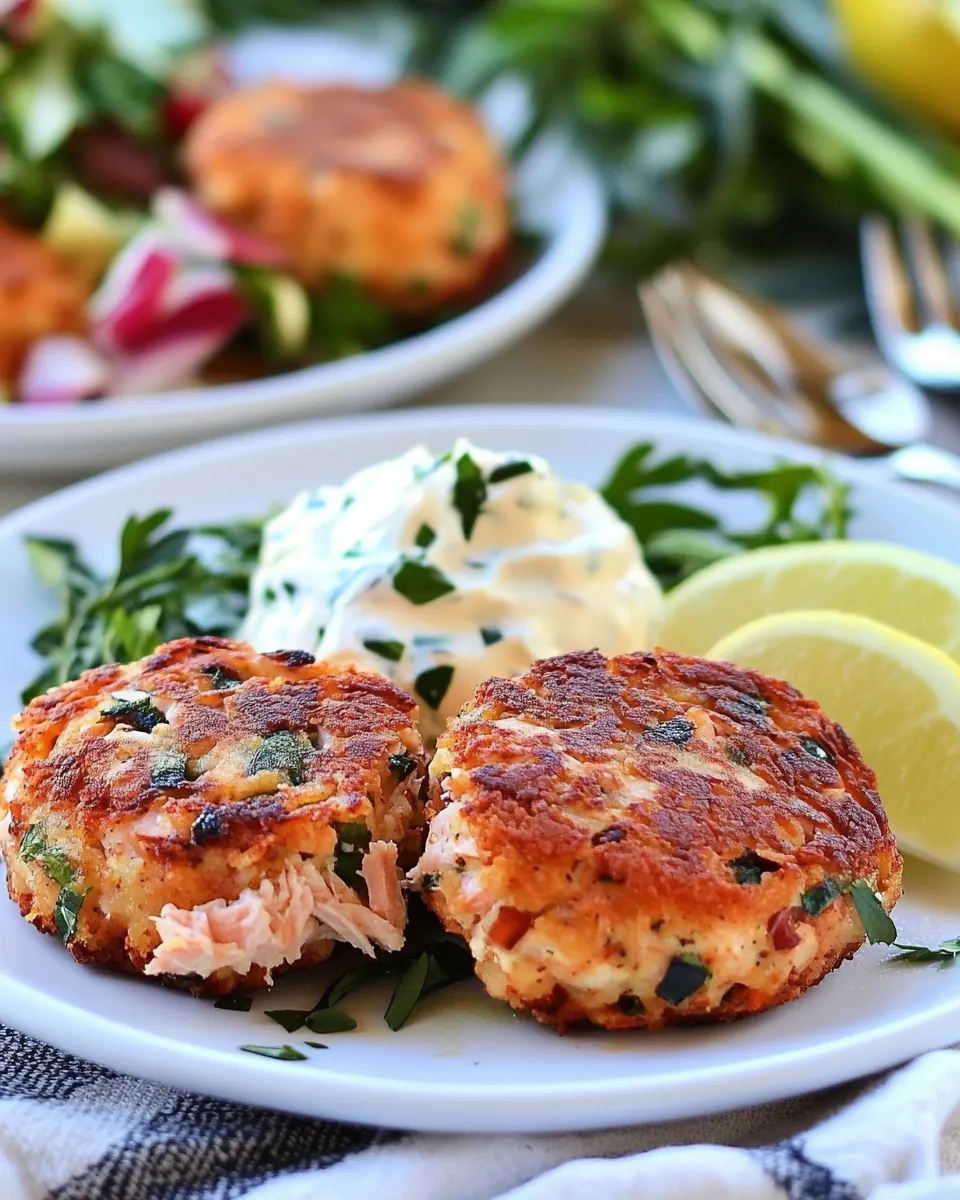
These tips will help you get the best texture and flavor from your Easy Salmon Cakes. Small adjustments in temperature, chilling, and seasoning can transform a good result into a great one.
- Use room temperature eggs: Bring the egg to room temperature before mixing so it emulsifies smoothly with the mayonnaise, creating a more cohesive binder that distributes evenly through the mixture.
- Measure breadcrumbs carefully: Add the panko bread crumbs gradually and stop when the mixture holds together without feeling dry, too many can make the cakes mealy, while too few cause them to fall apart.
- Chill for structure: Always chill the formed patties for the recommended time, it firms the binder and reduces breakage while frying, making flipping much easier and cleaner.
- Control pan heat: Maintain medium to medium high heat when searing, too hot and the outside will char before the center cooks, too low and you will not get a crisp crust, adjust heat as needed between batches.
- Make ahead and freeze: Freeze patties individually on a tray, then wrap tightly for storage, finish in a skillet from frozen and add an extra minute or two per side for a convenient ready made meal.
- Fresh herbs matter: Use fresh dill and parsley for vibrant flavor in the sauce and mixture, dried herbs will not provide the same aromatic lift and can make the sauce taste flat.
Perfect Matches for Easy Salmon Cakes
These serving ideas will help you pair the Easy Salmon Cakes for meals and occasions. Think about textures and contrasts, and pick sides that highlight the cakes rather than overpower them.
- Crisp green salad: Pair the cakes with a simple salad of mixed greens dressed lightly so you have a refreshing contrast in texture and a palate cleanser between bites.
- Steamed vegetables: Serve seasonal steamed vegetables for a light, balanced plate that keeps the meal feeling bright and nutritious without heavy sauces.
- Citrus wedges: Offer extra lemon wedges, they provide immediate brightness and let guests adjust acidity to taste, enhancing the flavor of the salmon.
- Casual lunch platter: Arrange the cakes with sliced cucumbers and a small bowl of the lemon dill sauce for a relaxed, shareable lunch perfect for summer gatherings or picnics.
- Meal prep tips: Store cooked cakes in an airtight container in the refrigerator for up to three days, reheat briefly in a hot skillet to restore crispness, and keep the sauce chilled separately to preserve freshness.
- Occasions: These cakes shine for weeknight dinners, summer lunches, or Ramadan if you need a quick, wholesome protein that is easy to portion and serve during Iftar.
- Seasonal pairing: Emphasize fresh herbs and light sides during summer to keep the plate lively, and add heartier roasted root vegetables in cooler months for a cozier meal.
FAQ
Conclusion
What makes these Easy Salmon Cakes special is the balance of crisp exterior and tender, flavorful interior, uplifted by a bright lemon dill sauce. I encourage you to give them a try, whether you need an effortless weeknight dinner or a make ahead protein for busy days. They are forgiving, family friendly, and adapt well to meal prep, so once you master the simple steps you will find yourself returning to this recipe again and again with confidence and pleasure.
Easy Salmon Cakes
Equipment
- Oven
- Baking Sheet
- Skillet
- Mixing Bowls
- Fork
- Spatula
Ingredients
- 1 pounds salmon filet Provide flaky, protein-rich base for the cakes and deliver a mild, slightly oily flavor; cook until just opaque and flake before combining with other ingredients to maintain texture.
- 1 tablespoon olive oil Coat the pan to prevent sticking and add a subtle fruity, peppery note; heat gently to shimmer before searing the formed cakes for a crisp exterior.
- 1/2 cup mayonnaise Bind ingredients together while adding creaminess and a mellow tang; fold in gradually to achieve a cohesive mixture without making it too wet.
- 1 tablespoon dijon mustard Introduce a bright, sharp tang that cuts through richness and enhances overall flavor; whisk in with mayo and egg to distribute acidity evenly.
- 1 teaspoon worcestershire sauce Add a savory, umami-forward depth with a hint of tanginess that complements the salmon; stir in small amounts to boost complexity without overpowering.
- 1 large egg lightly beaten Provide structure and moisture to help bind the mixture and contribute a tender crumb; beat lightly to incorporate air but avoid overbeating for density control.
- 1/8 teaspoon fresh ground pepper Season gently with a sharp, slightly floral heat to lift the overall flavor; grind fresh at the end to preserve aroma and avoid overwhelming the mix.
- 2 tablespoons chopped fresh parsley Contribute fresh herbaceous brightness and a subtle peppery note; chop finely and fold in to distribute color and lift heavy flavors.
- 1/4 cup panko bread crumbs Add light crunch and absorb excess moisture while maintaining a delicate crispiness; use panko to keep the cakes airy rather than dense.
- 1 tablespoon olive oil Create a second layer of fat for frying to ensure even browning and add a hint of richness; use sparingly to avoid greasiness while achieving a golden crust.
- 1 cup mayonnaise Serve as a creamy, cooling binder or a base for a sauce or spread with a rich, tangy profile; incorporate into a lemon-dill sauce to pair with the salmon cakes.
- juice and zest of 1 lemon Provide zesty citrus brightness and aromatic oils that cut through richness; add juice for acidity and zest for concentrated lemon aroma in the sauce or mix.
- 1 tablespoon whole grain mustard Offer grainy texture and a rustic mustard flavor that complements the fish; stir into sauces or the mix to add bursts of tang and visual interest.
- 1/2 teaspoons salt Enhance seasoning balance by adding necessary salinity to amplify flavors; sprinkle evenly and adjust to taste to avoid oversalting delicate fish.
- 1/2 teaspoon fresh ground pepper Introduce a warm, pungent heat similar to pepper to reinforce seasoning; grind fresh when assembling to maintain vibrancy and even distribution.
- 1/4 cup chopped fresh dill Provide a fresh, anise-like herbaceous finish that pairs well with lemon and fish; chop finely and fold into sauce or mixture to add aromatic lift.
Instructions
- Preheat oven to 425 degrees.: The moment you set the oven, you begin building even heat that will roast the salmon quickly, sealing in juices and producing a slightly caramelized surface. You should hear a faint hum from the oven as it comes to temperature, and the heat will feel dry and intense when you open the door briefly to place the pan inside. Roasting at this temperature matters because it cooks the fish through fast enough to prevent drying, while creating a subtle crust that flakes nicely. A common mistake is skipping the preheat, which lengthens cooking time and can yield uneven doneness. If your oven runs hot, watch the fish at the 12 minute mark to avoid overcooking and check for flaking with a fork.
- Line a baking sheet with foil and place the salmon on the baking sheet. Drizzle with olive oil and roast for 15 minutes or until fish flakes easily with a fork. Cool to room temperature.: As the salmon roasts, you will notice the surface transforming from translucent to opaque, and a faint nutty aroma from the roasting oil will develop. The foil helps with cleanup and conducts heat evenly against the skin side if present. When the fish flakes easily under a fork, that visual cue signals doneness, and the interior should feel moist rather than dry. Allowing the fish to cool to room temperature stops residual heat from overcooking the flesh and makes it safer to handle when flaking. A typical error is leaving it too long in the oven which dries the meat, or attempting to flake while still too hot, which can create a mushy texture. If juices pool beneath the fish, drain them to avoid a soggy mixture later.
- When the fish is cool enough to handle, flake the salmon into bite sized pieces using a fork and transfer to a large bowl. If any juices begin to collect in the bottom of the bowl, drain the fish before moving forward with the remainder of the recipe.: Flaking by fork gives you control over piece size, creating pleasant bites that hold together while still feeling flaky. The sound is soft and delicate as the fish separates into tender clusters, and you want to avoid pulverizing it into a paste. Draining any excess juices is crucial, because liquid can make the mixture too wet and prevent proper binding, resulting in patties that fall apart. A mistake here is overworking the fish, which removes those attractive flakes and leads to a dense texture. Use gentle folding motions when combining the next ingredients to preserve the flaked structure.
- In a small bowl, stir together the mayonnaise, dijon, worcestershire sauce, egg, pepper and parsley.: Mixing these elements creates a homogeneous binder that coats the salmon pieces and distributes flavor evenly. You will feel the mayonnaise thicken as the egg integrates, and the aroma of parsley will lift the mixture. This step matters because it ensures each patty has consistent seasoning and structure, which affects how they hold up when cooking. Avoid under mixing, which can cause uneven pockets of flavor, or over mixing, which can thin the mayonnaise too much. If the mixture seems too loose, a short chill will help.
- Add the mayonnaise mixture to the salmon and, carefully, fold together being careful not to break up the fish too much. Gently fold in the breadcrumbs.: Folding preserves the flaked texture while allowing the binder to coat each piece. You should use gentle turning motions and notice the mixture becoming cohesive without turning mushy. The panko bread crumbs absorb excess moisture and create a tender interior while still permitting a crisp exterior once cooked. If you stir aggressively, the salmon will lose its structure and the cakes may become mealy. A common oversight is adding too many crumbs; measure them so the mixture remains moist enough to form patties.
- Form the salmon mixture into 6 patties and transfer to a baking sheet lined with parchment. Chill for 15-20 minutes. (Salmon cakes can be frozen at this point. Wrap each cake tightly in plastic wrap and then foil. Unwrap and cook from frozen by following the instructions below.): Forming the patties is tactile and satisfying, as you shape gentle rounds that hold together. Chilling firms the binder and helps the patties keep their shape during frying, and the surface will feel cool and slightly tacky. If you skip chilling, the cakes are more likely to fall apart in the pan. When freezing, wrap carefully to prevent freezer burn; cooking from frozen requires a little extra time and patience to reach a golden crust without burning the outside. A mistake here is making patties that are too thin, which cook too quickly and can break when flipping.
- While the salmon cakes chill, make the sauce by combining the mayonnaise, lemon juice, lemon zest, mustard, salt, pepper and dill in a small bowl. Cover and refrigerate until ready to serve.: Whisking the sauce releases bright citrus oils from the lemon zest and blends them into the creamy mayonnaise , yielding a glossy, fragrant condiment. The aroma of dill should become noticeable and refreshing, and the texture will be smooth and spreadable. This sauce matters because it provides contrast to the cakes, cutting richness and adding an herbaceous note. A mistake is preparing it too far in advance without covering, which can dull the fresh citrus aroma. Keep chilled to preserve brightness.
- Heat the olive oil in a large skillet over medium-high heat.: Heating oil until it shimmers provides the right surface for searing, offering immediate contact that creates a crisp, golden crust on the patties. You may hear a soft sizzle when a test breadcrumb hits the pan. Medium-high is ideal because it browns without burning; too hot and the exterior chars before the center cooks, too cool and the crust will be soggy. A common slip is overcrowding the pan, which lowers temperature and prevents proper browning. Work in batches if needed.
- Add the salmon cakes and cook over medium heat until golden, approximately 3-4 minutes. (Longer if frozen) Turn the salmon cakes over with a spatula. Cook until golden brown, crispy and cooked through, approximately 3 minutes.: As the patties hit the skillet, you should hear a steady sizzle and see edges turn a deep golden brown, signaling the Maillard reaction that creates flavor and texture. The surface will develop tiny bubbles and a satisfying crust while the interior stays tender. Turning once helps maintain that crust without breaking the cake, and finishing for about 3 minutes on the second side ensures the center reaches the right temperature. Avoid flipping multiple times, which can cause breakage and loss of crispness. If you notice uneven browning, lower the heat slightly and allow more time for the interior to come up to temperature.
- Transfer to a serving platter and serve immediately with lemon dill sauce and lemon wedges, if desired.: Serving right away preserves the contrast between the hot, crisp exterior and the cool, tangy sauce. The platter will steam slightly as the cakes settle, releasing a final whiff of roasted salmon and warm oil. Present with lemon wedges for extra brightness at the table. Reheating loses some crispness, so if you must reheat, do so briefly in a hot skillet to revive the crust. A common mistake is letting the cakes sit too long before serving, which softens the exterior and diminishes the intended texture.
Notes
- Use room temperature eggs: Bring the egg to room temperature before mixing so it emulsifies smoothly with the mayonnaise, creating a more cohesive binder that distributes evenly through the mixture.
- Measure breadcrumbs carefully: Add the panko bread crumbs gradually and stop when the mixture holds together without feeling dry, too many can make the cakes mealy, while too few cause them to fall apart.
- Chill for structure: Always chill the formed patties for the recommended time, it firms the binder and reduces breakage while frying, making flipping much easier and cleaner.
- Control pan heat: Maintain medium to medium high heat when searing, too hot and the outside will char before the center cooks, too low and you will not get a crisp crust, adjust heat as needed between batches.
- Make ahead and freeze: Freeze patties individually on a tray, then wrap tightly for storage, finish in a skillet from frozen and add an extra minute or two per side for a convenient ready made meal.
- Fresh herbs matter: Use fresh dill and parsley for vibrant flavor in the sauce and mixture, dried herbs will not provide the same aromatic lift and can make the sauce taste flat.
