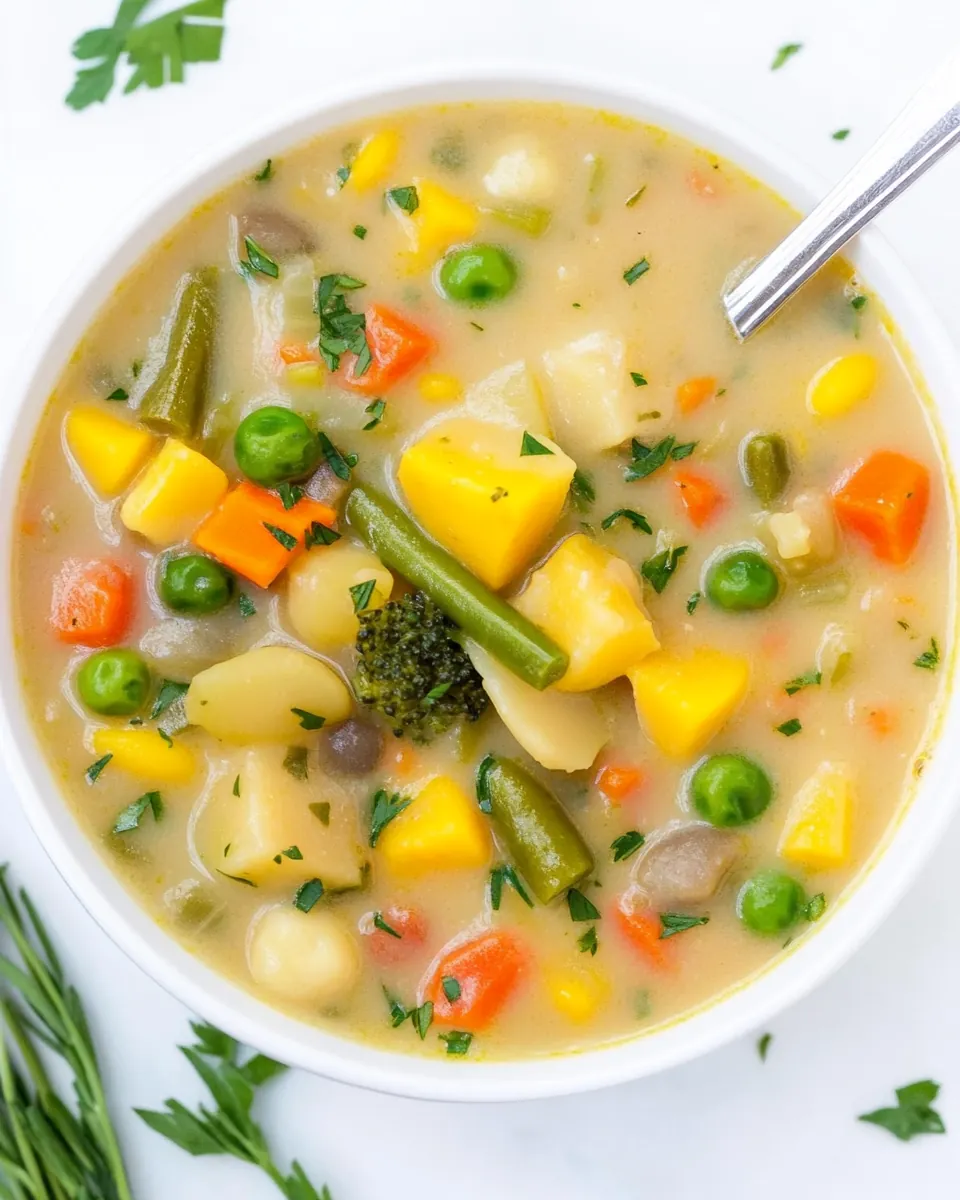
Vegetable Chowder
Vegetable Chowder is the kind of bowl I reach for when the air turns crisp and I want something comforting yet bright. The first time I made it, I was coming in from a blustery walk, hands cold and cheeks flushed, and the warm, savory aroma from the pot felt like an immediate welcome. That initial spoonful, rich and creamy without cream, convinced me this was a recipe to keep on repeat whenever winter evenings arrive.
Over the years I have tweaked this Vegetable Chowder to suit quick weeknight rhythms and relaxed weekend cooking sessions alike. There are nights I chop vegetables while a podcast plays, and other times I let the rhythm of stirring become a small ritual after a long day. I love that it balances hearty textures with bright, vegetal notes, and that it stores beautifully for lunches the next day. Each batch tells a little story of the vegetables I had on hand and the mood I was in, and somehow that makes every pot feel personal.
Recipe Snapshot
50 mins
25 mins
25 mins
Medium
250 kcal
American
Vegan, Gluten-Free
Soups
Stockpot, High speed blender
What We Adore About This Vegetable Chowder
Hearty and Satisfying Without Dairy
I adore this recipe because it achieves a creamy, silky mouthfeel using raw cashews and a touch of nutritional yeast, so you don’t miss the dairy. The cashew cream gives body and a subtle nutty warmth, while the miso and tamari layer in savory depth. For someone who prefers plant based meals, that balance between richness and freshness is a constant win for me.
Vegetable Forward, Flexible, and Accessible
This Vegetable Chowder is wonderfully adaptable. I often swap in whatever vegetables are in season, and frozen peas, green beans, and corn keep it quick without sacrificing texture. The recipe’s structure lets you riff easily, so I’ll change the pot based on what’s in the fridge, and it still sings.
Comfort Food That Feels Light
Even on nights when I want comfort, I don’t want heaviness. The broth plus blended cashews create that comforting viscosity while keeping the finish clean. The addition of garbanzo beans adds body and plant based protein, making it satisfying for dinner without weighing you down.
Simple Technique, Big Results
The technique is straightforward, so I can chat with guests or tidy the kitchen as it simmers. Sautéing onion and carrot slowly builds flavor, and then a gentle simmer brings the vegetables to a tender, cohesive finish. That small time investment at the beginning always pays off in aroma and depth.
Great for Meal Prep and Leftovers
I love storing extra tubs of this chowder. It reheats beautifully, and the flavors continue to meld. If I’m planning lunches, I make a double batch and it makes weekday mornings much easier. You get a comforting, complete meal in minutes the next day.
Ingredients Required for Vegetable Chowder
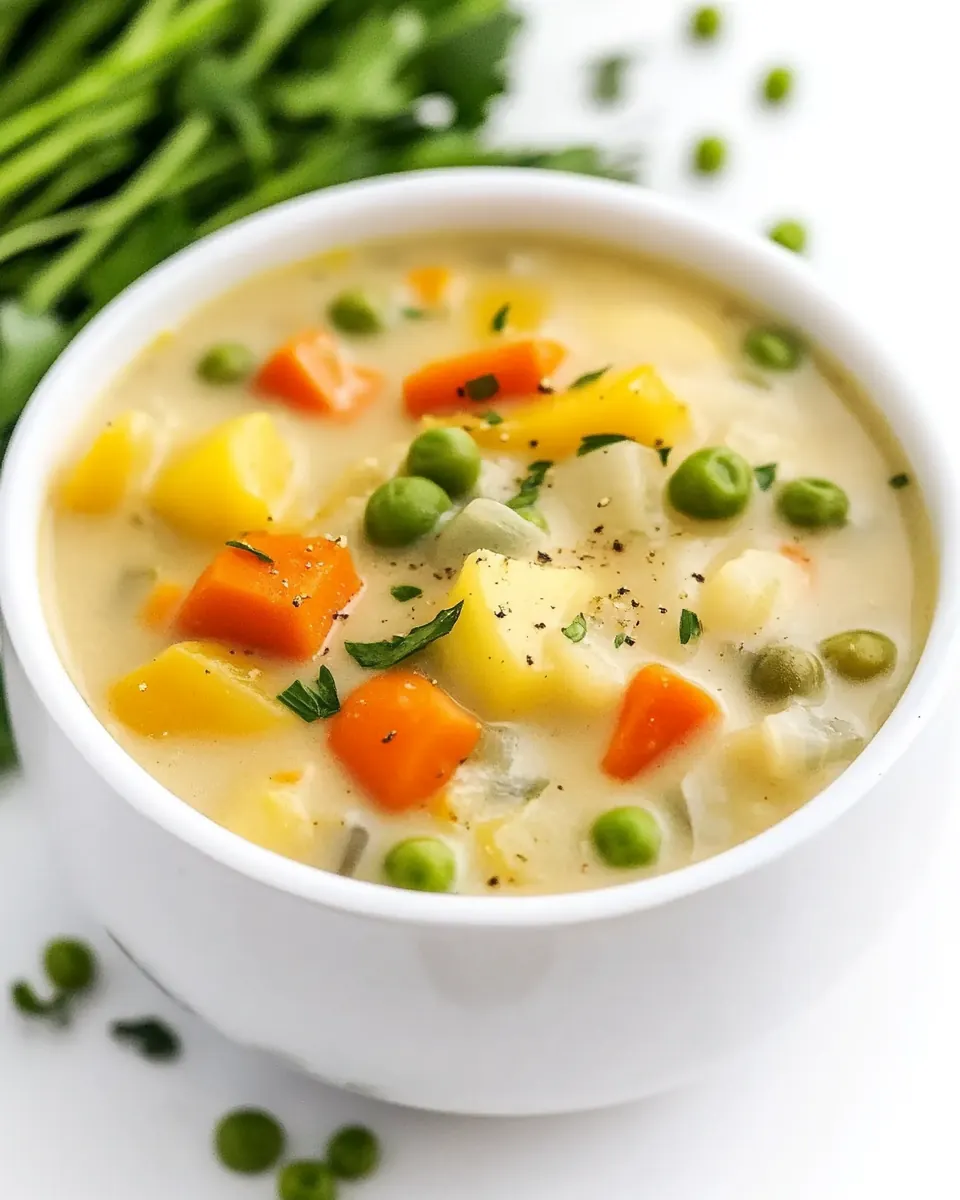
This lineup leans into a plant forward philosophy: starchy potato and blended cashews provide creaminess and body, while a mix of fresh and frozen vegetables deliver texture and brightness. Aromatics like onion and garlic build the savory backbone, and pantry items such as vegetable broth, tamari, and nutritional yeast round out the flavor profile. Together these ingredients create a chowder that feels indulgent yet wholesome, with each component playing a clear role.
- 1 small yellow onion: Sauté gently to develop sweetness and form the aromatic base that supports the chowder’s overall flavor profile; finely dice for even cooking and maximum flavor release during the initial sauté stage.
- 1 medium carrot: Grate or dice finely to add natural sweetness, subtle texture, and color contrast; simmer until tender so it integrates smoothly with the potato base and enhances mouthfeel.
- 8 oz . gold potato: Cube evenly to provide the starchy backbone and creamy texture when simmered; cook until fork-tender so it partially breaks down and thickens the chowder naturally.
- 4 cloves garlic: Mince finely to release pungent, savory aromatics that brighten the chowder; add near the beginning of cooking to infuse oil and broth with depth.
- 3 1/2 cups vegetable broth: Simmer steadily to cook vegetables and form the liquid medium for the chowder; use as the primary cooking liquid and adjust amount for desired thickness.
- 15 oz . can garbanzo beans: Drain and rinse before adding to contribute protein, creaminess, and a slightly nutty flavor; add partway through cooking to warm through without falling apart completely.
- 1 cup sweet peas (I use frozen): Fold in toward the end of cooking to contribute bursts of sweetness, color, and a tender pop; if frozen, add from frozen and cook until heated through.
- 1 cup cut green beans (I use frozen): Add for vegetal texture and bite, contributing color and a fresh snap; if frozen, stir in later in the cook to preserve texture.
- 1 cup sweet corn (I use frozen): Stir in for sweet kernels and crisp texture that balance the chowder’s savory elements; add near the end to avoid overcooking and maintain sweetness.
- 1/2 tsp . Italian seasoning: Sprinkle during simmering to infuse a fragrant blend of herbs that complements the vegetables; measure carefully to avoid overpowering the dish.
- Garnish (): chives, fresh parsley (optional): Chop finely and scatter as a final touch to add freshness, mild oniony or herbaceous notes, and visual appeal; add just before serving to preserve bright flavor.
- 3/4 cup raw cashews, soaked: Soak until soft and then blend to create a rich, creamy, dairy-free base that thickens and lends silkiness to the chowder; ensure fully hydrated for smooth blending.
- 1 cup water: Measure and add to loosen blended cashews as needed and create the desired creamy consistency when pureed; use warm water for easier blending and integration.
- 2 1/2 tbsp . nutritional yeast: Whisk into blended cream to add savory, cheesy, and umami depth while enhancing mouthfeel; dissolve thoroughly to avoid grit in the finished chowder.
- 1 tbsp . tamari: Stir in to provide salty, savory complexity and amplify umami, helping to round out flavors; taste and adjust for balance against other seasonings.
- 2 tsp . cornstarch: Mix with a small amount of liquid to create a slurry that thickens the chowder without lumps when heated; add gradually while simmering to reach desired thickness.
- 2 tsp . white miso () (optional): Optional: dissolve into the creamy base to contribute deep, fermented umami and saltiness that enhances richness; use sparingly and taste as miso can be quite potent.
How to Make Vegetable Chowder
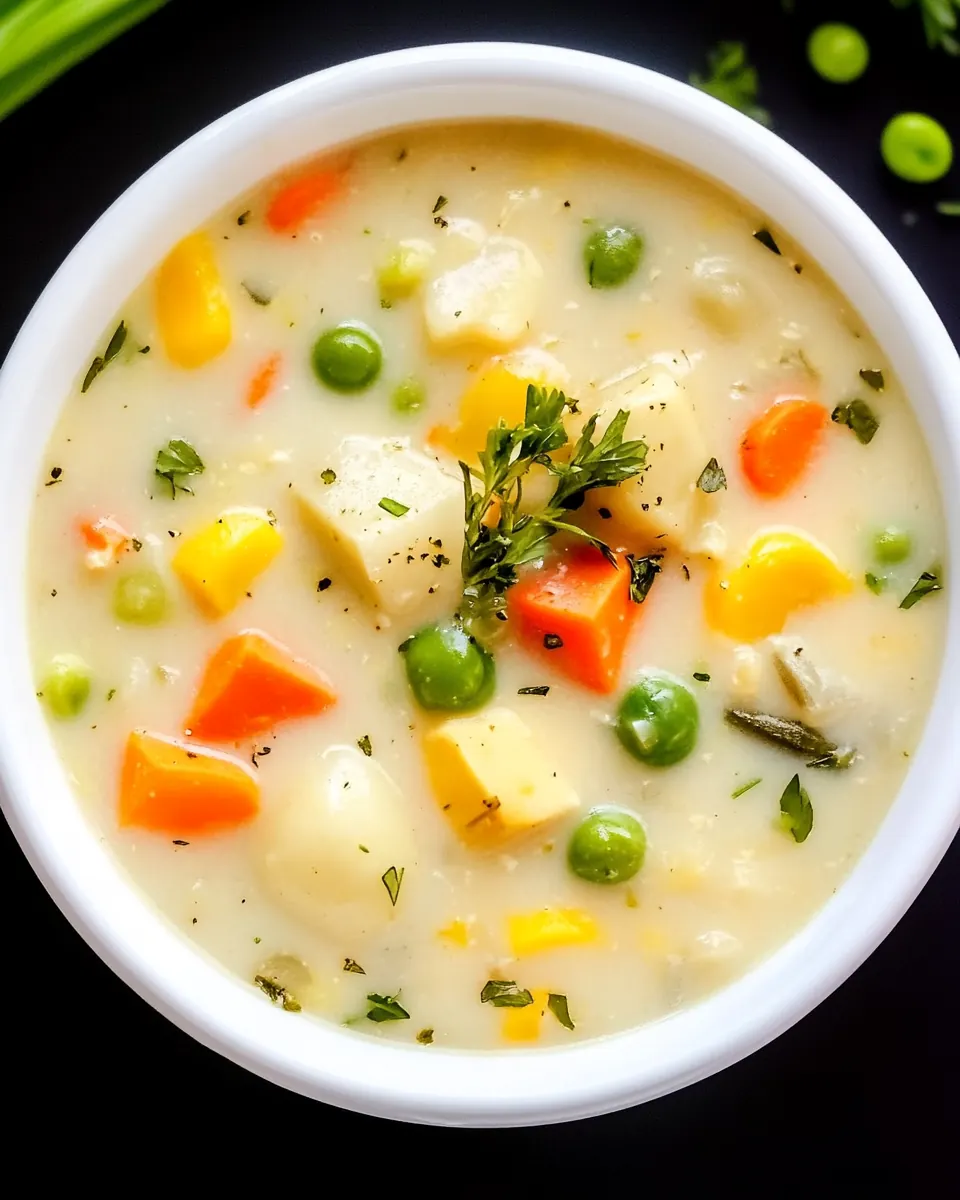
I like to approach this chowder as a relaxed conversation between vegetables and a creamy binder. The steps are straightforward, and each stage builds flavor and texture so the final bowl feels cohesive. Follow the process, listen for auditory cues, and watch the vegetables for visual readiness.
- Prepare veggies: Dice onion, carrot, and potato. Mince garlic.: The kitchen will smell fresh and slightly sweet as you chop the onion and carrot , with the potato giving a neutral, earthy aroma. Uniform dice ensures even cooking, so aim for similar sized pieces which will soften at the same rate. When you mince the garlic , you should notice a sharp, pungent scent that mellows when cooked. A common mistake here is uneven chopping, which leads to some pieces being underdone while others fall apart, so take a few extra minutes to match sizes and keep your knife technique steady.
- Begin soup: In a stockpot over medium-high heat, sauté onion and carrot for 7-8 minutes. (I use 3 Tbsp. water/broth for no-oil sauté method, adding more as needed.) When onion is soft, add potato, garlic, and Italian seasoning. Stir and sauté 2-3 minutes.: You will hear a gentle sizzle as the vegetables hit the pot, and the smell of caramelizing onion and carrot becomes sweet and savory. Using a no oil method with small amounts of water or broth keeps the pan from drying out while still allowing the edges to soften and pick up color. Stir frequently so the pieces cook evenly and do not stick. If you rush the heat too high, the vegetables can brown unevenly or burn, imparting bitter notes. Add the potato , garlic , and Italian seasoning after the initial sauté; the garlic will become fragrant during the next few minutes without turning bitter.
- Cook soup: Add broth, garbanzo beans (rinsed and drained), peas, green beans, and corn. Bring to a light boil. Then cover, reduce heat, and simmer for 20 minutes.: When you add the vegetable broth and canned garbanzo beans , the pot will release a warm, savory steam and the liquid will take on a deeper color. Bring the mixture to a gentle boil, then reduce to a simmer; you want soft, yielding vegetables but not a frantic rolling boil. As it simmers, the potato releases starch which helps the body of the chowder, and the garbanzo beans plump and contribute heartiness. Simmer time is critical: too short and potatoes remain firm, too long and vegetables can disintegrate. Keep the lid partially on to control evaporation, and skim any foam or scum that may collect to keep flavors clean.
- Make cashew cream: Meanwhile, place all cashew cream ingredients in a small high-speed blender. (I use a NutriBullet which works great.) Blend for 20-30 seconds until smooth.: While the soup simmers, the blender will hum and the air will fill with a light nutty scent as you turn raw soaked cashews , water, nutritional yeast , tamari , cornstarch, and optional white miso into an opulent cream. Aim for a silky texture about the consistency of heavy cream, with no gritty bits; a high speed blender will produce the best result. If the cream seems gritty, it usually means the cashews were not soaked enough or the blender needs more time or liquid. A smooth cashew cream is essential because it emulsifies with the broth and gives the chowder that satisfying luxurious mouthfeel.
- Combine: After the soup simmers for 20 minutes, add cashew cream. Heat for about 5 minutes, stirring often, until thickened. (The soup will continue to thicken as it sits.) Serve warm with salt & pepper to taste or chopped chives or parsley if desired.: As you stir the cashew cream into the simmering pot, you will notice the broth become creamier and take on a slightly glossy sheen. Gentle, frequent stirring helps the cashew cream integrate smoothly and prevents scorching on the bottom. Allow about five minutes of gentle heating to activate the cornstarch and coax the chowder to a pleasing thickness; it will continue to become richer as it rests. A typical error here is turning the heat too high which can separate the cream or reduce the broth too quickly. Taste now and adjust seasoning with a little more tamari or salt if needed, and finish with chopped chives or fresh parsley for freshness.
Tips for Success
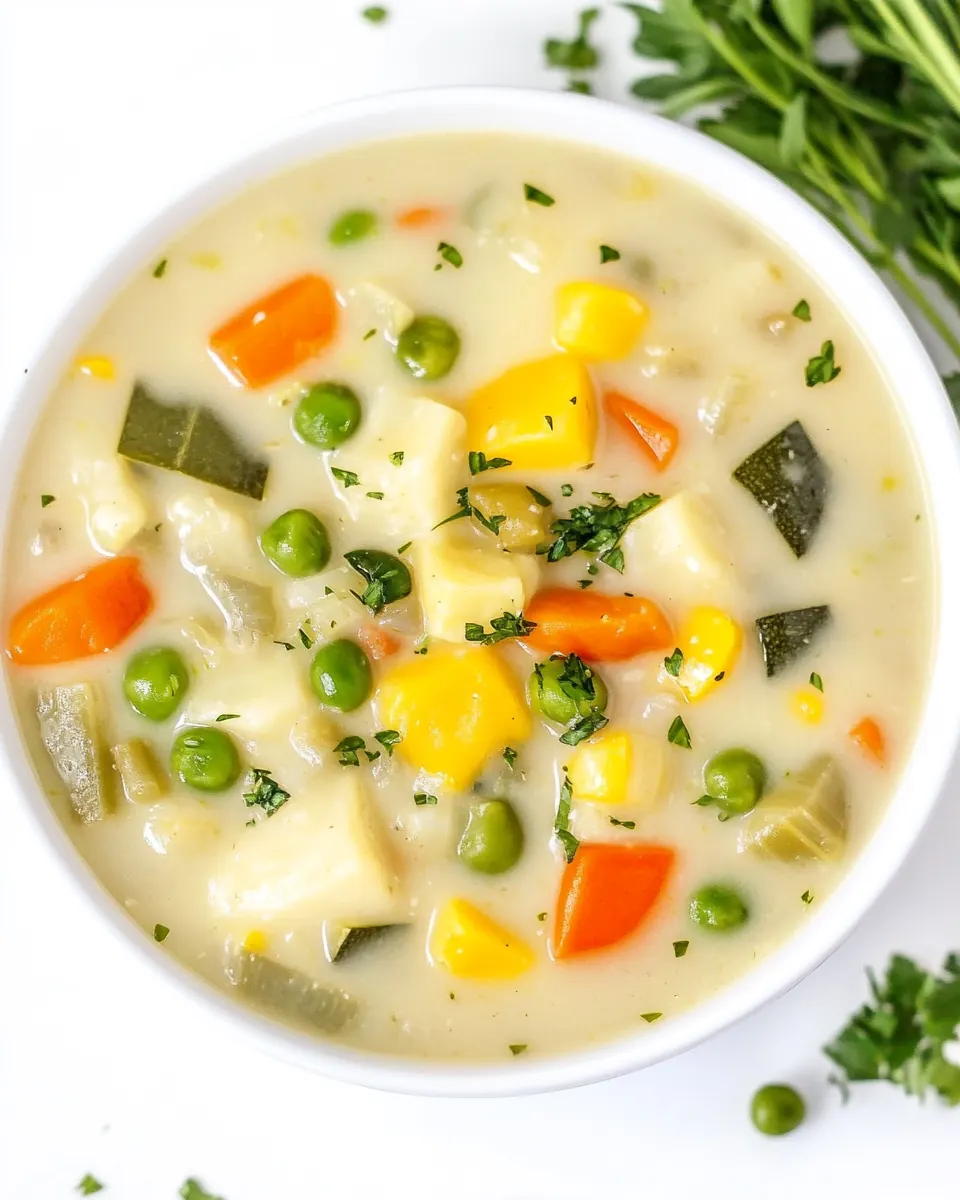
These tips are drawn from years of kitchen trial and error. They focus on texture, seasoning, and timing so your Vegetable Chowder comes out creamy and balanced every time.
- Soak cashews fully before blending to avoid grainy texture; a quick hot soak for 10 to 15 minutes works well if you are short on time.
- Rinse canned beans thoroughly to remove excess sodium and preservatives that can dull the chowder’s natural flavors.
- Add frozen veggies at the end of the simmer to preserve their bright color and slight bite instead of letting them go mushy.
- Use medium heat for sautéing the aromatics so they soften and sweeten without burning; patience here builds depth in the final bowl.
- Taste and adjust with small amounts of tamari or salt at the end, because the cashew cream and broth can concentrate as the chowder reduces.
- Blend thoroughly for a truly smooth cashew cream; if possible, use a high speed blender and scrape the sides for full integration.
- Store properly in airtight containers and reheat gently over low heat, adding a splash of water or broth if it becomes too thick.
What Complements This Vegetable Chowder
This chowder pairs wonderfully with simple, fresh sides and makes a cozy centerpiece for casual dinners or warming lunches. Think easy breads, crisp salads, or pickled accents to cut through the creaminess. It shines during cold weather and is practical for meal prep across the week.
- Crusty bread or dinner rolls for dipping, which soak up the creamy broth and add a toasty contrast.
- Light green salad dressed with a bright vinaigrette to provide acid and crunchy texture against the chowder’s silkiness.
- Pickled vegetables such as quick pickled red onion or cucumbers to introduce tang that balances the richness.
- Lunch or weeknight dinner occasions where you want something filling yet not heavy, the chowder stores and reheats well for leftovers.
- Seasonal pairing for winter, when root vegetables and hearty legumes are at their best, making the bowl feel particularly appropriate and nourishing.
- Storage tips include cooling to room temperature then refrigerating in sealed containers for up to four days, or freezing portions for longer keeps; reheat gently to preserve texture.
FAQ
Conclusion
This Vegetable Chowder stands out for its creamy texture achieved without dairy, its flexibility with seasonal vegetables, and the comforting balance of savory and sweet elements. I encourage you to try it on a chilly evening, and to play with the vegetables you have on hand to make it your own. It’s forgiving, stores well, and consistently delivers a satisfying, warming bowl that feels both nourishing and a touch indulgent.
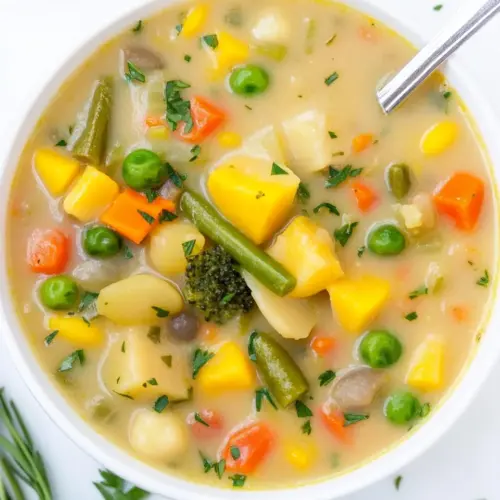
Vegetable Chowder
Equipment
- Stockpot
- High Speed Blender
Ingredients
- 1 small yellow onion Sauté gently to develop sweetness and form the aromatic base that supports the chowder’s overall flavor profile; finely dice for even cooking and maximum flavor release during the initial sauté stage.
- 1 medium carrot Grate or dice finely to add natural sweetness, subtle texture, and color contrast; simmer until tender so it integrates smoothly with the potato base and enhances mouthfeel.
- 8 oz . gold potato Cube evenly to provide the starchy backbone and creamy texture when simmered; cook until fork-tender so it partially breaks down and thickens the chowder naturally.
- 4 cloves garlic Mince finely to release pungent, savory aromatics that brighten the chowder; add near the beginning of cooking to infuse oil and broth with depth.
- 3 1/2 cups vegetable broth Simmer steadily to cook vegetables and form the liquid medium for the chowder; use as the primary cooking liquid and adjust amount for desired thickness.
- 15 oz . can garbanzo beans Drain and rinse before adding to contribute protein, creaminess, and a slightly nutty flavor; add partway through cooking to warm through without falling apart completely.
- 1 cup sweet peas (I use frozen) Fold in toward the end of cooking to contribute bursts of sweetness, color, and a tender pop; if frozen, add from frozen and cook until heated through.
- 1 cup cut green beans (I use frozen) Add for vegetal texture and bite, contributing color and a fresh snap; if frozen, stir in later in the cook to preserve texture.
- 1 cup sweet corn (I use frozen) Stir in for sweet kernels and crisp texture that balance the chowder’s savory elements; add near the end to avoid overcooking and maintain sweetness.
- 1/2 tsp . Italian seasoning Sprinkle during simmering to infuse a fragrant blend of herbs that complements the vegetables; measure carefully to avoid overpowering the dish.
- Garnish (optional): chives, fresh parsley Chop finely and scatter as a final touch to add freshness, mild oniony or herbaceous notes, and visual appeal; add just before serving to preserve bright flavor.
- 3/4 cup raw cashews, soaked Soak until soft and then blend to create a rich, creamy, dairy-free base that thickens and lends silkiness to the chowder; ensure fully hydrated for smooth blending.
- 1 cup water Measure and add to loosen blended cashews as needed and create the desired creamy consistency when pureed; use warm water for easier blending and integration.
- 2 1/2 tbsp . nutritional yeast Whisk into blended cream to add savory, cheesy, and umami depth while enhancing mouthfeel; dissolve thoroughly to avoid grit in the finished chowder.
- 1 tbsp . tamari Stir in to provide salty, savory complexity and amplify umami, helping to round out flavors; taste and adjust for balance against other seasonings.
- 2 tsp . cornstarch Mix with a small amount of liquid to create a slurry that thickens the chowder without lumps when heated; add gradually while simmering to reach desired thickness.
- 2 tsp . white miso (optional) Optional: dissolve into the creamy base to contribute deep, fermented umami and saltiness that enhances richness; use sparingly and taste as miso can be quite potent.
Instructions
- Prepare veggies: Dice onion, carrot, and potato. Mince garlic.: The kitchen will smell fresh and slightly sweet as you chop the onion and carrot , with the potato giving a neutral, earthy aroma. Uniform dice ensures even cooking, so aim for similar sized pieces which will soften at the same rate. When you mince the garlic , you should notice a sharp, pungent scent that mellows when cooked. A common mistake here is uneven chopping, which leads to some pieces being underdone while others fall apart, so take a few extra minutes to match sizes and keep your knife technique steady.
- Begin soup: In a stockpot over medium-high heat, sauté onion and carrot for 7-8 minutes. (I use 3 Tbsp. water/broth for no-oil sauté method, adding more as needed.) When onion is soft, add potato, garlic, and Italian seasoning. Stir and sauté 2-3 minutes.: You will hear a gentle sizzle as the vegetables hit the pot, and the smell of caramelizing onion and carrot becomes sweet and savory. Using a no oil method with small amounts of water or broth keeps the pan from drying out while still allowing the edges to soften and pick up color. Stir frequently so the pieces cook evenly and do not stick. If you rush the heat too high, the vegetables can brown unevenly or burn, imparting bitter notes. Add the potato , garlic , and Italian seasoning after the initial sauté; the garlic will become fragrant during the next few minutes without turning bitter.
- Cook soup: Add broth, garbanzo beans (rinsed and drained), peas, green beans, and corn. Bring to a light boil. Then cover, reduce heat, and simmer for 20 minutes.: When you add the vegetable broth and canned garbanzo beans , the pot will release a warm, savory steam and the liquid will take on a deeper color. Bring the mixture to a gentle boil, then reduce to a simmer; you want soft, yielding vegetables but not a frantic rolling boil. As it simmers, the potato releases starch which helps the body of the chowder, and the garbanzo beans plump and contribute heartiness. Simmer time is critical: too short and potatoes remain firm, too long and vegetables can disintegrate. Keep the lid partially on to control evaporation, and skim any foam or scum that may collect to keep flavors clean.
- Make cashew cream: Meanwhile, place all cashew cream ingredients in a small high-speed blender. (I use a NutriBullet which works great.) Blend for 20-30 seconds until smooth.: While the soup simmers, the blender will hum and the air will fill with a light nutty scent as you turn raw soaked cashews , water, nutritional yeast , tamari , cornstarch, and optional white miso into an opulent cream. Aim for a silky texture about the consistency of heavy cream, with no gritty bits; a high speed blender will produce the best result. If the cream seems gritty, it usually means the cashews were not soaked enough or the blender needs more time or liquid. A smooth cashew cream is essential because it emulsifies with the broth and gives the chowder that satisfying luxurious mouthfeel.
- Combine: After the soup simmers for 20 minutes, add cashew cream. Heat for about 5 minutes, stirring often, until thickened. (The soup will continue to thicken as it sits.) Serve warm with salt & pepper to taste or chopped chives or parsley if desired.: As you stir the cashew cream into the simmering pot, you will notice the broth become creamier and take on a slightly glossy sheen. Gentle, frequent stirring helps the cashew cream integrate smoothly and prevents scorching on the bottom. Allow about five minutes of gentle heating to activate the cornstarch and coax the chowder to a pleasing thickness; it will continue to become richer as it rests. A typical error here is turning the heat too high which can separate the cream or reduce the broth too quickly. Taste now and adjust seasoning with a little more tamari or salt if needed, and finish with chopped chives or fresh parsley for freshness.
Notes
- Soak cashews fully before blending to avoid grainy texture; a quick hot soak for 10 to 15 minutes works well if you are short on time.
- Rinse canned beans thoroughly to remove excess sodium and preservatives that can dull the chowder’s natural flavors.
- Add frozen veggies at the end of the simmer to preserve their bright color and slight bite instead of letting them go mushy.
- Use medium heat for sautéing the aromatics so they soften and sweeten without burning; patience here builds depth in the final bowl.
- Taste and adjust with small amounts of tamari or salt at the end, because the cashew cream and broth can concentrate as the chowder reduces.
- Blend thoroughly for a truly smooth cashew cream; if possible, use a high speed blender and scrape the sides for full integration.
- Store properly in airtight containers and reheat gently over low heat, adding a splash of water or broth if it becomes too thick.