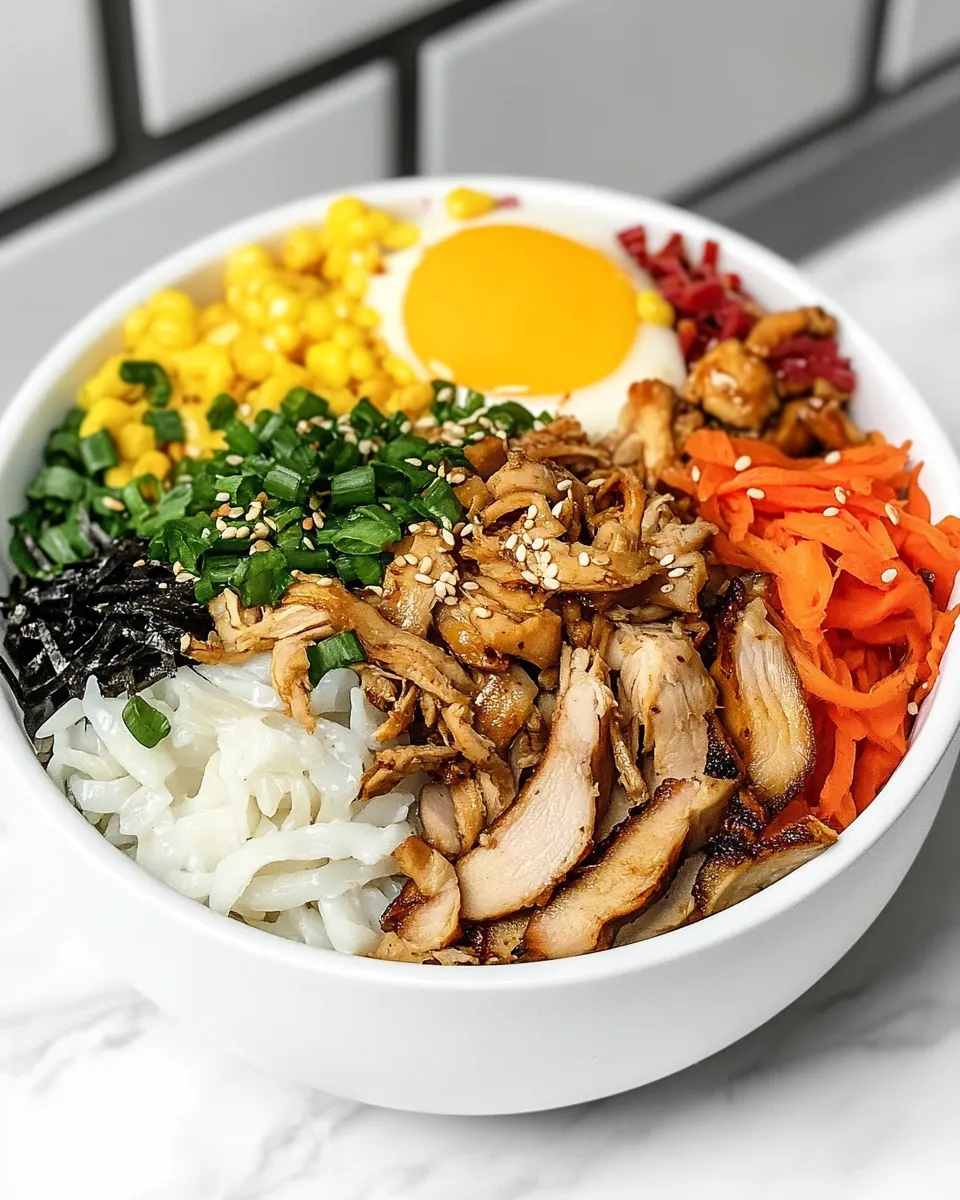
Leftover Turkey Bibimbap Buddha Bowl
Leftover Turkey Bibimbap Buddha Bowl became my go to after a big holiday, when the fridge brimmed with roast turkey and I wanted something bright and quick that did not feel like reheated leftovers.
That first time I tossed everything together I was skeptical, but the mix of warm white rice, tangy Gochujang Drizzle, tender shredded leftover Thanksgiving turkey, and crisp raw fresh veggies gave each bite a new life. I remember the sound of the skillet as I wilted the fresh spinach, the aromatic steam rising, and how the runny eggs pulled everything into a single comforting mouthful.
Since then I reach for this bowl whenever I want an easy weeknight dinner that feels thoughtful. It’s forgiving, so you can change the crunchy topping to what you have on hand, and it rewards little extras like a quick pan fried large eggs or a longer marinate for the turkey. I like that it invites experimentation while staying reliably delicious.
Recipe Snapshot
20 mins
15 mins
5 mins
Easy
600 kcal
American
Gluten-Free, Paleo
Dinner
Skillet, Mixing bowl
Why We Love This Leftover Turkey Bibimbap Buddha Bowl
Versatile Use of Leftovers
I love how Leftover Turkey Bibimbap Buddha Bowl turns yesterday’s feast into a fresh meal, with the leftover Thanksgiving turkey absorbing the bold flavors of the Gochujang Drizzle. It feels creative without being fussy, which makes me reach for it on busy evenings.
Balanced Textures and Flavors
The contrast between warm white rice, silky yolks from the large eggs, crisp fresh veggies, and crunchy topping brings satisfying variety in every bite. I find that combining these textures keeps the bowl interesting from the first spoonful to the last.
Speed and Simplicity
I appreciate recipes that respect limited time. With quick stir fry of fresh spinach and a fast egg fry, this bowl comes together rapidly, which is ideal for an easy weeknight dinner. The steps are straightforward, so I usually have my family eating in under half an hour.
Customizable and Pantry Friendly
You can tailor this bowl to what’s on hand. The crunchy topping can be swapped based on what you prefer, and the dish welcomes extra veggies or different grain bases. That adaptability means it rarely feels repetitive to me.
Comfort with a Kick
The Gochujang Drizzle injects umami and gentle heat, lifting the whole bowl and making leftovers feel purposeful. I like how that boldness pairs with the milder flavors, creating a balanced and memorable meal.
What Goes Into Leftover Turkey Bibimbap Buddha Bowl
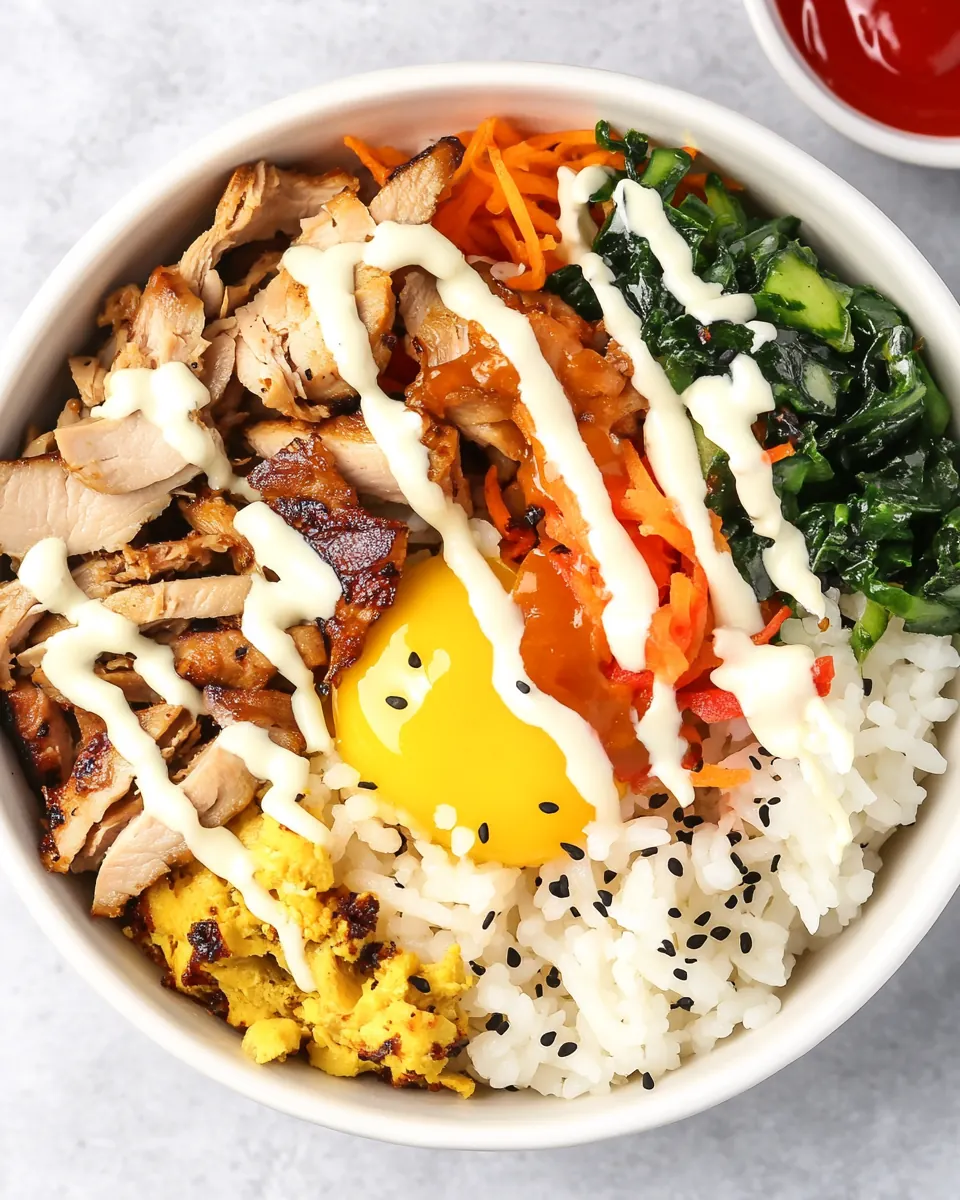
These ingredients are about harmony and practicality. The bowl combines a starchy foundation, a protein element, bright greens, raw crispness, and a finishing crunch. The key players are the white rice for comfort and structure, the leftover Thanksgiving turkey for savory depth, the Gochujang Drizzle for tang and heat, and the large eggs for richness that ties everything together.
- Gochujang Drizzle: Add bold, spicy umami to the bowl with a tangy, slightly sweet gochujang drizzle that ties flavors together. Use sparingly to control heat and balance salty notes from other components. Spoon over rice and toppings just before serving for vibrant color and a glossy finish.
- leftover Thanksgiving turkey: Incorporate shredded leftover Thanksgiving turkey for savory, protein-rich bites that make the bowl hearty and satisfying. Reheat gently to preserve moisture and toss with a touch of soy or sesame oil if needed for extra flavor. Scatter across the bowl to provide textural contrast against vegetables and rice.
- 2 cups white rice cooked: Provide a comforting, neutral base with two cups of cooked white rice that soaks up sauces and juices. Keep rice warm and slightly fluffy so grains separate and support the toppings evenly. Pack into bowls first to create the foundation for layering other ingredients.
- 3 packed cups fresh spinach: Introduce bright, tender greens with three packed cups of fresh spinach to add color, nutrients, and a slight peppery note. Wilt lightly with residual heat from rice or enjoy fresh for a crisp texture contrast. Use as a bed or mixed throughout for balanced bites and added vitamins.
- 4 large eggs fried: Add rich, runny yolks and crisp-edged whites with four large fried eggs to boost creaminess and savory depth. Fry to desired doneness so yolks can mingle with rice and gochujang for saucy richness. Place eggs atop each bowl to create a visually appealing centerpiece.
- fresh veggies, sliced thinly like cucumber, radish, or carrots: Offer crunchy, refreshing texture with thinly sliced fresh veggies like cucumber, radish, or carrots to brighten flavors and add crispness. Slice uniformly for easy eating and to distribute fresh bites across the bowl. Use raw for snap and high water content that offsets richer elements.
- crunchy topping like fried shallots or peanuts: Sprinkle an irresistible crunch and toasted flavor with a crunchy topping such as fried shallots or peanuts to finish the dish. Add at the end to preserve crispness and introduce contrast to softer components. Use a small handful per bowl to enhance aroma and mouthfeel.
Leftover Turkey Bibimbap Buddha Bowl Instructions
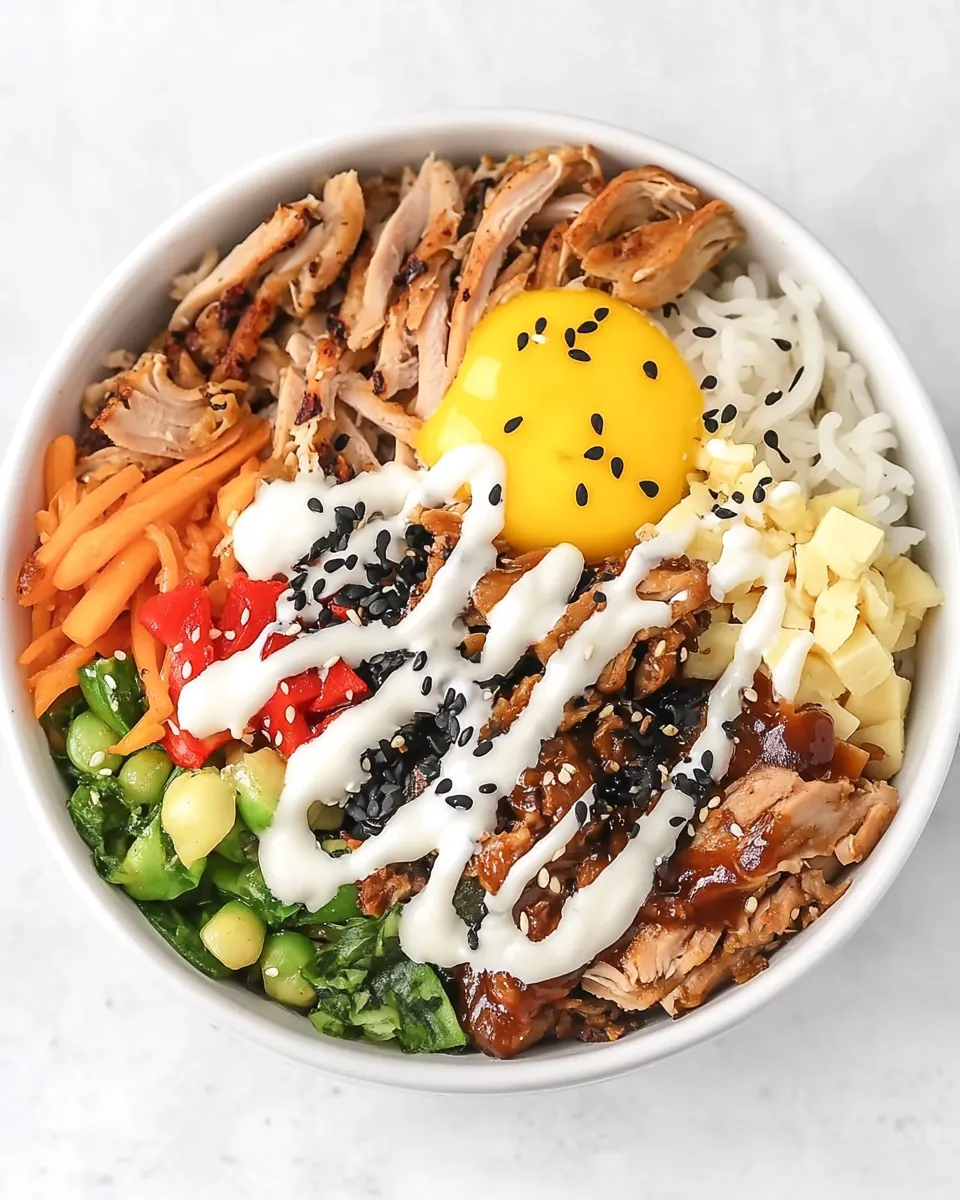
These steps are simple but focused on good technique and timing, so the bowl comes together with balanced textures. I like to prep elements while others cook, and keep the pan work quick so everything stays vibrant.
- In a medium bowl, whisk the Gochujang Drizzle. Add in the leftover turkey to the bowl and let marinate on counter while you continue with recipe.: The aroma of the sauce should be bold and slightly sweet, with a peppery heat that wakes up your senses. Whisking helps emulsify any oil and creates a glossy sauce that will cling to the leftover Thanksgiving turkey . If the drizzle seems too thick, add a splash of warm water to loosen it. Common mistake to avoid, is adding cold water which can make the sauce separate; use room temperature liquid for a smooth texture.
- Put pan over medium-high heat. When hot, drizzle in just a little cooking oil. Add in the spinach and stir fry, tossing frequently, for 2 minutes, until spinach is wilted. Remove spinach to plate and set aside.: Letting the leftover Thanksgiving turkey sit for a few minutes lets the flavors penetrate the meat, so bites later have consistent seasoning. You should notice the turkey take on a slightly darker, glazed look as it soaks up the drizzle. Avoid marinating it for too long at room temperature, more than thirty minutes, which risks safety and texture issues.
- Wipe pan clean. Return same pan to medium heat. When hot, swirl in cooking oil. Crack in the eggs and cook without stirring for 3 minutes or until the egg whites are set on the edges. Cover pan, reduce heat to medium-low and cook for an additional 1-2 minutes until the egg whites are cooked through and the yolks still runny. Remove from pan to a plate, and set aside.: When the pan becomes hot it will give an immediate sizzle when you add oil, which is the cue the surface is ready. The sound of the oil popping gently tells you the pan temperature is correct for rapid stir fry. A frequent error is using too low heat, which leads to steaming rather than quick searing, producing limp greens instead of vibrant, slightly charred leaves.
- Evenly divide the rice, turkey, spinach and veggies between four bowls. Top each bowl with a fried egg.: The oil should shimmer but not smoke, releasing a faint toasted scent. Using a modest amount prevents the fresh spinach from becoming greasy and supports quick, even wilting. Too much oil can drown the spinach and leave the bowl heavy, so err on the light side.
- Add in the spinach and stir fry, tossing frequently, for 2 minutes, until spinach is wilted: You will see the leaves rapidly shrink and turn a glossy deep green, releasing a fresh vegetal aroma. Tossing ensures even cooking and prevents any leaves from scorching. Overcooking is common, resulting in a soggy texture, so remove the greens the instant they soften and collapse.
- Remove spinach to plate and set aside: Letting the cooked fresh spinach rest on a plate allows residual heat to finish gentle cooking without continuing to steam in the pan. This keeps the leaves tender and avoids turning them into an indistinct mush. Avoid piling them too high which can trap steam and overcook them further.
- Wipe pan clean: Removing cooked bits ensures the next item fries in a clean surface, preventing burnt residue flavors from affecting the delicate large eggs . A dry paper towel or quick rinse and dry is fine. A frequent oversight is leaving burnt bits in the pan, which can impart bitterness when you fry eggs.
- Return same pan to medium heat: Using the same pan keeps flavors consistent and warms the metal so the large eggs hit an even surface. The pan should feel hot to the touch from a short distance, and a drop of water will dance when the temperature is right. Cook on too low heat and the eggs will spread thin and not develop those appealing cooked edges.
- When hot, swirl in cooking oil: The oil should coat the surface in a thin, shimmering layer, producing a soft sizzle when the eggs hit the pan. This step supports a golden edge and prevents sticking. Using excessive oil can make eggs greasy, while too little leads to tearing when you try to remove them.
- Crack in the eggs and cook without stirring for 3 minutes or until the egg whites are set on the edges: You will hear a gentle sizzle and see the whites firm around the edges while the centers remain glossy. That contrast creates tender whites and a luscious interior. A common mistake is poking or moving eggs too early which interrupts the set and leads to uneven doneness.
- Cover pan, reduce heat to medium-low and cook for an additional 1 to 2 minutes until the egg whites are cooked through and the yolks still runny: The cover traps steam, finishing the tops without flipping, which keeps the yolks intact and runny. Look for whites that are fully opaque and yolks that still jiggle slightly. Leaving them covered too long produces hard yolks, changing the bowl’s creamy finish.
- Remove from pan to a plate, and set aside: Resting the eggs keeps them warm while you assemble the bowls, and prevents bleeding of yolk into the pan. The glossy golden yolk will remain intact, ready to be broken into the bowl. Avoid stacking eggs which can break the delicate yolks prematurely.
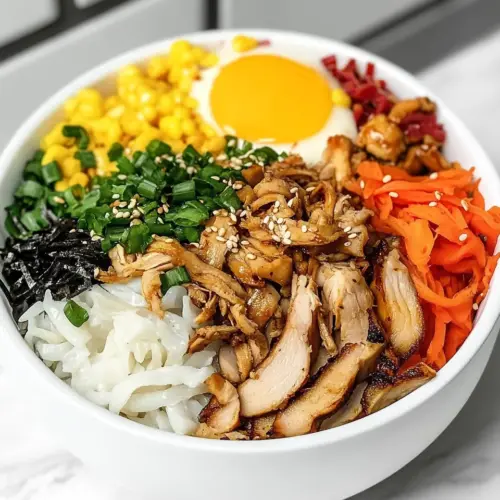
- Evenly divide the rice, turkey, spinach and veggies between four bowls: Arrange the white rice as a base, then add the marinated leftover Thanksgiving turkey , the wilted fresh spinach , and the crisp sliced fresh veggies in separate sections for a visually appealing bowl. This layering keeps textures distinct until mixed. A mistake to avoid is overcrowding the bowl, which makes it hard to get all textures in a single bite.
- Top each bowl with a fried egg: Placing a warm fried large eggs on top creates a molten yolk that binds the components when pierced. The steam from the egg will slightly warm the ingredients beneath, and the yolk makes a silky sauce. Be careful not to place the egg too early on cool bowls, which can make it lose heat quickly and affect the yolk’s texture.
Expert Tips about Leftover Turkey Bibimbap Buddha Bowl
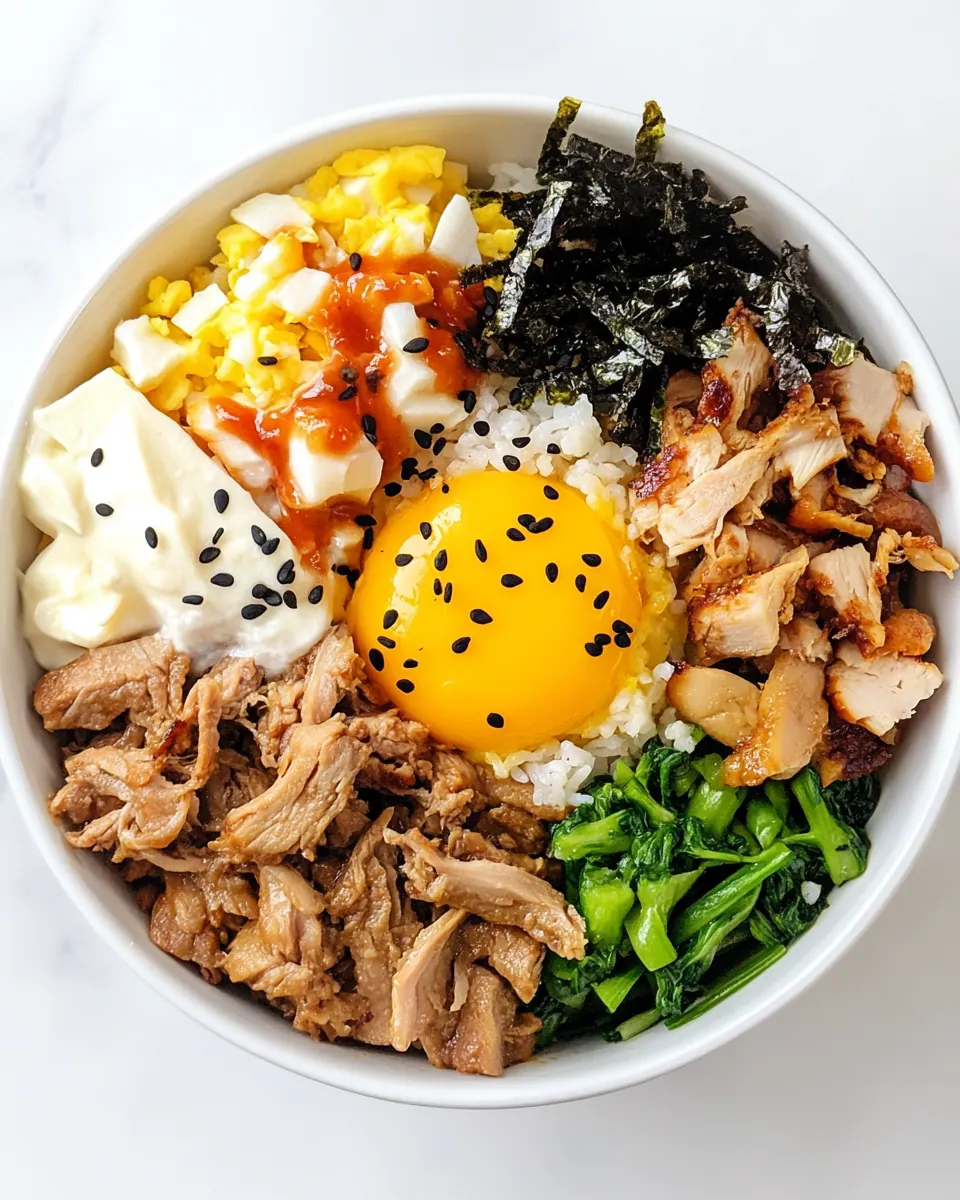
This bowl rewards small attentions to texture and timing. Below are my practical tips that help every component shine.
- Prep ingredients first, chop the fresh veggies, fluff the white rice, and whisk the Gochujang Drizzle before you cook, so assembly is fast and seamless.
- Control pan heat, use medium-high for quick wilting of fresh spinach and medium for frying eggs to ensure crisp edges and tender centers.
- Use room temperature liquids if adjusting sauce consistency, a splash of warm water blends better into the Gochujang Drizzle than cold.
- Keep crunchy topping dry, add it last to maintain texture, especially if you choose fried shallots or nuts.
- Assemble visually, place ingredients in separate sections before placing the large eggs on top, it creates an appealing bowl and keeps textures distinct.
What Goes Well With This Leftover Turkey Bibimbap Buddha Bowl
This bowl is hearty enough for dinner but light enough for lunch. Serve it for casual weeknight dinners, a post holiday meal, or a relaxed weekend lunch. The components travel well for packed lunches if you keep the crunchy topping and eggs separate until serving.
- Serve with a simple side salad of lightly dressed greens for those who want more vegetables alongside the bowl.
- Pair with pickled vegetables to cut richness, a small side of quick pickles brightens the palate between bites.
- Great for lunch or dinner, this bowl scales easily for family meals and is especially handy in the days following Thanksgiving.
- Storage tip, refrigerate components separately in airtight containers for up to three days, keep the crunchy topping in a separate dry container.
- Occasions, this is ideal for casual gatherings or when you want to repurpose holiday leftovers into something fresh and lively.
- Seasonal pairing, the bowl works well in fall when roasted turkey is plentiful, and the brightness of raw veggies keeps it balanced.
FAQ
Conclusion
This recipe shines because it turns leftover turkey into a lively, textured bowl that feels both comforting and fresh. I encourage you to give it a try, especially after holiday meals, because it is fast, forgiving, and deeply satisfying. It’s an easy way to make the most of ingredients you already have while creating something colorful and full of flavor that the whole family will enjoy.
Leftover Turkey Bibimbap Buddha Bowl
Equipment
- Skillet
- Mixing Bowl
Ingredients
- Gochujang Drizzle Add bold, spicy umami to the bowl with a tangy, slightly sweet gochujang drizzle that ties flavors together. Use sparingly to control heat and balance salty notes from other components. Spoon over rice and toppings just before serving for vibrant color and a glossy finish.
- leftover Thanksgiving turkey Incorporate shredded leftover Thanksgiving turkey for savory, protein-rich bites that make the bowl hearty and satisfying. Reheat gently to preserve moisture and toss with a touch of soy or sesame oil if needed for extra flavor. Scatter across the bowl to provide textural contrast against vegetables and rice.
- 2 cups white rice cooked Provide a comforting, neutral base with two cups of cooked white rice that soaks up sauces and juices. Keep rice warm and slightly fluffy so grains separate and support the toppings evenly. Pack into bowls first to create the foundation for layering other ingredients.
- 3 packed cups fresh spinach Introduce bright, tender greens with three packed cups of fresh spinach to add color, nutrients, and a slight peppery note. Wilt lightly with residual heat from rice or enjoy fresh for a crisp texture contrast. Use as a bed or mixed throughout for balanced bites and added vitamins.
- 4 large eggs fried Add rich, runny yolks and crisp-edged whites with four large fried eggs to boost creaminess and savory depth. Fry to desired doneness so yolks can mingle with rice and gochujang for saucy richness. Place eggs atop each bowl to create a visually appealing centerpiece.
- fresh veggies, sliced thinly like cucumber, radish, or carrots Offer crunchy, refreshing texture with thinly sliced fresh veggies like cucumber, radish, or carrots to brighten flavors and add crispness. Slice uniformly for easy eating and to distribute fresh bites across the bowl. Use raw for snap and high water content that offsets richer elements.
- crunchy topping like fried shallots or peanuts Sprinkle an irresistible crunch and toasted flavor with a crunchy topping such as fried shallots or peanuts to finish the dish. Add at the end to preserve crispness and introduce contrast to softer components. Use a small handful per bowl to enhance aroma and mouthfeel.
Instructions
- In a medium bowl, whisk the Gochujang Drizzle. Add in the leftover turkey to the bowl and let marinate on counter while you continue with recipe.: The aroma of the sauce should be bold and slightly sweet, with a peppery heat that wakes up your senses. Whisking helps emulsify any oil and creates a glossy sauce that will cling to the leftover Thanksgiving turkey . If the drizzle seems too thick, add a splash of warm water to loosen it. Common mistake to avoid, is adding cold water which can make the sauce separate; use room temperature liquid for a smooth texture.
- Put pan over medium-high heat. When hot, drizzle in just a little cooking oil. Add in the spinach and stir fry, tossing frequently, for 2 minutes, until spinach is wilted. Remove spinach to plate and set aside.: Letting the leftover Thanksgiving turkey sit for a few minutes lets the flavors penetrate the meat, so bites later have consistent seasoning. You should notice the turkey take on a slightly darker, glazed look as it soaks up the drizzle. Avoid marinating it for too long at room temperature, more than thirty minutes, which risks safety and texture issues.
- Wipe pan clean. Return same pan to medium heat. When hot, swirl in cooking oil. Crack in the eggs and cook without stirring for 3 minutes or until the egg whites are set on the edges. Cover pan, reduce heat to medium-low and cook for an additional 1-2 minutes until the egg whites are cooked through and the yolks still runny. Remove from pan to a plate, and set aside.: When the pan becomes hot it will give an immediate sizzle when you add oil, which is the cue the surface is ready. The sound of the oil popping gently tells you the pan temperature is correct for rapid stir fry. A frequent error is using too low heat, which leads to steaming rather than quick searing, producing limp greens instead of vibrant, slightly charred leaves.
- Evenly divide the rice, turkey, spinach and veggies between four bowls. Top each bowl with a fried egg.: The oil should shimmer but not smoke, releasing a faint toasted scent. Using a modest amount prevents the fresh spinach from becoming greasy and supports quick, even wilting. Too much oil can drown the spinach and leave the bowl heavy, so err on the light side.
- Add in the spinach and stir fry, tossing frequently, for 2 minutes, until spinach is wilted: You will see the leaves rapidly shrink and turn a glossy deep green, releasing a fresh vegetal aroma. Tossing ensures even cooking and prevents any leaves from scorching. Overcooking is common, resulting in a soggy texture, so remove the greens the instant they soften and collapse.
- Remove spinach to plate and set aside: Letting the cooked fresh spinach rest on a plate allows residual heat to finish gentle cooking without continuing to steam in the pan. This keeps the leaves tender and avoids turning them into an indistinct mush. Avoid piling them too high which can trap steam and overcook them further.
- Wipe pan clean: Removing cooked bits ensures the next item fries in a clean surface, preventing burnt residue flavors from affecting the delicate large eggs . A dry paper towel or quick rinse and dry is fine. A frequent oversight is leaving burnt bits in the pan, which can impart bitterness when you fry eggs.
- Return same pan to medium heat: Using the same pan keeps flavors consistent and warms the metal so the large eggs hit an even surface. The pan should feel hot to the touch from a short distance, and a drop of water will dance when the temperature is right. Cook on too low heat and the eggs will spread thin and not develop those appealing cooked edges.
- When hot, swirl in cooking oil: The oil should coat the surface in a thin, shimmering layer, producing a soft sizzle when the eggs hit the pan. This step supports a golden edge and prevents sticking. Using excessive oil can make eggs greasy, while too little leads to tearing when you try to remove them.
- Crack in the eggs and cook without stirring for 3 minutes or until the egg whites are set on the edges: You will hear a gentle sizzle and see the whites firm around the edges while the centers remain glossy. That contrast creates tender whites and a luscious interior. A common mistake is poking or moving eggs too early which interrupts the set and leads to uneven doneness.
- Cover pan, reduce heat to medium-low and cook for an additional 1 to 2 minutes until the egg whites are cooked through and the yolks still runny: The cover traps steam, finishing the tops without flipping, which keeps the yolks intact and runny. Look for whites that are fully opaque and yolks that still jiggle slightly. Leaving them covered too long produces hard yolks, changing the bowl’s creamy finish.
- Remove from pan to a plate, and set aside: Resting the eggs keeps them warm while you assemble the bowls, and prevents bleeding of yolk into the pan. The glossy golden yolk will remain intact, ready to be broken into the bowl. Avoid stacking eggs which can break the delicate yolks prematurely.
- Evenly divide the rice, turkey, spinach and veggies between four bowls: Arrange the white rice as a base, then add the marinated leftover Thanksgiving turkey , the wilted fresh spinach , and the crisp sliced fresh veggies in separate sections for a visually appealing bowl. This layering keeps textures distinct until mixed. A mistake to avoid is overcrowding the bowl, which makes it hard to get all textures in a single bite.
- Top each bowl with a fried egg: Placing a warm fried large eggs on top creates a molten yolk that binds the components when pierced. The steam from the egg will slightly warm the ingredients beneath, and the yolk makes a silky sauce. Be careful not to place the egg too early on cool bowls, which can make it lose heat quickly and affect the yolk’s texture.
Notes
- Prep ingredients first, chop the fresh veggies, fluff the white rice, and whisk the Gochujang Drizzle before you cook, so assembly is fast and seamless.
- Control pan heat, use medium-high for quick wilting of fresh spinach and medium for frying eggs to ensure crisp edges and tender centers.
- Use room temperature liquids if adjusting sauce consistency, a splash of warm water blends better into the Gochujang Drizzle than cold.
- Keep crunchy topping dry, add it last to maintain texture, especially if you choose fried shallots or nuts.
- Assemble visually, place ingredients in separate sections before placing the large eggs on top, it creates an appealing bowl and keeps textures distinct.
