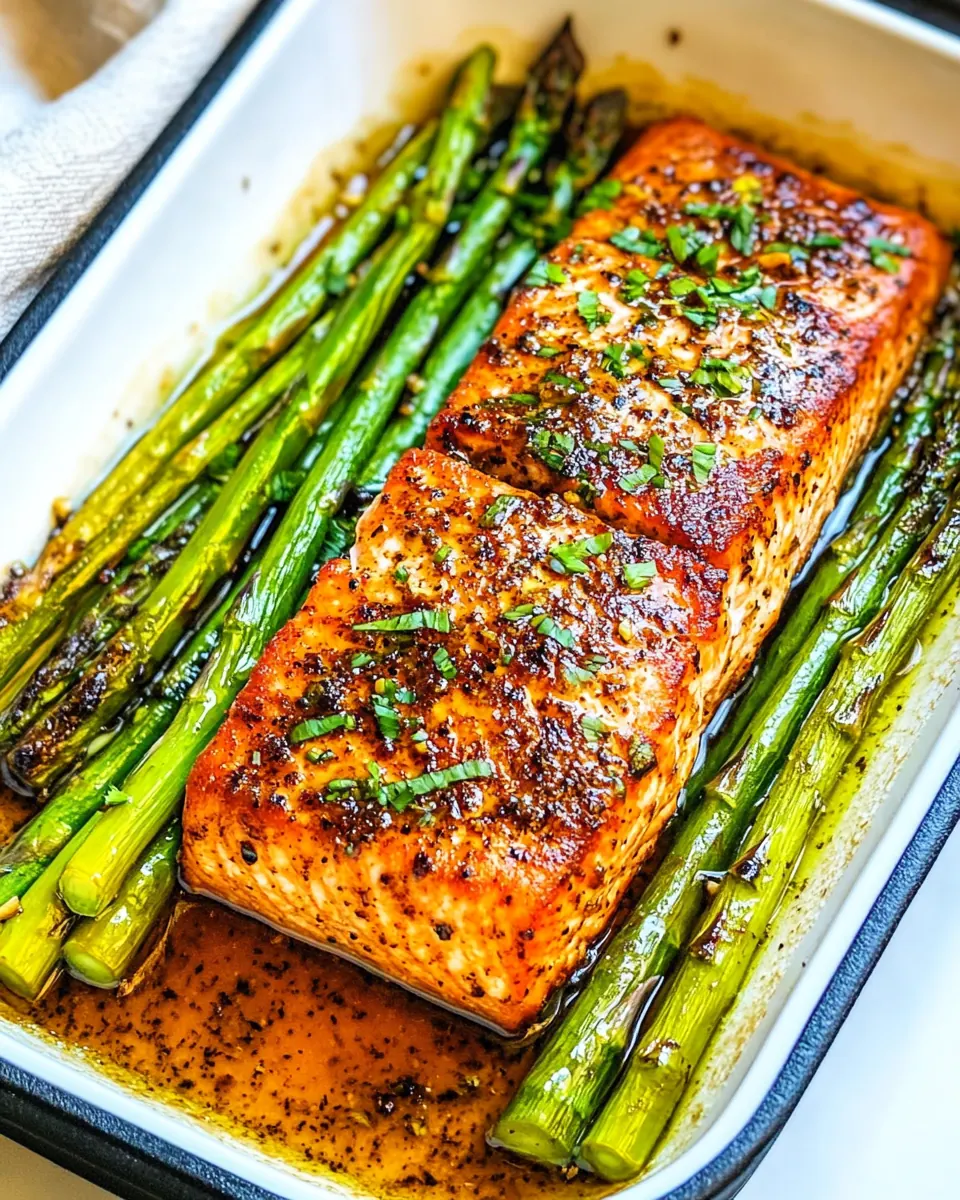
Honey Garlic Salmon and Asparagus
Honey Garlic Salmon and Asparagus is one of those weeknight wins I reach for when I want something that feels special but comes together quickly. The first time I made this dish I was juggling a work call and a hungry family, and the way the salmon caramelized in the pan while the asparagus steamed in the sauce convinced me this would be a repeat performer. I like how the honey brings a gentle sweetness and the garlic adds warmth, while a squeeze of lemon lifts everything up.
I still remember turning the skillet toward the oven and hearing the final broil sing, the edges of the salmon crisping and the honey sauce bubbling glossy and thick. That moment felt like a small celebration on an ordinary Tuesday. Over time I tweaked the seasoning to balance heat and brightness, and now this recipe is what I serve when I want praise without fuss. Serve it with simple sides and everyone will think you spent twice as long in the kitchen.
Recipe Snapshot
25 mins
10 mins
15 mins
Medium
450 kcal
American
Gluten-Free, Keto
Dinner
Cast Iron Skillet
Why This Honey Garlic Salmon and Asparagus Stands Out
Balanced flavor that impresses
I love how Honey Garlic Salmon and Asparagus hits sweet savory and bright notes all at once. The combination of honey and garlic forms a sticky glaze that clings to the salmon, turning each bite into a glossy mouthful. This glaze is both approachable and restaurant worthy, so I find it easy to serve to guests without fuss.
Speed without compromise
This dish cooks quickly, yet delivers layered textures. The method lets the salmon develop a seared base while the broil finishes the top with a caramelized edge. Meanwhile the asparagus roasts alongside, absorbing aromatic pan juices. For busy evenings I appreciate that you can have a full, elegant plate on the table in under 30 minutes.
Minimal ingredients, maximum impact
I always admire recipes that rely on a handful of good players. With pantry items like butter, honey, and garlic, plus fresh salmon and asparagus, this meal feels wholesome and accessible. It rewards quality produce and simple technique, which is why I keep coming back to it when I want something honest and satisfying.
Versatile and forgiving
We often need a dinner that adapts. You can scale portions, use slightly thicker or thinner salmon portions, and tweak the cayenne for more heat. I also love that it works for weekday dinners or a relaxed weekend meal. Small adjustments will not break the dish, so I feel confident experimenting while cooking for others.
Great presentation with little effort
Because the sauce reduces and glosses the salmon, plating looks polished with minimal garnish. The long green stalks of asparagus add color and structure, and the broil adds those eye catching charred tips. When I want a low stress but impressive plate, this recipe reliably delivers.
What to Gather for Honey Garlic Salmon and Asparagus
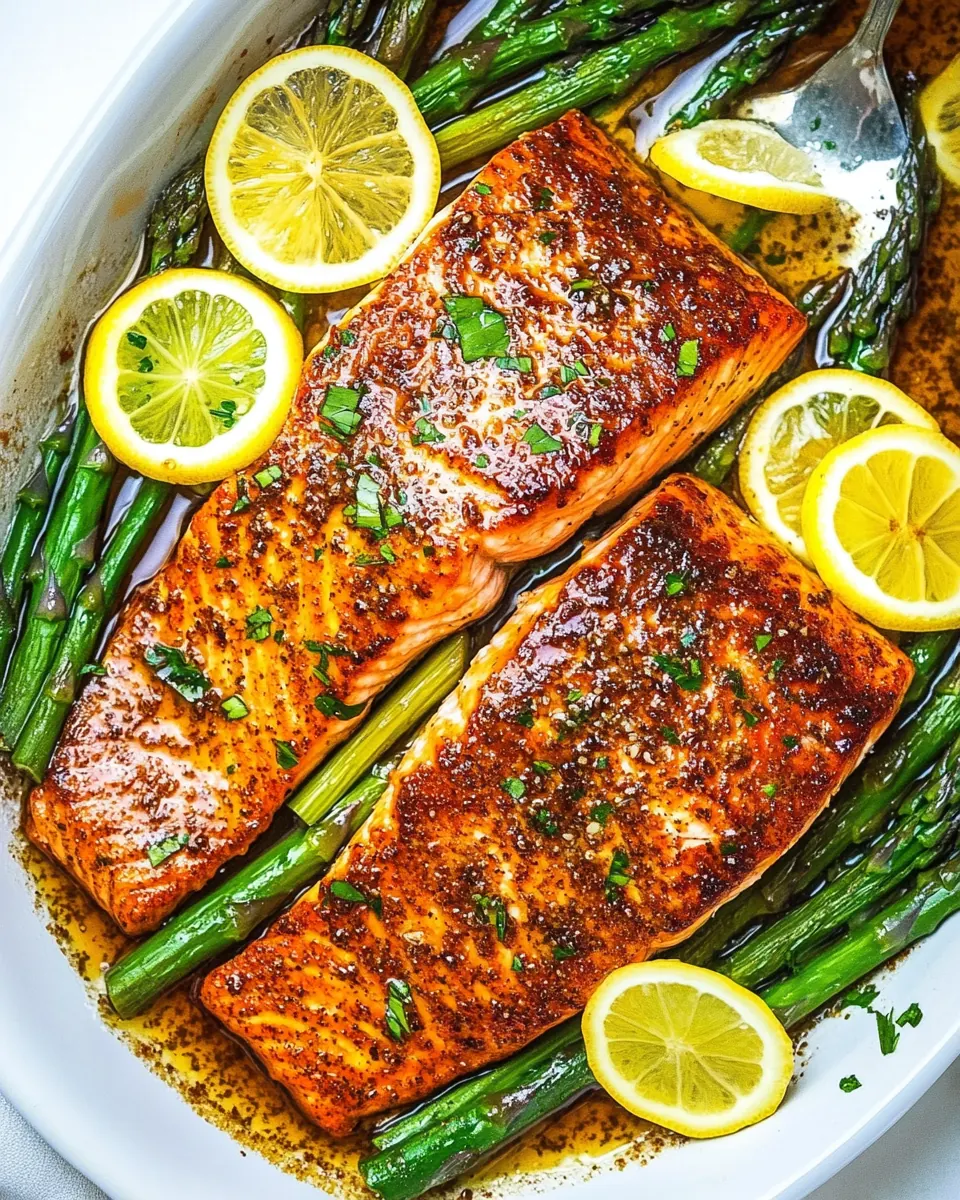
These ingredients are chosen to create a simple, harmonious pan sauce and to let the salmon and asparagus shine. The cast of pantry staples like honey, butter, and garlic build the glaze, while the citrus and seasoning lift the flavors. Each item plays a clear role, from texture to brightness, so the result feels balanced and complete.
- 1 1/2 lbs Atlantic salmon side cut into 6 oz. portions, cod, hake, or pollock also work: Cut into portions to ensure even cooking and manageable serving sizes; these firm, fatty fillets provide the main protein and rich mouthfeel for the dish, and can be substituted with cod, hake, or pollock for a lighter texture.
- kosher salt and freshly ground black pepper to taste: Season to elevate and balance the salmon's natural flavor; use to taste to enhance overall seasoning without overpowering the delicate fish.
- 1/2 tsp ground cayenne pepper: Sprinkle sparingly to add a gentle heat and subtle warmth; cayenne brings background spiciness that pairs well with sweet honey and bright lemon.
- 1/2 tsp ground paprika: Dust to contribute a mild smoky, earthy note and attractive color; paprika rounds out the spice blend and complements the cayenne for layered flavor.
- 2 tbsp salted butter (1/4 stick): Melt to create a rich cooking fat and help brown the fish; salted butter also contributes savory depth and helps form the base of the glaze when combined with honey and garlic.
- 4 cloves minced garlic in oil: Mince finely to release fragrant, pungent aromatics that infuse the butter and sauce; garlic in oil offers convenience and consistent flavor when sautéed briefly to avoid burning.
- 4 tbsp honey: Whisk to provide sweet viscosity and caramelization for a glossy glaze; honey balances the savory and acidic components and helps the sauce cling to the salmon.
- 1 1/2 tbsp fresh lemon juice: Squeeze freshly to inject bright acidity and lift the dish; lemon juice cuts through richness and balances the honey for a fresher finish.
- 1 tbsp water: Add to thin and loosen sauces for brushable consistency; a small amount of water helps achieve the desired glaze texture without diluting flavor.
- 1 lb . fresh asparagus trimmed: Trim and cook to serve as a crisp, vibrant vegetable side; fresh asparagus offers a tender-crisp contrast and pairs well when roasted or pan-seared alongside the salmon.
- 1 tbsp olive oil: Toss to promote even cooking and browning of the asparagus; olive oil also enhances flavor and prevents sticking while roasting or sautéing.
Cooking Instructions for Honey Garlic Salmon and Asparagus
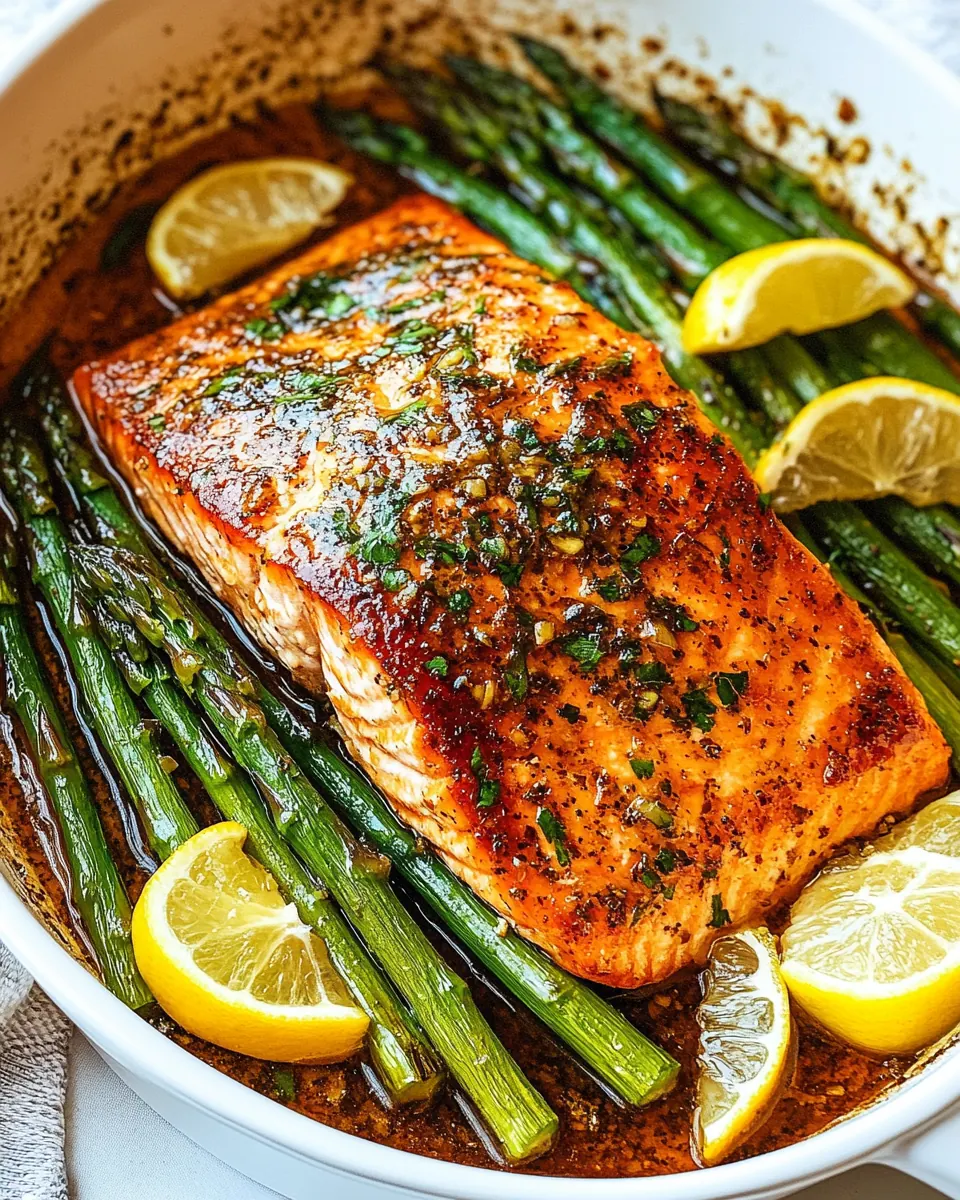
This skillet to broil method is straightforward and rewarding, giving you both a sear and a caramelized finish. Below I expand each step into detailed guidance, sharing sensory cues and troubleshooting so you know exactly what to look for as you cook.
- Pat the salmon dry and cut it into 4 (6 oz.) filets. If you have extra, keep the extra for an additional meal. Season with salt and pepper to taste, and then cayenne pepper and paprika. Set aside.: The surface moisture on the salmon is what prevents a good sear, so when you pat the fillets dry with paper towels you should feel the exterior go from slick to slightly tacky. Visually you want the flesh to look matte rather than shining with water. If the fish is wet the moment it hits the hot pan it will steam instead of browning, leaving a pale exterior. A common mistake is cutting the fillets too thin, which can lead to overcooking during the covered stage, so aim for uniform thickness and handle gently to avoid tearing the flesh.
- Heat a large skillet over medium/high heat. Add the butter and allow to melt.: After seasoning you should notice the surface lightly dusted with spice, and the aroma of the paprika will give a faint smokiness as you move the fillets toward the skillet. This dry spice rub is important because it sets up layers of flavor that will deepen while cooking. If you oversalt at this stage you can always balance later with a squeeze of lemon, but under seasoning is harder to fix, so taste your approach on similar ingredients if unsure.
- Add the garlic and cook for 1-2 minutes or until fragrant.: Letting the seasoned salmon rest briefly allows the spices to adhere and the surface to dry further. You will feel a slight tackiness that helps the fillets stay in place in the pan. Avoid leaving them out too long at room temperature, especially in warm kitchens, to keep food safety in check. If you need to pause, keep the fish chilled until the skillet is hot.
- Stir in the honey, lemon juice, and water. Whisk to combine. Allow to cook for 1-2 minutes until bubbling and slightly reduced.: The skillet should be hot enough that a drop of water sizzles and evaporates quickly upon contact. A properly heated pan produces an immediate sear and that characteristic sizzling sound when the fillets are added. If the pan is not hot enough the fish will stick; if it is too hot you risk burning the butter and garlic, so aim for lively heat without smoking the pan.
- Add the salmon, skin side down, to the skillet. Baste in the sauce.: As the butter melts it will foam slightly and the kitchen will take on a rich, nutty aroma. This melted fat creates an even cooking surface that encourages browning. Watch for the butter to stop foaming and just begin to turn a pale gold which signals it is ready; browning too far will introduce a toasty flavor that can overwhelm the glaze.
- Add the asparagus around the salmon. Drizzle the asparagus with the olive oil. Season with salt and pepper.: The minced garlic should sizzle gently and release a savory perfume almost immediately. You will see it soften and become translucent, and small bubbles will form around it as it cooks. Avoid letting it go brown which can make the garlic taste bitter. If garlic browns too quickly, lower the heat and remove the pan momentarily to cool.
- Cook the salmon on medium, covered and skin side down, for 15 minutes.: When you add the honey , it will thicken and gloss the butter , while the fresh lemon juice brightens the overall scent. Whisking these together creates a homogeneous glaze that will cling to the fish. You should notice the liquid steaming and beginning to shimmer as it reaches a simmer. A common misstep is adding the honey to a pan that is too hot, which can cause it to scorch; moderate the heat so the mixture can bubble gently.
- Turn your oven to broil. Uncover the skillet and place in the oven to broil for 3-5 minutes or until the salmon is cooked to an internal temperature of 145°F. If your asparagus is thin and you're worried about burning, you can remove the asparagus from the skillet before broiling.: As you whisk the sauce, it will transform into a slightly viscous syrup that coats the spatula. This step ensures the honey does not pool and burn in the pan and distributes the lemon brightness evenly. The aroma should be a balanced mix of sweet and citrus. If the sauce appears too thin, let it reduce a touch longer off direct high heat, but be careful not to over reduce into a hard tacky mass.
- Allow to cook for 1 to 2 minutes until bubbling and slightly reduced: During this reduction you will see small, steady bubbles and the sauce will darken marginally to a richer amber. The texture should be syrupy enough to coat the back of a spoon. This concentration intensifies flavors and helps the glaze adhere to the salmon . If it reduces too quickly and begins to smell burnt, remove from heat and add a splash of water to rescue it.
- Add the salmon, skin side down, to the skillet: Place each fillet so the skin makes full contact with the pan, and you should hear a confident sizzle. The skin will render and become crisp over the covered cook time, producing a satisfying crackle when you later cut into it. Use tongs to position the fish gently so you do not tear the fillets. A frequent error is overcrowding the pan, which creates steam and prevents browning, so give each piece breathing room.
- Baste in the sauce: As the fish sits, spoon the bubbling glaze over the tops repeatedly so the heat drives it into the flesh. You will see the sauce gloss the fillets and the aroma will intensify. Basting promotes even seasoning and helps lock moisture in the salmon . If you skip basting, the top can dry out during the covered cook time, so make a point to ladle the sauce over each fillet every few minutes.
- Add the asparagus around the salmon: Tuck trimmed stalks of asparagus into the pan so they rest in the pan juices. They will steam gently and absorb savory-sweet notes from the glaze. You want them to sit in a single layer as much as possible to encourage even cooking. If they pile up they will steam rather than roast, losing their desirable charred tips.
- Drizzle the asparagus with the olive oil: The olive oil will promote browning and give the stalks a silky sheen. Swirl it so each spear gets a light coating which helps crisp the exterior when broiled. Without oil the asparagus can dry out and stick to the pan, so this small step protects texture.
- Season with salt and pepper: A final dusting of kosher salt and black pepper will lift the flavors across the pan. As the salt meets the hot glaze it will dissolve and distribute, making sure each bite is well seasoned. Under seasoning at this point leaves the dish flat, so be mindful to taste and adjust after cooking if needed.
- Cook the salmon on medium, covered and skin side down, for 15 minutes: With the lid on the skillet the salmon will cook through gently and the skin will render. You will hear a steady, low sizzle and the sauce will continue to bubble. The fish should feel slightly firm but still yielding when pressed. A common mistake is relying solely on visual cues for doneness; use an instant read thermometer to aim for internal temperature of 145°F to be safe.
- Turn your oven to broil: Preheating the broiler ensures the final quick blast of high heat crisps the top and caramelizes the glaze. You want the oven rack positioned so the skillet is a comfortable distance from the broiler element, preventing rapid charring. Leaving the broiler off will result in a softer finish, so this step is essential for that signature caramelized edge.
- Uncover the skillet and place in the oven to broil for 3 to 5 minutes or until the salmon is cooked to an internal temperature of 145°F: Under the broiler you should see the glaze bubble and the edges of the salmon take on a deep golden color. The surface will sputter and give off a rich aroma. Watch closely, since broilers vary; the goal is a caramelized top without blackening. If your asparagus is thin and you're worried about burning, you can remove the asparagus from the skillet before broiling.
Customization Ideas
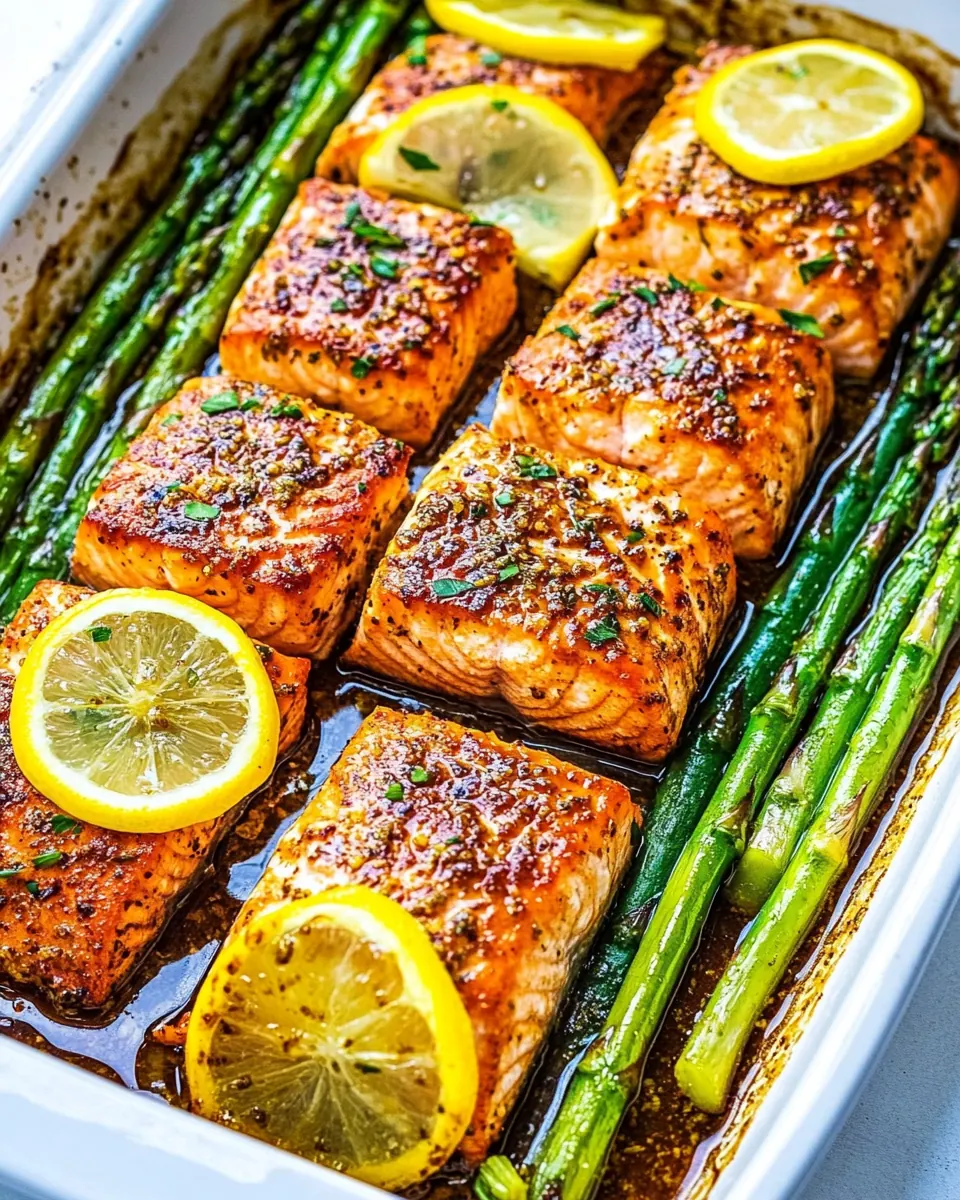
This recipe adapts well to small tweaks that reflect your pantry and heat preference. Below are ideas I use depending on mood or what I have on hand, each expanded so you can apply them confidently.
- Swap the fish: If you prefer a milder profile try cod or pollock, but adjust cook time because leaner fish will dry faster; watch for flaking as your doneness cue.
- Adjust the heat: Increase the cayenne slightly for a bolder kick, adding it gradually and tasting the sauce as it reduces so it does not overpower the honey.
- Make it less sweet: Reduce the honey by a tablespoon and add an extra half tablespoon of lemon juice to brighten and balance the glaze.
- Cook asparagus separately: If your asparagus spears are very thin, roast them on a separate sheet for a shorter time so they do not burn under the broiler.
- Finish with fresh herbs: Sprinkle chopped parsley or microgreens after broiling to introduce a fresh herbal note and color contrast without altering the cooking process.
- Keep extras for lunch: Leftover salmon can be flaked into salads or grain bowls; store cooled pieces in an airtight container in the refrigerator for up to two days.
What to Pair With Honey Garlic Salmon and Asparagus
This dish pairs beautifully with simple sides that complement the glossy, sweet garlic sauce and the rich salmon. Think clean textures and bright accompaniments that soak up the pan juices and keep the plate balanced.
- Steamed rice or quinoa: A fluffy grain provides a neutral base to catch the glaze, offering comfort and substance without competing with the main flavors.
- Light green salad: A salad with lemon vinaigrette cuts the richness and adds crisp contrast, making it a refreshing partner for an easy lunch or dinner.
- Roasted baby potatoes: Crispy roasted potatoes complement the silkiness of the salmon and add a hearty element for a fuller meal.
- Warm crusty bread: Bread is perfect for mopping up the honey garlic sauce, turning every plate into a satisfying experience.
- Occasions: This recipe is ideal for weeknight dinners, small dinner parties, or a relaxed Ramadan iftar when you need a wholesome, quick main that feels special.
- Storage tips: Store leftover portions in an airtight container in the fridge for up to two days; reheat gently in a low oven to preserve texture and prevent drying.
- Seasonal pairings: In spring the fresh asparagus shines, while in cooler months you might use roasted root vegetables alongside for a comforting contrast.
FAQ
Conclusion
This recipe shines because it combines few ingredients into a memorable, glossy dish that is both quick and elegant. Try the Honey Garlic Salmon and Asparagus when you want an easy dinner that impresses without hours in the kitchen. I hope you enjoy the balance of sweet, savory, and bright flavors, and find it becomes a trusted favorite in your weekly rotation.
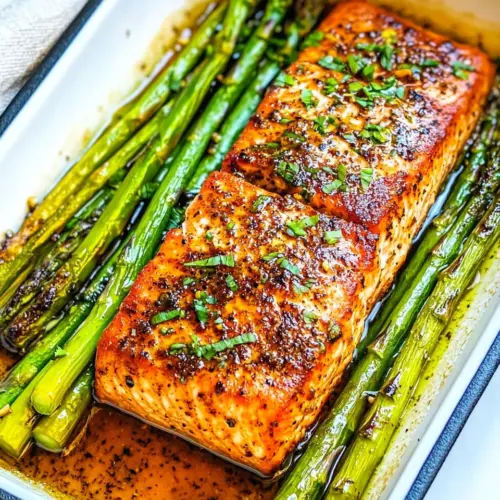
Honey Garlic Salmon and Asparagus
Equipment
- Cast-Iron Skillet
Ingredients
- 1 1/2 lbs Atlantic salmon side cut into 6 oz. portions, cod, hake, or pollock also work Cut into portions to ensure even cooking and manageable serving sizes; these firm, fatty fillets provide the main protein and rich mouthfeel for the dish, and can be substituted with cod, hake, or pollock for a lighter texture.
- kosher salt and freshly ground black pepper to taste Season to elevate and balance the salmon's natural flavor; use to taste to enhance overall seasoning without overpowering the delicate fish.
- 1/2 tsp ground cayenne pepper Sprinkle sparingly to add a gentle heat and subtle warmth; cayenne brings background spiciness that pairs well with sweet honey and bright lemon.
- 1/2 tsp ground paprika Dust to contribute a mild smoky, earthy note and attractive color; paprika rounds out the spice blend and complements the cayenne for layered flavor.
- 2 tbsp salted butter (1/4 stick) Melt to create a rich cooking fat and help brown the fish; salted butter also contributes savory depth and helps form the base of the glaze when combined with honey and garlic.
- 4 cloves minced garlic in oil Mince finely to release fragrant, pungent aromatics that infuse the butter and sauce; garlic in oil offers convenience and consistent flavor when sautéed briefly to avoid burning.
- 4 tbsp honey Whisk to provide sweet viscosity and caramelization for a glossy glaze; honey balances the savory and acidic components and helps the sauce cling to the salmon.
- 1 1/2 tbsp fresh lemon juice Squeeze freshly to inject bright acidity and lift the dish; lemon juice cuts through richness and balances the honey for a fresher finish.
- 1 tbsp water Add to thin and loosen sauces for brushable consistency; a small amount of water helps achieve the desired glaze texture without diluting flavor.
- 1 lb . fresh asparagus trimmed Trim and cook to serve as a crisp, vibrant vegetable side; fresh asparagus offers a tender-crisp contrast and pairs well when roasted or pan-seared alongside the salmon.
- 1 tbsp olive oil Toss to promote even cooking and browning of the asparagus; olive oil also enhances flavor and prevents sticking while roasting or sautéing.
Instructions
- Pat the salmon dry and cut it into 4 (6 oz.) filets. If you have extra, keep the extra for an additional meal. Season with salt and pepper to taste, and then cayenne pepper and paprika. Set aside.: The surface moisture on the salmon is what prevents a good sear, so when you pat the fillets dry with paper towels you should feel the exterior go from slick to slightly tacky. Visually you want the flesh to look matte rather than shining with water. If the fish is wet the moment it hits the hot pan it will steam instead of browning, leaving a pale exterior. A common mistake is cutting the fillets too thin, which can lead to overcooking during the covered stage, so aim for uniform thickness and handle gently to avoid tearing the flesh.
- Heat a large skillet over medium/high heat. Add the butter and allow to melt.: After seasoning you should notice the surface lightly dusted with spice, and the aroma of the paprika will give a faint smokiness as you move the fillets toward the skillet. This dry spice rub is important because it sets up layers of flavor that will deepen while cooking. If you oversalt at this stage you can always balance later with a squeeze of lemon, but under seasoning is harder to fix, so taste your approach on similar ingredients if unsure.
- Add the garlic and cook for 1-2 minutes or until fragrant.: Letting the seasoned salmon rest briefly allows the spices to adhere and the surface to dry further. You will feel a slight tackiness that helps the fillets stay in place in the pan. Avoid leaving them out too long at room temperature, especially in warm kitchens, to keep food safety in check. If you need to pause, keep the fish chilled until the skillet is hot.
- Stir in the honey, lemon juice, and water. Whisk to combine. Allow to cook for 1-2 minutes until bubbling and slightly reduced.: The skillet should be hot enough that a drop of water sizzles and evaporates quickly upon contact. A properly heated pan produces an immediate sear and that characteristic sizzling sound when the fillets are added. If the pan is not hot enough the fish will stick; if it is too hot you risk burning the butter and garlic, so aim for lively heat without smoking the pan.
- Add the salmon, skin side down, to the skillet. Baste in the sauce.: As the butter melts it will foam slightly and the kitchen will take on a rich, nutty aroma. This melted fat creates an even cooking surface that encourages browning. Watch for the butter to stop foaming and just begin to turn a pale gold which signals it is ready; browning too far will introduce a toasty flavor that can overwhelm the glaze.
- Add the asparagus around the salmon. Drizzle the asparagus with the olive oil. Season with salt and pepper.: The minced garlic should sizzle gently and release a savory perfume almost immediately. You will see it soften and become translucent, and small bubbles will form around it as it cooks. Avoid letting it go brown which can make the garlic taste bitter. If garlic browns too quickly, lower the heat and remove the pan momentarily to cool.
- Cook the salmon on medium, covered and skin side down, for 15 minutes.: When you add the honey , it will thicken and gloss the butter , while the fresh lemon juice brightens the overall scent. Whisking these together creates a homogeneous glaze that will cling to the fish. You should notice the liquid steaming and beginning to shimmer as it reaches a simmer. A common misstep is adding the honey to a pan that is too hot, which can cause it to scorch; moderate the heat so the mixture can bubble gently.
- Turn your oven to broil. Uncover the skillet and place in the oven to broil for 3-5 minutes or until the salmon is cooked to an internal temperature of 145°F. If your asparagus is thin and you're worried about burning, you can remove the asparagus from the skillet before broiling.: As you whisk the sauce, it will transform into a slightly viscous syrup that coats the spatula. This step ensures the honey does not pool and burn in the pan and distributes the lemon brightness evenly. The aroma should be a balanced mix of sweet and citrus. If the sauce appears too thin, let it reduce a touch longer off direct high heat, but be careful not to over reduce into a hard tacky mass.
- Allow to cook for 1 to 2 minutes until bubbling and slightly reduced: During this reduction you will see small, steady bubbles and the sauce will darken marginally to a richer amber. The texture should be syrupy enough to coat the back of a spoon. This concentration intensifies flavors and helps the glaze adhere to the salmon . If it reduces too quickly and begins to smell burnt, remove from heat and add a splash of water to rescue it.
- Add the salmon, skin side down, to the skillet: Place each fillet so the skin makes full contact with the pan, and you should hear a confident sizzle. The skin will render and become crisp over the covered cook time, producing a satisfying crackle when you later cut into it. Use tongs to position the fish gently so you do not tear the fillets. A frequent error is overcrowding the pan, which creates steam and prevents browning, so give each piece breathing room.
- Baste in the sauce: As the fish sits, spoon the bubbling glaze over the tops repeatedly so the heat drives it into the flesh. You will see the sauce gloss the fillets and the aroma will intensify. Basting promotes even seasoning and helps lock moisture in the salmon . If you skip basting, the top can dry out during the covered cook time, so make a point to ladle the sauce over each fillet every few minutes.
- Add the asparagus around the salmon: Tuck trimmed stalks of asparagus into the pan so they rest in the pan juices. They will steam gently and absorb savory-sweet notes from the glaze. You want them to sit in a single layer as much as possible to encourage even cooking. If they pile up they will steam rather than roast, losing their desirable charred tips.
- Drizzle the asparagus with the olive oil: The olive oil will promote browning and give the stalks a silky sheen. Swirl it so each spear gets a light coating which helps crisp the exterior when broiled. Without oil the asparagus can dry out and stick to the pan, so this small step protects texture.
- Season with salt and pepper: A final dusting of kosher salt and black pepper will lift the flavors across the pan. As the salt meets the hot glaze it will dissolve and distribute, making sure each bite is well seasoned. Under seasoning at this point leaves the dish flat, so be mindful to taste and adjust after cooking if needed.
- Cook the salmon on medium, covered and skin side down, for 15 minutes: With the lid on the skillet the salmon will cook through gently and the skin will render. You will hear a steady, low sizzle and the sauce will continue to bubble. The fish should feel slightly firm but still yielding when pressed. A common mistake is relying solely on visual cues for doneness; use an instant read thermometer to aim for internal temperature of 145°F to be safe.
- Turn your oven to broil: Preheating the broiler ensures the final quick blast of high heat crisps the top and caramelizes the glaze. You want the oven rack positioned so the skillet is a comfortable distance from the broiler element, preventing rapid charring. Leaving the broiler off will result in a softer finish, so this step is essential for that signature caramelized edge.
- Uncover the skillet and place in the oven to broil for 3 to 5 minutes or until the salmon is cooked to an internal temperature of 145°F: Under the broiler you should see the glaze bubble and the edges of the salmon take on a deep golden color. The surface will sputter and give off a rich aroma. Watch closely, since broilers vary; the goal is a caramelized top without blackening. If your asparagus is thin and you're worried about burning, you can remove the asparagus from the skillet before broiling.
Notes
- Swap the fish: If you prefer a milder profile try cod or pollock, but adjust cook time because leaner fish will dry faster; watch for flaking as your doneness cue.
- Adjust the heat: Increase the cayenne slightly for a bolder kick, adding it gradually and tasting the sauce as it reduces so it does not overpower the honey.
- Make it less sweet: Reduce the honey by a tablespoon and add an extra half tablespoon of lemon juice to brighten and balance the glaze.
- Cook asparagus separately: If your asparagus spears are very thin, roast them on a separate sheet for a shorter time so they do not burn under the broiler.
- Finish with fresh herbs: Sprinkle chopped parsley or microgreens after broiling to introduce a fresh herbal note and color contrast without altering the cooking process.
- Keep extras for lunch: Leftover salmon can be flaked into salads or grain bowls; store cooled pieces in an airtight container in the refrigerator for up to two days.