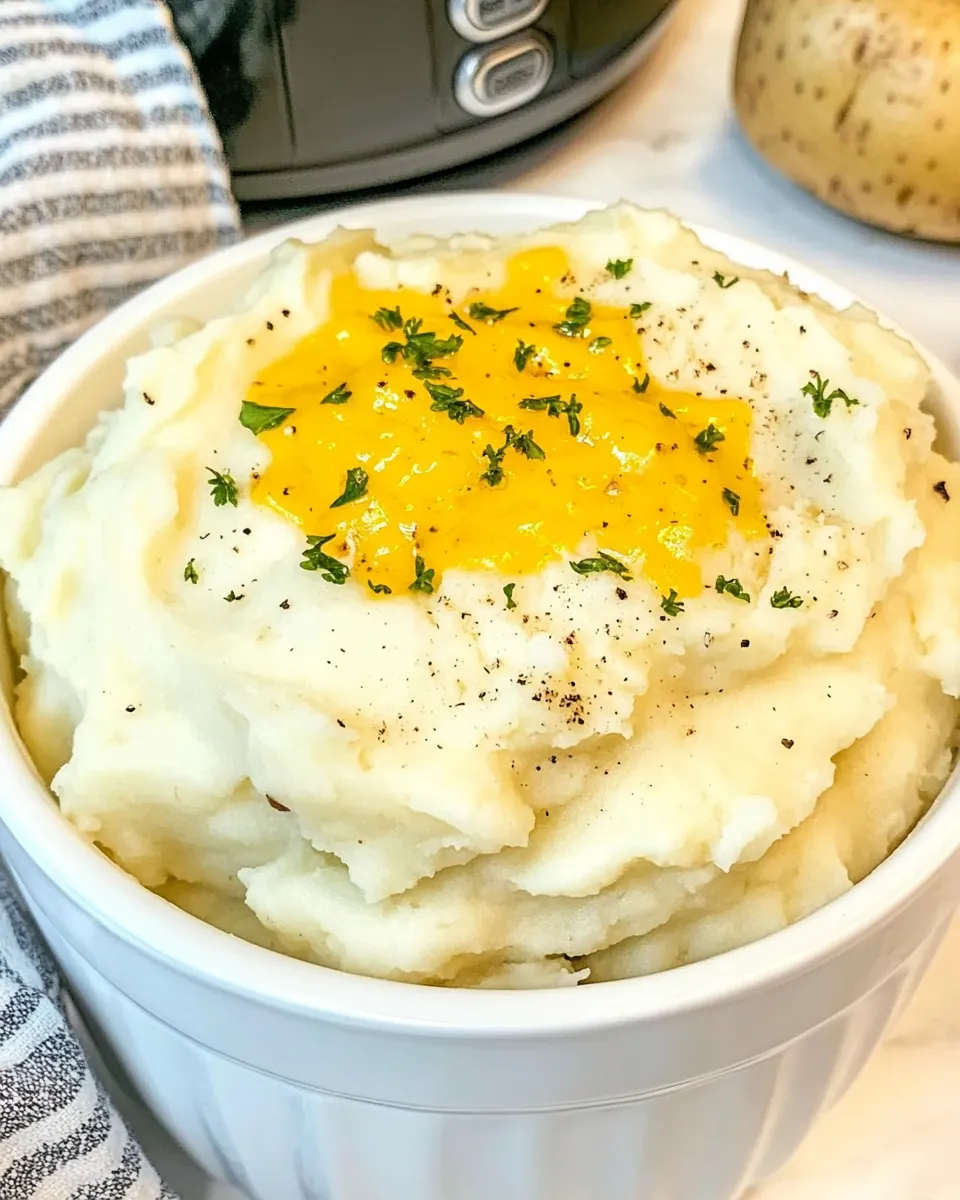
Crock Pot Mashed Potatoes
Crock Pot Mashed Potatoes have been my go to when I need comforting, hands free side that still tastes like care and attention. The very first time I made these, I was juggling a busy weeknight and a small stove that had other plans, so I turned to my slow cooker and never looked back. From that batch onward, this recipe became the anchor of family dinners, potlucks, and holidays when I want something reliably creamy without hovering over a boiling pot.
There is a warmth to making Crock Pot Mashed Potatoes that feels almost ceremonial for me. I remember peeling five pounds of russet potatoes while my kiddo set the table, the kitchen filling with the faint earthy scent of potatoes and the gentle clink of a cutting board. While the crockpot hummed away in the next room, I could focus on other dishes and come back to a bowl of potatoes that practically begged for butter and a generous seasoning of salt and pepper.
Over the years I have tweaked the ratios and techniques to favor texture and ease, learning which little moves create the fluffiest results. What I love about this version is the balance between rich dairy and savory chicken broth, which keeps the potatoes intensely flavorful without weighing them down. Guests always ask if they were whipped in a mixer or given secret ingredients, and I smile because the secret is really simple: time, the right potatoes, and a gentle hand when mashing.
Recipe Snapshot
4 hr 10 mins
10 mins
240 mins
Hard
250 kcal
American
Gluten-Free, Low FODMAP
Side Dishes
6 qt Slow Cooker, Vegetable Peeler, Chef Knives, Cutting Board, Hand Mixer
The Charm of This Crock Pot Mashed Potatoes
Hands free cooking that actually improves flavor
I adore how Crock Pot Mashed Potatoes let you free up stove space while building flavor. Leaving the potatoes to cook slowly in the broth lets them absorb savory notes, and the low steady heat produces an unhurried texture that boiling sometimes can’t match.
Consistent creamy texture every time
I’ve found that the slow cooker creates a reliably tender potato that responds beautifully to mashing. When I mash with the hand mixer and fold in the cream cheese and butter, the result is uniformly smooth while still feeling homey, not gluey.
Simple ingredients, big payoff
This recipe uses pantry friendly ingredients like russet potatoes, chicken broth, and milk which I usually have on hand. Because each component is straightforward, the natural flavors come forward, and you can count on a crowd pleasing side with minimal fuss.
Scales beautifully for company
When I host larger gatherings, I trust this method for feeding many without stress. The recipe scales up easily, and the crockpot keeps the potatoes warm for service, so I can focus on plating and timing other dishes.
Comfort food with approachable technique
I teach friends this recipe because it removes intimidation. You do not need specialized skills, just a peeler, a knife, and a slow cooker. The technique builds confidence, and once you taste that rich, velvety bowl, you understand why it’s become a staple in my kitchen.
Crock Pot Mashed Potatoes Shopping List
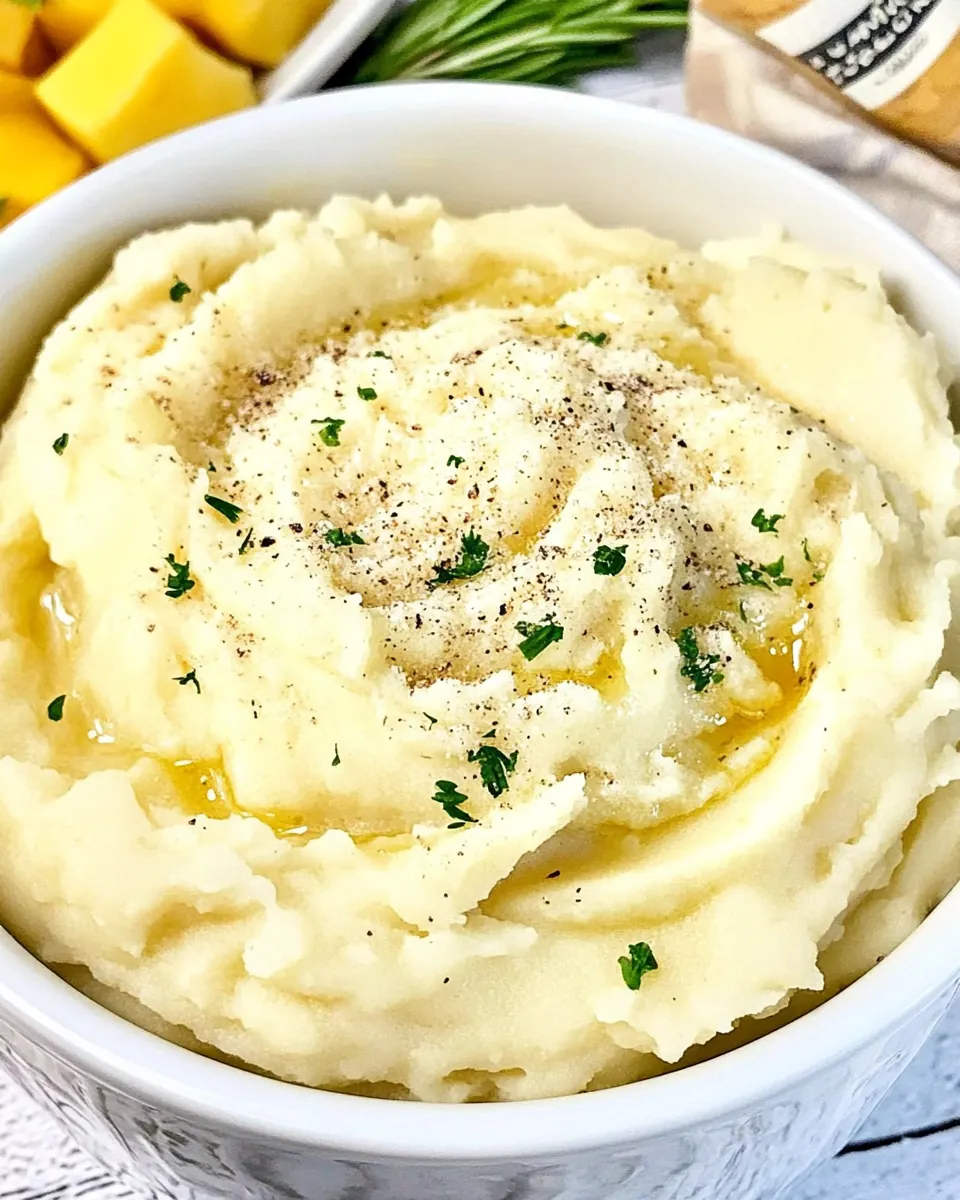
These ingredients form a small, harmonious team: starchy russet potatoes provide structure and a creamy mouthfeel when broken down, while the dairy elements round out richness and silkiness. The chicken broth brings depth and seasoning without dominating, and simple salt and pepper lift the flavors. Together, they give a crowd pleasing side that is both comforting and balanced.
- 5 lbs russet potatoes: Peel and cube to provide the starchy base and creamy texture after slow cooking; russet potatoes break down well and yield fluffy mashed potatoes. Add evenly in the slow cooker to ensure uniform cooking and absorption of flavors. Adjust chunk size to control final mash smoothness and cooking time if needed.
- 1 cup unsalted butter, divided: Melt and divide to contribute rich, creamy fat and silky mouthfeel; use part during cooking to infuse flavor and save some for finishing to adjust richness. Cut or cube butter for even melting and stir in gradually for a velvety consistency.
- 1 (32-oz) container chicken broth: Pour in as the primary cooking liquid to prevent sticking and to impart savory depth; chicken broth infuses umami while helping potatoes become tender. Choose low-sodium if controlling salt levels and add gradually if additional liquid is required during mashing.
- salt and pepper, to taste: Season to taste to enhance and balance the overall flavor, using salt to bring out potato sweetness and pepper for mild heat. Add gradually and taste after mashing, since broth and cream cheese contribute additional saltiness.
- 1 (8-oz) package cream cheese, cut into cubes: Cube and add to provide tangy creaminess and extra richness; cream cheese melts into the hot potatoes creating a smooth, luscious texture. Soften slightly before stirring in for easier incorporation and even distribution of flavor.
- 1/4 cup milk: Warm slightly and pour to loosen the mash and fine-tune creaminess; milk adjusts body and helps achieve the desired smoothness without thinning too much. Use more or less depending on preferred texture and richness.
Recipe Steps for Crock Pot Mashed Potatoes
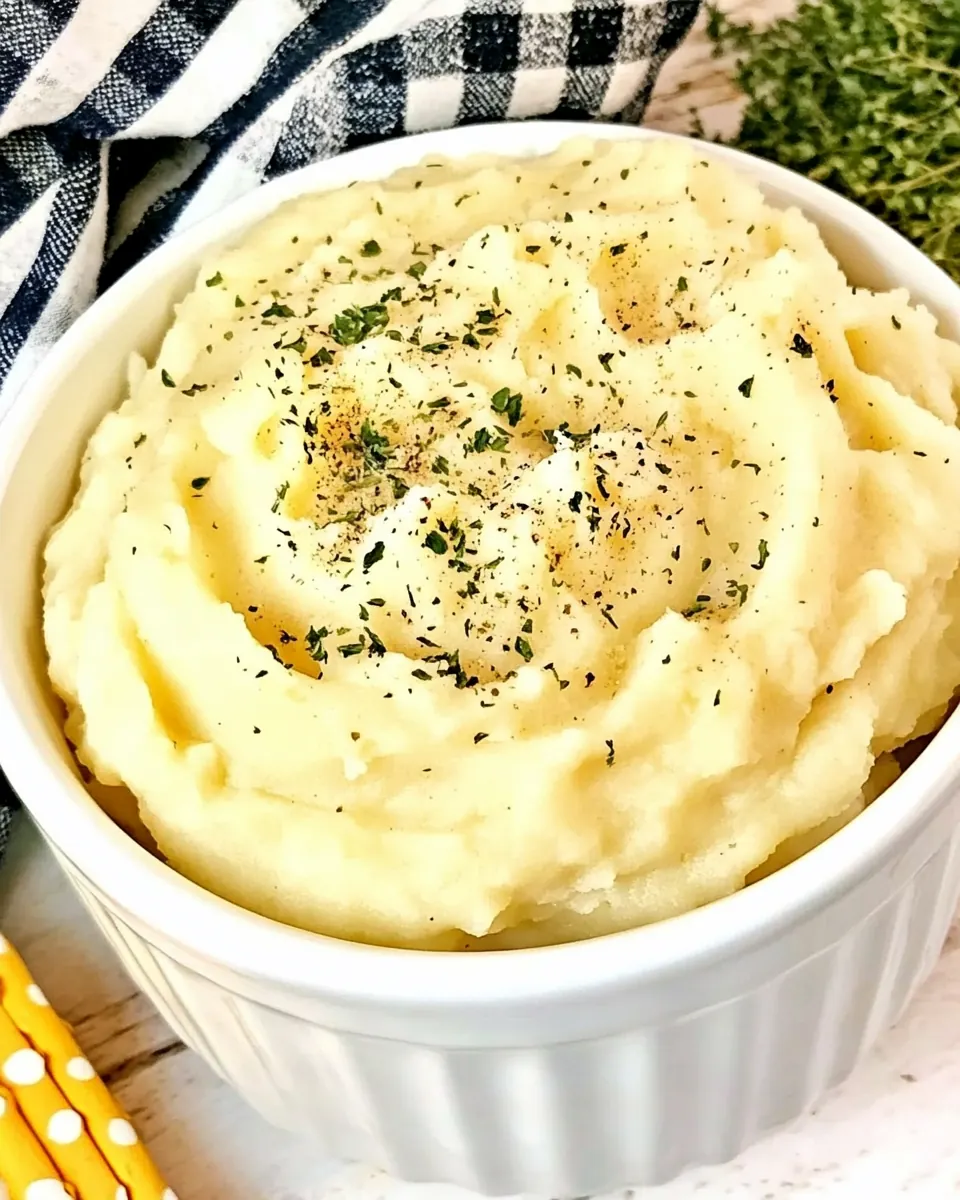
These steps guide you through a slow, rewarding process where patience pays off. I like to remain present during key moments, but for the most part the crockpot takes the lead, allowing other tasks to proceed. Follow the sensory cues and seasoning checks to finish with a bowl of potatoes that is smooth, flavorful, and perfectly warmed for serving.
- Peel and chop potatoes into bite-size pieces and place in a 6-qt crockpot. Season with salt and black pepper to taste.: The first sensory cue is the earthy smell of freshly peeled potatoes and the firm, cool texture as you slice them; visually aim for pieces roughly uniform in size so they cook evenly. I find that bite sized chunks let heat penetrate faster and reduce overall cooking variability, ensuring all pieces reach tender stage at the same time. Use a sharp chef knife and stable cutting board to make clean cuts, and be mindful of finger placement to avoid slips. A common mistake is leaving large uneven chunks, which leads to some pieces overcooked and some undercooked. If you notice pieces of wildly different sizes, take a moment to recut them; consistent size is worth the extra two minutes.
- Add a stick of butter and chicken broth. Cover and cook on LOW heat for 4-5 hours, until the potatoes are fork tender.: Right after the potatoes are in the crockpot, sprinkle salt and black pepper so the seasoning begins to infuse during the long, slow cook; the salt will slightly draw moisture to the surface, aiding flavor penetration. When I do this, the aroma of pepper is subtle but reassuring, and I usually use moderate seasoning knowing I will adjust later after dairy is added. Over seasoning at this point is a risk if your chicken broth is high in sodium, so I taste the final mash before finishing and add more only if necessary. Avoid dumping large amounts at once, instead add in measured pinches and keep track so you can balance later.
- Drain the excess liquid from the slow cooker – leaving the potatoes in the crock pot.: Pour in the chicken broth and nestle a stick of the butter among the potatoes so it melts slowly into the mass; the broth will hiss faintly when it touches hot surfaces and the butter will leave a glossy sheen as it begins to melt. This combination creates a savory bath that the potatoes soak in, infusing them as they cook, resulting in layers of flavor that boiling in water may miss. One pitfall is using broth that is too salty or butter that is over salted; if you suspect that, hold back some salt until after mashing. Make sure the liquid level covers most pieces but does not submerge with excess, as excessive water can require draining and dilute flavor.
- Add the remaining stick of butter, cream cheese, and whole milk to the potatoes and mash with a hand mixer or potato masher until you reach your desired consistency.: As the crockpot hums, you'll notice a steady, gentle scent of cooked starch rising; the potatoes will soften to the point that a fork glides through a chunk without resistance, and some edges may collapse slightly into a pillowy texture. The low heat encourages slow breakdown, preventing the rapid agitation that can make potatoes gluey, which is why this method yields a light, airy final texture. A common mistake is pulling them too early when a few pieces still feel firm; err on the side of tenderness, and test multiple pieces across the pot to ensure uniform doneness. If after five hours they are not tender, continue checking every 20 minutes rather than increasing the heat which can alter texture.
- Check the seasonings and garnish with parsley.: You should notice a shallow pool of seasoned broth at the bottom that is flavorful but too much will make the mash runny, so I carefully tilt or use a ladle to remove the excess without pulling the softest potato pieces out. The sound here is quiet, just the gentle sluice of liquid; visually, the potatoes should sit moist but not swimming. Leaving just a little of the cooking liquid is useful to adjust final consistency while mashing, but avoid draining too aggressively and losing the savory base. One trap is to dump everything into a colander which can scatter hot pieces; drain in place or use a ladle to keep the potatoes intact.
- Add the remaining stick of butter cream cheese and whole milk to the potatoes and mash with a hand mixer or potato masher until you reach your desired consistency: As you introduce cold cubed cream cheese , the temperature difference is the first thing to mind; the heat of the potatoes will melt those cubes into swirls of tangy silk while the second stick of butter contributes glossy richness. Use a hand mixer on low or a traditional masher to coax the mixture into a uniform texture; listen for a soft whirr from the mixer and watch as the mash becomes glossy and cohesive. The milk should be warmed slightly so it blends seamlessly; adding cold milk can shock the mixture and make it gluey. A frequent misstep is over mixing with a high speed, which can release too much starch and create gummy mash, so keep mixing gentle and stop to check texture often. If the mash seems too dense, stir in small amounts of the reserved cooking liquid rather than more milk, to preserve flavor.
- Check the seasonings and garnish with parsley: The final step is tactile and sensory: taste a warm spoonful for salt balance and pepper bite, adjusting in small increments until the profile sings. Visually, a scattering of bright parsley adds contrast to the creamy pale mash, and the herb scent lifts the bowl when served. If the potatoes feel flat, a pinch more salt or a grind more black pepper can make a big difference; avoid adding too much at once. A common oversight is forgetting to taste after dairy is added, which often muffles salt; always perform a final seasoning check before plating.
Variations to Try
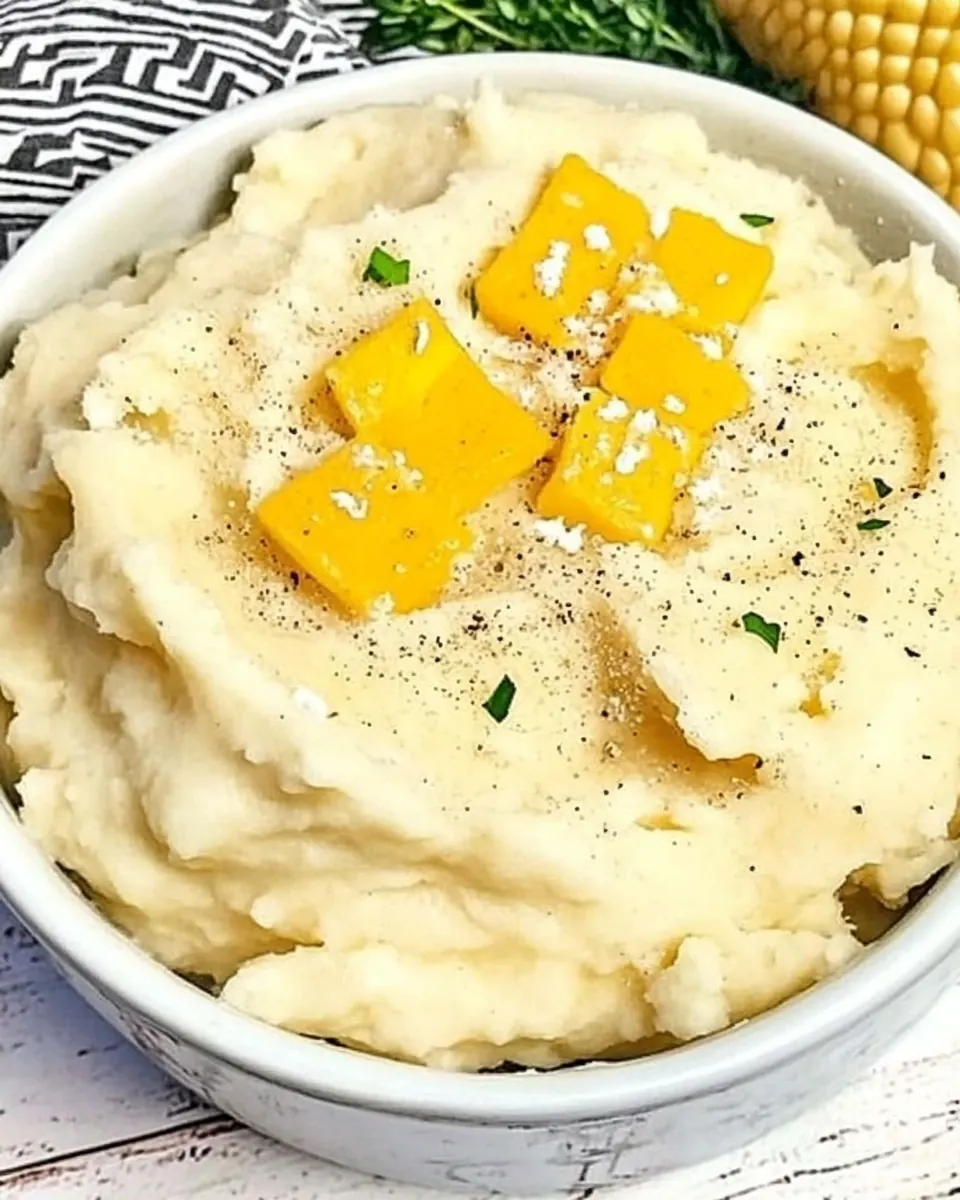
These variations help you adapt texture and flavor while staying true to the simple method. I like to experiment with amounts and serving styles depending on the season or occasion.
- Extra creamy finish: Increase the cream cheese by half an ounce and add an extra tablespoon of butter at the end for a silkier mouthfeel that holds warm longer.
- Lighter version: Use slightly less butter and add a splash more of the reserved chicken broth to keep the mash moist while reducing overall dairy richness.
- Chunky texture: Mash with a potato masher rather than a hand mixer and leave small lumps for a rustic, textural contrast that pairs well with hearty mains.
- Make ahead: Cook and mash as directed, then cool and refrigerate in an airtight container; reheat gently in a low oven or on the stovetop with a little warmed milk to restore creaminess.
- Seasoning boost: Taste and adjust with more salt and black pepper at the end, adding in small increments so the savory balance remains harmonious.
Serving Ideas for Crock Pot Mashed Potatoes
This recipe is versatile enough for intimate dinners and large gatherings alike. Serve it warm, and plan accompaniments that either echo its richness or provide bright contrast for balance. Below are ideas for pairings, occasions, and storage that help you make the most of the dish.
- Classic holiday side: Plate the mash alongside roasted vegetables and a carved main protein for holiday spreads where everyone expects a comforting, familiar side.
- Everyday family dinner: Serve portions with a simple green salad and a protein for weeknight meals where convenience and warmth are priorities.
- Potluck friendly: Keep the crockpot on warm for transport and service, making the mash easy to share at gatherings without losing texture.
- Storage tips: Cool leftovers and store in an airtight container in the refrigerator for up to three days, reheating gently with a splash of warm milk to restore creaminess.
- Seasonal pairings: In winter, pair with roasted root vegetables and braised greens; in spring, contrast with bright, acid forward side dishes to cut through the richness.
FAQ
Conclusion
What makes these Crock Pot Mashed Potatoes special is their effortless combination of comforting texture and dependable flavor, achieved by slow, patient cooking and a few thoughtful ingredients. I encourage you to give them a try the next time you need a crowd pleasing side or want to free up stove space without sacrificing taste. They are forgiving, adaptable, and perfect for both weekday dinners and special occasions, and once you taste the creamy result you may find yourself reaching for the crockpot more often.
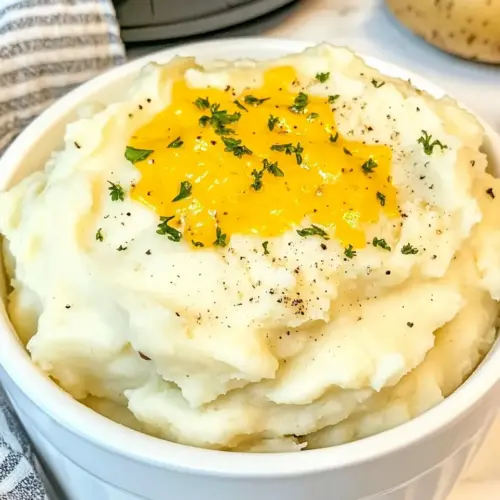
Crock Pot Mashed Potatoes
Equipment
- 6-qt Slow Cooker
- Vegetable Peeler
- Chef Knives
- Cutting Board
- Hand Mixer
Ingredients
- 5 -lbs russet potatoes Peel and cube to provide the starchy base and creamy texture after slow cooking; russet potatoes break down well and yield fluffy mashed potatoes. Add evenly in the slow cooker to ensure uniform cooking and absorption of flavors. Adjust chunk size to control final mash smoothness and cooking time if needed.
- 1 cup unsalted butter, divided Melt and divide to contribute rich, creamy fat and silky mouthfeel; use part during cooking to infuse flavor and save some for finishing to adjust richness. Cut or cube butter for even melting and stir in gradually for a velvety consistency.
- 1 (32-oz) container chicken broth Pour in as the primary cooking liquid to prevent sticking and to impart savory depth; chicken broth infuses umami while helping potatoes become tender. Choose low-sodium if controlling salt levels and add gradually if additional liquid is required during mashing.
- salt and pepper, to taste Season to taste to enhance and balance the overall flavor, using salt to bring out potato sweetness and pepper for mild heat. Add gradually and taste after mashing, since broth and cream cheese contribute additional saltiness.
- 1 (8-oz) package cream cheese, cut into cubes Cube and add to provide tangy creaminess and extra richness; cream cheese melts into the hot potatoes creating a smooth, luscious texture. Soften slightly before stirring in for easier incorporation and even distribution of flavor.
- 1/4 cup milk Warm slightly and pour to loosen the mash and fine-tune creaminess; milk adjusts body and helps achieve the desired smoothness without thinning too much. Use more or less depending on preferred texture and richness.
Instructions
- Peel and chop potatoes into bite-size pieces and place in a 6-qt crockpot. Season with salt and black pepper to taste.: The first sensory cue is the earthy smell of freshly peeled potatoes and the firm, cool texture as you slice them; visually aim for pieces roughly uniform in size so they cook evenly. I find that bite sized chunks let heat penetrate faster and reduce overall cooking variability, ensuring all pieces reach tender stage at the same time. Use a sharp chef knife and stable cutting board to make clean cuts, and be mindful of finger placement to avoid slips. A common mistake is leaving large uneven chunks, which leads to some pieces overcooked and some undercooked. If you notice pieces of wildly different sizes, take a moment to recut them; consistent size is worth the extra two minutes.
- Add a stick of butter and chicken broth. Cover and cook on LOW heat for 4-5 hours, until the potatoes are fork tender.: Right after the potatoes are in the crockpot, sprinkle salt and black pepper so the seasoning begins to infuse during the long, slow cook; the salt will slightly draw moisture to the surface, aiding flavor penetration. When I do this, the aroma of pepper is subtle but reassuring, and I usually use moderate seasoning knowing I will adjust later after dairy is added. Over seasoning at this point is a risk if your chicken broth is high in sodium, so I taste the final mash before finishing and add more only if necessary. Avoid dumping large amounts at once, instead add in measured pinches and keep track so you can balance later.
- Drain the excess liquid from the slow cooker – leaving the potatoes in the crock pot.: Pour in the chicken broth and nestle a stick of the butter among the potatoes so it melts slowly into the mass; the broth will hiss faintly when it touches hot surfaces and the butter will leave a glossy sheen as it begins to melt. This combination creates a savory bath that the potatoes soak in, infusing them as they cook, resulting in layers of flavor that boiling in water may miss. One pitfall is using broth that is too salty or butter that is over salted; if you suspect that, hold back some salt until after mashing. Make sure the liquid level covers most pieces but does not submerge with excess, as excessive water can require draining and dilute flavor.
- Add the remaining stick of butter, cream cheese, and whole milk to the potatoes and mash with a hand mixer or potato masher until you reach your desired consistency.: As the crockpot hums, you'll notice a steady, gentle scent of cooked starch rising; the potatoes will soften to the point that a fork glides through a chunk without resistance, and some edges may collapse slightly into a pillowy texture. The low heat encourages slow breakdown, preventing the rapid agitation that can make potatoes gluey, which is why this method yields a light, airy final texture. A common mistake is pulling them too early when a few pieces still feel firm; err on the side of tenderness, and test multiple pieces across the pot to ensure uniform doneness. If after five hours they are not tender, continue checking every 20 minutes rather than increasing the heat which can alter texture.
- Check the seasonings and garnish with parsley.: You should notice a shallow pool of seasoned broth at the bottom that is flavorful but too much will make the mash runny, so I carefully tilt or use a ladle to remove the excess without pulling the softest potato pieces out. The sound here is quiet, just the gentle sluice of liquid; visually, the potatoes should sit moist but not swimming. Leaving just a little of the cooking liquid is useful to adjust final consistency while mashing, but avoid draining too aggressively and losing the savory base. One trap is to dump everything into a colander which can scatter hot pieces; drain in place or use a ladle to keep the potatoes intact.
- Add the remaining stick of butter cream cheese and whole milk to the potatoes and mash with a hand mixer or potato masher until you reach your desired consistency: As you introduce cold cubed cream cheese , the temperature difference is the first thing to mind; the heat of the potatoes will melt those cubes into swirls of tangy silk while the second stick of butter contributes glossy richness. Use a hand mixer on low or a traditional masher to coax the mixture into a uniform texture; listen for a soft whirr from the mixer and watch as the mash becomes glossy and cohesive. The milk should be warmed slightly so it blends seamlessly; adding cold milk can shock the mixture and make it gluey. A frequent misstep is over mixing with a high speed, which can release too much starch and create gummy mash, so keep mixing gentle and stop to check texture often. If the mash seems too dense, stir in small amounts of the reserved cooking liquid rather than more milk, to preserve flavor.
- Check the seasonings and garnish with parsley: The final step is tactile and sensory: taste a warm spoonful for salt balance and pepper bite, adjusting in small increments until the profile sings. Visually, a scattering of bright parsley adds contrast to the creamy pale mash, and the herb scent lifts the bowl when served. If the potatoes feel flat, a pinch more salt or a grind more black pepper can make a big difference; avoid adding too much at once. A common oversight is forgetting to taste after dairy is added, which often muffles salt; always perform a final seasoning check before plating.
Notes
- Extra creamy finish: Increase the cream cheese by half an ounce and add an extra tablespoon of butter at the end for a silkier mouthfeel that holds warm longer.
- Lighter version: Use slightly less butter and add a splash more of the reserved chicken broth to keep the mash moist while reducing overall dairy richness.
- Chunky texture: Mash with a potato masher rather than a hand mixer and leave small lumps for a rustic, textural contrast that pairs well with hearty mains.
- Make ahead: Cook and mash as directed, then cool and refrigerate in an airtight container; reheat gently in a low oven or on the stovetop with a little warmed milk to restore creaminess.
- Seasoning boost: Taste and adjust with more salt and black pepper at the end, adding in small increments so the savory balance remains harmonious.