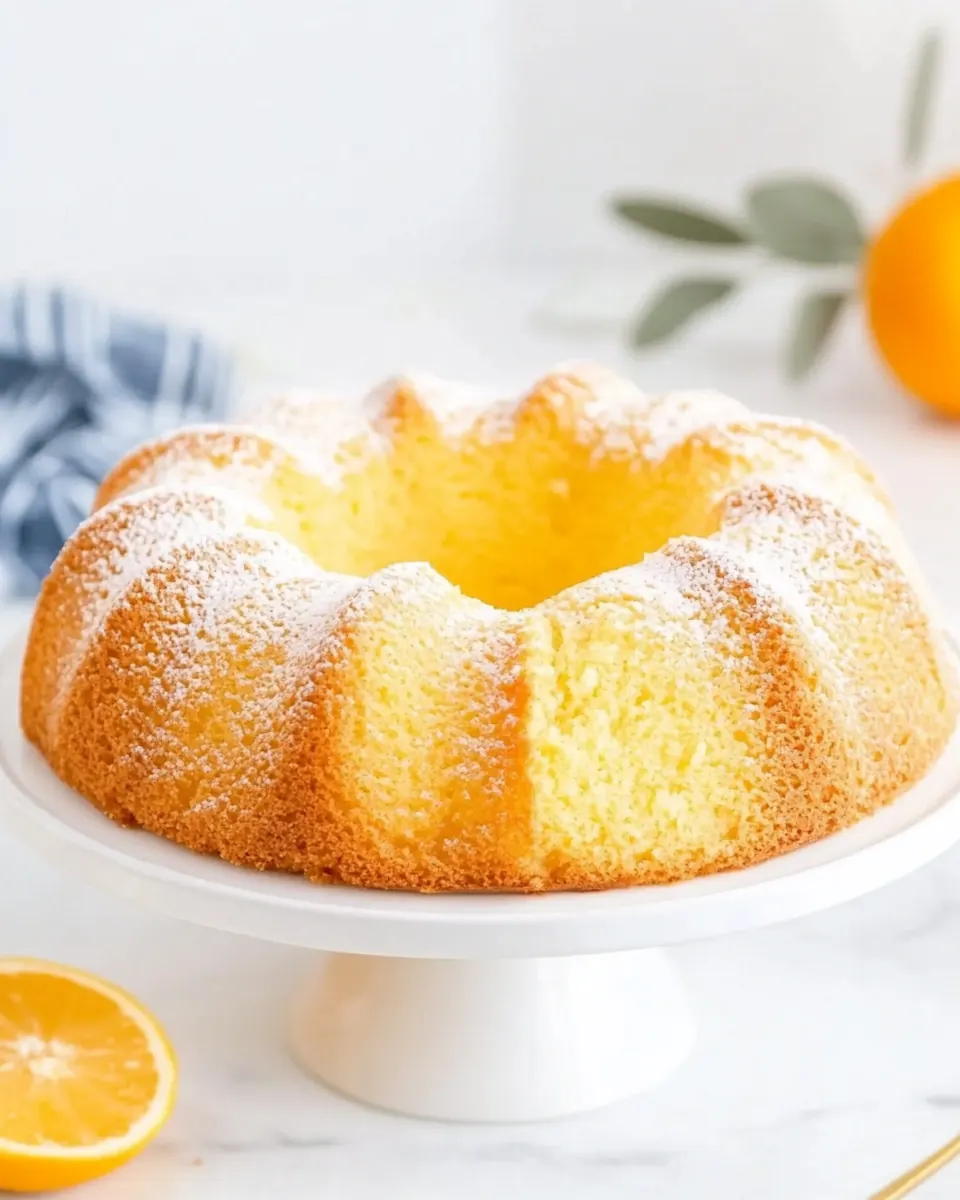
Ciambellone Olive Oil Bundt Cake
Ciambellone Olive Oil Bundt Cake has been the kind of recipe I turn to when I want something honest, unfussy, and utterly comforting. The very first time I made Ciambellone Olive Oil Bundt Cake I was running late for a small family gathering, and the quick whisking of eggs and sugar felt like stitching time back together. That cake arrived at the table warm and fragrant, the air filling with citrus and olive oil notes that made everyone slow down and smile. I remember watching my grandmother reach for a slice before the sugar dusting, and how the crumb held together without being dense or heavy.
Over the years I learned to cherish the simplicity of Ciambellone Olive Oil Bundt Cake, how a few pantry reliable items can create something that feels special. I often make it on weekday afternoons when the house needs a pick me up, or when friends pop by unexpectedly. The texture is forgiving, the flavor is subtly sophisticated from the olive oil and orange zest, and it pairs beautifully with a tiny smear of jam or a cup of tea. Each time I slice into it I listen for that slight crumbly sigh that tells me it is baked just right.
Recipe Snapshot
45 mins
5 mins
40 mins
Medium
300 kcal
Italian
Gluten-Free, Low FODMAP
Desserts
Hand mixer, Mixing bowl, Sieve, 9-inch or 10-inch bundt pan, Measuring scale
Why This Ciambellone Olive Oil Bundt Cake Works
1. Simple pantry magic
I love how Ciambellone Olive Oil Bundt Cake transforms everyday staples into something memorable. With only eggs, sugar, flour, olive oil, and a little milk, you can produce a cake that feels both rustic and refined. This is the kind of recipe I reach for when I want to show hospitality without fuss.
2. Olive oil lends gentle richness
The use of olive oil gives the crumb a tender, moist quality and a savory hint that balances the sweet. I always appreciate how it keeps the cake soft for days, so you can slice a piece each morning and it still feels fresh. That mouthfeel is one reason I keep this recipe in rotation.
3. Bright citrus lift
The addition of orange zest cuts through the cake’s richness and introduces a fragrant top note. When I smell the batter I know it is going to be right, and guests often comment first on the aroma. That citrus is an elegant counterpoint that keeps each bite lively.
4. Foolproof for many skill levels
I find this recipe forgiving for bakers at any stage. The technique is straightforward, so I feel comfortable teaching it to friends who are new to baking. Little tricks like sifting the flour and baking powder together ensure a light crumb, which is why this method works repeatedly in my kitchen.
5. Versatile for occasions
Whether you want a simple afternoon cake, a breakfast centerpiece, or a contribution to a casual gathering, Ciambellone Olive Oil Bundt Cake fits in beautifully. I often double the batch for larger crowds because it travels well and holds up without elaborate frosting. Its understated charm makes it appropriate for so many moments.
What to Gather for Ciambellone Olive Oil Bundt Cake
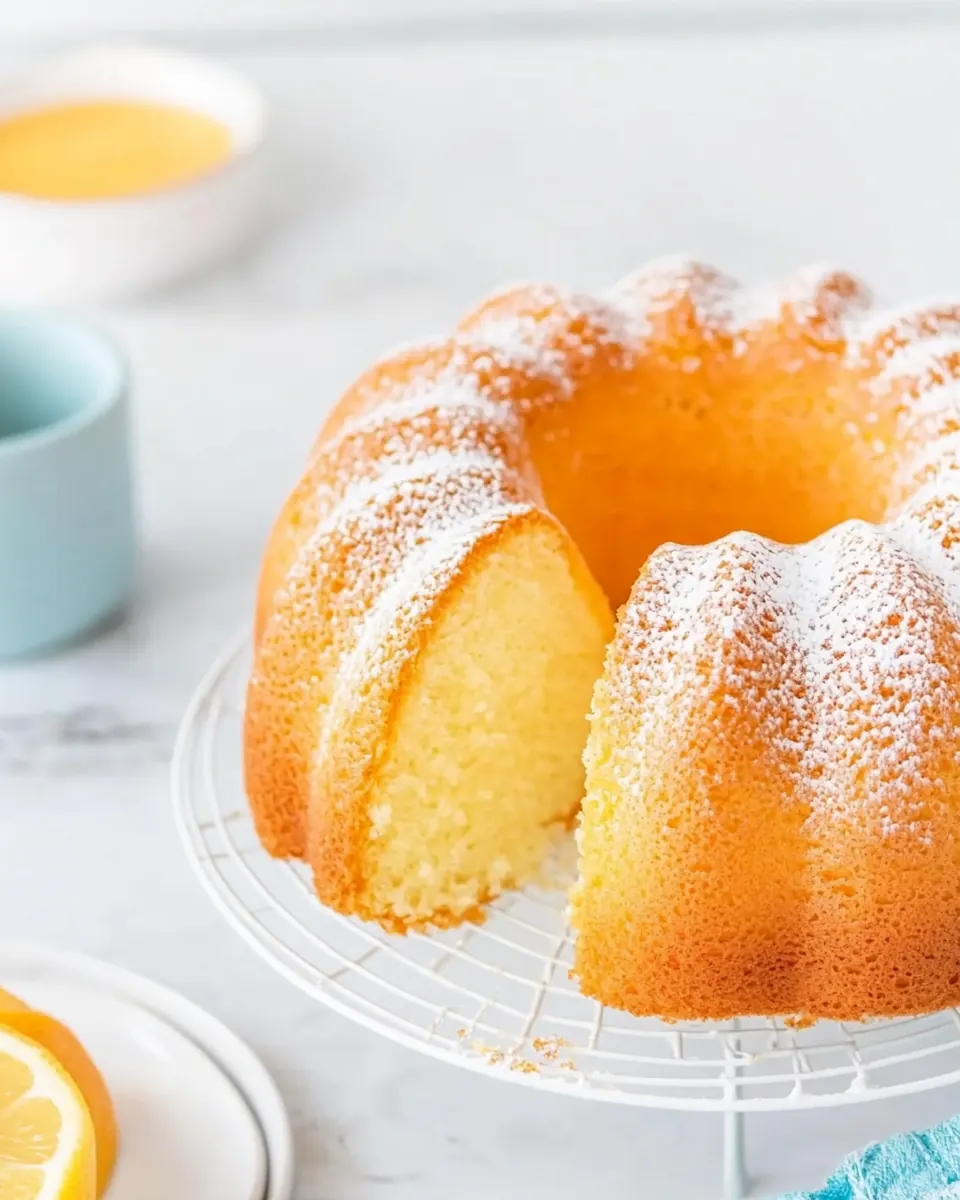
These ingredients are deliberately few, and they play well together to produce a tender, fragrant cake. The main players are the eggs and olive oil for richness, flour and baking powder for structure and lift, and orange zest and vanilla extract for aroma. I like how the dairy element, the milk, softens the batter, while sugar sweetens without overpowering the olive oil’s nuance.
- 4 eggs: Whisk vigorously to incorporate air and provide structure; eggs bind the batter, add moisture, and help the cake rise and set into a tender crumb when baked.
- 180 g sugar, approx 3/4 cup + 2 tbsp: Sweeten thoroughly and tenderize by dissolving into the batter; sugar not only adds sweetness but also promotes browning and helps stabilize the whipped eggs for a lighter texture.
- 120 ml extra-virgin olive oil, approx 1/2 cup: Enrich the batter with healthy fats and fruity aromatics; extra–virgin olive oil contributes moistness, a smooth mouthfeel, and a subtle savory-fruity note that balances the cake's sweetness.
- 150 ml milk, approx 2/3 cup: Loosen the batter and add moisture while moderating richness; milk provides hydration, helps dissolve dry ingredients, and yields a softer, more tender crumb.
- 1 teaspoon vanilla extract: Flavor gently and enhance aroma with a concentrated vanilla note; vanilla extract complements the citrus and olive oil, deepening the overall flavor profile without altering texture.
- zest of one orange: Brighten the cake with citrus oils and fresh aroma; orange zest adds lively, fragrant top notes and a pleasant acidic contrast that lifts the cake's richness.
- 300 g all purpose flour, approx 2+1/2 cups: Form the structure and provide bulk to the cake; all purpose flour supplies starch and gluten which set during baking to create the cake's crumb and internal framework.
- 1 tablespoon baking powder: Leaven the batter and create lift during baking; baking powder releases carbon dioxide when heated, producing a light, airy texture and ensuring the bundt cake rises evenly.
Cooking Method for Ciambellone Olive Oil Bundt Cake
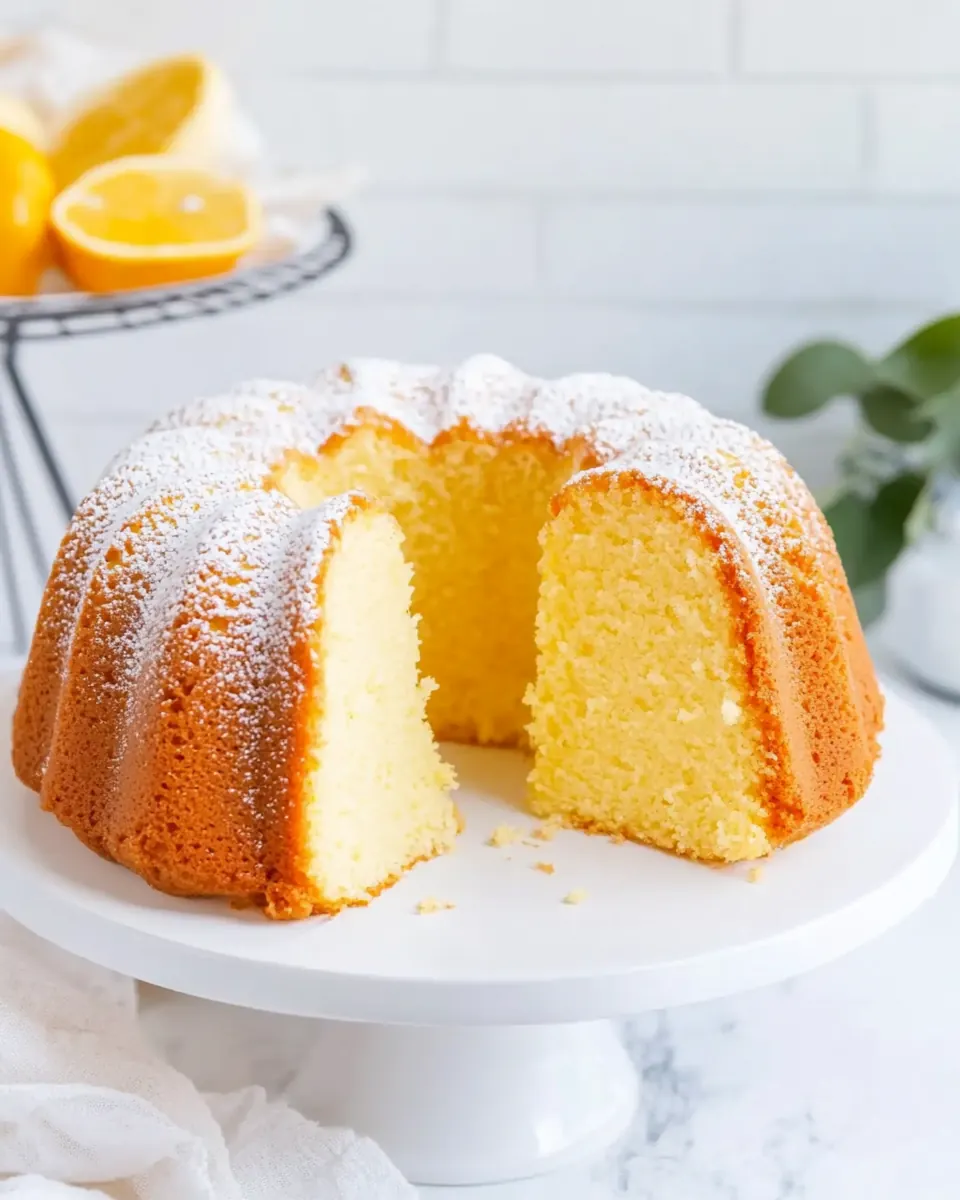
I like to think of baking this cake as a rhythmic, sensory process where small cues tell you everything you need. Take a moment to set your tools and measure carefully, because the rhythm of whisking and folding determines the texture. Below I expand each step with the sights, smells, and small traps I watch for—these cues have helped me nail the results many times.
- Preheat oven to 340°F/170°C and generously butter and flour a 9-inch or 10-inch springform bundt pan.: Warm air begins the transformation of batter to cake, and the smell of a preheated oven primes your kitchen for baking. Make sure the oven is fully up to temperature before you slide the pan in, because uneven heat can make the cake unevenly risen. I use softened butter to coat the pan, feeling with my fingertips to confirm full coverage, then dust with a light sprinkling of flour so the cake releases cleanly. A common mistake is skimping on the coating, which can cause sticking; be thorough, especially around the pan's crevices.
- In a large bowl whisk the eggs and sugar with a hand mixer until pale and fluffy, about 2 minutes.: At this stage you will notice the mixture lighten in color and increase slightly in volume, and the sound of the mixer will change as air becomes incorporated. The pale, ribbonlike batter is a visual cue you have trapped enough air to give the cake lift. Use room temperature eggs if possible, they incorporate more readily. Avoid overbeating beyond the pale and fluffy stage, because too much aeration can cause the cake to collapse later.
- Continue to whisk and slowly pour in the extra-virgin olive oil, followed by the milk, then whisk in the vanilla extract and orange zest.: As the thin stream of olive oil enters, the batter will loosen and glisten. You will smell the olive oil's fruity notes marry with the bright citrus from the orange zest . Pour slowly so the batter emulsifies and stays cohesive. If you add the oil too quickly the mixture may separate and lose the trapped air; slow steady pouring preserves structure and yields a silky batter.
- Place a sieve over the bowl, add the flour and baking powder and sift the ingredients into the bowl. Whisk all the ingredients gently until just combined, do not over mix.: When the sifted flour falls into the bowl it will create a soft, snowlike dusting. Gently fold with a whisk until you no longer see streaks of flour, stopping early to avoid developing gluten. The batter should look smooth and slightly thickened, not gluey. Overmixing here is the most common error, leading to a tough crumb; stop when things are homogenous and give the batter a quiet rest.
- Pour the cake batter into the prepared bundt pan. Place in the oven and bake for about 40 minutes, or until a toothpick inserted in the center comes out clean.: As the cake bakes you will notice the top set and the sides pulling slightly away from the pan. The smell will shift toward caramelized sugar and citrus warmed by the olive oil . Use the toothpick test near the center; if it comes out with a few moist crumbs the cake is done, but if wet batter clings you need more time. Avoid opening the oven repeatedly in the first part of baking, as that can cause the cake to sink in the middle.
- Remove the ciambellone from the oven and allow to cool completely at room temperature, then remove from the cake pan. Sprinkle some confectioner's sugar on top if you like and serve.: Cooling is where the crumb sets and moisture redistributes, and the aroma will mellow into a warm, inviting scent. Letting it cool in the pan for a short while helps it firm up slightly, but unmolding too early risks breaking the cake. Once unmolded and fully cooled, the cake accepts a light dusting of confectioner's sugar which highlights the contours. A common slip is forcing removal while still warm, which can tear the crust; patience yields a clean release.
Ways to Customize
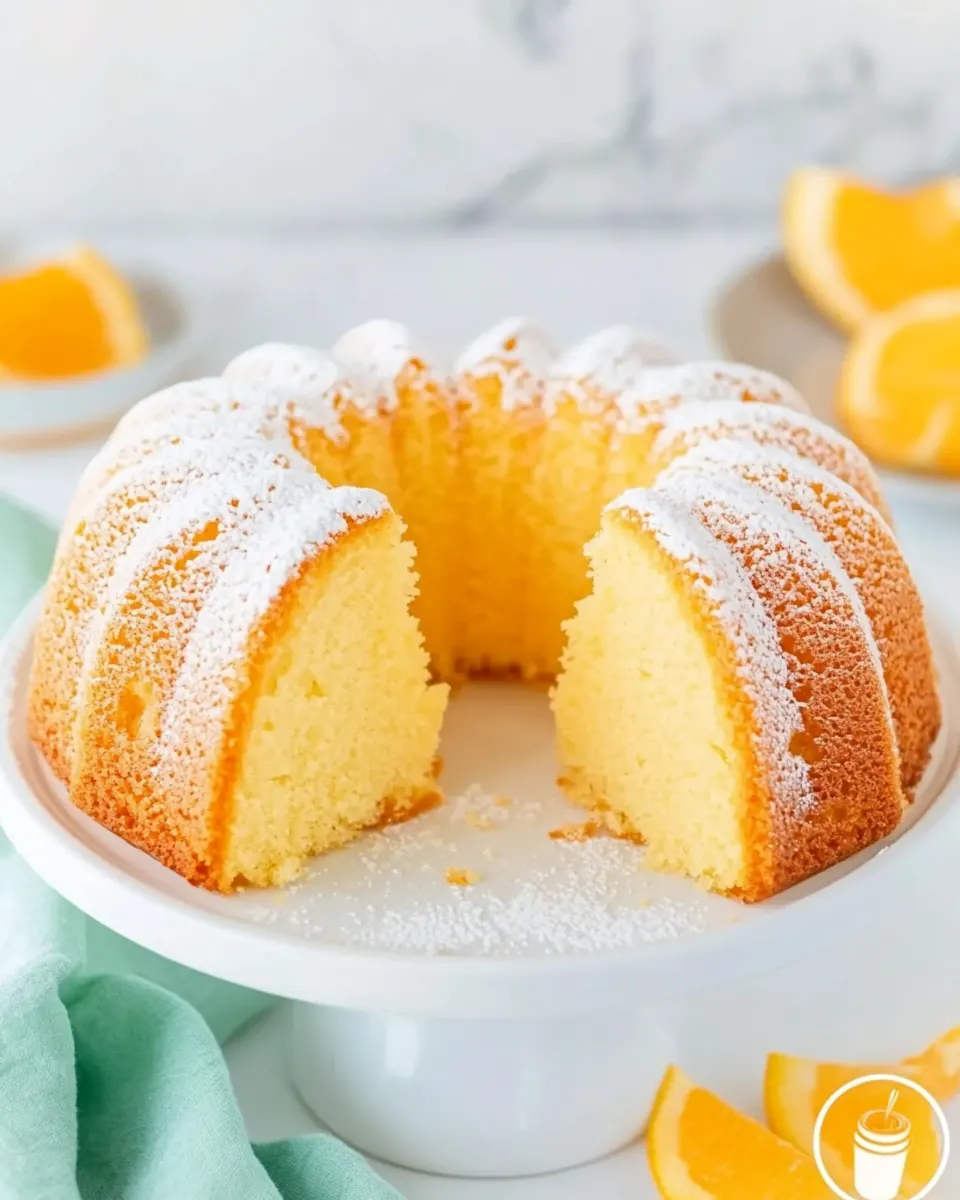
I often tailor Ciambellone Olive Oil Bundt Cake subtly to the moment, while keeping the original character intact. Small changes can amplify aroma, texture, or presentation, and each tip below begins with a practical phrase to guide you quickly. These suggestions expand on the notes in my testing, and I include storage advice so you can plan ahead.
- Prefer a brighter citrus note Add extra orange zest for more aroma, being careful to avoid the bitter white pith which will make the flavor harsh.
- Rely on grams for accuracy Weighing the sugar and flour delivers consistent results across ovens, and I always recommend using a scale for baking precision.
- Make it ahead Bake the cake a day before an event and store it under a cake dome at room temperature to let the flavors meld and the crumb relax.
- Control moisture If your kitchen is very dry, wrap slices in plastic wrap before storing to prevent staling; conversely in humid climates keep the cake lightly covered to avoid sogginess.
- Dress it simply A gentle dusting of confectioner’s sugar keeps the presentation elegant and highlights the bundt shape without masking the olive oil flavor.
Serving Options for Ciambellone Olive Oil Bundt Cake
I like to present this cake in a range of casual and slightly dressier settings. The following suggestions show how to serve it for breakfast, tea, or a relaxed after dinner treat. Each list item highlights a practical approach so you can adapt effortlessly.
- Breakfast pairing Offer slices with a spread of butter or a mild jam for a simple morning treat, and present with coffee or tea for a comforting start to the day.
- Brunch centerpiece Place the Ciambellone Olive Oil Bundt Cake on a cake stand, surrounded by fresh fruit, to anchor a casual weekend brunch where guests can help themselves.
- Tea time Serve thin slices with a pot of black or herbal tea; the cake’s citrus and olive oil notes are especially pleasant alongside lighter teas.
- Family dessert Keep a few slices at room temperature for after dinner, letting people enjoy a modest sweet without a heavy finale to the meal.
- Storage at room temp Cover the cake with a cake dome in a cool, dry spot to keep it fresh for up to two days, as noted in my recipe testing guidance.
- Refrigeration option Slice and store in an airtight container in the fridge for three to four days when you want to preserve it longer, bringing slices to room temperature before serving for best texture.
FAQ
Conclusion
This cake stands out because it turns simple pantry ingredients into a fragrant, tender bundt with a lovely olive oil character and citrus brightness. Give Ciambellone Olive Oil Bundt Cake a try for an uncomplicated baking win that suits breakfasts, casual gatherings, and relaxed afternoons. Its forgiving technique and long keeping quality make it a reliable recipe to return to again and again, and I hope you enjoy the warmth and ease it brings to your table.
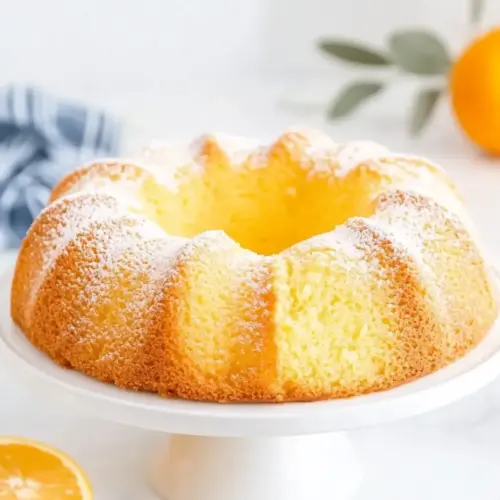
Ciambellone Olive Oil Bundt Cake
Equipment
- Hand Mixer
- Mixing Bowl
- Sieve
- 9-inch or 10-inch bundt pan
- Measuring scale
Ingredients
- 4 eggs Whisk vigorously to incorporate air and provide structure; eggs bind the batter, add moisture, and help the cake rise and set into a tender crumb when baked.
- 180 g sugar, approx 3/4 cup + 2 tbsp Sweeten thoroughly and tenderize by dissolving into the batter; sugar not only adds sweetness but also promotes browning and helps stabilize the whipped eggs for a lighter texture.
- 120 ml extra-virgin olive oil, approx 1/2 cup Enrich the batter with healthy fats and fruity aromatics; extra-virgin olive oil contributes moistness, a smooth mouthfeel, and a subtle savory-fruity note that balances the cake's sweetness.
- 150 ml milk, approx 2/3 cup Loosen the batter and add moisture while moderating richness; milk provides hydration, helps dissolve dry ingredients, and yields a softer, more tender crumb.
- 1 teaspoon vanilla extract Flavor gently and enhance aroma with a concentrated vanilla note; vanilla extract complements the citrus and olive oil, deepening the overall flavor profile without altering texture.
- zest of one orange Brighten the cake with citrus oils and fresh aroma; orange zest adds lively, fragrant top notes and a pleasant acidic contrast that lifts the cake's richness.
- 300 g all purpose flour, approx 2+1/2 cups Form the structure and provide bulk to the cake; all purpose flour supplies starch and gluten which set during baking to create the cake's crumb and internal framework.
- 1 tablespoon baking powder Leaven the batter and create lift during baking; baking powder releases carbon dioxide when heated, producing a light, airy texture and ensuring the bundt cake rises evenly.
Instructions
- Preheat oven to 340°F/170°C and generously butter and flour a 9-inch or 10-inch springform bundt pan.: Warm air begins the transformation of batter to cake, and the smell of a preheated oven primes your kitchen for baking. Make sure the oven is fully up to temperature before you slide the pan in, because uneven heat can make the cake unevenly risen. I use softened butter to coat the pan, feeling with my fingertips to confirm full coverage, then dust with a light sprinkling of flour so the cake releases cleanly. A common mistake is skimping on the coating, which can cause sticking; be thorough, especially around the pan's crevices.
- In a large bowl whisk the eggs and sugar with a hand mixer until pale and fluffy, about 2 minutes.: At this stage you will notice the mixture lighten in color and increase slightly in volume, and the sound of the mixer will change as air becomes incorporated. The pale, ribbonlike batter is a visual cue you have trapped enough air to give the cake lift. Use room temperature eggs if possible, they incorporate more readily. Avoid overbeating beyond the pale and fluffy stage, because too much aeration can cause the cake to collapse later.
- Continue to whisk and slowly pour in the extra-virgin olive oil, followed by the milk, then whisk in the vanilla extract and orange zest.: As the thin stream of olive oil enters, the batter will loosen and glisten. You will smell the olive oil's fruity notes marry with the bright citrus from the orange zest . Pour slowly so the batter emulsifies and stays cohesive. If you add the oil too quickly the mixture may separate and lose the trapped air; slow steady pouring preserves structure and yields a silky batter.
- Place a sieve over the bowl, add the flour and baking powder and sift the ingredients into the bowl. Whisk all the ingredients gently until just combined, do not over mix.: When the sifted flour falls into the bowl it will create a soft, snowlike dusting. Gently fold with a whisk until you no longer see streaks of flour, stopping early to avoid developing gluten. The batter should look smooth and slightly thickened, not gluey. Overmixing here is the most common error, leading to a tough crumb; stop when things are homogenous and give the batter a quiet rest.
- Pour the cake batter into the prepared bundt pan. Place in the oven and bake for about 40 minutes, or until a toothpick inserted in the center comes out clean.: As the cake bakes you will notice the top set and the sides pulling slightly away from the pan. The smell will shift toward caramelized sugar and citrus warmed by the olive oil . Use the toothpick test near the center; if it comes out with a few moist crumbs the cake is done, but if wet batter clings you need more time. Avoid opening the oven repeatedly in the first part of baking, as that can cause the cake to sink in the middle.
- Remove the ciambellone from the oven and allow to cool completely at room temperature, then remove from the cake pan. Sprinkle some confectioner's sugar on top if you like and serve.: Cooling is where the crumb sets and moisture redistributes, and the aroma will mellow into a warm, inviting scent. Letting it cool in the pan for a short while helps it firm up slightly, but unmolding too early risks breaking the cake. Once unmolded and fully cooled, the cake accepts a light dusting of confectioner's sugar which highlights the contours. A common slip is forcing removal while still warm, which can tear the crust; patience yields a clean release.
Notes
- Prefer a brighter citrus note Add extra orange zest for more aroma, being careful to avoid the bitter white pith which will make the flavor harsh.
- Rely on grams for accuracy Weighing the sugar and flour delivers consistent results across ovens, and I always recommend using a scale for baking precision.
- Make it ahead Bake the cake a day before an event and store it under a cake dome at room temperature to let the flavors meld and the crumb relax.
- Control moisture If your kitchen is very dry, wrap slices in plastic wrap before storing to prevent staling; conversely in humid climates keep the cake lightly covered to avoid sogginess.
- Dress it simply A gentle dusting of confectioner’s sugar keeps the presentation elegant and highlights the bundt shape without masking the olive oil flavor.