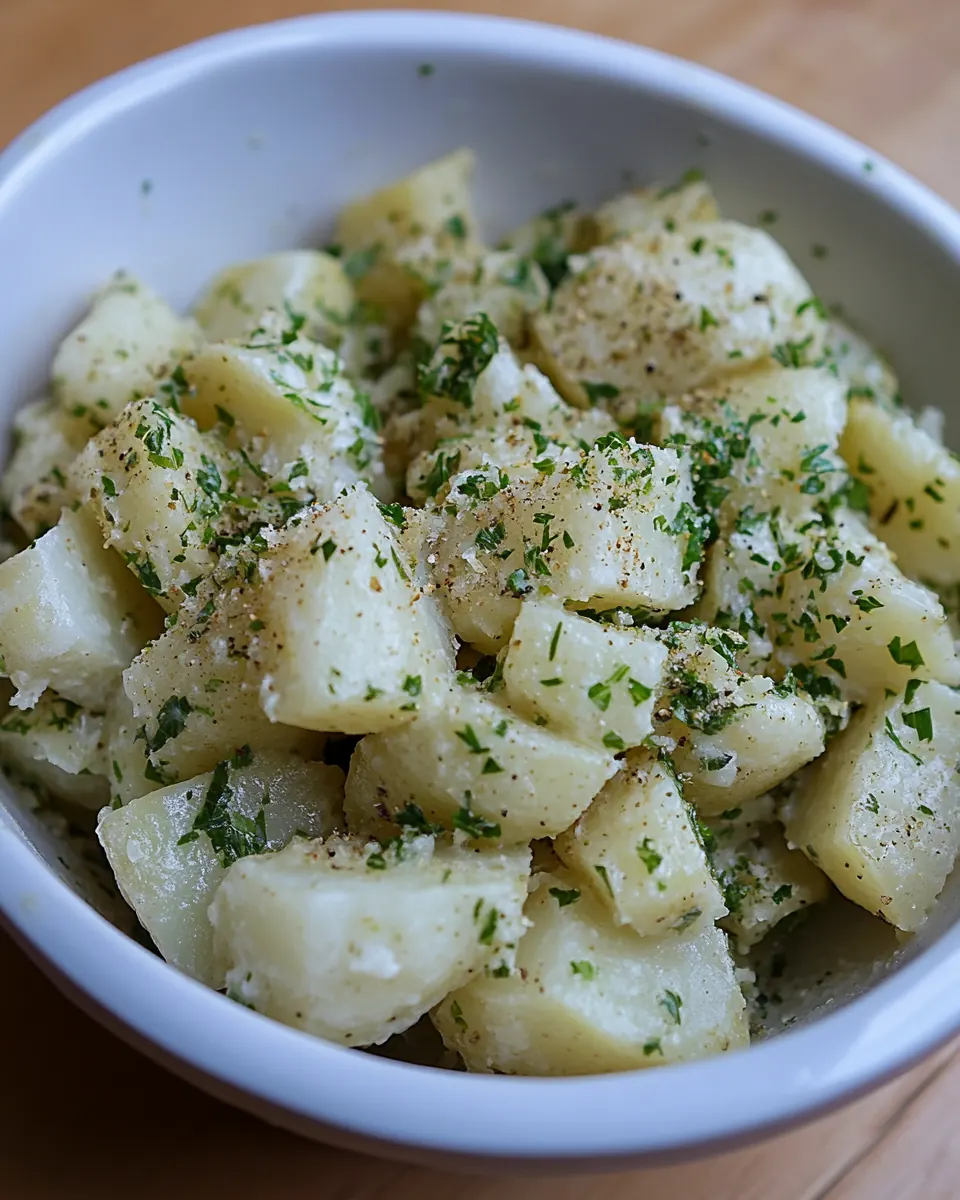
Warm Potato Salad
Warm Potato Salad is the kind of food that makes a modest weeknight feel like a small celebration. I first learned to make it on a rainy autumn afternoon when a neighbor knocked on my door with a wooden bowl and a grin, insisting I try a warm potato salad that smelled of lemon and garlic. That first bite taught me how powerful simple ingredients can be when they are treated with care, and ever since I’ve returned to this recipe whenever I want something comforting yet bright.
There are moments when a cold salad just will not do, and the warmth of tender potatoes tossed with fresh lemon and fragrant parsley fills that gap. I remember stirring the dressing while steam rose from the pot, the scents mingling and folding into the spud flesh. It felt like an easy, honest ritual, something I could share with friends or keep for a solo dinner that needed a little lift. Over time I’ve learned small tricks, like letting the dressing soak in while the potatoes are still warm so each bite carries more depth.
Recipe Snapshot
25 mins
10 mins
15 mins
Easy
180 kcal
American
Paleo, Vegan
Side Dishes
Saucepan, Mixing bowl, Fork, Knife
Why This Warm Potato Salad Stands Out
Bright and comforting
I love how Warm Potato Salad offers comfort without heaviness. The warmth of the potatoes makes the oil and lemon cling in a way that a cold salad never achieves, so every forkful feels cozy and lively at once. I often choose this when I want something familiar but not dull.
Minimal ingredients, maximum flavor
With just potatoes, lemon, parsley, garlic, and olive oil, this recipe proves that quality and technique trump quantity. I appreciate recipes that respect the ingredient, and this one rewards careful handling with a punchy, layered taste.
Fast and forgiving
Because the method centers on boiling and tossing, it is forgiving for busy evenings. I can step away for a minute, return, and the dish still comes together. That flexibility makes it one of my go to recipes when time is short but standards remain high.
Versatile for gatherings
I often bring Warm Potato Salad to potlucks because it travels well and appeals to many palates. It pairs easily with roasted vegetables or a simple green salad, and the room temperature serving means less fuss at the host table. I like that it feels homey and polished at the same time.
Textural satisfaction
The contrast between the tender interior of the potatoes and the slight bite from freshly chopped parsley keeps each bite interesting. When done right, the salad retains a satisfying chew, and the dressing clings rather than slides off, which is a small victory I never take for granted.
Recipe Ingredients for Warm Potato Salad
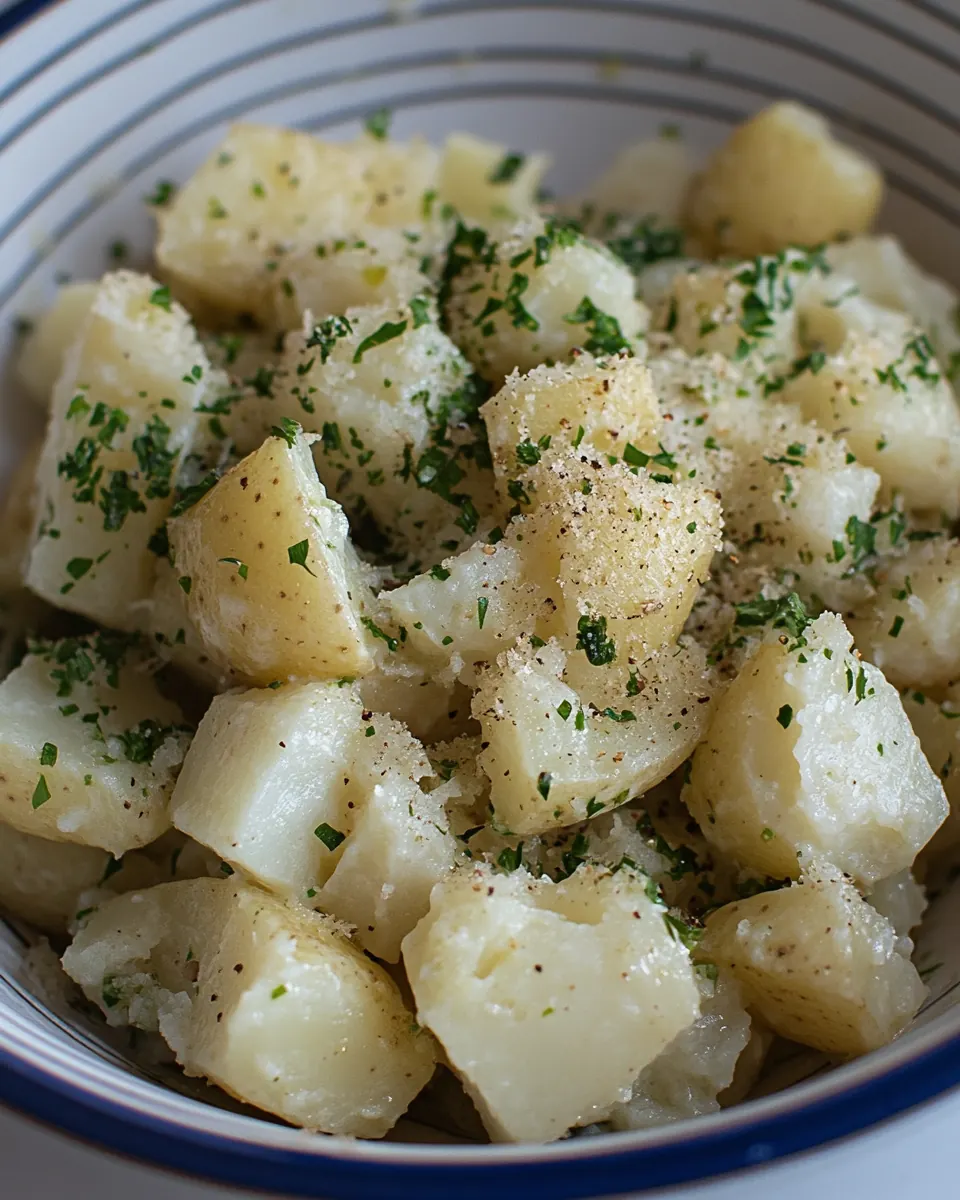
I think of these ingredients as a compact team. The potatoes provide body and warmth, while the lemon brightens and cuts through the oil. The garlic and parsley add an aromatic lift, and a generous drizzle of olive oil binds everything together. Salt and pepper tune the flavors so each element can sing without overpowering the others.
- 8 small new potatoes, all the same size: Boil until tender and uniform in size, providing the hearty base and bulk of the salad; maintain skins for texture and flavor, then halve or quarter while still warm so they absorb dressing more readily. Offer a creamy, starchy contrast to the acidic and herbaceous components and help carry other flavors throughout each bite.
- 1 zest of lemon: Zest finely to release fragrant citrus oils, contributing a bright, aromatic top note that lifts the entire dish. Add just before serving to preserve volatile oils and enhance freshness without adding extra liquid.
- 1/4 cup lemon juiced: Juice and strain to provide a clean, sharp acidity that balances the richness of olive oil and starchy potatoes; whisk into the dressing to create a tangy backbone. Adjust quantity to taste to control overall brightness and avoid overpowering the herbs.
- 1/4 cup parsley, chopped: Chop finely to introduce fresh, herbaceous green flavor and a slightly peppery, grassy aroma; fold in with the warm potatoes so the heat gently releases the herb oils. Use as both flavor and visual contrast, scattering some on top for garnish.
- 1 garlic clove, minced: Mince finely to add pungent, savory depth and a subtle bite that complements lemon and parsley; incorporate into the dressing so garlic mellows but still contributes aroma. Lightly cook in oil if a milder flavor is desired before combining with potatoes.
- 6 tablespoons olive oil: Whisk into the dressing to provide smooth mouthfeel and richness while carrying flavor across each piece of potato; use extra-virgin for pronounced fruitiness or regular olive oil for a neutral fat base. Emulsify with lemon juice and garlic to create a cohesive dressing that coats the warm potatoes.
- salt: Season to taste to enhance and balance all flavors, drawing out subtle notes from potatoes, herbs, and citrus; sprinkle gradually and taste between additions to avoid over-salting. Consider finishing with a light pinch after plating to sharpen the overall profile.
- pepper: Grind or crack to introduce mild heat and aromatic lift, rounding out the salad with subtle spiciness and complexity. Add during dressing preparation and adjust at the end to achieve the desired level of warmth without overwhelming other flavors.
Step by Step Instructions for Warm Potato Salad
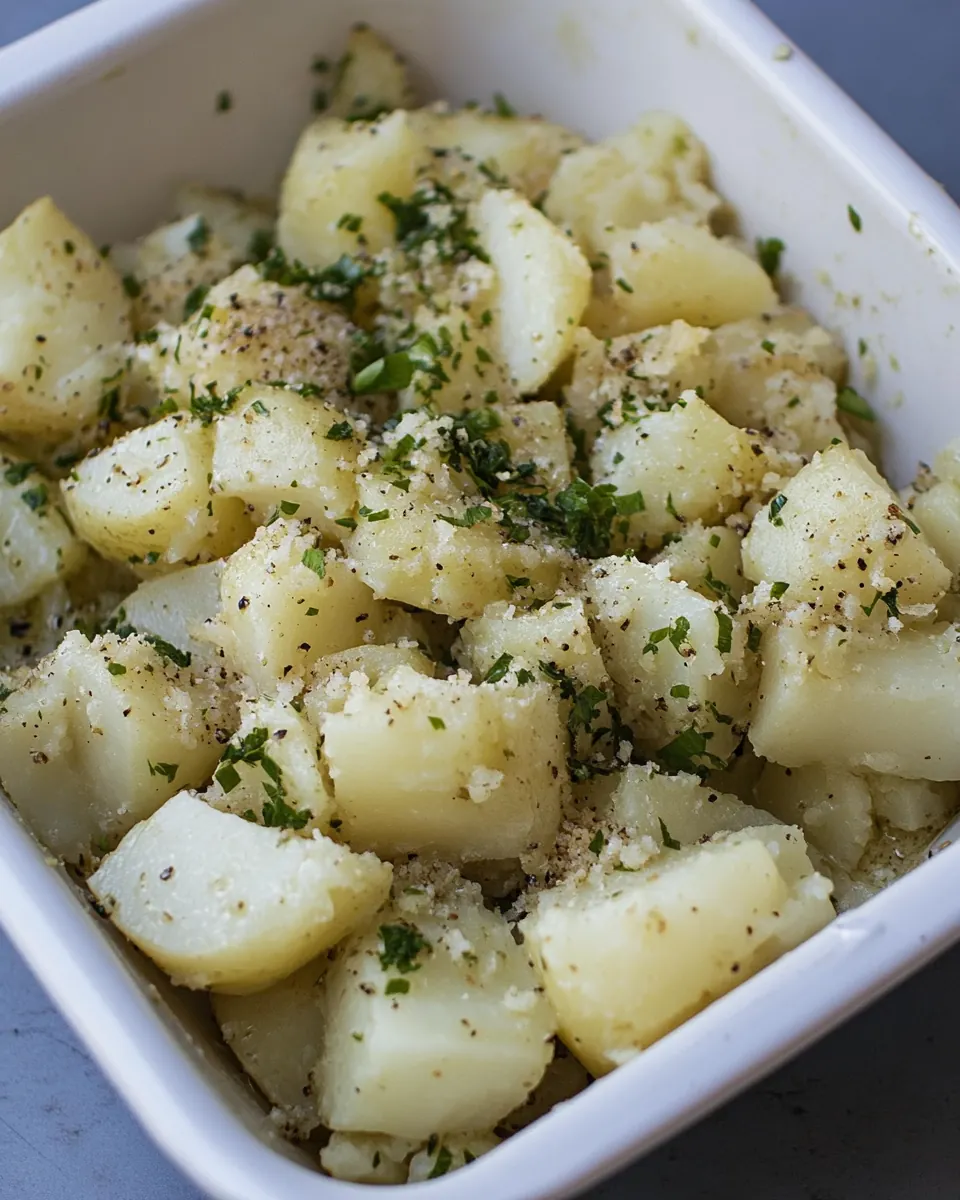
This recipe moves quickly, and timing matters because the dressing absorbs into warm potatoes. Follow the steps in order and pay attention to the sensory cues like steam, scent, and texture so you get a satisfying result.
- In a small bowl whisk together the crushed garlic, lemon juice, lemon zest and parsley: The moment you combine garlic with lemon juice and zest a bright citrus aroma will bloom, sharp and clean. Whisking briskly emulsifies some of the olive oil you will add later, helping the dressing coat the potatoes . Pay attention to the texture of the minced garlic it should be very fine so you do not get a raw chunk in a bite. A common mistake is to skip whisking, which can leave the dressing separated and make it slide off the potatoes rather than cling.
- Clean the potatoes, place them in a large saucepan with salted water and bring to a boil. Boil for 30 minutes or until tender when pierced with a knife. Drain and run under cold water and peel.: As the water heats you will notice a carry of earth and starch from the potatoes . Use a pot large enough so the water covers the potatoes by at least an inch, and add a good pinch of salt to the water to season from the inside out. Avoid boiling with the lid fully closed because it can cause uneven bubbling and over vigorous movement that breaks the skins. A common error is under salting the water, which leads to bland potatoes even after dressing.
- Crush them with a fork, ensuring they will not turn into mashed potatoes.: As the potatoes cook you will see steam rise and hear a light simmer. Test doneness by inserting a knife into the largest piece; it should slide in without resistance. Watch the pot in the final minutes, as overcooking will lead to a mealy texture that fragments when tossed. If a few pieces are still firm, remove the tender ones first to avoid mushy bits. Overcooking remains the most common pitfall here.
- Season with salt and pepper, add the lemon juice, lemon zest, garlic and parsley mixture and drizzle with olive oil. Add more oil if dry.: Rinsing briefly stops the cooking and cools the surface so you can handle the potatoes . If the skins slip off easily you can rub them away with a towel, or leave them on for rustic texture. Be cautious they will still hold heat in the center. A common slip is plunging into ice water too long which can make the flesh gummy instead of tender.
- Gently stir and serve: When you press the fork into a warm potato , aim for gentle contact that breaks the surface and exposes fluffy interior without pulverizing it. The sound changes from a thud to a soft scrape, and the aroma of cooked potatoes becomes more pronounced. The goal is irregular pieces that catch the dressing, not a uniform puree. A frequent mistake is using too much force and ending up with a mash that loses textural interest.
- Season with salt and pepper, add the lemon juice, lemon zest, garlic and parsley mixture and drizzle with olive oil: Once the potatoes are cradled in the bowl, sprinkle salt and freshly ground pepper , then pour the pre whisked mixture over them so the warm surfaces absorb the flavors. The olive oil will add sheen, and you will see it coat the crevices, carrying the aroma of garlic and parsley . Taste and adjust; if the salad feels dry add more olive oil gradually. Avoid adding too much salt at once; it is easier to increase than to take away.
- Gently stir and serve: Use a wooden spoon or spatula to fold the dressing into the potatoes , making slow, deliberate turns so you do not break them apart. You should hear a soft shuffling sound as pieces glide and the aroma of lemon lifts. Serve warm so the dressing remains glossy and the flavors meld on the plate. A common misstep is over stirring which causes the salad to lose its appealing texture, so be gentle and intentional.
Tips for Success
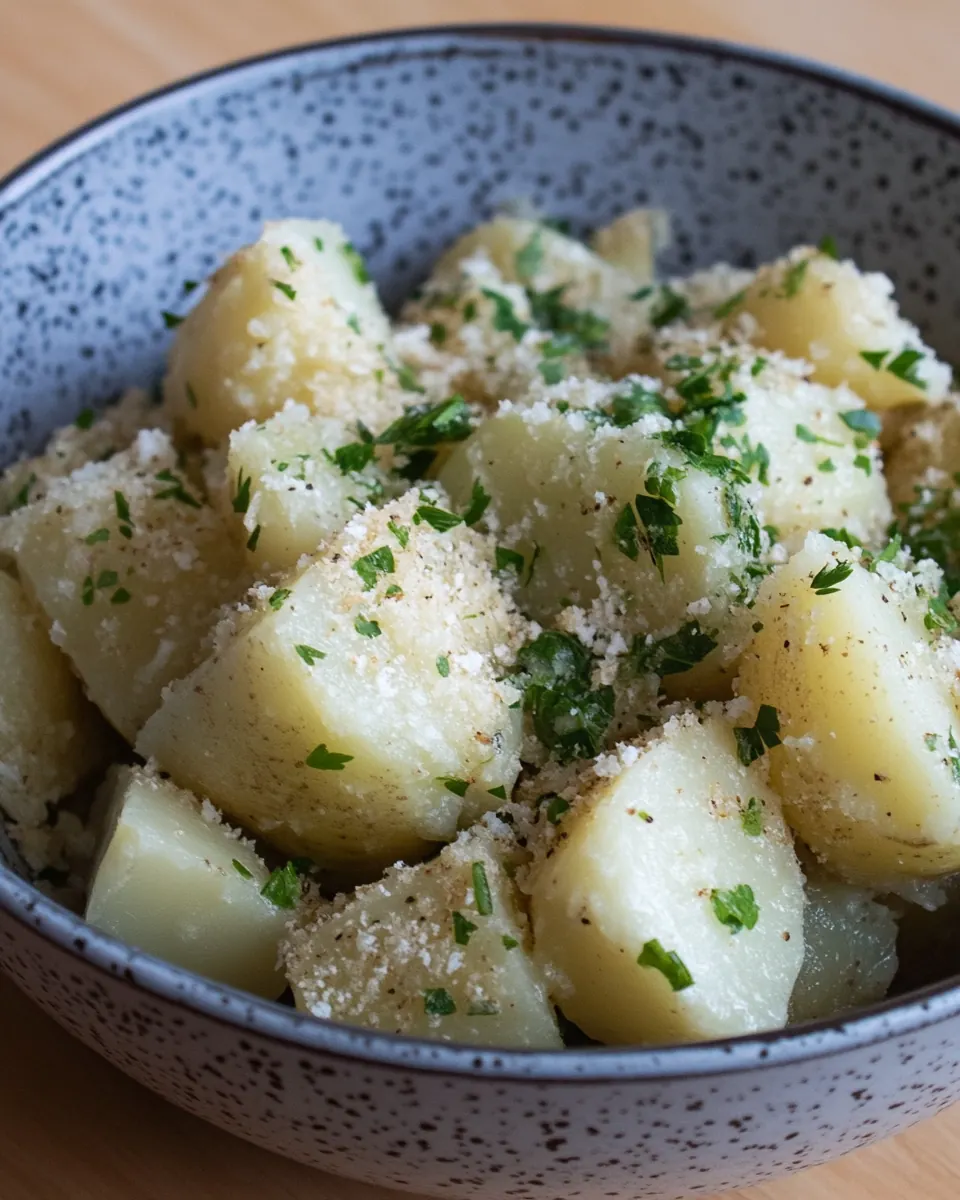
I like to think of tips as small preemptive fixes that save time and improve results. These suggestions focus on technique and small decisions that make a big difference in how the final Warm Potato Salad performs on the plate.
- Choose the right potato: Opt for waxy or new potatoes to keep the pieces intact when you crush them, ensuring pleasant texture and bite.
- Salt the cooking water well: Seasoning during boiling infuses the potatoes and reduces the need for extra salt later, giving a balanced backbone to the salad.
- Trim timing when testing doneness: Check potatoes a few minutes before the suggested time to avoid overcooking, especially if pieces are small.
- Whisk dressing thoroughly: Emulsifying the garlic, lemon, and parsley before adding oil helps the flavors marry and cling to the warm potatoes.
- Use quality olive oil: A flavorful extra virgin olive oil elevates the mouthfeel and aroma, so splurge a little here for better results.
- Serve warm not hot: Keeping the salad warm allows the dressing to stay glossy and the aromatics to remain vibrant, while very hot temperatures can make the dressing taste sharp.
Serving Options for Warm Potato Salad
Warm Potato Salad is terrific for many occasions because it bridges comfort and brightness. Whether you are hosting a casual lunch, bringing a dish to a fall gathering, or assembling a side for a weeknight meal, this salad adapts and complements many mains.
- Casual lunch plate: Serve the salad alongside a simple green salad and crusty bread for a relaxed midday meal that feels comforting and complete.
- Family dinner side: Pair with roasted vegetables or grilled fish for a family style dinner where the warm texture adds heartiness without heaviness.
- Potluck contribution: Because it travels and holds up at room temperature, bring it to gatherings; you can serve it in a shallow bowl so the dressing remains visible and inviting.
- Seasonal pairing: In fall, complement with roasted root vegetables and a cider vinaigrette on other dishes to echo the season; the salad keeps the plate bright.
- Storage tips: Refrigerate leftovers in an airtight container for up to two days. Rewarm gently to return to serving temperature, and if the salad tightens, add a splash of olive oil to refresh the texture.
- Occasion styling: For a relaxed holiday spread, place the salad on a warm serving platter and garnish with a bit more chopped parsley for color and freshness.
FAQ
Conclusion
Warm Potato Salad shines because it combines simple, honest ingredients into a dish that is both comforting and bright. The gentle warmth of the potatoes helps the lemon and garlic meld into every bite, creating a side that feels thoughtfully made without fuss. I encourage you to give it a try, play with proportions to suit your taste, and enjoy how a few high quality staples can deliver a memorable plate. Serve it at your next gathering or keep it for a cozy night in, and let the balance of texture and flavor win you over.
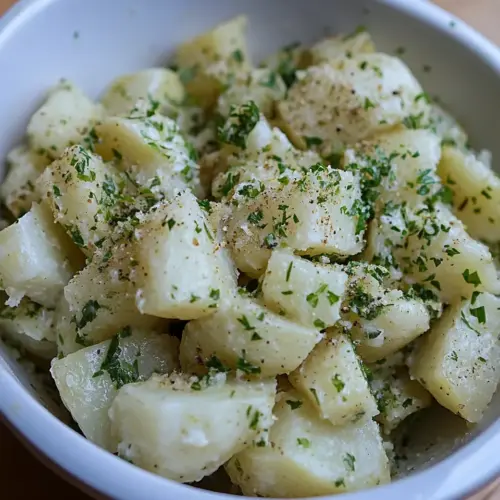
Warm Potato Salad
Equipment
- Saucepan
- Mixing Bowl
- Fork
- Knife
Ingredients
- 8 small new potatoes, all the same size Boil until tender and uniform in size, providing the hearty base and bulk of the salad; maintain skins for texture and flavor, then halve or quarter while still warm so they absorb dressing more readily. Offer a creamy, starchy contrast to the acidic and herbaceous components and help carry other flavors throughout each bite.
- 1 zest of lemon Zest finely to release fragrant citrus oils, contributing a bright, aromatic top note that lifts the entire dish. Add just before serving to preserve volatile oils and enhance freshness without adding extra liquid.
- 1/4 cup lemon juiced Juice and strain to provide a clean, sharp acidity that balances the richness of olive oil and starchy potatoes; whisk into the dressing to create a tangy backbone. Adjust quantity to taste to control overall brightness and avoid overpowering the herbs.
- 1/4 cup parsley, chopped Chop finely to introduce fresh, herbaceous green flavor and a slightly peppery, grassy aroma; fold in with the warm potatoes so the heat gently releases the herb oils. Use as both flavor and visual contrast, scattering some on top for garnish.
- 1 garlic clove, minced Mince finely to add pungent, savory depth and a subtle bite that complements lemon and parsley; incorporate into the dressing so garlic mellows but still contributes aroma. Lightly cook in oil if a milder flavor is desired before combining with potatoes.
- 6 tablespoons olive oil Whisk into the dressing to provide smooth mouthfeel and richness while carrying flavor across each piece of potato; use extra-virgin for pronounced fruitiness or regular olive oil for a neutral fat base. Emulsify with lemon juice and garlic to create a cohesive dressing that coats the warm potatoes.
- salt Season to taste to enhance and balance all flavors, drawing out subtle notes from potatoes, herbs, and citrus; sprinkle gradually and taste between additions to avoid over-salting. Consider finishing with a light pinch after plating to sharpen the overall profile.
- pepper Grind or crack to introduce mild heat and aromatic lift, rounding out the salad with subtle spiciness and complexity. Add during dressing preparation and adjust at the end to achieve the desired level of warmth without overwhelming other flavors.
Instructions
- In a small bowl whisk together the crushed garlic, lemon juice, lemon zest and parsley: The moment you combine garlic with lemon juice and zest a bright citrus aroma will bloom, sharp and clean. Whisking briskly emulsifies some of the olive oil you will add later, helping the dressing coat the potatoes . Pay attention to the texture of the minced garlic it should be very fine so you do not get a raw chunk in a bite. A common mistake is to skip whisking, which can leave the dressing separated and make it slide off the potatoes rather than cling.
- Clean the potatoes, place them in a large saucepan with salted water and bring to a boil. Boil for 30 minutes or until tender when pierced with a knife. Drain and run under cold water and peel.: As the water heats you will notice a carry of earth and starch from the potatoes . Use a pot large enough so the water covers the potatoes by at least an inch, and add a good pinch of salt to the water to season from the inside out. Avoid boiling with the lid fully closed because it can cause uneven bubbling and over vigorous movement that breaks the skins. A common error is under salting the water, which leads to bland potatoes even after dressing.
- Crush them with a fork, ensuring they will not turn into mashed potatoes.: As the potatoes cook you will see steam rise and hear a light simmer. Test doneness by inserting a knife into the largest piece; it should slide in without resistance. Watch the pot in the final minutes, as overcooking will lead to a mealy texture that fragments when tossed. If a few pieces are still firm, remove the tender ones first to avoid mushy bits. Overcooking remains the most common pitfall here.
- Season with salt and pepper, add the lemon juice, lemon zest, garlic and parsley mixture and drizzle with olive oil. Add more oil if dry.: Rinsing briefly stops the cooking and cools the surface so you can handle the potatoes . If the skins slip off easily you can rub them away with a towel, or leave them on for rustic texture. Be cautious they will still hold heat in the center. A common slip is plunging into ice water too long which can make the flesh gummy instead of tender.
- Gently stir and serve: When you press the fork into a warm potato , aim for gentle contact that breaks the surface and exposes fluffy interior without pulverizing it. The sound changes from a thud to a soft scrape, and the aroma of cooked potatoes becomes more pronounced. The goal is irregular pieces that catch the dressing, not a uniform puree. A frequent mistake is using too much force and ending up with a mash that loses textural interest.
- Season with salt and pepper, add the lemon juice, lemon zest, garlic and parsley mixture and drizzle with olive oil: Once the potatoes are cradled in the bowl, sprinkle salt and freshly ground pepper , then pour the pre whisked mixture over them so the warm surfaces absorb the flavors. The olive oil will add sheen, and you will see it coat the crevices, carrying the aroma of garlic and parsley . Taste and adjust; if the salad feels dry add more olive oil gradually. Avoid adding too much salt at once; it is easier to increase than to take away.
- Gently stir and serve: Use a wooden spoon or spatula to fold the dressing into the potatoes , making slow, deliberate turns so you do not break them apart. You should hear a soft shuffling sound as pieces glide and the aroma of lemon lifts. Serve warm so the dressing remains glossy and the flavors meld on the plate. A common misstep is over stirring which causes the salad to lose its appealing texture, so be gentle and intentional.
Notes
- Choose the right potato: Opt for waxy or new potatoes to keep the pieces intact when you crush them, ensuring pleasant texture and bite.
- Salt the cooking water well: Seasoning during boiling infuses the potatoes and reduces the need for extra salt later, giving a balanced backbone to the salad.
- Trim timing when testing doneness: Check potatoes a few minutes before the suggested time to avoid overcooking, especially if pieces are small.
- Whisk dressing thoroughly: Emulsifying the garlic, lemon, and parsley before adding oil helps the flavors marry and cling to the warm potatoes.
- Use quality olive oil: A flavorful extra virgin olive oil elevates the mouthfeel and aroma, so splurge a little here for better results.
- Serve warm not hot: Keeping the salad warm allows the dressing to stay glossy and the aromatics to remain vibrant, while very hot temperatures can make the dressing taste sharp.