
Chili For One
Chili For One started as my go to when I wanted something warm, filling, and honest after a long day.
I remember the first time I cooked this, standing over a tiny skillet with just enough for one bowl, stirring while the aroma of ground beef and minced garlic filled the kitchen. There was comfort in the simple ritual, the small sizzle in the pan, and the way a single serving felt like it belonged entirely to me. Over time I tweaked the seasonings so the flavors read bold without being fussy, and now this version is what I reach for when I want a quick, satisfying meal that does not require leftovers to justify it.
Cooking Chili For One became a small act of self care, the kind that asks for minimal effort and rewards you with deep, cozy flavor. I like to think of it as a compact, concentrated version of classic chili, with just enough stewed tomatoes and kidney beans to give it body, and a light hand with spices so each spoonful stays balanced. If you enjoy hands on, sensory cooking, this one delivers a warm bowl and the sound of a skillet doing exactly what it should.
Recipe Snapshot
25 mins
10 mins
15 mins
Easy
350 kcal
American
Gluten-Free, Keto
Dinner
Skillet, Saucepan, Spoon
Why This Chili For One Hits Different
Comfort without Commitment
I love that Chili For One gives you the full, warm comfort of a bowl of chili without committing to a huge pot. For evenings when I want simple satisfaction, this recipe is perfect, because it provides that deep, savory hug of ground beef and stewed tomatoes without filling the fridge for days.
Speed and Simplicity
This dish comes together quickly, which is essential on busy nights. The short cook time lets the flavors meld while you get on with your evening, and the straightforward ingredients mean I rarely need a special grocery run. I appreciate meals that respect my time but still taste like I cared enough to cook.
Flexible Flavor
The seasoning approach here is forgiving. I can dial up heat or keep it mild, and the recipe responds well. A touch more chili powder or an extra pinch of cumin brings forward a brighter, smokier note. That makes it a reliable canvas for personal taste.
Single Serving Joy
There is something liberating about cooking exactly as much as you need. With this recipe I avoid waste and savor every spoonful. The topping options let me finish with a little richness from shredded cheese or a cooling spoonful of sour cream, making each bowl feel thoughtfully dressed without fuss.
Pantry Friendly
Most of the ingredients are pantry staples, so I can usually make it on short notice. When I am low on time or energy, I still get a meal that tastes like effort went into it, even if only for ten minutes at the stove.
Chili For One Ingredients
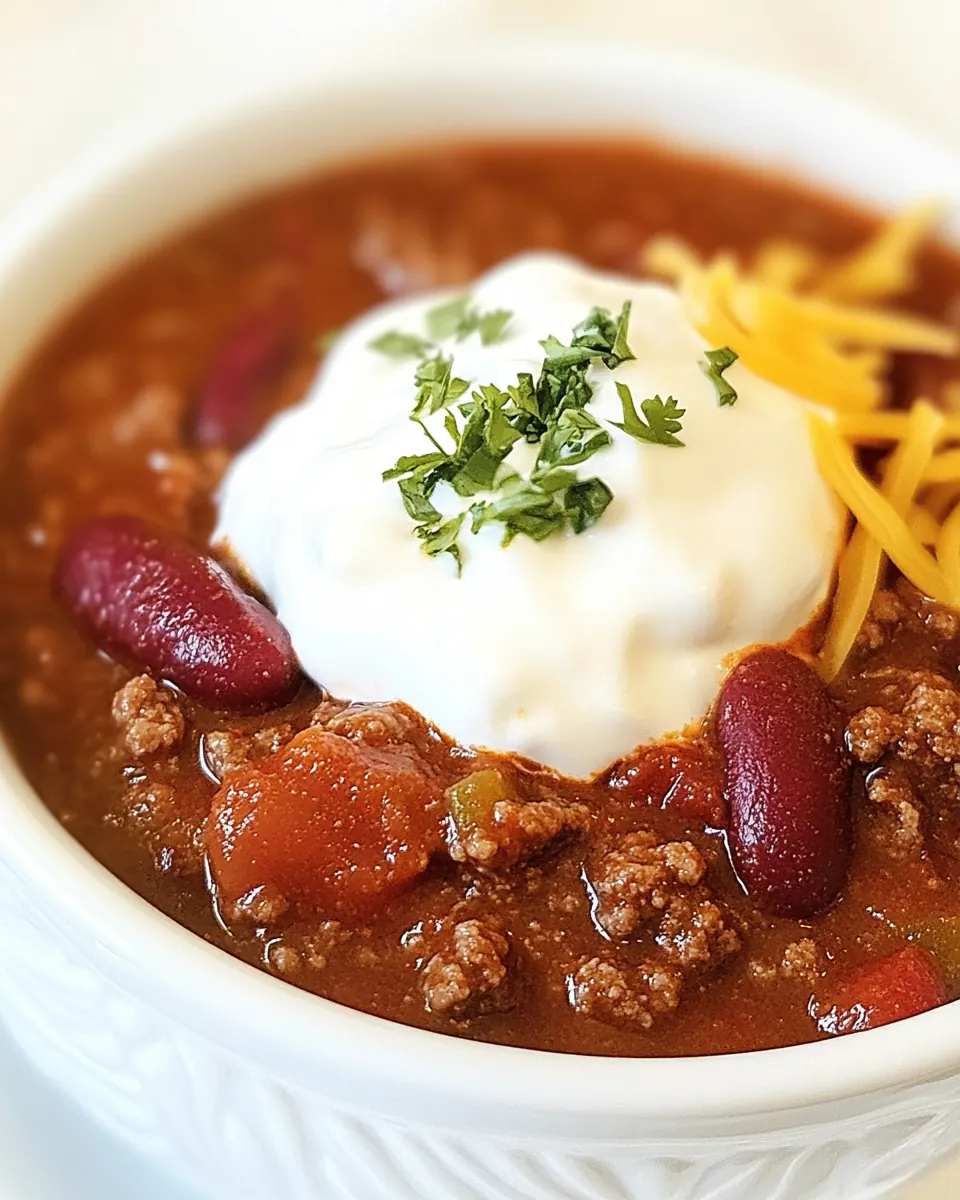
These ingredients are chosen to create a compact, balanced bowl of chili. The combination of savory ground beef, aromatic onion and minced garlic, and the body provided by stewed tomatoes and kidney beans gives depth without complexity. Spices like chili powder and cumin bring warmth and character, while salt and ground black pepper sharpen the overall profile. The optional toppings add contrast and creaminess.
- 4 ounces ground beef: Brown and crumble to develop a savory base and rich umami flavor, providing the primary protein and hearty texture for the chili. Cook until no longer pink and drain excess fat if necessary to keep the dish from becoming greasy. Season lightly while browning to build layers of flavor that will mingle with spices and tomatoes. Pair with beans and aromatics to create a balanced single-serving meal.
- 2 tablespoons diced onion: Sauté until translucent to add a mild sweet and aromatic foundation that complements the meat and tomatoes. Dice small so the pieces meld into the chili without dominating each bite, offering subtle texture and moisture. Cook gently with the beef or separately to release natural sugars that deepen the overall flavor. Use as part of the aromatic trio to support spices and garlic.
- 1 teaspoon minced garlic: Mince finely and cook briefly to release pungent, savory oils that brighten and deepen the chili's flavor profile. Add toward the start of cooking so its aroma infuses the meat and tomatoes without becoming bitter. Use a light hand to avoid overpowering the other seasonings while still contributing essential savory complexity. Combine with onion and spices for a well-rounded base.
- 14.5 oz . stewed tomatoes: Stir in as the primary liquid and tomato component to provide acidity, sweetness, and body to the chili. Use crushed or stewed tomatoes to create a saucy consistency that binds the meat, beans, and spices together. Simmer to concentrate flavors and allow the tomatoes to meld with aromatics and seasonings. Adjust simmer time to reach your preferred thickness and depth.
- 1/4 cup canned dark red kidney beans drained and rinsed: Rinse and drain before adding to contribute creamy texture, extra protein, and mild earthiness to the chili. Use a modest portion to keep the single-serving balance and prevent overwhelming the beef and tomato flavors. Gently fold in during simmering to heat through without breaking down completely, preserving some bean shape. Beans also add fiber and make the dish more filling.
- 1/2 teaspoon chili powder: Sprinkle to introduce warm, slightly smoky heat and classic chili character that ties other spices together. Start with a modest amount and adjust to taste since it defines much of the dish's overall spice level. Toast briefly with the aromatics to awaken its flavor before adding liquids. Combine with cumin and black pepper for layered seasoning complexity.
- 1/2 teaspoon salt: Add to enhance overall seasoning balance and bring out the natural flavors of the meat, tomatoes, and beans. Measure carefully to avoid over-salting, adjusting later if needed after simmering and tasting. Dissolve into the cooking liquid so it seasons evenly throughout the chili. Consider dietary sodium needs when seasoning.
- 1/4 teaspoon cumin: Stir in to provide warm earthy notes and a subtle citrusy undertone that complements chili powder and tomatoes. Use sparingly, as its concentrated flavor can dominate when overused, and toast briefly to release oils before adding liquids. Combine with other spices to create a nuanced base for the chili. Cumin helps tie together the savory and aromatic elements.
- 1/4 teaspoon ground black pepper: Season with to add a sharp, mildly bitter heat that enhances overall flavor and balances richer components. Grind fresh if possible for the most aromatic impact and add toward the end of cooking to preserve bright peppery notes. Use in combination with salt and chili powder for a rounded spice profile. Adjust amount to personal heat preference.
- shredded cheese and sour cream for serving (optional): Garnish with to introduce creamy and tangy contrasts and a melty, indulgent finish that elevates each spoonful. Offer shredded cheese for richness and sour cream for cool acidity that calms heat and adds smooth texture. Serve optional so diners can customize toppings to taste, enhancing presentation and mouthfeel. Use sparingly to maintain single-serving balance.
Chili For One Instructions

This recipe is straightforward and hands on, ideal for a quick solo meal. As you follow the steps I want you to pay attention to sensory cues like sizzling, aroma, and texture so you can tell when the dish is progressing correctly. Keep an eye on heat levels, taste as you go, and enjoy the small, deliberate actions that make a simple bowl of chili sing.
- In a small skillet or saucepan, combine uncooked ground beef, diced onion and minced garlic. Heat over medium heat, stirring frequently until beef is browned.: You will hear a lively sizzle as the ground beef first hits the hot pan, and the aroma of cooking meat and onion will quickly fill the kitchen, signaling that flavor building has started. As the meat begins to brown, you will see small browned bits forming on the pan surface, and the onion will soften and become translucent while the minced garlic releases a fragrant heat. Stirring frequently encourages even browning and prevents sticking, which matters because those browned bits carry concentrated savory flavor into the final bowl. If you leave the meat undisturbed too long, it may brown unevenly or burn at the edges; conversely, stirring constantly without letting the meat contact the pan keeps it from developing color. A common mistake is using oil that is not hot enough, which causes the meat to steam rather than brown, producing a softer, less savory result.
- Drain grease and return meat to pan.: After browning, the texture and aroma will shift as rendered fat pools in the pan, and draining excess grease cleans the dish of unwanted heaviness, leaving the concentrated savory pieces behind. Returning the meat lets those browned bits remain in contact with the pan so they can rejoin the sauce, creating depth without greasy mouthfeel. The sound will calm as the pan cools slightly, and the visual cue to look for is leaner, crumbly meat with defined brown edges. Skipping the drain can make the final chili oily, while over draining and losing all fat removes flavor, so aim for a balance.
- Add can of stewed tomatoes, drained and rinsed beans and all of the suggested seasonings.: When the stewed tomatoes hit the hot pan, you will notice a gentle hiss and a burst of tomato scent as acidity meets heat, which brightens the dish. Adding the rinsed kidney beans introduces a soft, meaty texture that contrasts with the crumbled meat, and folding in the spices like chili powder and cumin ties the elements together with warmth. This step is about layering flavors so they can merge during simmering, rather than simply combining components. A frequent error is dumping spices in all at once without stirring them into the hot liquid, which can leave pockets of concentrated seasoning.
- Over medium high heat, cook until mixture begins to boil. Stir and reduce heat to simmer.: As the mixture comes up to a boil you will see bubbling across the surface and steam rising with a concentrated tomato aroma, which indicates the ingredients are marrying. Stirring now helps prevent sticking and ensures that heat distributes evenly. Reducing to a simmer is crucial because a vigorous boil can break down the beans and separate the sauce, whereas a gentle simmer allows flavors to integrate and the texture to thicken. A mistake to avoid is leaving it at high heat, which can scorch the bottom and dry the mixture too quickly.
- Simmer for 10 minutes, stirring occasionally.: During these ten minutes you will notice the sauce deepen in color and the scent will evolve into a more cohesive, rounded profile where spice, tomato, and meat come together. Stirring occasionally keeps the bottom from catching and helps you assess thickness; the chili should reduce slightly and cling to the spoon. This slow reduction concentrates flavor and softens the beans, producing a spoonable, satisfying texture. Over simmering can cause the beans to disintegrate, while under simmering may leave the mixture watery and underdeveloped.
- Remove from heat and serve topped with shredded cheese and sour cream, if desired.: When you take the pan off the heat the aromas will settle into a warm, inviting finish, and the surface should show a glossy, slightly thickened coat. Adding a sprinkle of shredded cheese melts into ribbons, adding creaminess, while a dollop of sour cream cools and brightens the bowl. Letting the dish rest for a minute or two helps the textures set so each spoonful is balanced rather than runny. A common oversight is serving immediately piping hot, which can mute some flavors and make the bowl harder to eat comfortably.
Substitutions and Tips

This short intro explains how small swaps and techniques can keep the spirit of Chili For One while adjusting to what you have on hand. Below are detailed tips and substitutions to help you customize texture, heat, and finishing touches.
- Lean ground beef option If you prefer less fat, choose leaner ground beef, but expect slightly less pan fond for flavor, so compensate with careful browning and a little extra seasoning.
- Onion alternatives If you do not have diced onion, use a small amount of shallot or the white part of a green onion for a milder aroma, keeping quantities small so they do not overpower the bowl.
- Garlic timing Add minced garlic once the onion is translucent to avoid burning, and if you want a milder garlic note, add it closer to the end of browning.
- Tomato selection If you cannot find stewed tomatoes, use diced tomatoes and simmer a bit longer to reach similar thickness, and taste for seasoning adjustments.
- Bean texture For firmer beans, add rinsed kidney beans during the last few minutes of simmering; for creamier texture, let them cook a little longer but watch carefully.
- Spice control Start with the listed chili powder and cumin amounts, then add a pinch more at the end if you want a brighter finish, adding small increments to avoid overshooting the heat level.
- Cheese and sour cream Use a small amount of shredded cheese for richness and a spoonful of sour cream for cooling contrast; both should be garnishes, not main components.
- Salt carefully Add salt in stages and taste after the chili has simmered and reduced, because concentration increases and you may need less than you think.
- Make it heartier Keep the original amounts for a single serving consistency, but if you want extra heft, add a few more ounces of ground beef and a splash more tomato, adjusting spices accordingly.
What Goes Well With This Chili For One
Serving Chili For One is an opportunity to think small and satisfying. The list below explores side pairings, occasions, and ways to store or repurpose leftovers so your single bowl becomes a versatile meal option. Use the suggestions to match the bowl to your mood or setting.
- Simple bread or toast A slice of crusty bread or a piece of toast is perfect for scooping and balances the warm, saucy texture.
- Light salad A quick, crisp salad with a bright vinaigrette refreshes the palate between spoonfuls, especially if you use a small portion to keep the meal light.
- Rice or grain Serve the chili over a scoop of cooked rice for a heartier meal; the grain soaks up the sauce and stretches the single serving if desired.
- Casual weeknight dinner This recipe fits late evening solo dinners when you want something restful and easy to prepare without leftovers dictating meals for the rest of the week.
- Ramadan or fasting-friendly The bowl offers concentrated energy and warmth for breaking a fast, and it pairs well with a small salad and dates for balance.
- Storage tips Cool leftover chili quickly, transfer to an airtight container, and refrigerate for up to three days; reheat gently on the stove to preserve texture.
- Seasonal pairing In winter, add a warm drink and a cozy blanket; the chili‘s warmth and spice are especially comforting in cold weather.
- Presentation Top with a modest sprinkle of shredded cheese and a small dollop of sour cream for contrast and a polished look without fuss.
- Occasion Ideal for a solo movie night or a quick lunch at home when you want a substantial, flavorful bowl without fuss.
- Portion control The single serving size helps with mindful eating, letting you savor a satisfying meal without overdoing it.
FAQ
Conclusion
Chili For One is special because it delivers the deep, satisfying flavors of classic chili in a perfectly portioned bowl for one. This recipe lets you enjoy rich, savory comfort without extra leftovers, and its straightforward method fits easily into busy evenings. Give it a try when you want a soul warming meal that celebrates simple ingredients and careful seasoning. I hope it becomes your go to solo dinner, offering consistent warmth and flavor whenever you need a quick, comforting dish.

Chili For One
Equipment
- Skillet
- Saucepan
- Spoon
Ingredients
- 4 ounces ground beef Brown and crumble to develop a savory base and rich umami flavor, providing the primary protein and hearty texture for the chili. Cook until no longer pink and drain excess fat if necessary to keep the dish from becoming greasy. Season lightly while browning to build layers of flavor that will mingle with spices and tomatoes. Pair with beans and aromatics to create a balanced single-serving meal.
- 2 tablespoons diced onion Sauté until translucent to add a mild sweet and aromatic foundation that complements the meat and tomatoes. Dice small so the pieces meld into the chili without dominating each bite, offering subtle texture and moisture. Cook gently with the beef or separately to release natural sugars that deepen the overall flavor. Use as part of the aromatic trio to support spices and garlic.
- 1 teaspoon minced garlic Mince finely and cook briefly to release pungent, savory oils that brighten and deepen the chili's flavor profile. Add toward the start of cooking so its aroma infuses the meat and tomatoes without becoming bitter. Use a light hand to avoid overpowering the other seasonings while still contributing essential savory complexity. Combine with onion and spices for a well-rounded base.
- 14.5 oz . stewed tomatoes Stir in as the primary liquid and tomato component to provide acidity, sweetness, and body to the chili. Use crushed or stewed tomatoes to create a saucy consistency that binds the meat, beans, and spices together. Simmer to concentrate flavors and allow the tomatoes to meld with aromatics and seasonings. Adjust simmer time to reach your preferred thickness and depth.
- 1/4 cup canned dark red kidney beans drained and rinsed Rinse and drain before adding to contribute creamy texture, extra protein, and mild earthiness to the chili. Use a modest portion to keep the single-serving balance and prevent overwhelming the beef and tomato flavors. Gently fold in during simmering to heat through without breaking down completely, preserving some bean shape. Beans also add fiber and make the dish more filling.
- 1/2 teaspoon chili powder Sprinkle to introduce warm, slightly smoky heat and classic chili character that ties other spices together. Start with a modest amount and adjust to taste since it defines much of the dish's overall spice level. Toast briefly with the aromatics to awaken its flavor before adding liquids. Combine with cumin and black pepper for layered seasoning complexity.
- 1/2 teaspoon salt Add to enhance overall seasoning balance and bring out the natural flavors of the meat, tomatoes, and beans. Measure carefully to avoid over-salting, adjusting later if needed after simmering and tasting. Dissolve into the cooking liquid so it seasons evenly throughout the chili. Consider dietary sodium needs when seasoning.
- 1/4 teaspoon cumin Stir in to provide warm earthy notes and a subtle citrusy undertone that complements chili powder and tomatoes. Use sparingly, as its concentrated flavor can dominate when overused, and toast briefly to release oils before adding liquids. Combine with other spices to create a nuanced base for the chili. Cumin helps tie together the savory and aromatic elements.
- 1/4 teaspoon ground black pepper Season with to add a sharp, mildly bitter heat that enhances overall flavor and balances richer components. Grind fresh if possible for the most aromatic impact and add toward the end of cooking to preserve bright peppery notes. Use in combination with salt and chili powder for a rounded spice profile. Adjust amount to personal heat preference.
- shredded cheese and sour cream optional for serving Garnish with to introduce creamy and tangy contrasts and a melty, indulgent finish that elevates each spoonful. Offer shredded cheese for richness and sour cream for cool acidity that calms heat and adds smooth texture. Serve optional so diners can customize toppings to taste, enhancing presentation and mouthfeel. Use sparingly to maintain single-serving balance.
Instructions
- In a small skillet or saucepan, combine uncooked ground beef, diced onion and minced garlic. Heat over medium heat, stirring frequently until beef is browned.: You will hear a lively sizzle as the ground beef first hits the hot pan, and the aroma of cooking meat and onion will quickly fill the kitchen, signaling that flavor building has started. As the meat begins to brown, you will see small browned bits forming on the pan surface, and the onion will soften and become translucent while the minced garlic releases a fragrant heat. Stirring frequently encourages even browning and prevents sticking, which matters because those browned bits carry concentrated savory flavor into the final bowl. If you leave the meat undisturbed too long, it may brown unevenly or burn at the edges; conversely, stirring constantly without letting the meat contact the pan keeps it from developing color. A common mistake is using oil that is not hot enough, which causes the meat to steam rather than brown, producing a softer, less savory result.
- Drain grease and return meat to pan.: After browning, the texture and aroma will shift as rendered fat pools in the pan, and draining excess grease cleans the dish of unwanted heaviness, leaving the concentrated savory pieces behind. Returning the meat lets those browned bits remain in contact with the pan so they can rejoin the sauce, creating depth without greasy mouthfeel. The sound will calm as the pan cools slightly, and the visual cue to look for is leaner, crumbly meat with defined brown edges. Skipping the drain can make the final chili oily, while over draining and losing all fat removes flavor, so aim for a balance.
- Add can of stewed tomatoes, drained and rinsed beans and all of the suggested seasonings.: When the stewed tomatoes hit the hot pan, you will notice a gentle hiss and a burst of tomato scent as acidity meets heat, which brightens the dish. Adding the rinsed kidney beans introduces a soft, meaty texture that contrasts with the crumbled meat, and folding in the spices like chili powder and cumin ties the elements together with warmth. This step is about layering flavors so they can merge during simmering, rather than simply combining components. A frequent error is dumping spices in all at once without stirring them into the hot liquid, which can leave pockets of concentrated seasoning.
- Over medium high heat, cook until mixture begins to boil. Stir and reduce heat to simmer.: As the mixture comes up to a boil you will see bubbling across the surface and steam rising with a concentrated tomato aroma, which indicates the ingredients are marrying. Stirring now helps prevent sticking and ensures that heat distributes evenly. Reducing to a simmer is crucial because a vigorous boil can break down the beans and separate the sauce, whereas a gentle simmer allows flavors to integrate and the texture to thicken. A mistake to avoid is leaving it at high heat, which can scorch the bottom and dry the mixture too quickly.
- Simmer for 10 minutes, stirring occasionally.: During these ten minutes you will notice the sauce deepen in color and the scent will evolve into a more cohesive, rounded profile where spice, tomato, and meat come together. Stirring occasionally keeps the bottom from catching and helps you assess thickness; the chili should reduce slightly and cling to the spoon. This slow reduction concentrates flavor and softens the beans, producing a spoonable, satisfying texture. Over simmering can cause the beans to disintegrate, while under simmering may leave the mixture watery and underdeveloped.
- Remove from heat and serve topped with shredded cheese and sour cream, if desired.: When you take the pan off the heat the aromas will settle into a warm, inviting finish, and the surface should show a glossy, slightly thickened coat. Adding a sprinkle of shredded cheese melts into ribbons, adding creaminess, while a dollop of sour cream cools and brightens the bowl. Letting the dish rest for a minute or two helps the textures set so each spoonful is balanced rather than runny. A common oversight is serving immediately piping hot, which can mute some flavors and make the bowl harder to eat comfortably.
Notes
- Lean ground beef option If you prefer less fat, choose leaner ground beef, but expect slightly less pan fond for flavor, so compensate with careful browning and a little extra seasoning.
- Onion alternatives If you do not have diced onion, use a small amount of shallot or the white part of a green onion for a milder aroma, keeping quantities small so they do not overpower the bowl.
- Garlic timing Add minced garlic once the onion is translucent to avoid burning, and if you want a milder garlic note, add it closer to the end of browning.
- Tomato selection If you cannot find stewed tomatoes, use diced tomatoes and simmer a bit longer to reach similar thickness, and taste for seasoning adjustments.
- Bean texture For firmer beans, add rinsed kidney beans during the last few minutes of simmering; for creamier texture, let them cook a little longer but watch carefully.
- Spice control Start with the listed chili powder and cumin amounts, then add a pinch more at the end if you want a brighter finish, adding small increments to avoid overshooting the heat level.
- Cheese and sour cream Use a small amount of shredded cheese for richness and a spoonful of sour cream for cooling contrast; both should be garnishes, not main components.
- Salt carefully Add salt in stages and taste after the chili has simmered and reduced, because concentration increases and you may need less than you think.
- Make it heartier Keep the original amounts for a single serving consistency, but if you want extra heft, add a few more ounces of ground beef and a splash more tomato, adjusting spices accordingly.
