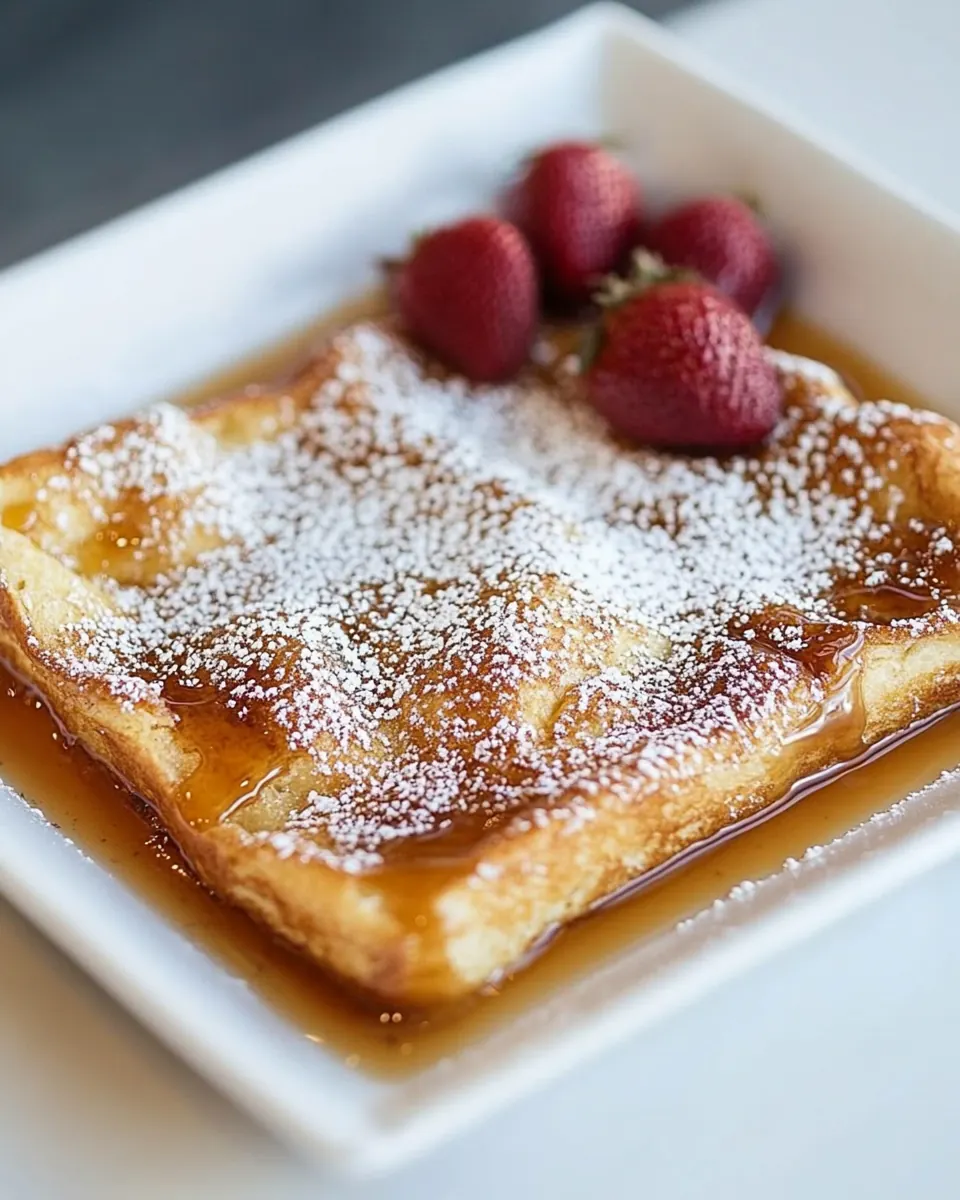
Overnight Caramel French Toast
Overnight Caramel French Toast is the kind of recipe that sneaks up on you and becomes the star of a slow morning, a holiday brunch, or a cozy weekend at home. I first learned this version from a friend who swore by the sticky caramel bottom and impossibly tender bread that soaks up a custardy filling. The first time I made it I woke up to the warm, sweet scent that drifted through the house, and I remember thinking, I need to keep this in my repertoire forever.
There is something comforting about assembling everything the night before, leaving it to rest, and then finishing it off with a short bake. I love how the Overnight Caramel French Toast comes together with very little fuss, yet looks and tastes like you spent all morning in the kitchen. The crunchy, caramelized base against the soft, custardy top creates a contrast that keeps everyone reaching for another slice.
Over the years I have tweaked small details to match my taste, and each tweak taught me more about the building blocks of great brunch food. Simple pantry ingredients behave like a team here, with the brown sugar and corn syrup forming that glossy, sweet foundation while the custard of milk and eggs turns the bread into something almost pudding like. When guests ask for the recipe, I always tell them it is more about timing and gentle hands than fancy technique.
Recipe Snapshot
1 hr 10 mins
20 mins
50 mins
Medium
300 kcal
American
Gluten-Free, Low FODMAP
Breakfast
9 x 13 inch baking dish, small saucepan, large bowl, whisk, oven
What Makes This Overnight Caramel French Toast Special
Caramelized base that feels luxurious
I adore the way the brown sugar and light corn syrup melt together to form a sticky, glossy layer, it transforms ordinary bread into something indulgent. That caramel layer not only tastes rich, it provides a textural counterpoint to the soft custard top, so each bite has brightness and depth. I appreciate recipes that make simple ingredients taste special, and this one does that elegantly.
Hands off overnight prep
One of the reasons I reach for Overnight Caramel French Toast when planning brunch is the overnight soak. You can assemble the night before and let refrigeration do the work, which frees you up in the morning. I often assemble after dinner, then sleep easy knowing the oven work will be short. This feels like smart hosting, not labor intensive, and it keeps the morning relaxed.
Textural contrast that everyone loves
The interplay between the golden, slightly sticky bottom and the pillowy top is what keeps people coming back for seconds. I find the small slices of French bread soak evenly, giving a custardy interior without collapsing into mush. When you serve it warm, the caramel still has a pleasant pull, while the top has a gentle, sliceable structure, creating an enjoyable mouthfeel.
Family friendly and forgiving
I like recipes that are forgiving and adaptable, and this one fits the bill. The custard ratio here is sturdy, so minor timing differences do not ruin the dish. If you forget and leave it a bit longer in the fridge, it still turns out tender. I often nudge novice cooks to try this because it teaches control without penalizing small mistakes.
Perfect for gatherings
This dish scales well and feels celebratory without being complicated. I often double it for holiday mornings and it maintains the same comforting flavors. From a hosting perspective, it is a winner because you can focus on coffee and conversation while the oven does the finishing work.
Key Ingredients for Overnight Caramel French Toast
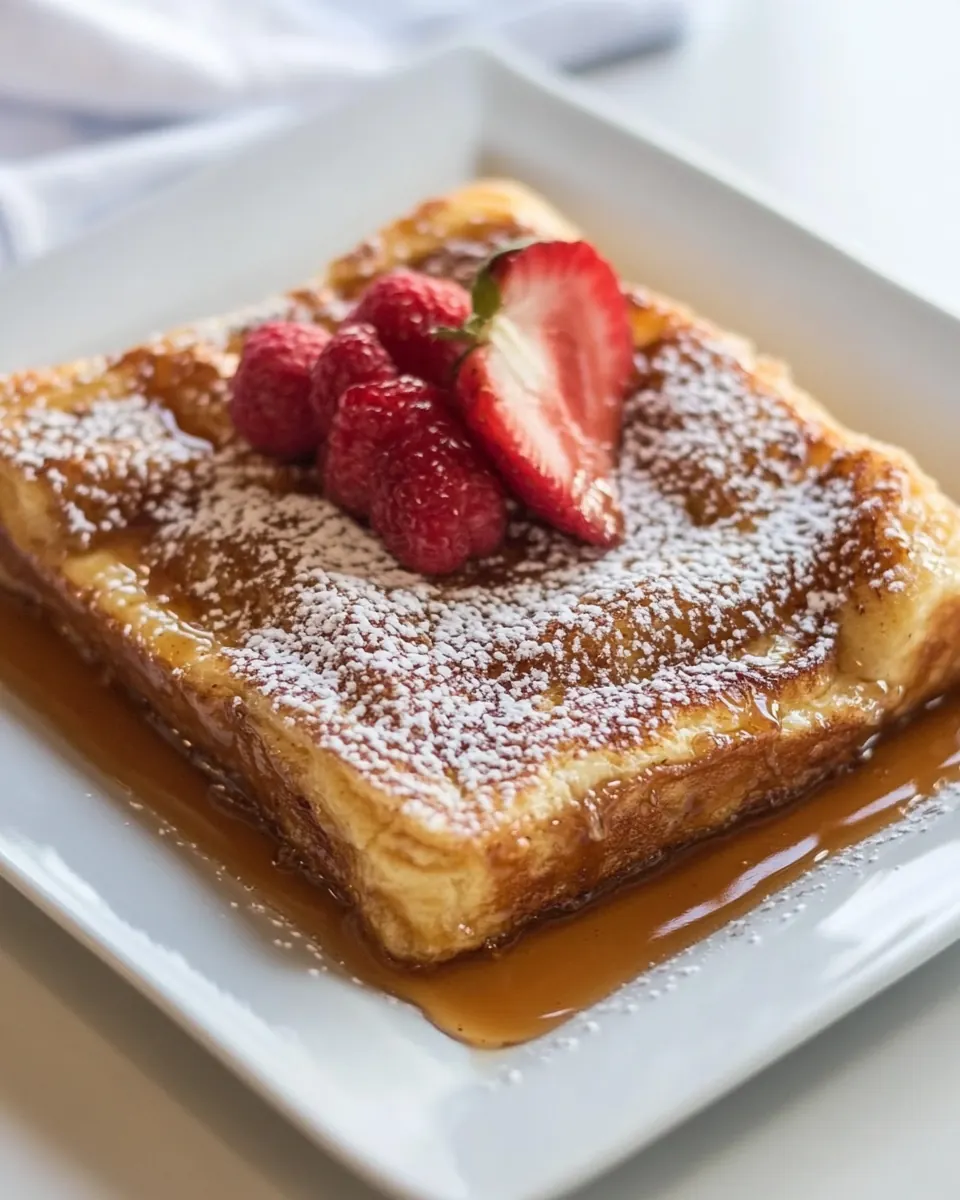
These ingredients are chosen to create a balanced, custardy bake with a caramelized base. The key players are the sugars that make the sticky bottom, the dairy and eggs that build the custard, and the bread that acts as the sponge. Each element supports texture and flavor, so when they mingle overnight, the result is rich, fragrant, and reliably satisfying.
- 1 cup packed light brown sugar: Provide deep, caramel-like sweetness and moisture for the base sauce; helps create a glossy, rich caramel when melted with butter and corn syrup. Adds brown sugar’s molasses notes that balance the custard’s richness and complement cinnamon.
- 1/2 cup light corn syrup: Contribute a smooth, liquid sweetness and prevent crystallization when combined with brown sugar and butter; helps produce a shiny, pourable caramel layer. Keeps the caramel sauce soft overnight and enhances texture without adding graininess.
- 1/4 cup (1/2 stick) salted butter: Add creamy fat that enriches the caramel and helps form a silky sauce when melted; contributes salty balance to the sweet components. Provides flavor depth and a smooth mouthfeel that binds the caramel topping together.
- 10 1 ounce slices soft French bread: Supply the bread structure that soaks up the custard overnight; soft French bread yields a tender, custardy interior and slightly crisp edges when baked. Thick slices hold up to the caramel and custard without becoming mushy, forming the main body of the dish.
- 2 1/2 cup s1% low fat milk: Provide the liquid base for the custard, diluting eggs and sugar into a smooth soaking mixture; low-fat milk keeps the custard lighter while still providing dairy flavor. Helps the bread absorb moisture and set into a creamy texture during baking.
- 1 tablespoon all purpose flour: Act as a light thickening agent to stabilize the custard and help it cling to the bread slices; flour can prevent a too-runny custard and promote even texture. Blends into the milk and eggs to ensure a consistent custard without lumps.
- 1 1/2 teaspoons vanilla extract: Impart aromatic sweetness and depth to the custard, rounding out flavors and enhancing the caramel notes; vanilla accentuates other ingredients without overpowering them. Adds a pleasant, familiar fragrance that improves the overall flavor profile.
- 1/4 teaspoons salt: Provide subtle savory balance to the sweet custard and caramel; a small amount of salt heightens flavors and reduces cloying sweetness. Ensures the dessert tastes well-rounded and prevents one-dimensional sweetness.
- 2 large eggs: Coagulate and thicken the custard mixture while providing structure and richness; eggs help the soaked bread set into a sliceable, custardy texture when baked. Contribute to a tender mouthfeel and bind the milk and flour into a cohesive custard.
- 2 tablespoons granulated white sugar: Add surface sweetness and a touch of crunch when sprinkled on top before baking, helping create a lightly caramelized crust. Helps balance the rich flavors and offers a subtle contrast in texture to the soft interior.
- 1 teaspoon ground cinnamon: Provide warm, aromatic spice that complements the caramel and enhances overall flavor complexity; cinnamon adds depth and a cozy note. Sprinkled into the custard, it infuses the bread with a subtle, spicy warmth.
Putting Together Overnight Caramel French Toast
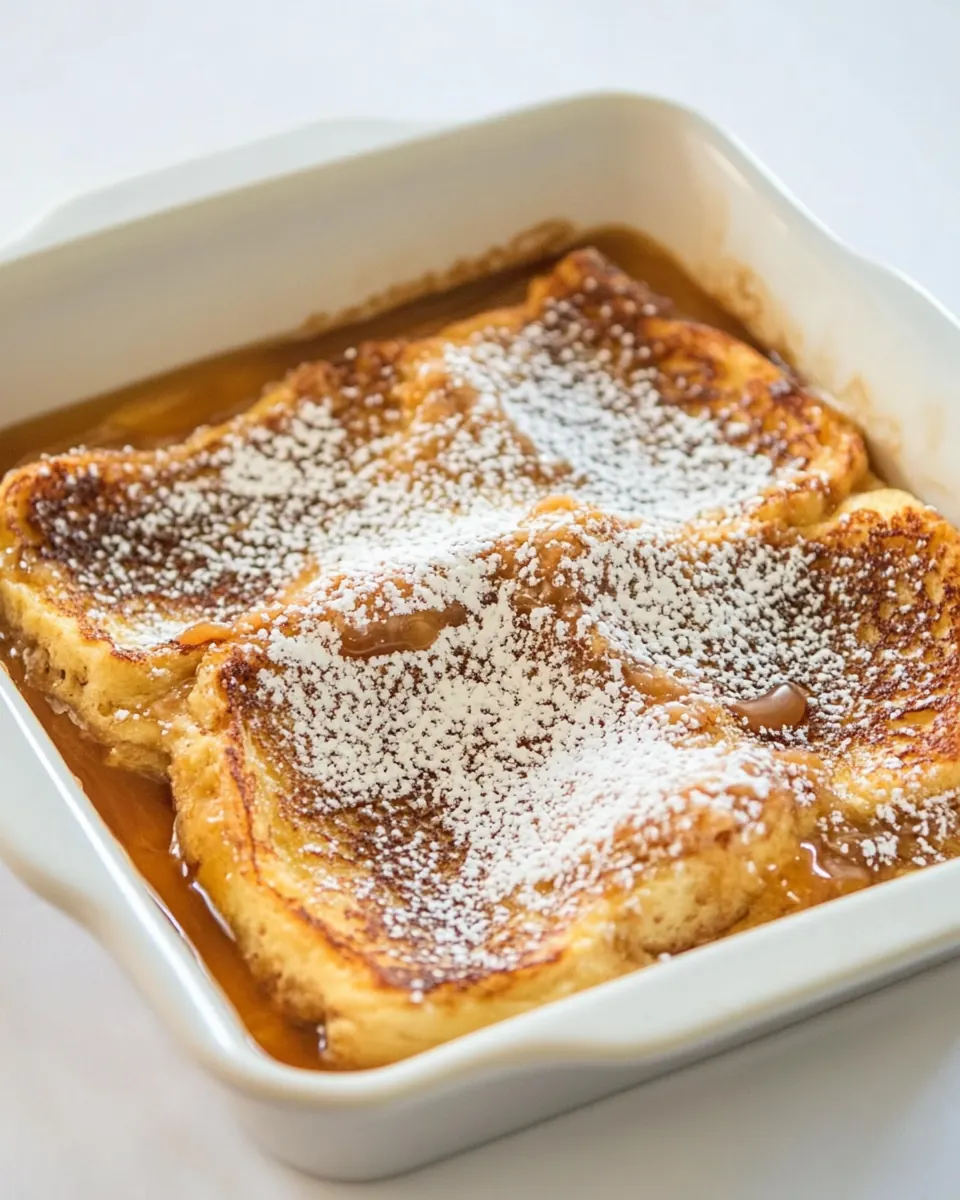
This is where the magic happens, and it is wonderfully straightforward. I like to move deliberately, paying attention to textures and aromas as I go. These steps guide you through assembly, soaking, and baking so you can achieve that caramelized bottom and custardy top with confidence.
- Spray a 9 x 13 inch baking dish with cooking spray.: The dish will smell faintly of oil as you coat it, and the slick surface helps the caramel release when serving. Greasing is crucial so the sticky caramel does not bond permanently to the pan, making serving difficult. A common mistake is skimping on the spray which can cause the caramel to stick and tear the slices, so be thorough when coating the entire interior.
- Combine brown sugar, corn syrup and butter in a small saucepan. Cook over medium heat for 5 minutes or until mixture is bubbly, stirring constantly. Pour mixture evenly into prepared pan.: As the mixture warms you will notice the brown sugar dissolving and the surface turning glossy, while the butter melts into a fragrant, slightly toasty aroma. Constant stirring prevents scorching and encourages even melting, producing a smooth, syrupy texture ready to coat the pan. If the heat is too high the sugars can darken quickly and develop a bitter edge, so keep it at a steady medium and watch closely for an evenly bubbling sheen.
- Arrange the bread slices in a single layer over the syrup in the dish. Combine milk and next 4 ingredients (through eggs) in a large bowl, stirring with a whisk. Pour egg mixture over bread slices. Cover and refrigerate for 8 hours or overnight.: When you place the French bread over the warm caramel, it will begin to absorb some of the syrup, producing a glossy underside that will deepen in flavor overnight. Mixing the milk , all purpose flour , vanilla extract , salt , and eggs creates a smooth custard that smells sweet and slightly eggy when whisked. Pouring the custard slowly allows the bread to soak uniformly, and covering it for refrigeration lets the custard firm up gently. Avoid pouring too quickly which can cause displacement of the bread and uneven soaking, and be patient with the overnight rest for best texture.
- When ready to cook, preheat oven to 350°F.: The oven gives off a warm, dry heat and the preheat step ensures even baking. Allowing the oven to fully reach 350°F yields predictable browning and a consistent set for the custard. A premature insertion into a still warming oven can lead to uneven texture and longer cook times, so confirm the temperature before sliding the dish in.
- Combine sugar and cinnamon. Sprinkle evenly over bread.: The blend of granulated white sugar and ground cinnamon dusted across the top will smell warmly spiced and provide a delicate, sugary crust as the bake progresses. Even sprinkling ensures every slice gets a touch of sweet spice without clumping. One error to avoid is over applying the topping in one concentrated area which can create overly sweet pockets and uneven browning.
- Bake for 50 minutes or until golden. Let stand for 5 minutes before serving.: As the dish bakes you will hear a gentle sigh from the oven and notice the edges bubbling slightly where the caramel meets the glass. The top should turn a warm golden color and the center should feel set but still springy, giving a custardy bite rather than a runny puddle. Letting it rest for 5 minutes allows the caramel to cool slightly and thicken, making slicing cleaner and presentation neater. A common pitfall is cutting too soon which can cause the custard to slump, so give it the brief rest it needs.
Variations to Try
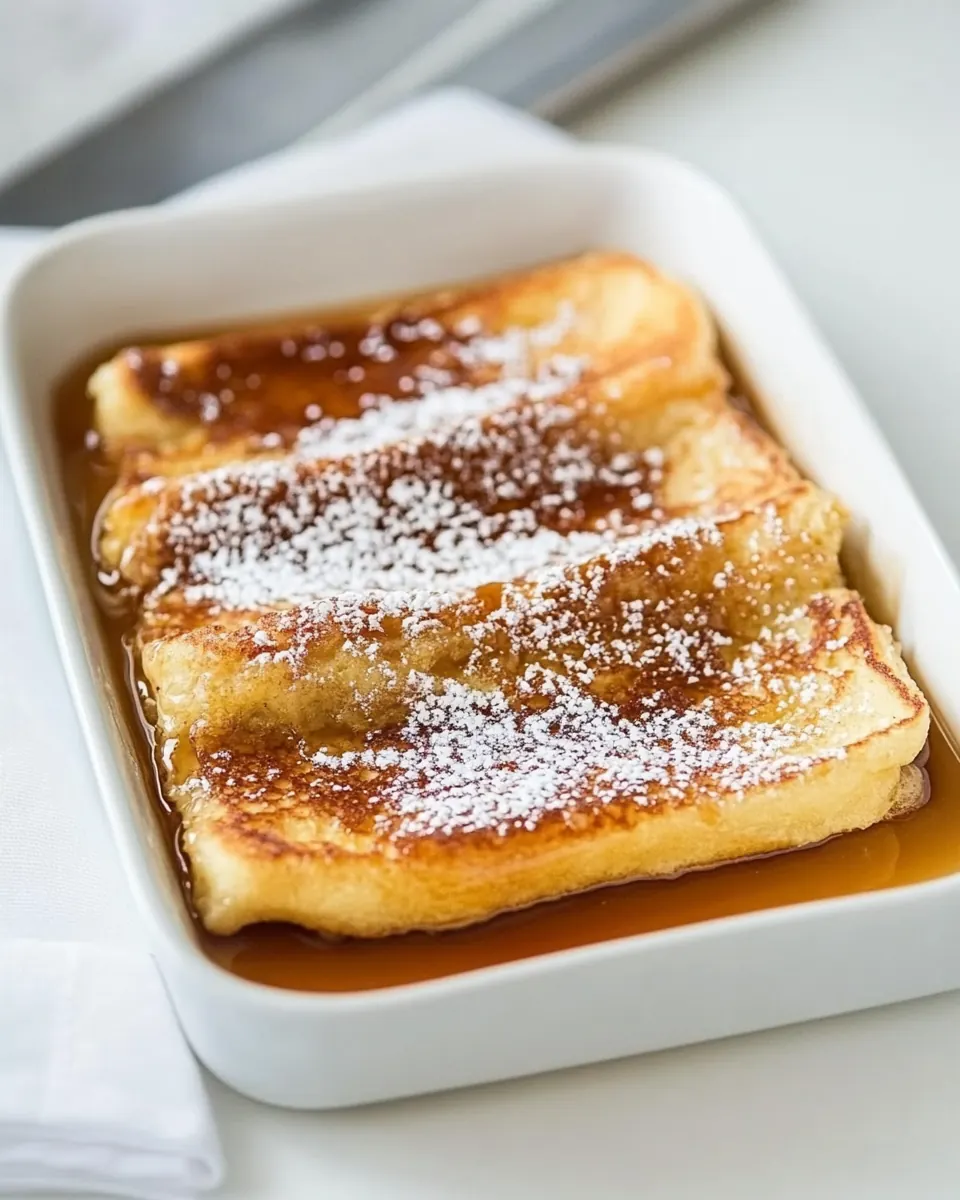
I like to experiment with small changes that highlight different aspects of the dish. Below are practical variations and ideas to personalize your Overnight Caramel French Toast. Each tip begins with a short, bold phrase to keep things clear and actionable.
- Use brioche for richness — Swap in brioche for a more buttery, tender crumb which will yield a richer custard bite while still soaking up the caramel and custard beautifully.
- Adjust sweetness — Reduce the brown sugar slightly if you prefer a less sweet finish, but keep the syrup to maintain the caramel texture and shine.
- Make single servings — Use ramekins to bake individual portions for elegant plating and quicker reheating if serving a smaller group.
- Toast the bread first — Lightly toasting the slices before assembling can add a firmer texture that resists sogginess while still achieving a custardy center.
- Double the topping — Mix extra cinnamon and white sugar to sprinkle again midbake for an intensified spiced crust without changing the interior set.
Pairing Suggestions for Overnight Caramel French Toast
This section outlines thoughtful ways to serve and enjoy the dish across occasions and seasons. The suggestions include sides, serving styles, and storage tips to keep things practical and delicious.
- Serve with fresh fruit — Bright berries or sliced stone fruit cut through the sweetness and add a fresh contrast, ideal for a brunch spread.
- Offer warm syrup — Warm simple syrup or maple style syrup on the side lets guests control sweetness and adds a classic accompaniment.
- Pair with coffee or tea — A medium roast coffee or a full bodied black tea balances the caramel notes, making it suitable for relaxed weekend mornings.
- Holiday brunch centerpiece — The dish works beautifully for holiday mornings when you want a make ahead option that still feels special and celebratory.
- Storage tips — Refrigerate leftovers covered for up to three days and reheat gently in a low oven to preserve texture, avoiding the microwave which can make the custard rubbery.
- Seasonal tweaks — In fall, serve with spiced apples or pear compote to echo the cinnamon and brown sugar flavors for a cohesive seasonal plate.
FAQ
Conclusion
What makes this recipe special is the simple alchemy of a caramelized base paired with a pillowy, custardy top, producing a comforting and celebratory dish. Try it when you want a make ahead brunch that still feels like a treat, because the overnight soak and short bake handle most of the work for you. Share it with friends or keep it for a slow morning at home, and enjoy the way familiar ingredients transform into something memorable and warm.
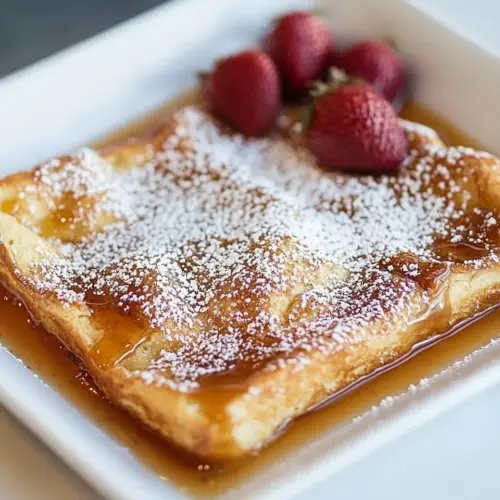
Overnight Caramel French Toast
Equipment
- 9 x 13 inch baking dish
- Small Saucepan
- Large Bowl
- Whisk
- Oven
Ingredients
- 1 cup packed light brown sugar Provide deep, caramel-like sweetness and moisture for the base sauce; helps create a glossy, rich caramel when melted with butter and corn syrup. Adds brown sugar’s molasses notes that balance the custard’s richness and complement cinnamon.
- 1/2 cup light corn syrup Contribute a smooth, liquid sweetness and prevent crystallization when combined with brown sugar and butter; helps produce a shiny, pourable caramel layer. Keeps the caramel sauce soft overnight and enhances texture without adding graininess.
- 1/4 cup (1/2 stick) salted butter Add creamy fat that enriches the caramel and helps form a silky sauce when melted; contributes salty balance to the sweet components. Provides flavor depth and a smooth mouthfeel that binds the caramel topping together.
- 10 1 ounce slices soft French bread Supply the bread structure that soaks up the custard overnight; soft French bread yields a tender, custardy interior and slightly crisp edges when baked. Thick slices hold up to the caramel and custard without becoming mushy, forming the main body of the dish.
- 2 1/2 cup s1% low fat milk Provide the liquid base for the custard, diluting eggs and sugar into a smooth soaking mixture; low-fat milk keeps the custard lighter while still providing dairy flavor. Helps the bread absorb moisture and set into a creamy texture during baking.
- 1 tablespoon all purpose flour Act as a light thickening agent to stabilize the custard and help it cling to the bread slices; flour can prevent a too-runny custard and promote even texture. Blends into the milk and eggs to ensure a consistent custard without lumps.
- 1 1/2 teaspoons vanilla extract Impart aromatic sweetness and depth to the custard, rounding out flavors and enhancing the caramel notes; vanilla accentuates other ingredients without overpowering them. Adds a pleasant, familiar fragrance that improves the overall flavor profile.
- 1/4 teaspoons salt Provide subtle savory balance to the sweet custard and caramel; a small amount of salt heightens flavors and reduces cloying sweetness. Ensures the dessert tastes well-rounded and prevents one-dimensional sweetness.
- 2 large eggs Coagulate and thicken the custard mixture while providing structure and richness; eggs help the soaked bread set into a sliceable, custardy texture when baked. Contribute to a tender mouthfeel and bind the milk and flour into a cohesive custard.
- 2 tablespoons granulated white sugar Add surface sweetness and a touch of crunch when sprinkled on top before baking, helping create a lightly caramelized crust. Helps balance the rich flavors and offers a subtle contrast in texture to the soft interior.
- 1 teaspoon ground cinnamon Provide warm, aromatic spice that complements the caramel and enhances overall flavor complexity; cinnamon adds depth and a cozy note. Sprinkled into the custard, it infuses the bread with a subtle, spicy warmth.
Instructions
- Spray a 9 x 13 inch baking dish with cooking spray.: The dish will smell faintly of oil as you coat it, and the slick surface helps the caramel release when serving. Greasing is crucial so the sticky caramel does not bond permanently to the pan, making serving difficult. A common mistake is skimping on the spray which can cause the caramel to stick and tear the slices, so be thorough when coating the entire interior.
- Combine brown sugar, corn syrup and butter in a small saucepan. Cook over medium heat for 5 minutes or until mixture is bubbly, stirring constantly. Pour mixture evenly into prepared pan.: As the mixture warms you will notice the brown sugar dissolving and the surface turning glossy, while the butter melts into a fragrant, slightly toasty aroma. Constant stirring prevents scorching and encourages even melting, producing a smooth, syrupy texture ready to coat the pan. If the heat is too high the sugars can darken quickly and develop a bitter edge, so keep it at a steady medium and watch closely for an evenly bubbling sheen.
- Arrange the bread slices in a single layer over the syrup in the dish. Combine milk and next 4 ingredients (through eggs) in a large bowl, stirring with a whisk. Pour egg mixture over bread slices. Cover and refrigerate for 8 hours or overnight.: When you place the French bread over the warm caramel, it will begin to absorb some of the syrup, producing a glossy underside that will deepen in flavor overnight. Mixing the milk , all purpose flour , vanilla extract , salt , and eggs creates a smooth custard that smells sweet and slightly eggy when whisked. Pouring the custard slowly allows the bread to soak uniformly, and covering it for refrigeration lets the custard firm up gently. Avoid pouring too quickly which can cause displacement of the bread and uneven soaking, and be patient with the overnight rest for best texture.
- When ready to cook, preheat oven to 350°F.: The oven gives off a warm, dry heat and the preheat step ensures even baking. Allowing the oven to fully reach 350°F yields predictable browning and a consistent set for the custard. A premature insertion into a still warming oven can lead to uneven texture and longer cook times, so confirm the temperature before sliding the dish in.
- Combine sugar and cinnamon. Sprinkle evenly over bread.: The blend of granulated white sugar and ground cinnamon dusted across the top will smell warmly spiced and provide a delicate, sugary crust as the bake progresses. Even sprinkling ensures every slice gets a touch of sweet spice without clumping. One error to avoid is over applying the topping in one concentrated area which can create overly sweet pockets and uneven browning.
- Bake for 50 minutes or until golden. Let stand for 5 minutes before serving.: As the dish bakes you will hear a gentle sigh from the oven and notice the edges bubbling slightly where the caramel meets the glass. The top should turn a warm golden color and the center should feel set but still springy, giving a custardy bite rather than a runny puddle. Letting it rest for 5 minutes allows the caramel to cool slightly and thicken, making slicing cleaner and presentation neater. A common pitfall is cutting too soon which can cause the custard to slump, so give it the brief rest it needs.
Notes
- Use brioche for richness — Swap in brioche for a more buttery, tender crumb which will yield a richer custard bite while still soaking up the caramel and custard beautifully.
- Adjust sweetness — Reduce the brown sugar slightly if you prefer a less sweet finish, but keep the syrup to maintain the caramel texture and shine.
- Make single servings — Use ramekins to bake individual portions for elegant plating and quicker reheating if serving a smaller group.
- Toast the bread first — Lightly toasting the slices before assembling can add a firmer texture that resists sogginess while still achieving a custardy center.
- Double the topping — Mix extra cinnamon and white sugar to sprinkle again midbake for an intensified spiced crust without changing the interior set.
