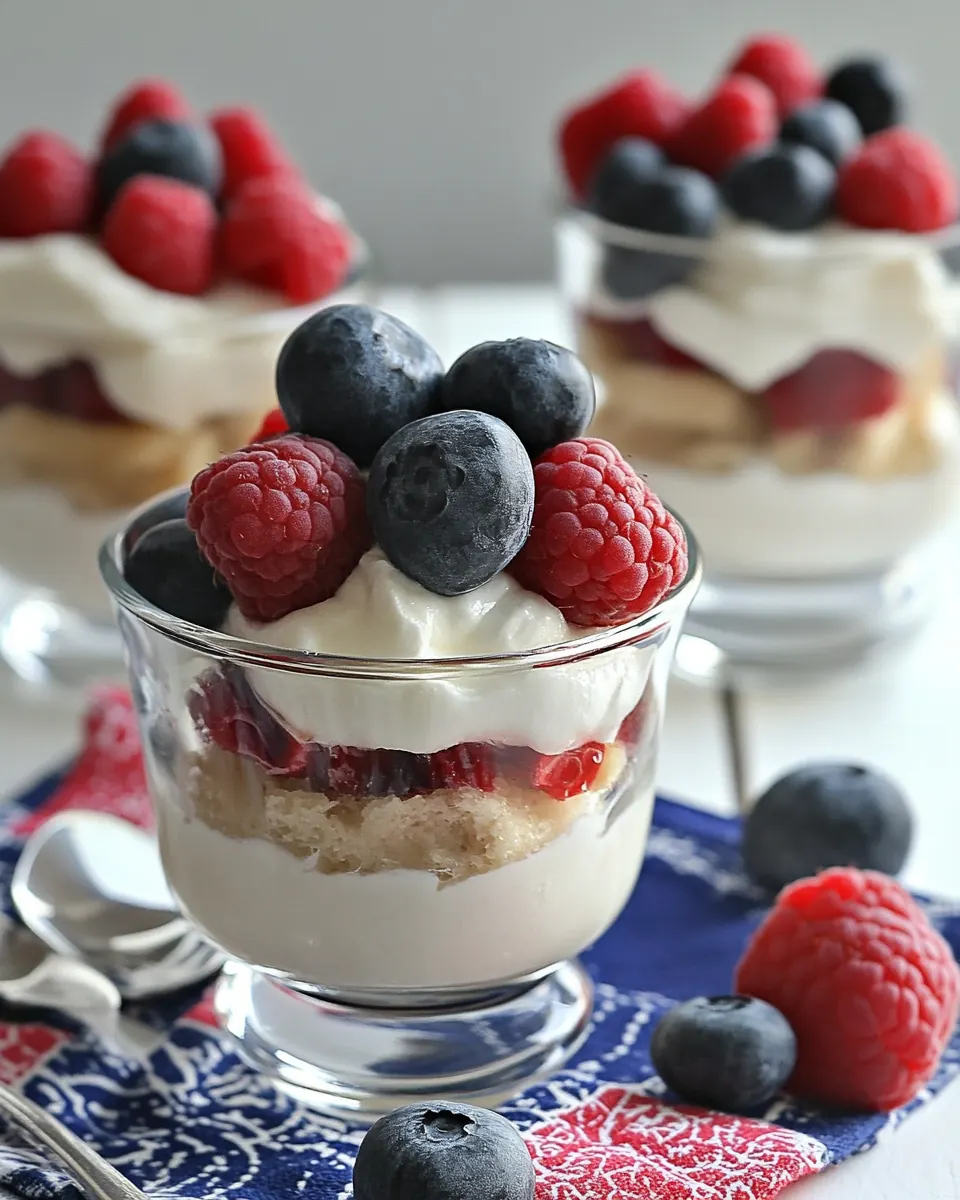
Paleo Vanilla Pudding Parfaits
Paleo Vanilla Pudding Parfaits became my go to when I wanted something that felt indulgent without undoing a clean eating streak. The first time I made these, I was coming back from a hot beach morning in summer and needed a cool, soothing treat that still aligned with my paleo approach. I remember opening a can of coconut milk and thinking how comforting its rich aroma would be paired with bright, juicy berries. The contrast of silky pudding against popping fruit felt like a tiny celebration in a cup.
That batch turned into a small ritual for relaxed weekends. I loved the quiet process of whisking the gelatin into the chilled milk, then warming the remaining milk and honey until steam curled up from the pan. There is something meditative about the whisking motion, and the kitchen fills with a soft, sweet scent that promises something special. Guests have always been surprised this dessert is grain free and dairy free, and I feel proud telling them it is made with simple pantry items.
Over time I played with layering techniques, learning that the pudding whips into a lighter texture after chilling if you give it a quick mix with a hand mixer. That change in texture is crucial for the final mouthfeel, it makes the parfaits feel almost cloud like. I often prepare the pudding ahead when friends are coming over, then bring out fresh sliced berries at the last minute for a bright finish. It always disappears fast, and I love the smiles it earns.
Recipe Snapshot
10 mins
5 mins
5 mins
Medium
180 kcal
American
Gluten-Free, Paleo
Desserts
Medium bowl, Whisk, Saucepan, Hand mixer or stand mixer, Refrigerator
The Best Thing About This Paleo Vanilla Pudding Parfaits
Simple, clean ingredients
I love that Paleo Vanilla Pudding Parfaits rely on a handful of pantry friendly items. Using full fat coconut milk, a little honey, and gelatin keeps the ingredient list honest and recognizable. For me, that transparency matters because I can feel good serving it to friends who avoid grains and dairy.
Ridiculously quick to make
One of the main reasons I reach for this dish is its speed. From start to fridge it takes only a short while of active attention, then the pudding does the rest while it chills. If you need a last minute dessert for a casual dinner, this is the kind of recipe that feels like a tiny kitchen victory.
Texture contrast that sings
The sensory play between the velvety, slightly bouncy pudding and the burst of fresh berries is very satisfying. I enjoy the way creamy and tart notes balance each spoonful, and the whipped up pudding after chilling gives you that airy mouthfeel that feels luxurious without heaviness.
Make ahead and adaptable
I often prepare the pudding a day in advance, which makes entertaining stress free. The pudding keeps well chilled for a few days, and rewhipping with a mixer brings back the light texture if it firms too much. That flexibility is why I consider it a reliable dessert to keep in my repertoire.
Bright, seasonal finish
Serving the parfaits with seasonal berries elevates the dish. In late summer when berries are at their peak, the flavor pairing feels especially vibrant. I love that each season can bring a subtle shift in fruit character without changing the core recipe.
Ingredients Required for Paleo Vanilla Pudding Parfaits
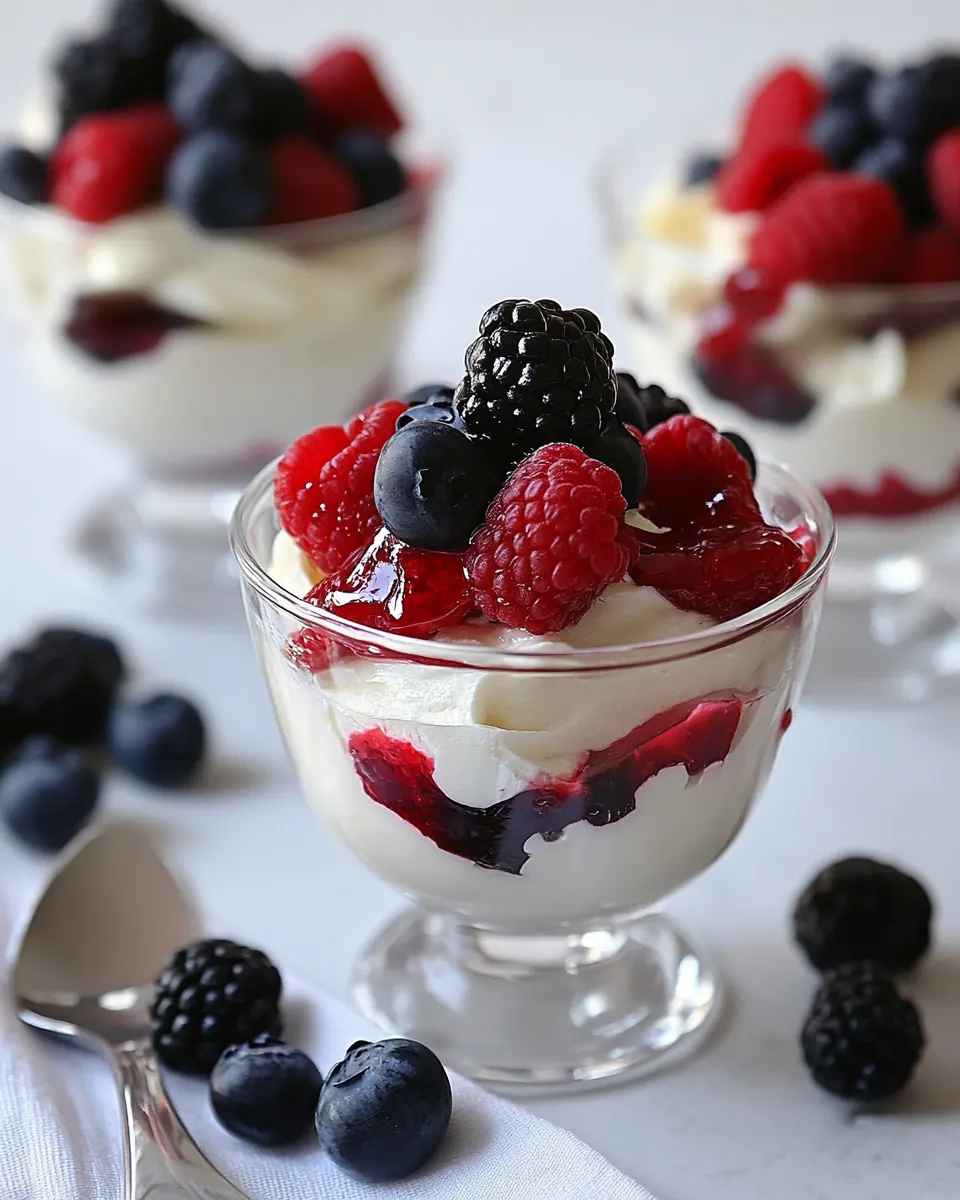
These ingredients are chosen to create a creamy, stable pudding that holds up in layers while keeping the recipe paleo friendly. The key players are the full fat coconut milk for richness, gelatin for structure, honey to add gentle sweetness, and fresh berries for brightness. Together they form a balanced parfait that is both indulgent and clean.
- 13.5 ounces full-fat canned coconut milk divided: Provide rich creaminess and body to the pudding while contributing natural coconut flavor; use divided portions so some can be warmed to bloom gelatin and the rest chilled to adjust texture and richness, creating a silky mouthfeel.
- 2 teaspoons gelatin: Bloom and set the pudding by absorbing liquid and forming a gentle gel; sprinkle over warm coconut milk, whisk until dissolved, and chill to achieve a stable, scoopable custard consistency.
- 2 tablespoons honey or more to taste: Sweeten and balance the pudding with a floral, lightly caramelized sweetness; add gradually and taste for desired sweetness, remembering honey also slightly influences texture and mouthfeel.
- 2 teaspoons vanilla extract: Impart warm aromatic notes and round out the flavor profile; stir into the pudding mixture after dissolving gelatin to preserve its delicate fragrance and enhance overall taste.
- 1/2 teaspoon Diamond Crystal kosher salt: Enhance and brighten flavors while controlling seasoning balance; dissolve into the liquid to ensure even distribution and to lift the sweetness and fruit flavors without overpowering them.
- 2 cups mixed berries cut into bite-sized pieces (e.g. strawberries, blueberries, raspberries, etc.): Provide fresh, tart, and juicy contrast to the rich vanilla pudding; cut into bite–sized pieces to distribute texture, color, and bright acidity throughout the parfait layers.
The Method for Paleo Vanilla Pudding Parfaits
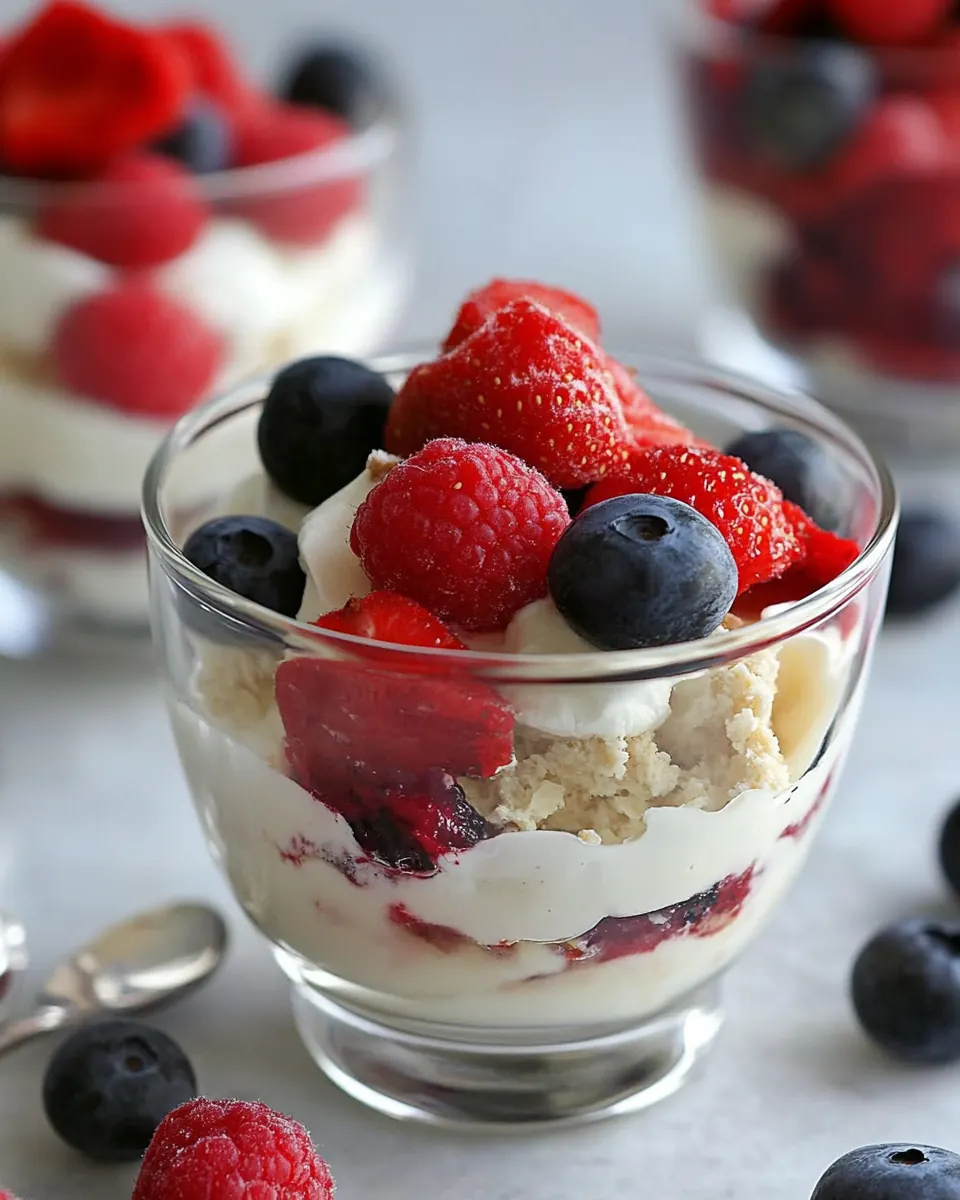
I like to think of the method as a short series of intentional moments, each one building texture and flavor. Work in a relaxed rhythm: bloom the gelatin, warm the milk, whisk until glossy, chill until set, then whip and layer with fruit. The small details determine whether the final parfait is weighty or cloud like.
- Shake the can of coconut milk well, and pour 1/4 cup of it into a medium bowl. Sprinkle the gelatin on top and whisk briskly to get rid of the lumps. Set the bowl aside.: The aroma of the coconut milk is immediate, a soft, tropical scent that tells you the fat content is ready to carry flavor. As the gelatin meets the cold milk it will start to bloom, forming pale, spongy clumps that vanish under vigorous whisking. The brisk whisking helps disperse the gelatin evenly and avoids pockets of uncooked granules. Pay attention to texture at this stage, because a smooth bloom ensures an even set later. A common mistake is adding gelatin to warm liquid first, which will cause clumping; always sprinkle it over cold milk and whisk promptly.
- Next, heat the remaining coconut milk and honey over medium heat, stirring frequently, until the sweetened milk is steaming, but not boiling.: When you warm the remaining coconut milk with honey , watch for tiny wisps of steam and a gentle shimmer on the surface, signals the sweetness is dissolving and flavors are marrying. Stirring frequently prevents a skin from forming on top and stops the fat from separating. Avoid reaching a boil, which can alter the texture and flavor of the coconut and may weaken the gelatin's setting power. If you see rolling bubbles, reduce the heat immediately. A common pitfall is overheating, which creates a grainy texture rather than a glossy custard.
- Pour the hot coconut milk into the bowl with the gelatin/coconut milk mixture, and whisk well to combine.: As you pour, the warm milk will melt the bloomed gelatin and the whisking motion will create a glossy, uniform base. You might notice steam rising and a faint sweet scent intensifying, and the mixture will thin momentarily before beginning to thicken as it cools. Whisking thoroughly eliminates any lingering gelatin bits and emulsifies the fat back into the liquid. If you stop whisking too soon, you may end up with small gel pockets; persistent whisking is the best prevention.
- Stir in the vanilla extract and salt.: Adding vanilla now lets the aromatic oils meld into the warm mixture, releasing a comforting perfume. The small amount of salt brightens the sweetness, making flavors pop when the pudding is tasted cold. After stirring, pause to smell the mixture; the balance of sweet and aromatic cues is a good indicator you are on track. A typical error is overdoing the vanilla which can edge into an artificial note, so stick to the recommended quantity for a subtle lift.
- Place the bowl in the fridge uncovered for 30 minutes, and then cover with a silicone lid or plastic wrap until the pudding firms up, at least 2 hours. You can keep it in the fridge for up to 4 days before serving.: Cooling initially uncovered helps release lingering heat and prevents condensation from forming on the cover. After the initial chill, covering avoids absorbing fridge odors and keeps the surface from drying out. As the pudding chills, you will notice it transition from a pourable custard to a soft gel, with a muted sheen rather than glossy liquid. Patience here pays off, because inadequate chilling yields a runny layer later. One mistake is rushing to serve before the pudding sets fully, which undermines the layering texture.
- When you’re ready to serve, take the bowl of coconut pudding out of the fridge. Uncover it, and grab a hand or stand mixer.: Pulling the pudding from the fridge you may feel a firm, slightly springy surface under the spoon. The chilled aroma is cooler and subtler than when warm. Using a mixer at this stage transforms the set gel into a lighter, whipped pudding; it aerates the mixture and creates a silkier mouthfeel. Make sure your mixer attachments are clean and dry to prevent any dilution of texture. A frequent oversight is using too low a speed, which lengthens whipping time and reduces volume.
- Beat the pudding until it’s nice and fluffy and transforms from a stiff JELL-O-like texture to a thick, smooth pudding. It’ll take at least a minute, so be patient!: As you beat, listen for a change in the mixer sound and watch the pudding loosen and hold soft peaks. The surface will look glossy and slightly pillowy, and the scent will bloom again as air is incorporated. This step is why the pudding feels indulgent rather than dense. If you overbeat, the structure can break and become soupy, so stop when you reach a thick, scoopable consistency. Avoid trying to rush this — impatience is the usual error here.
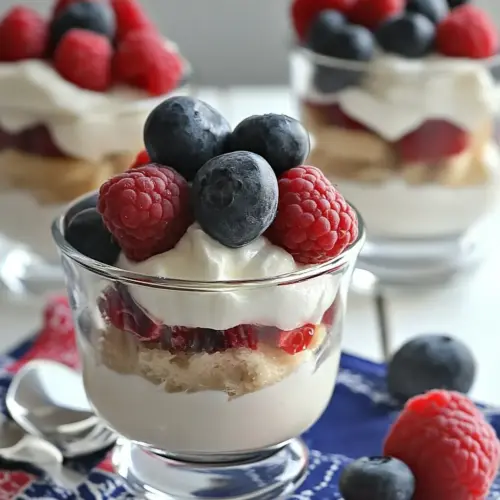
- Divide the pudding into 4 bowls or cups, alternating layers of berries and pudding. Serve immediately and dig in!: Layering creates visual appeal and ensures every bite includes both creamy and fruity elements. As you spoon the pudding, the sound is soft and the texture yields smoothly, while the fresh berries add a gentle pop and lively color contrast. Serve right away to preserve the berries' texture and the pudding's airy quality. A mistake I see often is assembling too early and letting the fruit release juice into the pudding, which can make the layers soggy; assemble just before serving for best results.
Recipe Notes about Paleo Vanilla Pudding Parfaits
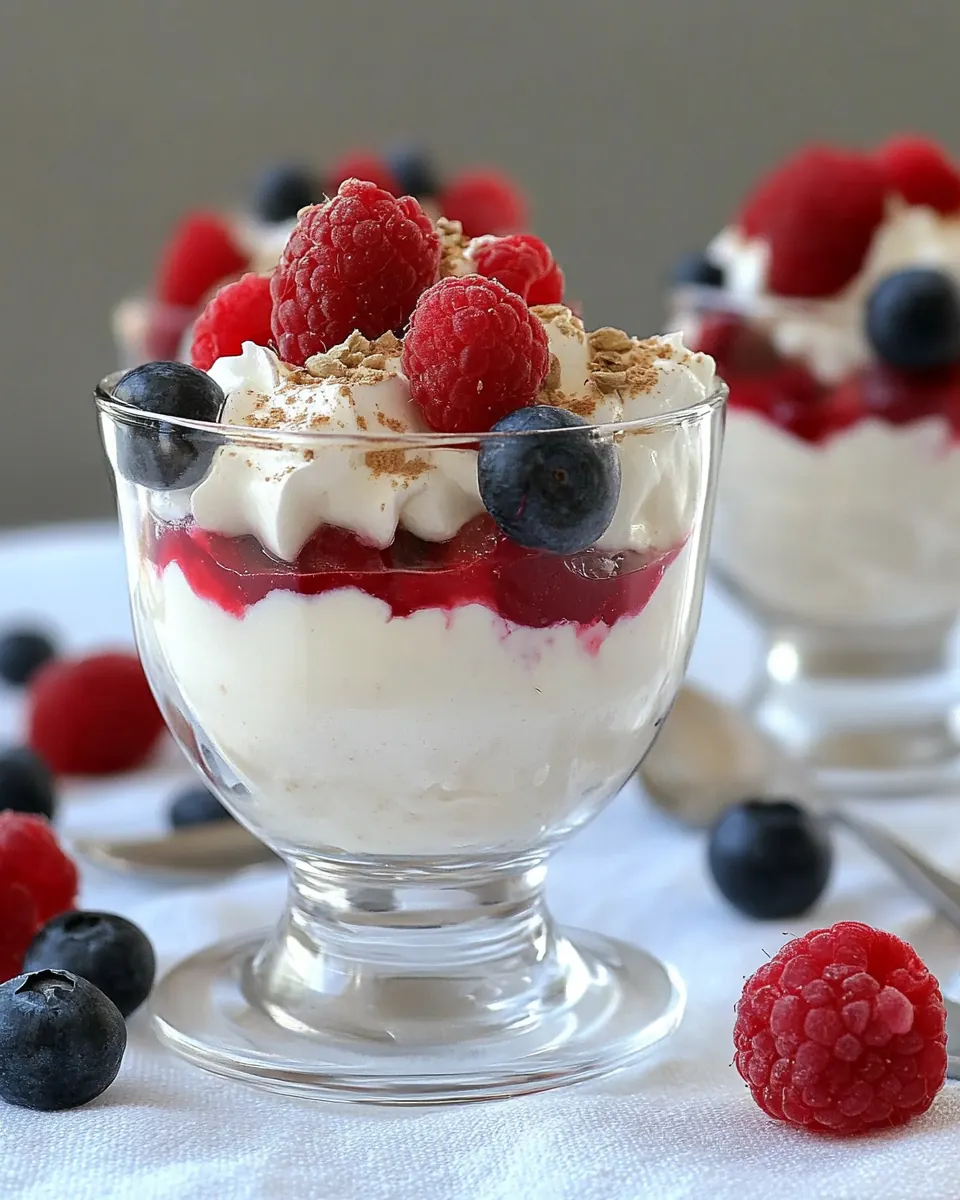
I like to keep notes close by when making this pudding, because the small technique points make a big difference. Below are practical tips and troubleshooting ideas I use regularly, expanded into actionable reminders for each stage.
- Choose high quality canned coconut milk for the best mouthfeel; look for brands that separate into a thick cream and liquid, and shake well before opening to reblend.
- Measure gelatin carefully, and sprinkle it over cold coconut milk to bloom properly; if it forms clumps, sift quickly and whisk until smooth.
- Sweeten mindfully with honey so the sweetness complements the tartness of the berries; start with the recipe amount and adjust after tasting the warm mixture.
- Chill in stages, leaving the bowl uncovered initially to let residual heat escape, then cover once it is no longer warm to the touch to avoid condensation.
- Rewhip leftovers with a hand mixer before serving if the pudding firms too much in the fridge, this restores fluff and improves scoopability.
Perfect Matches for Paleo Vanilla Pudding Parfaits
These parfaits pair well with light, seasonal menus and occasions that call for simple elegance. The creamy dessert works beautifully for casual brunches, summer picnics, or a relaxed dinner party finale. I often recommend serving suggestions that play off the fruit and texture contrast.
- Serve with extra fresh berries on the side to allow guests to customize the fruit ratio and enjoy peak season produce.
- Make ahead for gatherings by preparing the pudding up to four days in advance and storing covered in the fridge, then whip and layer at serving time.
- Occasions such as light brunches, garden lunches, or informal dinner parties benefit from this dessert because it is quick and makes a pretty presentation.
- Storage tips include keeping the pudding covered and chilled; after four days texture may change, but rewhipping can help revive it.
- Seasonal pairings are easy, use berries in peak summer for brightness, or swap to stone fruit when available for a slightly different flavor profile.
FAQ
Conclusion
Paleo Vanilla Pudding Parfaits stand out because they deliver a creamy, satisfying dessert using simple, paleo friendly ingredients. The interplay of whipped coconut pudding and fresh berries creates a delightful mouthfeel that feels indulgent yet clean. I encourage you to give this recipe a try, especially when you want a quick make ahead treat that still feels special. It is forgiving, adaptable, and reliably well received, making it a favorite for relaxed gatherings and quiet weekend moments alike.
Paleo Vanilla Pudding Parfaits
Equipment
- Medium Bowl
- Whisk
- Saucepan
- Hand mixer or stand mixer
- Refrigerator
Ingredients
- 13.5 ounces full-fat canned coconut milk divided Provide rich creaminess and body to the pudding while contributing natural coconut flavor; use divided portions so some can be warmed to bloom gelatin and the rest chilled to adjust texture and richness, creating a silky mouthfeel.
- 2 teaspoons gelatin Bloom and set the pudding by absorbing liquid and forming a gentle gel; sprinkle over warm coconut milk, whisk until dissolved, and chill to achieve a stable, scoopable custard consistency.
- 2 tablespoons honey or more to taste Sweeten and balance the pudding with a floral, lightly caramelized sweetness; add gradually and taste for desired sweetness, remembering honey also slightly influences texture and mouthfeel.
- 2 teaspoons vanilla extract Impart warm aromatic notes and round out the flavor profile; stir into the pudding mixture after dissolving gelatin to preserve its delicate fragrance and enhance overall taste.
- 1/2 teaspoon Diamond Crystal kosher salt Enhance and brighten flavors while controlling seasoning balance; dissolve into the liquid to ensure even distribution and to lift the sweetness and fruit flavors without overpowering them.
- 2 cups mixed berries cut into bite-sized pieces (e.g. strawberries, blueberries, raspberries, etc.) Provide fresh, tart, and juicy contrast to the rich vanilla pudding; cut into bite-sized pieces to distribute texture, color, and bright acidity throughout the parfait layers.
Instructions
- Shake the can of coconut milk well, and pour 1/4 cup of it into a medium bowl. Sprinkle the gelatin on top and whisk briskly to get rid of the lumps. Set the bowl aside.: The aroma of the coconut milk is immediate, a soft, tropical scent that tells you the fat content is ready to carry flavor. As the gelatin meets the cold milk it will start to bloom, forming pale, spongy clumps that vanish under vigorous whisking. The brisk whisking helps disperse the gelatin evenly and avoids pockets of uncooked granules. Pay attention to texture at this stage, because a smooth bloom ensures an even set later. A common mistake is adding gelatin to warm liquid first, which will cause clumping; always sprinkle it over cold milk and whisk promptly.
- Next, heat the remaining coconut milk and honey over medium heat, stirring frequently, until the sweetened milk is steaming, but not boiling.: When you warm the remaining coconut milk with honey , watch for tiny wisps of steam and a gentle shimmer on the surface, signals the sweetness is dissolving and flavors are marrying. Stirring frequently prevents a skin from forming on top and stops the fat from separating. Avoid reaching a boil, which can alter the texture and flavor of the coconut and may weaken the gelatin's setting power. If you see rolling bubbles, reduce the heat immediately. A common pitfall is overheating, which creates a grainy texture rather than a glossy custard.
- Pour the hot coconut milk into the bowl with the gelatin/coconut milk mixture, and whisk well to combine.: As you pour, the warm milk will melt the bloomed gelatin and the whisking motion will create a glossy, uniform base. You might notice steam rising and a faint sweet scent intensifying, and the mixture will thin momentarily before beginning to thicken as it cools. Whisking thoroughly eliminates any lingering gelatin bits and emulsifies the fat back into the liquid. If you stop whisking too soon, you may end up with small gel pockets; persistent whisking is the best prevention.
- Stir in the vanilla extract and salt.: Adding vanilla now lets the aromatic oils meld into the warm mixture, releasing a comforting perfume. The small amount of salt brightens the sweetness, making flavors pop when the pudding is tasted cold. After stirring, pause to smell the mixture; the balance of sweet and aromatic cues is a good indicator you are on track. A typical error is overdoing the vanilla which can edge into an artificial note, so stick to the recommended quantity for a subtle lift.
- Place the bowl in the fridge uncovered for 30 minutes, and then cover with a silicone lid or plastic wrap until the pudding firms up, at least 2 hours. You can keep it in the fridge for up to 4 days before serving.: Cooling initially uncovered helps release lingering heat and prevents condensation from forming on the cover. After the initial chill, covering avoids absorbing fridge odors and keeps the surface from drying out. As the pudding chills, you will notice it transition from a pourable custard to a soft gel, with a muted sheen rather than glossy liquid. Patience here pays off, because inadequate chilling yields a runny layer later. One mistake is rushing to serve before the pudding sets fully, which undermines the layering texture.
- When you’re ready to serve, take the bowl of coconut pudding out of the fridge. Uncover it, and grab a hand or stand mixer.: Pulling the pudding from the fridge you may feel a firm, slightly springy surface under the spoon. The chilled aroma is cooler and subtler than when warm. Using a mixer at this stage transforms the set gel into a lighter, whipped pudding; it aerates the mixture and creates a silkier mouthfeel. Make sure your mixer attachments are clean and dry to prevent any dilution of texture. A frequent oversight is using too low a speed, which lengthens whipping time and reduces volume.
- Beat the pudding until it’s nice and fluffy and transforms from a stiff JELL-O-like texture to a thick, smooth pudding. It’ll take at least a minute, so be patient!: As you beat, listen for a change in the mixer sound and watch the pudding loosen and hold soft peaks. The surface will look glossy and slightly pillowy, and the scent will bloom again as air is incorporated. This step is why the pudding feels indulgent rather than dense. If you overbeat, the structure can break and become soupy, so stop when you reach a thick, scoopable consistency. Avoid trying to rush this — impatience is the usual error here.
- Divide the pudding into 4 bowls or cups, alternating layers of berries and pudding. Serve immediately and dig in!: Layering creates visual appeal and ensures every bite includes both creamy and fruity elements. As you spoon the pudding, the sound is soft and the texture yields smoothly, while the fresh berries add a gentle pop and lively color contrast. Serve right away to preserve the berries' texture and the pudding's airy quality. A mistake I see often is assembling too early and letting the fruit release juice into the pudding, which can make the layers soggy; assemble just before serving for best results.
Notes
- Choose high quality canned coconut milk for the best mouthfeel; look for brands that separate into a thick cream and liquid, and shake well before opening to reblend.
- Measure gelatin carefully, and sprinkle it over cold coconut milk to bloom properly; if it forms clumps, sift quickly and whisk until smooth.
- Sweeten mindfully with honey so the sweetness complements the tartness of the berries; start with the recipe amount and adjust after tasting the warm mixture.
- Chill in stages, leaving the bowl uncovered initially to let residual heat escape, then cover once it is no longer warm to the touch to avoid condensation.
- Rewhip leftovers with a hand mixer before serving if the pudding firms too much in the fridge, this restores fluff and improves scoopability.