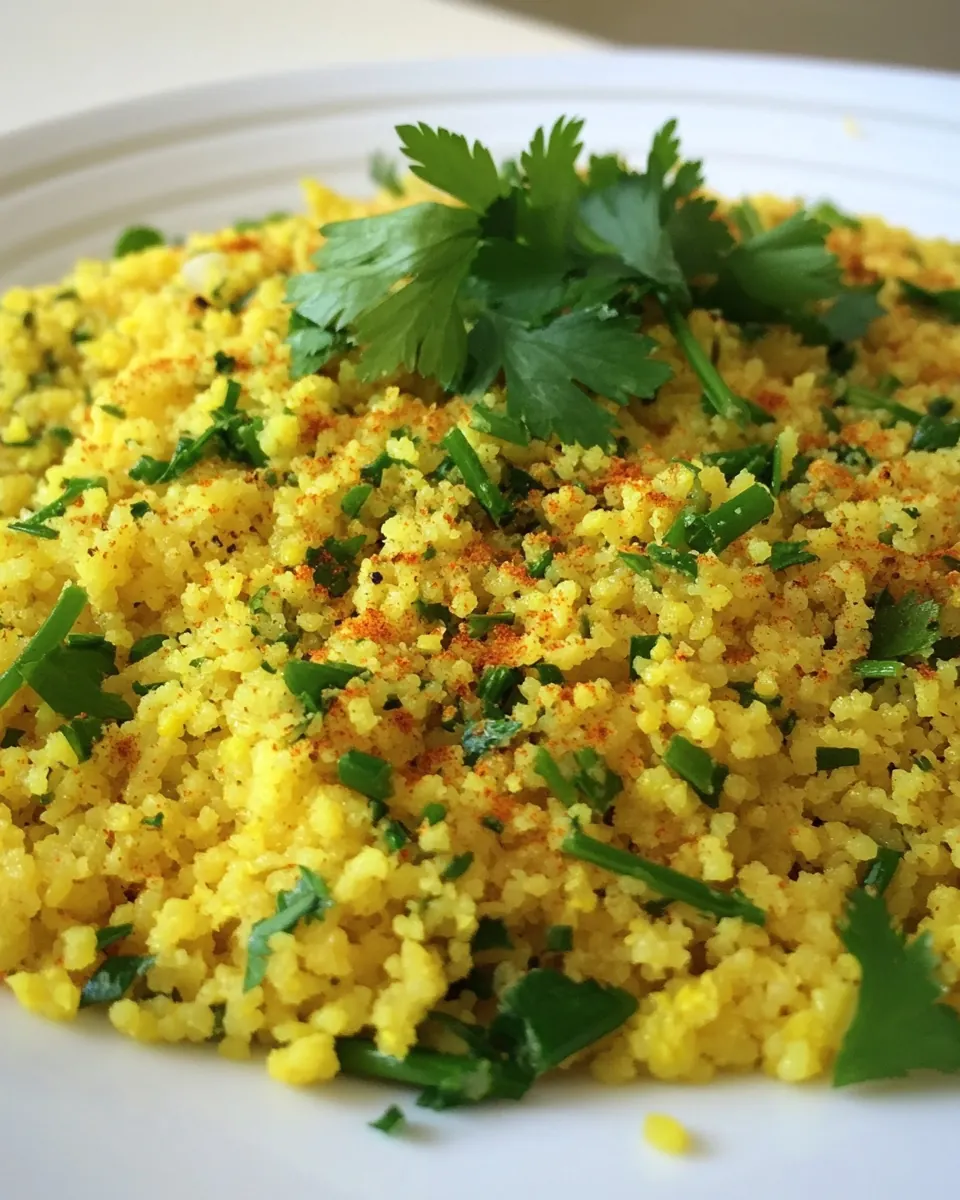
Lemony Saffron Couscous
Lemony Saffron Couscous is one of those recipes I reach for when I want something bright, fragrant, and impossibly simple to pull together. The first time I made it I was chasing a dinner that could sit on the table while I finished a hectic afternoon of work, and the scent of saffron blooming in hot water stopped me in my tracks. I remember leaning over the saucepan, inhaling that warm floral perfume, and thinking I had stumbled on an easy way to feel a little fancy without fuss.
Since then I have adapted this salad into my weeknight rotation and served it at small gatherings when I wanted side dishes that felt thoughtful but did not take over my evening. The balance of couscous with toasted pine nuts, bright lemon, and earthy saffron makes it versatile; sometimes I spoon it warm straight from the pot, other times I let it rest at room temperature so the flavors settle together. It travels well, too, which is why I often bring it to potlucks.
Recipe Snapshot
30 mins
5 mins
25 mins
Medium
280 kcal
Mediterranean
Low FODMAP, Vegan
Side Dishes
Mortar and pestle, Large saucepan with lid, Skillet, Large mixing bowl
Why This Lemony Saffron Couscous Is a Winner
Bright and aromatic flavor
I adore how Lemony Saffron Couscous balances a citrusy punch with the subtle perfume of saffron, creating a layered flavor profile that keeps you coming back for more. The lemon juice and lemon zest cut through the oil and starch, making each bite lively. I find that this contrast is what makes guests notice the dish right away.
Fast and forgiving
This recipe moves quickly, and the use of instant couscous means you can get dinner on the table in under half an hour. I love that you can rescue texture with a fork if it steams a bit too long; fluffing and tossing reintroduces air and lightness. It is a great recipe to rely on when you need something dependable yet impressive.
Textural interest
The toasted pine nuts bring a buttery crunch that plays beautifully against the soft, fluffy couscous and the tender chickpeas. When I roast the nuts I listen for that faint crackle and watch for a light brown color, and that moment always feels satisfying because it signals a big boost in aroma and mouthfeel.
Flexible for diets and occasions
I often make the dish with vegetable style broth and it still feels hearty and savory. Because the ingredient list is straightforward, you can scale it up for a spring picnic or keep it simple for a cozy family meal. It pairs well with grilled vegetables or as a side to many mains, which is why I consider it a go to side dish for casual dinners and small celebrations alike.
Easy to love and customize
I appreciate recipes that invite small edits without breaking the core idea. A pinch of cayenne adds a warm lift, and extra chopped herbs can make it feel more green and fresh. Those small adjustments let me tailor the dish to who I am cooking for at the moment.
Lemony Saffron Couscous Ingredients
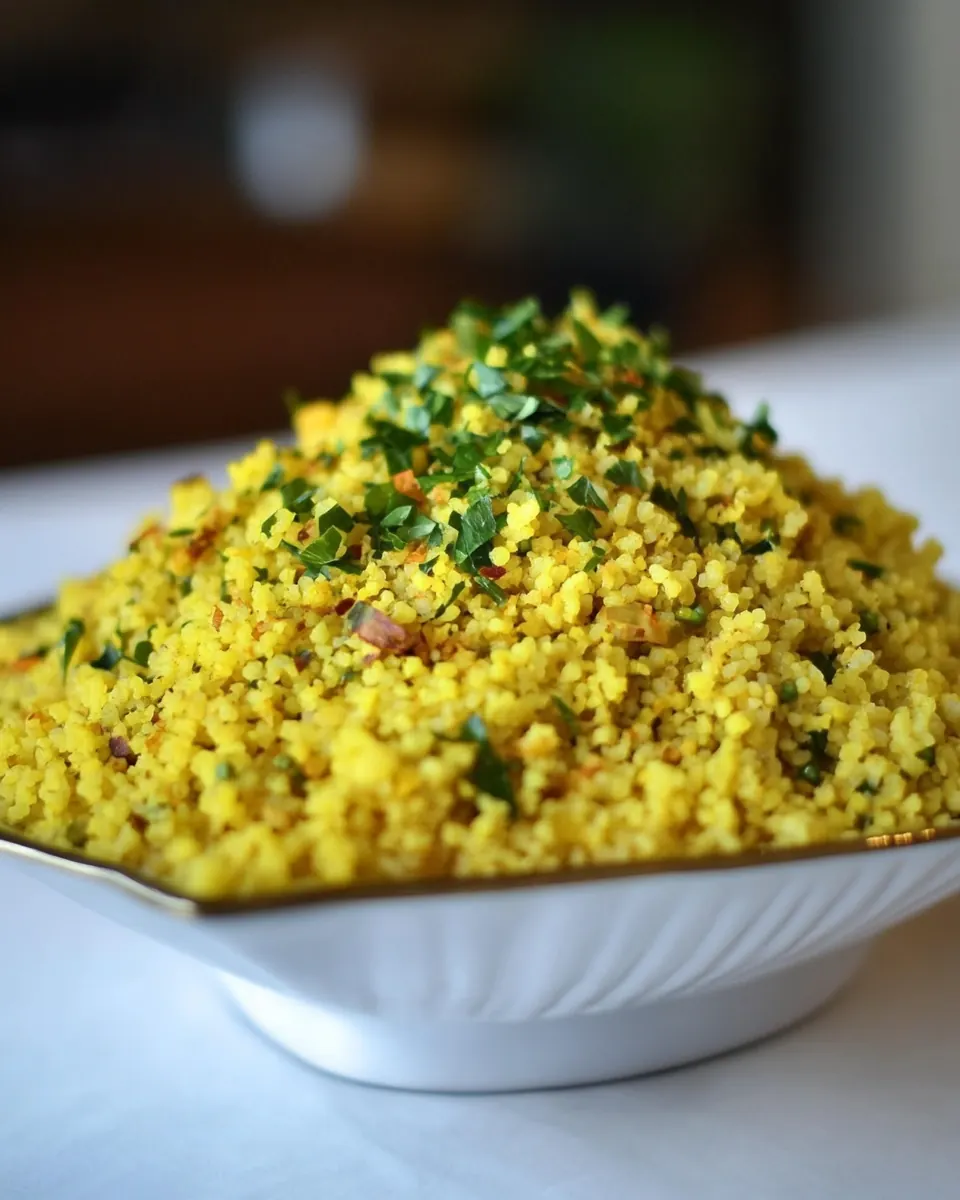
These ingredients are intentionally simple but purposeful. The saffron threads and lemon are the aromatic leads, while the couscous provides the tender, fluffy base. Pine nuts and chickpeas add contrast in texture and body, and the oil and broth unify everything, creating a balanced, savory salad that holds up at room temperature.
- 1/4 teaspoons saffron threads: Bloom gently to release color and aroma; saffron threads infuse the broth with a floral, honeyed perfume and pale golden tint that defines the dish's character.
- 2 1/4 cups chicken broth (use "no chicken" broth to make it vegetarian/pareve): Simmer as the cooking liquid and flavor base; chicken broth provides savory depth and body for the couscous while using a vegetarian/pareve broth keeps it meat-free.
- 1 teaspoon lemon zest: Zest finely to lift brightness and fragrance; lemon zest adds concentrated citrus oils that cut through richness and enhance overall freshness.
- 1/4 cup extra virgin olive oil, divided: Measure and separate for cooking and finishing; extra virgin olive oil supplies silkiness and richness during toasting or dressing while reserved oil adds a glossy finish.
- 2 cups instant couscous (about one 12 oz. box): Steep briefly in hot seasoned broth; instant couscous soaks up flavored liquid quickly to form tender, fluffy grains that carry other flavors throughout the salad.
- 1/3 cup pine nuts: Toast lightly before mixing to intensify nuttiness; pine nuts contribute crunchy texture and buttery, resinous notes that contrast the soft couscous.
- 1/2 cup fresh chopped cilantro: Chop and fold in at the end for herbaceous lift; fresh cilantro brings bright, citrusy, slightly peppery green flavors that refresh each bite.
- 15 ounces chickpeas (garbanzo beans), drained and rinsed (1 can): Rinse and drain before adding for texture and protein; chickpeas provide creamy, hearty body, plant-based protein, and a pleasant bite in the finished dish.
- 1/4 cup fresh lemon juice, or more to taste: Squeeze and adjust to taste for acidity balance; fresh lemon juice brightens flavors, sharpens the palate, and balances the olive oil and broth.
- Pinch cayenne pepper (– adds spice) (optional): Pinch lightly to introduce heat if desired; cayenne pepper adds a focused, warming spice that can elevate flavor without overwhelming other components.
- Salt: Season to taste to unify flavors; salt enhances savory notes, balances acidity, and helps the saffron and lemon express their aromas fully.
How to Prepare Lemony Saffron Couscous
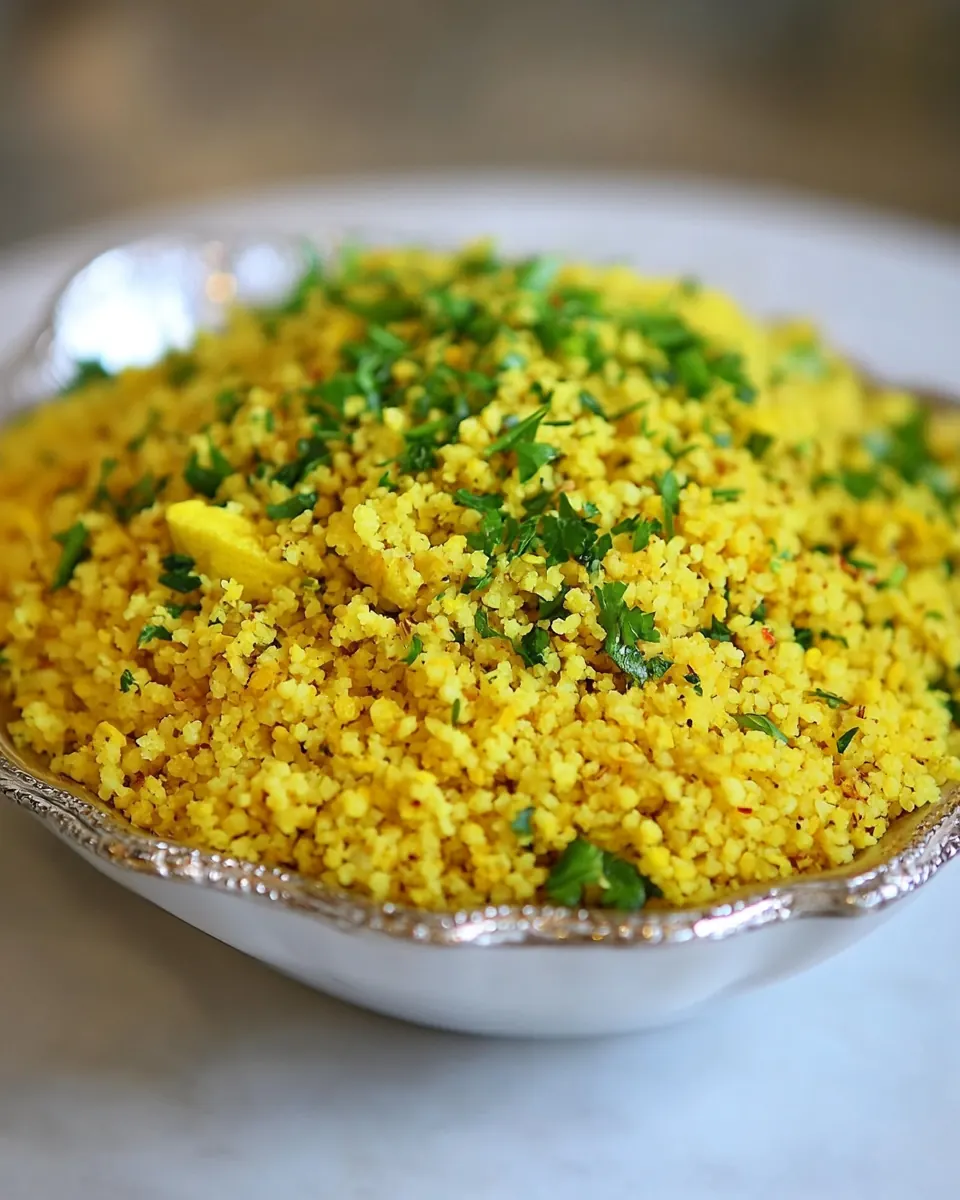
Preparing this dish is a calming, sensory process that rewards your attention. The steps move from fragrant saffron blooming to the satisfying crackle of toasting nuts and end with a bright dressing that ties everything together. Read through the steps and keep a fork handy for fluffy finishing touches.
- Pour saffron threads into a mortar and crush them into powder. Pour 1/4 cup hot water over the saffron and let it soak for five minutes.: As the saffron steeps you will notice the water slowly take on a warm, golden color and a floral, honey like scent will rise. This infusion unlocks the essential oils and color, making a little saffron go far; if you skip crushing, the threads release less aroma. A common mistake is using water that is not hot enough, which slows extraction, so use freshly heated water to speed release and intensify color.
- Pour the saffron water into a large saucepan along with chicken broth (use "no chicken" broth to keep it vegetarian), 1 tsp salt, lemon zest, and 2 tbsp olive oil. Bring to a boil.: The pot will smell instantly brighter with the blended saffron and lemon oils. Bringing to a full boil ensures the flavors meld and that the couscous will cook evenly. Avoid boiling too hard for too long because intense rolling boils can reduce the liquid too much; moderate bubbling is ideal to concentrate flavor without evaporation becoming excessive.
- Add the instant couscous to the boiling broth and stir. Bring back to a boil, then immediately cover and remove from heat. Let the couscous steam in the pot for 8-10 minutes till tender.: When you add the couscous , the color will quickly shift as it soaks up saffron tinted broth. Covering traps steam and finishes cooking gently, creating tender, separate grains. A common error is leaving the lid ajar, which lets steam escape and yields drier, unevenly cooked grains, so keep the lid tight while it steams.
- Meanwhile, pour pine nuts into a skillet and roast them over medium heat for about 5 minutes, stirring frequently, till they are toasted light brown and release some of their natural oils. Watch the nuts carefully, they can easily burn if left unattended.: Toasting fills the kitchen with a nutty, buttery aroma and the nuts will take on a light golden hue. Stir constantly and listen for a soft crackle; this signals the release of oils. The most frequent mistake is leaving them unattended, which can quickly lead to a bitter burnt flavor, so stay by the skillet and lower the heat if they brown too fast.
- Pour the toasted pine nuts into a large mixing bowl along with the chopped cilantro and garbanzo beans.: Dropping the warm pine nuts into the bowl with cilantro and rinsed chickpeas layers temperature and texture, the heat slightly wilting the herbs and warming the beans. This also prevents the nuts from continuing to cook in the skillet where residual heat might darken them. Avoid adding wet chickpeas straight from a can without draining, because excess liquid can dilute textures and dressing balance.
- Use a fork to fluff the couscous in the pan, then scrape the couscous into the mixing bowl with the fork, fluffing the couscous as you go. Use a fork or clean hands to mix all ingredients till thoroughly combined, breaking up any clumps of couscous that may have formed.: Fluffing introduces air and separates grains, giving a light texture and releasing steam so the salad does not become gummy. As you fold the couscous into the bowl, you will notice a lovely saffron tint and a soft steam rising. If the couscous clumps, use your fingers or a fork to gently break them; aggressive stirring can crush grains and make the salad paste like.
- In a small bowl, whisk together remaining 2 tbsp olive oil, 1/4 cup fresh lemon juice, and a very small pinch of cayenne pepper. Pour the dressing from the small bowl into the couscous mixture. Toss with a fork to thoroughly coat. Taste and season with additional lemon juice or salt, if desired.: The vinaigrette should look glossy and slightly thick, coating the fork as you lift it. Pouring it over warm couscous allows the grains to absorb flavor quickly. A typical mistake is over dressing; add gradually and toss, then taste, because warm grains will take on more liquid than cold ones.
- May be served warm or at room temperature. I like to make this couscous with chicken broth to give it a rich, savory flavor. If you're a vegetarian/vegan or wish to keep the salad pareve, use a mock chicken broth like Imagine Organic No Chicken Broth.: As you toss, you will hear a soft rustle and see a uniform shine across the salad, with bright flecks of cilantro and golden pine nuts . Taste for balance and adjust acidity or salt to brighten the flavors. Over seasoning at this stage is common, so season in increments and taste after each addition to avoid overpowering the subtle saffron and lemon notes.
- May be served warm or at room temperature.: The dish will hold its texture and flavor for hours, making it ideal for meals that start at different times. Serving warm emphasizes the saffron perfume and gives a comforting feel, while room temperature lets the flavors meld and makes it picnic friendly. Beware of prolonged storage without refrigeration, as canned chickpeas and dressed salads can develop off flavors if left out too long.
Tips and Tricks about Lemony Saffron Couscous
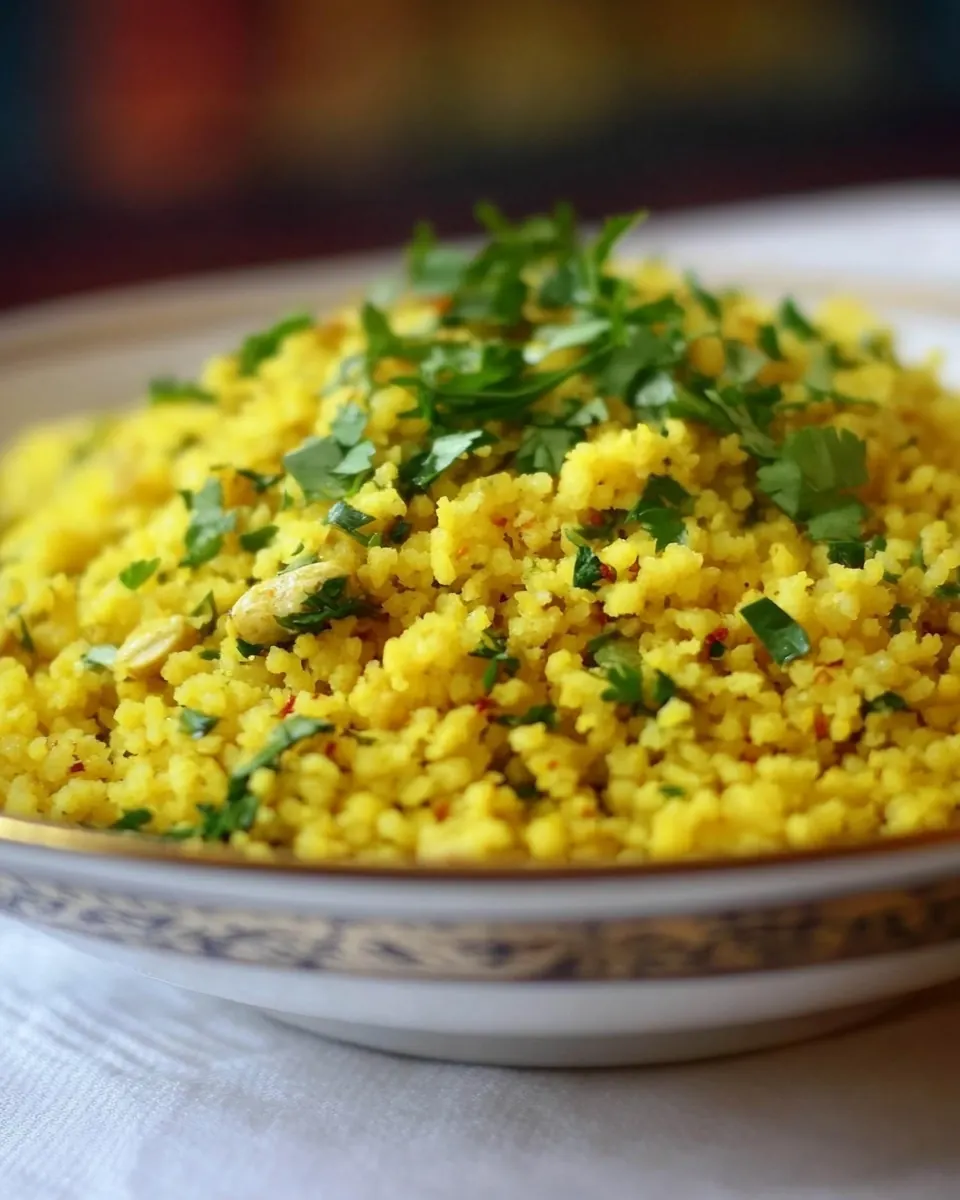
This dish benefits from a few small attentions that make a big difference. Below are practical tips I use every time to ensure the best flavor and texture. Read through and pick two or three to adopt so your next batch sings.
- Measure saffron carefully: A small pinch is powerful, and crushing the threads unlocks aroma and color without wasting the spice.
- Use good citrus: Fresh lemon juice and zest will outshine bottled alternatives, giving a brighter, fresher finish.
- Toast nuts in a dry skillet: Heating pine nuts gently releases oils and deepens flavor; stay attentive to avoid burning them.
- Fluff with a fork not a spoon: Forks separate grains more gently and make a lighter finished texture for the couscous.
- Season in layers: Salt the cooking liquid and taste again after dressing to get a balanced result without over salting.
How to Enjoy Lemony Saffron Couscous
This salad can be dressed up or down depending on the occasion, and its friendly flavors make it versatile across seasons. Below are serving ideas, pairing suggestions, and storage notes to help you get the most out of every batch.
- As a warm side: Serve alongside roasted vegetables or grilled fish for a light spring dinner; the saffron and lemon will complement delicate mains.
- At room temperature: Bring it to picnics or potlucks, it holds up well and tastes great without reheating.
- During Ramadan or special meals: Offer it as a bright, nourishing side to round out iftar spreads, where citrus and saffron are welcome palate cleansers.
- Storage: Keep in an airtight container in the fridge for up to three days; toss gently before serving to revive texture.
- Make ahead: Prepare the couscous and dressing separately and combine just before serving for the freshest texture.
FAQ
Conclusion
This recipe stands out for its fragrant saffron, bright lemon, and satisfying texture from toasted pine nuts and chickpeas. It is a quick, adaptable dish that feels both elegant and approachable, making it a go to for weeknight meals and small gatherings. Try it warm or at room temperature, and you will find it easy to make your own little tweaks. I hope you give it a whirl and enjoy how a few simple ingredients can create such an uplifting plate.
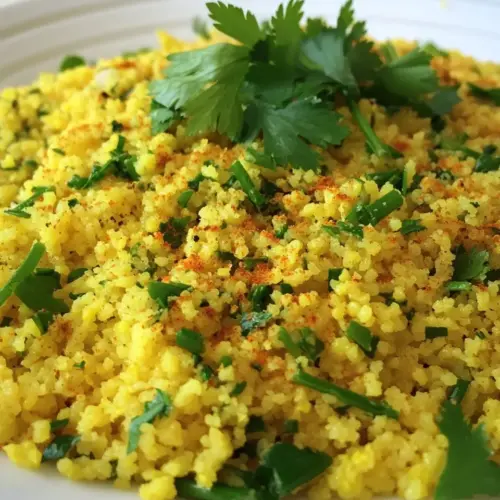
Lemony Saffron Couscous
Equipment
- Mortar and pestle
- Large saucepan with lid
- Skillet
- Large Mixing Bowl
Ingredients
- 1/4 teaspoons saffron threads Bloom gently to release color and aroma; saffron threads infuse the broth with a floral, honeyed perfume and pale golden tint that defines the dish's character.
- 2 1/4 cups chicken broth (use "no chicken" broth to make it vegetarian/pareve) Simmer as the cooking liquid and flavor base; chicken broth provides savory depth and body for the couscous while using a vegetarian/pareve broth keeps it meat-free.
- 1 teaspoon lemon zest Zest finely to lift brightness and fragrance; lemon zest adds concentrated citrus oils that cut through richness and enhance overall freshness.
- 1/4 cup extra virgin olive oil, divided Measure and separate for cooking and finishing; extra virgin olive oil supplies silkiness and richness during toasting or dressing while reserved oil adds a glossy finish.
- 2 cups instant couscous (about one 12 oz. box) Steep briefly in hot seasoned broth; instant couscous soaks up flavored liquid quickly to form tender, fluffy grains that carry other flavors throughout the salad.
- 1/3 cup pine nuts Toast lightly before mixing to intensify nuttiness; pine nuts contribute crunchy texture and buttery, resinous notes that contrast the soft couscous.
- 1/2 cup fresh chopped cilantro Chop and fold in at the end for herbaceous lift; fresh cilantro brings bright, citrusy, slightly peppery green flavors that refresh each bite.
- 15 ounces chickpeas (garbanzo beans), drained and rinsed (1 can) Rinse and drain before adding for texture and protein; chickpeas provide creamy, hearty body, plant-based protein, and a pleasant bite in the finished dish.
- 1/4 cup fresh lemon juice, or more to taste Squeeze and adjust to taste for acidity balance; fresh lemon juice brightens flavors, sharpens the palate, and balances the olive oil and broth.
- Pinch cayenne pepper (optional-- adds spice) Pinch lightly to introduce heat if desired; cayenne pepper adds a focused, warming spice that can elevate flavor without overwhelming other components.
- Salt Season to taste to unify flavors; salt enhances savory notes, balances acidity, and helps the saffron and lemon express their aromas fully.
Instructions
- Pour saffron threads into a mortar and crush them into powder. Pour 1/4 cup hot water over the saffron and let it soak for five minutes.: As the saffron steeps you will notice the water slowly take on a warm, golden color and a floral, honey like scent will rise. This infusion unlocks the essential oils and color, making a little saffron go far; if you skip crushing, the threads release less aroma. A common mistake is using water that is not hot enough, which slows extraction, so use freshly heated water to speed release and intensify color.
- Pour the saffron water into a large saucepan along with chicken broth (use "no chicken" broth to keep it vegetarian), 1 tsp salt, lemon zest, and 2 tbsp olive oil. Bring to a boil.: The pot will smell instantly brighter with the blended saffron and lemon oils. Bringing to a full boil ensures the flavors meld and that the couscous will cook evenly. Avoid boiling too hard for too long because intense rolling boils can reduce the liquid too much; moderate bubbling is ideal to concentrate flavor without evaporation becoming excessive.
- Add the instant couscous to the boiling broth and stir. Bring back to a boil, then immediately cover and remove from heat. Let the couscous steam in the pot for 8-10 minutes till tender.: When you add the couscous , the color will quickly shift as it soaks up saffron tinted broth. Covering traps steam and finishes cooking gently, creating tender, separate grains. A common error is leaving the lid ajar, which lets steam escape and yields drier, unevenly cooked grains, so keep the lid tight while it steams.
- Meanwhile, pour pine nuts into a skillet and roast them over medium heat for about 5 minutes, stirring frequently, till they are toasted light brown and release some of their natural oils. Watch the nuts carefully, they can easily burn if left unattended.: Toasting fills the kitchen with a nutty, buttery aroma and the nuts will take on a light golden hue. Stir constantly and listen for a soft crackle; this signals the release of oils. The most frequent mistake is leaving them unattended, which can quickly lead to a bitter burnt flavor, so stay by the skillet and lower the heat if they brown too fast.
- Pour the toasted pine nuts into a large mixing bowl along with the chopped cilantro and garbanzo beans.: Dropping the warm pine nuts into the bowl with cilantro and rinsed chickpeas layers temperature and texture, the heat slightly wilting the herbs and warming the beans. This also prevents the nuts from continuing to cook in the skillet where residual heat might darken them. Avoid adding wet chickpeas straight from a can without draining, because excess liquid can dilute textures and dressing balance.
- Use a fork to fluff the couscous in the pan, then scrape the couscous into the mixing bowl with the fork, fluffing the couscous as you go. Use a fork or clean hands to mix all ingredients till thoroughly combined, breaking up any clumps of couscous that may have formed.: Fluffing introduces air and separates grains, giving a light texture and releasing steam so the salad does not become gummy. As you fold the couscous into the bowl, you will notice a lovely saffron tint and a soft steam rising. If the couscous clumps, use your fingers or a fork to gently break them; aggressive stirring can crush grains and make the salad paste like.
- In a small bowl, whisk together remaining 2 tbsp olive oil, 1/4 cup fresh lemon juice, and a very small pinch of cayenne pepper. Pour the dressing from the small bowl into the couscous mixture. Toss with a fork to thoroughly coat. Taste and season with additional lemon juice or salt, if desired.: The vinaigrette should look glossy and slightly thick, coating the fork as you lift it. Pouring it over warm couscous allows the grains to absorb flavor quickly. A typical mistake is over dressing; add gradually and toss, then taste, because warm grains will take on more liquid than cold ones.
- May be served warm or at room temperature. I like to make this couscous with chicken broth to give it a rich, savory flavor. If you're a vegetarian/vegan or wish to keep the salad pareve, use a mock chicken broth like Imagine Organic No Chicken Broth.: As you toss, you will hear a soft rustle and see a uniform shine across the salad, with bright flecks of cilantro and golden pine nuts . Taste for balance and adjust acidity or salt to brighten the flavors. Over seasoning at this stage is common, so season in increments and taste after each addition to avoid overpowering the subtle saffron and lemon notes.
- May be served warm or at room temperature.: The dish will hold its texture and flavor for hours, making it ideal for meals that start at different times. Serving warm emphasizes the saffron perfume and gives a comforting feel, while room temperature lets the flavors meld and makes it picnic friendly. Beware of prolonged storage without refrigeration, as canned chickpeas and dressed salads can develop off flavors if left out too long.
Notes
- Measure saffron carefully: A small pinch is powerful, and crushing the threads unlocks aroma and color without wasting the spice.
- Use good citrus: Fresh lemon juice and zest will outshine bottled alternatives, giving a brighter, fresher finish.
- Toast nuts in a dry skillet: Heating pine nuts gently releases oils and deepens flavor; stay attentive to avoid burning them.
- Fluff with a fork not a spoon: Forks separate grains more gently and make a lighter finished texture for the couscous.
- Season in layers: Salt the cooking liquid and taste again after dressing to get a balanced result without over salting.