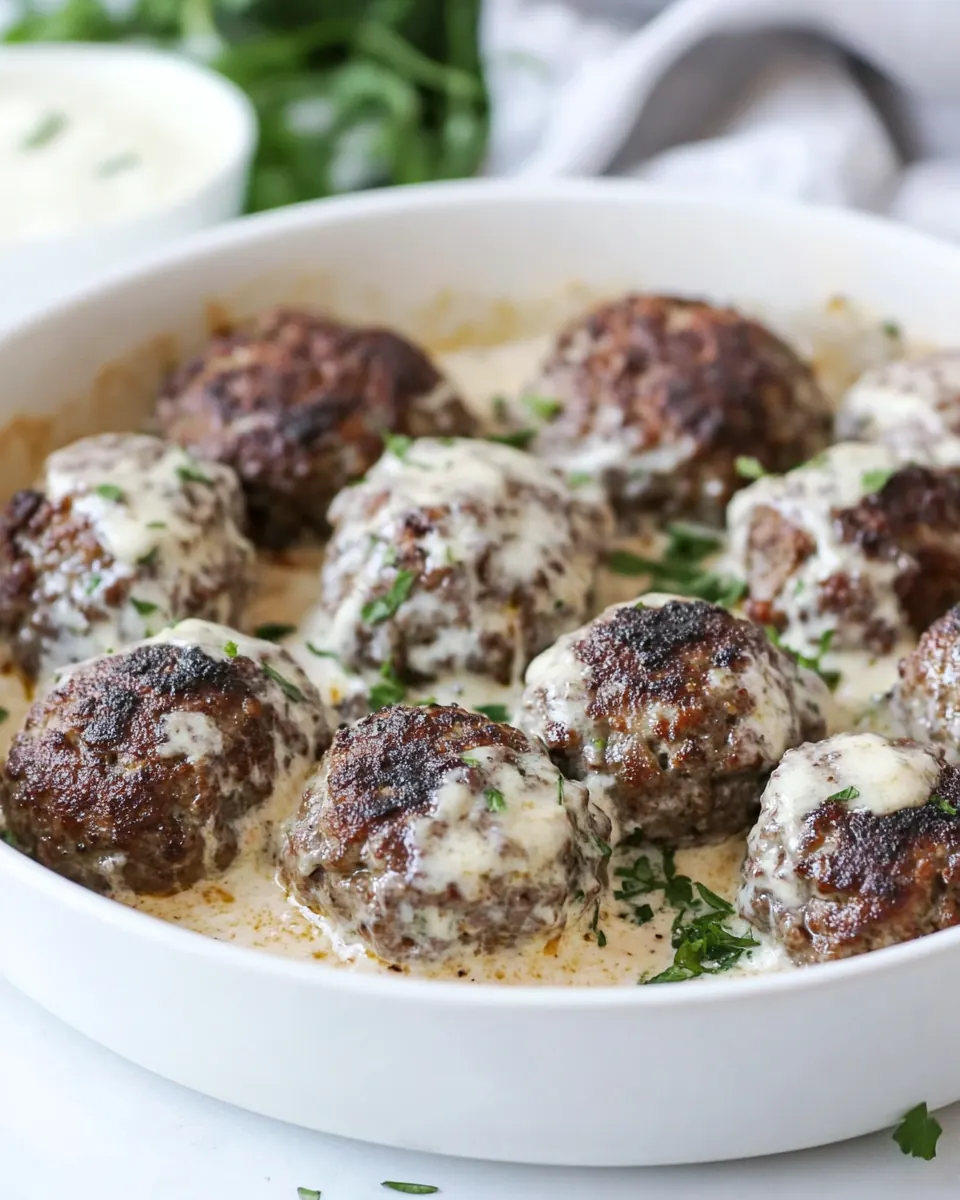
Paleo Swedish Meatballs
Paleo Swedish Meatballs have been a cozy constant in my kitchen for years, a recipe I reach for when I want comfort without compromise. The first time I made these I was chasing the memory of a Scandinavian dinner I enjoyed abroad, but I wanted something that felt lighter and fit the way I cook at home. From that trial it became a go to dish on chilly nights, one that fills the house with warm, savory aromas and makes everyone gather at the table.
Over time I tweaked the balance of spices, texture, and the velvety sauce until it matched that nostalgic feeling I was chasing. I love that the meatballs stay tender and the sauce is rich without relying on cream. When friends come over, this recipe reliably earns compliments and requests for the recipe, and I always smile because it is so straightforward but feels special. Each bite echoes traditional flavors while staying aligned with a grain free, paleo approach, which is exactly why it has become a staple in my weeknight rotation.
Recipe Snapshot
1 hr 25 mins
25 mins
60 mins
Medium
350 kcal
American
Paleo, Gluten-Free
Dinner
Steamer or pot with lid, High-powered blender, Mixing bowl, Large cast iron skillet, Plate
Why This Paleo Swedish Meatballs Hits Different
Comfort with a Clean Conscience
I adore how Paleo Swedish Meatballs deliver that classic, nostalgic comfort without the heaviness. The combination of tender grass fed ground beef and a creamy, cauliflower based sauce gives you the satisfaction of a traditional meatball dinner, while keeping the ingredients simple and real. I find this approach makes it easy to enjoy a cozy meal while feeling good about what is on my plate.
Texture That Feels Like Home
The meatballs are soft inside and seared on the outside, which is a texture contrast I constantly aim for. By using tapioca flour and gentle mixing, I get a meatball that binds well but does not turn dense. When I bite in, the initial crispness from the skillet yields to a juicy center, and that satisfying mouthfeel keeps people reaching for seconds.
Flavor Built Layer by Layer
I love the way simple seasonings like garlic powder, sea salt, and a hint of ground nutmeg harmonize to recreate the Scandinavian profile. The sauce, made with steamed cauliflower, beef bone broth, and melted ghee, carries a deep, savory backbone that complements the meat without overpowering it. I often adjust seasoning little by little while tasting, because subtle changes make a big difference.
Versatility and Host Friendly
These Paleo Swedish Meatballs are easy to scale for a cozy dinner or a small gathering. They reheat well, and the sauce thickens and deepens in flavor when simmered longer, which is perfect if you want to free up hands for other dishes before guests arrive. I appreciate recipes that are forgiving and let me focus on company rather than fussing over timing.
Pantry Smart and Approachable
Most of the ingredients are pantry staples if you cook this way, so I rarely need to make a special trip to the store. The technique is straightforward and approachable, making it a great bridge from simple weeknight meals to something more celebratory. Each time I make these meatballs they remind me that good food can be both nourishing and indulgent.
Ingredients Overview for Paleo Swedish Meatballs
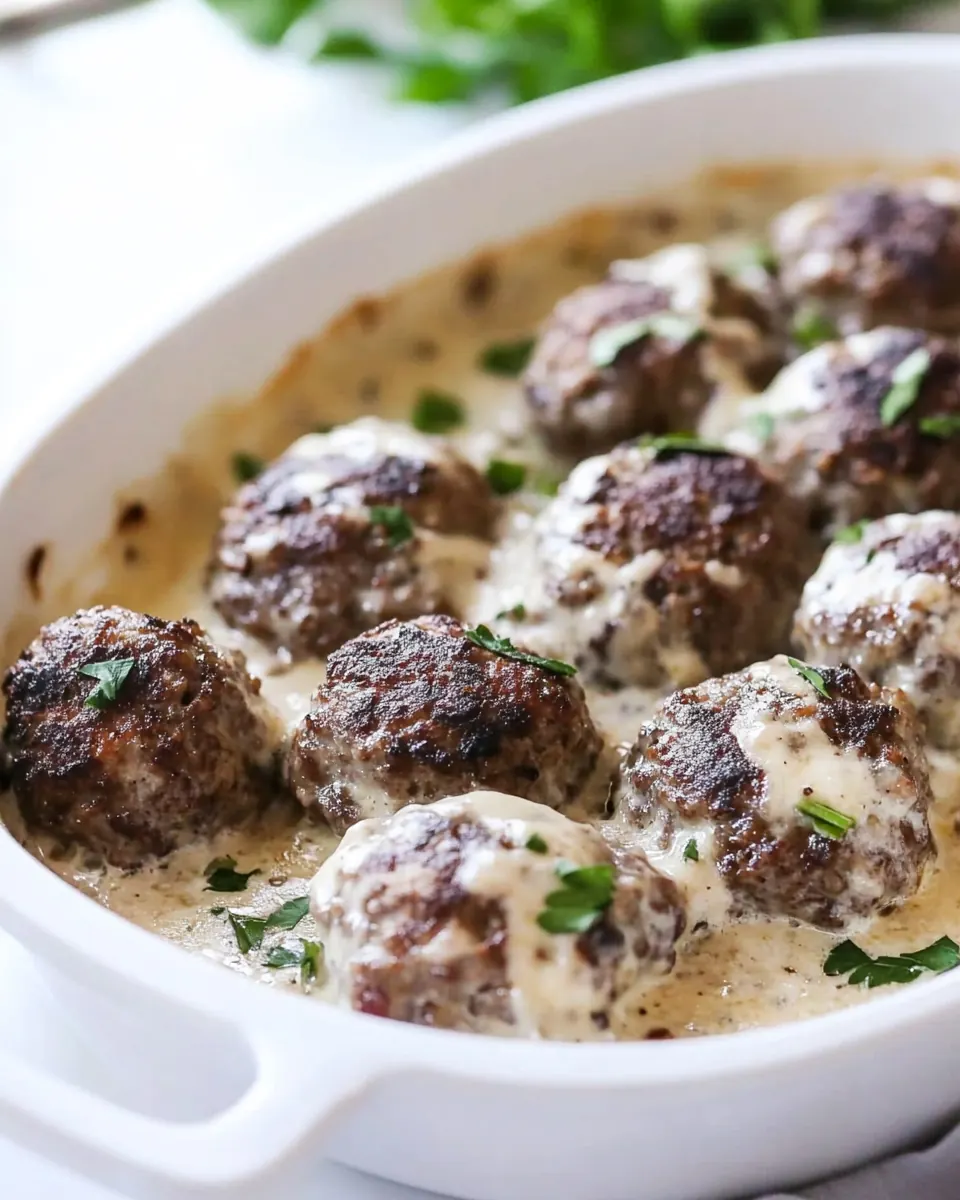
These ingredients were chosen to recreate the classic Swedish profile while sticking to paleo principles. The key players are the grass fed ground beef for a rich, meaty base, the steamed cauliflower and beef bone broth that form a creamy, savory sauce, and a few binding and seasoning agents like tapioca flour and eggs that keep the meatballs tender. Together they balance texture, flavor, and melt in the mouth satisfaction.
- 1 small head cauliflower chopped into florets (about 5 cups): Chopped into florets and cooked until tender to provide a creamy, low-carb base often used as a mashed potato substitute in paleo sides; offers a mild, slightly nutty flavor and bulk to the plate while absorbing sauces well.
- 3 tbsp ghee or grass-fed butter melted: Melted and used to add rich, buttery flavor and healthy fats that enhance mouthfeel and help carry fat-soluble flavors in the dish; contributes a glossy finish and aids in sautéing or binding components.
- 1 cup beef bone broth: Added as a savory, mineral-rich liquid to deepen umami and provide natural gelatinous body that enhances sauce texture; helps thin and season gravies while contributing collagen-derived mouthfeel.
- 1 tbsp stone ground mustard: Stirred in to impart a sharp, tangy depth that brightens the overall flavor and balances richness; works well to cut through fatty elements and add a subtle mustardy complexity.
- 1/4 tsp sea salt to taste: Sprinkled as needed to season and heighten flavors, offering a clean saline finish and helping to balance sweetness and acidity; used sparingly to avoid over-salting and ensure proper seasoning.
- 2 lbs grass-fed ground beef: Mixed with aromatics and binder to form the meatball base, delivering robust, beefy flavor, protein, and a juicy texture when cooked; grass-fed beef also contributes a richer nutrient profile and slightly leaner fat.
- 2 tbsp tapioca flour: Combined as a light binder to help hold meatballs together and slightly thicken sauces without gluten; provides a neutral texture that gels when heated and keeps components cohesive.
- 2 tbsp fresh parsley chopped: Chopped and stirred in for a fresh, herbaceous lift that brightens heavy, savory flavors while adding a slight vegetal note and color contrast; fresh parsley also contributes a hint of bitterness and freshness.
- 1/2 cup yellow onion finely chopped: Finely chopped and sautéed to develop sweet, savory depth and aromatic complexity that forms the flavor base; soft onion melts into the mixture and enhances overall savory balance.
- 1 tsp garlic powder: Sprinkled to impart warm, concentrated garlic flavor without moisture that could change texture; powdered form disperses evenly and provides consistent seasoning throughout the mixture.
- 2 large eggs: Beaten and incorporated to bind the meatball ingredients, add moisture, and contribute tenderness; eggs also help emulsify fats and proteins for a cohesive structure during cooking.
- 1/2 tsp ground nutmeg: Measured to provide a warm, slightly sweet spice that complements savory beef and rich sauces, adding complexity and traditional Scandinavian flavor notes in small amounts.
- 1/2 tsp sea salt: Used to season and balance flavors within the meat mixture and sauce, enhancing overall taste perception and ensuring the finished meatballs are properly seasoned throughout.
Preparation Steps for Paleo Swedish Meatballs
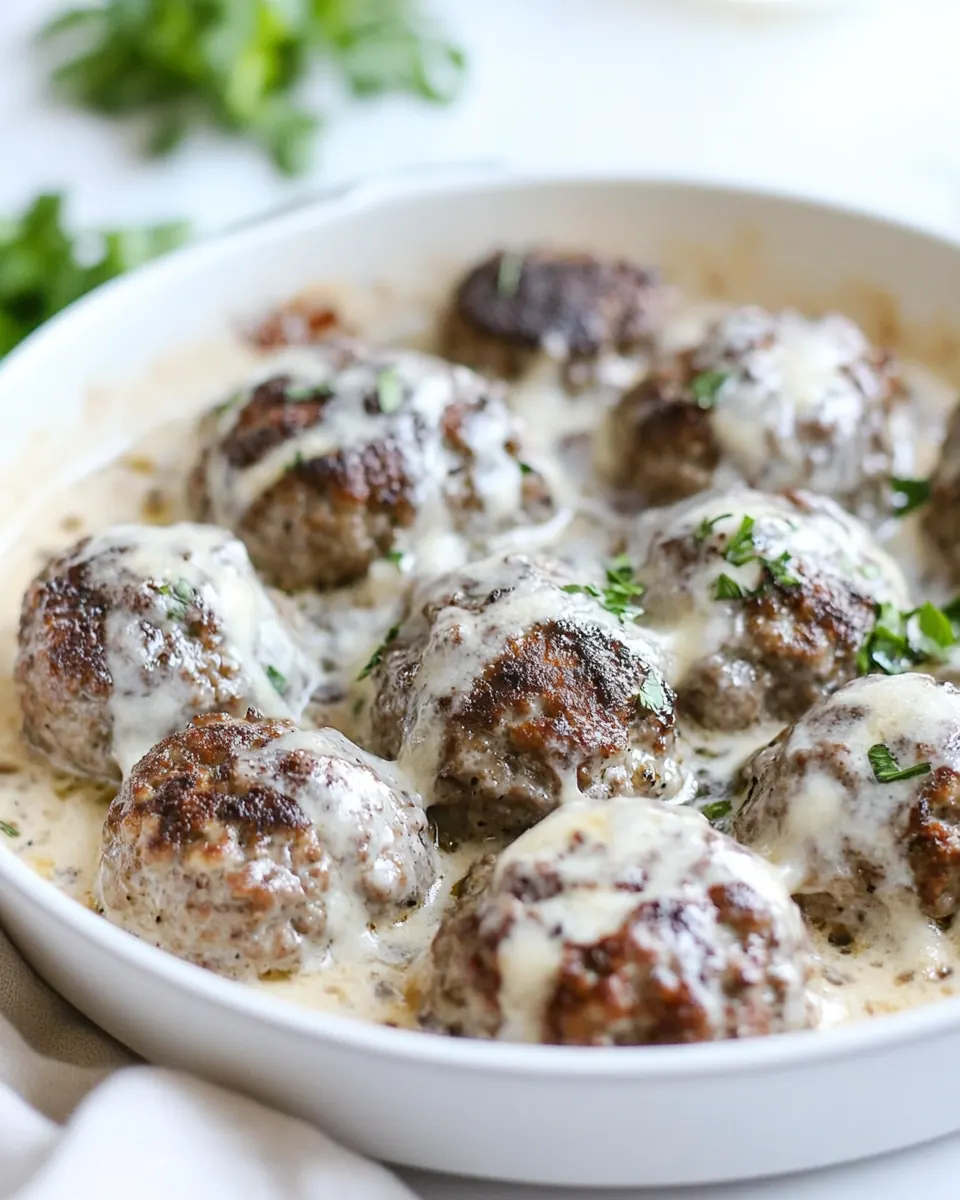
These directions turn the simple ingredient list into a rich, comforting meal. I like to move through the steps rhythmically, keeping tasting and temperature checks in mind. Below, the original directions are cleaned and each step is expanded into detailed, sensory driven guidance so you can cook with confidence.
- Steam the cauliflower for 8 minutes in a steamer or in boiling water, until soft when poked with a fork.: The steam should coax out the cauliflower's natural sweetness and soften it into pillowy pieces, filling the kitchen with a faint, vegetal aroma. You want the florets to be easily pierced with a fork, which indicates they will puree smoothly. Steam rather than overboil to preserve flavor, and avoid under steaming because gritty bits can remain in the sauce. A common mistake is overcrowding the steamer, which leads to uneven cooking; give the florets room to steam evenly.
- Transfer steamed cauliflower to a high-powered blender along with the rest of the sauce ingredients.: As soon as the cauliflower is tender, move it into the blender with beef bone broth , ghee , stone ground mustard , and the small pinch of sea salt . The warm cauliflower helps the sauce emulsify into a silky texture, and the smell becomes richer as the ghee and mustard mingle. If you wait too long and the cauliflower cools, the blend may be less smooth, and the sauce can be grainier; work while still warm for the best result.
- Blend until completely smooth. If necessary, add more broth to thin out the sauce to desired consistency.: Blending until the mixture is completely smooth creates a velvety sauce that clings to the meatballs. Listen for the blender's steady hum turning into a quieter, even sound, and watch for a uniform creamy color with no visible cauliflower bits. If the sauce is too thick for your liking, add beef bone broth a little at a time to reach a spoonable but pourable texture. Over thinning will make the sauce runny, so adjust cautiously, and be mindful that the sauce thickens slightly when warmed.
- Taste sauce for flavor and add more ghee and/or sea salt to taste. Set aside until ready to use.: This tasting step is where you balance richness and seasoning, and you should immediately notice a round, savory base with a hint of tang from the mustard. If it tastes flat, a touch more sea salt brightens everything; if it needs body, an extra tablespoon of melted ghee will smooth and enrich the mouthfeel. Set the sauce aside warm, because integrating warm sauce with hot meatballs helps meld flavors quickly. Avoid over seasoning early, because the meatballs will add salt and richness later.
- Add all ingredients for the meatballs to a mixing bowl and use your hands to mix everything together until well-combined (note: you can also perform this step using a stand mixer with the paddle attachment).: you can also perform this step using a stand mixer with the paddle attachment) : When you combine the grass fed ground beef , tapioca flour , fresh parsley , yellow onion , garlic powder , eggs , ground nutmeg , and sea salt , touch matters more than force. Use your hands to mix just until everything is evenly distributed; you want a cohesive mixture without overworking the meat, which can make the meatballs dense. You should feel the mixture become springy and slightly tacky. A common pitfall is overmixing, which tightens the protein and yields a dry finished meatball.
- Form meatballs 1.5 to 2 inches in diameter and place on a plate.: Roll the mixture gently between your palms into even spheres, aiming for consistency so they cook uniformly. As you form them, notice the smooth outer crust created by gentle rolling, and keep your hands slightly damp if the mixture sticks. Placing them on a plate in a single layer prevents flattening or misshaping. Avoid compacting them too firmly, because that compresses juices and leads to a tougher center.
- Heat 2 tablespoons avocado oil or cooking oil of choice in a large cast iron skillet over medium-high heat. Once hot, place the meatballs on the hot skillet, giving each one plenty of room (you’ll need to do this in 2 to 3 batches). Cook 2 minutes, flip to the other side and cook another 2 to 3 minutes, until browned on 2 sides. Transfer to a plate.: You should hear an immediate sizzle as the meatballs hit the hot oil, and that sound is a great indicator of proper searing. Browning creates Maillard flavor, which gives the exterior a savory crust and deep color. Work in batches to avoid crowding, because too many meatballs in the pan will release steam and prevent browning. The visual cue is a deep golden brown on two sides. If you try to move them too soon they will stick, so let them form a crust first.
- Wipe out the skillet, lower the heat to medium-low and add the sauce. Bring sauce to a gentle boil then add the meatballs and stir. Cover and cook until meatballs are cooked through, about 5 to 8 minutes. For more developed flavor, cook meatballs at a very gentle simmer over medium-low heat for 30 to 60 minutes, stirring occasionally.: When the sauce warms and begins to steam, it releases rich aromas of ghee and bone broth , and combining it with the browned meatballs completes the flavor. You want a gentle boil or simmer so the meatballs finish cooking through and soak up sauce flavor without breaking apart. Cooking for the short window yields tender juicy centers, while a longer gentle simmer deepens flavor and melds the sauce. Avoid high heat at this stage because it can toughen the meat and reduce the sauce, possibly causing it to separate. Stir occasionally to prevent sticking and to ensure even cooking throughout.
How to Switch It Up
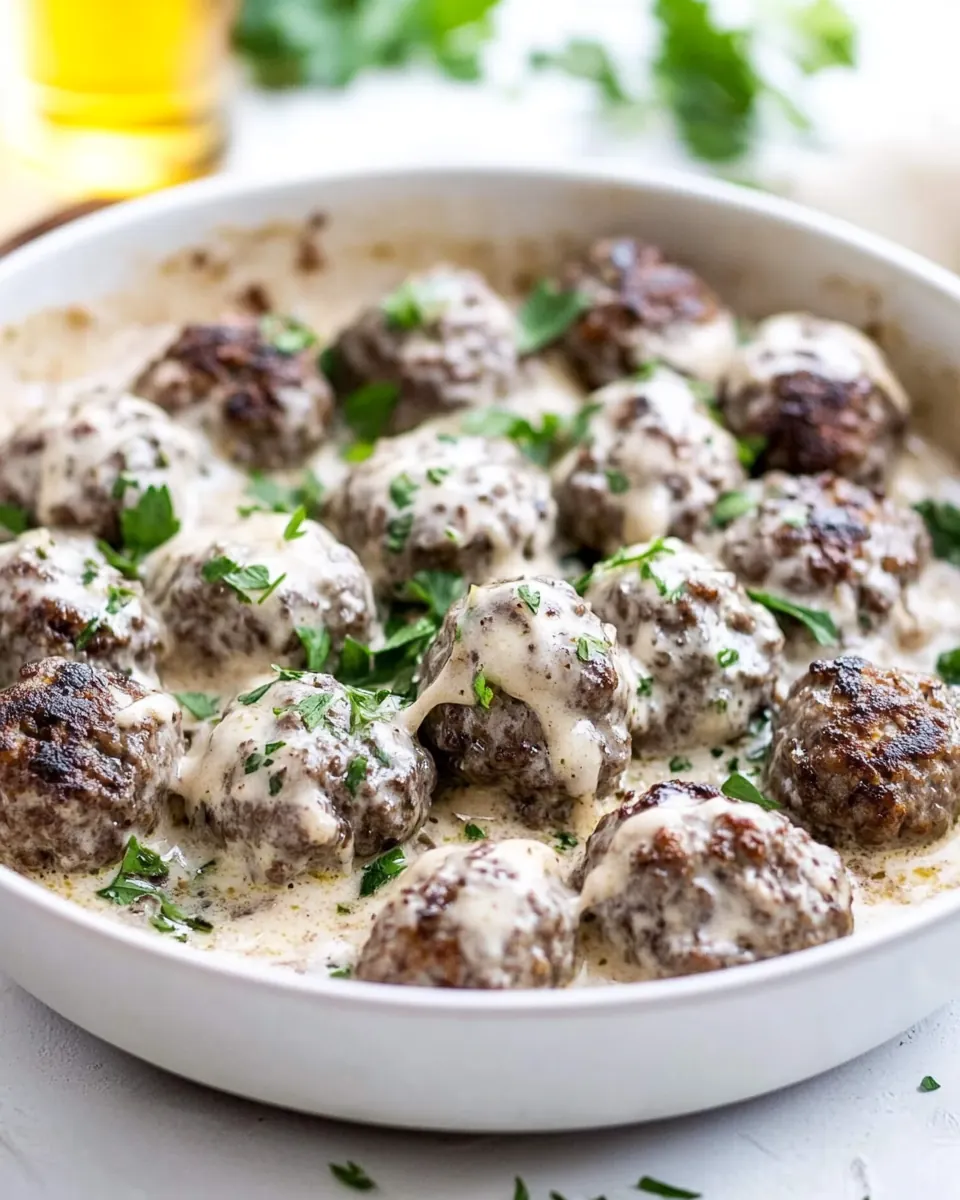
These small adjustments can personalize the dish while keeping the core identity intact. Below I share tactical changes and serving ideas that preserve the recipe’s character while offering variety for different occasions.
- Swap mustard sparingly Replace the stone ground mustard with a milder prepared mustard if you want less texture and a gentler tang, and taste as you go because mustard intensity varies widely.
- Simmer time tweak Shorten the simmer to about 5 to 8 minutes for a faster weeknight dinner, or extend to 30 to 60 minutes for richer, more developed sauce flavors that deepen over time.
- Adjust binder amount If meatballs feel loose, increase tapioca flour by a half tablespoon increments until the mix holds together; avoid adding too much because it can create gummy interior texture.
- Use different fat Swap ghee for grass fed butter when you prefer a creamier dairy nuance, keeping in mind this changes the aroma and mouthfeel slightly.
- Make ahead Form the meatballs and refrigerate for up to a day before cooking; this helps them hold shape and makes the day of cooking faster and more relaxed.
- Herb adjustment Increase the fresh parsley slightly for a brighter finish, or add an extra tablespoon if you crave a more herbaceous note without altering the recipe structure.
How to Serve Paleo Swedish Meatballs
Serving can transform the meal into a casual family dish or something more elevated for guests. Below are practical, flavorful serving suggestions that match different occasions and storage needs. Use the ideas to make the dish work for weekday dinners, weekend gatherings, or a warming winter meal.
- Classic family dinner Serve the meatballs over mashed cauliflower or a bed of steamed vegetables for a comforting, low carb plate that still feels hearty and satisfying.
- Casual gathering Arrange the meatballs in a shallow serving dish with sauce spooned over them and offer toothpicks for easy passing, making it friendly for small parties or potlucks.
- Weeknight meal Plate with a simple side of roasted root vegetables and a sprinkling of extra fresh parsley to add color and a fresh note while keeping prep minimal.
- Meal prep and storage Cool completely then store meatballs and sauce together in an airtight container in the fridge for up to four days; reheat gently on low to preserve texture and avoid over drying.
- Winter comfort This dish is ideal for winter evenings, offering warmth and satiety; pair with bright, acidic sides like quick pickled cucumbers to cut through richness on the plate.
- Occasion suggestion Bring to holiday family dinners as a paleo friendly main that still delivers the traditional flavors many people associate with festive comfort food.
FAQ
Conclusion
Paleo Swedish Meatballs stand out because they capture traditional, comforting flavors in a lighter, grain free form that still feels indulgent. I encourage you to try this recipe the next time you want a cozy, satisfying meal that is approachable yet special. Enjoy the process, tweak seasoning to your taste, and savor how a few thoughtful ingredients create a deeply flavorful dinner.
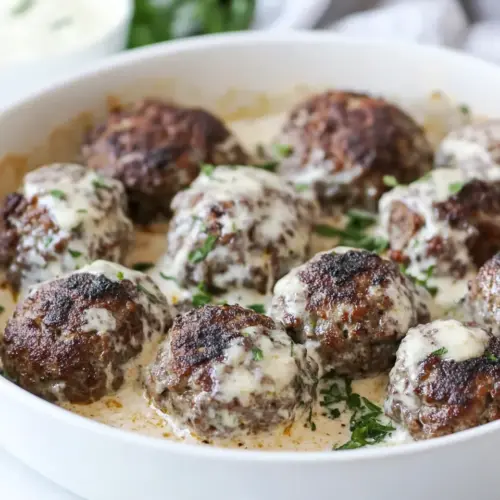
Paleo Swedish Meatballs
Equipment
- Steamer or pot with lid
- High-Powered Blender
- Mixing Bowl
- Large Cast Iron Skillet
- Plate
Ingredients
- 1 small head cauliflower chopped into florets (about 5 cups) Chopped into florets and cooked until tender to provide a creamy, low-carb base often used as a mashed potato substitute in paleo sides; offers a mild, slightly nutty flavor and bulk to the plate while absorbing sauces well.
- 3 tbsp ghee or grass-fed butter melted Melted and used to add rich, buttery flavor and healthy fats that enhance mouthfeel and help carry fat-soluble flavors in the dish; contributes a glossy finish and aids in sautéing or binding components.
- 1 cup beef bone broth Added as a savory, mineral-rich liquid to deepen umami and provide natural gelatinous body that enhances sauce texture; helps thin and season gravies while contributing collagen-derived mouthfeel.
- 1 tbsp stone ground mustard Stirred in to impart a sharp, tangy depth that brightens the overall flavor and balances richness; works well to cut through fatty elements and add a subtle mustardy complexity.
- 1/4 tsp sea salt to taste Sprinkled as needed to season and heighten flavors, offering a clean saline finish and helping to balance sweetness and acidity; used sparingly to avoid over-salting and ensure proper seasoning.
- 2 lbs grass-fed ground beef Mixed with aromatics and binder to form the meatball base, delivering robust, beefy flavor, protein, and a juicy texture when cooked; grass-fed beef also contributes a richer nutrient profile and slightly leaner fat.
- 2 tbsp tapioca flour Combined as a light binder to help hold meatballs together and slightly thicken sauces without gluten; provides a neutral texture that gels when heated and keeps components cohesive.
- 2 tbsp fresh parsley chopped Chopped and stirred in for a fresh, herbaceous lift that brightens heavy, savory flavors while adding a slight vegetal note and color contrast; fresh parsley also contributes a hint of bitterness and freshness.
- 1/2 cup yellow onion finely chopped Finely chopped and sautéed to develop sweet, savory depth and aromatic complexity that forms the flavor base; soft onion melts into the mixture and enhances overall savory balance.
- 1 tsp garlic powder Sprinkled to impart warm, concentrated garlic flavor without moisture that could change texture; powdered form disperses evenly and provides consistent seasoning throughout the mixture.
- 2 large eggs Beaten and incorporated to bind the meatball ingredients, add moisture, and contribute tenderness; eggs also help emulsify fats and proteins for a cohesive structure during cooking.
- 1/2 tsp ground nutmeg Measured to provide a warm, slightly sweet spice that complements savory beef and rich sauces, adding complexity and traditional Scandinavian flavor notes in small amounts.
- 1/2 tsp sea salt Used to season and balance flavors within the meat mixture and sauce, enhancing overall taste perception and ensuring the finished meatballs are properly seasoned throughout.
Instructions
- Steam the cauliflower for 8 minutes in a steamer or in boiling water, until soft when poked with a fork.: The steam should coax out the cauliflower's natural sweetness and soften it into pillowy pieces, filling the kitchen with a faint, vegetal aroma. You want the florets to be easily pierced with a fork, which indicates they will puree smoothly. Steam rather than overboil to preserve flavor, and avoid under steaming because gritty bits can remain in the sauce. A common mistake is overcrowding the steamer, which leads to uneven cooking; give the florets room to steam evenly.
- Transfer steamed cauliflower to a high-powered blender along with the rest of the sauce ingredients.: As soon as the cauliflower is tender, move it into the blender with beef bone broth , ghee , stone ground mustard , and the small pinch of sea salt . The warm cauliflower helps the sauce emulsify into a silky texture, and the smell becomes richer as the ghee and mustard mingle. If you wait too long and the cauliflower cools, the blend may be less smooth, and the sauce can be grainier; work while still warm for the best result.
- Blend until completely smooth. If necessary, add more broth to thin out the sauce to desired consistency.: Blending until the mixture is completely smooth creates a velvety sauce that clings to the meatballs. Listen for the blender's steady hum turning into a quieter, even sound, and watch for a uniform creamy color with no visible cauliflower bits. If the sauce is too thick for your liking, add beef bone broth a little at a time to reach a spoonable but pourable texture. Over thinning will make the sauce runny, so adjust cautiously, and be mindful that the sauce thickens slightly when warmed.
- Taste sauce for flavor and add more ghee and/or sea salt to taste. Set aside until ready to use.: This tasting step is where you balance richness and seasoning, and you should immediately notice a round, savory base with a hint of tang from the mustard. If it tastes flat, a touch more sea salt brightens everything; if it needs body, an extra tablespoon of melted ghee will smooth and enrich the mouthfeel. Set the sauce aside warm, because integrating warm sauce with hot meatballs helps meld flavors quickly. Avoid over seasoning early, because the meatballs will add salt and richness later.
- Add all ingredients for the meatballs to a mixing bowl and use your hands to mix everything together until well-combined (note: you can also perform this step using a stand mixer with the paddle attachment).: you can also perform this step using a stand mixer with the paddle attachment) : When you combine the grass fed ground beef , tapioca flour , fresh parsley , yellow onion , garlic powder , eggs , ground nutmeg , and sea salt , touch matters more than force. Use your hands to mix just until everything is evenly distributed; you want a cohesive mixture without overworking the meat, which can make the meatballs dense. You should feel the mixture become springy and slightly tacky. A common pitfall is overmixing, which tightens the protein and yields a dry finished meatball.
- Form meatballs 1.5 to 2 inches in diameter and place on a plate.: Roll the mixture gently between your palms into even spheres, aiming for consistency so they cook uniformly. As you form them, notice the smooth outer crust created by gentle rolling, and keep your hands slightly damp if the mixture sticks. Placing them on a plate in a single layer prevents flattening or misshaping. Avoid compacting them too firmly, because that compresses juices and leads to a tougher center.
- Heat 2 tablespoons avocado oil or cooking oil of choice in a large cast iron skillet over medium-high heat. Once hot, place the meatballs on the hot skillet, giving each one plenty of room (you’ll need to do this in 2 to 3 batches). Cook 2 minutes, flip to the other side and cook another 2 to 3 minutes, until browned on 2 sides. Transfer to a plate.: You should hear an immediate sizzle as the meatballs hit the hot oil, and that sound is a great indicator of proper searing. Browning creates Maillard flavor, which gives the exterior a savory crust and deep color. Work in batches to avoid crowding, because too many meatballs in the pan will release steam and prevent browning. The visual cue is a deep golden brown on two sides. If you try to move them too soon they will stick, so let them form a crust first.
- Wipe out the skillet, lower the heat to medium-low and add the sauce. Bring sauce to a gentle boil then add the meatballs and stir. Cover and cook until meatballs are cooked through, about 5 to 8 minutes. For more developed flavor, cook meatballs at a very gentle simmer over medium-low heat for 30 to 60 minutes, stirring occasionally.: When the sauce warms and begins to steam, it releases rich aromas of ghee and bone broth , and combining it with the browned meatballs completes the flavor. You want a gentle boil or simmer so the meatballs finish cooking through and soak up sauce flavor without breaking apart. Cooking for the short window yields tender juicy centers, while a longer gentle simmer deepens flavor and melds the sauce. Avoid high heat at this stage because it can toughen the meat and reduce the sauce, possibly causing it to separate. Stir occasionally to prevent sticking and to ensure even cooking throughout.
Notes
- Swap mustard sparingly Replace the stone ground mustard with a milder prepared mustard if you want less texture and a gentler tang, and taste as you go because mustard intensity varies widely.
- Simmer time tweak Shorten the simmer to about 5 to 8 minutes for a faster weeknight dinner, or extend to 30 to 60 minutes for richer, more developed sauce flavors that deepen over time.
- Adjust binder amount If meatballs feel loose, increase tapioca flour by a half tablespoon increments until the mix holds together; avoid adding too much because it can create gummy interior texture.
- Use different fat Swap ghee for grass fed butter when you prefer a creamier dairy nuance, keeping in mind this changes the aroma and mouthfeel slightly.
- Make ahead Form the meatballs and refrigerate for up to a day before cooking; this helps them hold shape and makes the day of cooking faster and more relaxed.
- Herb adjustment Increase the fresh parsley slightly for a brighter finish, or add an extra tablespoon if you crave a more herbaceous note without altering the recipe structure.