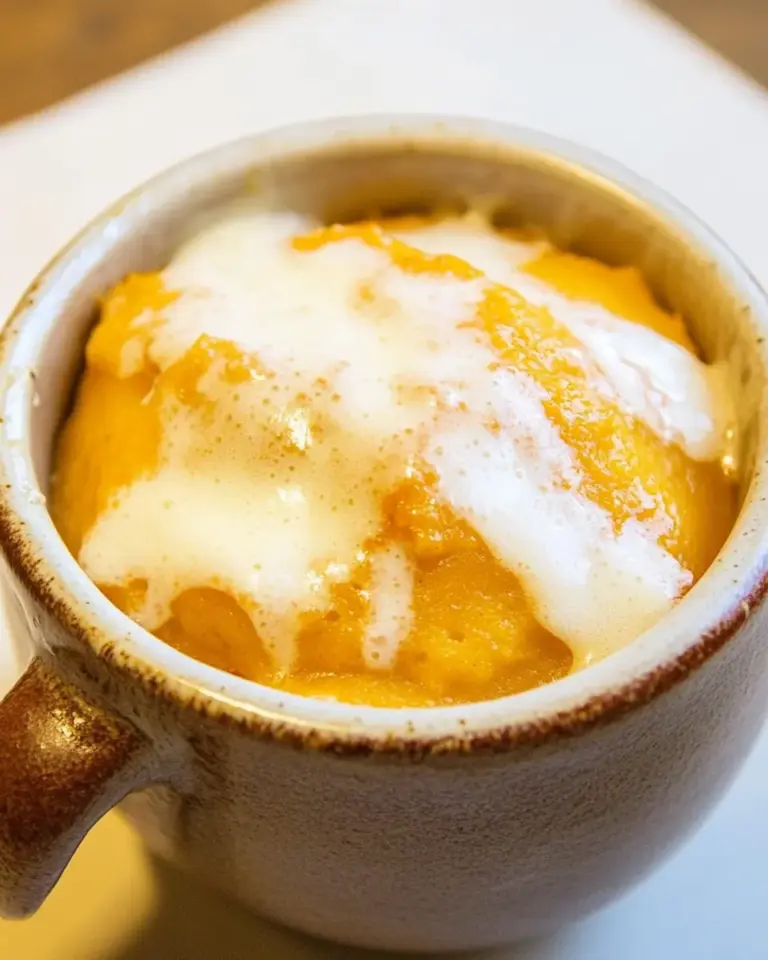
Valentines Day Grain Free Sugar Cookies
Valentines Day Grain Free Sugar Cookies came into my life the winter I decided to swap tricky bake mixes for something kinder to my tummy and more fun to decorate. I remember pulling a chilly bowl of dough from the fridge, the kitchen smelling faintly of toasted almond flour and coconut, and thinking how much more meaningful a homemade cookie feels when it’s for someone you care about. That first batch had imperfect hearts, a few too many sprinkles, and a big grin when my friend took a bite.
Over the years I’ve adjusted the balance between coconut flour and almond flour, refined the chilling time, and learned how small touches like white chocolate chips and a hint of pink food coloring lift the whole vibe. I love that these cookies are both tender and sturdy enough for cutting shapes, so you can press out hearts, stars, or whatever makes you smile. Each step taught me something about patience, texture, and the joy of sharing.
What I appreciate most is how versatile the dough is. You can make it on a weekday afternoon, or plan ahead and chill it overnight for a calmer decorating session. Decorating with sprinkles became a ritual for me, a chance to be playful after a busy week, and those little colored dots always make the cookies feel celebratory. If you want a dessert that says I care without fuss, these cookies are a simple, grain free way to do just that.
Recipe Snapshot
28 mins
15 mins
13 mins
Medium
150 kcal
American
Keto, Gluten-Free
Desserts
Stand mixer, Hand mixer, Mixing bowls, Baking sheets, Parchment paper, Wire rack, Microwave safe bowl
What We Adore About This Valentines Day Grain Free Sugar Cookies
They keep the spirit of classic sugar cookies
I love how these cookies replicate that familiar, tender snap of a traditional sugar cookie while staying grain free. The texture is pleasantly soft, and the edges still get just enough color to feel homemade. For folks avoiding wheat, this is comfort food that does not feel like a compromise.
Fantastic for decorating and gifting
I’ve found Valentines Day Grain Free Sugar Cookies hold their shape beautifully, which makes them ideal for cutters and icing. I enjoy setting aside an afternoon with a playlist, a few piping bags, and letting the designs evolve into thoughtful little packages. They travel well in a layered container, so gifting is easy.
Simple, wholesome ingredient list
The core ingredients focus on whole pantry items like almond flour, coconut flour, and natural fats. That means the flavor comes from real components, not additives. I like that the recipe leans on texture and balance rather than complicated techniques, making it approachable for bakers at many levels.
Flexible timing and make ahead options
One thing I often mention is how forgiving this dough is. You can chill it for one hour for quick baking, or overnight for deeper flavor and easier rolling. I often prepare dough the evening before a gathering, which saves last minute stress and lets the flavors knit overnight.
Kid friendly and festive
Kids love molding and decorating the cookies, and I love the look of pride when they present a box of their creations. The quick white chocolate dip and colorful sprinkles make these feel like a holiday project, perfect for family baking sessions or classroom treats.
Essential Ingredients for Valentines Day Grain Free Sugar Cookies

These ingredients are chosen to create a tender, shapeable dough without wheat. The pairing of almond flour and coconut flour gives structure and a delicate crumb, while a mix of butter and coconut oil provides richness and a subtle coconut note. Sweeteners and binders keep the cookies soft yet firm enough to cut and decorate.
- 2 cups almond flour: Provide a tender, moist base for the cookies while contributing a rich, nutty flavor and a slightly crumbly texture that mimics traditional flour.
- 1/2 cup coconut flour: Absorb extra moisture and create structure in the dough while adding a subtle coconut flavor and preventing overly dense cookies.
- 1/2 tsp baking soda: Leaven the dough slightly to help cookies spread and rise just enough for a light texture without conventional baking powder.
- 1/2 tsp salt: Enhance overall flavor balance and strengthen gluten-free structure by tightening the dough and elevating other flavors.
- 1/2 cup grass-fed butter, softened to room temperature: Add creaminess, moisture, and richness while aiding in spreading and creating a tender crumb with a buttery flavor profile.
- 1/4 cup coconut oil, melted and cooled: Provide additional fat for pliability and moisture while contributing a hint of coconut aroma and helping the dough set when chilled.
- 1/4 cups sugar: Sweeten the dough to provide bulk and caramelized notes during baking while contributing to texture and browning.
- 1/4 cup baking Stevia: Offer sweetness without sugar, helping reduce calories and providing sweetness intensity while aiding in overall sweetness balance.
- 1 egg: Bind ingredients together, add moisture, and contribute to leavening and richness while helping create a cohesive dough.
- 1 1/2 tsp vanilla extract: Infuse warm, aromatic flavor that enhances sweetness and depth while rounding out the cookie’s overall flavor profile.
- 1/2 cup white chocolate chips: Introduce pockets of creamy sweetness that melt slightly during baking to add texture contrast and indulgent bites.
- 1 tbsp coconut oil: Aid in melting and thinning white chocolate or glaze for drizzling, adding sheen and improving spreadability when warmed.
- 2 drops pink food coloring: Provide concentrated color to give a soft pink hue to icings or dough without affecting texture or flavor noticeably.
- Assortment of sprinkles (optional): Add decorative color, texture, and crunch for visual appeal while allowing optional customization and festive finishing touches.
The Method for Valentines Day Grain Free Sugar Cookies

These directions are friendly and straightforward, giving you a clear path from mixing to decorating. Follow the sensory cues and chilling guidance, and you will end up with cookies that are easy to cut and fun to dress up. I like to move at a relaxed pace and enjoy the tactile nature of the dough.
- In a medium bowl, whisk together almond flour, coconut flour, baking soda and salt; set aside.: The moment you combine the dry ingredients you will notice the nutty scent of almond flour and the drier, slightly coconut aroma from coconut flour . Whisking distributes the baking soda and salt evenly so every bite has balanced lift and seasoning. If you skip this step, you risk uneven pockets of leavener or salt which can cause metallic or overly salty notes in some cookies. Watch for a uniform pale mixture with no streaks, and avoid overwhisking which can aerate coconut flour excessively.
- In the bowl of your stand mixer (or you could use a hand mixer), cream together butter, coconut oil, sugar and Stevia. Then add the egg and vanilla, mixing until combined.: As you cream the softened butter with the sugars, listen for the change in sound as the mixture becomes lighter and smoother, and smell the rich, buttery scent lift. This creaming traps tiny air pockets that contribute to a tender crumb and gentle rise. A common mistake is using butter that is too warm, which yields greasy, flat dough. Aim for a pale, fluffy mixture before proceeding to the egg stage, scraping the bowl so nothing clings to the sides.
- While the mixer is still running, slowly add the flour mixture to the creamed ingredients cupfuls at a time until all combined.: After adding the egg and vanilla , the batter will look glossy and cohesive. The egg adds structure and moisture, while the vanilla brings warmth to the aroma. If you under-mix, you may see streaks of egg white or uneven texture; if you overmix, the batter could tighten and lose tenderness. Mix just until homogeneous, and pause to scrape the bowl so all ingredients are evenly integrated.
- Form the dough into a ball and wrap with plastic wrap. Chill the dough in the fridge for at least one hour, but best overnight.: Adding the dry mixture gradually prevents clumps and ensures an even hydration of the flours. You will notice the dough thicken and take on a pliable, slightly tacky feel. If you dump all the flour in at once, you risk a lumpy dough or overworking the mixer, which can make the texture gummy. Stop when the flour is fully incorporated and the dough pulls away from the bowl slightly.
- Preheat oven to 350 degrees F and line two baking sheets with parchment paper or silpat baking mats.: Chilling firms the fats so the dough is easy to roll and the flavors meld into a smoother profile. The scent will deepen slightly as the ingredients relax. Rushing this step often leads to excessively sticky dough that tears while rolling; if that happens, return it to the fridge in 15 to 20 minute intervals until manageable. When ready, the chilled dough will be cool and firm yet pliable.
- Roll out the dough between two pieces of parchment paper to about 1/4" thickness and cut into shapes. You will need to continually roll out the dough so if it gets too sticky you can place the dough back in the fridge (or freezer) to chill again so that it's easier to roll out.: As the oven warms to 350 degrees F you may notice a faint nutty aroma from the slightly warmed air, and preheating ensures even baking from the moment cookies go in. Lining sheets prevents sticking and facilitates easy removal. Baking on a cold sheet or without proper lining can cause uneven bottoms or sticking, so prepare your pans in advance and let the oven fully reach temperature before baking.
- Transfer cookies to baking sheets and bake in the oven for 10 to 13 minutes, until slightly golden. Allow cookies to cool completely on a wire rack before decorating.: Rolling between parchment keeps the surface clean and prevents extra flour from drying the dough. Look for a smooth surface without cracks and an even thickness of about 1/4 inch which yields a tender cookie that holds detail. If the dough softens while you work, it will stick and tear which leads to misshapen cookies, so chill briefly as needed. Keep your cutters sharp and press straight down to maintain clean edges.
- While the cookies are cooling, add the chocolate and coconut oil to a small microwavable-safe bowl and melt in the microwave in 15 to 30 second intervals (mixing each time) until you reach the desired consistency. Dip the tops of the cookies into the melted chocolate and immediately top with sprinkles. Enjoy!: In the oven you will hear a quiet hush and begin to see the edges acquire a pale golden tint, the cue that they are ready. Baking 10 to 13 minutes yields cookies that are set but still tender in the middle; overbaking will make them dry and brittle. A common trap is opening the oven too often which lowers the temperature and can alter baking time, so check through the oven window when possible. Once out, let them rest on a wire rack so steam escapes and surfaces dry fully before adding any coating.
- While the cookies are cooling add the chocolate and coconut oil to a small microwavable safe bowl and melt in the microwave in 15 to 30 second intervals mixing each time until you reach the desired consistency Dip the tops of the cookies into the melted chocolate and immediately top with sprinkles Enjoy: Melting the white chocolate chips with a tablespoon of coconut oil gives a glossy, smooth coating perfect for dipping. Heat in short bursts and stir between intervals, feeling the warmth and watching for a silky sheen that indicates readiness. Overheating will cause the chocolate to seize and become grainy, so stop heating as soon as it becomes mostly melted and finish stirring off heat. Dip and add sprinkles immediately so they adhere before the coating sets. Serve once the coating is fully dry for the best texture and presentation.
Variations to Try

These variations let you play with texture, flavor, and decoration while keeping the base method intact. Each idea can be mixed into the dough or applied as a finishing touch to make the cookies uniquely yours.
- Almond almond twist Mix a small handful of finely chopped nuts into the dough for extra crunch and a toasty aroma that complements the almond flour.
- Chocolate dipped Use the melted white chocolate chips as instructed or swap in a darker coating for contrast, adding a depthier flavor profile for grown up palates.
- Natural pink Use the two drops of pink food coloring to tint the coating, creating a soft pastel finish that still lets the nutty base shine through.
- Sprinkle bar Make decorating a party by setting out several sprinkle types and letting guests customize their own cookies for gifts or gatherings.
- Freezer ready Freeze unbaked cut shapes on a tray, then transfer to a sealed container for up to three months, baking directly from frozen with a minute or two added to the bake time.
Great Combinations for Valentines Day Grain Free Sugar Cookies
These cookies pair well with simple beverages and seasonal touches, and they are flexible enough for casual snack tables or special holiday gifting. Below I outline serving ideas, storage methods, and occasions where these cookies shine.
- Holiday gift boxes Pack cooled and decorated cookies in a sealed container with parchment layers, then place them in a decorative box for a personal homemade gift ideal for Valentine s Day exchanges or neighborly treats.
- Party dessert table Arrange several decorated batches on a platter with varying colors and sprinkle styles to create an inviting centerpiece for a small gathering or afternoon tea.
- Family baking day Turn cookie decorating into a shared activity with kids or friends, supplying piping bags, colored drips, and an assortment of sprinkles for hands on fun and memory making.
- Storage tips Once the chocolate coating is fully set, store cookies layered with parchment in an airtight container. They remain fresh for up to a week, though they are best within the first few days when the texture is ideal.
- Freezing approach Freeze unbaked cut cookies on a tray, transfer to a sealed container, and bake from frozen when needed, adding a couple of minutes to the bake time for best results.
FAQ
Conclusion
These cookies stand out for their tender, shapeable texture and grain free ingredient list, making them a thoughtful treat for special occasions. I hope you feel encouraged to try them, whether you re making a quick batch or planning a cozy decorating afternoon. Baking these cookies is a small act of care that yields sweet results and shared smiles.

Valentines Day Grain Free Sugar Cookies
Equipment
- Stand mixer
- Hand Mixer
- Mixing Bowls
- Baking Sheets
- Parchment Paper
- Wire Rack
- Microwave-safe Bowl
Ingredients
- 2 cups almond flour Provide a tender, moist base for the cookies while contributing a rich, nutty flavor and a slightly crumbly texture that mimics traditional flour.
- 1/2 cup coconut flour Absorb extra moisture and create structure in the dough while adding a subtle coconut flavor and preventing overly dense cookies.
- 1/2 tsp baking soda Leaven the dough slightly to help cookies spread and rise just enough for a light texture without conventional baking powder.
- 1/2 tsp salt Enhance overall flavor balance and strengthen gluten-free structure by tightening the dough and elevating other flavors.
- 1/2 cup grass-fed butter, softened to room temperature Add creaminess, moisture, and richness while aiding in spreading and creating a tender crumb with a buttery flavor profile.
- 1/4 cup coconut oil, melted and cooled Provide additional fat for pliability and moisture while contributing a hint of coconut aroma and helping the dough set when chilled.
- 1/4 cups sugar Sweeten the dough to provide bulk and caramelized notes during baking while contributing to texture and browning.
- 1/4 cup baking Stevia Offer sweetness without sugar, helping reduce calories and providing sweetness intensity while aiding in overall sweetness balance.
- 1 egg Bind ingredients together, add moisture, and contribute to leavening and richness while helping create a cohesive dough.
- 1 1/2 tsp vanilla extract Infuse warm, aromatic flavor that enhances sweetness and depth while rounding out the cookie’s overall flavor profile.
- 1/2 cup white chocolate chips Introduce pockets of creamy sweetness that melt slightly during baking to add texture contrast and indulgent bites.
- 1 tbsp coconut oil Aid in melting and thinning white chocolate or glaze for drizzling, adding sheen and improving spreadability when warmed.
- 2 drops pink food coloring Provide concentrated color to give a soft pink hue to icings or dough without affecting texture or flavor noticeably.
- Assortment of sprinkles, optional Add decorative color, texture, and crunch for visual appeal while allowing optional customization and festive finishing touches.
Instructions
- In a medium bowl, whisk together almond flour, coconut flour, baking soda and salt; set aside.: The moment you combine the dry ingredients you will notice the nutty scent of almond flour and the drier, slightly coconut aroma from coconut flour . Whisking distributes the baking soda and salt evenly so every bite has balanced lift and seasoning. If you skip this step, you risk uneven pockets of leavener or salt which can cause metallic or overly salty notes in some cookies. Watch for a uniform pale mixture with no streaks, and avoid overwhisking which can aerate coconut flour excessively.
- In the bowl of your stand mixer (or you could use a hand mixer), cream together butter, coconut oil, sugar and Stevia. Then add the egg and vanilla, mixing until combined.: As you cream the softened butter with the sugars, listen for the change in sound as the mixture becomes lighter and smoother, and smell the rich, buttery scent lift. This creaming traps tiny air pockets that contribute to a tender crumb and gentle rise. A common mistake is using butter that is too warm, which yields greasy, flat dough. Aim for a pale, fluffy mixture before proceeding to the egg stage, scraping the bowl so nothing clings to the sides.
- While the mixer is still running, slowly add the flour mixture to the creamed ingredients cupfuls at a time until all combined.: After adding the egg and vanilla , the batter will look glossy and cohesive. The egg adds structure and moisture, while the vanilla brings warmth to the aroma. If you under-mix, you may see streaks of egg white or uneven texture; if you overmix, the batter could tighten and lose tenderness. Mix just until homogeneous, and pause to scrape the bowl so all ingredients are evenly integrated.
- Form the dough into a ball and wrap with plastic wrap. Chill the dough in the fridge for at least one hour, but best overnight.: Adding the dry mixture gradually prevents clumps and ensures an even hydration of the flours. You will notice the dough thicken and take on a pliable, slightly tacky feel. If you dump all the flour in at once, you risk a lumpy dough or overworking the mixer, which can make the texture gummy. Stop when the flour is fully incorporated and the dough pulls away from the bowl slightly.
- Preheat oven to 350 degrees F and line two baking sheets with parchment paper or silpat baking mats.: Chilling firms the fats so the dough is easy to roll and the flavors meld into a smoother profile. The scent will deepen slightly as the ingredients relax. Rushing this step often leads to excessively sticky dough that tears while rolling; if that happens, return it to the fridge in 15 to 20 minute intervals until manageable. When ready, the chilled dough will be cool and firm yet pliable.
- Roll out the dough between two pieces of parchment paper to about 1/4" thickness and cut into shapes. You will need to continually roll out the dough so if it gets too sticky you can place the dough back in the fridge (or freezer) to chill again so that it's easier to roll out.: As the oven warms to 350 degrees F you may notice a faint nutty aroma from the slightly warmed air, and preheating ensures even baking from the moment cookies go in. Lining sheets prevents sticking and facilitates easy removal. Baking on a cold sheet or without proper lining can cause uneven bottoms or sticking, so prepare your pans in advance and let the oven fully reach temperature before baking.
- Transfer cookies to baking sheets and bake in the oven for 10 to 13 minutes, until slightly golden. Allow cookies to cool completely on a wire rack before decorating.: Rolling between parchment keeps the surface clean and prevents extra flour from drying the dough. Look for a smooth surface without cracks and an even thickness of about 1/4 inch which yields a tender cookie that holds detail. If the dough softens while you work, it will stick and tear which leads to misshapen cookies, so chill briefly as needed. Keep your cutters sharp and press straight down to maintain clean edges.
- While the cookies are cooling, add the chocolate and coconut oil to a small microwavable-safe bowl and melt in the microwave in 15 to 30 second intervals (mixing each time) until you reach the desired consistency. Dip the tops of the cookies into the melted chocolate and immediately top with sprinkles. Enjoy!: In the oven you will hear a quiet hush and begin to see the edges acquire a pale golden tint, the cue that they are ready. Baking 10 to 13 minutes yields cookies that are set but still tender in the middle; overbaking will make them dry and brittle. A common trap is opening the oven too often which lowers the temperature and can alter baking time, so check through the oven window when possible. Once out, let them rest on a wire rack so steam escapes and surfaces dry fully before adding any coating.
- While the cookies are cooling add the chocolate and coconut oil to a small microwavable safe bowl and melt in the microwave in 15 to 30 second intervals mixing each time until you reach the desired consistency Dip the tops of the cookies into the melted chocolate and immediately top with sprinkles Enjoy: Melting the white chocolate chips with a tablespoon of coconut oil gives a glossy, smooth coating perfect for dipping. Heat in short bursts and stir between intervals, feeling the warmth and watching for a silky sheen that indicates readiness. Overheating will cause the chocolate to seize and become grainy, so stop heating as soon as it becomes mostly melted and finish stirring off heat. Dip and add sprinkles immediately so they adhere before the coating sets. Serve once the coating is fully dry for the best texture and presentation.
Notes
- Almond almond twist Mix a small handful of finely chopped nuts into the dough for extra crunch and a toasty aroma that complements the almond flour.
- Chocolate dipped Use the melted white chocolate chips as instructed or swap in a darker coating for contrast, adding a depthier flavor profile for grown up palates.
- Natural pink Use the two drops of pink food coloring to tint the coating, creating a soft pastel finish that still lets the nutty base shine through.
- Sprinkle bar Make decorating a party by setting out several sprinkle types and letting guests customize their own cookies for gifts or gatherings.
- Freezer ready Freeze unbaked cut shapes on a tray, then transfer to a sealed container for up to three months, baking directly from frozen with a minute or two added to the bake time.