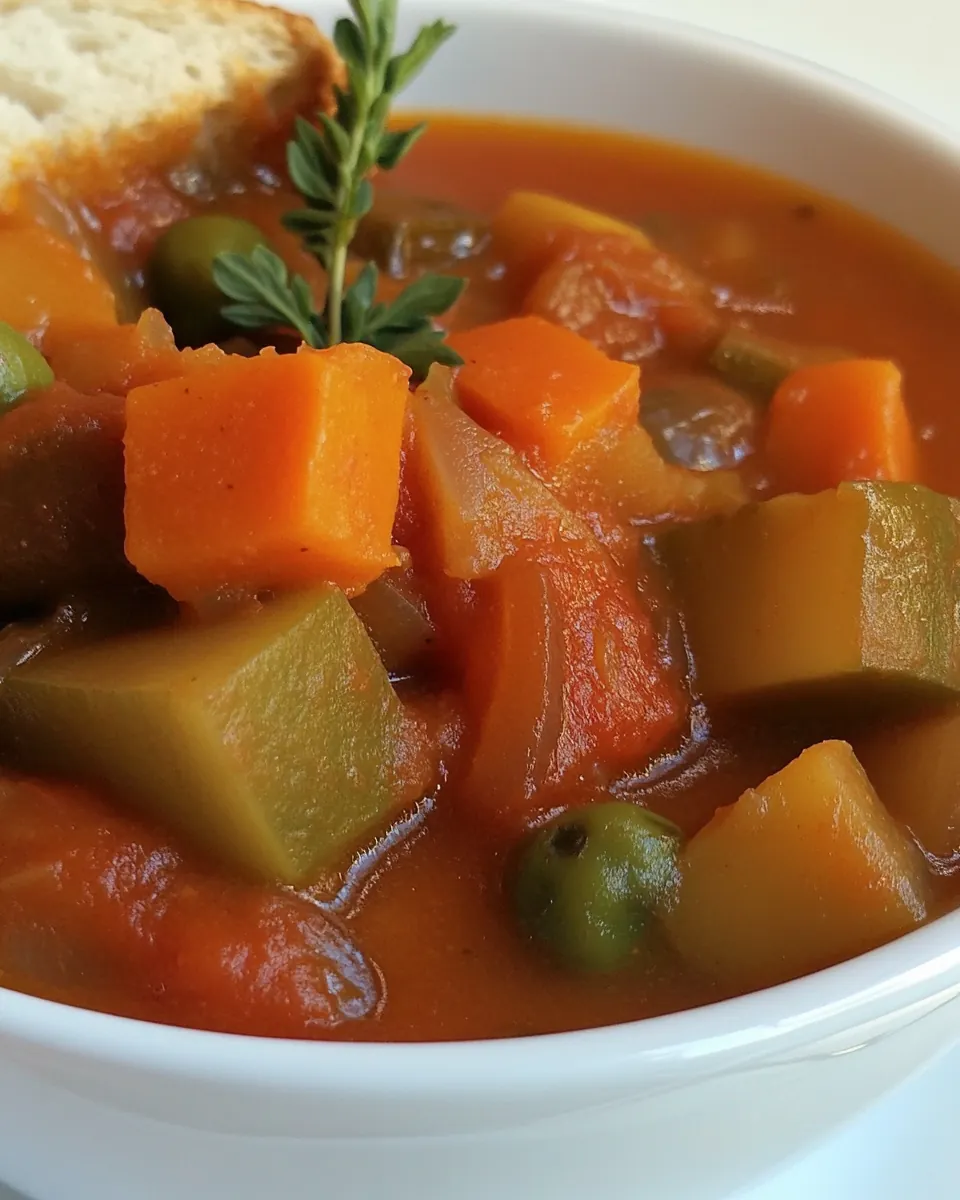
Old Fashioned Vegetable Soup
Old Fashioned Vegetable Soup is the kind of bowl I reach for when the house smells like slow simmered comfort and I need something that feels like a warm kitchen hug.
I first learned the rhythm of this recipe on a chilly afternoon when a neighbor dropped by with a cracked enamel pot and a promise that whatever was inside would fix whatever ailed me. We sat at the counter, steaming bowls between us, and I remember the way the broth took on a gentle sweetness from the corn and carrots, while the potato added quiet body. That visit changed how I think about weeknight soups, because this one is forgiving enough to make for company, yet humble enough to eat straight from the pot.
Over the years I’ve made little adjustments that honor the original simplicity. Some days I prefer the slight pop of texture from frozen green beans, other times I use fresh and let them soften slowly. The aroma of sautéed onion and celery mingling with tomato juice always makes me slow down and listen to the house, and that’s part of why this recipe endures for me. It’s straightforward, nostalgic, and reliably homey, which is exactly what I want on a winter afternoon.
Recipe Snapshot
8 hr 10 mins
10 mins
480 mins
Hard
150 kcal
American
Vegan, Gluten-Free
Soups
Slow Cooker, Ladle, Cutting Board, Knife
What You’ll Enjoy About This Old Fashioned Vegetable Soup
Hearty and Familiar
I love Old Fashioned Vegetable Soup because it tastes like a memory. The vegetables keep their identity, so every spoonful has a different note, and that layered simplicity is hugely satisfying.
Easy, Low Effort Comfort
We can toss everything into a pot or a slow cooker and let time do the heavy lifting. For busy days I appreciate that this recipe does not demand babysitting, yet rewards patience with deep, rounded flavor.
Flexible and Friendly
I often adapt quantities without guilt, because the soup’s structure is forgiving. The presence of vegetable broth or tomato juice provides a dependable base that pulls the other elements together, so you can personalize seasoning without worry.
Great for Sharing
I routinely make a large batch because it travels well to neighbors or freezes nicely. It’s an ideal recipe to double, and the flavors hold up when reheated, making it a true make ahead champion.
Comfort Without Fuss
For me, the biggest appeal is how modest ingredients become memorable. The combination of starchy potato, sweet corn, and savory aromatics creates a balanced bite that feels wholesome and complete.
What’s In This Old Fashioned Vegetable Soup
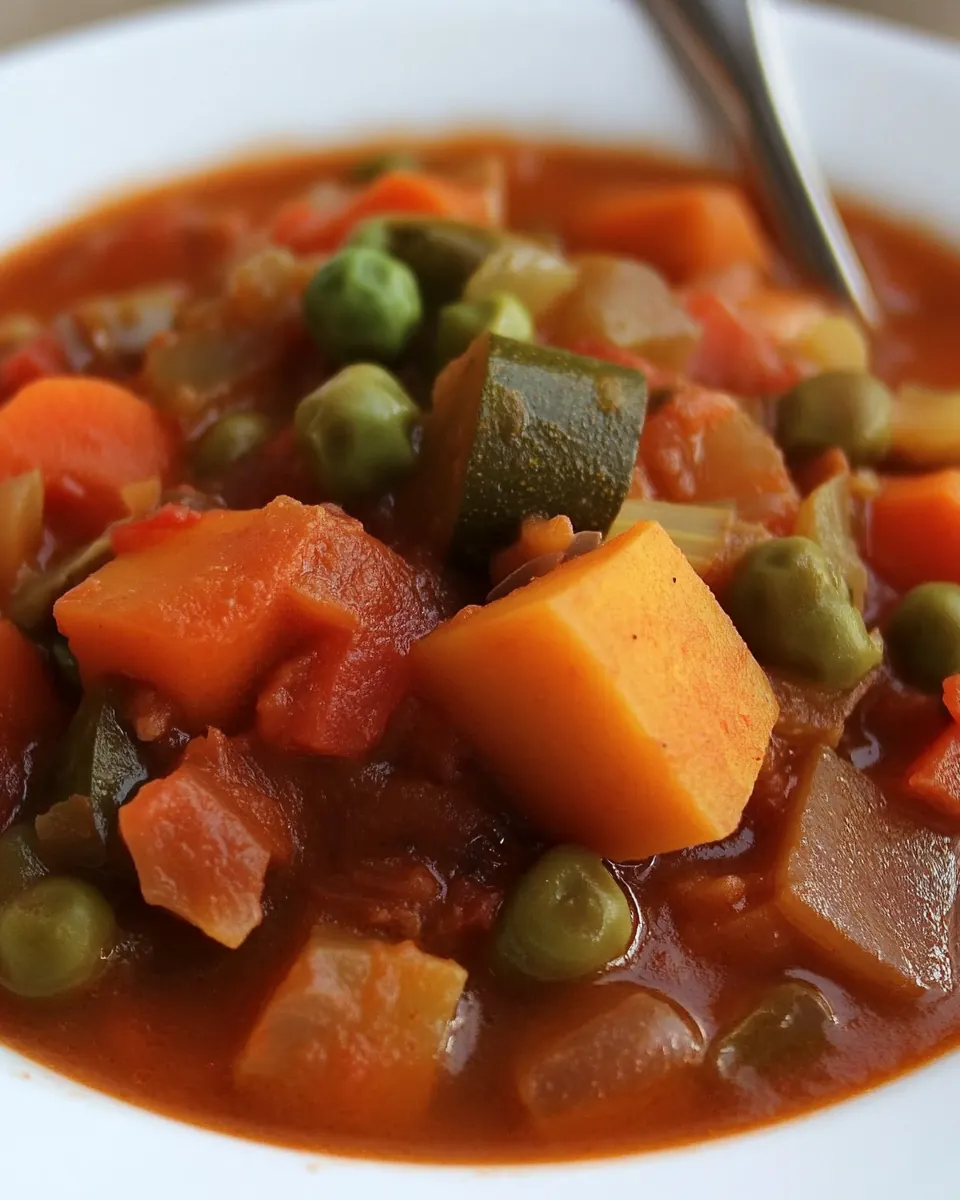
These ingredients are chosen for harmony and reliability. Each item plays a distinct role: starchy pieces to thicken, sweet vegetables for brightness, and broth or tomato juice for depth. Together they form a broth that is layered yet approachable, making this soup satisfying without spectacle.
- 1 cup whole-kernel corn fresh or frozen: Adds sweet, crisp kernels that provide natural sweetness and a pleasant pop of texture; complements the stewiness of root vegetables and balances acidity from tomato juice; use fresh or frozen interchangeably, adding frozen a bit longer to heat through.
- 1 large potato, cut into 1 inch cubes: Provides hearty, starchy body that thickens the broth slightly as it cooks; offers a comforting, earthy flavor and substantial bite in each spoonful; cube uniformly so pieces cook evenly and integrate with other vegetables.
- 4 carrots sliced into 1/2 inch pieces: Brings natural sweetness and tender texture when simmered, while contributing color and familiar soup flavor; slices release sugars that enrich the broth and meld with savory spices; cut into uniform pieces to ensure even tenderness.
- 1 cup green beans fresh or frozen, broken into 1 inch pieces: Contributes fresh vegetal bite and gentle snap that contrasts softer potatoes and carrots; adds color and fiber while absorbing surrounding flavors; break into consistent lengths to cook evenly and retain a slight crispness if desired.
- 1 small sweet onion, diced: Provides aromatic sweetness and savory depth when sautéed or simmered; releases flavorful juices that form the soup’s flavor base and meld with other vegetables; dice finely for even distribution throughout the pot.
- 1 stalk celery diced: Adds subtle aroma and mild savory crunch that enhances the soup’s base; celery’s natural salts uplift other ingredients and contribute to overall mouthfeel; dice to match the size of the onion for cohesive texture.
- 1/2 teaspoon paprika: Contributes warm, smoky undertone to the broth and accents sweetness from vegetables; a small amount brightens flavors without overpowering and pairs well with paprika-friendly ingredients; stir in early to bloom its flavor.
- 1/2 teaspoon crushed red pepper flakes more or less to taste: Adds controlled heat and a touch of warmth to the soup, allowing customization of spiciness; crushed flakes disperse through the broth providing occasional piquant bites; adjust amount to suit heat preference.
- 1/2 teaspoon black pepper: Adds mild heat and sharp aromatic spice that enhances savory notes and balances sweetness; freshly ground black pepper brightens the overall flavor profile when added toward the end of cooking; grind to taste for freshness.
- kosher or sea salt to taste: Adds essential seasoning to bring out natural flavors and create balance; kosher or sea salt enhances sweetness and savory depth but should be added gradually and adjusted to taste at the end; dissolve evenly into the broth.
- 2 1/2 cups tomato juice vegetable juice (optional): Provides tangy, savory liquid base that contributes acidity and tomato character to the soup; can be substituted with other vegetable juices for different flavor profiles and adds body and color to the broth; pour in with broth to simmer.
- 1 1/2 cups vegetable broth water (optional): Serves as the primary savory liquid foundation that adds depth and umami while keeping the soup light; can be swapped with water if preferred, but vegetable broth contributes extra seasoning and richness; warm before adding to maintain simmer.
How to Prepare Old Fashioned Vegetable Soup
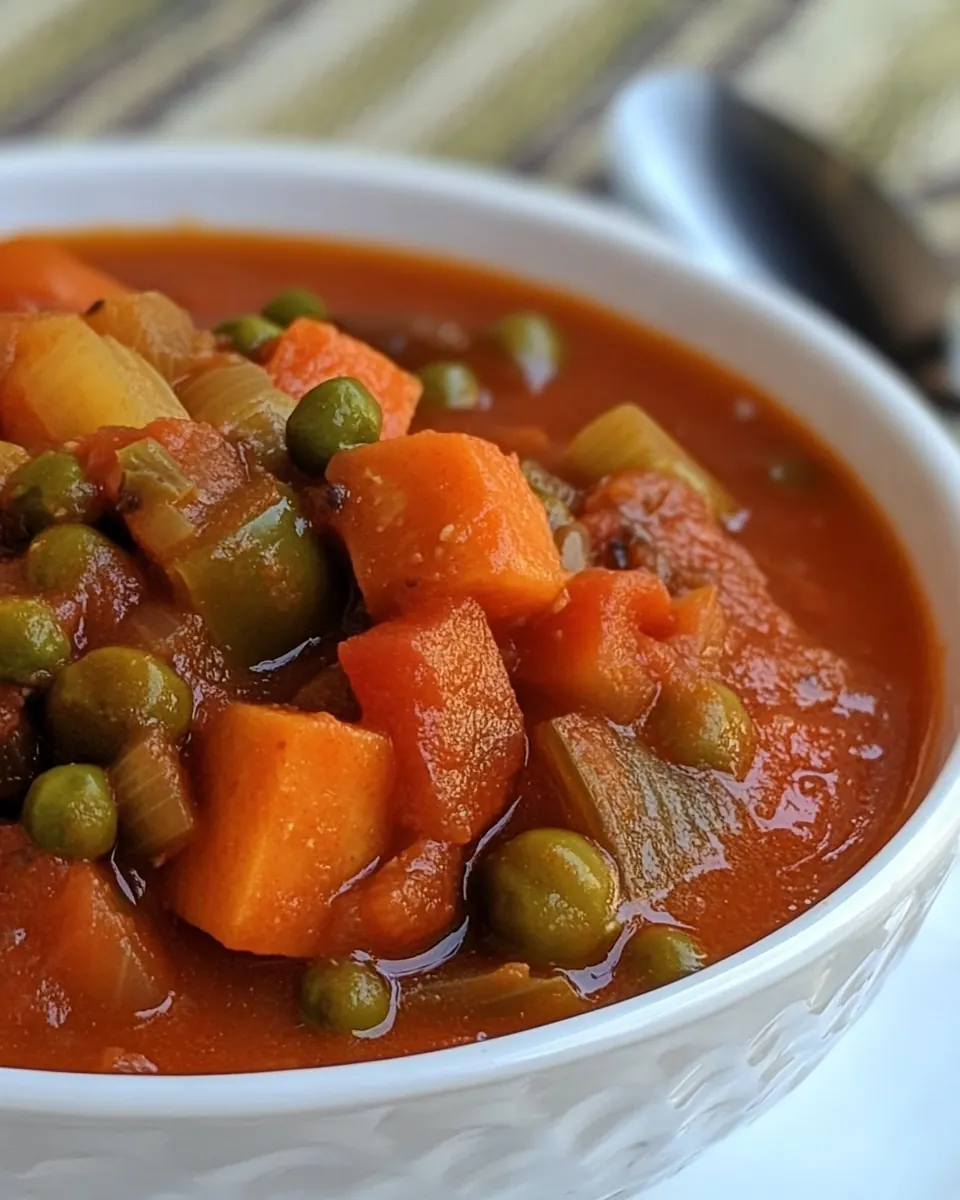
This recipe is wonderfully hands off, which makes it perfect for busy days when you want nourishing food without constant tending. Below the single direction from the source is expanded into helpful, sensory rich guidance so you can get the best texture and flavor out of each ingredient as the soup cooks slowly.
- Add all ingredients to the slow cooker, stir to combine. Cover and cook on low 8-10 hours.: The moment you nestle the corn , potato , carrots , green beans , onion , celery , and seasonings into the pot you will notice a mosaic of color and scent, a layered perfume of sweetness from the vegetables and a subtle earthiness from the vegetable broth . Stirring once helps distribute the paprika , black pepper , and crushed red pepper flakes evenly so you do not end up with a single spicy pocket. While you will not be cooking on a flame, you can still sense correct balance by tasting a small spoonful of the liquids before turning the machine on; it should be lightly seasoned, slightly bright. A common mistake here is over-salting, since slow reduction concentrates saltiness. If you are unsure, err on the side of under-salting and adjust near the end.
- Cover and cook on low 8 to 10 hours: As the cooker warms and the pot begins its leisurely bubble, the texture will evolve. Within a few hours you will smell the onion growing mellow and the carrots softening, and by midway the broth will carry a sweet, vegetal aroma that signals extraction of flavors. Low, long cooking gently breaks down starches in the potato , creating body without making everything mushy. Listen for a faint, steady simmer, and if the cooker seems too active, reduce the heat setting if your model allows. A common error is cooking on high to rush things, which can disintegrate delicate vegetables and flatten the layered flavors; patience yields a clearer, more composed bowl.
Making Adjustments
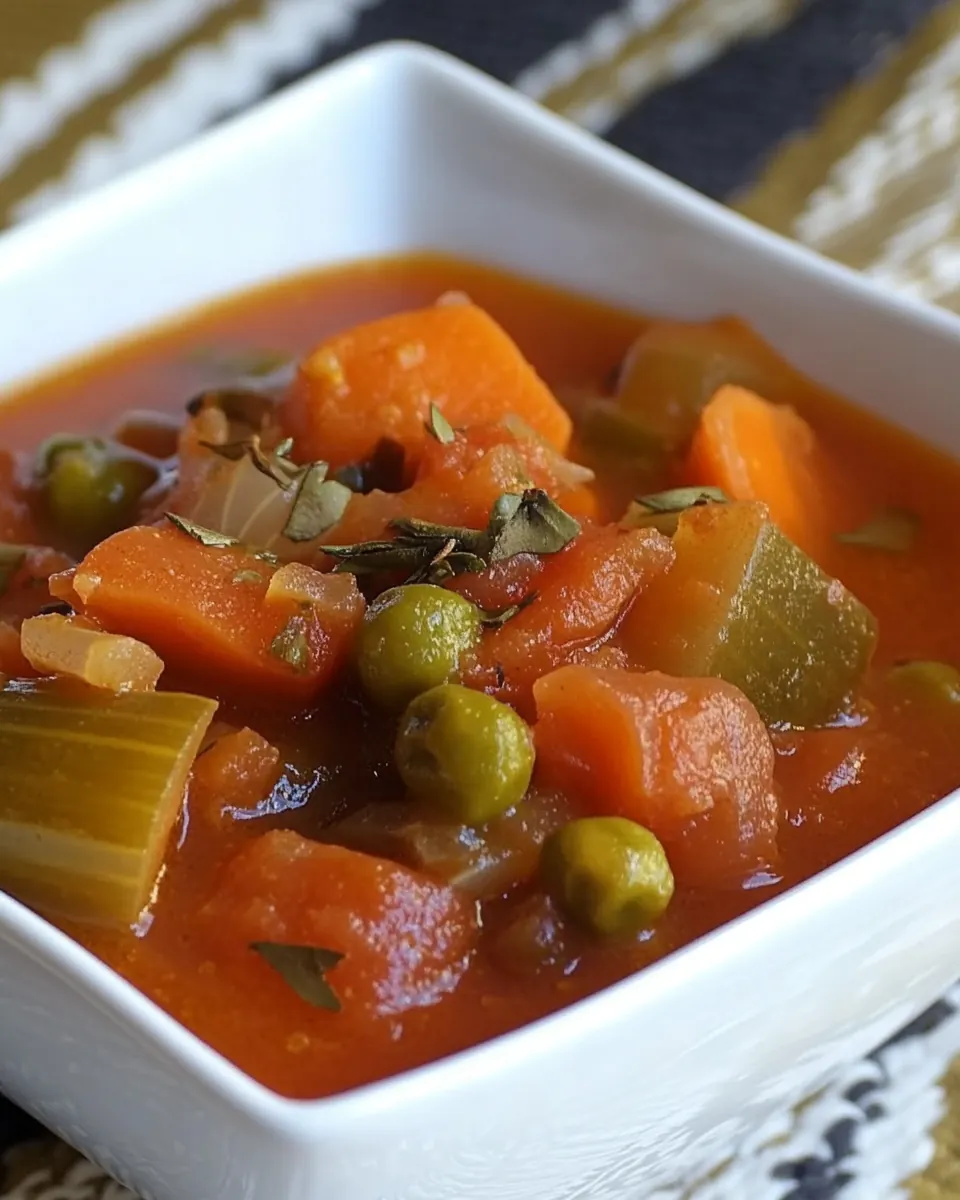
I like to think of this section as permission to make the soup truly yours. Below are practical adjustments and clarifications to help you adapt the recipe while keeping the spirit of the dish intact.
- Tip on thickness The notes suggest removing 1 cup of soup, stirring in 2 tablespoons cornstarch, mashing vegetables, and returning the mixture for 30 minutes to thicken; this avoids floury textures and yields a silkier mouthfeel.
- Tip on heat Add the crushed red pepper flakes sparingly at first and taste midway through cooking, because slow cooking mutes heat and you can always add more at the end for brightness.
- Tip on using frozen produce Frozen corn and green beans are convenient and often picked at peak ripeness; add them directly without thawing to preserve texture and color.
- Tip on salt Use kosher or sea salt in small increments and taste before serving, as liquid concentration over long cooking can suddenly make a pot taste saltier than expected.
- Tip on liquid balance If you prefer a tangier soup, increase the proportion of tomato juice; for a more neutral broth, use extra vegetable broth or water and adjust seasonings.
How to Serve Old Fashioned Vegetable Soup
This soup is versatile in presentation and occasion. Serve it simply in a bowl for weeknight family meals or present it alongside small plates when entertaining. Below are detailed serving ideas and storage guidance to make the most of each batch.
- Family supper Ladle hot Old Fashioned Vegetable Soup into warm bowls and serve with crusty bread for dunking, making it a hearty option for weeknight dinners when you want comfort without fuss.
- Meal prep Cool the soup completely before transferring into airtight containers. It keeps well in the fridge for three to four days, so you can portion lunches or quick dinners without extra work.
- Freezing For longer storage, freeze in individual portions. Thaw overnight in the refrigerator, then reheat gently on the stove to preserve vegetable texture and avoid splitting the broth.
- Occasions This soup suits casual gatherings, potlucks, or times when you need a soothing bowl after a long day. Its mild profile makes it appropriate for winter suppers and quiet weekend lunches.
- Seasonal pairing Serve it in colder months when you crave warmth and hearty textures. The soup’s simple flavors also pair well with light salads or roasted vegetables for a fuller meal.
- Storage tip If the soup thickens in the fridge, stir in a splash of hot vegetable broth or water while reheating to restore a velvety consistency without diluting flavor.
FAQ
Conclusion
Old Fashioned Vegetable Soup is special because it turns humble pantry vegetables into a nourishing, soulful bowl with minimal effort. The slow, steady cooking brings out sweet and savory notes that feel both comforting and refined. I encourage you to try this recipe on a quiet afternoon or when you want to share warmth with friends and family; it rewards patience and welcomes gentle personalization. Make a big batch, tuck a few portions in the freezer, and enjoy coming back to a reliably cozy meal whenever you need it.
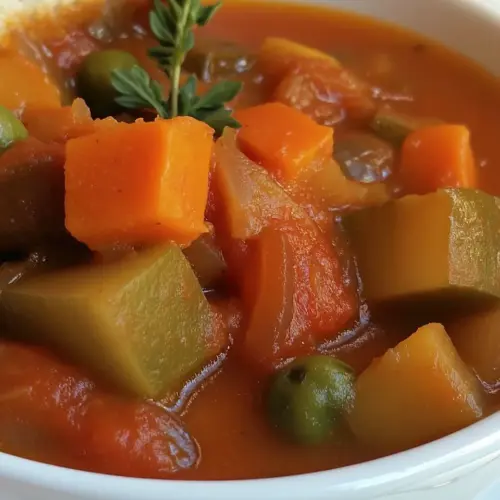
Old Fashioned Vegetable Soup
Equipment
- Slow Cooker
- Ladle
- Cutting Board
- Knife
Ingredients
- 1 cup whole-kernel corn fresh or frozen Adds sweet, crisp kernels that provide natural sweetness and a pleasant pop of texture; complements the stewiness of root vegetables and balances acidity from tomato juice; use fresh or frozen interchangeably, adding frozen a bit longer to heat through.
- 1 large potato, cut into 1 inch cubes Provides hearty, starchy body that thickens the broth slightly as it cooks; offers a comforting, earthy flavor and substantial bite in each spoonful; cube uniformly so pieces cook evenly and integrate with other vegetables.
- 4 carrots sliced into 1/2 inch pieces Brings natural sweetness and tender texture when simmered, while contributing color and familiar soup flavor; slices release sugars that enrich the broth and meld with savory spices; cut into uniform pieces to ensure even tenderness.
- 1 cup green beans fresh or frozen, broken into 1 inch pieces Contributes fresh vegetal bite and gentle snap that contrasts softer potatoes and carrots; adds color and fiber while absorbing surrounding flavors; break into consistent lengths to cook evenly and retain a slight crispness if desired.
- 1 small sweet onion, diced Provides aromatic sweetness and savory depth when sautéed or simmered; releases flavorful juices that form the soup’s flavor base and meld with other vegetables; dice finely for even distribution throughout the pot.
- 1 stalk celery diced Adds subtle aroma and mild savory crunch that enhances the soup’s base; celery’s natural salts uplift other ingredients and contribute to overall mouthfeel; dice to match the size of the onion for cohesive texture.
- 1/2 teaspoon paprika Contributes warm, smoky undertone to the broth and accents sweetness from vegetables; a small amount brightens flavors without overpowering and pairs well with paprika-friendly ingredients; stir in early to bloom its flavor.
- 1/2 teaspoon crushed red pepper flakes more or less to taste Adds controlled heat and a touch of warmth to the soup, allowing customization of spiciness; crushed flakes disperse through the broth providing occasional piquant bites; adjust amount to suit heat preference.
- 1/2 teaspoon black pepper Adds mild heat and sharp aromatic spice that enhances savory notes and balances sweetness; freshly ground black pepper brightens the overall flavor profile when added toward the end of cooking; grind to taste for freshness.
- kosher or sea salt to taste Adds essential seasoning to bring out natural flavors and create balance; kosher or sea salt enhances sweetness and savory depth but should be added gradually and adjusted to taste at the end; dissolve evenly into the broth.
- 2 1/2 cups tomato juice optional vegetable juice Provides tangy, savory liquid base that contributes acidity and tomato character to the soup; can be substituted with other vegetable juices for different flavor profiles and adds body and color to the broth; pour in with broth to simmer.
- 1 1/2 cups vegetable broth optional water Serves as the primary savory liquid foundation that adds depth and umami while keeping the soup light; can be swapped with water if preferred, but vegetable broth contributes extra seasoning and richness; warm before adding to maintain simmer.
Instructions
- Add all ingredients to the slow cooker, stir to combine. Cover and cook on low 8-10 hours.: The moment you nestle the corn , potato , carrots , green beans , onion , celery , and seasonings into the pot you will notice a mosaic of color and scent, a layered perfume of sweetness from the vegetables and a subtle earthiness from the vegetable broth . Stirring once helps distribute the paprika , black pepper , and crushed red pepper flakes evenly so you do not end up with a single spicy pocket. While you will not be cooking on a flame, you can still sense correct balance by tasting a small spoonful of the liquids before turning the machine on; it should be lightly seasoned, slightly bright. A common mistake here is over-salting, since slow reduction concentrates saltiness. If you are unsure, err on the side of under-salting and adjust near the end.
- Cover and cook on low 8 to 10 hours: As the cooker warms and the pot begins its leisurely bubble, the texture will evolve. Within a few hours you will smell the onion growing mellow and the carrots softening, and by midway the broth will carry a sweet, vegetal aroma that signals extraction of flavors. Low, long cooking gently breaks down starches in the potato , creating body without making everything mushy. Listen for a faint, steady simmer, and if the cooker seems too active, reduce the heat setting if your model allows. A common error is cooking on high to rush things, which can disintegrate delicate vegetables and flatten the layered flavors; patience yields a clearer, more composed bowl.
Notes
- Tip on thickness The notes suggest removing 1 cup of soup, stirring in 2 tablespoons cornstarch, mashing vegetables, and returning the mixture for 30 minutes to thicken; this avoids floury textures and yields a silkier mouthfeel.
- Tip on heat Add the crushed red pepper flakes sparingly at first and taste midway through cooking, because slow cooking mutes heat and you can always add more at the end for brightness.
- Tip on using frozen produce Frozen corn and green beans are convenient and often picked at peak ripeness; add them directly without thawing to preserve texture and color.
- Tip on salt Use kosher or sea salt in small increments and taste before serving, as liquid concentration over long cooking can suddenly make a pot taste saltier than expected.
- Tip on liquid balance If you prefer a tangier soup, increase the proportion of tomato juice; for a more neutral broth, use extra vegetable broth or water and adjust seasonings.