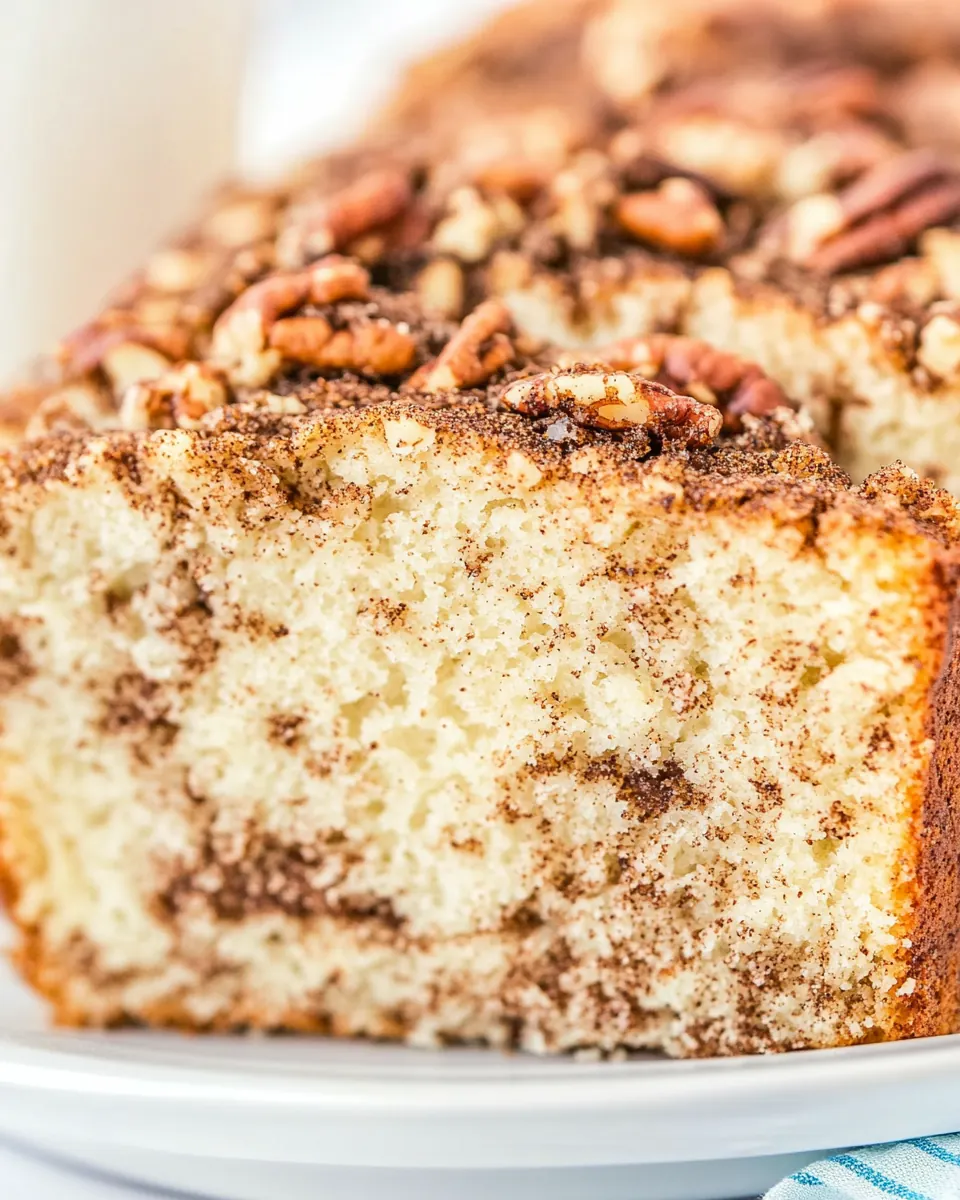
Cinnamon Pecan Bread
Cinnamon Pecan Bread has been my go to when I want a warm, comforting loaf that smells like a small celebration in the kitchen. The first time I baked it I remember the soft crackle as the nuts toasted, and how the aroma of cinnamon drifted through the house while the oven hummed. That loaf became an easy way to brighten an ordinary morning, and it still brings back memories of sticky pumpkin patches and quiet Sunday breakfasts.
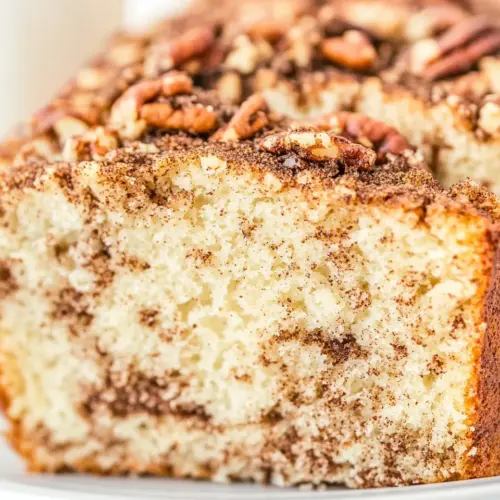
I often make this loaf when friends pop by unexpectedly because it is forgiving, quick to assemble, and everyone seems to fall in love with the swirled interior. I like toasting a slice and brushing it with a whisper of butter, then watching it melt into the crumb. Each bite balances the tender crumb from the all purpose flour and milk with the crunchy, toasted notes of pecans, while the swirled cinnamon sugar gives that cozy spice without overwhelming the loaf.
Recipe Snapshot
1 hr 30 mins
30 mins
60 mins
Medium
210 kcal
American
Gluten-Free, Low FODMAP
Breakfast
9×5 inch loaf pan, Mixing bowls, Wire rack, Oven
Why We Love This Cinnamon Pecan Bread
Warm, nostalgic flavor
Whenever I take a bite of Cinnamon Pecan Bread, I return to simple comforts. The cinnamon and toasted pecans create a layered flavor that feels both familiar and special. I love how the aroma alone invites conversation, and I often find guests lingering just to savor that first slice.
Textural contrast
I appreciate how the loaf balances soft, tender crumb with crunchy bits of pecans. The contrast keeps each bite interesting, and it makes the bread versatile. We serve it for breakfast, as a snack, or alongside tea. That crunchy element also helps the swirled sugar feel intentional, not overly sweet.
Simple ingredients, big payoff
This recipe uses pantry staples like all purpose flour, sugar, milk, and a single egg. When I am short on time but craving something homemade, this loaf is my solution. The technique is approachable, so even a novice baker can get impressive results.
Visually lovely
The marbled swirl inside is dramatic without being fussy. I love cutting a loaf to reveal the spiraled pattern, and it always feels like a little reveal party. Guests comment on the look almost as much as the taste, and that visual payoff makes the effort feel worth it.
Make ahead friendly
I often wrap the finished loaf and let it rest overnight before slicing, which actually improves texture and flavor. It travels well for potlucks, and it slices cleanly when chilled slightly. For busy mornings, this loaf is a quiet hero because you can bake it ahead and enjoy the rewards later.
What’s In This Cinnamon Pecan Bread
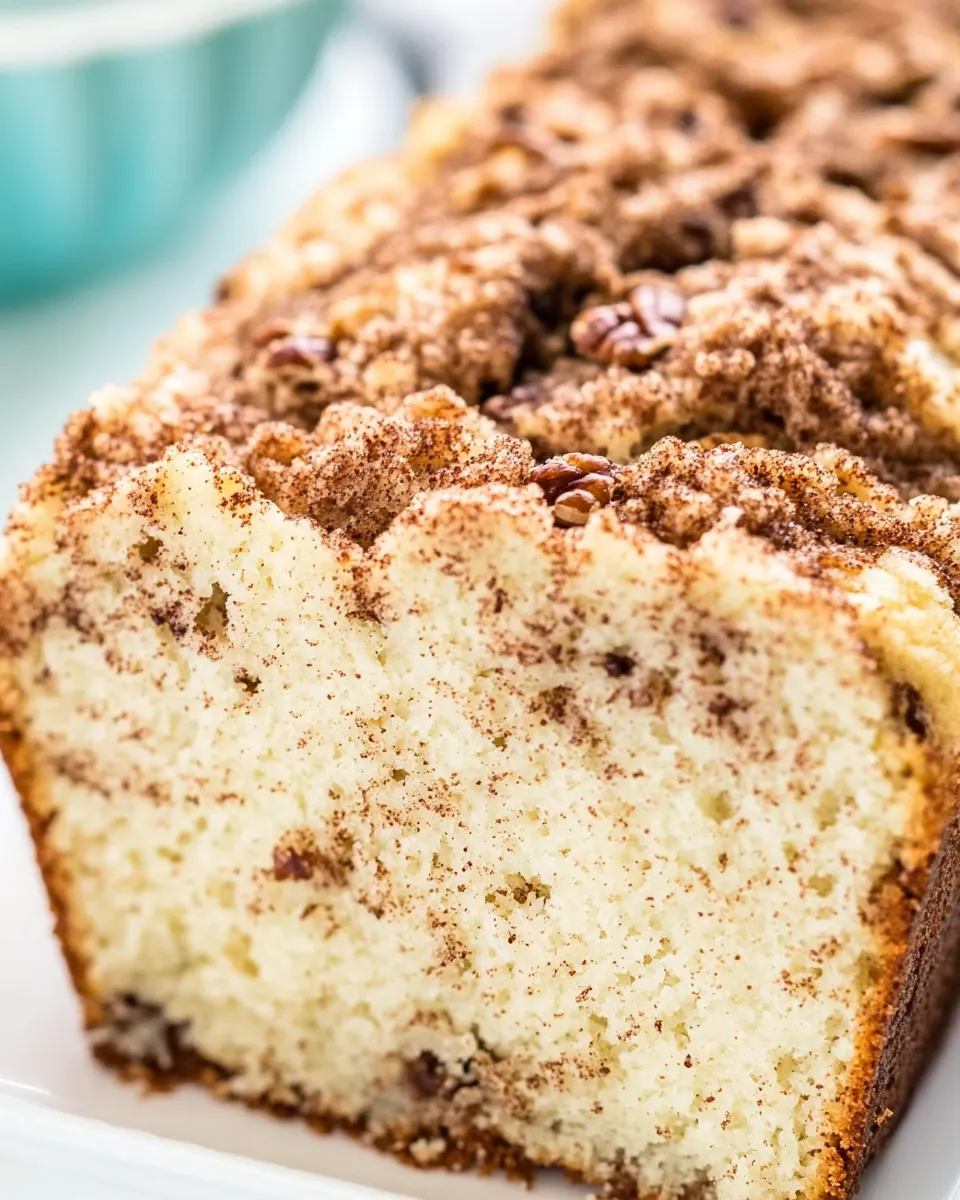
I think of these ingredients as a small ensemble where each player supports the others. The dry ingredients give structure, the milk and egg add moisture and tenderness, and the pecans plus cinnamon provide the aromatic signature that defines the loaf. Together they deliver a balance of texture, flavor, and comfort.
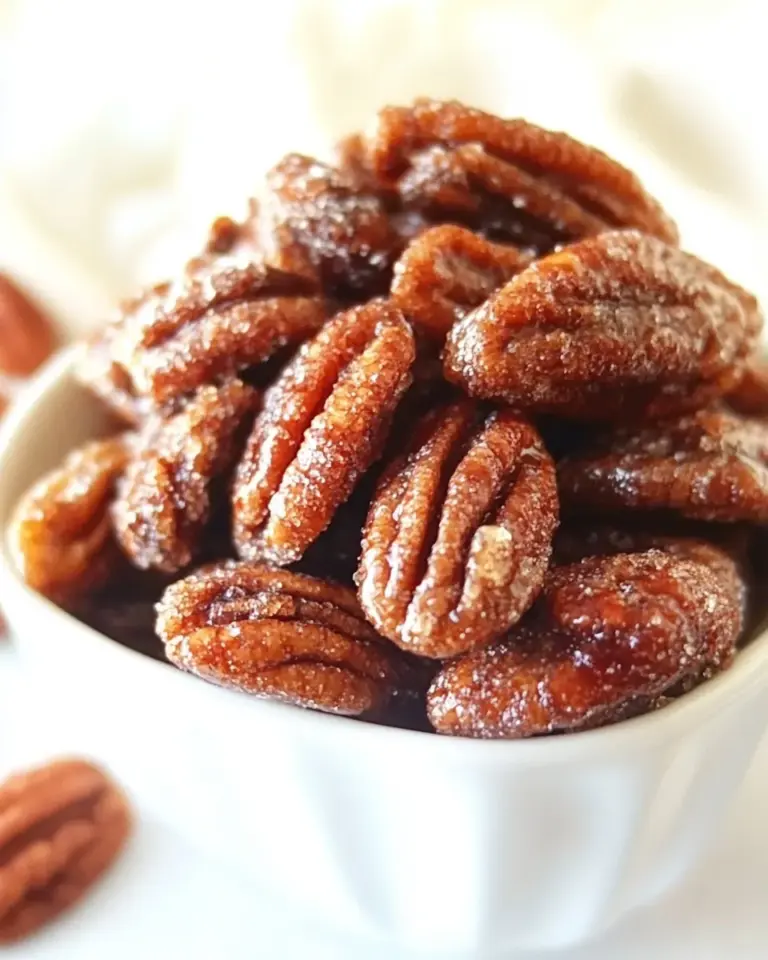
- 1/2 cup finely chopped toasted pecans: Provide crunch and a toasty, buttery flavor; finely chopped toasted pecans add texture contrast throughout the bread and create flavorful pockets in every slice. Fold gently into the batter near the end of mixing to maintain nutty pieces and avoid soggy spots. Toasting intensifies aroma and reduces moisture so the nuts remain crisp after baking.
- 1/3 cup granulated white sugar: Sweeten the cinnamon swirl and balance the batter; granulated white sugar dissolves readily and helps create a tender crumb when creamed with wet ingredients. Sprinkle or mix into the swirl layer to produce a distinct sweet strip within the loaf. Sugar also contributes to browning the crust and enhancing overall flavor.
- 2 teaspoons ground cinnamon: Provide warm, aromatic spice; ground cinnamon flavors both the batter and the filling, pairing perfectly with pecans to create a classic cinnamon-pecan profile. Mix into the sugar for an even spice distribution in the swirl, or incorporate into the dry ingredients for consistent flavor. Cinnamon also complements the bread’s caramelized crust during baking.
- 2 cups all purpose flour: Form the structure and bulk of the loaf; all purpose flour provides the gluten framework that traps gases and supports rise, creating the bread’s crumb. Measure and whisk with other dry ingredients to ensure even distribution and prevent lumps. Proper handling prevents overmixing so the loaf remains tender rather than tough.
- 1 cup granulated white sugar: Add sweetness and aid in browning the crumb and crust; granulated white sugar interacts with fats and liquids to tenderize the bread and promote caramelization. Cream with egg and oil to help incorporate air for a lighter texture, or mix into the batter for uniform sweetness. Sugar also affects moisture retention in the finished loaf.
- 1 teaspoon baking powder: Leaven the batter and provide lift; baking powder creates carbon dioxide when activated by moisture and heat, producing a light, airy crumb. Sift or whisk into the flour to ensure even rising throughout the loaf and avoid dense spots. Use the correct amount to balance rise without leaving a metallic aftertaste.
- 1/2 teaspoons salt: Enhance flavor and balance sweetness; salt intensifies other flavors and slightly strengthens gluten for better texture. Dissolve evenly into the dry mix to prevent concentrated pockets that can yield overly salty bites. Even a small amount helps round out the taste profile of the bread.
- 1 large egg: Bind ingredients and add richness; a large egg contributes structure by coagulating during baking and helps trap air for lift and tenderness. Beat or mix into the wet ingredients to ensure uniform distribution and smooth batter consistency. The yolk adds fat for moistness while the white provides protein for stability.
- 1 cup milk: Add moisture and thin the batter for proper consistency; milk contributes liquid, flavor, and lightness while reacting with leavening agents. Use at room temperature to help the batter mix smoothly and encourage even rise. Milk also adds subtle richness and improves crumb color and tenderness.
- 1/3 cup vegetable or canola oil: Provide fat for tenderness and moistness; vegetable or canola oil keeps the crumb soft and improves shelf life by preventing dryness. Pour and combine with egg and sugar to create an emulsion that traps air for a lighter texture. Neutral oil allows the pecans and cinnamon to remain the dominant flavors.
Cinnamon Pecan Bread Instructions
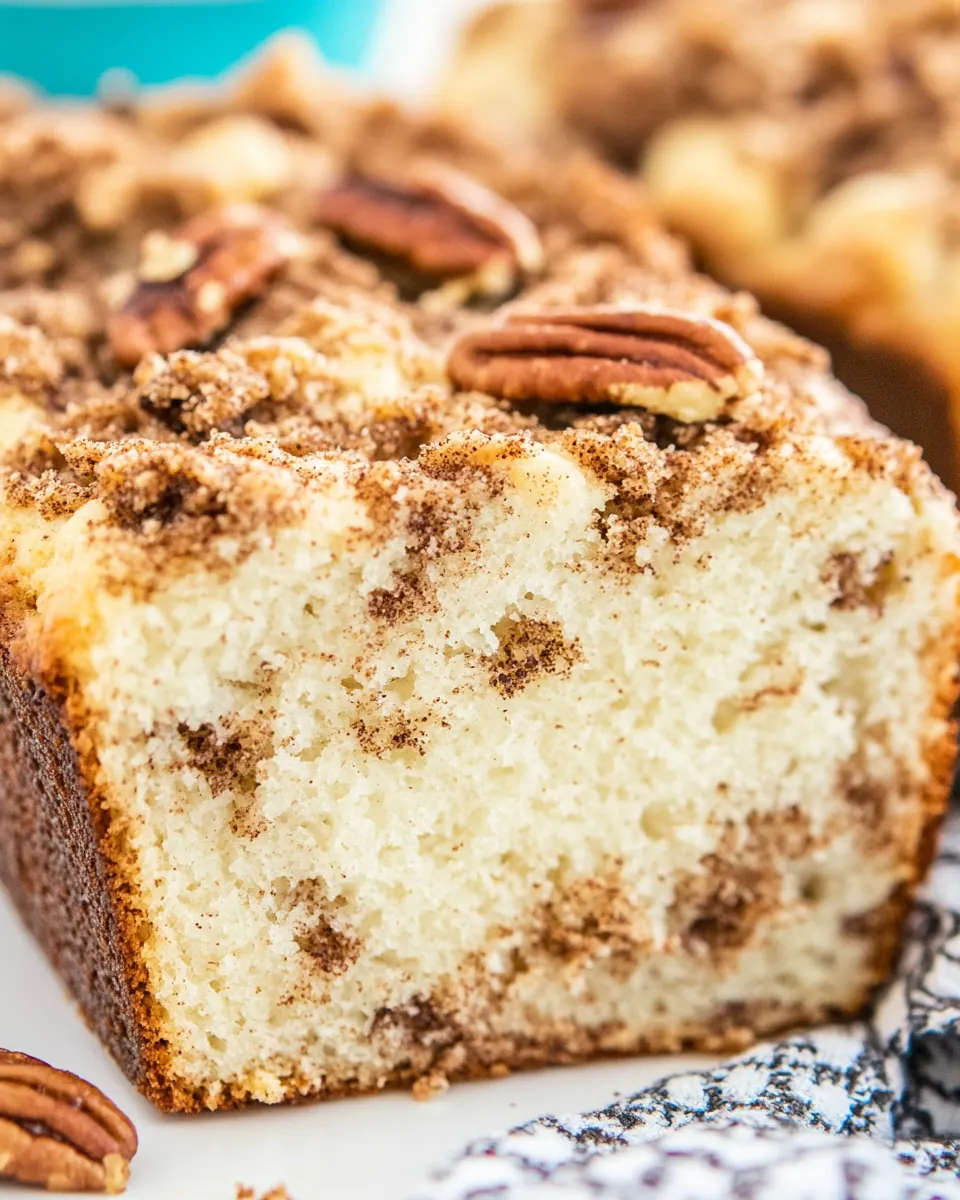
This recipe is straightforward and welcoming, and I like to guide you through the sensory cues so you can bake with confidence. The following steps match the original directions, but I expand on each one with what to listen, smell, and look for, and how to troubleshoot common issues.
- Preheat the oven to 350℉. Spray a 9×5-inch loaf pan with nonstick spray.: You will notice the oven warming and a faint heat that feels steady when you open the door. Preheating ensures the loaf begins rising immediately, creating a tender crumb rather than a dense center. If the oven is not fully heated, the bread can bake unevenly, so use an oven thermometer for accuracy. When greasing the pan, coat every corner so the loaf slips out cleanly; if it sticks, let it cool slightly before attempting to remove.
- In a small bowl, stir together the cinnamon-pecan ingredients. Set aside.: The aroma of toasted pecans and cinnamon will bloom as you mix, and you may catch a toasty, sweet perfume. Combining these elements ahead of time ensures even distribution in the loaf and prevents the nuts from sinking. One mistake is adding them directly to the batter without mixing first, which can cause uneven pockets of spice. Keep the mixture dry and free of clumps by breaking any larger nut pieces.
- In a large bowl, stir together the flour, sugar, baking powder and salt. In a medium bowl, beat the egg with a fork, and then stir in the milk and oil. Add the egg mixture to the flour mixture. Stir just until moistened (it will be lumpy).: As you whisk the dry ingredients, you will see the pale, even tone that signals uniform leavening. When you mix the wet ingredients, the egg will coat the milk and oil , creating a glossy, cohesive liquid. Folding the wet into the dry just until moistened preserves tenderness; overmixing develops gluten, making the loaf chewy. Watch for small streaks of flour disappearing into the batter as the sign to stop. A common error is vigorous mixing, which leads to a dense loaf, so use gentle strokes.
- Spoon half of the batter into the prepared pan. Sprinkle with half of the cinnamon-pecan mixture. Pour the rest of the batter on top. And then sprinkle the rest of the cinnamon-pecan mixture on the very top. Use a butter knife to cut down through the batter and pull up and around to create a swirled, marbled effect.: When you spoon the batter in, you will hear a soft plop as it lands. The layered approach creates defined ribbons of spice and nut. As you swirl with the knife, move with a light touch so the colors merge without completely blending, creating the marbled look. If you press too hard you will eliminate the swirl, and if you do it too little the layers may remain unintegrated. Aim for sweeping, shallow cuts that rise and fall like gentle waves.
- Bake for 55 to 60 minutes (or until a wooden pick inserted into the center comes out clean). Cool in a pan on a wire rack for 10 minutes. Remove the bread from the pan, and let it cool completely on a wire rack. Wrap and store overnight before slicing.: During the bake you will hear soft crackles as the crust forms and smell the intensified cinnamon and toasted pecans . The top should turn a warm golden brown, and the center will spring back slightly when touched. The wooden pick test is key because baking times vary by oven; if the pick comes out with wet batter, return the loaf for additional minutes. Cooling on a rack prevents sogginess from trapped steam. If you slice too soon, the crumb may be gummy, so patience yields cleaner slices. Wrapping overnight melds flavors, but avoid airtight wrapping while still warm to prevent condensation.
Tips for Success
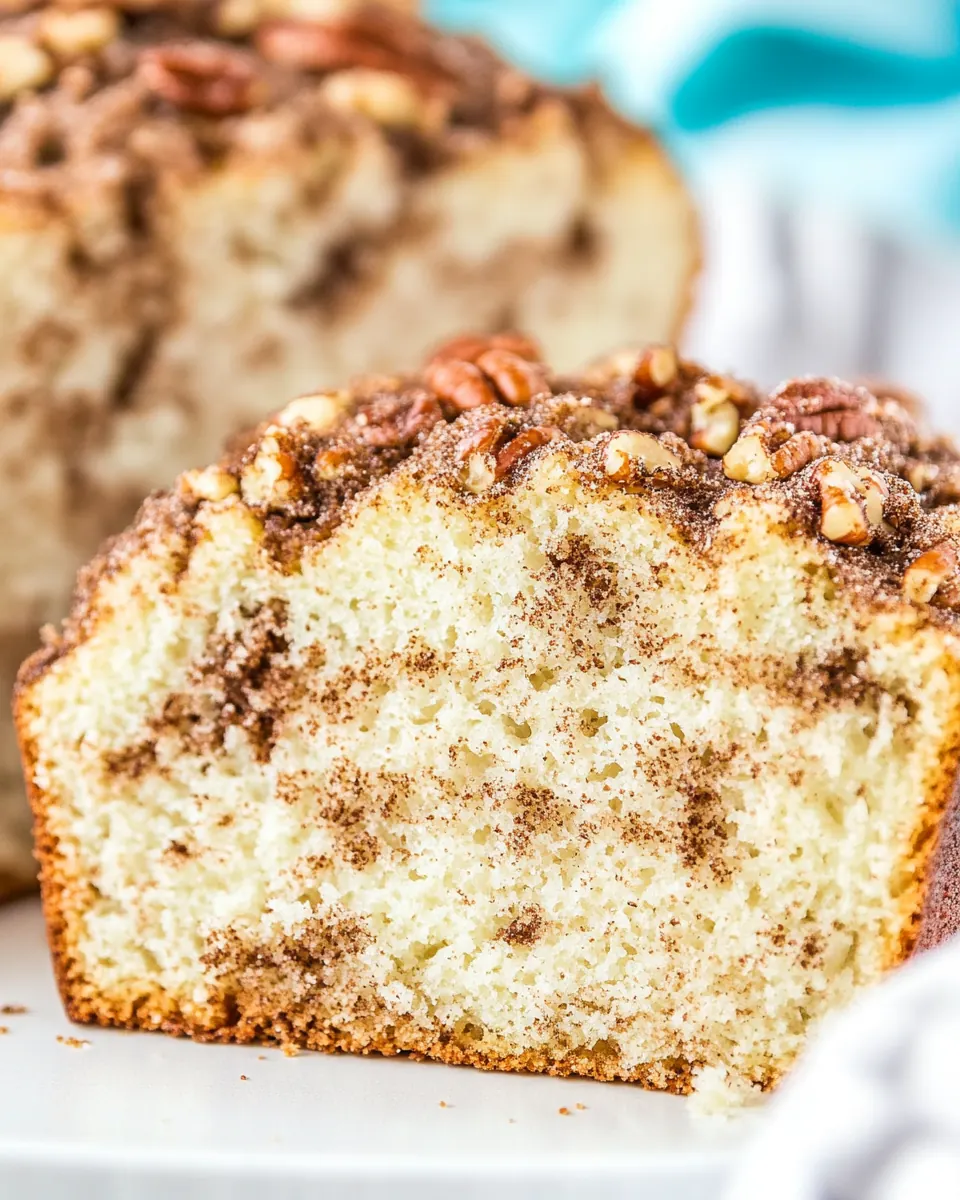
I like to share practical tips that I use every time I make Cinnamon Pecan Bread so you can replicate dependable results. Small adjustments in technique make a big difference in the final loaf.
- Measure flour correctly: Spoon the all purpose flour into your measuring cup and level it off with a knife to avoid packing, which can make the loaf dense.
- Toast nuts briefly: Warm the pecans in a dry skillet until fragrant, this deepens flavor but watch closely to prevent burning.
- Use room temperature wet ingredients: Bring the egg and milk to room temperature so the batter emulsifies smoothly for more even texture.
- Do not overmix: Stir the batter just until moistened to keep gluten development minimal and the crumb tender.
- Check doneness with a pick: Insert a wooden pick into the center at the minimum time to avoid overbaking and dryness.
What to Pair With Cinnamon Pecan Bread
This loaf matches beautifully with warm beverages and simple accompaniments, and it works for several occasions. Below are ideas and serving styles to help you enjoy it across mornings, gatherings, and cozy evenings.
- Breakfast spread: Serve sliced with a slather of butter and a hot cup of coffee for a classic morning pairing that highlights the cinnamon notes.
- Tea time: Offer thin slices alongside herbal or black tea for an afternoon break, the loaf pairs well with light bites and small plates.
- Brunch centerpiece: Present the loaf on a platter with fruit and yogurt, it adds a sweet, nutty element to a larger brunch table.
- Gift or potluck: Wrap the cooled loaf and bring it to gatherings, it travels well and is warmly received at community events or family visits.
- Storage tips: Keep tightly wrapped at room temperature for two days, or refrigerate to extend freshness, and slice from chilled for neater pieces.
- Seasonal pairing: This loaf shines in fall when warm spices feel at home, and it complements harvest flavors like roasted apples and pears.
FAQ
Conclusion
Cinnamon Pecan Bread stands out for its warm spice, crunchy toasted pecans, and tender, swirled crumb that comforts and delights. Give it a try on a relaxed morning or when you want an easy baked gift for friends, because it travels well and always impresses. Baking this loaf is approachable, and the simple technique produces a loaf that feels thoughtful and homemade, making it a reliable favorite in my kitchen.
Cinnamon Pecan Bread
Equipment
- 9×5-inch loaf pan
- Mixing Bowls
- Wire Rack
- Oven
Ingredients
- 1/2 cup finely chopped toasted pecans Provide crunch and a toasty, buttery flavor; finely chopped toasted pecans add texture contrast throughout the bread and create flavorful pockets in every slice. Fold gently into the batter near the end of mixing to maintain nutty pieces and avoid soggy spots. Toasting intensifies aroma and reduces moisture so the nuts remain crisp after baking.
- 1/3 cup granulated white sugar Sweeten the cinnamon swirl and balance the batter; granulated white sugar dissolves readily and helps create a tender crumb when creamed with wet ingredients. Sprinkle or mix into the swirl layer to produce a distinct sweet strip within the loaf. Sugar also contributes to browning the crust and enhancing overall flavor.
- 2 teaspoons ground cinnamon Provide warm, aromatic spice; ground cinnamon flavors both the batter and the filling, pairing perfectly with pecans to create a classic cinnamon-pecan profile. Mix into the sugar for an even spice distribution in the swirl, or incorporate into the dry ingredients for consistent flavor. Cinnamon also complements the bread’s caramelized crust during baking.
- 2 cups all purpose flour Form the structure and bulk of the loaf; all purpose flour provides the gluten framework that traps gases and supports rise, creating the bread’s crumb. Measure and whisk with other dry ingredients to ensure even distribution and prevent lumps. Proper handling prevents overmixing so the loaf remains tender rather than tough.
- 1 cup granulated white sugar Add sweetness and aid in browning the crumb and crust; granulated white sugar interacts with fats and liquids to tenderize the bread and promote caramelization. Cream with egg and oil to help incorporate air for a lighter texture, or mix into the batter for uniform sweetness. Sugar also affects moisture retention in the finished loaf.
- 1 teaspoon baking powder Leaven the batter and provide lift; baking powder creates carbon dioxide when activated by moisture and heat, producing a light, airy crumb. Sift or whisk into the flour to ensure even rising throughout the loaf and avoid dense spots. Use the correct amount to balance rise without leaving a metallic aftertaste.
- 1/2 teaspoons salt Enhance flavor and balance sweetness; salt intensifies other flavors and slightly strengthens gluten for better texture. Dissolve evenly into the dry mix to prevent concentrated pockets that can yield overly salty bites. Even a small amount helps round out the taste profile of the bread.
- 1 large egg Bind ingredients and add richness; a large egg contributes structure by coagulating during baking and helps trap air for lift and tenderness. Beat or mix into the wet ingredients to ensure uniform distribution and smooth batter consistency. The yolk adds fat for moistness while the white provides protein for stability.
- 1 cup milk Add moisture and thin the batter for proper consistency; milk contributes liquid, flavor, and lightness while reacting with leavening agents. Use at room temperature to help the batter mix smoothly and encourage even rise. Milk also adds subtle richness and improves crumb color and tenderness.
- 1/3 cup vegetable or canola oil Provide fat for tenderness and moistness; vegetable or canola oil keeps the crumb soft and improves shelf life by preventing dryness. Pour and combine with egg and sugar to create an emulsion that traps air for a lighter texture. Neutral oil allows the pecans and cinnamon to remain the dominant flavors.
Instructions
- Preheat the oven to 350℉. Spray a 9×5-inch loaf pan with nonstick spray.: You will notice the oven warming and a faint heat that feels steady when you open the door. Preheating ensures the loaf begins rising immediately, creating a tender crumb rather than a dense center. If the oven is not fully heated, the bread can bake unevenly, so use an oven thermometer for accuracy. When greasing the pan, coat every corner so the loaf slips out cleanly; if it sticks, let it cool slightly before attempting to remove.
- In a small bowl, stir together the cinnamon-pecan ingredients. Set aside.: The aroma of toasted pecans and cinnamon will bloom as you mix, and you may catch a toasty, sweet perfume. Combining these elements ahead of time ensures even distribution in the loaf and prevents the nuts from sinking. One mistake is adding them directly to the batter without mixing first, which can cause uneven pockets of spice. Keep the mixture dry and free of clumps by breaking any larger nut pieces.
- In a large bowl, stir together the flour, sugar, baking powder and salt. In a medium bowl, beat the egg with a fork, and then stir in the milk and oil. Add the egg mixture to the flour mixture. Stir just until moistened (it will be lumpy).: As you whisk the dry ingredients, you will see the pale, even tone that signals uniform leavening. When you mix the wet ingredients, the egg will coat the milk and oil , creating a glossy, cohesive liquid. Folding the wet into the dry just until moistened preserves tenderness; overmixing develops gluten, making the loaf chewy. Watch for small streaks of flour disappearing into the batter as the sign to stop. A common error is vigorous mixing, which leads to a dense loaf, so use gentle strokes.
- Spoon half of the batter into the prepared pan. Sprinkle with half of the cinnamon-pecan mixture. Pour the rest of the batter on top. And then sprinkle the rest of the cinnamon-pecan mixture on the very top. Use a butter knife to cut down through the batter and pull up and around to create a swirled, marbled effect.: When you spoon the batter in, you will hear a soft plop as it lands. The layered approach creates defined ribbons of spice and nut. As you swirl with the knife, move with a light touch so the colors merge without completely blending, creating the marbled look. If you press too hard you will eliminate the swirl, and if you do it too little the layers may remain unintegrated. Aim for sweeping, shallow cuts that rise and fall like gentle waves.
- Bake for 55 to 60 minutes (or until a wooden pick inserted into the center comes out clean). Cool in a pan on a wire rack for 10 minutes. Remove the bread from the pan, and let it cool completely on a wire rack. Wrap and store overnight before slicing.: During the bake you will hear soft crackles as the crust forms and smell the intensified cinnamon and toasted pecans . The top should turn a warm golden brown, and the center will spring back slightly when touched. The wooden pick test is key because baking times vary by oven; if the pick comes out with wet batter, return the loaf for additional minutes. Cooling on a rack prevents sogginess from trapped steam. If you slice too soon, the crumb may be gummy, so patience yields cleaner slices. Wrapping overnight melds flavors, but avoid airtight wrapping while still warm to prevent condensation.
Notes
- Measure flour correctly: Spoon the all purpose flour into your measuring cup and level it off with a knife to avoid packing, which can make the loaf dense.
- Toast nuts briefly: Warm the pecans in a dry skillet until fragrant, this deepens flavor but watch closely to prevent burning.
- Use room temperature wet ingredients: Bring the egg and milk to room temperature so the batter emulsifies smoothly for more even texture.
- Do not overmix: Stir the batter just until moistened to keep gluten development minimal and the crumb tender.
- Check doneness with a pick: Insert a wooden pick into the center at the minimum time to avoid overbaking and dryness.