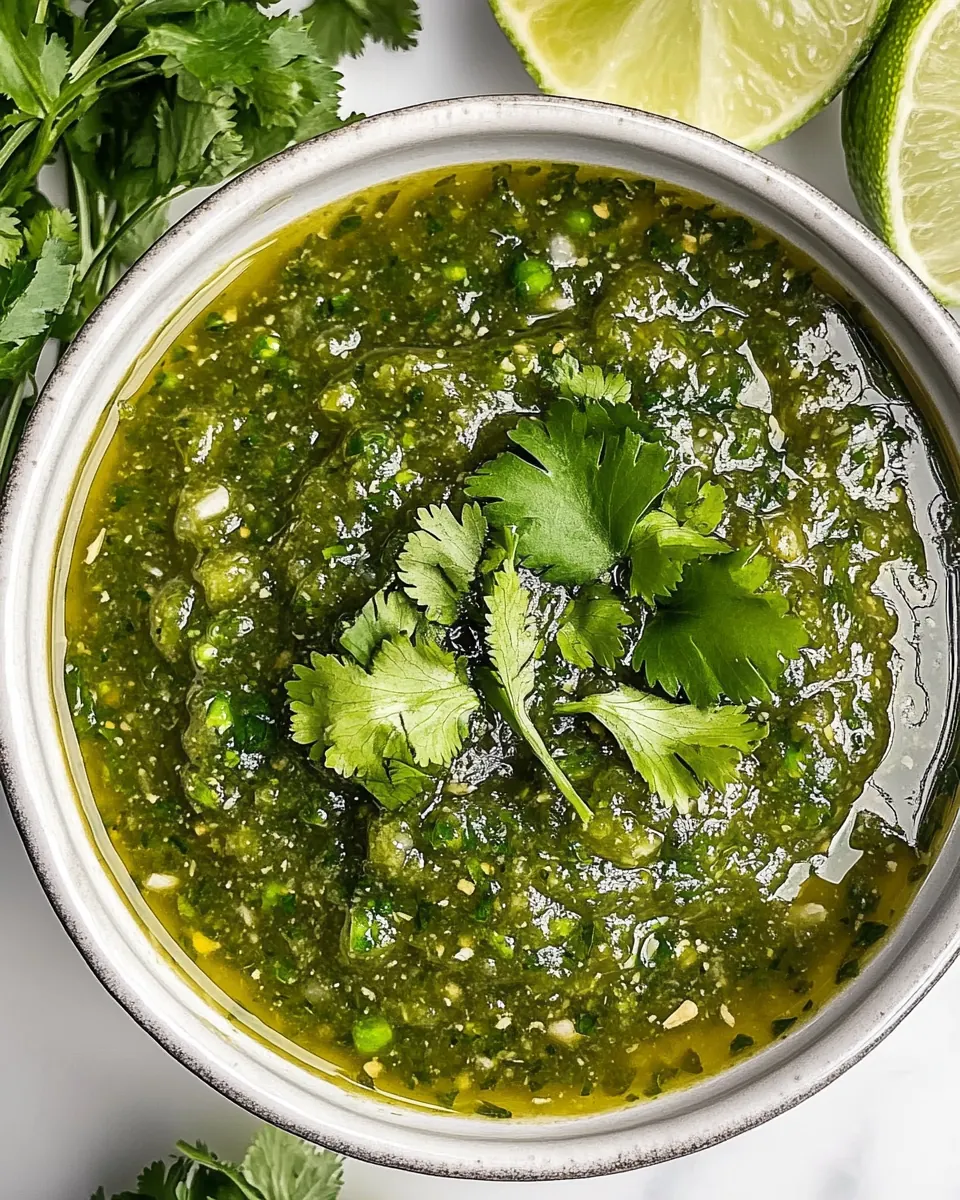
Homemade Salsa Verde
Homemade Salsa Verde arrived in my kitchen one blazing summer afternoon when the farmer market bins were overflowing with bright green tomatillos, and I wanted something that tasted like sunshine in a bowl.
That day I set out to make a salsa that felt honest and alive, something to scoop with warm tortillas and to spoon over grilled chicken for a simple dinner. I remember the satisfying crackle when the tomatillo skins blistered under the broiler and the way the air filled with a sharp, citrusy perfume that immediately made my mouth water. I invited a neighbor over, and we traded stories while the poblano released a smoky note that changed the whole profile of the dish.
Over the years I have adjusted little things, a pinch of sugar here, a splash of extra water there, so the texture is bright but not watery. Every batch reminds me of summers on the patio, laughter, and food that brings people together. You will find this version approachable, fast, and rooted in straightforward ingredients that sing when handled with a light touch.
Recipe Snapshot
30 mins
10 mins
20 mins
Easy
50 kcal
Mexican
Keto, Paleo
Appetizers
Broiler pan, Aluminum foil, Tongs, Food processor
What’s Great About This Homemade Salsa Verde
Fresh, vivid flavor
I love how Homemade Salsa Verde balances bright acidity from the tomatillos with the gentle heat of the serrano chili. The result is a salsa that wakes up every bite, whether you spoon it over tacos or use it as a dip. The freshness is undeniable, and you can taste each component clearly.
Speed without compromise
One of the reasons I return to this recipe is how quickly it comes together. With a little broiling and a few pulses in the food processor, you have a complete sauce in under an hour. That means you can pull it together for a last minute gathering or when you need a flavor boost for an easy weeknight dinner.
Smoky depth from simple technique
Roasting the poblano chilli and charring the tomatillos adds a smoky layer that makes the salsa far more interesting than raw variations. I always recommend taking the extra minute to char properly, because that smoky note transforms the salsa into something complex and memorable.
Flexible heat level
I appreciate how easy it is to tailor the spice. Using a jalapeno instead of a serrano chili calms the heat while preserving flavor. This versatility means you can serve it to kids, spice lovers, or anyone in between without losing the salsa character.
Everyday ingredients, extraordinary result
There is something deeply satisfying about making something impressive from pantry staples like garlic, onion, and cilantro. This recipe proves that with minimal fuss and familiar items you can achieve restaurant worthy results at home, and I always feel proud handing it to friends and family.
What to Buy for Homemade Salsa Verde
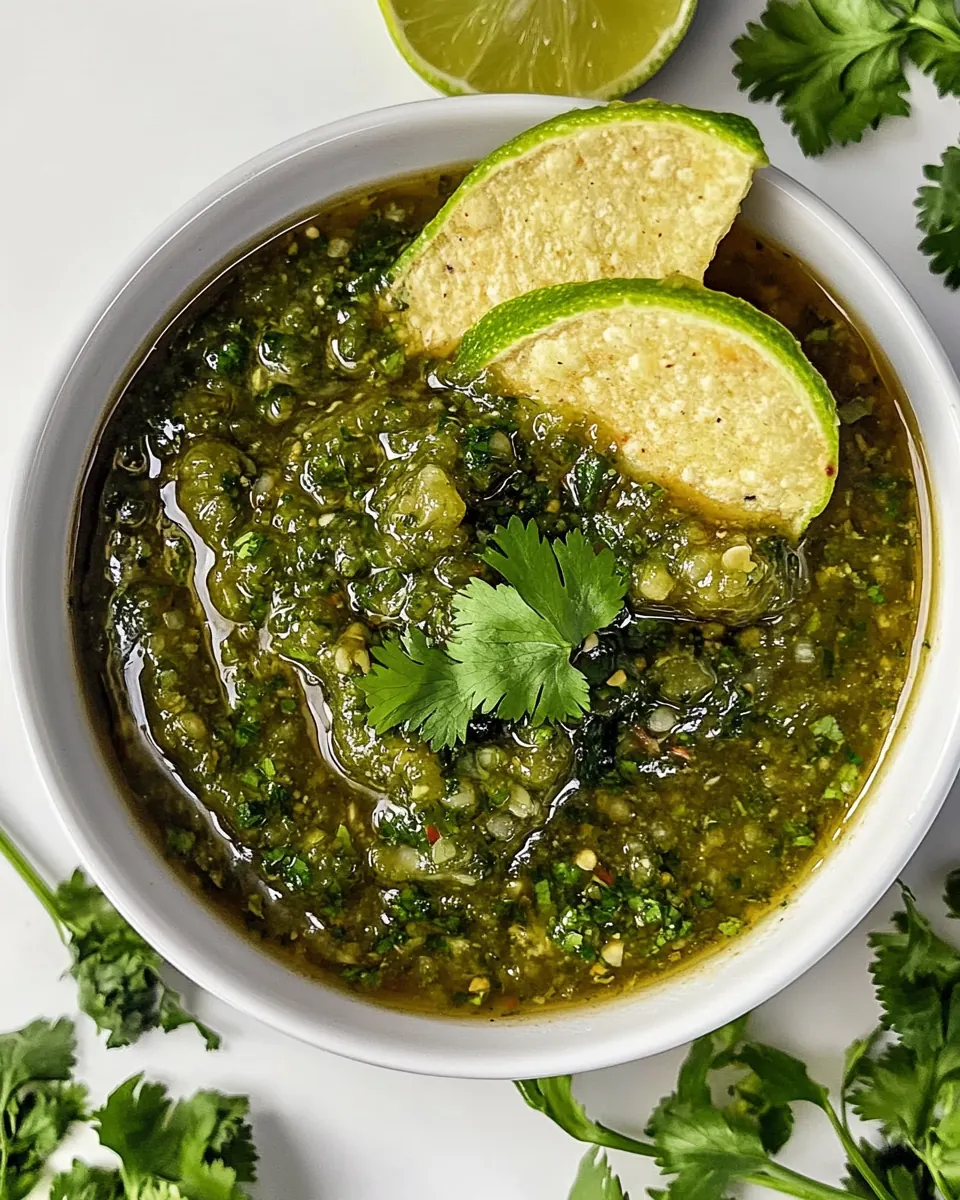
For a successful batch of Homemade Salsa Verde focus on bright, slightly firm tomatillos and a fresh poblano chilli. The philosophy here is contrast, acidity, and a hint of smoke. Each ingredient plays a clear role: the tomatillos provide tang, the chillies bring heat and char, and the aromatics round everything out.
- 3/4 lb tomatillos, husks removed: Provide bright, tangy acidity and a slightly fruity background that forms the base of salsa verde; remove husks and rinse to reduce stickiness, then roast or boil to deepen flavor and soften for blending. Balance natural tartness with other elements while contributing body and a glossy green color to the finished sauce.
- 1 poblano chilli: Add a mild, earthy heat and a smoky, vegetal note when roasted; char or roast briefly to mellow bitterness and enhance complexity. Offer texture when finely diced or blended and complement other chiles without overpowering the salsa.
- 1 serrano chili, or jalapeno for milder: Contribute sharp, bright heat that lifts the overall flavor profile; adjust variety (serrano or jalapeño) to control spiciness and seed for milder results. Provide a fresh, green chili flavor that pairs well with tomatillos and cilantro in salsa verde.
- 1 clove garlic, crushed: Impart pungent, aromatic depth and a savory backbone when crushed or minced; briefly sautéing can soften its raw edge while preserving flavor. Help marry the acidic and herbal elements and enhance overall umami in the salsa.
- 2 tbsp chopped onion: Introduce a mild sweet-sharpness and crunchy texture when finely chopped; briefly rinse to reduce pungency if needed. Serve as a balancing element that brightens flavors and adds small aromatic pieces throughout the salsa.
- 2 tbsp chopped cilantro: Bring fresh, citrusy herbaceousness and lift to the salsa; chop leaves and tender stems finely to distribute flavor evenly. Act as a counterpoint to acidity and spice while providing aromatic brightness and a green, fresh character.
- 1/4 teaspoons sugar: Provide a touch of sweetness to round acidity and temper sharp flavors; dissolve into the salsa to soften bright edges without noticeable sweetness. Serve as a subtle balancing agent that harmonizes tart and savory components.
- 1 tsp kosher salt: Add essential seasoning that enhances and ties together all flavors; dissolve thoroughly to ensure even seasoning across the salsa. Fine-tune to taste, as salt controls perceived brightness and overall balance in the finished sauce.
How to Assemble Homemade Salsa Verde
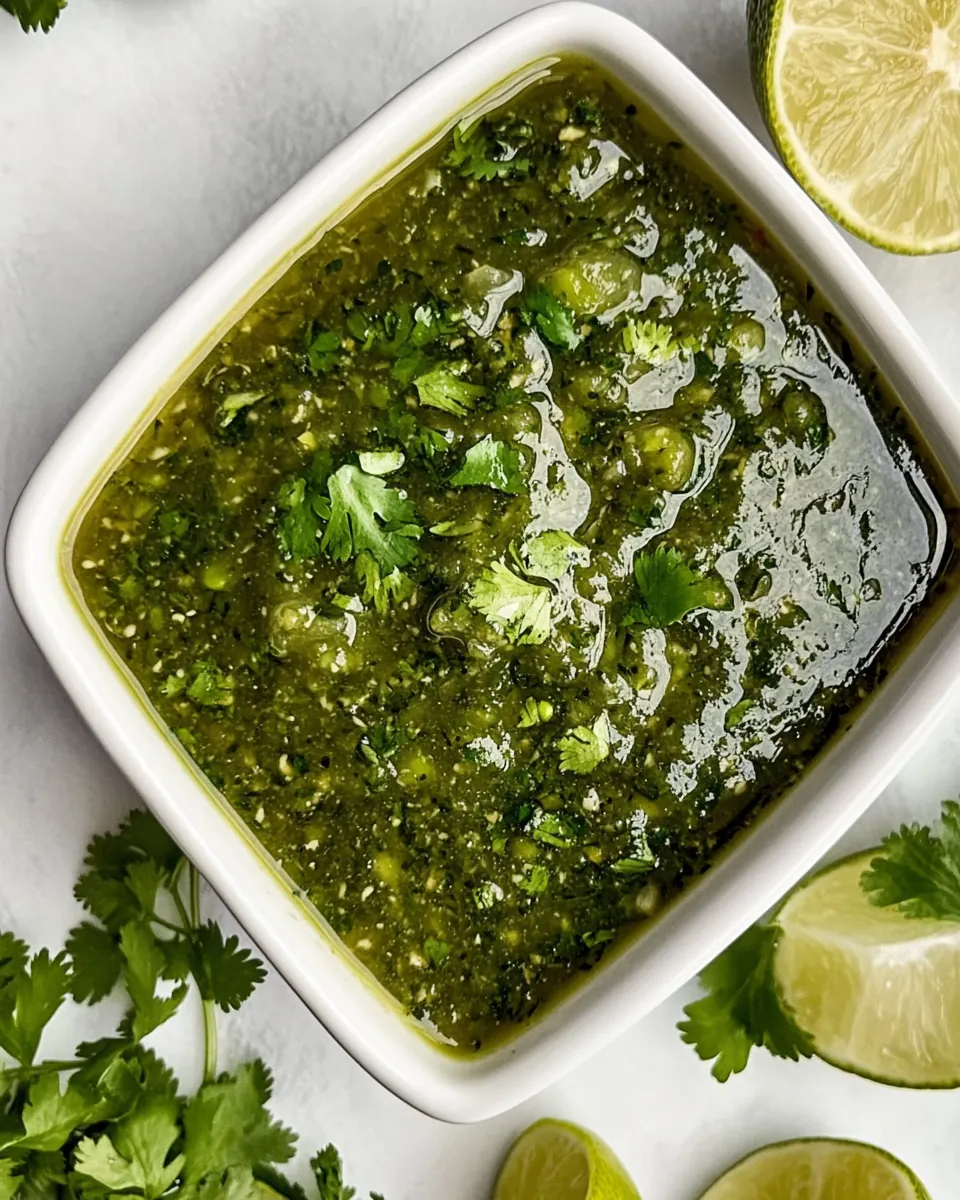
This recipe flows simply from broiling to pulsing, and it calls for attention to visual and aromatic cues rather than rigid timing. Follow these steps for a bright, textured salsa that holds up as a dip or sauce.
- Preheat the broiler. Rinse and dry the tomatillos. Line a broiler pan with foil and arrange the tomatillos on the foil along with the poblano and serrano chill peppers. Broil until they are charred on top, about 3 minutes. Use tongs to turn and broil the other sides until charred, 3 to 4 minutes.: As the tomatillos and peppers hit intense heat you will hear a faint popping and see blistering skin, which signals caramelization. The smell becomes sharper and more roasted, adding depth that raw fruit lacks. This charring creates complex flavors that a raw salsa cannot replicate, and it also makes peeling easier for the poblano. A common mistake is crowding the pan, which results in steaming instead of charring. Make sure pieces have some space and watch closely so they do not blacken beyond a deep char, which can taste bitter.
- Wrap the tomatillos and chillies in foil and let them rest for 10 minutes. Unwrap the tomatillos and chillies and peel the skin off the poblano chilli and remove the seeds. The tomatillos and serrano chilli don’t need to be peeled or seeded.: Steam trapped by the foil loosens the skin and concentrates aromas, making peeling easier and safer. After resting the poblano skin should slide off with gentle pressure, revealing smoky flesh beneath. Seeds and membranes contain most of the heat, so removing them from the poblano tames the intensity while keeping depth. A frequent oversight is skipping the rest period, which makes peeling fiddly and hotter to handle, so give it the full ten minutes for best results.
- Place the tomatillos and chillies into the bowl of a food processor. Add the garlic, sugar and salt. Pulse the mixture until the ingredients are coarsely chopped.: The first pulses build texture, producing little bits of charred skin and flesh that catch the tongue. You will notice an aromatic wave of roasted notes and a faint garlic punch as the pieces break down. Coarse chopping preserves a lively mouthfeel, which I prefer to a completely smooth purée. One pitfall is over processing at this stage, which yields a too fine blend and can make the salsa thin, so stop pulsing when you see small, varied pieces.
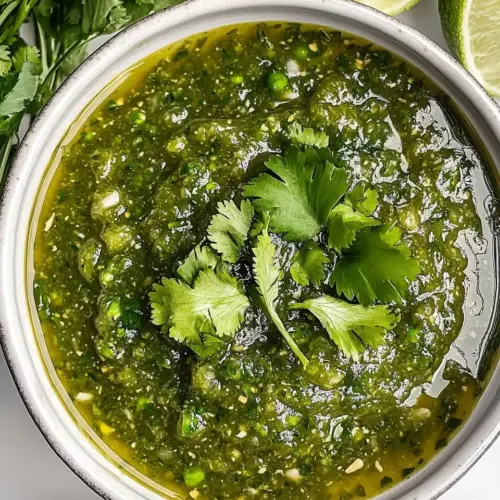
- Add 5 to 6 tablespoons of water, the onion, and cilantro. Pulse quickly until a coarse puree forms then transfer the salsa to a serving dish. Makes about 1 3/4 cup.: Adding water adjusts viscosity gently, creating a spoonable consistency without diluting flavor. The chopped onion softens while the cilantro releases fresh aromatics that lift the roasted base. When pulsing, look for a coarse, slightly chunky texture that spreads easily but still has character. If you add too much water you will lose the concentrated tang, so add measured amounts and pause to check texture. Transfer to a dish and taste for balancing, adjusting salt if needed.
Customization Ideas
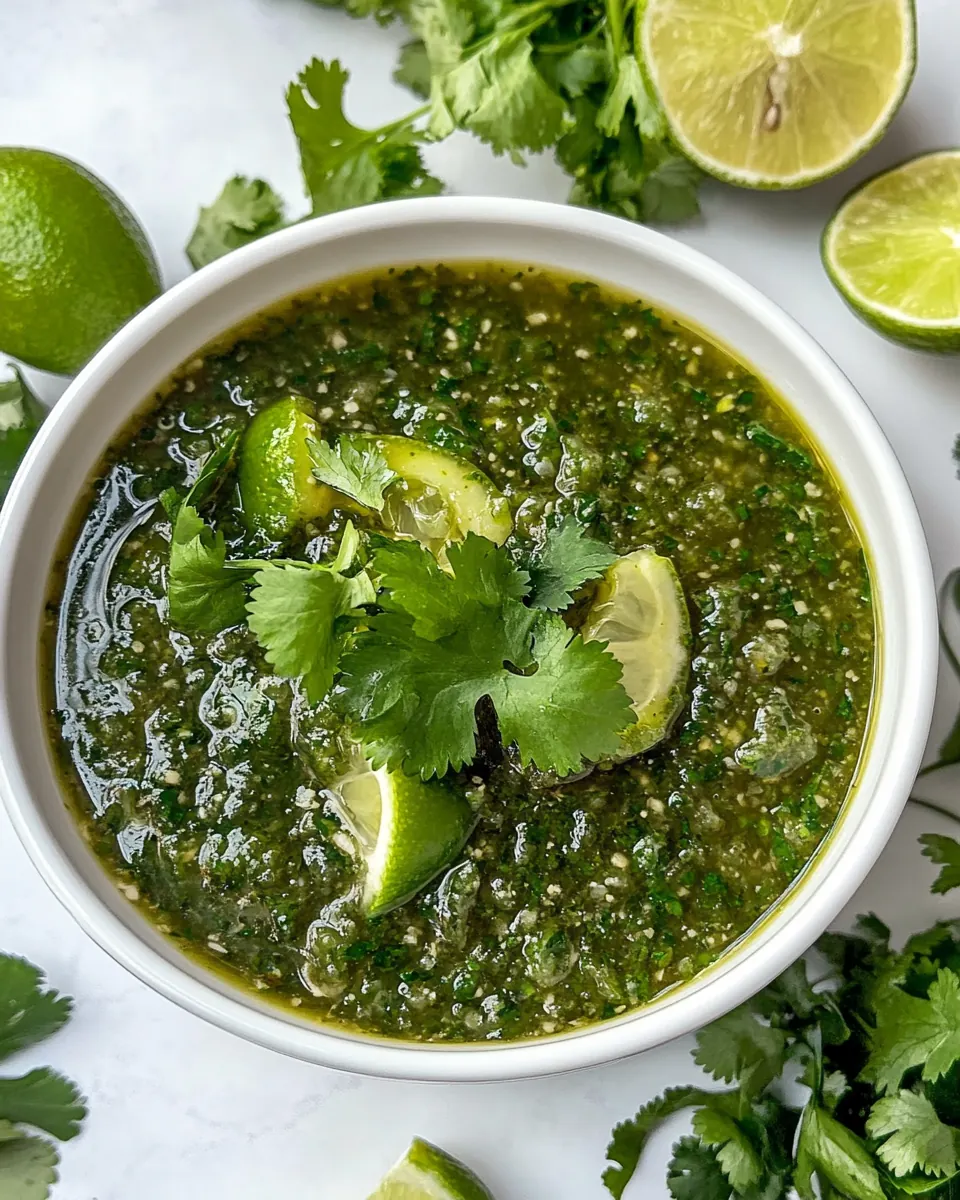
This salsa is a fantastic base for small adjustments that reflect your mood or menu. Below are practical ways to tweak heat, texture, and flavor while keeping the core identity intact.
- Swap the heat Use a jalapeno instead of a serrano chili to reduce spice while maintaining peppery flavor, making the salsa more approachable for mild palates.
- Boost the smoke Char the poblano chilli a touch longer or briefly flame the peppers over an open gas burner for a deeper, campfire like smokiness.
- Smoother texture For a silkier sauce, blend longer and add an extra tablespoon of water, but be cautious not to make it watery, which dilutes the tomatillo brightness.
- Herb variance Increase the cilantro by a tablespoon for a fresher, grassier note, or reduce it slightly if you prefer the roasted tones to dominate.
- Milder garlic Roast the garlic alongside the tomatillos for a softer, sweeter garlic presence that melds smoothly into the salsa.
- Salt control Start with 3/4 of the suggested kosher salt and finish seasoning after pulsing to avoid oversalting; salts affect perceived acidity significantly.
What to Serve Alongside Homemade Salsa Verde
Homemade Salsa Verde pairs brilliantly with simple proteins and fresh sides. It works as a condiment, a dip, and a light sauce, fitting casual lunches or festive dinners. Below are detailed serving ideas and contexts to showcase the salsa.
- Tacos and grilled proteins Spoon over grilled chicken or fish for an easy weeknight dinner. The salsa’s acidity cuts through rich char and lifts the dish.
- Tortilla chips and appetizers Serve as a dip with warm tortilla chips for gatherings. The chunky texture makes it satisfying to scoop and share.
- Rice and beans accompaniment Add a spoonful over bowls of rice and beans to brighten and add complexity, turning a humble plate into something more vivid.
- Brunch and light meals Use the salsa on scrambled eggs or a breakfast burrito for a lively start to the day; it adds a fresh, tangy contrast that wakes up other flavors.
- Seasonal pairing In summer, serve with grilled vegetables and fresh corn to echo the salsa’s bright character; it also complements lighter spring menus with its herbal notes.
- Storage tips Store in an airtight container in the refrigerator for up to four days. If you want to keep it longer, freeze in an ice cube tray and thaw portions as needed for up to three months.
FAQ
Conclusion
What makes this recipe special is its combination of bright tomatillo tang with a smoky roasted edge that feels both rustic and refined. I encourage you to try Homemade Salsa Verde because it elevates simple meals with minimal effort and lots of personality. Give it a go on tacos, grilled proteins, or as a lively dip at your next gathering, and enjoy the way a few fresh ingredients can transform the whole plate.
Homemade Salsa Verde
Equipment
- Broiler pan
- Aluminum Foil
- Tongs
- Food Processor
Ingredients
- 3/4 lb tomatillos, husks removed Provide bright, tangy acidity and a slightly fruity background that forms the base of salsa verde; remove husks and rinse to reduce stickiness, then roast or boil to deepen flavor and soften for blending. Balance natural tartness with other elements while contributing body and a glossy green color to the finished sauce.
- 1 poblano chilli Add a mild, earthy heat and a smoky, vegetal note when roasted; char or roast briefly to mellow bitterness and enhance complexity. Offer texture when finely diced or blended and complement other chiles without overpowering the salsa.
- 1 serrano chili, or jalapeno for milder Contribute sharp, bright heat that lifts the overall flavor profile; adjust variety (serrano or jalapeño) to control spiciness and seed for milder results. Provide a fresh, green chili flavor that pairs well with tomatillos and cilantro in salsa verde.
- 1 clove garlic, crushed Impart pungent, aromatic depth and a savory backbone when crushed or minced; briefly sautéing can soften its raw edge while preserving flavor. Help marry the acidic and herbal elements and enhance overall umami in the salsa.
- 2 tbsp chopped onion Introduce a mild sweet-sharpness and crunchy texture when finely chopped; briefly rinse to reduce pungency if needed. Serve as a balancing element that brightens flavors and adds small aromatic pieces throughout the salsa.
- 2 tbsp chopped cilantro Bring fresh, citrusy herbaceousness and lift to the salsa; chop leaves and tender stems finely to distribute flavor evenly. Act as a counterpoint to acidity and spice while providing aromatic brightness and a green, fresh character.
- 1/4 teaspoons sugar Provide a touch of sweetness to round acidity and temper sharp flavors; dissolve into the salsa to soften bright edges without noticeable sweetness. Serve as a subtle balancing agent that harmonizes tart and savory components.
- 1 tsp kosher salt Add essential seasoning that enhances and ties together all flavors; dissolve thoroughly to ensure even seasoning across the salsa. Fine-tune to taste, as salt controls perceived brightness and overall balance in the finished sauce.
Instructions
- Preheat the broiler. Rinse and dry the tomatillos. Line a broiler pan with foil and arrange the tomatillos on the foil along with the poblano and serrano chill peppers. Broil until they are charred on top, about 3 minutes. Use tongs to turn and broil the other sides until charred, 3 to 4 minutes.: As the tomatillos and peppers hit intense heat you will hear a faint popping and see blistering skin, which signals caramelization. The smell becomes sharper and more roasted, adding depth that raw fruit lacks. This charring creates complex flavors that a raw salsa cannot replicate, and it also makes peeling easier for the poblano. A common mistake is crowding the pan, which results in steaming instead of charring. Make sure pieces have some space and watch closely so they do not blacken beyond a deep char, which can taste bitter.
- Wrap the tomatillos and chillies in foil and let them rest for 10 minutes. Unwrap the tomatillos and chillies and peel the skin off the poblano chilli and remove the seeds. The tomatillos and serrano chilli don’t need to be peeled or seeded.: Steam trapped by the foil loosens the skin and concentrates aromas, making peeling easier and safer. After resting the poblano skin should slide off with gentle pressure, revealing smoky flesh beneath. Seeds and membranes contain most of the heat, so removing them from the poblano tames the intensity while keeping depth. A frequent oversight is skipping the rest period, which makes peeling fiddly and hotter to handle, so give it the full ten minutes for best results.
- Place the tomatillos and chillies into the bowl of a food processor. Add the garlic, sugar and salt. Pulse the mixture until the ingredients are coarsely chopped.: The first pulses build texture, producing little bits of charred skin and flesh that catch the tongue. You will notice an aromatic wave of roasted notes and a faint garlic punch as the pieces break down. Coarse chopping preserves a lively mouthfeel, which I prefer to a completely smooth purée. One pitfall is over processing at this stage, which yields a too fine blend and can make the salsa thin, so stop pulsing when you see small, varied pieces.
- Add 5 to 6 tablespoons of water, the onion, and cilantro. Pulse quickly until a coarse puree forms then transfer the salsa to a serving dish. Makes about 1 3/4 cup.: Adding water adjusts viscosity gently, creating a spoonable consistency without diluting flavor. The chopped onion softens while the cilantro releases fresh aromatics that lift the roasted base. When pulsing, look for a coarse, slightly chunky texture that spreads easily but still has character. If you add too much water you will lose the concentrated tang, so add measured amounts and pause to check texture. Transfer to a dish and taste for balancing, adjusting salt if needed.
Notes
- Swap the heat Use a jalapeno instead of a serrano chili to reduce spice while maintaining peppery flavor, making the salsa more approachable for mild palates.
- Boost the smoke Char the poblano chilli a touch longer or briefly flame the peppers over an open gas burner for a deeper, campfire like smokiness.
- Smoother texture For a silkier sauce, blend longer and add an extra tablespoon of water, but be cautious not to make it watery, which dilutes the tomatillo brightness.
- Herb variance Increase the cilantro by a tablespoon for a fresher, grassier note, or reduce it slightly if you prefer the roasted tones to dominate.
- Milder garlic Roast the garlic alongside the tomatillos for a softer, sweeter garlic presence that melds smoothly into the salsa.
- Salt control Start with 3/4 of the suggested kosher salt and finish seasoning after pulsing to avoid oversalting; salts affect perceived acidity significantly.
