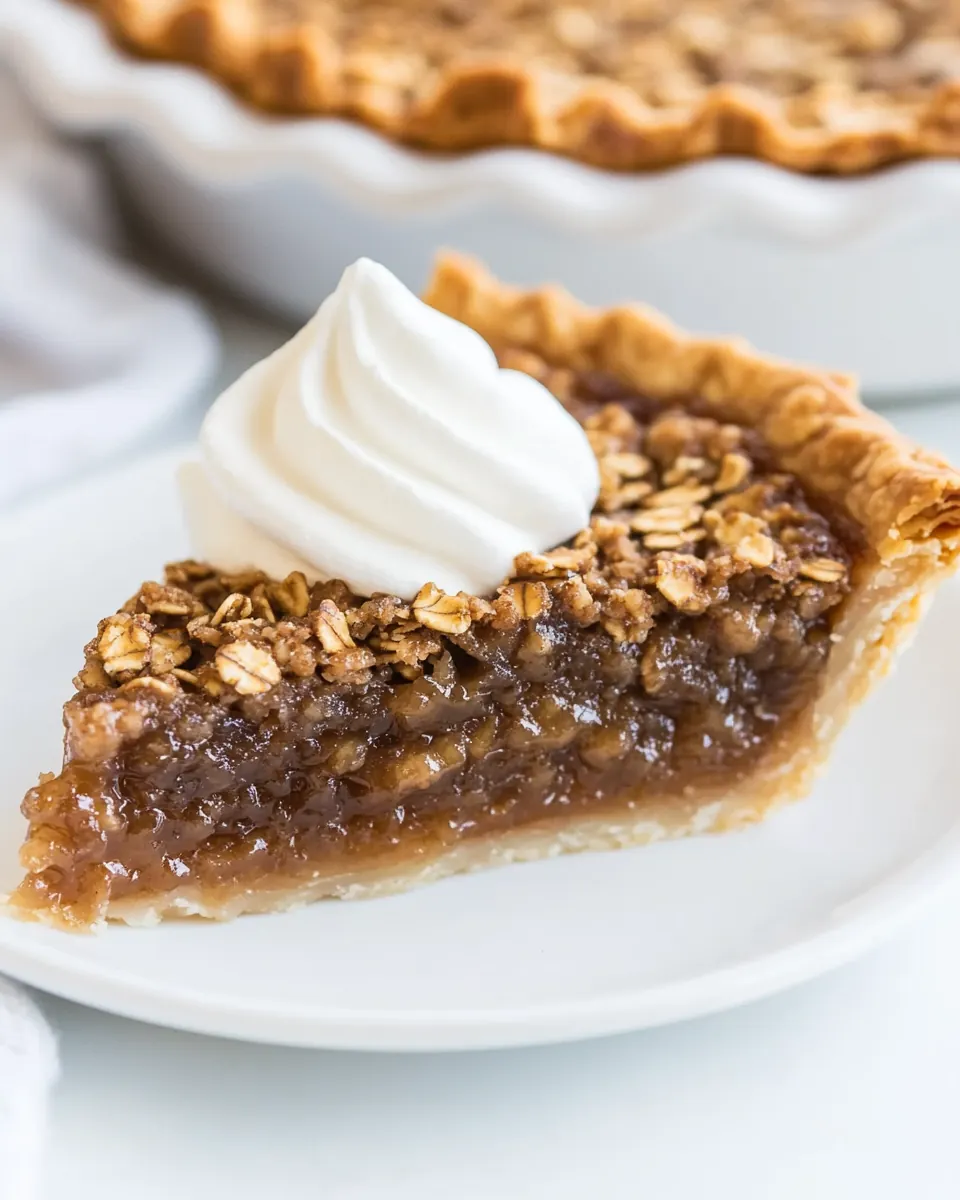
Oatmeal Pie
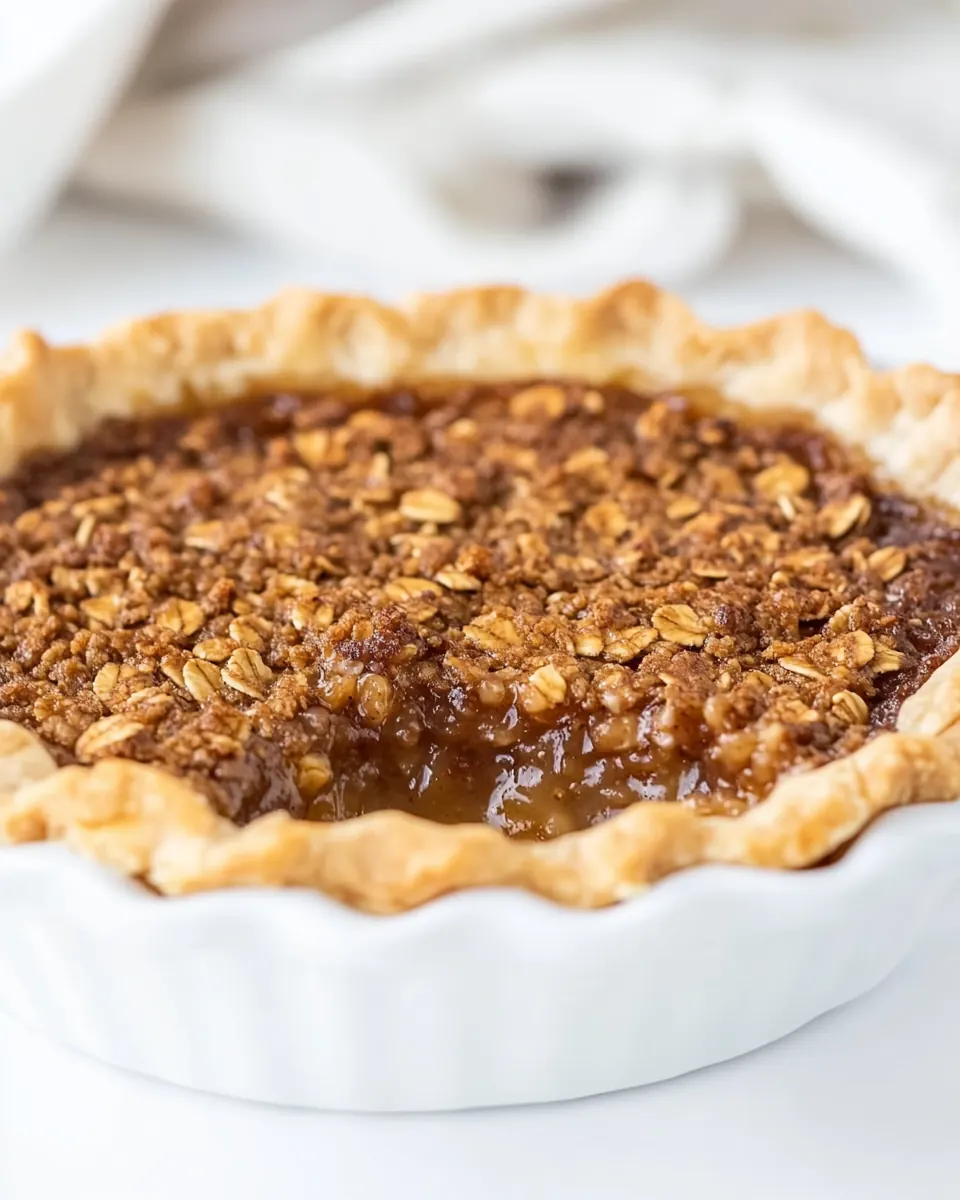
Oatmeal Pie has always felt like the cozy neighbor who knocks with a warm smile and a slice on a paper plate, and the first time I made it I understood why. Growing up, my kitchen was the kind that filled with sticky sweet smells on quiet afternoons, and this pie carried those memories forward. The filling is reassuringly rustic, its surface rippling slightly as it bakes, and it invited me to slow down and savor the process rather than rush the result.
On a rainy afternoon I took the recipe out, dusted a wooden rolling pin, and rolled the crust with hands that had made many pies but not this one. The act of measuring the 1 cup light brown sugar and gently folding in the 1 cup quick oats uncooked felt like building a tiny, edible time capsule. When the oven door closed and the kitchen began to smell of ground cinnamon and caramel notes from the 1 cup light corn syrup I use Karo, I settled with a mug and watched the transformation through the glass.
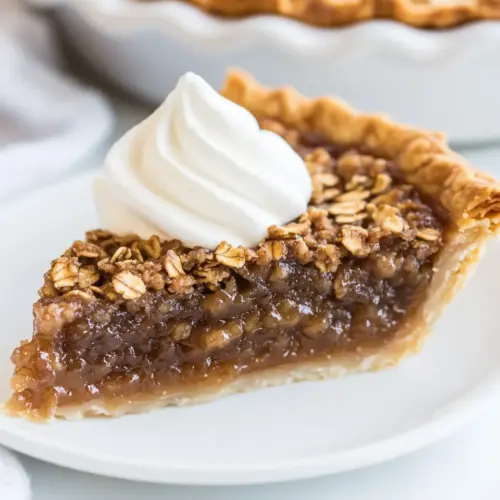
The first slice, once it had rested, yielded a gentle wobble and a surface that caught the light. The texture is a comforting marriage of custard and chewy oats, and it made me think about serving traditions, the people I would want to share it with, and the small rituals around cutting a pie, passing the plate, and hearing the inevitable appreciative hum. Over time I learned a few tricks, like letting it set properly and serving it slightly chilled, which highlight the filling’s texture without masking that nostalgic sweetness.
Recipe Snapshot
1 hr 10 mins
10 mins
60 mins
Medium
320 kcal
American
Gluten-Free, Low FODMAP
Desserts
Oven, 9 inch pie dish, Large mixing bowl, Whisk, Wire rack
Why This Oatmeal Pie Shines
1. Familiar comfort, reimagined
I love Oatmeal Pie because it takes the comforting elements of classic pies and gives them a rustic, approachable twist. The combination of light brown sugar and light corn syrup creates that deep, caramel like sweetness that makes every bite feel like a small celebration. I always find it becomes the dish guests circle back to, whether for a holiday table or a casual coffee gathering.
2. Texture that surprises
The texture is where this recipe shines, in my view. The quick oats add a toothsome chew that contrasts beautifully with the silky custard created by the eggs and flour. When you cut a slice you get that satisfying blend of creamy and chewy, and I often hear someone at the table comment on how it is both old fashioned and modern at once.
3. Easy yet impressive
One of the things I appreciate most is how straightforward the method is. The ingredients come together in one bowl, so the process never feels fussy. I can bring this pie to a potluck and it will look like I put in more effort than I did, which is always a welcome bonus on busy days when I want something special without drama.
4. Flexible for serving
I enjoy that Oatmeal Pie adapts to how you want to serve it. It is lovely slightly chilled, and it also benefits from a short time at room temperature if you prefer a softer texture. I like offering a simple scoop of something cold alongside it, because the contrast lifts the flavors and keeps each bite interesting.
5. Nostalgic but new
Finally, this pie carries a nostalgic note without feeling dated. It evokes kitchens from another era, while remaining easy to make today. For me, that balance between comfort and freshness is why I come back to it time and again, and why it often becomes the pie people ask for seconds of.
Oatmeal Pie Shopping List
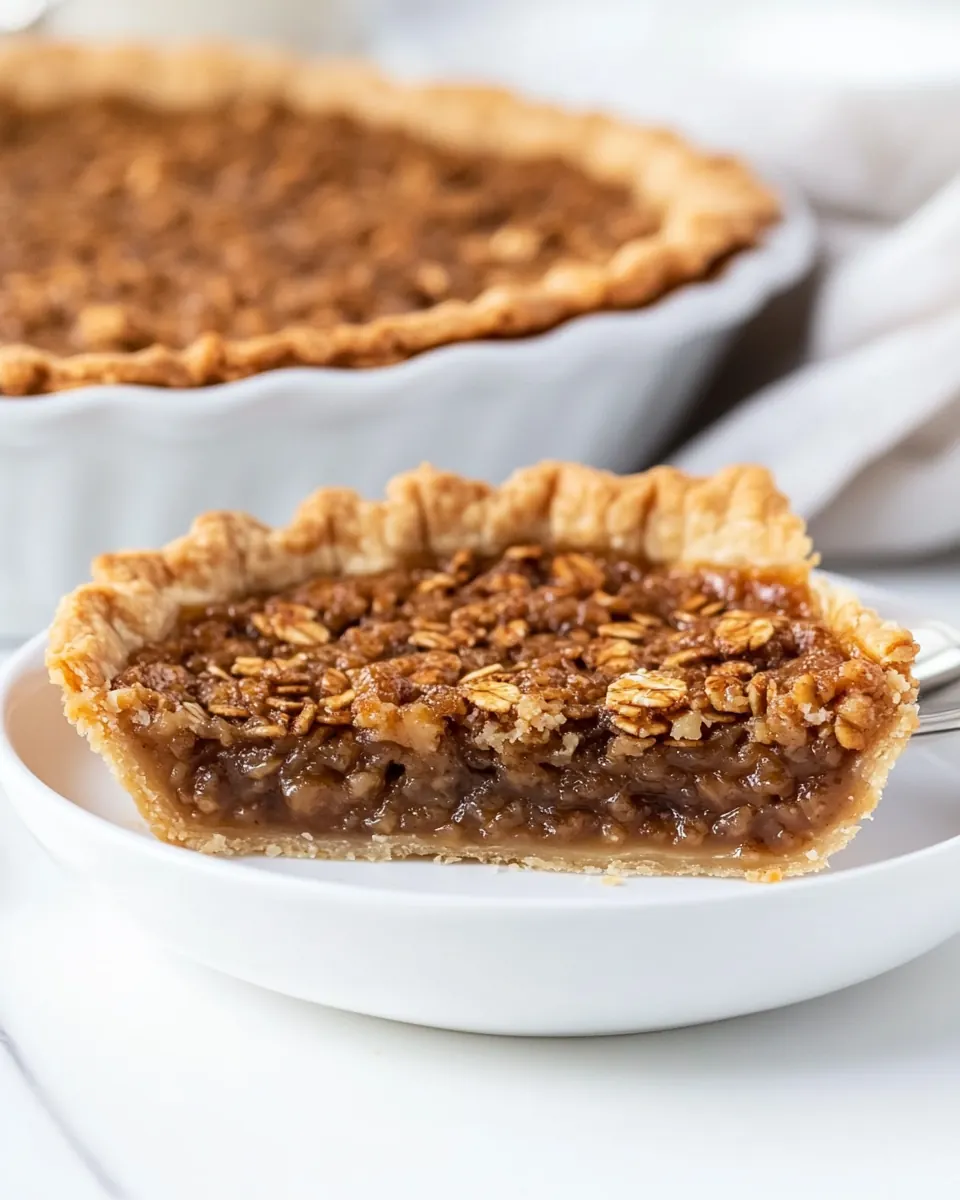
These ingredients come together to create a textured, warmly spiced filling inside a crisp shell. The pie balances sweet and wholesome elements, with the quick oats supplying body while the eggs and all purpose flour set the custard. Each component is a key player in the final harmony, so I stick to the list and focus on quality for the best results.
- 1 single 9-inch pie crust: Provide a single flaky 9-inch pie crust to hold the filling and create a tender, crisp edge; blind-bake or prebake if needed to prevent sogginess and ensure an even base for the oat mixture.
- 1 cup light brown sugar: Add sweetness and depth with light brown sugar, offering molasses notes that enrich the filling while helping achieve a soft, caramelized texture during baking; cream with other wet ingredients to dissolve evenly.
- 4 eggs at room temperature: Bring structure and lift by incorporating four room–temperature eggs, which emulsify the filling, set during baking, and contribute to a custardy, stable texture that holds the oats together.
- 3 tablespoons all purpose flour: Thicken and stabilize the filling by using all-purpose flour, which helps absorb liquids and prevents the mixture from becoming runny while providing slight body without toughness when measured properly.
- 1 teaspoon ground cinnamon: Enhance flavor with ground cinnamon, contributing warm, aromatic spice that complements the sweetness and oats while balancing the overall taste with subtle complexity.
- 1/2 teaspoon salt: Balance and enhance flavors using a small amount of salt, which brightens the sweetness, intensifies other seasonings, and rounds out the filling for a more satisfying result.
- 1 cup (312g) light corn syrup I use Karo: Sweeten and bind the filling using light corn syrup (such as Karo), which adds viscosity and a smooth, glossy finish while preventing large sugar crystallization for a uniform, chewy texture.
- 2 tablespoons (28g) melted butter: Enrich the filling with melted butter, providing a rich mouthfeel and toffee-like flavor while contributing fat that tenderizes the custard and helps distribute flavors evenly.
- 2 teaspoons pure vanilla extract: Flavor and aromatize the filling with pure vanilla extract, adding warm, floral notes that deepen the overall profile and enhance the perception of sweetness without adding moisture.
- 1 cup quick oats uncooked: Contribute hearty texture and chew by incorporating uncooked quick oats, which absorb some liquid during baking to create a pleasant bite and rustic oat presence throughout the pie.
Oatmeal Pie Instructions
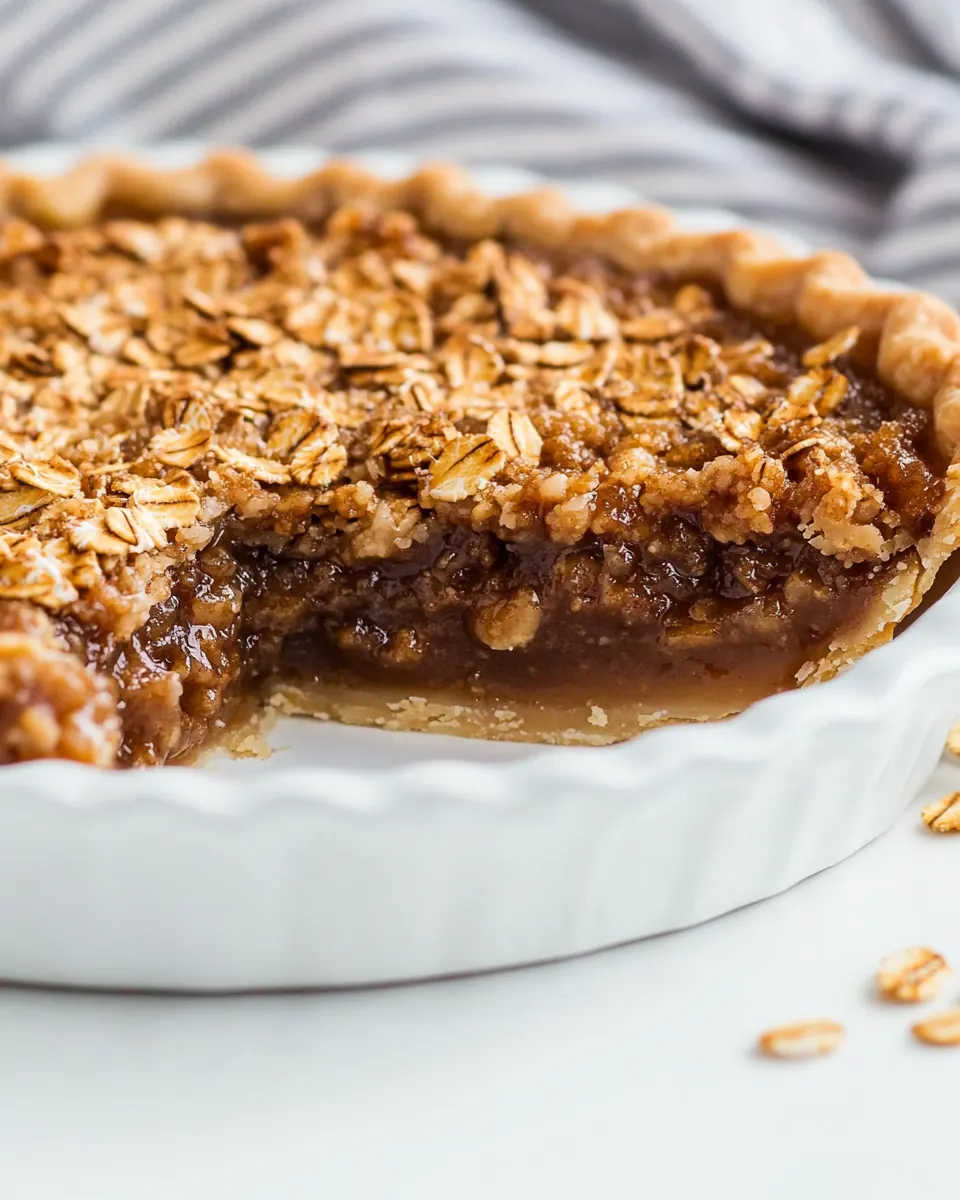
I like to approach the baking phase as a mindful rhythm, from preheating to the patient cool down. These instructions will guide you through each moment, helping you catch the visual and sensory cues that indicate success. Keep your tools handy, and pace yourself so the pie receives the attention it needs at each stage.
- Preheat the oven to 350°F/180°C.: As the oven warms you will notice a subtle change in the kitchen atmosphere, a dry heat that carries a faint mineral scent from the heating elements. Preheating ensures the pie begins baking at the correct temperature, which is essential for proper rise and set. If you skip this and put the pie into a cold oven the crust may absorb too much fat and become soggy, so always wait until the oven reaches temperature. A quick calibration tip is to use an oven thermometer, since many ovens run slightly hot or cool, and that small variance can change bake time significantly.
- Roll out the pie crust into a 9-inch pie dish. Pinch and crimp the edges.: You'll feel the dough yield under the rolling pin, its surface becoming smooth and slightly floured to prevent sticking. Fit it gently into the dish so the crust adheres to the sides without stretching, then create a pleasing edge by pinching and crimping with your fingers. This step creates the visual and textural frame for the filling, and if you overwork the dough it can develop toughness, so handle it with a light, confident touch. If the dough becomes too soft from warm hands, chill it briefly before proceeding to keep the shape crisp during baking.
- In a large bowl, combine all of the filling ingredients, and whisk until well combined.: As you add the light brown sugar , eggs , all purpose flour , ground cinnamon , salt , light corn syrup , melted butter , pure vanilla extract , and finally the quick oats , the mixture will go from granular to glossy and cohesive under the whisk. You should notice the batter thicken slightly and take on a warm amber color from the syrup and sugar. Whisking thoroughly helps avoid pockets of dry ingredients, which would create uneven texture pockets. A common mistake is whisking too vigorously once the oats are added, which can tear the oats and create a gummy texture, so aim for steady, controlled strokes until uniform.
- Pour the filling over the pie crust.: The filling will flow with a viscous sheen and settle into the crust, the oats floating and then beginning to absorb liquid. Pour slowly so the crust edge remains clean, and give the pie a gentle tap on the counter to release any large air bubbles. This helps the surface bake evenly and reduces the chance of large voids in the set filling. Avoid overfilling the crust, which can cause spillover and caramelized drips that burn on the oven floor; if you see spots too close to the rim, blot them before baking.
- Bake in the oven for 50-60 minutes. The filling should be only slightly jiggly in the center.: During baking you will observe the top take on a deep golden brown and a faint caramel scent will waft through the kitchen. The edge of the crust should become crisp and slightly darker, while the center will still wobble just a bit when gently nudged, which signals the custard is set but not overcooked. Overbaking results in a cracked or rubbery filling, so resist the urge to extend time beyond the recommended window unless your oven runs cool. If the crust is browning too quickly, tent the edges with foil to prevent burning while the center finishes cooking.
- Once done, place the pie dish on a wire rack and allow the pie to rest for at least two hours before slicing.: As the pie cools you will notice the filling firm gradually, the aroma mellowing into a deeper, more integrated sweetness. The resting time allows the internal structure to set properly so slices hold their shape, and it also improves the texture by letting the oats finish hydrating. Cutting too soon is a frequent error, producing a runny slice and a messy presentation, so patience here is rewarded. I like to leave it uncovered on the rack to avoid trapping steam, which can soften the crust.
- Serve with a scoop of vanilla ice cream or whipped cream.: The cold creaminess contrasts with the warm caramel notes and adds an indulgent finish to each bite, making the flavors pop and the texture more layered. If you prefer a chilled slice, serve it directly from the fridge, which yields a firmer texture and a cleaner cut. A recommended misstep to avoid is adding the topping too far in advance, which can melt and make the crust soggy; add it just before serving for the best experience.
Change It Up
I like to offer variations and serving ideas that let you personalize the pie without changing its heart. Below are practical tips and tweaks I use to adapt the dessert for different occasions, temperatures, and textures. Each tip starts with a highlighted phrase for quick scanning.
- Swap crusts for convenience Try a graham cracker crust for a nutty, sweeter base that complements the filling, remembering that it will toast faster so keep an eye on baking color.
- Adjust sweetness with less sugar If you prefer a less sweet pie, reduce the light brown sugar by up to a quarter cup, but note this will subtly change the set and depth of flavor.
- Chill before slicing For clean, firm slices chill the pie for several hours or overnight, which firms the custard and enhances sliceability.
- Serve warm with contrast A warm slice paired with cold cream or ice cream creates a delightful temperature contrast that lifts the overall experience.
- Use quality vanilla Real vanilla adds a fragrant background note that elevates the pie, so choose a pure extract when possible.
What to Serve With Oatmeal Pie
This pie plays well with a few simple accompaniments that either echo its warmth or provide contrast. I like to think about the overall mood of the meal when choosing what to pair it with, whether that is a casual afternoon coffee, a festive holiday spread, or a quiet dessert after a family dinner.
- Classic scoop Serve with a scoop of cold vanilla ice cream to add creaminess and a cooling contrast to the warm caramel notes of the pie.
- Light finish A dollop of softly whipped cream highlights the pie without overpowering it, keeping the texture airy and light.
- Coffee pairing Strong brewed coffee or espresso balances the sweetness and refreshes the palate between bites, making it ideal for brunch or a dessert course.
- Holiday centerpiece Present the pie as part of a fall or holiday dessert table alongside more festive options, it blends well with spiced drinks and nut forward sides.
- Storage note Keep slices covered in the refrigerator for up to three days, and reheat briefly in the microwave if you prefer a warmer serving.
- Seasonal touch For autumn gatherings, consider serving with a side of lightly spiced apple compote to echo the cinnamon and add fruit brightness.
- Serving style Offer slices on small plates with a fork and warm napkin, creating a homely presentation that invites conversation and seconds.
FAQ
Conclusion
Oatmeal Pie stands out for its comforting balance of chewy oats and silky, caramel forward filling, making it a dessert that feels both familiar and special. Its straightforward method and adaptable serving options mean you can easily bring it to a casual gathering or a holiday table and expect warm reactions. Give it a try the next time you want a dessert that rewards patience with perfect texture and nostalgic flavors, and enjoy the simple pleasure of sharing a homemade slice with friends or family.
Oatmeal Pie
Equipment
- Oven
- 9-inch pie dish
- Large Mixing Bowl
- Whisk
- Wire Rack
Ingredients
- 1 single 9-inch pie crust Provide a single flaky 9-inch pie crust to hold the filling and create a tender, crisp edge; blind-bake or prebake if needed to prevent sogginess and ensure an even base for the oat mixture.
- 1 cup light brown sugar Add sweetness and depth with light brown sugar, offering molasses notes that enrich the filling while helping achieve a soft, caramelized texture during baking; cream with other wet ingredients to dissolve evenly.
- 4 eggs at room temperature Bring structure and lift by incorporating four room-temperature eggs, which emulsify the filling, set during baking, and contribute to a custardy, stable texture that holds the oats together.
- 3 tablespoons all purpose flour Thicken and stabilize the filling by using all-purpose flour, which helps absorb liquids and prevents the mixture from becoming runny while providing slight body without toughness when measured properly.
- 1 teaspoon ground cinnamon Enhance flavor with ground cinnamon, contributing warm, aromatic spice that complements the sweetness and oats while balancing the overall taste with subtle complexity.
- 1/2 teaspoon salt Balance and enhance flavors using a small amount of salt, which brightens the sweetness, intensifies other seasonings, and rounds out the filling for a more satisfying result.
- 1 cup (312g) light corn syrup I use Karo Sweeten and bind the filling using light corn syrup (such as Karo), which adds viscosity and a smooth, glossy finish while preventing large sugar crystallization for a uniform, chewy texture.
- 2 tablespoons (28g) melted butter Enrich the filling with melted butter, providing a rich mouthfeel and toffee-like flavor while contributing fat that tenderizes the custard and helps distribute flavors evenly.
- 2 teaspoons pure vanilla extract Flavor and aromatize the filling with pure vanilla extract, adding warm, floral notes that deepen the overall profile and enhance the perception of sweetness without adding moisture.
- 1 cup quick oats uncooked Contribute hearty texture and chew by incorporating uncooked quick oats, which absorb some liquid during baking to create a pleasant bite and rustic oat presence throughout the pie.
Instructions
- Preheat the oven to 350°F/180°C.: As the oven warms you will notice a subtle change in the kitchen atmosphere, a dry heat that carries a faint mineral scent from the heating elements. Preheating ensures the pie begins baking at the correct temperature, which is essential for proper rise and set. If you skip this and put the pie into a cold oven the crust may absorb too much fat and become soggy, so always wait until the oven reaches temperature. A quick calibration tip is to use an oven thermometer, since many ovens run slightly hot or cool, and that small variance can change bake time significantly.
- Roll out the pie crust into a 9-inch pie dish. Pinch and crimp the edges.: You'll feel the dough yield under the rolling pin, its surface becoming smooth and slightly floured to prevent sticking. Fit it gently into the dish so the crust adheres to the sides without stretching, then create a pleasing edge by pinching and crimping with your fingers. This step creates the visual and textural frame for the filling, and if you overwork the dough it can develop toughness, so handle it with a light, confident touch. If the dough becomes too soft from warm hands, chill it briefly before proceeding to keep the shape crisp during baking.
- In a large bowl, combine all of the filling ingredients, and whisk until well combined.: As you add the light brown sugar , eggs , all purpose flour , ground cinnamon , salt , light corn syrup , melted butter , pure vanilla extract , and finally the quick oats , the mixture will go from granular to glossy and cohesive under the whisk. You should notice the batter thicken slightly and take on a warm amber color from the syrup and sugar. Whisking thoroughly helps avoid pockets of dry ingredients, which would create uneven texture pockets. A common mistake is whisking too vigorously once the oats are added, which can tear the oats and create a gummy texture, so aim for steady, controlled strokes until uniform.
- Pour the filling over the pie crust.: The filling will flow with a viscous sheen and settle into the crust, the oats floating and then beginning to absorb liquid. Pour slowly so the crust edge remains clean, and give the pie a gentle tap on the counter to release any large air bubbles. This helps the surface bake evenly and reduces the chance of large voids in the set filling. Avoid overfilling the crust, which can cause spillover and caramelized drips that burn on the oven floor; if you see spots too close to the rim, blot them before baking.
- Bake in the oven for 50-60 minutes. The filling should be only slightly jiggly in the center.: During baking you will observe the top take on a deep golden brown and a faint caramel scent will waft through the kitchen. The edge of the crust should become crisp and slightly darker, while the center will still wobble just a bit when gently nudged, which signals the custard is set but not overcooked. Overbaking results in a cracked or rubbery filling, so resist the urge to extend time beyond the recommended window unless your oven runs cool. If the crust is browning too quickly, tent the edges with foil to prevent burning while the center finishes cooking.
- Once done, place the pie dish on a wire rack and allow the pie to rest for at least two hours before slicing.: As the pie cools you will notice the filling firm gradually, the aroma mellowing into a deeper, more integrated sweetness. The resting time allows the internal structure to set properly so slices hold their shape, and it also improves the texture by letting the oats finish hydrating. Cutting too soon is a frequent error, producing a runny slice and a messy presentation, so patience here is rewarded. I like to leave it uncovered on the rack to avoid trapping steam, which can soften the crust.
- Serve with a scoop of vanilla ice cream or whipped cream.: The cold creaminess contrasts with the warm caramel notes and adds an indulgent finish to each bite, making the flavors pop and the texture more layered. If you prefer a chilled slice, serve it directly from the fridge, which yields a firmer texture and a cleaner cut. A recommended misstep to avoid is adding the topping too far in advance, which can melt and make the crust soggy; add it just before serving for the best experience.
Notes
- Swap crusts for convenience Try a graham cracker crust for a nutty, sweeter base that complements the filling, remembering that it will toast faster so keep an eye on baking color.
- Adjust sweetness with less sugar If you prefer a less sweet pie, reduce the light brown sugar by up to a quarter cup, but note this will subtly change the set and depth of flavor.
- Chill before slicing For clean, firm slices chill the pie for several hours or overnight, which firms the custard and enhances sliceability.
- Serve warm with contrast A warm slice paired with cold cream or ice cream creates a delightful temperature contrast that lifts the overall experience.
- Use quality vanilla Real vanilla adds a fragrant background note that elevates the pie, so choose a pure extract when possible.