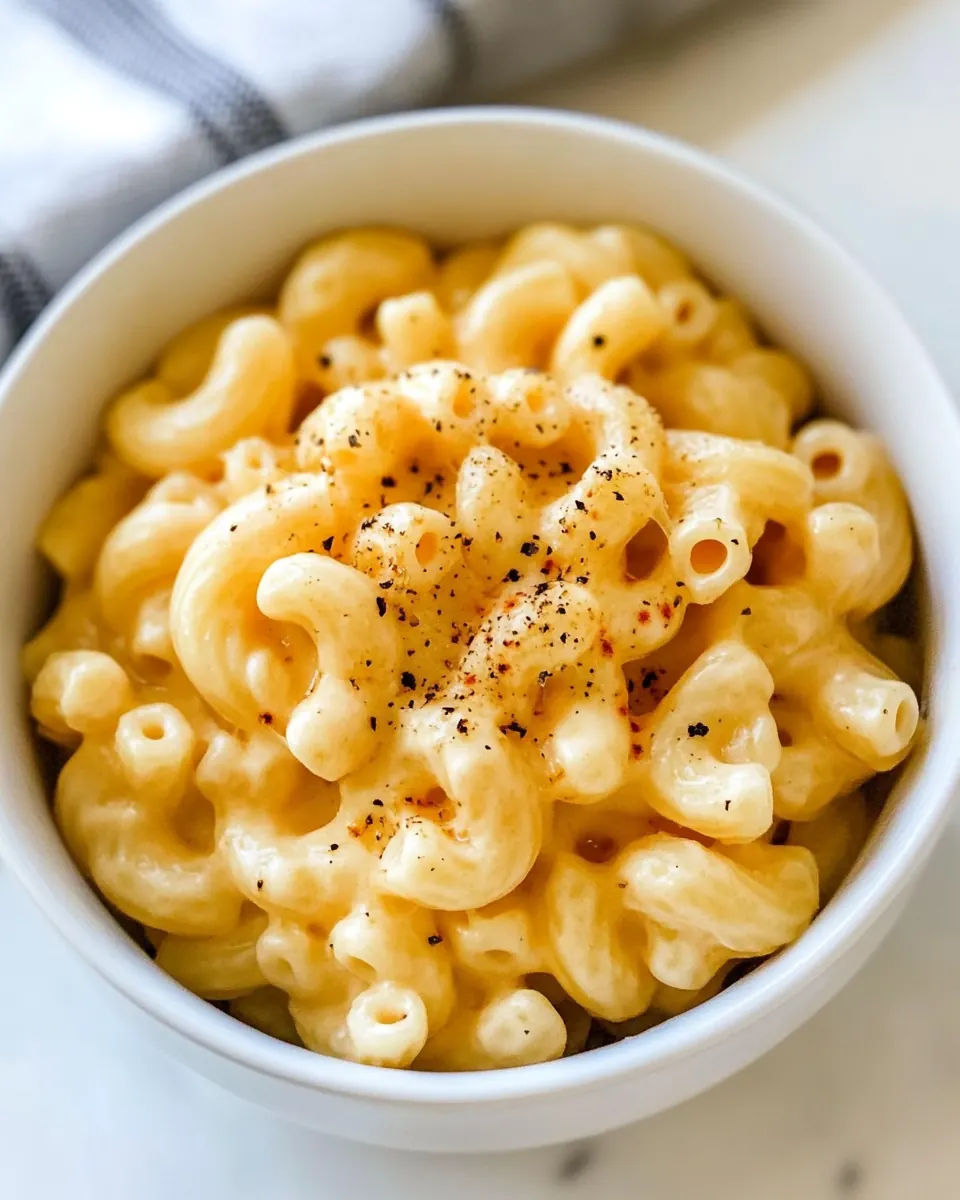
Stovetop Mac and Cheese
Stovetop Mac and Cheese has been my ultimate comfort-food fallback since college, the kind of recipe I turn to when the week has been long and I need something warm, cheesy, and honest on the table.
I remember the first time I made this dish for friends who had stopped by unexpectedly. We had mismatched plates and an old radio playing in the corner, and the kitchen smelled of bubbling cheese and butter. That bowl of Stovetop Mac and Cheese somehow made everyone slow down, laugh louder, and linger longer. It is the sort of meal that feels like a hug, but one you can actually share.
Over the years I learned a few small rituals that make the difference, like keeping the milk at room temperature and shredding the cheese from a block for the creamiest texture. I also discovered how a light dusting of ground mustard in the roux brightens the flavor without being obvious. When dinner needs to be quick but meaningful, I reach for this recipe, and the result is reliably silky, tangy, and satisfying.
Recipe Snapshot
20 mins
5 mins
15 mins
Easy
400 kcal
American
Gluten-Free, Low FODMAP
Dinner
Large pot, Colander, Whisk, Wooden spoon
What Sets This Stovetop Mac and Cheese Apart
Comfort that arrives fast
I adore how quickly Stovetop Mac and Cheese comes together. From salted water on the stove to a steaming bowl of pasta coated in sauce, the whole process takes under half an hour, which is perfect for busy weeknights when I want something cozy without fuss.
Silky texture from simple technique
Making a roux with unsalted butter and all purpose flour then whisking in warm milk gives a base that becomes lusciously smooth. I love how that technique locks in a creamy mouthfeel, so each bite feels rich rather than greasy.
Bold, straightforward flavor
The combination of shredded sharp cheddar cheese and a touch of ground mustard results in a cheese sauce that tastes layered, not flat. I often taste as I go, adding kosher salt and freshly ground black pepper carefully, because a little adjustment makes the whole dish pop.
Flexible and crowd pleasing
I turn to this recipe whether I am feeding a family or bringing something to share. The base formula scales well, and I appreciate that garnishes like extra shredded cheese or crushed saltine crackers add texture without complicating the method.
Kid friendly yet grown up
Kids love the creamy feel, while adults notice the thoughtful touches like the roux and the mustard. That balance makes Stovetop Mac and Cheese a nightly winner in my house, and it’s one of those dishes that bridges generations at the table.
Ingredients to Make Stovetop Mac and Cheese

I cook with a simple philosophy: trust a few quality ingredients and treat them with care. For Stovetop Mac and Cheese, the stars are the pasta and the cheese, and the supporting cast of butter, flour, and milk create the structure that holds everything together.
The list below is faithful to the recipe. After each item I explain why it matters and how I use it to coax out the best texture and flavor.
- 12 oz large elbow macaroni: Cook until al dente and serve as the pasta base that absorbs the cheese sauce and provides structure to the dish, offering a tender yet slightly firm bite when properly boiled. Combine with the sauce immediately after draining to ensure even coating and prevent sticking.
- 4 tablespoons unsalted butter: Melt gently to create a rich fat component that helps build the roux and adds a silky mouthfeel to the sauce; use unsalted butter to better control seasoning levels. Add early in the process so it can foam and mix evenly with the flour for thickening.
- 4 tablespoons all-purpose flour: Whisk into melted butter to form a roux that thickens the milk and creates a smooth, stable sauce; cook briefly to eliminate raw flour taste. Measure accurately to achieve the desired sauce consistency without lumping.
- 1/2 teaspoon ground mustard: Sprinkle into the roux or sauce to add a subtle tang and depth, enhancing the cheese flavor without overwhelming it; use sparingly to avoid bitterness. Dissolve thoroughly for even flavor distribution throughout the sauce.
- 2 whole cups milk, at room temperature: Warm gently and whisk into the roux to build the béchamel-like base that becomes the cheese sauce; room–temperature milk incorporates more smoothly and reduces clumping. Adjust heat and whisk continuously to prevent scorching and to maintain a silky texture.
- 3 cups shredded sharp cheddar cheese: Stir in gradually off the heat to melt evenly and create a creamy, flavorful sauce; sharp cheddar contributes a pronounced cheesy tang and smooth mouthfeel when melted properly. Grate freshly for best melting properties and flavor intensity.
- Kosher salt and freshly ground black pepper, to taste: Season sparingly to balance flavors and enhance the overall taste profile; kosher salt seasons more predictably while freshly ground black pepper adds a bright, piquant finish. Taste as you go since dairy and cheese already contribute saltiness.
- For serving: extra shredded cheese and crushed saltine crackers (optional): Garnish optionally to add extra texture and visual appeal, with additional shredded cheese for gooeyness and crushed saltine crackers for a crunchy topping contrast. Offer on the side so diners can customize their preferred level of crispness and cheesiness.
Making Stovetop Mac and Cheese
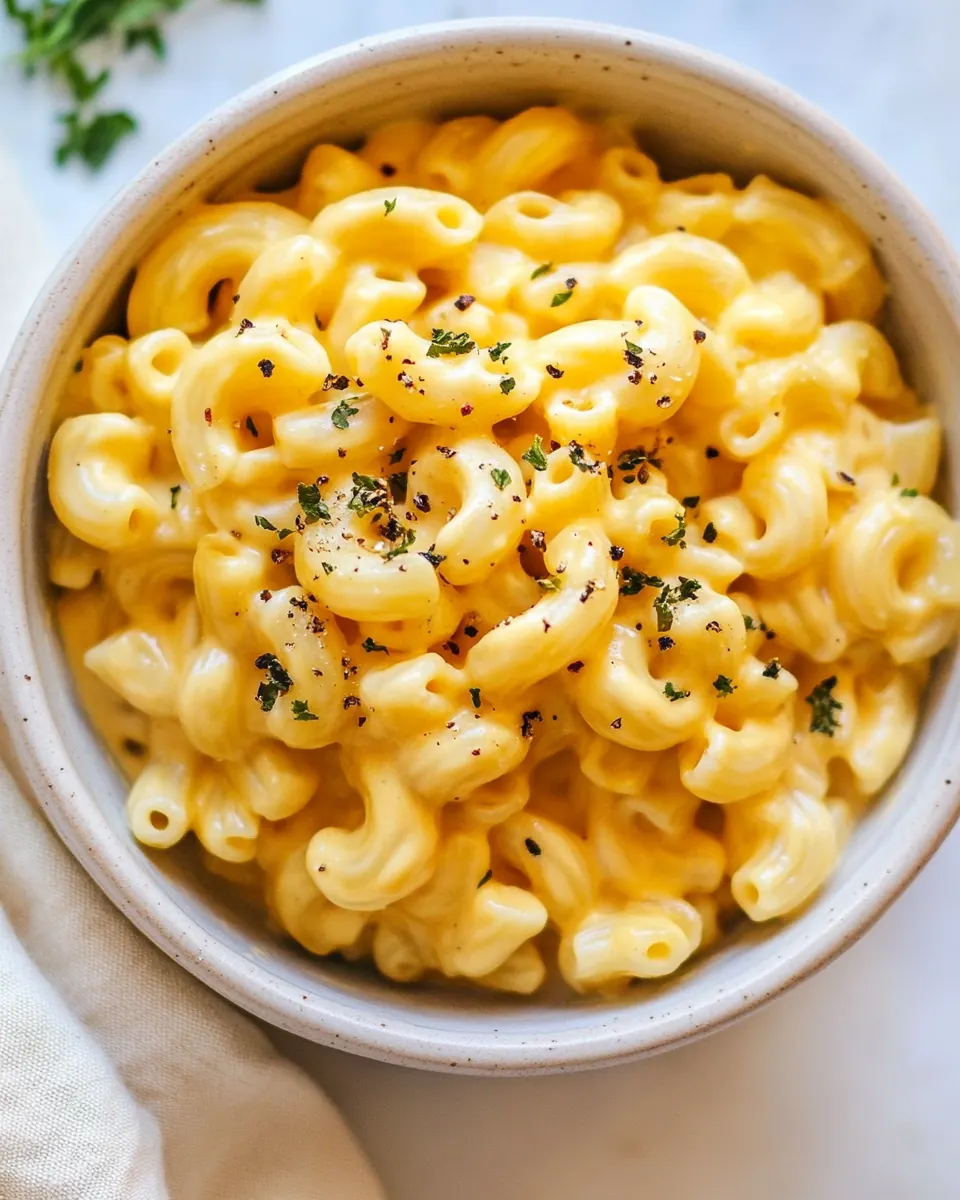
Making this recipe is comfortingly straightforward. I like to line up my ingredients, warm the milk, and have the shredded cheese ready so the finish is quick and silky. Below I expand each direction into detailed, sensory rich guidance so you know exactly what to look, hear, and smell for.
- Bring a large pot of salted water to a boil. Add the pasta and cook it just until al dente, according to package instructions. Drain the pasta set aside.: The first sign you are on track is the water at a rolling boil, sending up large, lively bubbles and a faint steam. When you add the macaroni , the pot will quiet for a moment before the surface action resumes. As the pasta cooks, you will see the shapes swell and the water cloud slightly with starch. Taste a piece near the lower end of the package time to confirm it is al dente, tender on the outside but with a slight bite in the center. Drain immediately when done, and give it a quick shake in the colander to remove excess water, because watery pasta can thin the sauce. A common mistake is overcooking leading to mushy texture, so set a timer and taste early if unsure.
- While the pasta is cooking, melt the butter over medium heat in a large pot. Turn the heat to low and whisk in the flour and ground mustard to create a paste. Whisk in milk until smooth. Turn the heat to medium and whisk until the sauce starts to thicken, about 2 minutes.: You will hear a gentle sizzle as the unsalted butter softens and then becomes glossy and slightly foamy. Keep the heat steady so the butter melts evenly without browning, which would add a nutty note you do not want here. Use a spatula to move it around the pot so it melts uniformly. If the butter starts to brown, lower the heat immediately because the roux needs a pale, neutral base. Browned butter can shift the sauce flavor unexpectedly.
- Stir in the shredded cheese until the cheese is melted and the sauce is smooth.: As you add the all purpose flour to the melted butter , whisk constantly to form a smooth paste, watching for the raw flour smell to mellow. The texture should be like a thick, tacky paste that clings to the whisk rather than a loose batter. Add the ground mustard now so it toasts slightly and releases its scent, which brightens the future sauce. If lumps form, keep whisking on low heat; the goal is a cohesion that will absorb the milk without clumping. The frequent issue at this point is rushing, which leads to a lumpy base, so take your time and keep the whisk moving.
- Add the drained pasta and stir until well coated with the cheese sauce. Season with salt and black pepper, to taste. Garnish with a little shredded cheese and crushed saltine crackers, if desired. Serve immediately.: Pour the room temperature milk in gradually while whisking energetically so the roux accepts it seamlessly and the mixture becomes glossy. As the sauce warms, you will notice it shift from thin to velvety, leaving a soft trail on the whisk. Bring it up to medium heat and keep whisking; within about 2 minutes you should feel the sauce gain body, coating the back of a spoon. The aroma will become rich and inviting, and you should see small steam wisps. If the sauce boils hard, it can break or scorch, so maintain a gentle simmer. A typical mistake is pouring in cold milk too quickly, which can create lumps.
- Stir in the shredded cheese until the cheese is melted and the sauce is smooth.: As you add the shredded sharp cheddar cheese in handfuls and stir, the sauce will go from glossy white to a warm, golden hue, and you will hear a soft settling sound as the cheese melts. Keep the heat low to medium so the cheese melds without seizing up or becoming grainy. Stir patiently until you achieve a homogenous, silky texture. If the sauce looks oily or separated, remove it from direct heat and whisk in a splash of warm milk to bring it back together. Overheating is the main culprit for a grainy cheese sauce, so watch the temperature closely.
- Add the drained pasta and stir until well coated with the cheese sauce.: When you fold the drained macaroni into the sauce, listen for a gentle coating sound and watch as each elbow becomes glossy and enveloped. The visual cue is a uniform sheen over the pasta without puddles of thin liquid at the bottom of the pot. Taste and season with kosher salt and freshly ground black pepper sparingly until the balance feels right. If the sauce seems too thick, stir in a little warm milk to reach the texture you prefer. A common oversight is under seasoning, so taste before serving.
- Season with salt and black pepper, to taste. Garnish with a little shredded cheese and crushed saltine crackers, if desired. Serve immediately.: The finishing touches elevate the dish visually and texturally. Freshly ground black pepper adds a warm aromatic lift, while extra shredded cheese melts on top and crushed saltine crackers give a delightful crunch. Serve right away while the sauce is still creamy and warm, because the texture changes as it cools. The biggest mistake here is letting it sit too long, which can cause the sauce to thicken and clump; if that happens, rewarm gently with a splash of milk and stir until smooth.
Making Adjustments
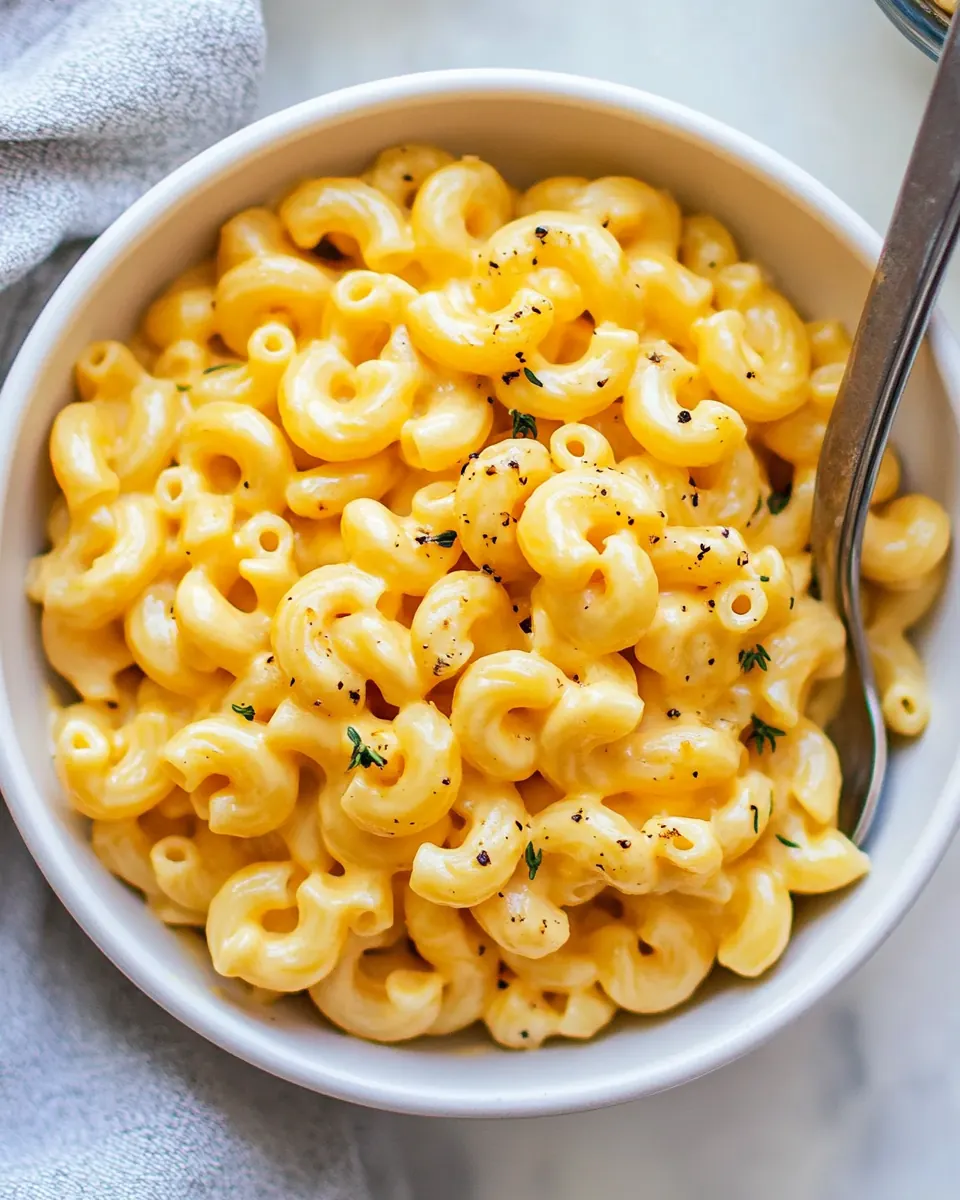
I like to think of adjustments as small decisions that shape the final bowl. Below are practical tips I use when I need a creamier, stretchier, or more textured result.
- Room temperature milk helps the sauce come together without lumps, so remove the milk from the fridge a few minutes before you start.
- Freshly shred cheese to avoid anti caking agents found on pre shredded bags, which can prevent a smooth melt.
- Whisk continuously when adding milk to the roux to achieve a silky base; it prevents grainy bits and ensures even thickening.
- Adjust the thickness by adding warm milk a tablespoon at a time if the sauce becomes too thick after adding the pasta.
- Control salt by seasoning at the end, since the cheese adds variable saltiness depending on the brand.
Serving This Stovetop Mac and Cheese
This dish is versatile and welcoming, perfect for simple weeknights or as a side on special occasions. Serve it hot and fresh to showcase the creamy texture, and consider small finishing touches for contrast.
- Weeknight dinner Serve a generous scoop of Stovetop Mac and Cheese as a cozy main, paired with a simple green salad for balance.
- Family gatherings Put the pot on the table and let everyone garnish their bowl with extra shredded cheese or crushed crackers for texture.
- Comfort food for winter This recipe shines in colder months, offering warm, satisfying flavors that soothe and satisfy.
- Leftover storage Refrigerate in an airtight container for up to three days, and reheat gently over low heat with a splash of milk to restore creaminess.
- Presentation tip Serve in warm bowls so the sauce stays fluid longer on the table.
FAQ
Conclusion
Stovetop Mac and Cheese stands out because of its straightforward technique and reliably creamy, cheesy result. The interplay of a pale roux, warm milk, and freshly shredded sharp cheddar creates a sauce that clings beautifully to elbow macaroni and comforts every eater at the table. I encourage you to give this version a try on a busy weeknight or whenever you need a simple, satisfying meal; it rewards small attentions like room temperature milk and freshly shredded cheese with a noticeably better texture and flavor. Serve it hot, enjoy the warmth, and let the uncomplicated pleasure of a well made bowl of mac and cheese bring everyone together.

Stovetop Mac and Cheese
Equipment
- Large Pot
- Colander
- Whisk
- Wooden Spoon
Ingredients
- 12 oz large elbow macaroni Cook until al dente and serve as the pasta base that absorbs the cheese sauce and provides structure to the dish, offering a tender yet slightly firm bite when properly boiled. Combine with the sauce immediately after draining to ensure even coating and prevent sticking.
- 4 tablespoons unsalted butter Melt gently to create a rich fat component that helps build the roux and adds a silky mouthfeel to the sauce; use unsalted butter to better control seasoning levels. Add early in the process so it can foam and mix evenly with the flour for thickening.
- 4 tablespoons all-purpose flour Whisk into melted butter to form a roux that thickens the milk and creates a smooth, stable sauce; cook briefly to eliminate raw flour taste. Measure accurately to achieve the desired sauce consistency without lumping.
- 1/2 teaspoon ground mustard Sprinkle into the roux or sauce to add a subtle tang and depth, enhancing the cheese flavor without overwhelming it; use sparingly to avoid bitterness. Dissolve thoroughly for even flavor distribution throughout the sauce.
- 2 whole cups milk, at room temperature Warm gently and whisk into the roux to build the béchamel-like base that becomes the cheese sauce; room-temperature milk incorporates more smoothly and reduces clumping. Adjust heat and whisk continuously to prevent scorching and to maintain a silky texture.
- 3 cups shredded sharp cheddar cheese Stir in gradually off the heat to melt evenly and create a creamy, flavorful sauce; sharp cheddar contributes a pronounced cheesy tang and smooth mouthfeel when melted properly. Grate freshly for best melting properties and flavor intensity.
- Kosher salt and freshly ground black pepper, to taste Season sparingly to balance flavors and enhance the overall taste profile; kosher salt seasons more predictably while freshly ground black pepper adds a bright, piquant finish. Taste as you go since dairy and cheese already contribute saltiness.
- For serving: extra shredded cheese and crushed saltine crackers, optional Garnish optionally to add extra texture and visual appeal, with additional shredded cheese for gooeyness and crushed saltine crackers for a crunchy topping contrast. Offer on the side so diners can customize their preferred level of crispness and cheesiness.
Instructions
- Bring a large pot of salted water to a boil. Add the pasta and cook it just until al dente, according to package instructions. Drain the pasta set aside.: The first sign you are on track is the water at a rolling boil, sending up large, lively bubbles and a faint steam. When you add the macaroni , the pot will quiet for a moment before the surface action resumes. As the pasta cooks, you will see the shapes swell and the water cloud slightly with starch. Taste a piece near the lower end of the package time to confirm it is al dente, tender on the outside but with a slight bite in the center. Drain immediately when done, and give it a quick shake in the colander to remove excess water, because watery pasta can thin the sauce. A common mistake is overcooking leading to mushy texture, so set a timer and taste early if unsure.
- While the pasta is cooking, melt the butter over medium heat in a large pot. Turn the heat to low and whisk in the flour and ground mustard to create a paste. Whisk in milk until smooth. Turn the heat to medium and whisk until the sauce starts to thicken, about 2 minutes.: You will hear a gentle sizzle as the unsalted butter softens and then becomes glossy and slightly foamy. Keep the heat steady so the butter melts evenly without browning, which would add a nutty note you do not want here. Use a spatula to move it around the pot so it melts uniformly. If the butter starts to brown, lower the heat immediately because the roux needs a pale, neutral base. Browned butter can shift the sauce flavor unexpectedly.
- Stir in the shredded cheese until the cheese is melted and the sauce is smooth.: As you add the all purpose flour to the melted butter , whisk constantly to form a smooth paste, watching for the raw flour smell to mellow. The texture should be like a thick, tacky paste that clings to the whisk rather than a loose batter. Add the ground mustard now so it toasts slightly and releases its scent, which brightens the future sauce. If lumps form, keep whisking on low heat; the goal is a cohesion that will absorb the milk without clumping. The frequent issue at this point is rushing, which leads to a lumpy base, so take your time and keep the whisk moving.
- Add the drained pasta and stir until well coated with the cheese sauce. Season with salt and black pepper, to taste. Garnish with a little shredded cheese and crushed saltine crackers, if desired. Serve immediately.: Pour the room temperature milk in gradually while whisking energetically so the roux accepts it seamlessly and the mixture becomes glossy. As the sauce warms, you will notice it shift from thin to velvety, leaving a soft trail on the whisk. Bring it up to medium heat and keep whisking; within about 2 minutes you should feel the sauce gain body, coating the back of a spoon. The aroma will become rich and inviting, and you should see small steam wisps. If the sauce boils hard, it can break or scorch, so maintain a gentle simmer. A typical mistake is pouring in cold milk too quickly, which can create lumps.
- Stir in the shredded cheese until the cheese is melted and the sauce is smooth.: As you add the shredded sharp cheddar cheese in handfuls and stir, the sauce will go from glossy white to a warm, golden hue, and you will hear a soft settling sound as the cheese melts. Keep the heat low to medium so the cheese melds without seizing up or becoming grainy. Stir patiently until you achieve a homogenous, silky texture. If the sauce looks oily or separated, remove it from direct heat and whisk in a splash of warm milk to bring it back together. Overheating is the main culprit for a grainy cheese sauce, so watch the temperature closely.
- Add the drained pasta and stir until well coated with the cheese sauce.: When you fold the drained macaroni into the sauce, listen for a gentle coating sound and watch as each elbow becomes glossy and enveloped. The visual cue is a uniform sheen over the pasta without puddles of thin liquid at the bottom of the pot. Taste and season with kosher salt and freshly ground black pepper sparingly until the balance feels right. If the sauce seems too thick, stir in a little warm milk to reach the texture you prefer. A common oversight is under seasoning, so taste before serving.
- Season with salt and black pepper, to taste. Garnish with a little shredded cheese and crushed saltine crackers, if desired. Serve immediately.: The finishing touches elevate the dish visually and texturally. Freshly ground black pepper adds a warm aromatic lift, while extra shredded cheese melts on top and crushed saltine crackers give a delightful crunch. Serve right away while the sauce is still creamy and warm, because the texture changes as it cools. The biggest mistake here is letting it sit too long, which can cause the sauce to thicken and clump; if that happens, rewarm gently with a splash of milk and stir until smooth.
Notes
- Room temperature milk helps the sauce come together without lumps, so remove the milk from the fridge a few minutes before you start.
- Freshly shred cheese to avoid anti caking agents found on pre shredded bags, which can prevent a smooth melt.
- Whisk continuously when adding milk to the roux to achieve a silky base; it prevents grainy bits and ensures even thickening.
- Adjust the thickness by adding warm milk a tablespoon at a time if the sauce becomes too thick after adding the pasta.
- Control salt by seasoning at the end, since the cheese adds variable saltiness depending on the brand.
