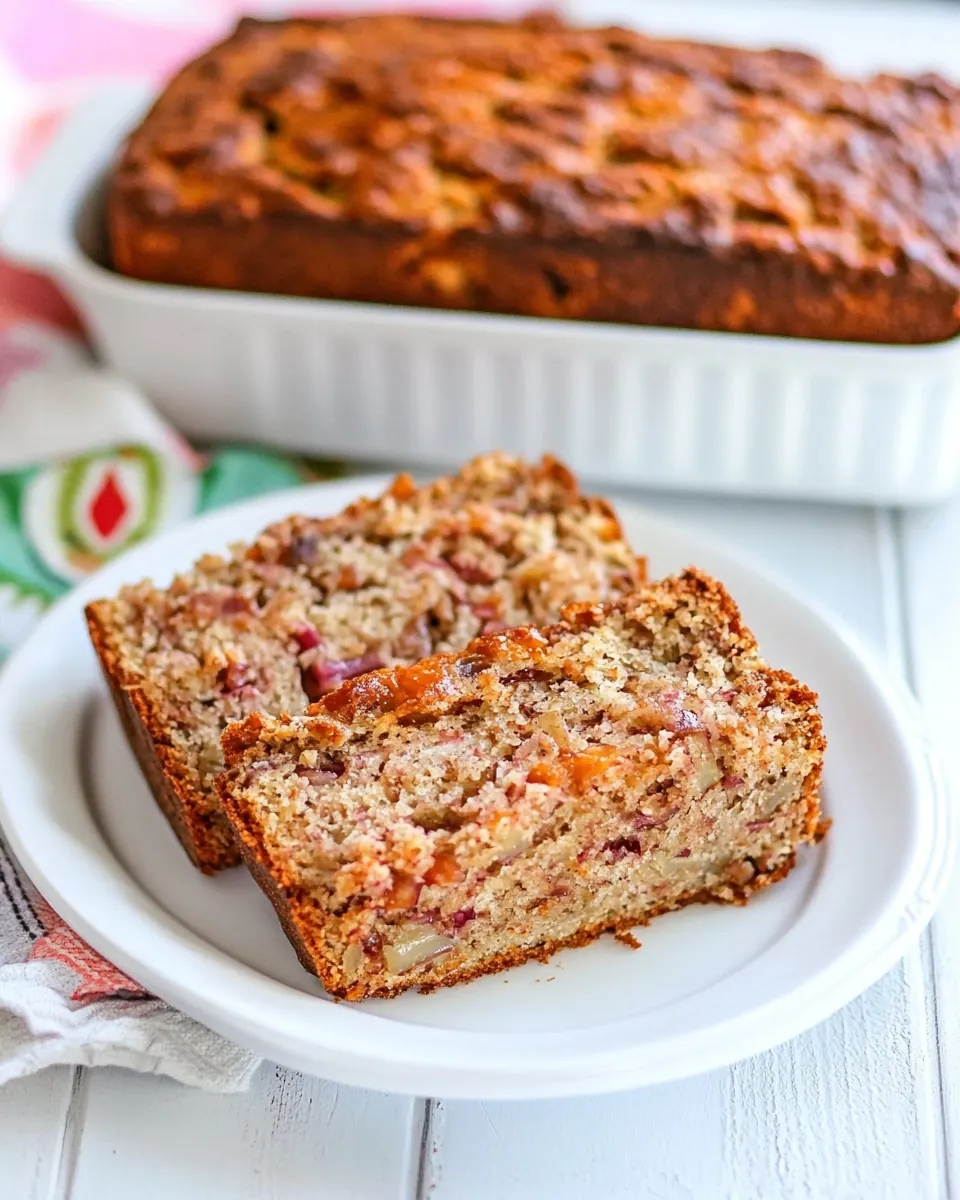
Mrs Proctors Rhubarb Bread
Mrs Proctors Rhubarb Bread is one of those loaves that carries a family name and a thousand small memories in its crumb, and I still remember the first time I sliced into it at my grandmother’s kitchen table.
I was a reluctant teenager then, more interested in music than baking, but the tart, grassy scent of rhubarb baking with warm spices changed my mind in a single afternoon. The loaf arrived wrapped in a kitchen towel, steam still whispering from the crust, and we tore into it with buttered fingers while my aunt told stories that felt larger than life. From that day on, this bread meant company, slow conversation, and the comfy ritual of tea in mismatched cups.
Years later, I adapted the recipe, keeping the heart of it intact while nudging textures and balances to suit modern tastes. I learned to trust small adjustments, because a bit less sugar or a touch more buttermilk can coax out brighter rhubarb notes, and the chopped nuts give the loaf a satisfying snap against a tender crumb. I love how the loaf folds tart and sweet together, and how a simple topping turns it into something celebratory without fuss.
Recipe Snapshot
50 mins
10 mins
40 mins
Medium
200 kcal
American
Gluten-Free, Low FODMAP
Desserts
Loaf pans, Wire rack, Mixing bowls, Spatula
Why This Mrs Proctors Rhubarb Bread Is a Winner
Comforting, familiar flavor
I always reach for Mrs Proctors Rhubarb Bread when I want a flavor that feels like home. The combination of tart rhubarb and both brown and granulated sugar gives a layered sweetness that is never cloying. When I bake it, the kitchen fills with a scent that is nostalgic and grounding, and people immediately slow down to taste.
Textural contrast that matters
One thing I adore is the interplay between soft crumb and crunchy elements. The loaf stays tender thanks to the buttermilk and vegetable oil, while the chopped nuts add a welcome bite. That contrast is what keeps a slice interesting across multiple helpings, and I often find guests commenting on it before dessert arrives.
Simple, dependable technique
This recipe relies on straightforward mixing rather than elaborate techniques, and that is a huge plus for busy afternoon bakers. I can explain the steps once, and even novice bakers catch the right visual cues quickly, like batter that looks just glossy enough or rhubarb pieces that are evenly distributed. That reliability makes it a go to for last minute company.
Flexible and forgiving
I appreciate how forgiving Mrs Proctors Rhubarb Bread is. If your rhubarb pieces are slightly larger, or if your loaf takes an extra five to ten minutes in the oven, the result is still excellent. That margin of error means I can bake while juggling other parts of a meal, and still serve a loaf that impresses.
Seasonal showstopper
Because rhubarb shines in spring, this bread marks the change of seasons on my table. I serve it when the garden starts waking up, and its bright notes pair well with strong tea and light conversation. It is a small seasonal celebration in loaf form, and I keep a recipe card for it in the front of my binder for easy access.
Everything You Need for Mrs Proctors Rhubarb Bread
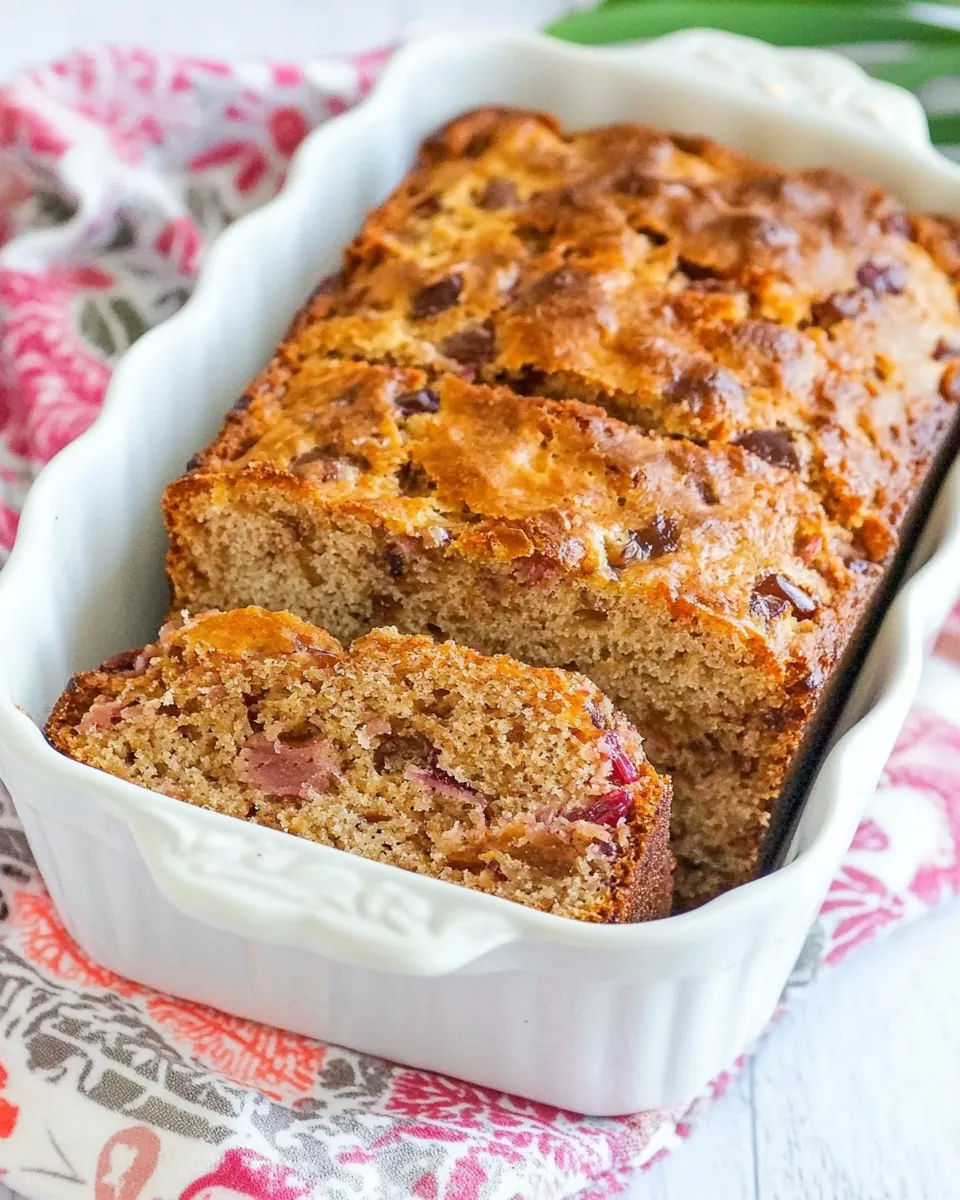
These ingredients work together to create a loaf that is tender, slightly tangy, and warmly spiced. The wet elements keep the crumb moist while the dry ingredients give structure. The rhubarb is the star, lending brightness that balances the sugars. The chopped nuts and the small buttery topping contribute texture and a toasted finish.
- 1 1/2 cups brown sugar: Provides deep molasses-like sweetness and moistness to the bread, helping with a rich flavor profile while caramelizing during baking. Acts as a tenderizer by contributing to the batter's moisture and improves overall crumb texture. Balances tartness from rhubarb when combined with granulated sugar.
- 2/3 cup vegetable oil: Adds neutral fat that tenderizes the crumb and promotes a moist, soft texture throughout the loaf. Helps dissolve and evenly distribute flavorings and sugars within the batter, improving mouthfeel. Contributes to shelf life by retaining moisture in the finished bread.
- 1 egg: Binds ingredients together and provides structure through coagulation when heated, resulting in a more cohesive crumb. Adds richness and helps leavening agents set the batter, contributing to overall rise. Enhances moisture and contributes a subtle savory balance to the sweet elements.
- 1 cup buttermilk: Delivers a tangy acidic component that reacts with baking soda for leavening and produces a tender crumb. Adds moisture and a slight tang that complements the rhubarb's tartness and brown sugar's depth. Helps achieve a finer texture by thinning the batter for even mixing.
- 1 teaspoon vanilla: Imparts a sweet aromatic note that rounds out flavors and enhances the perception of sweetness. Works compatibly with spices and fruit to elevate the overall aroma of the bread. Small quantities are effective at bringing out other ingredients without overpowering them.
- 2 1/2 cups all-purpose flour: Forms the bulk of the dry structure, providing gluten that gives the loaf its framework when mixed and baked. Works with liquids and leaveners to determine texture, density, and chewiness of the final bread. Also contributes to browning and helps absorb moisture from the other ingredients.
- 1 teaspoon baking soda: Acts as a leavening agent when combined with acidic components like buttermilk, producing carbon dioxide for lift. Helps create a lighter, airier crumb and prevents overly dense texture. Also subtly influences flavor when activated.
- 1 teaspoon salt: Balances and enhances the other flavors while strengthening gluten development and controlling fermentation. Helps regulate the perception of sweetness and sharpness from acidic ingredients. Provides a baseline savory note that makes flavors taste more rounded.
- 1 1/2 cups finely diced rhubarb: Introduces bright tartness and fresh texture that contrasts with the sweetness of the batter, providing essential fruity flavor. Releases moisture during baking that helps keep the bread tender and adds natural acidity for leavening interaction. Finely dicing ensures even distribution through the loaf.
- 1/2 cups chopped nuts: Contributes crunchy texture and a toasty, nutty flavor that contrasts with the soft crumb and tart rhubarb. Provides additional fat and protein which can slightly enrich the batter and improve mouthfeel. Chopping to consistent size ensures even distribution and pleasant bites.
- 1/2 cup sugar: Supplies quick, pure sweetness that helps balance the natural tartness of rhubarb and deep flavors from brown sugar. Aids in browning and tenderizing the crumb while ensuring the loaf has a pleasing sweet profile. Helps stabilize structure by interacting with moisture.
- 1/2 teaspoon cinnamon: Adds warm, sweet-spicy complexity that complements brown sugar and rhubarb while enhancing overall aroma. Works in small amounts to deepen flavor without overwhelming delicate fruit notes. Blends smoothly into the batter for even spice distribution.
- 1 tablespoon melted butter: Provides a finishing richness and a silky mouthfeel when melted into batter or brushed on top for a slight gloss. Adds buttery flavor that rounds out sweetness and improves perceived moisture. Small amount contributes to tender crumb and enhanced browning.
Mrs Proctors Rhubarb Bread Instructions
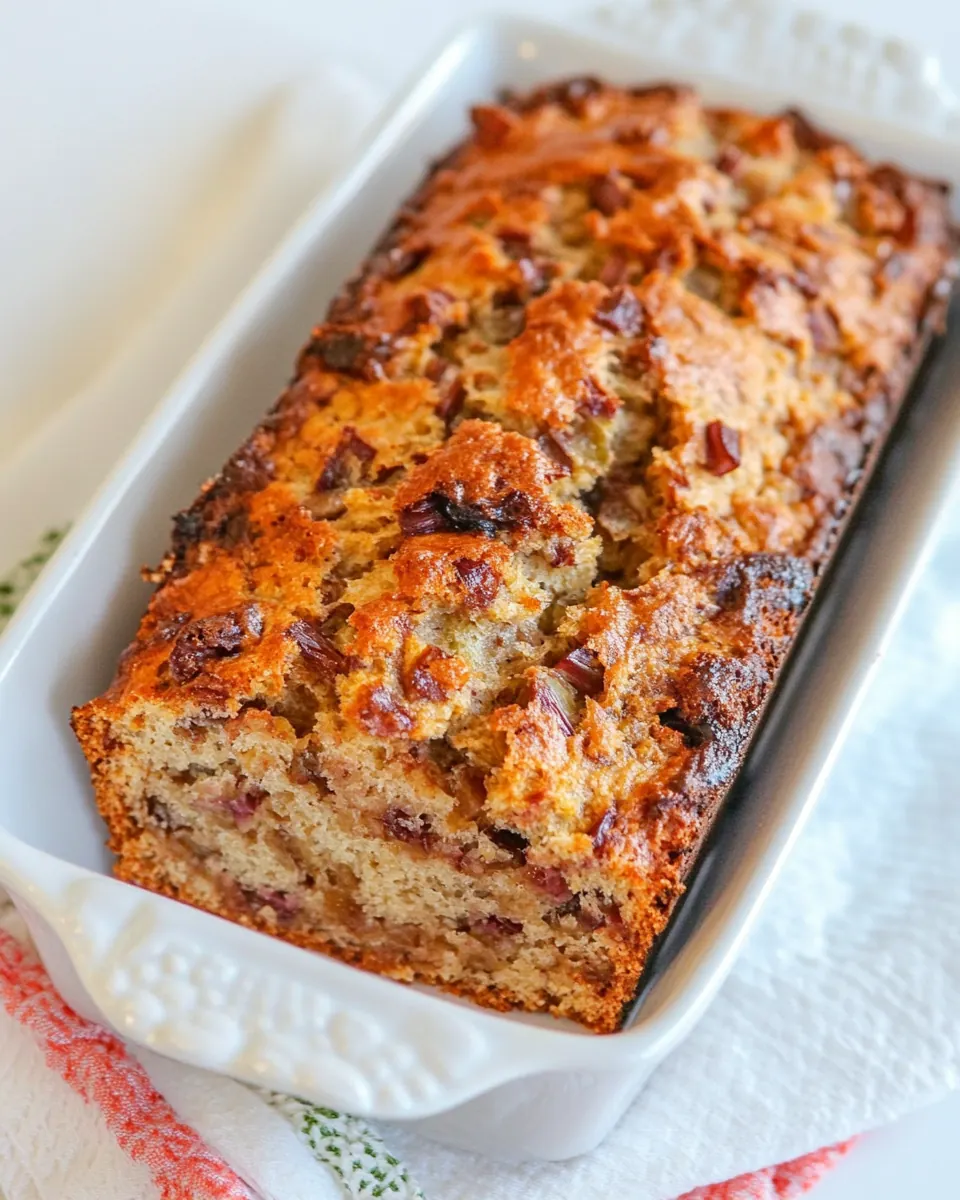
I like to walk through the steps as if we were standing side by side in the kitchen, because the sensory details make the difference between an okay loaf and a memorable one. Keep your tools handy and observe the visual and aromatic cues at each stage. Expect a calm, steady rhythm rather than rushing, and pay attention to how the batter looks and feels.
- Preheat oven to 325°F. Generously grease two loaf pans.: The first warm breath of the oven is important because it sets the stage for even rise and crust formation. You should hear a soft hum as the oven reaches temperature, and when you open the oven door briefly you will feel the dry heat. I always grease pans thoroughly and sometimes dust them lightly with flour, because sticking ruins the loaf s base when you remove it. A common mistake is preheating too late, which can delay proper oven spring and produce a denser loaf, so start the oven before mixing.
- Combine brown sugar and vegetable oil.: When these two meet you ll notice the brown sugar absorbing the oil and becoming glossy, almost paste like, which helps distribute sweetness and moisture evenly through the batter. Use a whisk or spatula to get a uniform mixture, scraping the bowl sides so no pockets remain. If you see dry sugar clumps, keep stirring until the texture is smooth, because unmixed sugar can cause uneven sweetness and texture in the final loaf.
- Stir in egg, buttermilk, and vanilla.: As the wet ingredients fold in the mixture will loosen and take on a slightly silky sheen, and the aroma will shift toward a richer, rounded scent thanks to the vanilla . The buttermilk will thin the oil sugar paste into a pourable batter. Avoid vigorous beating, which can develop too much gluten and toughen the crumb, so gently incorporate until homogeneous.
- Sift the dry ingredients together.: Sifting the all purpose flour , baking soda , salt , and any spices aerates them and removes lumps, giving a finer texture that contributes to a tender crumb. You should see a light, powdery cascade into the bowl and smell the faint wheat and spice notes. If you skip sifting, you risk pockets of leavener or spices, which cause uneven rise or flavor pockets, so I always take this small step.
- Add sifted dry ingredients to the wet ingredients. Stir to combine.: As you fold the dry into the wet, the batter will thicken and take on a cohesive sheen. Use a rubber spatula with wide strokes to avoid overmixing; the goal is just combined with no visible streaks of flour. If you see long strands or feel resistance, stop mixing, because overworked batter produces a tight, chewy crumb instead of a tender loaf.
- Stir in rhubarb and nuts.: The moment you fold in the rhubarb and chopped nuts , you ll see bright flecks of fruit and little toasted bits distributed through the batter. This is when the loaf begins to promise texture and tartness. Coat the pieces evenly to prevent them from sinking during baking. A common error is adding too much fruit without adjusting dry ingredients, which can make the center overly moist and underbaked.
- Pour the mixture into the prepared loaf pans.: Pouring should be steady and deliberate so the batter settles without trapping large air pockets. Tap the pans gently on the counter a few times to level the surface and release any large bubbles, and you may see tiny ripples settle. If the batter is oddly lumpy at this stage, it likely indicates uneven mixing earlier, and you should smooth the top gently with a spatula.
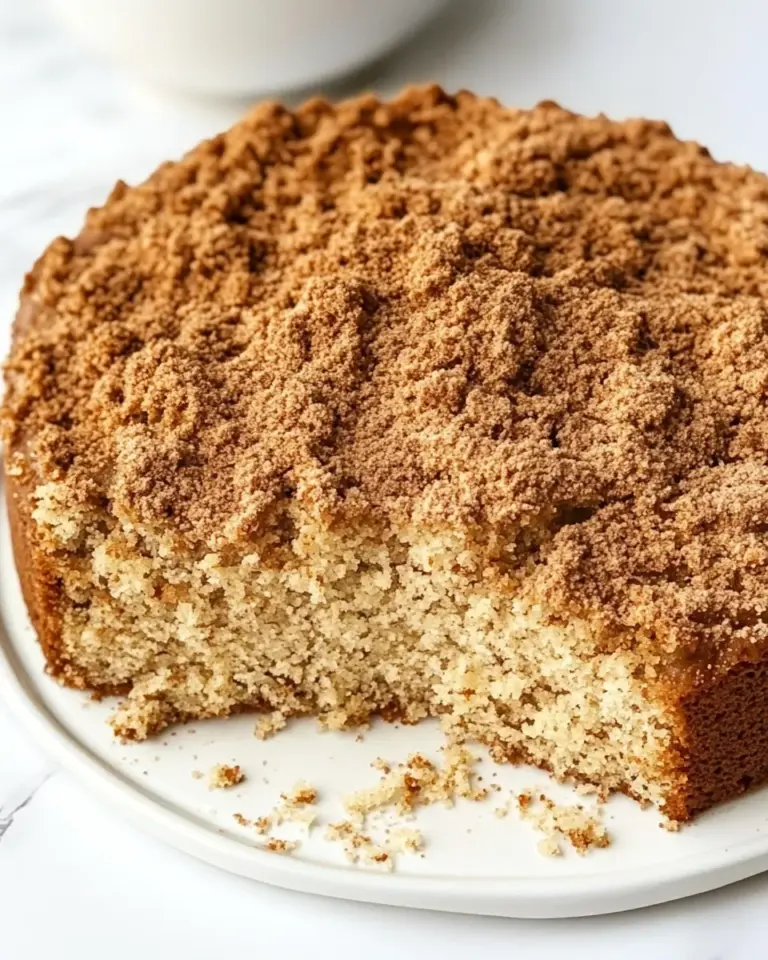
- Combine topping ingredients and sprinkle on top.: When you mix the butter , sugar , and cinnamon for the topping it should become crumbly and fragrant, with a slightly glossy sheen from the butter. Sprinkle evenly to create a golden, caramelized cap. If the topping is overly wet, it may sink and create sogginess, so aim for a scattering that sits on the batter without dissolving.
- Bake for about 40 minutes. Do not over-bake.: In the oven you ll notice the loaf s aroma intensify and the top color deepen to a warm brown. The sound is a gentle hush rather than a sizzle. Check doneness by inserting a toothpick in the center; it should come out with a few moist crumbs but not raw batter. Over baking dries the crumb and mutes the bright rhubarb notes, so trust the visual cues and do brief checks toward the end of the window.
- Remove the bread from pans after two or three minutes and cool the bread on a wire rack.: Allowing the loaves to rest briefly in the pan helps them set so they won t break apart, and transferring them to a wire rack prevents the bottoms from steaming and becoming soggy. You ll see wisps of steam subside and the crust firm up as it cools. Cutting too soon is the typical misstep; wait until the crumb has relaxed, and the slices will be neat and not gummy.
Change It Up
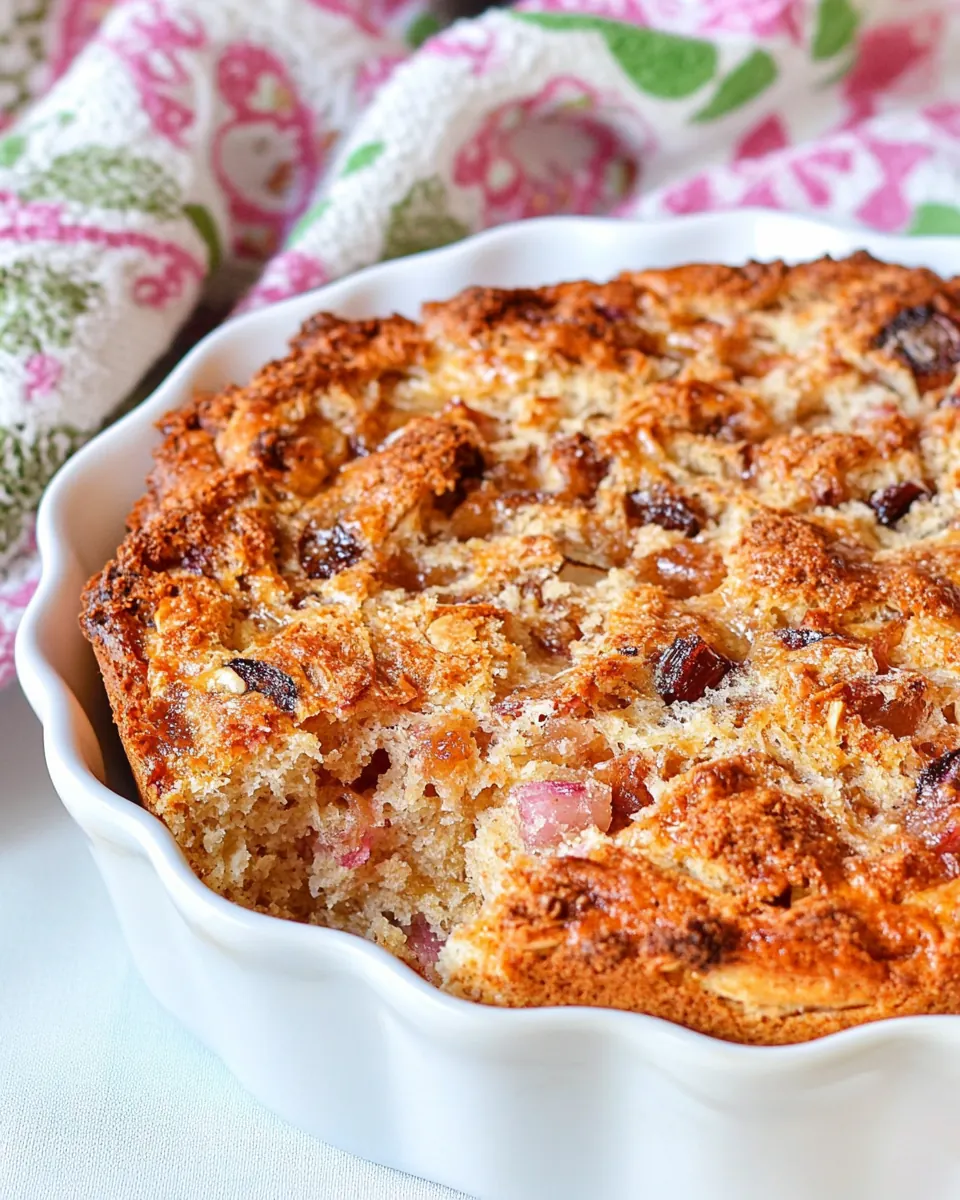
I like to offer concrete ways to vary this loaf without losing its identity. Below are several tested ideas you can use to change texture, flavor, or presentation while keeping the soul of Mrs Proctors Rhubarb Bread.
- Swap nuts thoughtfully – Try different chopped nuts such as walnuts or pecans for a slightly different toasty note, and toast them briefly before adding to deepen their flavor.
- Adjust sugar level – Reduce the granulated sugar by a small amount if your rhubarb is particularly sweet, keeping the balance between tart and sweet intact.
- Make it single loaf – If you prefer one larger loaf rather than two smaller ones, increase baking time modestly and test doneness with a skewer to avoid an undercooked center.
- Use yogurt for tang – If you don t have buttermilk, plain yogurt thinned with a touch of water can provide similar acidity and tenderness.
- Toast the topping – After baking, place the loaves under a hot broiler briefly to deepen the topping s color, watching closely so it does not burn.
What Complements This Mrs Proctors Rhubarb Bread
This loaf pairs well with simple accompaniments and suits many occasions. Below I outline serving ideas, storage tips, and when I like to bring this bread out of the oven. Use the list to build a small spread or to plan leftovers.
- Serve with tea or coffee – A warm cup of black tea or a medium roast coffee balances the loaf s sweet tartness and makes it an ideal choice for brunch or an afternoon gathering.
- Breakfast spread – Slice the bread and offer it alongside fruit preserves and softened butter for a relaxed morning meal that s easy to assemble.
- Seasonal occasions – Because rhubarb is a spring ingredient, this loaf is perfect for garden teas, spring brunches, or welcoming seasonal guests over.
- Storage tips – Keep the loaf wrapped at room temperature for two days, or refrigerate for up to five days to preserve freshness. For longer storage, freeze slices wrapped tightly for up to three months.
- Small dinner party dessert – Serve thin slices after a light dinner with a dollop of lightly sweetened whipped cream for a simple, crowd pleasing finish.
- Pack for picnics – The loaf transports well; wrap slices in parchment and place in a sturdy container to keep them from getting squashed.
FAQ
Conclusion
Mrs Proctors Rhubarb Bread stands out for its bright rhubarb notes, tender crumb, and simple, approachable technique. It s the kind of loaf that bridges everyday baking and special moments, offering texture from chopped nuts and a balanced sweetness that keeps people reaching for seconds. I encourage you to give it a try, savoring the small seasonal flavor of rhubarb and enjoying how a humble loaf can bring people together. Bake it for a casual weekend brunch or a welcoming afternoon tea, and notice how its aroma and texture make even ordinary moments feel a bit celebratory.
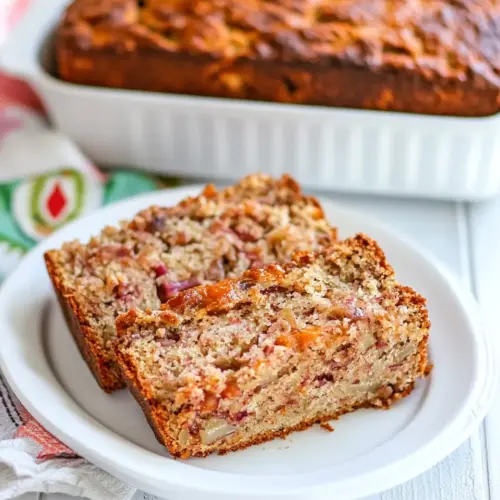
Mrs Proctors Rhubarb Bread
Equipment
- Loaf pans
- Wire Rack
- Mixing Bowls
- Spatula
Ingredients
- 1 1/2 cups brown sugar Provides deep molasses-like sweetness and moistness to the bread, helping with a rich flavor profile while caramelizing during baking. Acts as a tenderizer by contributing to the batter's moisture and improves overall crumb texture. Balances tartness from rhubarb when combined with granulated sugar.
- 2/3 cup vegetable oil Adds neutral fat that tenderizes the crumb and promotes a moist, soft texture throughout the loaf. Helps dissolve and evenly distribute flavorings and sugars within the batter, improving mouthfeel. Contributes to shelf life by retaining moisture in the finished bread.
- 1 egg Binds ingredients together and provides structure through coagulation when heated, resulting in a more cohesive crumb. Adds richness and helps leavening agents set the batter, contributing to overall rise. Enhances moisture and contributes a subtle savory balance to the sweet elements.
- 1 cup buttermilk Delivers a tangy acidic component that reacts with baking soda for leavening and produces a tender crumb. Adds moisture and a slight tang that complements the rhubarb's tartness and brown sugar's depth. Helps achieve a finer texture by thinning the batter for even mixing.
- 1 teaspoon vanilla Imparts a sweet aromatic note that rounds out flavors and enhances the perception of sweetness. Works compatibly with spices and fruit to elevate the overall aroma of the bread. Small quantities are effective at bringing out other ingredients without overpowering them.
- 2 1/2 cups all-purpose flour Forms the bulk of the dry structure, providing gluten that gives the loaf its framework when mixed and baked. Works with liquids and leaveners to determine texture, density, and chewiness of the final bread. Also contributes to browning and helps absorb moisture from the other ingredients.
- 1 teaspoon baking soda Acts as a leavening agent when combined with acidic components like buttermilk, producing carbon dioxide for lift. Helps create a lighter, airier crumb and prevents overly dense texture. Also subtly influences flavor when activated.
- 1 teaspoon salt Balances and enhances the other flavors while strengthening gluten development and controlling fermentation. Helps regulate the perception of sweetness and sharpness from acidic ingredients. Provides a baseline savory note that makes flavors taste more rounded.
- 1 1/2 cups finely diced rhubarb Introduces bright tartness and fresh texture that contrasts with the sweetness of the batter, providing essential fruity flavor. Releases moisture during baking that helps keep the bread tender and adds natural acidity for leavening interaction. Finely dicing ensures even distribution through the loaf.
- 1/2 cups chopped nuts Contributes crunchy texture and a toasty, nutty flavor that contrasts with the soft crumb and tart rhubarb. Provides additional fat and protein which can slightly enrich the batter and improve mouthfeel. Chopping to consistent size ensures even distribution and pleasant bites.
- 1/2 cup sugar Supplies quick, pure sweetness that helps balance the natural tartness of rhubarb and deep flavors from brown sugar. Aids in browning and tenderizing the crumb while ensuring the loaf has a pleasing sweet profile. Helps stabilize structure by interacting with moisture.
- 1/2 teaspoon cinnamon Adds warm, sweet-spicy complexity that complements brown sugar and rhubarb while enhancing overall aroma. Works in small amounts to deepen flavor without overwhelming delicate fruit notes. Blends smoothly into the batter for even spice distribution.
- 1 tablespoon melted butter Provides a finishing richness and a silky mouthfeel when melted into batter or brushed on top for a slight gloss. Adds buttery flavor that rounds out sweetness and improves perceived moisture. Small amount contributes to tender crumb and enhanced browning.
Instructions
- Preheat oven to 325°F. Generously grease two loaf pans.: The first warm breath of the oven is important because it sets the stage for even rise and crust formation. You should hear a soft hum as the oven reaches temperature, and when you open the oven door briefly you will feel the dry heat. I always grease pans thoroughly and sometimes dust them lightly with flour, because sticking ruins the loaf s base when you remove it. A common mistake is preheating too late, which can delay proper oven spring and produce a denser loaf, so start the oven before mixing.
- Combine brown sugar and vegetable oil.: When these two meet you ll notice the brown sugar absorbing the oil and becoming glossy, almost paste like, which helps distribute sweetness and moisture evenly through the batter. Use a whisk or spatula to get a uniform mixture, scraping the bowl sides so no pockets remain. If you see dry sugar clumps, keep stirring until the texture is smooth, because unmixed sugar can cause uneven sweetness and texture in the final loaf.
- Stir in egg, buttermilk, and vanilla.: As the wet ingredients fold in the mixture will loosen and take on a slightly silky sheen, and the aroma will shift toward a richer, rounded scent thanks to the vanilla . The buttermilk will thin the oil sugar paste into a pourable batter. Avoid vigorous beating, which can develop too much gluten and toughen the crumb, so gently incorporate until homogeneous.
- Sift the dry ingredients together.: Sifting the all purpose flour , baking soda , salt , and any spices aerates them and removes lumps, giving a finer texture that contributes to a tender crumb. You should see a light, powdery cascade into the bowl and smell the faint wheat and spice notes. If you skip sifting, you risk pockets of leavener or spices, which cause uneven rise or flavor pockets, so I always take this small step.
- Add sifted dry ingredients to the wet ingredients. Stir to combine.: As you fold the dry into the wet, the batter will thicken and take on a cohesive sheen. Use a rubber spatula with wide strokes to avoid overmixing; the goal is just combined with no visible streaks of flour. If you see long strands or feel resistance, stop mixing, because overworked batter produces a tight, chewy crumb instead of a tender loaf.
- Stir in rhubarb and nuts.: The moment you fold in the rhubarb and chopped nuts , you ll see bright flecks of fruit and little toasted bits distributed through the batter. This is when the loaf begins to promise texture and tartness. Coat the pieces evenly to prevent them from sinking during baking. A common error is adding too much fruit without adjusting dry ingredients, which can make the center overly moist and underbaked.
- Pour the mixture into the prepared loaf pans.: Pouring should be steady and deliberate so the batter settles without trapping large air pockets. Tap the pans gently on the counter a few times to level the surface and release any large bubbles, and you may see tiny ripples settle. If the batter is oddly lumpy at this stage, it likely indicates uneven mixing earlier, and you should smooth the top gently with a spatula.
- Combine topping ingredients and sprinkle on top.: When you mix the butter , sugar , and cinnamon for the topping it should become crumbly and fragrant, with a slightly glossy sheen from the butter. Sprinkle evenly to create a golden, caramelized cap. If the topping is overly wet, it may sink and create sogginess, so aim for a scattering that sits on the batter without dissolving.
- Bake for about 40 minutes. Do not over-bake.: In the oven you ll notice the loaf s aroma intensify and the top color deepen to a warm brown. The sound is a gentle hush rather than a sizzle. Check doneness by inserting a toothpick in the center; it should come out with a few moist crumbs but not raw batter. Over baking dries the crumb and mutes the bright rhubarb notes, so trust the visual cues and do brief checks toward the end of the window.
- Remove the bread from pans after two or three minutes and cool the bread on a wire rack.: Allowing the loaves to rest briefly in the pan helps them set so they won t break apart, and transferring them to a wire rack prevents the bottoms from steaming and becoming soggy. You ll see wisps of steam subside and the crust firm up as it cools. Cutting too soon is the typical misstep; wait until the crumb has relaxed, and the slices will be neat and not gummy.
Notes
- Swap nuts thoughtfully - Try different chopped nuts such as walnuts or pecans for a slightly different toasty note, and toast them briefly before adding to deepen their flavor.
- Adjust sugar level - Reduce the granulated sugar by a small amount if your rhubarb is particularly sweet, keeping the balance between tart and sweet intact.
- Make it single loaf - If you prefer one larger loaf rather than two smaller ones, increase baking time modestly and test doneness with a skewer to avoid an undercooked center.
- Use yogurt for tang - If you don t have buttermilk, plain yogurt thinned with a touch of water can provide similar acidity and tenderness.
- Toast the topping - After baking, place the loaves under a hot broiler briefly to deepen the topping s color, watching closely so it does not burn.