Eggnog Teacakes
Eggnog Teacakes are a nostalgic treat I reach for when the house smells like cinnamon and the calendar leans toward cozy evenings. I remember the first time I baked these, a storm rattling the windows while I measured out flour and butter, and the tiny kitchen felt warm and festive. That first batch taught me how quiet rituals, like folding in spice-scented dry ingredients, can transform a simple baking session into a ritual worth repeating.
Over the years, these cookies became my go-to for holiday gatherings and for afternoons when I needed something to pair with a steaming mug. I love how the tender crumb of each teacake contrasts with the sweet, slightly spiced glaze made with egg nog. Friends have told me these bring back childhood flavors, and I take that as a compliment to the straightforward ingredients and careful technique. Baking them has given me chances to experiment with chilling times, sprinkle choices, and the exact balance of nutmeg and cinnamon.
Recipe Snapshot
38 mins
20 mins
18 mins
Medium
150 kcal
American
Gluten-Free, Low FODMAP
Desserts
Stand Mixer Fitted with a Paddle Attachment, Medium Bowls, Baking Sheet
What’s Great About This Eggnog Teacakes
Comforting, familiar flavors
One reason I adore Eggnog Teacakes is the way the spices echo seasonal memories. The blend of ground cinnamon and ground nutmeg is familiar without being overpowering, creating a warm profile that feels like a hug on a plate.
Simple ingredients, big payoff
I appreciate recipes that rely on pantry staples. With all-purpose flour, unsalted butter, and a bit of confectioners’ sugar, you get bakery-level results at home. These ingredients work together to produce a soft interior and a tender exterior.
Make ahead friendly
Chilling the dough means you can prepare these teacakes well in advance. I often shape the dough the night before and bake the following day. It makes holiday hosting far less frantic, and the texture actually improves with resting time.
Perfect for decorating
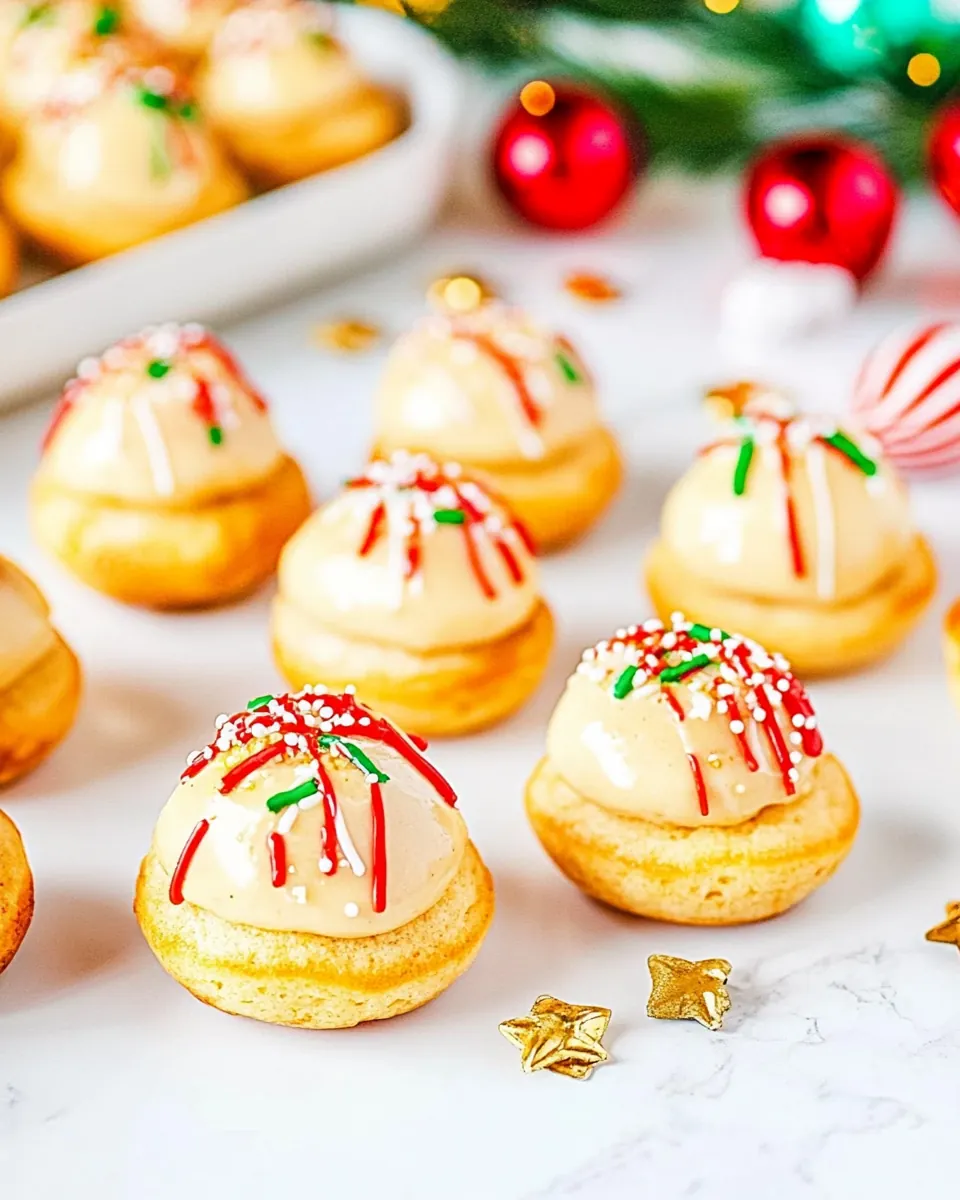
I love that the glaze provides a canvas. A light drizzle of the eggnog glaze sets up just enough to hold Christmas sprinkles, giving each cookie personality. You can keep them understated or go full festive, depending on the occasion.
Kid friendly process
These are fun to make with kids because rolling dough into balls and adding sprinkles is tactile and satisfying. I find that they learn measuring basics and patience while waiting for the glaze to set. The reward is immediate, and the smiles are real.
Essential Ingredients for Eggnog Teacakes
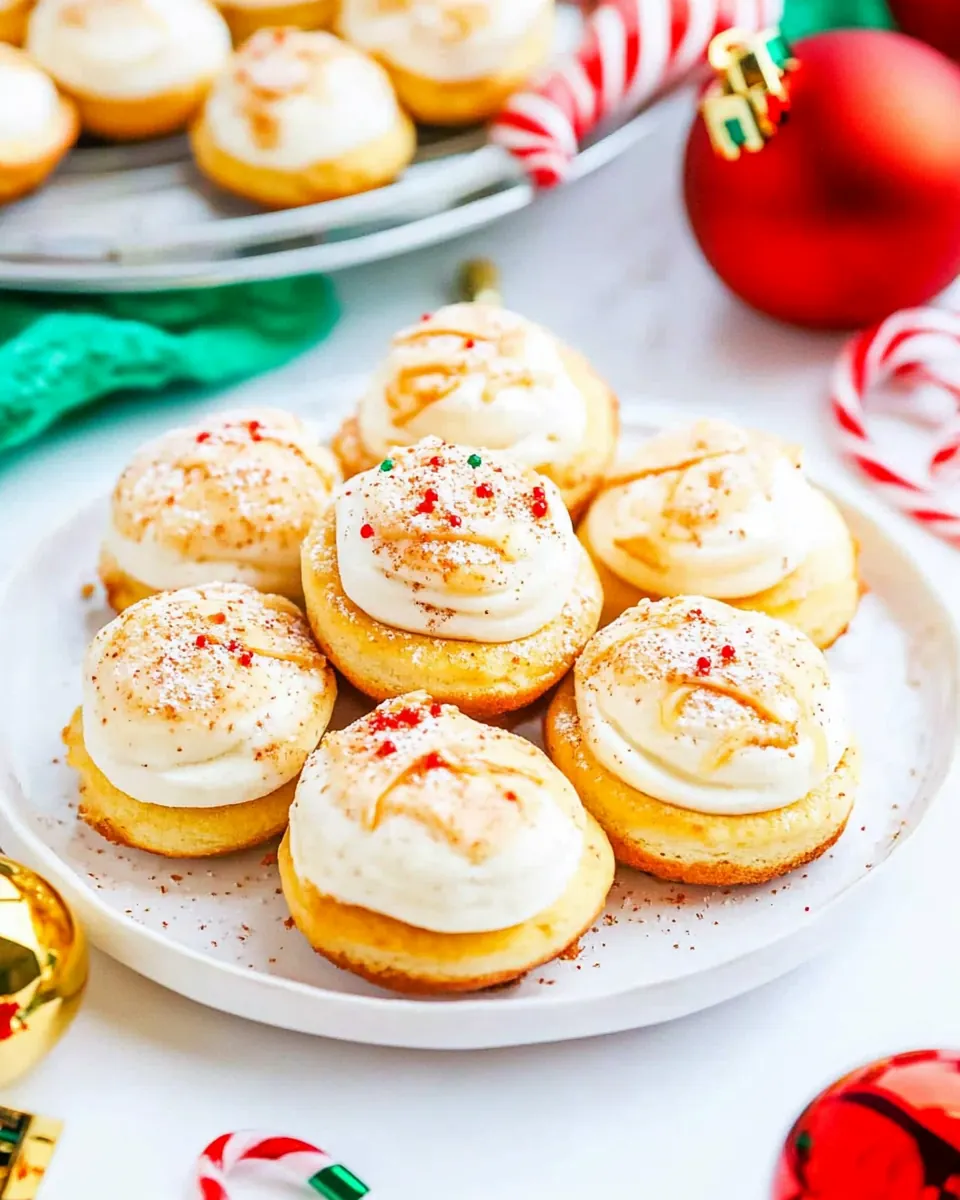
These ingredients are straightforward, each serving a clear purpose. The fat from the unsalted butter provides tenderness, while the all-purpose flour supplies structure. Spices like ground cinnamon and ground nutmeg lend the holiday character, and the glaze ingredients finish the cookies with a sweet, creamy note that ties everything together.
- 1 cup unsalted butter, softened (2 sticks): Creamed to incorporate air and provide a rich, tender base for the cookies, contributing moisture and a buttery flavor that enhances overall texture.
- 1 cup granulated sugar: Dissolved with butter to add sweetness and structure, helping to create a fine crumb and balance the richness of the dough.
- 2 large eggs: Beaten into the batter to bind ingredients, add moisture, and contribute lift and richness from the egg proteins and yolks.
- 1 teaspoon vanilla extract: Added for aromatic warmth and depth, imparting a familiar sweet-vanilla note that complements the eggnog flavors.
- 3 cups all-purpose flour: Sifted and combined to form the bulk of the structure, supplying gluten and starches that give the teacakes their body and chew.
- 2 teaspoons baking powder: Activated to leaven the dough slightly, creating a light, tender texture by releasing gas and helping the teacakes rise evenly.
- 3/4 teaspoon ground cinnamon: Sprinkled into the batter to contribute a warm, spicy undertone that pairs with nutmeg and enhances the holiday flavor profile.
- 1/2 teaspoon salt: Measured precisely to control flavor balance and strengthen gluten formation in moderation, ensuring proper dough consistency.
- 1/4 teaspoon ground nutmeg: Grated or measured to add aromatic, nutty spice that complements cinnamon and deepens the seasonal flavor notes.
- 2 cups confectioners’ sugar: Whisked into a glaze or frosting to provide a smooth, sweet coating that helps bind the eggnog and spices to the cookie surface.
- 1 teaspoon vanilla extract: Stirred into the glaze to boost vanilla aroma and round out the sweetness with a familiar flavor note that ties to the dough.
- 1/4 teaspoon ground cinnamon: Sprinkled into the icing to reinforce the cinnamon spice, echoing the batter’s warming notes and adding subtle complexity.
- 1/4 teaspoon ground nutmeg: Added to the glaze to enhance the overall spiced profile with its warm, slightly sweet, and nutty character.
- 4 to 5 tablespoons eggnog: Poured gradually into the glaze to thin it to desired consistency while infusing authentic eggnog flavor and richness.
- Christmas sprinkles for decorating, and to taste (optional): Scattered on top as an optional finishing touch to add crunch, color, and festive visual appeal that complements the flavors.
Step by Step Instructions for Eggnog Teacakes
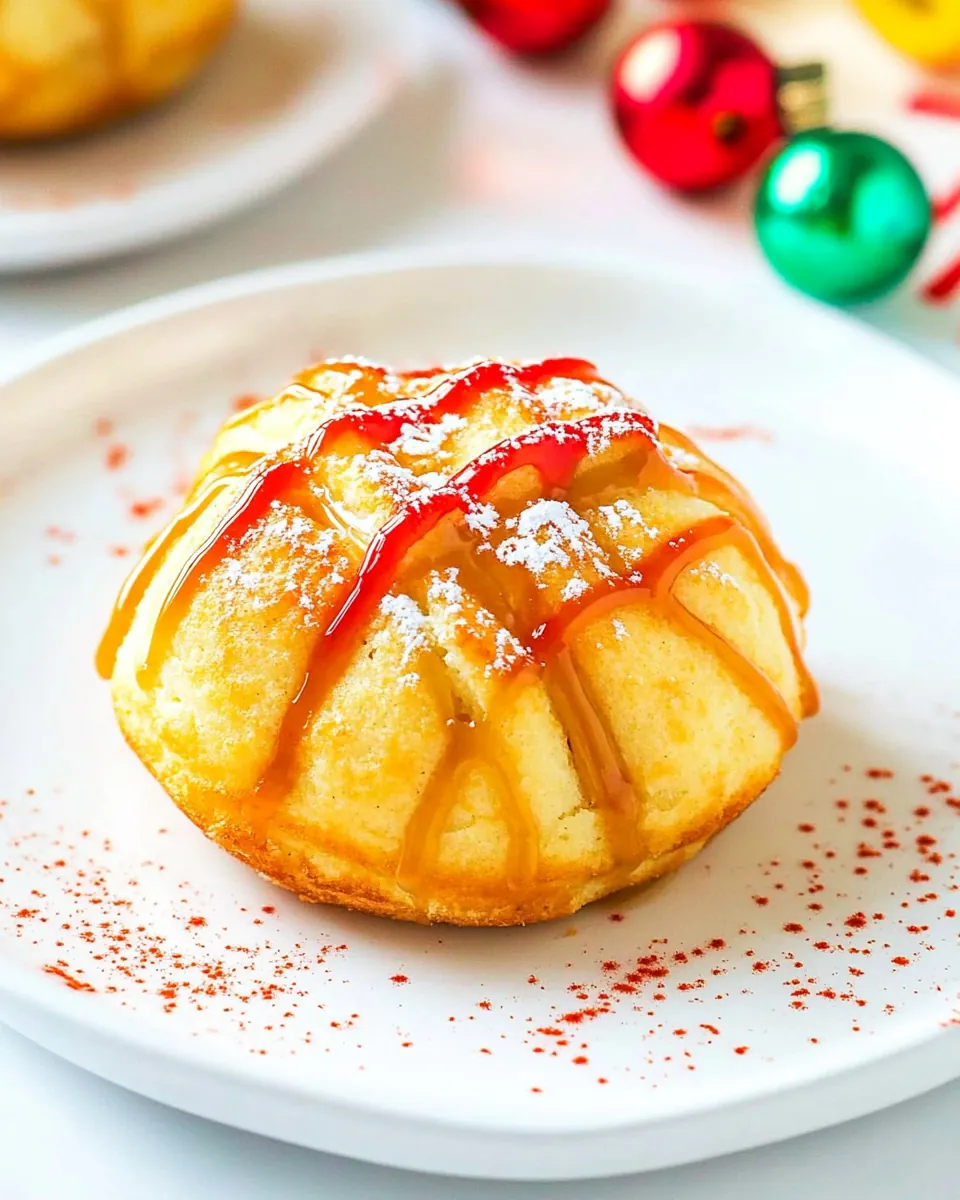
These instructions guide you from creaming to glazing with a focus on small details that matter. I like to approach each step calmly, listening for the right sounds and watching for visual cues that tell me I am on the right path. Keep your tools close and resist the urge to rush the chilling.
- To the bowl of a stand mixer fitted with the paddle attachment, add the butter and granulated sugar, and cream the butter and sugar together on medium-low speed until the butter is whipped and the sugar is well incorporated throughout, scrape down the sides of the mixer as necessary. You can use a handheld electric mixer but it’s definitely easier and faster with a stand mixer if you have one.: When the bowl starts to look pale and the texture turns airy, you will notice a soft, almost whipped sound as the butter and granulated sugar aerate, and the scent will become sweet and buttery. This aeration is why this step matters, it creates tiny pockets of air that give the teacakes a tender lift. If the mixture seems greasy or collapsed, the butter was likely too warm, so chill the bowl briefly and try again. A common mistake is undercreaming, which yields dense cookies, or overcreaming, which can cause the fat to separate.
- Add the eggs one at a time into the mixing bowl while beating on low speed and allow them to fully mix in before adding the next egg.: As each egg goes in, the mixture will shift from airy to slightly glossy, and the beaters will make a smoother, more cohesive sound. Emulsifying slowly keeps the batter smooth and prevents curdling, which would leave visible streaks in the dough. If the bowl begins to look separated or curdled, stop adding eggs and mix gently until it becomes uniform again. Rapidly adding eggs is the usual culprit to avoid.
- Add the vanilla and mix to combine.: The aroma of the vanilla extract will lift the overall fragrance and the batter will smell more rounded and fragrant. You will not see a big visual change, but the flavor foundation deepens. Stir just until the scent is distributed; overmixing offers no benefit and can lead to a tougher texture later.
- To a separate medium bowl, whisk together the flour, baking powder, cinnamon, salt, and nutmeg.: Whisking combines the all-purpose flour and leavening so the rise is even, and it disperses the ground cinnamon and ground nutmeg so each bite has balanced spice. You should see a uniform pale tan mixture and smell a warm spice note. Poorly mixed dry ingredients can lead to pockets of baking powder or clumps of spice; taking this simple extra step prevents that.
- Add about one-quarter of the flour mixture at a time into the stand mixer on low speed. Wait until it is fully mixed in before adding the next batch, scrape down the sides if you see the flour starting to collect. Keep doing this until all the flour mixture is added, once it is all fully mixed in, that’s it, do not overmix or your teacakes will be tougher.: You will notice the batter become thicker and quieter as the flour incorporates, and the scent will shift from buttery to slightly bready with spice. The reason for slow addition is to avoid overworking gluten, which keeps the crumb tender. If you rush and dump all the flour at once, it will clump and you risk overmixing while trying to fix it. Scrape down the bowl to make sure no dry streaks remain.
- Line a large baking sheet with a Silpat liner or parchment paper. Make 2-tablespoon sized dollops of the cookie dough balls, and place them on the baking sheet, spaced about 1 inch apart (we are not baking at this point, so it’s okay to place them this close together).: The dough should feel soft but hold its shape; you will notice a lightly tacky surface. Using a cookie scoop ensures even sizes which promote uniform baking later. If you have uneven scoops, some cookies will bake faster and you may end up with inconsistent color and texture. Resist flattening them now, they need to chill to set their shape.
- Once you have all your dough balls made, place the sheet tray into the fridge for at least 1 hour, up to overnight if you have time. The longer the dough chills, the more evenly the cookies will bake later. You cannot skip chilling the dough or your teacakes will spread.: Chilling firms the butter so the cookies will hold their shape and produce a tender interior with slightly crisp edges. You may observe the dough becoming firmer and more manageable to roll. Skipping this step leads to excessive spreading, resulting in thin, flat cookies rather than rounded teacakes.
- While the dough is chilling or before you want to bake, preheat the oven to 350 F. Get another sheet baking sheet out and line it with a Silpat or parchment paper.: Preheating ensures the oven is at the correct temperature so the teacakes set properly as soon as they go in, producing uniform rise and color. You will hear the oven click and may smell a faint warm air as it approaches temperature. Putting dough into a not fully preheated oven can cause uneven rise and texture.
- Take the cookie dough balls and using your hands, roll them into evenly formed balls. Place these dough balls on the sheet tray about 2 inches apart.: Rolling gives a smooth surface that bakes into a nicely domed top, and the slight spacing allows hot air to circulate so edges brown evenly. The dough should feel cool and slightly springy. If some balls are larger, transfer them to a new spot or reshape to balance sizes; otherwise you will get uneven baking.
- Bake for 15-18 minutes until they are puffed up, lightly golden brown on top, and the outer edges where they meet the sheet tray are slightly darker golden brown; don’t overbake.: As they bake you will see the cookies rise and the tops set, plus a gentle scent of butter and spice will fill the kitchen. Listen for a faint settling sound as they finish; visually look for light golden edges. Overbaking will dry them out and produce a harder edge, so pull them when the centers still look set but not hard.
- Allow them to cool for about 3 minutes on the baking sheet before transferring them to a wire rack to cool completely. They MUST cool all the way before adding the glaze or the glaze will melt off.: Cooling on the sheet lets the structure finish setting while the cookies are still warm, and transferring to a rack prevents soggy bottoms. The cookies will gradually stop steaming and become firm to the touch. Glazing too soon will cause the topping to run off and become messy, so patience here ensures a neat finish.
- While cookies cool, make the glaze.: The act of whisking the glaze releases a sweet, spicy aroma from the confectioners’ sugar , cinnamon , and nutmeg . The texture should end up smooth and glossy, indicating the sugar has fully dissolved into the eggnog . Lumpy glaze signals unsifted sugar or not whisking enough; strain or whisk vigorously to resolve it.
- Add the confectioners’ sugar, vanilla, cinnamon, nutmeg, and 4 tablespoons of the eggnog to a medium-sized bowl. Whisk this mixture together until completely smooth. It should be thick but pourable. If it is not pourable, add another tablespoon of eggnog and whisk it in.: The glaze will begin opaque and then turn glossy as it combines. The balance of thickness is crucial so it clings yet still spreads slightly; too thin and it will run off the cookie, too thick and it will clump. If it separates or stays grainy, adding a splash more eggnog and whisking vigorously usually brings it back.
- Using a spoon, drizzle the glaze on top of the cookies, adding about 1 teaspoon of glaze per cookie. Repeat until all the cookies are glazed.: As you drizzle, the glaze should settle into a thin, even layer that dries to a delicate crust while remaining soft beneath. You will see ribbons of white that slightly flatten and hold. If the spoon leaves thick globs, the glaze is too viscous; thin gently to achieve a smooth pour.
- Optionally add Christmas or holiday-themed sprinkles as desired. Alternative decorations can be a sprinkle of more cinnamon or nutmeg on top, or leave them as is- still delicious!: Apply sprinkles immediately after glazing so they stick; the glaze will still be tacky and serve as adhesive. The final presentation can be whimsical or minimal, depending on the sprinkles you choose. Waiting too long means the glaze will set and decorations will not adhere properly.
Tips and Variations
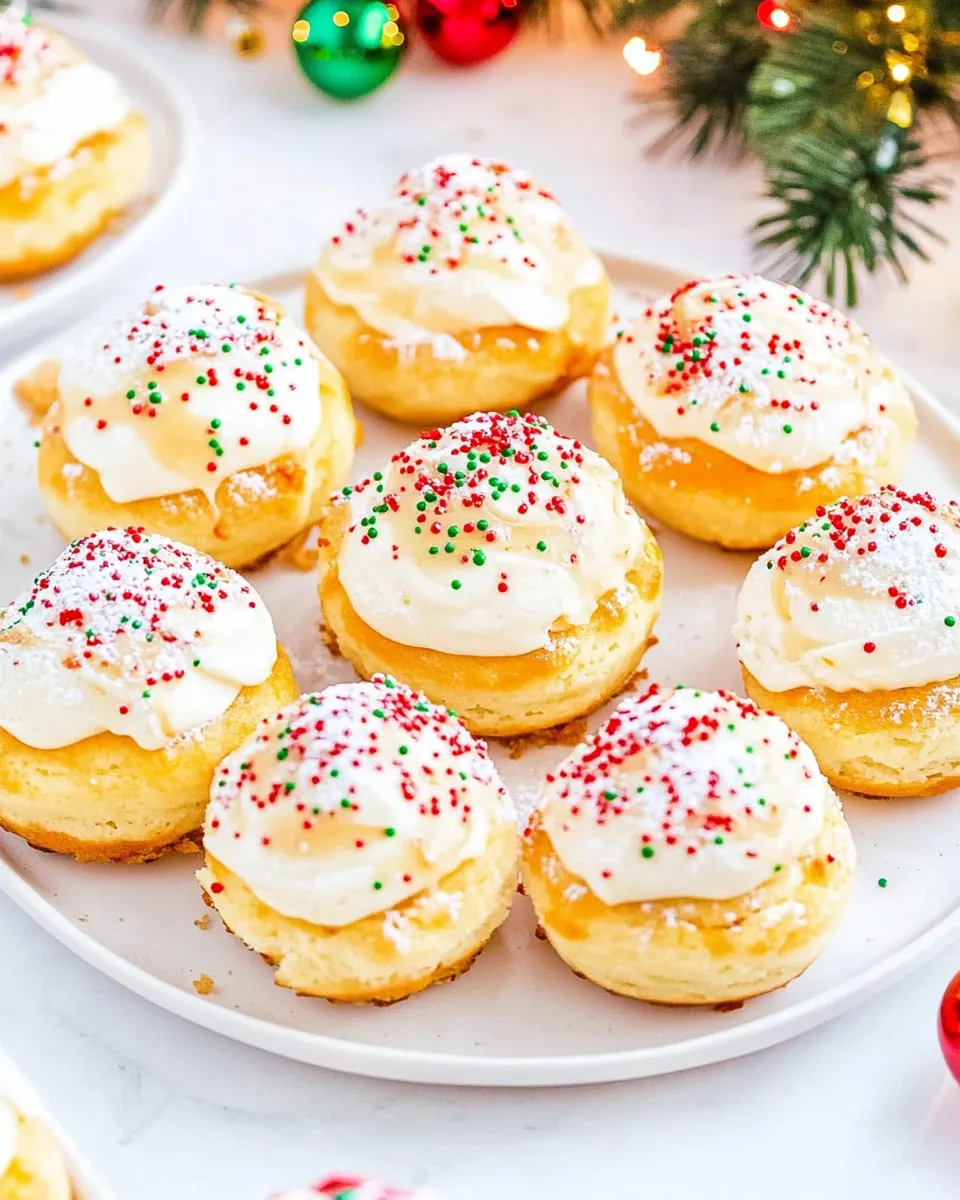
I like to keep a few easy adjustments in mind so each batch of Eggnog Teacakes can be tailored to the moment. These tips help with texture, timing, and presentation when you want to scale up or make them extra special.
- Sift your sugar: If your confectioners’ sugar is lumpy, sift it before whisking with the eggnog to save time and ensure a silky glaze.
- Chill longer for cleaner shapes: Refrigerating the dough overnight firms the butter fully and yields perfectly domed teacakes with minimal spread.
- Measure flour properly: Spoon and level your all-purpose flour or weigh it to avoid a dry, dense dough caused by packing.
- Use a cookie scoop: A 2-tablespoon scoop creates uniform cookies so they bake in the same time window and look consistent.
- Decorate while tacky: Place sprinkles on the glaze immediately after applying it so they adhere; waiting will cause them to fall off once the glaze has set.
Perfect Matches for Eggnog Teacakes
These teacakes are versatile for dessert tables, cozy afternoons, and holiday platters. Below are practical serving ideas and pairings that highlight their flavor, along with storage and occasion notes so you can plan confidently.
- Holiday dessert platters: Arrange Eggnog Teacakes alongside other small sweets for a varied platter that encourages grazing and tastes great after dinner.
- Afternoon tea or coffee: Serve with a hot cup of tea or coffee, the warm spices in the cookies harmonize beautifully with hot beverages.
- Party tray centerpiece: Place the cookies on a tiered tray with festive sprinkles for visual impact at gatherings and buffets.
- Make ahead and freeze: Freeze baked, unglazed cookies in an airtight container, then thaw and glaze before serving to save time during busy holidays.
- Seasonal gifting: Package a dozen in a box with tissue and a ribbon for a thoughtful edible gift during winter celebrations.
FAQ
Conclusion
These Eggnog Teacakes are special because they combine simple pantry ingredients with holiday spices and a creamy eggnog glaze to create a tender, festive cookie. Give them a try when you want a dessert that feels both nostalgic and effortlessly celebratory. I hope they become one of those small traditions you reach for each winter, bringing warmth and smiles to your gatherings.
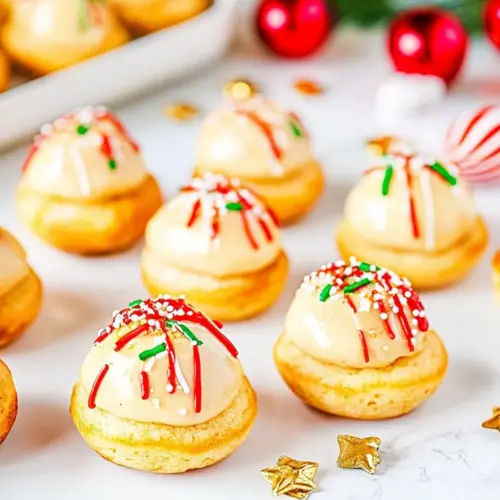
Eggnog Teacakes
Equipment
- Stand Mixer Fitted with a Paddle Attachment
- Medium bowls
- Baking Sheet
Ingredients
- 1 cup unsalted butter, softened (2 sticks) Creamed to incorporate air and provide a rich, tender base for the cookies, contributing moisture and a buttery flavor that enhances overall texture.
- 1 cup granulated sugar Dissolved with butter to add sweetness and structure, helping to create a fine crumb and balance the richness of the dough.
- 2 large eggs Beaten into the batter to bind ingredients, add moisture, and contribute lift and richness from the egg proteins and yolks.
- 1 teaspoon vanilla extract Added for aromatic warmth and depth, imparting a familiar sweet-vanilla note that complements the eggnog flavors.
- 3 cups all-purpose flour Sifted and combined to form the bulk of the structure, supplying gluten and starches that give the teacakes their body and chew.
- 2 teaspoons baking powder Activated to leaven the dough slightly, creating a light, tender texture by releasing gas and helping the teacakes rise evenly.
- 3/4 teaspoon ground cinnamon Sprinkled into the batter to contribute a warm, spicy undertone that pairs with nutmeg and enhances the holiday flavor profile.
- 1/2 teaspoon salt Measured precisely to control flavor balance and strengthen gluten formation in moderation, ensuring proper dough consistency.
- 1/4 teaspoon ground nutmeg Grated or measured to add aromatic, nutty spice that complements cinnamon and deepens the seasonal flavor notes.
- 2 cups confectioners’ sugar Whisked into a glaze or frosting to provide a smooth, sweet coating that helps bind the eggnog and spices to the cookie surface.
- 1 teaspoon vanilla extract Stirred into the glaze to boost vanilla aroma and round out the sweetness with a familiar flavor note that ties to the dough.
- 1/4 teaspoon ground cinnamon Sprinkled into the icing to reinforce the cinnamon spice, echoing the batter’s warming notes and adding subtle complexity.
- 1/4 teaspoon ground nutmeg Added to the glaze to enhance the overall spiced profile with its warm, slightly sweet, and nutty character.
- 4 to 5 tablespoons eggnog Poured gradually into the glaze to thin it to desired consistency while infusing authentic eggnog flavor and richness.
- Christmas sprinkles for decorating, optional and to taste Scattered on top as an optional finishing touch to add crunch, color, and festive visual appeal that complements the flavors.
Instructions
- To the bowl of a stand mixer fitted with the paddle attachment, add the butter and granulated sugar, and cream the butter and sugar together on medium-low speed until the butter is whipped and the sugar is well incorporated throughout, scrape down the sides of the mixer as necessary. You can use a handheld electric mixer but it’s definitely easier and faster with a stand mixer if you have one.: When the bowl starts to look pale and the texture turns airy, you will notice a soft, almost whipped sound as the butter and granulated sugar aerate, and the scent will become sweet and buttery. This aeration is why this step matters, it creates tiny pockets of air that give the teacakes a tender lift. If the mixture seems greasy or collapsed, the butter was likely too warm, so chill the bowl briefly and try again. A common mistake is undercreaming, which yields dense cookies, or overcreaming, which can cause the fat to separate.
- Add the eggs one at a time into the mixing bowl while beating on low speed and allow them to fully mix in before adding the next egg.: As each egg goes in, the mixture will shift from airy to slightly glossy, and the beaters will make a smoother, more cohesive sound. Emulsifying slowly keeps the batter smooth and prevents curdling, which would leave visible streaks in the dough. If the bowl begins to look separated or curdled, stop adding eggs and mix gently until it becomes uniform again. Rapidly adding eggs is the usual culprit to avoid.
- Add the vanilla and mix to combine.: The aroma of the vanilla extract will lift the overall fragrance and the batter will smell more rounded and fragrant. You will not see a big visual change, but the flavor foundation deepens. Stir just until the scent is distributed; overmixing offers no benefit and can lead to a tougher texture later.
- To a separate medium bowl, whisk together the flour, baking powder, cinnamon, salt, and nutmeg.: Whisking combines the all-purpose flour and leavening so the rise is even, and it disperses the ground cinnamon and ground nutmeg so each bite has balanced spice. You should see a uniform pale tan mixture and smell a warm spice note. Poorly mixed dry ingredients can lead to pockets of baking powder or clumps of spice; taking this simple extra step prevents that.
- Add about one-quarter of the flour mixture at a time into the stand mixer on low speed. Wait until it is fully mixed in before adding the next batch, scrape down the sides if you see the flour starting to collect. Keep doing this until all the flour mixture is added, once it is all fully mixed in, that’s it, do not overmix or your teacakes will be tougher.: You will notice the batter become thicker and quieter as the flour incorporates, and the scent will shift from buttery to slightly bready with spice. The reason for slow addition is to avoid overworking gluten, which keeps the crumb tender. If you rush and dump all the flour at once, it will clump and you risk overmixing while trying to fix it. Scrape down the bowl to make sure no dry streaks remain.
- Line a large baking sheet with a Silpat liner or parchment paper. Make 2-tablespoon sized dollops of the cookie dough balls, and place them on the baking sheet, spaced about 1 inch apart (we are not baking at this point, so it’s okay to place them this close together).: The dough should feel soft but hold its shape; you will notice a lightly tacky surface. Using a cookie scoop ensures even sizes which promote uniform baking later. If you have uneven scoops, some cookies will bake faster and you may end up with inconsistent color and texture. Resist flattening them now, they need to chill to set their shape.
- Once you have all your dough balls made, place the sheet tray into the fridge for at least 1 hour, up to overnight if you have time. The longer the dough chills, the more evenly the cookies will bake later. You cannot skip chilling the dough or your teacakes will spread.: Chilling firms the butter so the cookies will hold their shape and produce a tender interior with slightly crisp edges. You may observe the dough becoming firmer and more manageable to roll. Skipping this step leads to excessive spreading, resulting in thin, flat cookies rather than rounded teacakes.
- While the dough is chilling or before you want to bake, preheat the oven to 350 F. Get another sheet baking sheet out and line it with a Silpat or parchment paper.: Preheating ensures the oven is at the correct temperature so the teacakes set properly as soon as they go in, producing uniform rise and color. You will hear the oven click and may smell a faint warm air as it approaches temperature. Putting dough into a not fully preheated oven can cause uneven rise and texture.
- Take the cookie dough balls and using your hands, roll them into evenly formed balls. Place these dough balls on the sheet tray about 2 inches apart.: Rolling gives a smooth surface that bakes into a nicely domed top, and the slight spacing allows hot air to circulate so edges brown evenly. The dough should feel cool and slightly springy. If some balls are larger, transfer them to a new spot or reshape to balance sizes; otherwise you will get uneven baking.
- Bake for 15-18 minutes until they are puffed up, lightly golden brown on top, and the outer edges where they meet the sheet tray are slightly darker golden brown; don’t overbake.: As they bake you will see the cookies rise and the tops set, plus a gentle scent of butter and spice will fill the kitchen. Listen for a faint settling sound as they finish; visually look for light golden edges. Overbaking will dry them out and produce a harder edge, so pull them when the centers still look set but not hard.
- Allow them to cool for about 3 minutes on the baking sheet before transferring them to a wire rack to cool completely. They MUST cool all the way before adding the glaze or the glaze will melt off.: Cooling on the sheet lets the structure finish setting while the cookies are still warm, and transferring to a rack prevents soggy bottoms. The cookies will gradually stop steaming and become firm to the touch. Glazing too soon will cause the topping to run off and become messy, so patience here ensures a neat finish.
- While cookies cool, make the glaze.: The act of whisking the glaze releases a sweet, spicy aroma from the confectioners’ sugar , cinnamon , and nutmeg . The texture should end up smooth and glossy, indicating the sugar has fully dissolved into the eggnog . Lumpy glaze signals unsifted sugar or not whisking enough; strain or whisk vigorously to resolve it.
- Add the confectioners’ sugar, vanilla, cinnamon, nutmeg, and 4 tablespoons of the eggnog to a medium-sized bowl. Whisk this mixture together until completely smooth. It should be thick but pourable. If it is not pourable, add another tablespoon of eggnog and whisk it in.: The glaze will begin opaque and then turn glossy as it combines. The balance of thickness is crucial so it clings yet still spreads slightly; too thin and it will run off the cookie, too thick and it will clump. If it separates or stays grainy, adding a splash more eggnog and whisking vigorously usually brings it back.
- Using a spoon, drizzle the glaze on top of the cookies, adding about 1 teaspoon of glaze per cookie. Repeat until all the cookies are glazed.: As you drizzle, the glaze should settle into a thin, even layer that dries to a delicate crust while remaining soft beneath. You will see ribbons of white that slightly flatten and hold. If the spoon leaves thick globs, the glaze is too viscous; thin gently to achieve a smooth pour.
- Optionally add Christmas or holiday-themed sprinkles as desired. Alternative decorations can be a sprinkle of more cinnamon or nutmeg on top, or leave them as is- still delicious!: Apply sprinkles immediately after glazing so they stick; the glaze will still be tacky and serve as adhesive. The final presentation can be whimsical or minimal, depending on the sprinkles you choose. Waiting too long means the glaze will set and decorations will not adhere properly.
Notes
- Sift your sugar: If your confectioners’ sugar is lumpy, sift it before whisking with the eggnog to save time and ensure a silky glaze.
- Chill longer for cleaner shapes: Refrigerating the dough overnight firms the butter fully and yields perfectly domed teacakes with minimal spread.
- Measure flour properly: Spoon and level your all-purpose flour or weigh it to avoid a dry, dense dough caused by packing.
- Use a cookie scoop: A 2-tablespoon scoop creates uniform cookies so they bake in the same time window and look consistent.
- Decorate while tacky: Place sprinkles on the glaze immediately after applying it so they adhere; waiting will cause them to fall off once the glaze has set.