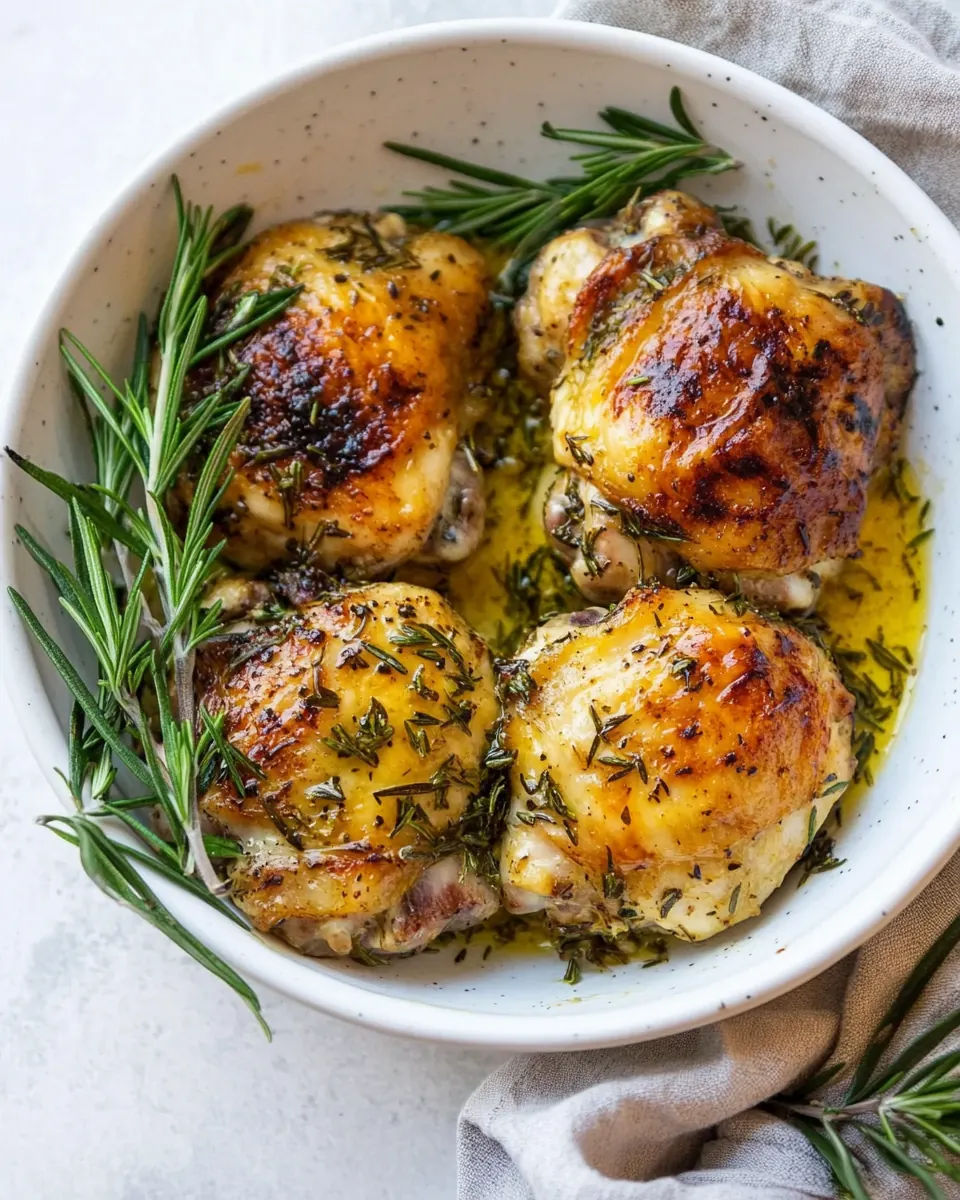
Rosemary Chicken Thighs
Rosemary Chicken Thighs have been one of those recipes I reach for when I want something that smells like home and still feels special.
I remember the first time I tossed chicken thighs with rosemary and baked them on a sheet pan with sweet apple wedges and crisp Brussels sprouts, the whole kitchen filled with an herbaceous, caramelized aroma that made neighbors stop by to ask what’s for dinner. I was juggling work emails and a hungry crew, and this recipe saved the evening without fuss. The skin blistered, the apple softened into a jammy counterpoint, and the vegetables darkened at the edges, creating pockets of concentrated flavor. It taught me that simple ingredients treated well can taste restaurant worthy.
Over time I adjusted little things based on what I had on hand, learning which textures I wanted to emphasize and how a short broil at the end makes everything sing. Friends who tasted it said it reminded them of Sunday family dinners, and that kind of feedback keeps me experimenting with timing and seasoning. This dish has become my go to for weeknight gatherings, low fuss dinner parties, and whenever I want a comforting, flavorful plate that looks like I spent hours making it.
Recipe Snapshot
40 mins
15 mins
25 mins
Easy
400 kcal
American
Paleo, Gluten-Free
Dinner
Rimmed baking sheet, Instant read thermometer, Spatula, Oven
Why This Rosemary Chicken Thighs Is So Good
Bold, rustic flavor with minimal effort
I love that Rosemary Chicken Thighs deliver a robust herb forward profile without demanding complicated steps. The combination of pan roasting and a final broil gives the chicken skin an irresistible crunch while keeping the meat juicy. I often say this recipe rewards patience rather than technique.
Balanced sweet and savory contrast
Including the tart apple and a touch of honey plays beautifully against the savory profile of the chicken and caramelized onion. The sweet elements caramelize and create little pockets of flavor that cut through the richness, and I find that contrast makes every bite more interesting.
Sheet pan simplicity
One sheet, minimal cleanup, and everything cooks together so the flavors mingle on the pan. I appreciate how the vegetables and fruit roast in the drippings from the chicken, creating layered taste with almost no babysitting. For busy nights this practical approach keeps dinner achievable and impressive.
Versatile and forgiving
This recipe tolerates slight swaps in quantities and timing, which is why I recommend it to home cooks who like to improvise. If you have extra Brussels sprouts, toss them on a second pan. If you prefer a deeper roast, add a few more minutes. The technique still shines.
Comforting, seasonal appeal
With rosemary and apples, this dish feels right for cooler months, yet it is simple enough for any occasion. The aromas evoke comfort and the textures satisfy, making it a repeat in my rotation.
Ingredient List for Rosemary Chicken Thighs
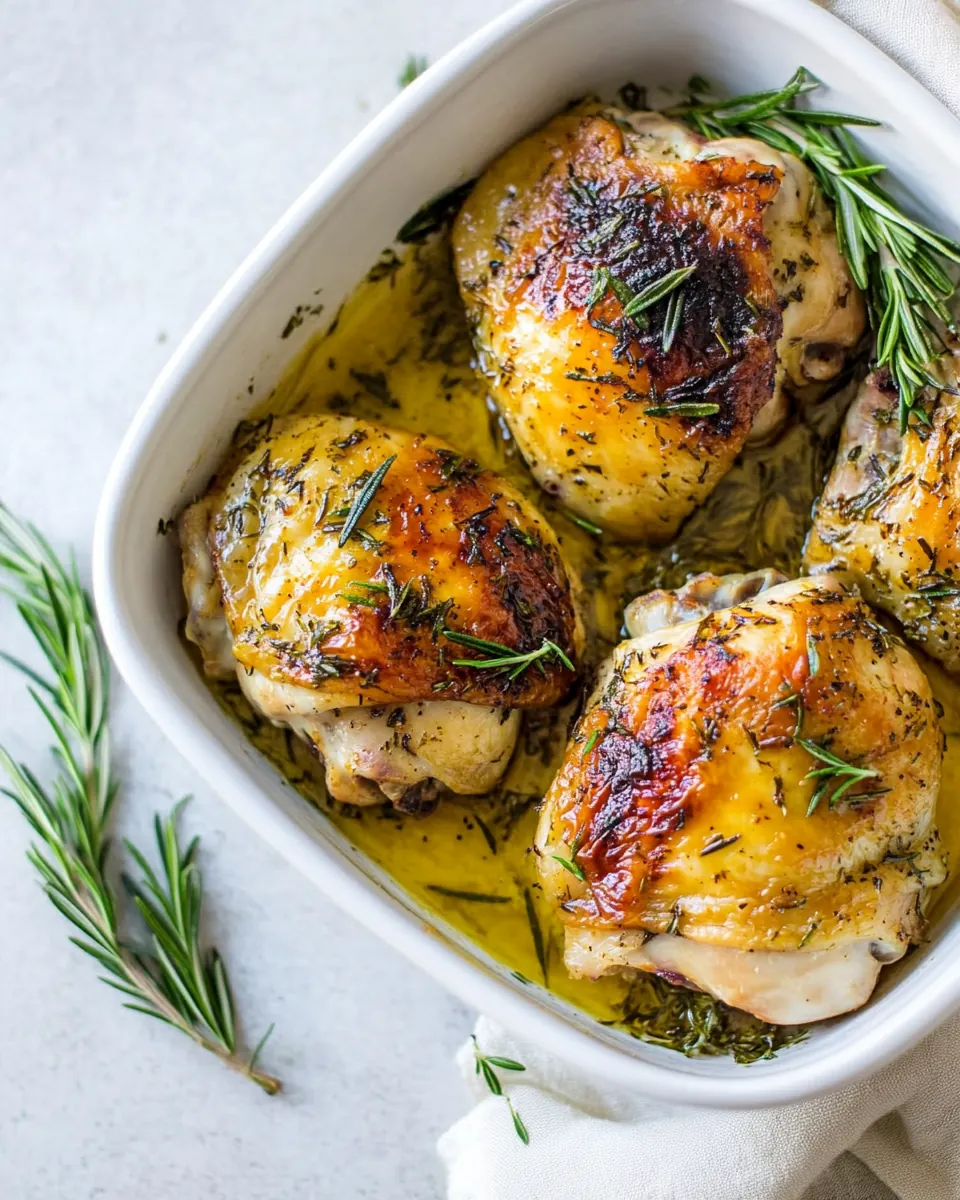
These ingredients are chosen to work in concert, creating savory depth, sweet brightness, and aromatic lift. The chicken thighs provide rich, juicy meat and flavorful skin, while the Brussels sprouts, onion, and apple roast to deepen sweetness and texture. Extra virgin olive oil and a touch of honey help with caramelization, and the rosemary ties everything together with pine like notes. Dijon mustard and salt and pepper balance and deepen the overall profile.
- 3/4 pound Brussels sprouts, ends trimmed and halved: Trimmed and halved to concentrate flavor and ensure even roasting; provides a crisp-tender texture and slightly bitter, nutty notes that complement rich chicken. Helps soak up pan juices and caramelizes at the edges for added depth. Pairs well with sweet apple and savory rosemary to balance the dish.
- 1 medium yellow onion, thinly sliced (about 1 1/2 cups): Thinly sliced to release savory sweetness and create layers of caramelization that mingle with the chicken drippings. Adds aromatic complexity and moisture, helping to build a rich pan sauce. Softens during roasting and contributes a mellow, rounded flavor to the overall dish.
- 1 medium tart apple, such as Granny Smith, halved, cored, and cut into 8 wedges: Halved, cored, and cut into wedges to add bright acidity and a touch of sweetness that contrasts the savory components. Provides a crisp-fruited texture that softens when roasted, lending body to the pan juices. Enhances balance by cutting through the fat of the chicken.
- 2 tablespoons extra virgin olive oil, divided: Divided to perform dual roles: one portion for coating and searing the chicken and vegetables, another for finishing the pan sauce. Contributes healthy fats that promote browning and carry flavor compounds. Imparts a subtle fruity note and helps bind the mustard–honey mixture.
- 1 tablespoon Dijon mustard: Used to add sharp, tangy depth and act as an emulsifier in the honey dressing; helps the glaze adhere to the chicken and vegetables. Provides a piquant counterpoint to sweet and rich flavors and enhances overall savoriness. Incorporates into the pan juices for a cohesive sauce.
- 1/2 tablespoon honey: Used as a sweetener and glaze component to balance the mustard's acidity and the rosemary's piney notes. Promotes caramelization on the chicken skin and apples, creating appealing color and flavor. Adds a touch of sticky gloss to the finished dish.
- 1 teaspoon kosher salt, divided: Divided to season ingredients at different stages, ensuring consistent savory balance throughout cooking. Enhances flavor perception, draws out moisture from vegetables for better caramelization, and seasons the chicken for a more pronounced savory finish. Helps control overall salinity of the pan sauce.
- 1/2 teaspoon ground black pepper, divided: Divided to provide sharp, warming heat while seasoning both chicken and vegetables evenly. Enhances complexity and rounds out sweetness from the apple and honey, while promoting a balanced bite. Helps highlight the herbaceous rosemary and savory components.
- 2 1/2 to 3 pounds bone-in skin-on chicken thighs, about 5 thighs: Bone-in, skin-on pieces selected for richness and deep flavor that develop during roasting; size range ensures even cooking and succulent meat. Skin crisps and renders fat that bastes the thighs and vegetables, creating concentrated pan juices. Provides the main protein and hearty centerpiece for the recipe.
- 5 sprigs fresh rosemary, plus additional chopped fresh rosemary for serving: Fresh sprigs used whole during roasting to infuse aromatic, resinous notes into the dish and release essential oils when heated. Chopped extra for serving adds bright herbal fragrance and a fresh finish to the savory components. Complements the chicken and balances sweet and acidic elements.
The Method for Rosemary Chicken Thighs
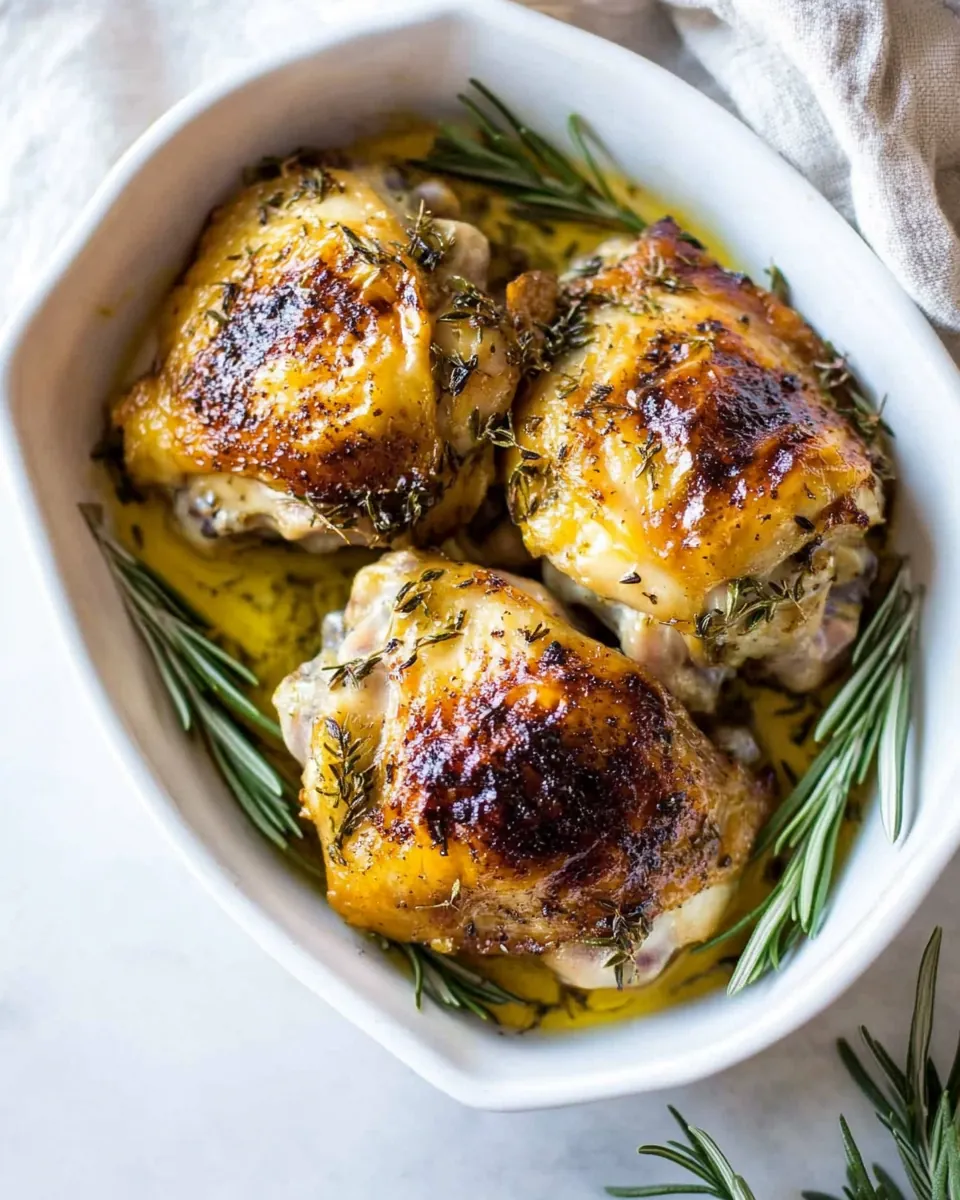
This is a straightforward sheet pan method that balances high heat roasting with a brief broil to finish. Follow these steps in order to develop golden skin, deeply caramelized vegetables, and jammy apple pieces. I walk you through sensory cues so you know when things are right.
- Positions racks in the center and upper thirds of your oven, and preheat the oven to 425 degrees F.: You will notice the oven hum as it reaches temperature, and a properly preheated oven is essential for immediate searing and browning. The high heat encourages the fat under the skin to render quickly, producing crisp, blistered skin. If you skip preheating, the chicken will release juices slowly and may stew rather than roast, yielding limp skin and less concentrated flavor. A common mistake is setting the pan in too cool an oven, which prevents the Maillard reaction that creates color and depth.
- Arrange the onion, apple slices, and Brussels sprouts in the center of a large, rimmed baking sheet. Top with 1 tablespoon oil, honey, mustard, 1/2 teaspoon salt, and 1/4 teaspoon pepper. Toss to coat, then spread in an even layer.: As you toss, smell the sharp tang of mustard blending with honey, and see the glossy sheen on the vegetables indicating they will caramelize. Even layering ensures hot air circulates and each piece gets contact with the hot pan, which is where browning happens. Avoid piling ingredients on top of one another, because crowded vegetables steam and fail to brown properly. If you notice wet spots after tossing, spread the pieces so they dry slightly before roasting.
- Nestle the chicken onto the sheet pan towards its center, skin side up, moving the apple and vegetables aside as needed so that the chicken sits directly on the sheet pan. Pat the chicken dry, and season with the remaining 1/2 teaspoon salt and 1/4 teaspoon pepper. Drizzle the remaining 1 tablespoon of oil over the top. Lay a sprig of rosemary on top of each piece of chicken. (If you have more thighs than sprigs, cut the sprigs into pieces as needed and divvy them up.): The tactile act of patting the chicken dry will remove surface moisture, creating the conditions for crisp skin; you should hear a faint sizzle as the thighs contact the hot pan. Placing the chicken skin side up ensures the fat renders downward onto the vegetables for flavor. A common pitfall is leaving the skin damp which leads to steamed, rather than crisp, skin. If your rosemary sprigs are sparse, tearing them releases more aromatic oils but be mindful to remove woody stems before serving.
- Bake the chicken and vegetables on the center rack for 15 minutes. Remove the pan from the oven, and use a spatula to stir the vegetables. Return the pan to the oven, and continue baking for 5 to 10 minutes, until the chicken is cooked through. It will register 165 degrees F on an instant-read thermometer inserted at the thickest part. If some pieces of the chicken finish sooner than others, remove them to a plate and continue cooking the remaining pieces until they are done. The apples will become very soft and break down, and the onions and Brussels sprouts will darken and become super crisp (this is the honey caramelizing).: During this time you will notice the kitchen filling with sweet, savory aromas, and the edges of the vegetables will brown and crisp. Stirring the vegetables after the initial roast redistributes caramelized bits and prevents burning in hot spots. Watch the chicken color, it should be deepening and juices should run clear when pierced. A frequent mistake is overbaking every piece to the point of dryness because some pieces finish earlier; remove done pieces as advised to preserve juiciness.
- Remove the pan from the oven, then remove and discard the rosemary springs. Return any chicken pieces you removed earlier to the pan. Turn the oven to broil. Place the pan on the upper third of the oven and broil for 2 to 3 minutes, until the skin is golden and crispy. (This step will crisp the veggies further, too; if you prefer them not to continue crisping, remove them from the pan prior to broiling, or place the chicken on a different lined baking sheet.): The broil stage is dramatic, producing a sizzling chorus and visible bubbling on the skin as it crisps. Keep the oven door closed mostly, but watch through the window; broiling can go from golden to charred quickly. If you see blackened spots forming rapidly, pull the pan out immediately. A common error is walking away during broil and burning the skin, so stay attentive and use short bursts under the broiler if your oven runs hot.
- Remove the pan from the oven, and season the chicken with an extra pinch of salt and chopped fresh rosemary. Serve the chicken hot with the apples and veggies.: After resting briefly, the finishing salt and fresh chopped rosemary will brighten the dish, and the contrast between warm, crispy skin and soft, jammy apples is especially pleasant. Taste one piece to adjust seasoning before serving everyone. A typical mistake is skipping the final sprinkle of salt which enhances and rounds the flavors; finishing touches matter for balance.
Substitutions and Tips
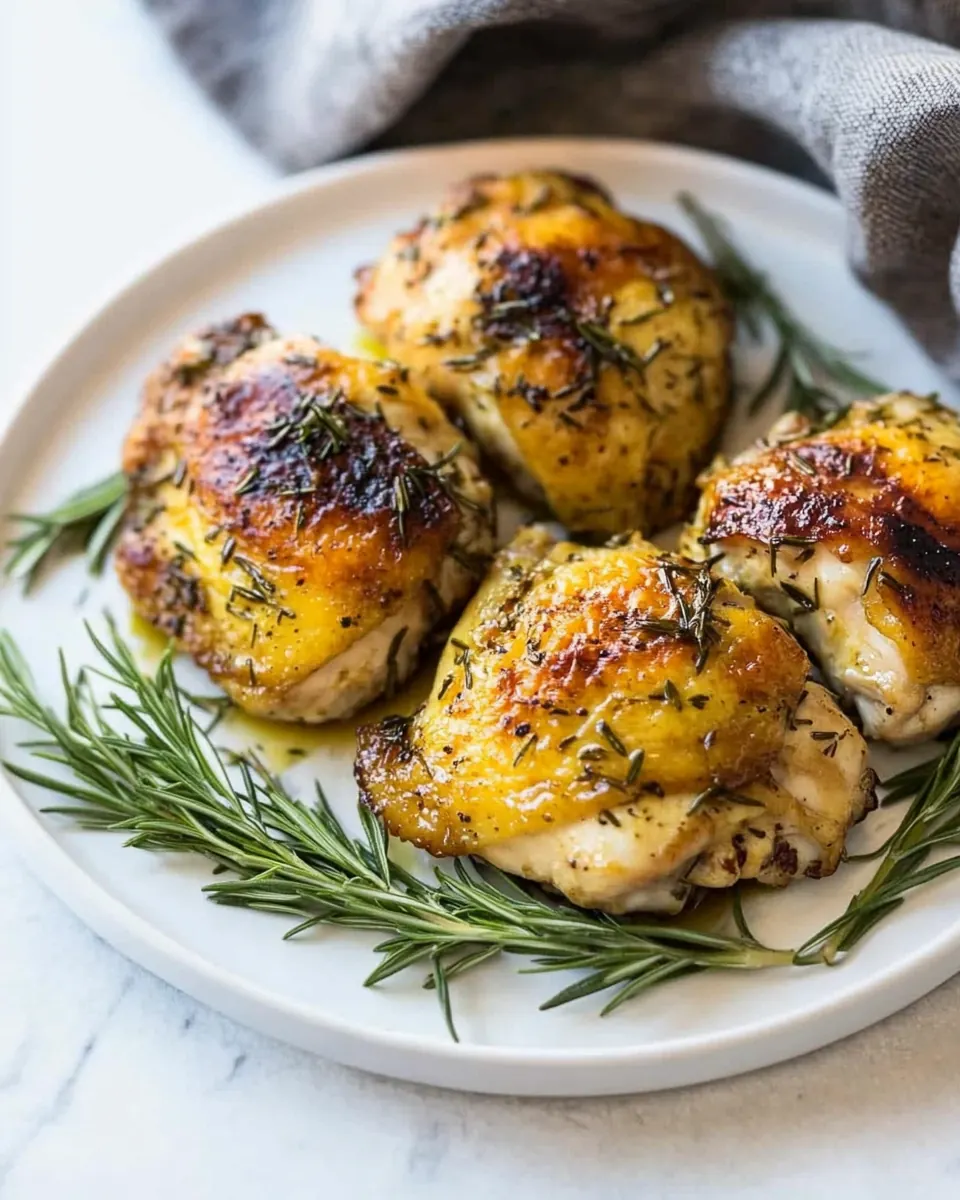
I like to offer practical tips that respect the original balance of the dish while giving you room to adapt. Below are expanded, actionable notes based on the recipe’s nature, from storage to scaling the vegetables for heartier servings.
- Storage instructions: Store cooked chicken and vegetables separately in airtight containers in the refrigerator for up to two days to preserve texture. When reheating, let them come to room temperature, then warm on a foil lined baking sheet in a 325 degrees F oven for 10 to 15 minutes to revive crispness and warmth, finishing with a sprinkle of fresh chopped rosemary.
- Reheating tip: To retain the best texture, reheat the chicken in the oven rather than the microwave. The oven revitalizes the skin and restores the roast flavors, while the microwave tends to make the skin rubbery and the vegetables soggy.
- Scaling vegetables: If you prefer a larger vegetable portion, double the Brussels sprouts, apple, and onion mixture and roast the extra batch on a separate sheet pan at the same time. This may require adding a few minutes to the baking time since the oven load is greater.
- Even browning: Spread ingredients into a single layer with space between pieces to ensure even browning; when vegetables overlap they steam, which prevents the Maillard reaction that creates flavor and crisp edges.
- Broil caution: When broiling to crisp the skin, monitor the pan through the oven window and use 2 minute intervals to avoid burning, because broilers vary widely in intensity.
- Fresh rosemary usage: Lay whole sprigs on top of the chicken to infuse aroma during roasting, and finish with chopped fresh rosemary for a brighter herbal note that complements the roasted apples and onions.
Serving Suggestions
This dish is flexible for different meals and occasions. Serve it hot right from the pan for an informal dinner, or arrange on a platter with a garnish for a holiday or family meal. Storage and make ahead strategies help when planning for larger gatherings.
- Family weeknight dinner: Plate the chicken with the roasted Brussels sprouts and apples alongside a simple grain or crusty bread to soak up the pan juices, making a satisfying, balanced meal.
- Casual dinner party: Present the thighs on a warmed platter with apples and onions scattered around, finishing with a sprinkle of chopped rosemary so guests can help themselves and the dish looks abundant.
- Seasonal holiday plate: For fall gatherings, highlight the roasted apples and rosemary, serving this dish as a cozy main with roasted root vegetables or a green salad to balance richness.
- Storage for leftovers: Keep chicken and vegetables in separate containers, refrigerated up to two days. Reheat in a 325 degrees F oven on a foil lined sheet until warmed through, adding a pinch of salt and fresh rosemary before serving.
- Occasions: This recipe fits weeknight dinners, casual entertaining, and cozy seasonal meals, especially in the fall when apples and rosemary shine.
- Make ahead: You can prep the vegetables and slice the apple ahead of time, then toss with oil and seasonings just before roasting to save hands on time on the day of serving.
FAQ
Conclusion
This recipe stands out for its combination of crisp, juicy chicken, caramelized vegetables, and the bright counterpoint of roasted apples with rosemary. It is approachable, forgiving, and produces restaurant worthy results with minimal fuss. Give it a try on a busy weeknight or when you want a comforting, seasonal meal that still feels special. I hope it becomes a reliable favorite in your rotation, bringing aromatic, savory comfort to your table.
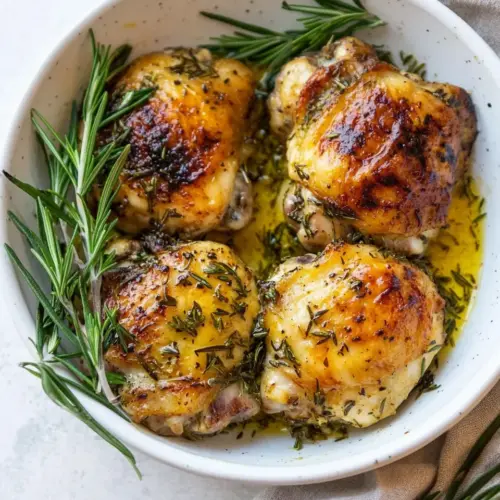
Rosemary Chicken Thighs
Equipment
- Rimmed Baking Sheet
- Instant read thermometer
- Spatula
- Oven
Ingredients
- 3/4 pound Brussels sprouts, ends trimmed and halved Trimmed and halved to concentrate flavor and ensure even roasting; provides a crisp-tender texture and slightly bitter, nutty notes that complement rich chicken. Helps soak up pan juices and caramelizes at the edges for added depth. Pairs well with sweet apple and savory rosemary to balance the dish.
- 1 medium yellow onion, thinly sliced (about 1 1/2 cups) Thinly sliced to release savory sweetness and create layers of caramelization that mingle with the chicken drippings. Adds aromatic complexity and moisture, helping to build a rich pan sauce. Softens during roasting and contributes a mellow, rounded flavor to the overall dish.
- 1 medium tart apple, such as Granny Smith, halved, cored, and cut into 8 wedges Halved, cored, and cut into wedges to add bright acidity and a touch of sweetness that contrasts the savory components. Provides a crisp-fruited texture that softens when roasted, lending body to the pan juices. Enhances balance by cutting through the fat of the chicken.
- 2 tablespoons extra virgin olive oil, divided Divided to perform dual roles: one portion for coating and searing the chicken and vegetables, another for finishing the pan sauce. Contributes healthy fats that promote browning and carry flavor compounds. Imparts a subtle fruity note and helps bind the mustard-honey mixture.
- 1 tablespoon Dijon mustard Used to add sharp, tangy depth and act as an emulsifier in the honey dressing; helps the glaze adhere to the chicken and vegetables. Provides a piquant counterpoint to sweet and rich flavors and enhances overall savoriness. Incorporates into the pan juices for a cohesive sauce.
- 1/2 tablespoon honey Used as a sweetener and glaze component to balance the mustard's acidity and the rosemary's piney notes. Promotes caramelization on the chicken skin and apples, creating appealing color and flavor. Adds a touch of sticky gloss to the finished dish.
- 1 teaspoon kosher salt, divided Divided to season ingredients at different stages, ensuring consistent savory balance throughout cooking. Enhances flavor perception, draws out moisture from vegetables for better caramelization, and seasons the chicken for a more pronounced savory finish. Helps control overall salinity of the pan sauce.
- 1/2 teaspoon ground black pepper, divided Divided to provide sharp, warming heat while seasoning both chicken and vegetables evenly. Enhances complexity and rounds out sweetness from the apple and honey, while promoting a balanced bite. Helps highlight the herbaceous rosemary and savory components.
- 2 1/2 to 3 pounds bone-in skin-on chicken thighs, about 5 thighs Bone-in, skin-on pieces selected for richness and deep flavor that develop during roasting; size range ensures even cooking and succulent meat. Skin crisps and renders fat that bastes the thighs and vegetables, creating concentrated pan juices. Provides the main protein and hearty centerpiece for the recipe.
- 5 sprigs fresh rosemary, plus additional chopped fresh rosemary for serving Fresh sprigs used whole during roasting to infuse aromatic, resinous notes into the dish and release essential oils when heated. Chopped extra for serving adds bright herbal fragrance and a fresh finish to the savory components. Complements the chicken and balances sweet and acidic elements.
Instructions
- Positions racks in the center and upper thirds of your oven, and preheat the oven to 425 degrees F.: You will notice the oven hum as it reaches temperature, and a properly preheated oven is essential for immediate searing and browning. The high heat encourages the fat under the skin to render quickly, producing crisp, blistered skin. If you skip preheating, the chicken will release juices slowly and may stew rather than roast, yielding limp skin and less concentrated flavor. A common mistake is setting the pan in too cool an oven, which prevents the Maillard reaction that creates color and depth.
- Arrange the onion, apple slices, and Brussels sprouts in the center of a large, rimmed baking sheet. Top with 1 tablespoon oil, honey, mustard, 1/2 teaspoon salt, and 1/4 teaspoon pepper. Toss to coat, then spread in an even layer.: As you toss, smell the sharp tang of mustard blending with honey, and see the glossy sheen on the vegetables indicating they will caramelize. Even layering ensures hot air circulates and each piece gets contact with the hot pan, which is where browning happens. Avoid piling ingredients on top of one another, because crowded vegetables steam and fail to brown properly. If you notice wet spots after tossing, spread the pieces so they dry slightly before roasting.
- Nestle the chicken onto the sheet pan towards its center, skin side up, moving the apple and vegetables aside as needed so that the chicken sits directly on the sheet pan. Pat the chicken dry, and season with the remaining 1/2 teaspoon salt and 1/4 teaspoon pepper. Drizzle the remaining 1 tablespoon of oil over the top. Lay a sprig of rosemary on top of each piece of chicken. (If you have more thighs than sprigs, cut the sprigs into pieces as needed and divvy them up.): The tactile act of patting the chicken dry will remove surface moisture, creating the conditions for crisp skin; you should hear a faint sizzle as the thighs contact the hot pan. Placing the chicken skin side up ensures the fat renders downward onto the vegetables for flavor. A common pitfall is leaving the skin damp which leads to steamed, rather than crisp, skin. If your rosemary sprigs are sparse, tearing them releases more aromatic oils but be mindful to remove woody stems before serving.
- Bake the chicken and vegetables on the center rack for 15 minutes. Remove the pan from the oven, and use a spatula to stir the vegetables. Return the pan to the oven, and continue baking for 5 to 10 minutes, until the chicken is cooked through. It will register 165 degrees F on an instant-read thermometer inserted at the thickest part. If some pieces of the chicken finish sooner than others, remove them to a plate and continue cooking the remaining pieces until they are done. The apples will become very soft and break down, and the onions and Brussels sprouts will darken and become super crisp (this is the honey caramelizing).: During this time you will notice the kitchen filling with sweet, savory aromas, and the edges of the vegetables will brown and crisp. Stirring the vegetables after the initial roast redistributes caramelized bits and prevents burning in hot spots. Watch the chicken color, it should be deepening and juices should run clear when pierced. A frequent mistake is overbaking every piece to the point of dryness because some pieces finish earlier; remove done pieces as advised to preserve juiciness.
- Remove the pan from the oven, then remove and discard the rosemary springs. Return any chicken pieces you removed earlier to the pan. Turn the oven to broil. Place the pan on the upper third of the oven and broil for 2 to 3 minutes, until the skin is golden and crispy. (This step will crisp the veggies further, too; if you prefer them not to continue crisping, remove them from the pan prior to broiling, or place the chicken on a different lined baking sheet.): The broil stage is dramatic, producing a sizzling chorus and visible bubbling on the skin as it crisps. Keep the oven door closed mostly, but watch through the window; broiling can go from golden to charred quickly. If you see blackened spots forming rapidly, pull the pan out immediately. A common error is walking away during broil and burning the skin, so stay attentive and use short bursts under the broiler if your oven runs hot.
- Remove the pan from the oven, and season the chicken with an extra pinch of salt and chopped fresh rosemary. Serve the chicken hot with the apples and veggies.: After resting briefly, the finishing salt and fresh chopped rosemary will brighten the dish, and the contrast between warm, crispy skin and soft, jammy apples is especially pleasant. Taste one piece to adjust seasoning before serving everyone. A typical mistake is skipping the final sprinkle of salt which enhances and rounds the flavors; finishing touches matter for balance.
Notes
- Storage instructions: Store cooked chicken and vegetables separately in airtight containers in the refrigerator for up to two days to preserve texture. When reheating, let them come to room temperature, then warm on a foil lined baking sheet in a 325 degrees F oven for 10 to 15 minutes to revive crispness and warmth, finishing with a sprinkle of fresh chopped rosemary.
- Reheating tip: To retain the best texture, reheat the chicken in the oven rather than the microwave. The oven revitalizes the skin and restores the roast flavors, while the microwave tends to make the skin rubbery and the vegetables soggy.
- Scaling vegetables: If you prefer a larger vegetable portion, double the Brussels sprouts, apple, and onion mixture and roast the extra batch on a separate sheet pan at the same time. This may require adding a few minutes to the baking time since the oven load is greater.
- Even browning: Spread ingredients into a single layer with space between pieces to ensure even browning; when vegetables overlap they steam, which prevents the Maillard reaction that creates flavor and crisp edges.
- Broil caution: When broiling to crisp the skin, monitor the pan through the oven window and use 2 minute intervals to avoid burning, because broilers vary widely in intensity.
- Fresh rosemary usage: Lay whole sprigs on top of the chicken to infuse aroma during roasting, and finish with chopped fresh rosemary for a brighter herbal note that complements the roasted apples and onions.