Moroccan Lemon Couscous
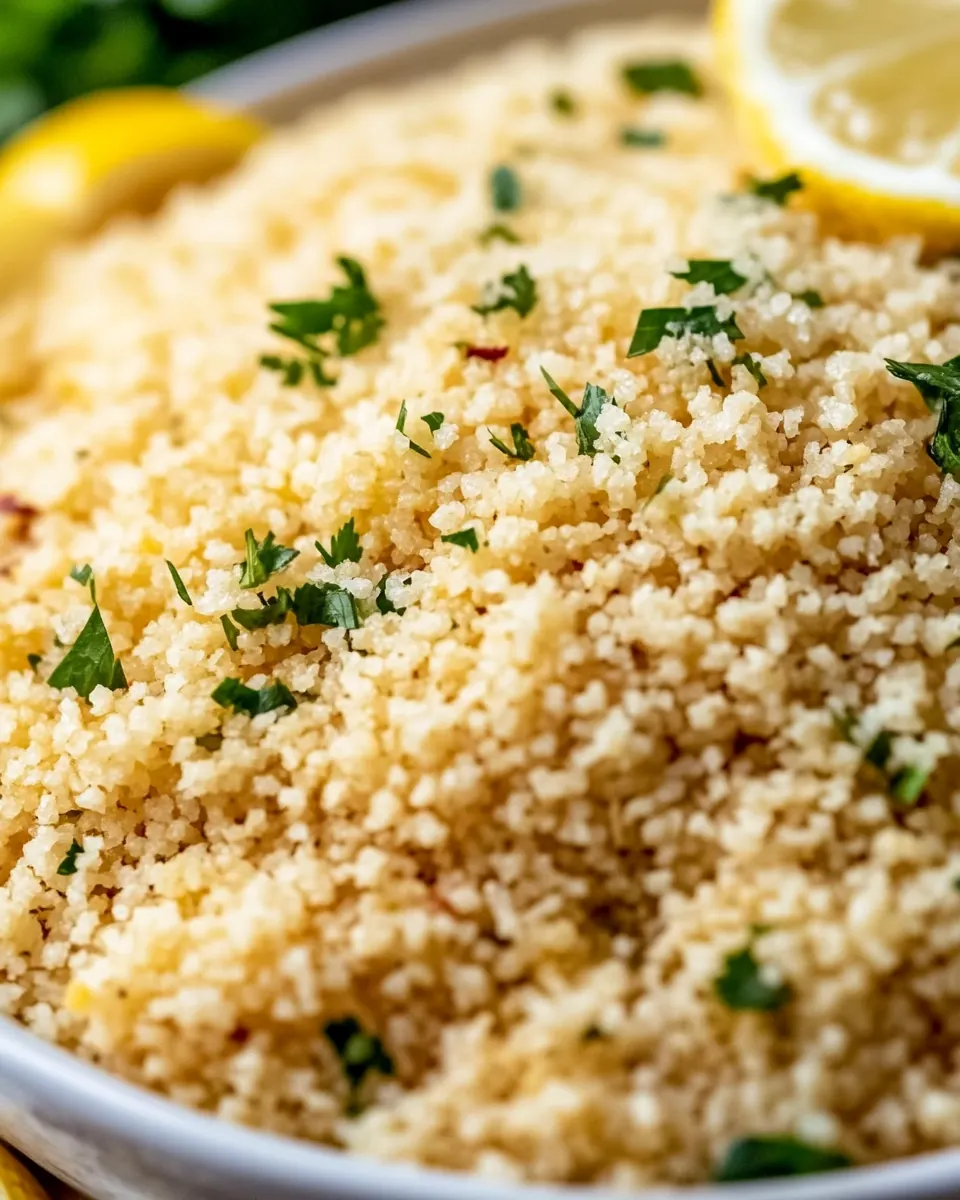
Moroccan Lemon Couscous is one of those recipes I reach for when I want something bright, comforting, and a little unexpected on the table.
I first stumbled onto this flavor combination while visiting a bustling market years ago, where the air smelled of citrus and warm spices and vendors piled almonds and raisins into neat pyramids. Back home, I recreated the memory in a small saucepan on my stove, tweaking the lemon and herbs until the balance felt right. I love how a few simple pantry items transform into a dish that feels celebratory, yet easy enough for a weeknight.
What keeps me coming back to Moroccan Lemon Couscous is how versatile it is. I often make a double batch so there is enough for lunches, and the leftovers taste even better after the flavors settle. This dish has become my go to when I want to impress guests without slaving away in the kitchen, and it pairs beautifully with roasted vegetables or a simple grilled protein for a complete meal.
Recipe Snapshot
20 mins
5 mins
15 mins
Medium
200 kcal
Mediterranean
Vegan, Whole30
Side Dishes
Saucepan with lid, Rice paddle or silicone spatula
What Sets This Moroccan Lemon Couscous Apart
Vibrant, Balanced Flavors
I adore how Moroccan Lemon Couscous layers bright lemon against warm Moroccan seasoning, creating a balance that feels lively without being overpowering. The acidity of the lemon juice and lemon zest lifts the whole dish, while the seasoning adds gentle warmth, making each bite interesting and fresh.
Speed and Simplicity
This dish is a lifesaver when time is tight, I can get a fluffy bowl of couscous ready quickly. The technique is straightforward, so you don’t need special skills to nail the texture. Because it cooks fast, it’s ideal for busy evenings or last minute company.
Textural Contrast
I love the way the plump raisins and crunchy almonds play off the soft grains of couscous. Those contrasting textures make every forkful satisfying, and they add personality in the same way a finishing touch changes an outfit from simple to memorable.
Fresh Herbs Make a Difference
Adding chopped parsley and cilantro at the end gives the dish a fresh green lift that keeps it from feeling heavy. I always add them at the last minute so they retain a bright color and lively aroma.
Flexible and Crowd Friendly
I often serve this at gatherings because it travels well and can be scaled. It works as a side or a light main, and it pairs with many cuisines. I appreciate recipes that behave this way, allowing me to adapt based on what I have on hand or the occasion.
Essential Ingredients for Moroccan Lemon Couscous
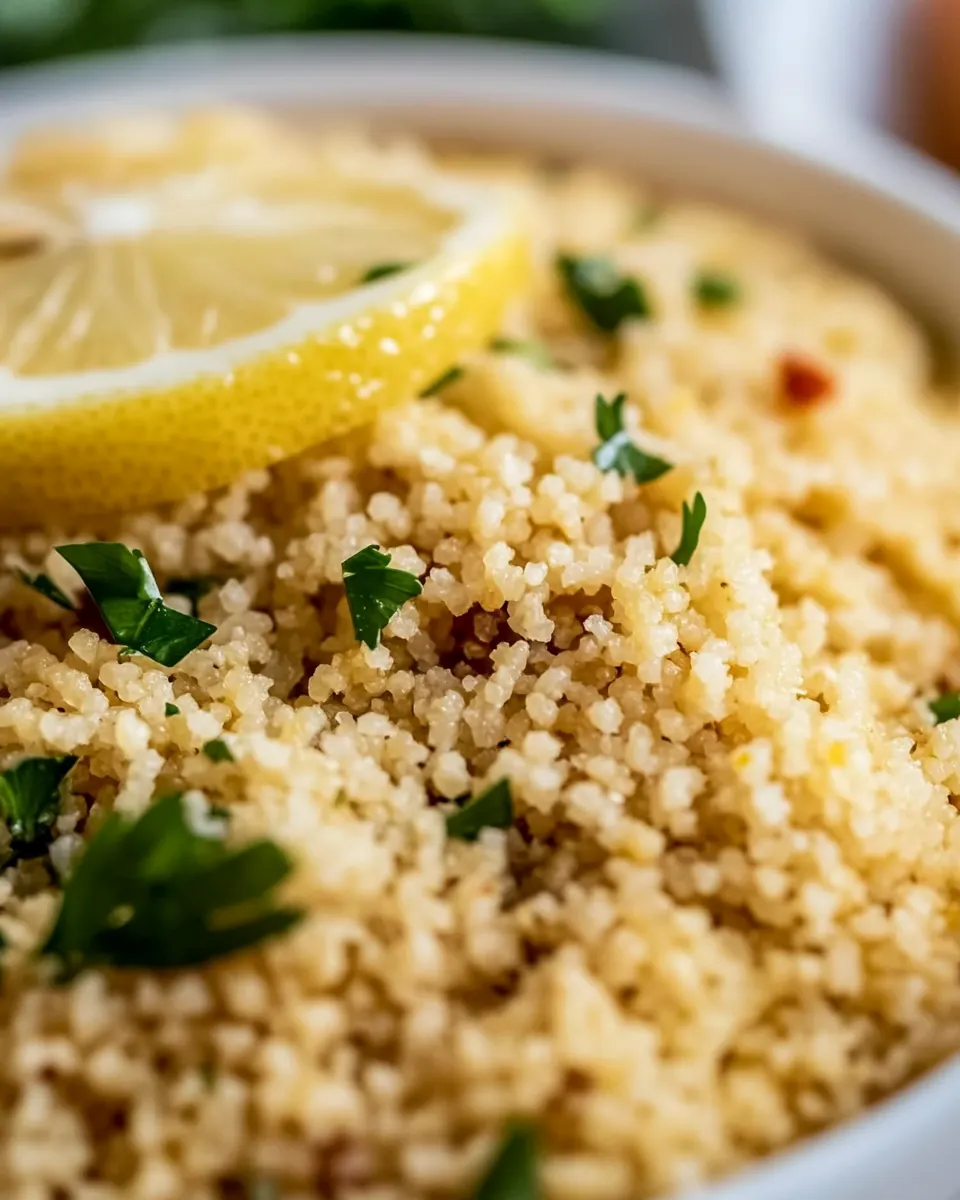
These ingredients are simple, yet purposeful. The star is couscous, which soaks up the aromatic broth and lemon notes, while pantry staples like raisins and almonds provide sweetness and crunch. Fresh herbs and lemon zest brighten the bowl, and the modest use of oil and seasoning ties everything together.
- 2 tablespoons extra virgin olive oil: Warm and fragrant, used to sauté aromatics and coat couscous grains so they become tender and glossy; provides a fruity, peppery backbone to the dish and helps carry herbs and lemon flavors throughout. Adds healthy fats that balance the dried fruit and nuts while aiding in mouthfeel and overall richness.
- 1 onion finely chopped: Sweaty and translucent when finely chopped, used to build the savory base and release natural sugars that complement the lemon and spices; soft texture integrates smoothly into the finished couscous. Provides mild sweetness and body, enhancing the dish’s comforting profile without overpowering delicate herbs.
- 3 cloves garlic minced: Pound-sized aromatics lightly minced to release pungent oils; stir-fried briefly to perfume the oil and deepen the savory dimension of the couscous. Contributes sharp, savory notes that lift the other flavors and balances sweet raisins and bright lemon.
- 2 1/4 cups broth/stock: Simmered or boiled liquid used to hydrate the couscous and create a fluffy, well-separated texture; chosen broth/stock imparts savory depth and umami that infuses each grain. Temperature and salt level of the stock determine final seasoning, so adjust to taste before combining.
- 1 tablespoon lemon juice: Bright acidic touch added to finish and awaken flavors; stirred in to balance richness from oil and nuts and to brighten the overall profile. Enhances freshness and helps meld herbs, spices, and raisins into a cohesive dish.
- 1/2 teaspoon Moroccan seasoning: Fragrant spice blend used sparingly to introduce North African warmth and complexity; sprinkled into the cooking liquid to infuse subtle earthiness and aromatic notes. Provides characteristic Moroccan flavor without dominating the delicate couscous and citrus components.
- 1 cup couscous: Small grain used as the main starch, steamed or steamed-like by absorbing hot broth to become light and fluffy; fluffed with a fork to separate grains and prevent clumping. Acts as the base that carries all mix-ins like raisins, almonds, herbs, and zest for balanced bites.
- 1/3 cup raisins/sultanas: Soft sweet dried fruit folded in for pops of concentrated sweetness and chewy contrast; soaked briefly in warm liquid if needed to plump before stirring into couscous. Balances savory and acidic elements while adding pleasant texture variation.
- 1/4 cup almond roughly chopped: Crunchy nut roughly chopped to provide toasted, buttery bites and textural contrast; lightly toasted before mixing to deepen flavor and bring out oils. Adds heartiness and nutty richness that complements raisins and herbs.
- 1 tablespoon fresh parsley finely chopped: Fresh herb finely chopped and sprinkled in to contribute a grassy, slightly peppery note; stirred in at the end to preserve color and brightness. Works with cilantro and lemon to create a layered, herbaceous finish.
- 1 tablespoon fresh cilantro finely chopped: Citrusy herb finely chopped to impart a bright, citrusy-coriander flavor; added near the end for freshness and aromatic lift. Balances richness and sweetness with crisp, herbal accents that are characteristic of many Moroccan dishes.
- 1 tablespoon lemon zest: Fragrant citrus peel grated finely to deliver concentrated lemon aroma and lively citrus oils; folded through the couscous just before serving to maximize scent and flavor. Provides zesty brightness that ties together herbs, raisins, and seasoning.
- salt to taste: Adjustable seasoning used to balance the overall taste profile; added after tasting the finished couscous to achieve desired saltiness. Enhances natural flavors and ensures the dish is well-rounded and satisfying.
Putting Together Moroccan Lemon Couscous
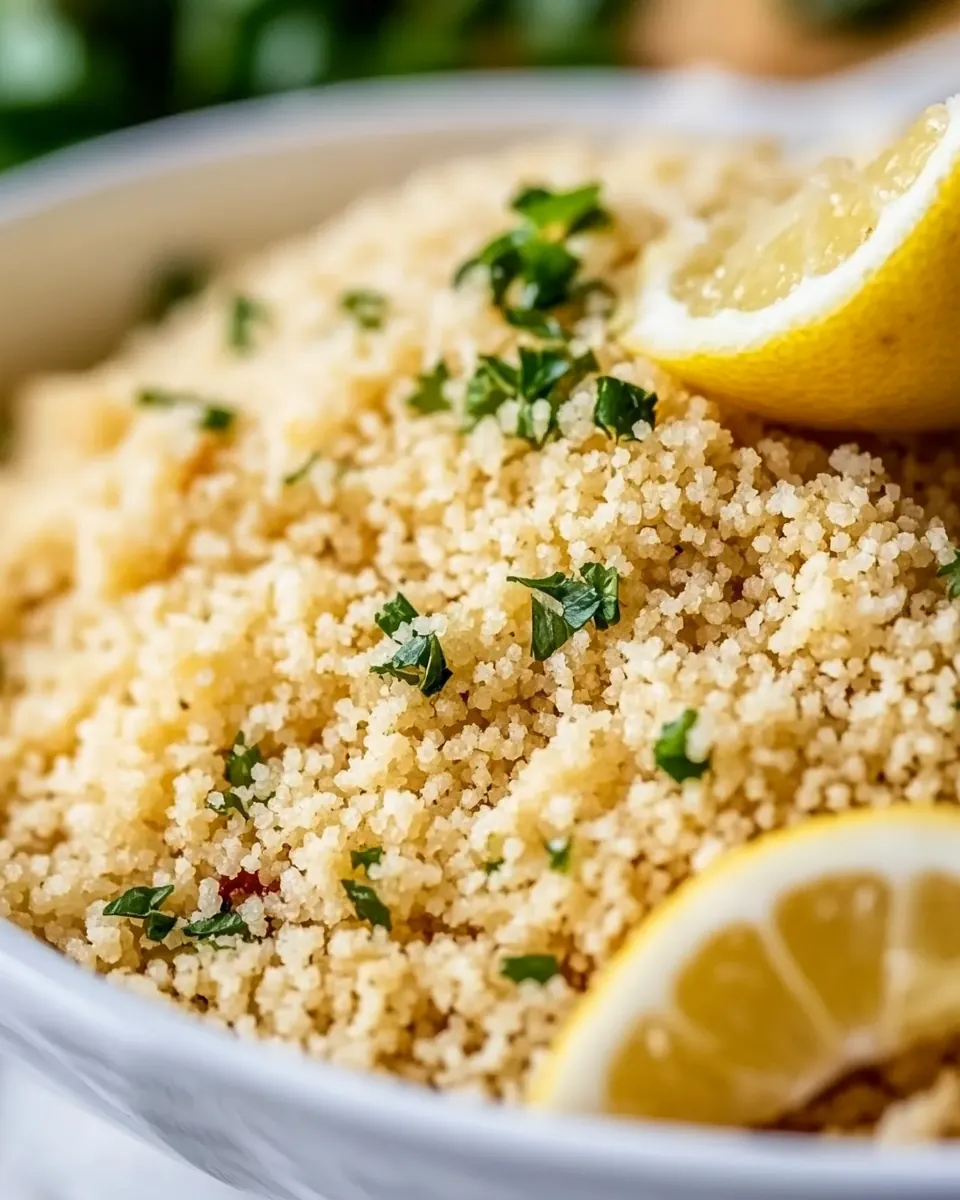
Bringing this dish together is quick and rewarding, with straightforward steps that build layers of aroma and texture. Work steadily and pay attention to sensory cues, like the smell of softened onion or the sound of a gentle simmer. Those small signals tell you the dish is on track.
- Add the extra virgin olive oil to a saucepan (one that has a lid) and place over medium heat.: As the oil warms you should notice a faint fruity scent that signals it is ready to carry aromatics. The pan should look evenly coated, and the oil will shimmer lightly, not smoke. This step matters because hot oil helps the onion release sweetness and prevents sticking. A common mistake is using too high heat, which can cause the oil to burn and taste bitter. If your oil smokes, lower the heat and start over with fresh oil.
- Add the chopped onion and cook for 3 minutes, then add the minced garlic and cook for a further minute.: You will hear a gentle sizzle as the onion hits the pan, and after a few minutes it will become translucent and give off a sweet, savory aroma. When you add the garlic , the scent intensifies quickly, so keep stirring to prevent sticking. This step softens the onion and blooms the garlic , which deepens the overall flavor. Avoid browning the garlic ; if it edges toward brown, lower the heat immediately to prevent bitterness.
- Pour in the broth, lemon juice, and Moroccan seasoning and bring to a boil.: The mixture will steam and fill the kitchen with an appealing blend of citrus and spice. Bring it to a gentle rolling boil so the flavors meld and the seasoning dissolves evenly. This ensures the couscous absorbs a well seasoned liquid. If you skip bringing it fully to a boil, the grains may not hydrate evenly, leading to uneven texture.
- Once boiling, remove from the heat and add the couscous. Give it a stir to combine, then put on the lid and let it sit untouched for 10 minutes.: The steam trapped under the lid will quietly plump the couscous , and you should hear barely anything as it rests. This hands off period is crucial because it allows the grains to absorb liquid evenly, producing a tender but distinct texture. Opening the lid too soon or stirring during this time can make the couscous gummy rather than light.
- After this time, remove the lid and use a rice paddle or silicone spatula to fluff the couscous.: When you lift the lid you should see steam escaping and the grains looking swollen and soft. Fluffing with a paddle separates the grains and introduces air pockets, creating a fluffy texture. Use gentle, sweeping motions to avoid smashing the grains together. Overworking it will break grains and create a mushy result.
- Stir in the raisins/sultanas, chopped almonds, chopped herbs, and lemon zest (use the same paddle/spatula).: The warm grains will gently plump the raisins , while the nuts remain crisp, giving delightful contrasts in each bite. Mixing in the fresh parsley , cilantro , and lemon zest at this stage preserves their color and fragrance. If you add herbs too early, they will wilt and lose vibrancy, so hold them until the final toss.
- Taste your couscous and add more lemon juice if needed, and extra salt if you think it needs it.: The final tasting will reveal whether the dish needs more brightening or seasoning. Adjust carefully, adding small amounts and tasting after each addition, because acids and salt can quickly change the balance. A frequent misstep is over seasoning at once; take it slowly and trust your palate.
Tips for Success
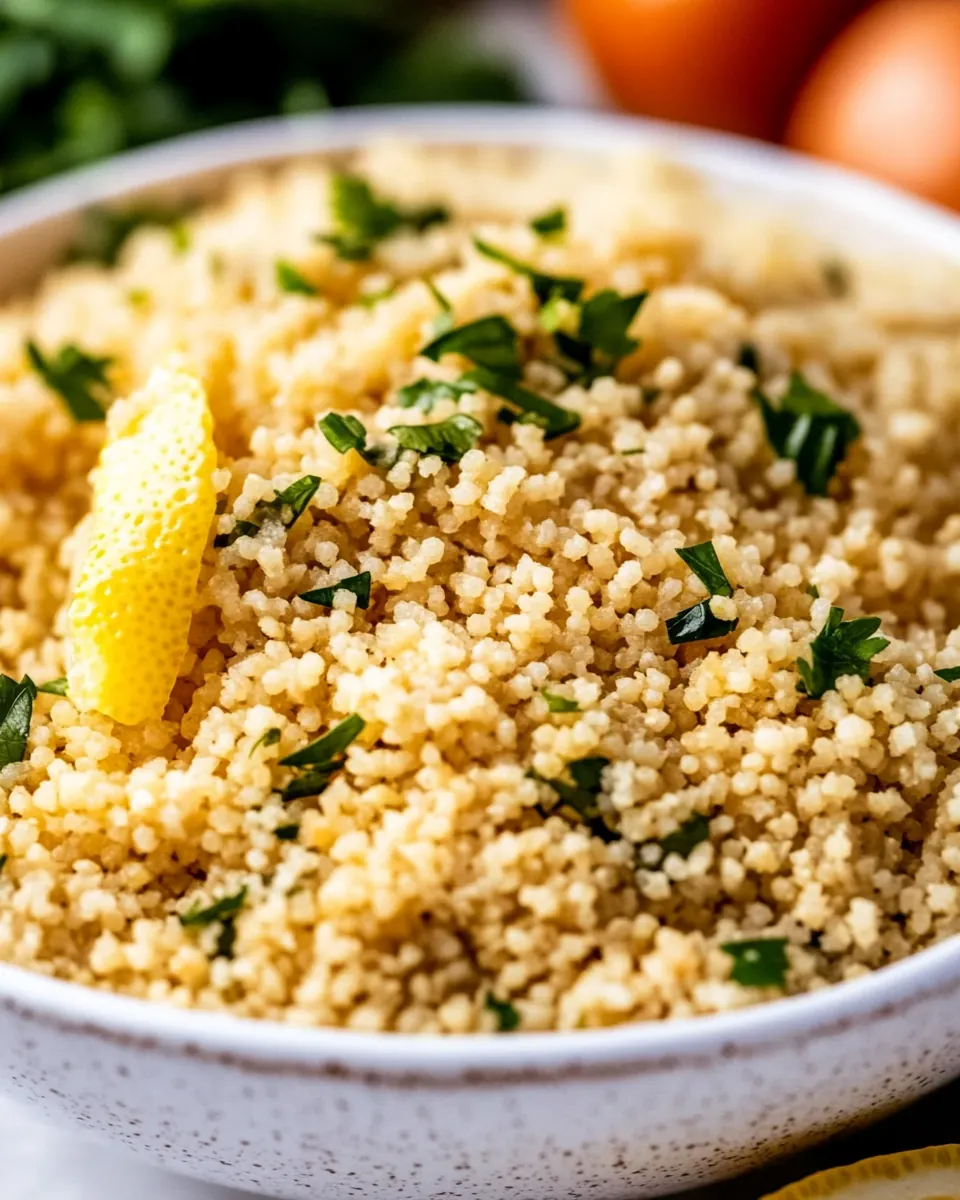
These tips will help you get consistent results and enhance the flavors and textures of the dish. Read them before you start, and keep them handy while you cook.
- Measure the liquid accurately, since the right broth amount ensures the couscous becomes fluffy instead of soggy. Use the exact volume and keep an eye on the grain texture after resting.
- Use fresh lemon, not bottled juice, to get lively acidity and aromatic oils from the zest that bottled versions lack.
- Control your heat when saut e9ing the onion and garlic, so they soften and sweeten without charring, which would impart bitterness.
- Fluff with care using a rice paddle or fork to separate grains gently, giving you a light, airy texture rather than a compact mass.
- Toast almonds lightly in a dry pan for one to two minutes to deepen their flavor, but watch them closely as nuts can burn quickly.
- Adjust seasoning at the end after tasting, because hot dishes often reveal their true salt and acid level only after resting briefly.
Serving This Moroccan Lemon Couscous
This couscous is flexible and presents beautifully, making it suitable for many meals and gatherings. Here are detailed serving ideas and storage suggestions to help plan the whole experience.
- As a side for dinner, serve warm alongside roasted vegetables or grilled chicken for a balanced plate that highlights the couscous as a fragrant complement.
- For a light lunch, plate a generous portion with a crisp green salad and a drizzle of olive oil, letting the couscous stand as the flavorful centerpiece.
- At gatherings, make a large bowl and place small bowls of extra chopped herbs and lemon wedges on the side so guests can personalize their plates.
- Ramadan or festive meals, this dish fits well for breaking fast, offering gentle flavors that are easy on the palate while still feeling special.
- Storage tips, refrigerate leftovers in an airtight container for up to three days. Reheat gently with a splash of water or broth to revive moisture and fluff with a fork before serving.
- Seasonal pairings, in spring and summer lean into fresh herbs and bright salads, while in cooler months pair it with roasted root vegetables for warmer, heartier combinations.
FAQ
Conclusion
Moroccan Lemon Couscous stands out for its lively citrus notes, warm Moroccan seasoning, and the interplay of sweet raisins and crunchy almonds. It is a fast, flexible dish that feels both homey and a little celebratory, making it suitable for casual dinners or special gatherings. I encourage you to give it a try, experiment with the herb ratio to suit your palate, and enjoy how little effort produces a flavorful, textured result that keeps well and pairs with many mains.
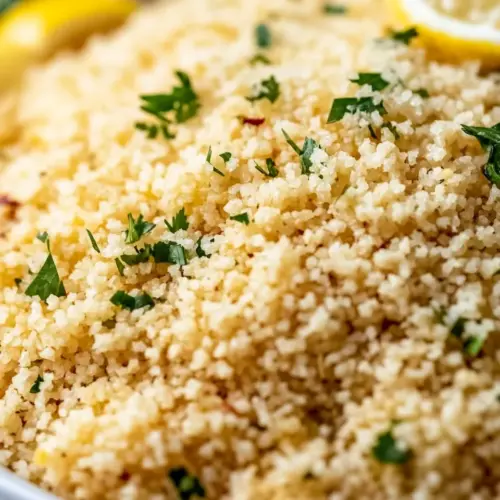
Moroccan Lemon Couscous
Equipment
- Saucepan with lid
- Rice paddle or silicone spatula
Ingredients
- 2 tablespoons extra virgin olive oil Warm and fragrant, used to sauté aromatics and coat couscous grains so they become tender and glossy; provides a fruity, peppery backbone to the dish and helps carry herbs and lemon flavors throughout. Adds healthy fats that balance the dried fruit and nuts while aiding in mouthfeel and overall richness.
- 1 onion finely chopped Sweaty and translucent when finely chopped, used to build the savory base and release natural sugars that complement the lemon and spices; soft texture integrates smoothly into the finished couscous. Provides mild sweetness and body, enhancing the dish’s comforting profile without overpowering delicate herbs.
- 3 cloves garlic minced Pound-sized aromatics lightly minced to release pungent oils; stir-fried briefly to perfume the oil and deepen the savory dimension of the couscous. Contributes sharp, savory notes that lift the other flavors and balances sweet raisins and bright lemon.
- 2 1/4 cups broth/stock Simmered or boiled liquid used to hydrate the couscous and create a fluffy, well-separated texture; chosen broth/stock imparts savory depth and umami that infuses each grain. Temperature and salt level of the stock determine final seasoning, so adjust to taste before combining.
- 1 tablespoon lemon juice Bright acidic touch added to finish and awaken flavors; stirred in to balance richness from oil and nuts and to brighten the overall profile. Enhances freshness and helps meld herbs, spices, and raisins into a cohesive dish.
- 1/2 teaspoon Moroccan seasoning Fragrant spice blend used sparingly to introduce North African warmth and complexity; sprinkled into the cooking liquid to infuse subtle earthiness and aromatic notes. Provides characteristic Moroccan flavor without dominating the delicate couscous and citrus components.
- 1 cup couscous Small grain used as the main starch, steamed or steamed-like by absorbing hot broth to become light and fluffy; fluffed with a fork to separate grains and prevent clumping. Acts as the base that carries all mix-ins like raisins, almonds, herbs, and zest for balanced bites.
- 1/3 cup raisins/sultanas Soft sweet dried fruit folded in for pops of concentrated sweetness and chewy contrast; soaked briefly in warm liquid if needed to plump before stirring into couscous. Balances savory and acidic elements while adding pleasant texture variation.
- 1/4 cup almond roughly chopped Crunchy nut roughly chopped to provide toasted, buttery bites and textural contrast; lightly toasted before mixing to deepen flavor and bring out oils. Adds heartiness and nutty richness that complements raisins and herbs.
- 1 tablespoon fresh parsley finely chopped Fresh herb finely chopped and sprinkled in to contribute a grassy, slightly peppery note; stirred in at the end to preserve color and brightness. Works with cilantro and lemon to create a layered, herbaceous finish.
- 1 tablespoon fresh cilantro finely chopped Citrusy herb finely chopped to impart a bright, citrusy-coriander flavor; added near the end for freshness and aromatic lift. Balances richness and sweetness with crisp, herbal accents that are characteristic of many Moroccan dishes.
- 1 tablespoon lemon zest Fragrant citrus peel grated finely to deliver concentrated lemon aroma and lively citrus oils; folded through the couscous just before serving to maximize scent and flavor. Provides zesty brightness that ties together herbs, raisins, and seasoning.
- salt to taste Adjustable seasoning used to balance the overall taste profile; added after tasting the finished couscous to achieve desired saltiness. Enhances natural flavors and ensures the dish is well-rounded and satisfying.
Instructions
- Add the extra virgin olive oil to a saucepan (one that has a lid) and place over medium heat.: As the oil warms you should notice a faint fruity scent that signals it is ready to carry aromatics. The pan should look evenly coated, and the oil will shimmer lightly, not smoke. This step matters because hot oil helps the onion release sweetness and prevents sticking. A common mistake is using too high heat, which can cause the oil to burn and taste bitter. If your oil smokes, lower the heat and start over with fresh oil.
- Add the chopped onion and cook for 3 minutes, then add the minced garlic and cook for a further minute.: You will hear a gentle sizzle as the onion hits the pan, and after a few minutes it will become translucent and give off a sweet, savory aroma. When you add the garlic , the scent intensifies quickly, so keep stirring to prevent sticking. This step softens the onion and blooms the garlic , which deepens the overall flavor. Avoid browning the garlic ; if it edges toward brown, lower the heat immediately to prevent bitterness.
- Pour in the broth, lemon juice, and Moroccan seasoning and bring to a boil.: The mixture will steam and fill the kitchen with an appealing blend of citrus and spice. Bring it to a gentle rolling boil so the flavors meld and the seasoning dissolves evenly. This ensures the couscous absorbs a well seasoned liquid. If you skip bringing it fully to a boil, the grains may not hydrate evenly, leading to uneven texture.
- Once boiling, remove from the heat and add the couscous. Give it a stir to combine, then put on the lid and let it sit untouched for 10 minutes.: The steam trapped under the lid will quietly plump the couscous , and you should hear barely anything as it rests. This hands off period is crucial because it allows the grains to absorb liquid evenly, producing a tender but distinct texture. Opening the lid too soon or stirring during this time can make the couscous gummy rather than light.
- After this time, remove the lid and use a rice paddle or silicone spatula to fluff the couscous.: When you lift the lid you should see steam escaping and the grains looking swollen and soft. Fluffing with a paddle separates the grains and introduces air pockets, creating a fluffy texture. Use gentle, sweeping motions to avoid smashing the grains together. Overworking it will break grains and create a mushy result.
- Stir in the raisins/sultanas, chopped almonds, chopped herbs, and lemon zest (use the same paddle/spatula).: The warm grains will gently plump the raisins , while the nuts remain crisp, giving delightful contrasts in each bite. Mixing in the fresh parsley , cilantro , and lemon zest at this stage preserves their color and fragrance. If you add herbs too early, they will wilt and lose vibrancy, so hold them until the final toss.
- Taste your couscous and add more lemon juice if needed, and extra salt if you think it needs it.: The final tasting will reveal whether the dish needs more brightening or seasoning. Adjust carefully, adding small amounts and tasting after each addition, because acids and salt can quickly change the balance. A frequent misstep is over seasoning at once; take it slowly and trust your palate.
Notes
- Measure the liquid accurately, since the right broth amount ensures the couscous becomes fluffy instead of soggy. Use the exact volume and keep an eye on the grain texture after resting.
- Use fresh lemon, not bottled juice, to get lively acidity and aromatic oils from the zest that bottled versions lack.
- Control your heat when saut e9ing the onion and garlic, so they soften and sweeten without charring, which would impart bitterness.
- Fluff with care using a rice paddle or fork to separate grains gently, giving you a light, airy texture rather than a compact mass.
- Toast almonds lightly in a dry pan for one to two minutes to deepen their flavor, but watch them closely as nuts can burn quickly.
- Adjust seasoning at the end after tasting, because hot dishes often reveal their true salt and acid level only after resting briefly.