
Cashew Cream
Cashew Cream has been my secret for turning simple dishes into luxuriously creamy creations, and I first fell for it on a rainy afternoon when I wanted a dairy free swap that actually felt indulgent.
That day I soaked a bowl of cashews while the kettle ticked away, and the tiny act of blending them into a velvety liquid felt almost like alchemy. I loved how the texture shifted from grainy to satin smooth, and how a pinch of salt or a whisper of vanilla could veer the final result toward savory sauce or coffee creamer. Ever since then, I keep a jar in the fridge for last minute sauces and creamy add ins.
I’ll never forget using this to mellow a spicy stew, the way the cashew silk cut the heat without hiding the flavors, and how it made weeknight pasta feel a touch celebratory. I also enjoy blending up a lightly sweetened version for morning coffee on days I need something cozy and simple. This small habit has made weekday meals feel more thoughtful, and entertaining easier since a single dairy free component can dress up many plates.
Recipe Snapshot
35 mins
5 mins
30 mins
Easy
150 kcal
Vegan
Vegan, Gluten-Free
Dinner
High speed blender, Medium bowl, Strainer
Why This Cashew Cream Is a Winner
One versatile base that does so much
I adore Cashew Cream because it is a culinary chameleon. One base mixture can be transformed into a savory sauce, a silky dressing, or a sweet creamer, which means fewer recipes to learn and more flexibility when you are improvising. I often make a double batch because it saves time and elevates so many dishes.
Remarkable texture without dairy
What really sold me was the mouthfeel. When blended properly, soaked cashews become impossibly smooth and creamy, offering the same luxuriously thick sensation that heavy cream provides. For anyone avoiding dairy, this is one of the closest analogues I’ve found, and it marries beautifully with hot and cold preparations.
Easy and pantry friendly
I love that the ingredient list is tiny and approachable. You need mainly cashews, hot water, and your choice of seasoning, which makes it a perfect pantry rescue. It is also forgiving if you tweak the water ratio a bit to achieve the exact consistency you prefer.
Customizable flavor profile
Because the recipe separates texture from flavor, you control the direction. Add a pinch of salt and a little more water for a savory sauce, or stir in vanilla for a sweet creamer. I enjoy experimenting with small amounts of other seasonings, but you can keep it classic and let the cashews shine.
Great for dietary needs and entertaining
I’ve used Cashew Cream to accommodate guests with dairy sensitivities, and it consistently wins compliments from people who are not even avoiding dairy. It stores well for a few days, so you can prepare it ahead and feel calm when guests arrive.
Cashew Cream Ingredients
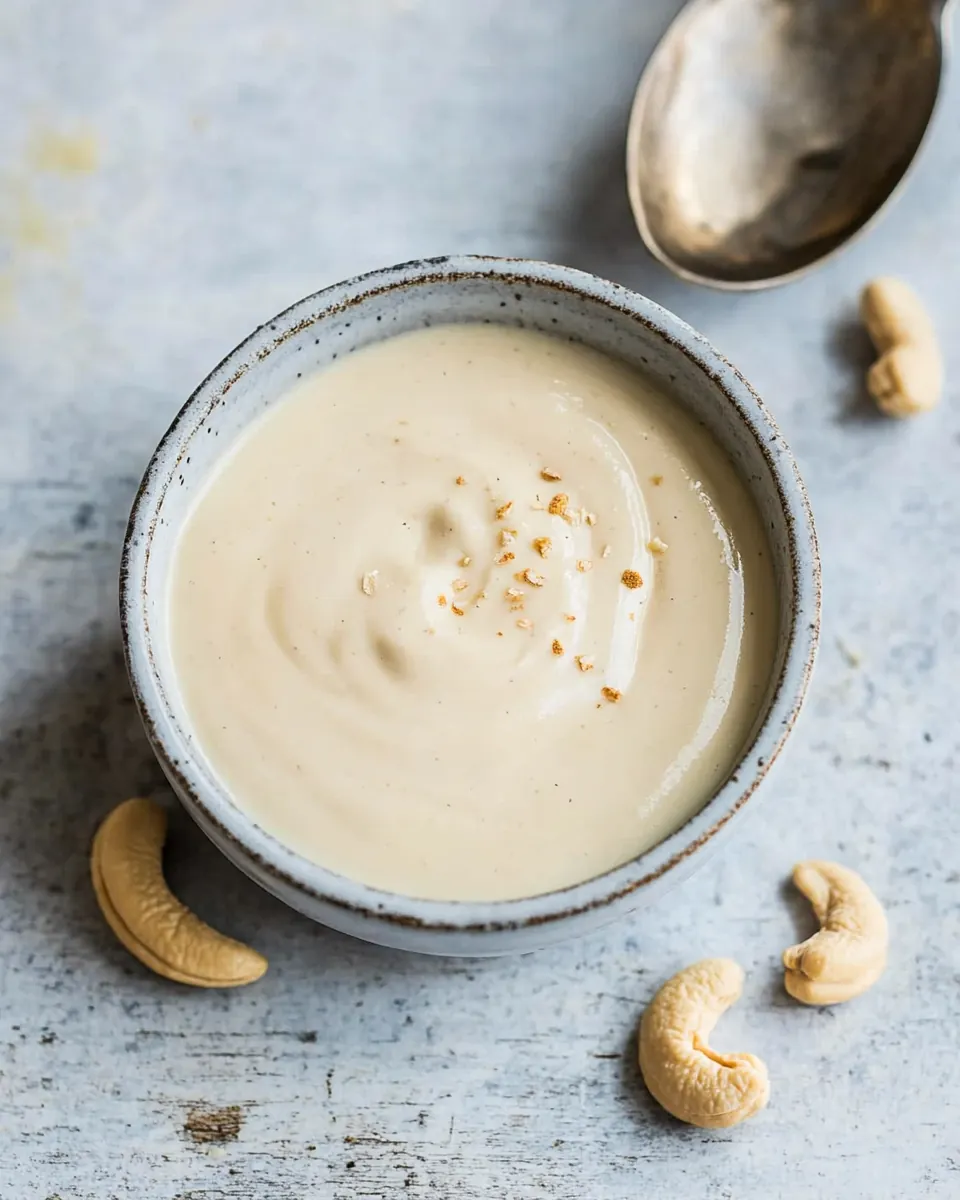
These ingredients are intentionally simple, and that is the philosophy. The cashews provide the creamy body, boiling water softens and hydrates them for blending, and the finishing choice between salt or vanilla directs the final personality. Together they create a neutral, silky base that adapts to sweet and savory applications.
- 1 cup raw cashews (5 ounces, see note 1): Soak and blend to create a rich, creamy base that thickens and provides a silky mouthfeel; if soaked longer, yields a smoother texture and is easier to puree. Adds natural nutty flavor and body while supplying healthy fats and a touch of sweetness. Can be strained for ultra-smooth cream or used as-is for more rustic texture. Handles heat well when gently warmed and serves as a versatile dairy-free substitute in both sweet and savory applications.
- 2 cups boiling water plus more water as needed: Hydrate and soften the nuts quickly to allow thorough blending into a smooth emulsion; pouring boiling liquid over cashews helps break down fibers and release starches that thicken the mixture. Controls final consistency—adjusting the amount or adding more water creates anything from a pourable cream to a thick spread. Also speeds up preparation by reducing required soaking time compared with cold water. Retains subtle flavor while enabling emulsification without dairy or eggs.
- Salt or vanilla (see note 2): Season or sweeten to taste to balance and customize the cream for sweet or savory uses; a pinch of salt enhances overall flavor, while vanilla adds aromatic sweetness and depth. Offers flexibility to transform a neutral base into dessert-ready cashew cream or a savory sauce component. Should be added incrementally and tasted to avoid overpowering the delicate nut flavor. Can be omitted when a neutral base is desired or when other flavored ingredients are planned.
How to Cook Cashew Cream
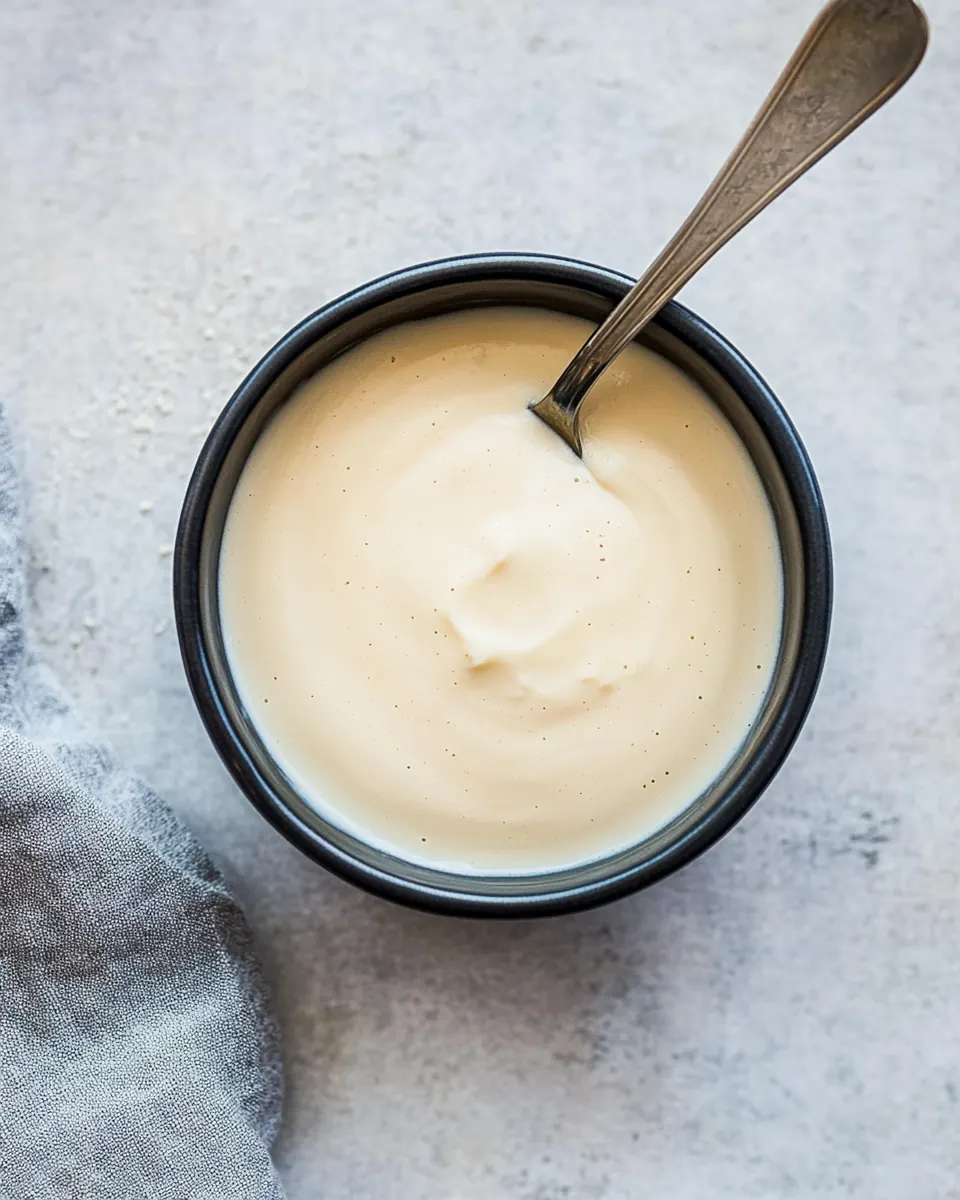
I find that a few simple steps produce consistently smooth results. Read through each stage so you know the sensory signs to watch for, and plan to taste and adjust as you go. Keep your blender ready and resist the urge to rush the soaking or blending.
- In a medium bowl, add cashews and cover with 2 cups boiling water. Let soak for 30 minutes. Drain well and discard soaking liquid.: The bowl will steam as the hot water envelops the cashews , and after about 30 minutes they should feel plump and slightly springy between your fingers, which signals they are ready. Draining removes the starchy, slightly bitter soaking liquid, which can cloud the flavor. If you skip draining, the final cream may taste thin or slightly off; always discard the soak liquid. One troubleshooting tip is to taste a softened nut to ensure it is no longer chalky, otherwise extend the soak slightly.
- In a high-speed blender, add drained cashews and 1/2 cup water. Blend until smooth, adding more water as needed to get a creamy consistency.: When you start blending, listen for the motor’s shift from a high pitched whir to a deeper, smoother hum, which often indicates the mixture has emulsified. The surface should look glossy and the flow should be uninterrupted when you stop the blender and scrape the sides. If it sounds grainy or you see specks, pause and scrape down the cashews , then blend again. Avoid adding too much water at once, as an overly thin start can prevent a velvety texture; add small amounts gradually for control.
- For a savory sauce, I add an additional 1/2 cup water for 1 1/2 cups total. Season to taste with salt (I like 1/4 teaspoon).: Savory variations should have a slightly thicker coating texture, so adding an extra 1/2 cup of water brings the body to sauce friendly thickness. Smell for a clean, nutty aroma without any raw edge, which signals balance. When seasoning, stir and taste between increments, because salt intensity changes as the cream integrates. A common error is over diluting, which leads to a thin sauce; if that happens, blend in a few more cashews or reduce liquid on the stove to concentrate.
- For a coffee creamer, I add an additional 1 cup water for 2 cups total. Add vanilla extract to taste (I like 1 teaspoon).: For beverages you want a lighter, pourable consistency that still rounds the mouth, so increasing to about 2 cups total water achieves that. The aroma should be slightly sweet and inviting once the vanilla is incorporated, and the texture should cascade off a spoon in a steady ribbon. If the creamer separates when cooled, re-blend briefly to re-emulsify. A typical pitfall is adding too strong a flavoring right away; instead, add small amounts of vanilla and taste, because it can quickly dominate the delicate nut base.
Ways to Adapt This Recipe
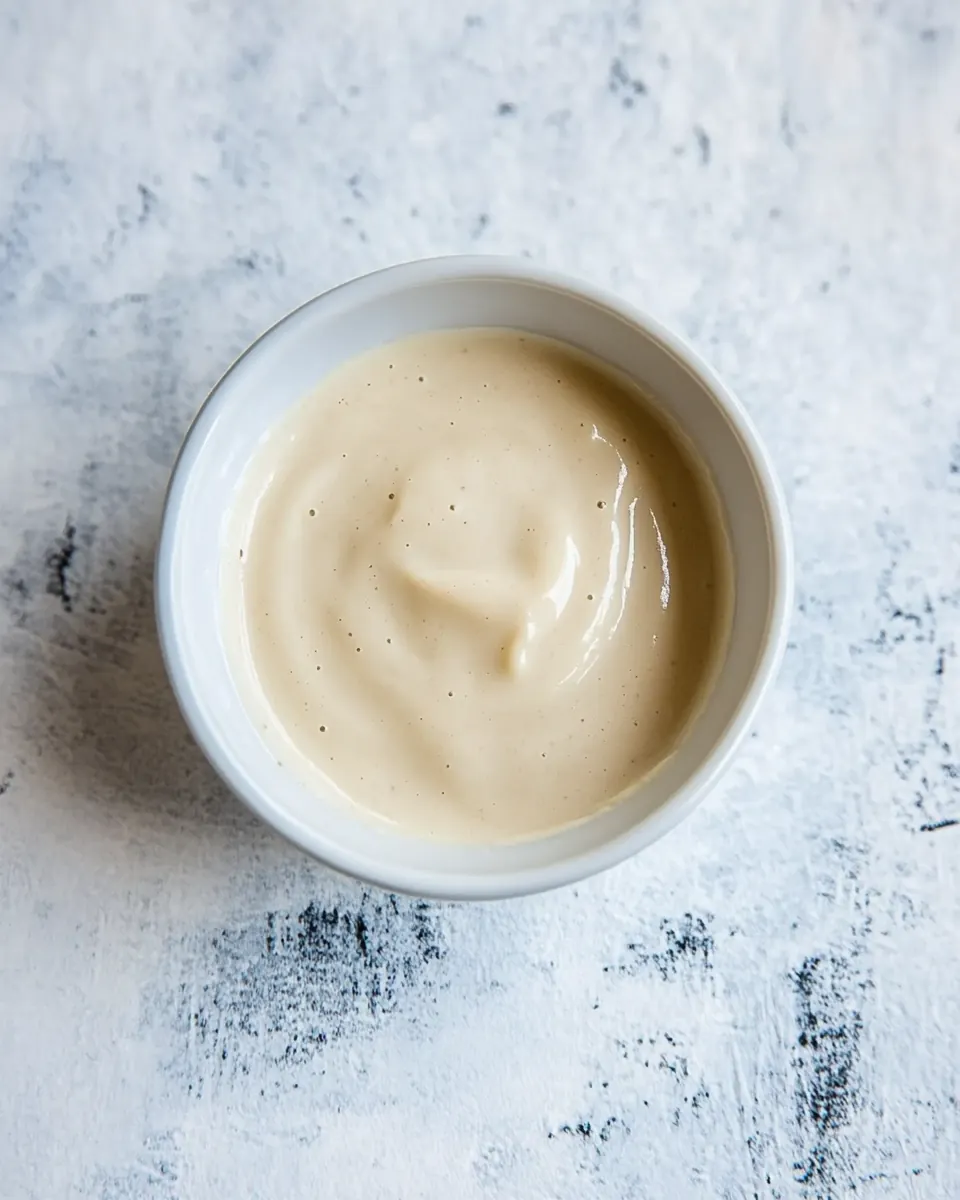
This recipe is a wonderful baseline for many adaptations, and small adjustments change it from sauce to creamer. Below I expand each practical tip so you can confidently adapt texture and flavor for different uses.
- Make it thicker for sauces, by reducing extra water and blending until very smooth, or by adding extra drained cashews if you need more body. Thicker cream clings to pasta and vegetables better, and blends smoothly into warm gravies.
- Thin it for creamer, by increasing the total water to reach a pourable consistency and adding vanilla to taste. This yields a silky beverage add in that mixes easily with hot liquids without curdling.
- Control salt carefully, especially for savory uses, by adding in small increments and tasting after stirring. Because the perceived saltiness changes as the mixture sits, err on the side of less and adjust later.
- Store properly, kept in an airtight container in the refrigerator for up to four days. If separation occurs, simply re-blend or whisk before using to restore texture.
- Use fresh nuts, to avoid off flavors; rancid cashews will ruin the cream. Buy from trusted sources and use within a few months for best results.
Serving Suggestions
This base recipe shines across meals and occasions, from casual weekday dinners to special gatherings. Serve it warm in savory preparations, or chilled as a creamer or sweet drizzle. The list below details ways I like to present and pair it.
- As a pasta sauce, ladle warm Cashew Cream over hot pasta and toss with steamed vegetables for a quick weeknight dinner. The cream clings to noodles and adds richness without dairy.
- For soups and stews, swirl a few tablespoons into a bowl to add silkiness and mellow acidity; it pairs well with roasted vegetable soups and bean stews, providing a rounded mouthfeel.
- As a coffee creamer, stir into hot coffee or tea in place of dairy, adding a touch of vanilla for a cozy morning treat. Use the thinner version so it pours easily and integrates without clumping.
- For dips and dressings, thin with additional water or lemon juice and season to taste to create creamy dressings or vegetable dips ideal for parties or light lunches.
- Storage and make ahead, keep in a sealed jar in the refrigerator for up to four days, or freeze small portions for longer storage. Thaw in the fridge and re-blend briefly to refresh texture before serving.
FAQ
Conclusion
What makes this recipe special is how a handful of ingredients and a short bit of technique produce a richly textured, versatile cream that works across sweet and savory dishes. I encourage you to make a small batch and experiment, because the payoff is immediate: smoother sauces, silkier soups, and a delightful creamer for morning coffee. Try it once and you will see how this simple pantry habit elevates everyday cooking in an easy, satisfying way.
Cashew Cream
Equipment
- High Speed Blender
- Medium Bowl
- Strainer
Ingredients
- 1 cup raw cashews (5 ounces, see note 1) Soak and blend to create a rich, creamy base that thickens and provides a silky mouthfeel; if soaked longer, yields a smoother texture and is easier to puree. Adds natural nutty flavor and body while supplying healthy fats and a touch of sweetness. Can be strained for ultra-smooth cream or used as-is for more rustic texture. Handles heat well when gently warmed and serves as a versatile dairy-free substitute in both sweet and savory applications.
- 2 cups boiling water plus more water as needed Hydrate and soften the nuts quickly to allow thorough blending into a smooth emulsion; pouring boiling liquid over cashews helps break down fibers and release starches that thicken the mixture. Controls final consistency—adjusting the amount or adding more water creates anything from a pourable cream to a thick spread. Also speeds up preparation by reducing required soaking time compared with cold water. Retains subtle flavor while enabling emulsification without dairy or eggs.
- Salt or vanilla (see note 2) Season or sweeten to taste to balance and customize the cream for sweet or savory uses; a pinch of salt enhances overall flavor, while vanilla adds aromatic sweetness and depth. Offers flexibility to transform a neutral base into dessert-ready cashew cream or a savory sauce component. Should be added incrementally and tasted to avoid overpowering the delicate nut flavor. Can be omitted when a neutral base is desired or when other flavored ingredients are planned.
Instructions
- In a medium bowl, add cashews and cover with 2 cups boiling water. Let soak for 30 minutes. Drain well and discard soaking liquid.: The bowl will steam as the hot water envelops the cashews , and after about 30 minutes they should feel plump and slightly springy between your fingers, which signals they are ready. Draining removes the starchy, slightly bitter soaking liquid, which can cloud the flavor. If you skip draining, the final cream may taste thin or slightly off; always discard the soak liquid. One troubleshooting tip is to taste a softened nut to ensure it is no longer chalky, otherwise extend the soak slightly.
- In a high-speed blender, add drained cashews and 1/2 cup water. Blend until smooth, adding more water as needed to get a creamy consistency.: When you start blending, listen for the motor’s shift from a high pitched whir to a deeper, smoother hum, which often indicates the mixture has emulsified. The surface should look glossy and the flow should be uninterrupted when you stop the blender and scrape the sides. If it sounds grainy or you see specks, pause and scrape down the cashews , then blend again. Avoid adding too much water at once, as an overly thin start can prevent a velvety texture; add small amounts gradually for control.
- For a savory sauce, I add an additional 1/2 cup water for 1 1/2 cups total. Season to taste with salt (I like 1/4 teaspoon).: Savory variations should have a slightly thicker coating texture, so adding an extra 1/2 cup of water brings the body to sauce friendly thickness. Smell for a clean, nutty aroma without any raw edge, which signals balance. When seasoning, stir and taste between increments, because salt intensity changes as the cream integrates. A common error is over diluting, which leads to a thin sauce; if that happens, blend in a few more cashews or reduce liquid on the stove to concentrate.
- For a coffee creamer, I add an additional 1 cup water for 2 cups total. Add vanilla extract to taste (I like 1 teaspoon).: For beverages you want a lighter, pourable consistency that still rounds the mouth, so increasing to about 2 cups total water achieves that. The aroma should be slightly sweet and inviting once the vanilla is incorporated, and the texture should cascade off a spoon in a steady ribbon. If the creamer separates when cooled, re-blend briefly to re-emulsify. A typical pitfall is adding too strong a flavoring right away; instead, add small amounts of vanilla and taste, because it can quickly dominate the delicate nut base.
Notes
- Make it thicker for sauces, by reducing extra water and blending until very smooth, or by adding extra drained cashews if you need more body. Thicker cream clings to pasta and vegetables better, and blends smoothly into warm gravies.
- Thin it for creamer, by increasing the total water to reach a pourable consistency and adding vanilla to taste. This yields a silky beverage add in that mixes easily with hot liquids without curdling.
- Control salt carefully, especially for savory uses, by adding in small increments and tasting after stirring. Because the perceived saltiness changes as the mixture sits, err on the side of less and adjust later.
- Store properly, kept in an airtight container in the refrigerator for up to four days. If separation occurs, simply re-blend or whisk before using to restore texture.
- Use fresh nuts, to avoid off flavors; rancid cashews will ruin the cream. Buy from trusted sources and use within a few months for best results.
