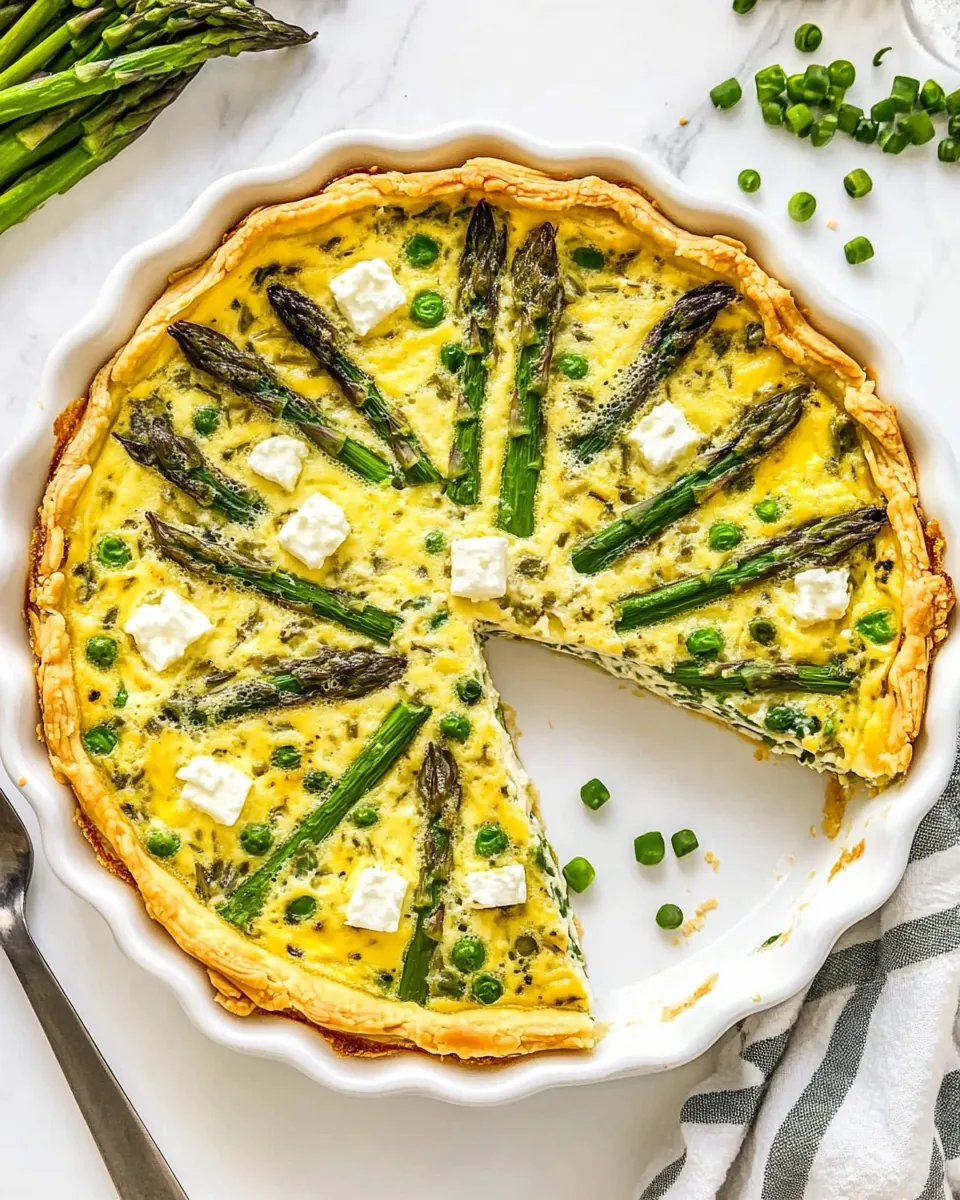
Asparagus and Feta Crustless Quiche
Asparagus and Feta Crustless Quiche is one of those recipes I reach for when spring vegetables finally taste like themselves, bright and green, and I want something that feels special without a lot of fuss.
I remember the first time I made this quiche for friends who were visiting after a long week. The kitchen smelled of warm eggs and fresh asparagus, and everyone kept commenting on the creamy pockets of feta cheese. I served it with a simple tossed salad and watched as the plate went quiet, which is always my sign that the recipe hit the mark. That night taught me that a crustless quiche can be elegant, light, and comforting all at once.
Recipe Snapshot
40 mins
5 mins
35 mins
Easy
220 kcal
Mediterranean
Gluten-Free, Keto
Breakfast
Oven, 9 inch pie dish, Large bowl, Whisk
What Makes This Asparagus and Feta Crustless Quiche Special
Bright seasonal flavor
I love how the thin spears of asparagus bring a sweet green note that lifts the whole dish. The vegetable stays slightly tender and gives you that fresh snap when you bite into it, which contrasts beautifully with the soft, custardy interior.
Simple, pantry friendly ingredients
One of the reasons I reach for Asparagus and Feta Crustless Quiche is that it uses ingredients I usually have on hand. The eggs make the base rich and creamy, while the feta cheese adds salty tang without overpowering the other flavors.
Quick and fuss free
From mixing to oven takes minutes, so it feels like a treat that does not demand a whole afternoon. You can prep while chatting, and the oven does the heavy lifting, letting you focus on the table or appetizers instead of babysitting a crust.
Versatile for every meal
I serve this dish for brunch, a light lunch, or an easy weeknight dinner. It reheats well and can be sliced for packed lunches, making it one of those multi purpose recipes that earns its place in the rotation.
Textural contrast
The combination of creamy cooked eggs, flaky crumbled feta cheese, and the tender bite of asparagus and chopped green onions creates a pleasing mosaic of textures. That balance is why this quiche never feels one note to me, even though the ingredient list is short.
Asparagus and Feta Crustless Quiche Shopping List
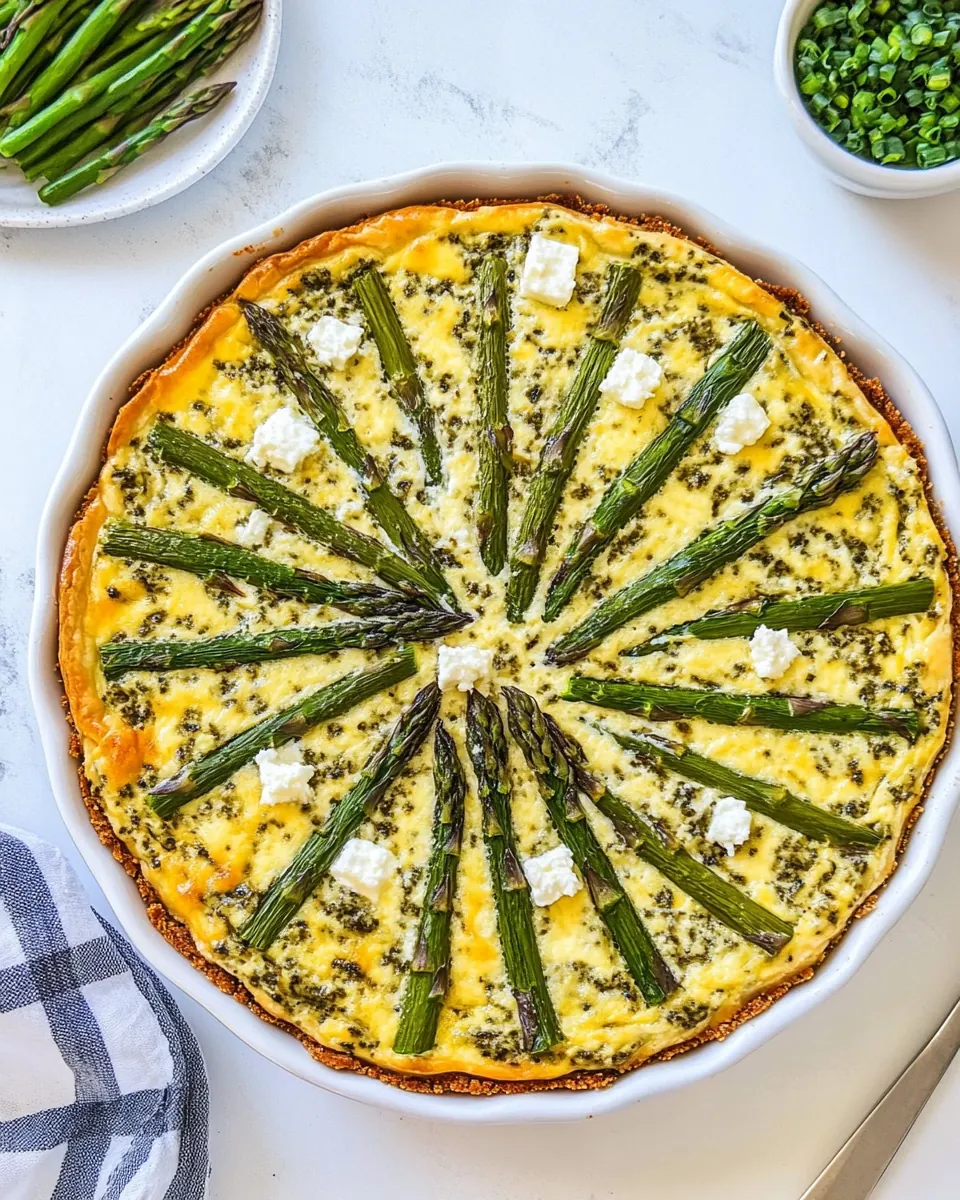
These ingredients are intentionally simple, chosen to highlight spring produce and creamy dairy. The key players are the eggs, which form the custard, the springy asparagus and green onions for freshness, and the tangy feta cheese which seasons the quiche without needing much salt. Together they make a balanced filling that sets without a crust, and a little chive at the end brightens every bite.
- 8 thin asparagus spears, ends removed and cut into 1-inch pieces: Trimmed and sliced into 1-inch pieces, provides a tender-crisp vegetable element and fresh green flavor that brightens the quiche.
- 4 green onions, chopped: Chopped finely to contribute a mild oniony bite and subtle crunch distributed throughout the custard for depth of flavor.
- 6 large eggs: Beaten well to create the primary custardy structure, binding the other ingredients and setting into a firm yet tender quiche base.
- 2/3 cup milk, of choice: Whisked together with the eggs to loosen the custard, adding moisture and contributing a creamy mouthfeel to the filling.
- 1/4 cup half and half, (or substitute more milk): Added for extra richness and creaminess; can be substituted with more milk to reduce fat while maintaining smooth texture.
- 1/2 tsp oregano: Sprinkled into the egg mixture to introduce warm, aromatic herb notes that enhance savory components without overpowering.
- 1/2 tsp salt: Measured to season the custard, balancing flavors and helping to accentuate the natural taste of the asparagus and cheese.
- 1/4 tsp black pepper: Ground and added sparingly to give a subtle spicy warmth and counterbalance the richness of the eggs and dairy.
- 1/3 cup feta cheese, crumbled: Crumpled over the filling to introduce a salty, tangy, and slightly creamy contrast that complements the vegetables and eggs.
- 2 tbsp chives, finely chopped: Finely chopped and scattered for a delicate oniony-herbal finish that adds color, mild flavor, and a fresh aromatic note.
How to Make Asparagus and Feta Crustless Quiche
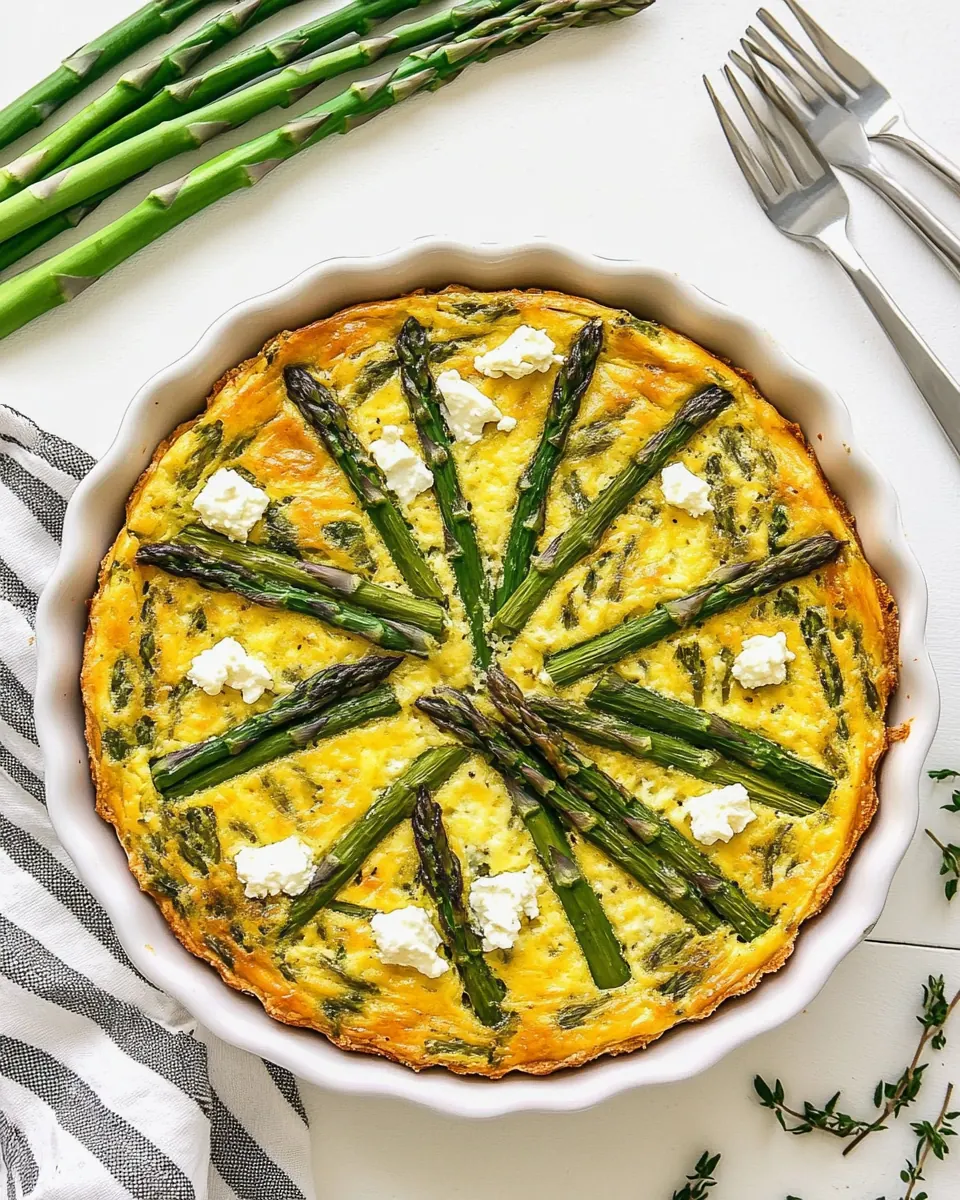
This is a hands on but gentle process, where timing and simple senses guide you. Below I expand each direction into detailed, sensory rich guidance so you can follow along with confidence and know what to look, smell, and listen for.
- Preheat the oven to 350 degrees F and lightly coat a 9-inch pie dish with nonstick spray.: As you preheat the oven to 350 degrees F , notice the tiny warm rush when you open the oven door, and set the rack in the middle for even heat. Coating the 9 inch pie dish with nonstick spray helps the quiche release cleanly after baking, and it prevents sticking at the edges where custard can cling. This step matters because an evenly preheated oven ensures the custard sets uniformly, avoiding a wobbly center and overbrowned edges. A common mistake is putting the dish into an oven that is not fully hot, which can lengthen baking time and affect texture. If your oven runs hot, check with an oven thermometer, as intense heat will brown too fast before the center is cooked.
- Snap off the ends of the asparagus spears and cut into 1-inch pieces and chop the green onions. (No need to cook the asparagus beforehand as long as you use thin asparagus spears!): When you snap the ends off the asparagus , follow the natural breaking point where the fibrous part gives way, then cut the spears into 1 inch pieces so they cook through with the custard. Chop the green onions into uniform pieces so their mild onion flavor disperses in each slice. The sound of a clean snap and the bright green color tell you the stalks are tender; if they look dull or woody at the base, trim more. A key reason for using thin spears is that they do not require pre cooking; thick stalks may remain too firm, so slice them thinner or par cook briefly to avoid unpleasant chewiness.
- In a large bowl, whisk together the eggs, milk, half and half, oregano, salt and pepper.: As you whisk the eggs with milk and half and half , you should see the mixture become uniformly pale and slightly frothy, which indicates air has been incorporated for a light custard. Sprinkle in the oregano , salt , and black pepper so the aromatics disperse; inhale as you mix to judge seasoning levels. The whisking technique matters because thorough blending prevents streaks of unmixed egg, and it helps the custard set to a consistent texture. Avoid vigorous over whisking that froths too much air, which can make the custard sponge like. If the mixture appears lumpy, keep whisking until smooth.
- Arrange the asparagus pieces and green onions in the bottom of a prepared 9-inch baking dish and pour the egg mixture over top. Sprinkle on the feta cheese and chives.: Spread the chopped asparagus and green onions evenly across the base of the greased 9 inch baking dish , creating a single layer so each bite has a balanced ratio. Pour the egg custard slowly, watching it settle and fill the gaps, then scatter the crumbled feta cheese and chives on top so they rest visibly on the surface. The visual cue of the custard surrounding the vegetables and gently lifting the cheese helps you know distribution is right. This technique matters because concentrated clusters can yield uneven texture and pockets of undercooked custard. A frequent mishap is overfilling the dish; leave a small rim so the mixture does not spill while baking.
- Bake the quiche in the oven for 35 minutes, or until the egg is set in the center and the edges are golden. Serve warm.: As it bakes for around 35 minutes , you will notice a gentle bubbling and the aroma of warmed dairy and herbs filling the kitchen. The perimeter will firm first and take on a light golden hue while the center should jiggle only slightly when nudged; that soft wobble means the custard is set but still tender. This technique ensures a creamy interior without runniness, because residual heat will finish the center as it rests. Avoid opening the oven repeatedly which cools the cavity and lengthens baking time. If you find the top browning too quickly while the center is still soft, tent with foil to prevent overcoloring.
- Serve warm: Serve the quiche warm so the contrast between the slightly crisped top and the creamy interior is at its best, plating with a spatula that slides beneath to keep slices intact. The first bite should give a gentle resistance then yield to a smooth custard dotted with melted feta cheese and tender asparagus . If you wait too long to serve, the texture will firm and become denser, so reheat gently at low temperature for best results. A common error is refrigeration right away which makes slicing harder; instead let it rest briefly before refrigerating.
Helpful Notes about Asparagus and Feta Crustless Quiche
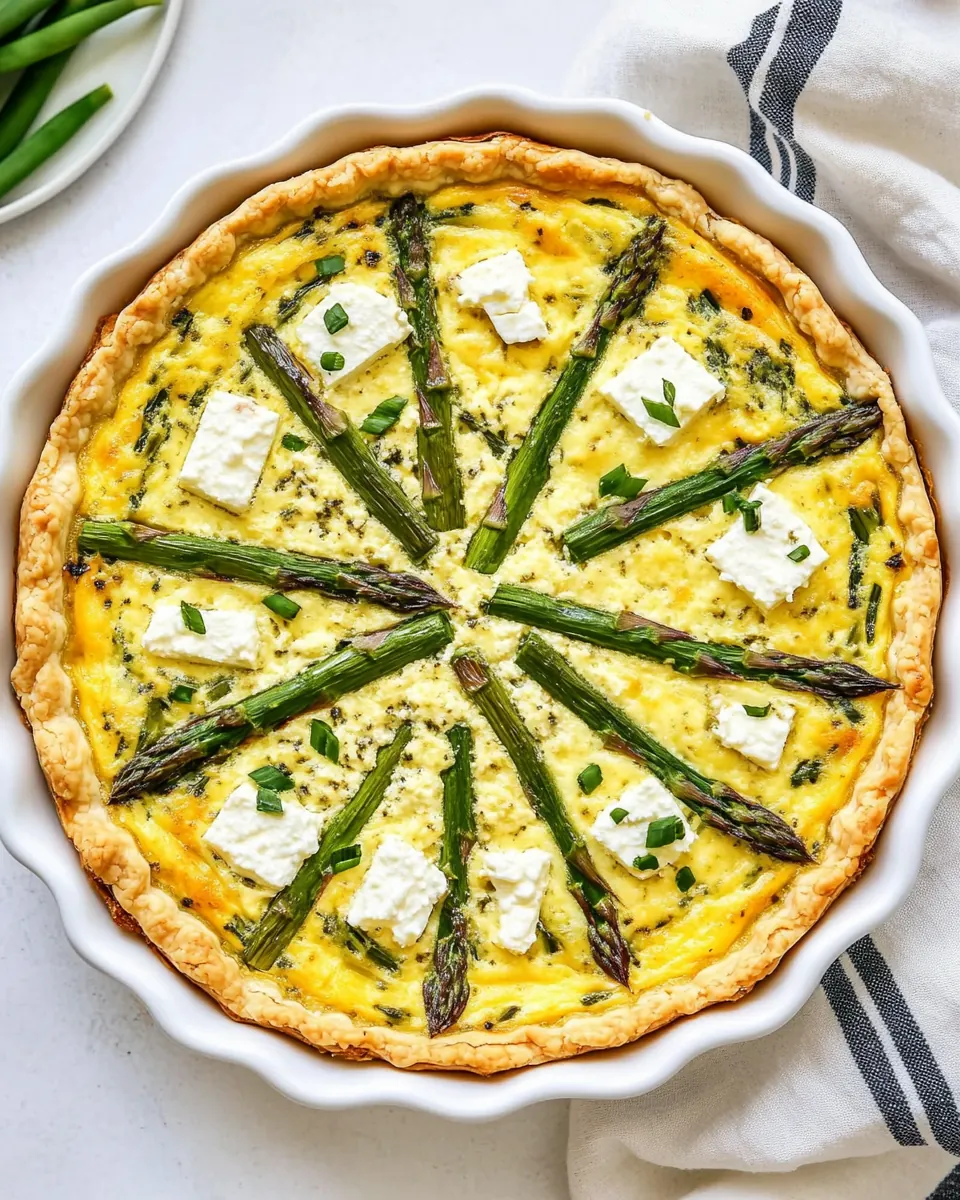
This set of notes addresses common questions and practical tweaks I rely on. I expand each point so you can apply it easily in the kitchen and feel confident about small adjustments that improve results.
- Room temperature ingredients: Bringing the eggs and milk to room temperature helps them combine smoothly and bake evenly. Cold dairy can chill the custard and lead to a longer bake time and uneven set; leaving them out for about 15 minutes usually does the trick.
- Checking doneness: Look for a slight wobble in the center while the edges are set and golden, that wobble means the custard will finish cooking as it rests. Overbaking will create a rubbery texture, so aim to remove the quiche when it is just shy of firm.
- Feta placement: Sprinkling the feta cheese on top rather than mixing it into the custard keeps pockets of briny flavor and prevents the cheese from sinking all to the bottom. For a milder taste, use less or crumble it finer.
- Storage: Store cooled slices in an airtight container in the fridge for up to three days, reheating gently in a low oven to preserve custard texture. Microwaving can make the custard separate slightly, so use short bursts or oven reheat for best texture.
- Pan choice: A 9 inch pie dish is ideal for the given proportions, producing even depth so the quiche sets consistently. Using a much larger dish will make a flatter quiche that bakes faster and may dry out.
What to Pair With Asparagus and Feta Crustless Quiche
This quiche is wonderfully adaptable. For brunch I like bright, crunchy sides; for dinner it pairs with light salads and roasted vegetables. Below are serving ideas, storage notes, and occasion suggestions to help you present it beautifully.
- Light green salad: A crisp tossed salad dressed simply complements the creamy custard and brings a refreshing counterpoint, making the meal feel balanced for lunch or a light dinner.
- Crusty bread: Slices of warm bread are great for soaking up any remaining custard and provide a hearty accompaniment when you want a more filling meal, especially for weekend brunch.
- Seasonal fruit: Fresh fruit adds a sweet, acidic contrast and brightens the plate, ideal for spring or summer brunch gatherings where you want something uplifting and colorful.
- Occasions: This dish works well for brunch, a casual dinner, or a special springtime gathering, including Ramadan if served at Iftar because it is nourishing and easy to portion.
- Storage and reheating: Keep slices refrigerated up to three days, reheating at low oven temperature to retain custard texture; for transporting to potlucks, slice and bring with a warm up plan so it can be served near warm.
- Seasonal pairing: Pair with other spring vegetables like peas or new potatoes if you want to build a spring themed menu that showcases tender produce and delicate flavors.
FAQ
Conclusion
This recipe celebrates the fresh flavor of spring with a creamy, tangy, and effortless approach that works for many occasions. Give Asparagus and Feta Crustless Quiche a try when you want something elegant yet unfussy, whether for brunch with friends or a cozy dinner at home. The simple ingredient list means you can focus on technique and presentation, and once you taste the tender asparagus against the savory feta cheese, I think you will find it becomes a regular in your rotation. Have fun baking, and dont be afraid to make it your own.
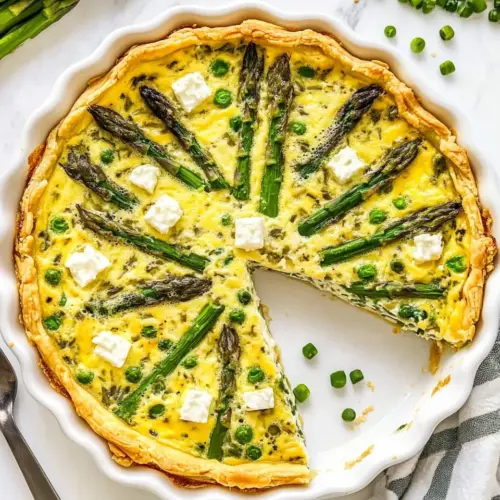
Asparagus and Feta Crustless Quiche
Equipment
- Oven
- 9-inch pie dish
- Large Bowl
- Whisk
Ingredients
- 8 thin asparagus spears, ends removed and cut into 1-inch pieces Trimmed and sliced into 1-inch pieces, provides a tender-crisp vegetable element and fresh green flavor that brightens the quiche.
- 4 green onions, chopped Chopped finely to contribute a mild oniony bite and subtle crunch distributed throughout the custard for depth of flavor.
- 6 large eggs Beaten well to create the primary custardy structure, binding the other ingredients and setting into a firm yet tender quiche base.
- 2/3 cup milk, of choice Whisked together with the eggs to loosen the custard, adding moisture and contributing a creamy mouthfeel to the filling.
- 1/4 cup half and half, (or substitute more milk) Added for extra richness and creaminess; can be substituted with more milk to reduce fat while maintaining smooth texture.
- 1/2 tsp oregano Sprinkled into the egg mixture to introduce warm, aromatic herb notes that enhance savory components without overpowering.
- 1/2 tsp salt Measured to season the custard, balancing flavors and helping to accentuate the natural taste of the asparagus and cheese.
- 1/4 tsp black pepper Ground and added sparingly to give a subtle spicy warmth and counterbalance the richness of the eggs and dairy.
- 1/3 cup feta cheese, crumbled Crumpled over the filling to introduce a salty, tangy, and slightly creamy contrast that complements the vegetables and eggs.
- 2 tbsp chives, finely chopped Finely chopped and scattered for a delicate oniony-herbal finish that adds color, mild flavor, and a fresh aromatic note.
Instructions
- Preheat the oven to 350 degrees F and lightly coat a 9-inch pie dish with nonstick spray.: As you preheat the oven to 350 degrees F , notice the tiny warm rush when you open the oven door, and set the rack in the middle for even heat. Coating the 9 inch pie dish with nonstick spray helps the quiche release cleanly after baking, and it prevents sticking at the edges where custard can cling. This step matters because an evenly preheated oven ensures the custard sets uniformly, avoiding a wobbly center and overbrowned edges. A common mistake is putting the dish into an oven that is not fully hot, which can lengthen baking time and affect texture. If your oven runs hot, check with an oven thermometer, as intense heat will brown too fast before the center is cooked.
- Snap off the ends of the asparagus spears and cut into 1-inch pieces and chop the green onions. (No need to cook the asparagus beforehand as long as you use thin asparagus spears!): When you snap the ends off the asparagus , follow the natural breaking point where the fibrous part gives way, then cut the spears into 1 inch pieces so they cook through with the custard. Chop the green onions into uniform pieces so their mild onion flavor disperses in each slice. The sound of a clean snap and the bright green color tell you the stalks are tender; if they look dull or woody at the base, trim more. A key reason for using thin spears is that they do not require pre cooking; thick stalks may remain too firm, so slice them thinner or par cook briefly to avoid unpleasant chewiness.
- In a large bowl, whisk together the eggs, milk, half and half, oregano, salt and pepper.: As you whisk the eggs with milk and half and half , you should see the mixture become uniformly pale and slightly frothy, which indicates air has been incorporated for a light custard. Sprinkle in the oregano , salt , and black pepper so the aromatics disperse; inhale as you mix to judge seasoning levels. The whisking technique matters because thorough blending prevents streaks of unmixed egg, and it helps the custard set to a consistent texture. Avoid vigorous over whisking that froths too much air, which can make the custard sponge like. If the mixture appears lumpy, keep whisking until smooth.
- Arrange the asparagus pieces and green onions in the bottom of a prepared 9-inch baking dish and pour the egg mixture over top. Sprinkle on the feta cheese and chives.: Spread the chopped asparagus and green onions evenly across the base of the greased 9 inch baking dish , creating a single layer so each bite has a balanced ratio. Pour the egg custard slowly, watching it settle and fill the gaps, then scatter the crumbled feta cheese and chives on top so they rest visibly on the surface. The visual cue of the custard surrounding the vegetables and gently lifting the cheese helps you know distribution is right. This technique matters because concentrated clusters can yield uneven texture and pockets of undercooked custard. A frequent mishap is overfilling the dish; leave a small rim so the mixture does not spill while baking.
- Bake the quiche in the oven for 35 minutes, or until the egg is set in the center and the edges are golden. Serve warm.: As it bakes for around 35 minutes , you will notice a gentle bubbling and the aroma of warmed dairy and herbs filling the kitchen. The perimeter will firm first and take on a light golden hue while the center should jiggle only slightly when nudged; that soft wobble means the custard is set but still tender. This technique ensures a creamy interior without runniness, because residual heat will finish the center as it rests. Avoid opening the oven repeatedly which cools the cavity and lengthens baking time. If you find the top browning too quickly while the center is still soft, tent with foil to prevent overcoloring.
- Serve warm: Serve the quiche warm so the contrast between the slightly crisped top and the creamy interior is at its best, plating with a spatula that slides beneath to keep slices intact. The first bite should give a gentle resistance then yield to a smooth custard dotted with melted feta cheese and tender asparagus . If you wait too long to serve, the texture will firm and become denser, so reheat gently at low temperature for best results. A common error is refrigeration right away which makes slicing harder; instead let it rest briefly before refrigerating.
Notes
- Room temperature ingredients: Bringing the eggs and milk to room temperature helps them combine smoothly and bake evenly. Cold dairy can chill the custard and lead to a longer bake time and uneven set; leaving them out for about 15 minutes usually does the trick.
- Checking doneness: Look for a slight wobble in the center while the edges are set and golden, that wobble means the custard will finish cooking as it rests. Overbaking will create a rubbery texture, so aim to remove the quiche when it is just shy of firm.
- Feta placement: Sprinkling the feta cheese on top rather than mixing it into the custard keeps pockets of briny flavor and prevents the cheese from sinking all to the bottom. For a milder taste, use less or crumble it finer.
- Storage: Store cooled slices in an airtight container in the fridge for up to three days, reheating gently in a low oven to preserve custard texture. Microwaving can make the custard separate slightly, so use short bursts or oven reheat for best texture.
- Pan choice: A 9 inch pie dish is ideal for the given proportions, producing even depth so the quiche sets consistently. Using a much larger dish will make a flatter quiche that bakes faster and may dry out.