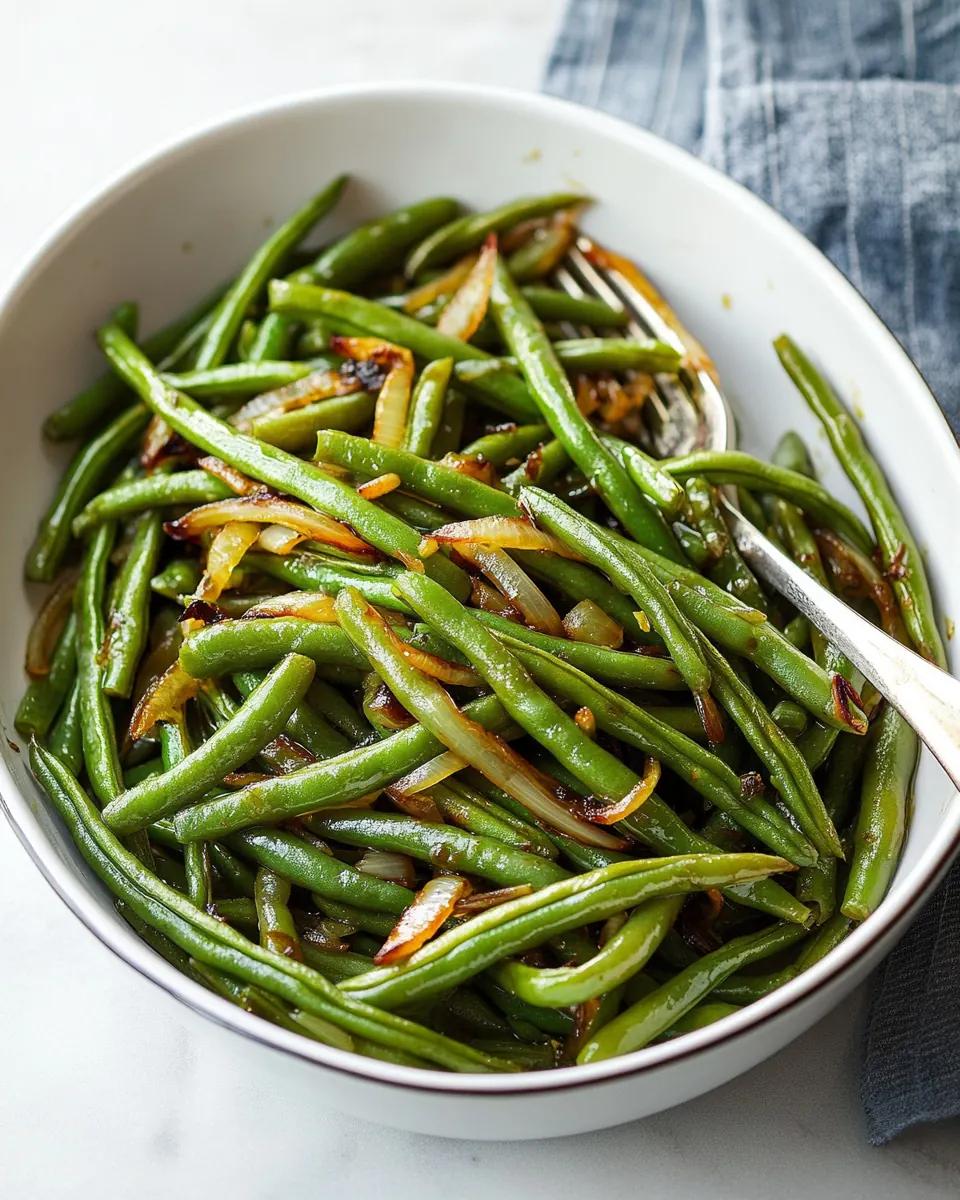
Sauteed Green Beans
Sauteed Green Beans are the sort of simple vegetable side that I reach for when I want something bright, quick, and reliably comforting.
I remember the first time I learned to cook this with my neighbor, who insisted that a little patience at the stove transforms humble green beans into something almost celebratory. We stood side by side over a hot skillet, the aroma of sizzling olive oil mingling with the sweet snap of browned shallot. I loved how a few small moves the right way turned a bag of beans into a dish that felt thoughtful yet effortless.
Since then, I’ve adapted that small ritual to fit weeknights and casual dinners. When guests arrive unexpectedly, I’ll toss a pan of Sauteed Green Beans together while the main dish rests, and it always draws compliments. The technique is forgiving, which is why I encourage you to listen to the pan and trust your senses as you cook.
What keeps me coming back to this recipe is its versatility, from bright lemon notes to a deeper balsamic finish if that’s what you prefer. Each time I make Sauteed Green Beans, I try a tiny variation, and yet the core stays pleasingly familiar. It’s one of those dishes that reminds me cooking can be simple, social, and very satisfying.
Recipe Snapshot
15 mins
5 mins
10 mins
Easy
120 kcal
American
Gluten-Free, Vegan
Side Dishes
12 inch skillet, Lid, Knife
Why This Sauteed Green Beans Is a Winner
Bright, fast, and fresh
I love how Sauteed Green Beans come together in minutes, but still taste like you spent time on them. The brief sauté builds a toasty note from the shallot and olive oil, while the short steam step keeps the beans crisp tender. It’s a small technique that changes texture and keeps the beans vibrant and inviting.
Minimal ingredients, maximum impact
With just a handful of pantry items like butter, garlic, and a splash of acid, this recipe delivers layered flavor without fuss. I appreciate recipes that trust a few high quality ingredients to do the work, and this one rewards good produce and attention at the stove.
Flexible for many meals
I often make this for casual weeknight dinners and also for special occasions because it pairs easily with proteins and grains. The bright finish from lemon or a touch of balsamic vinegar makes it adaptable, so you can echo flavors from the rest of the menu without extra effort.
Great for texture balance
What stands out is the snap of the beans after a quick steam, contrasted with the silky finish from the butter and the punch of sautéed garlic. That contrast makes every bite interesting, and it’s why I think this side never feels one dimensional on the plate.
Comfort with a chefly touch
Finally, I love that Sauteed Green Beans manages to be familiar and slightly elevated at once. A small technique, a mindful timing, and a finishing squeeze of acid are all you need to make something that feels both homey and thoughtful.
What to Gather for Sauteed Green Beans
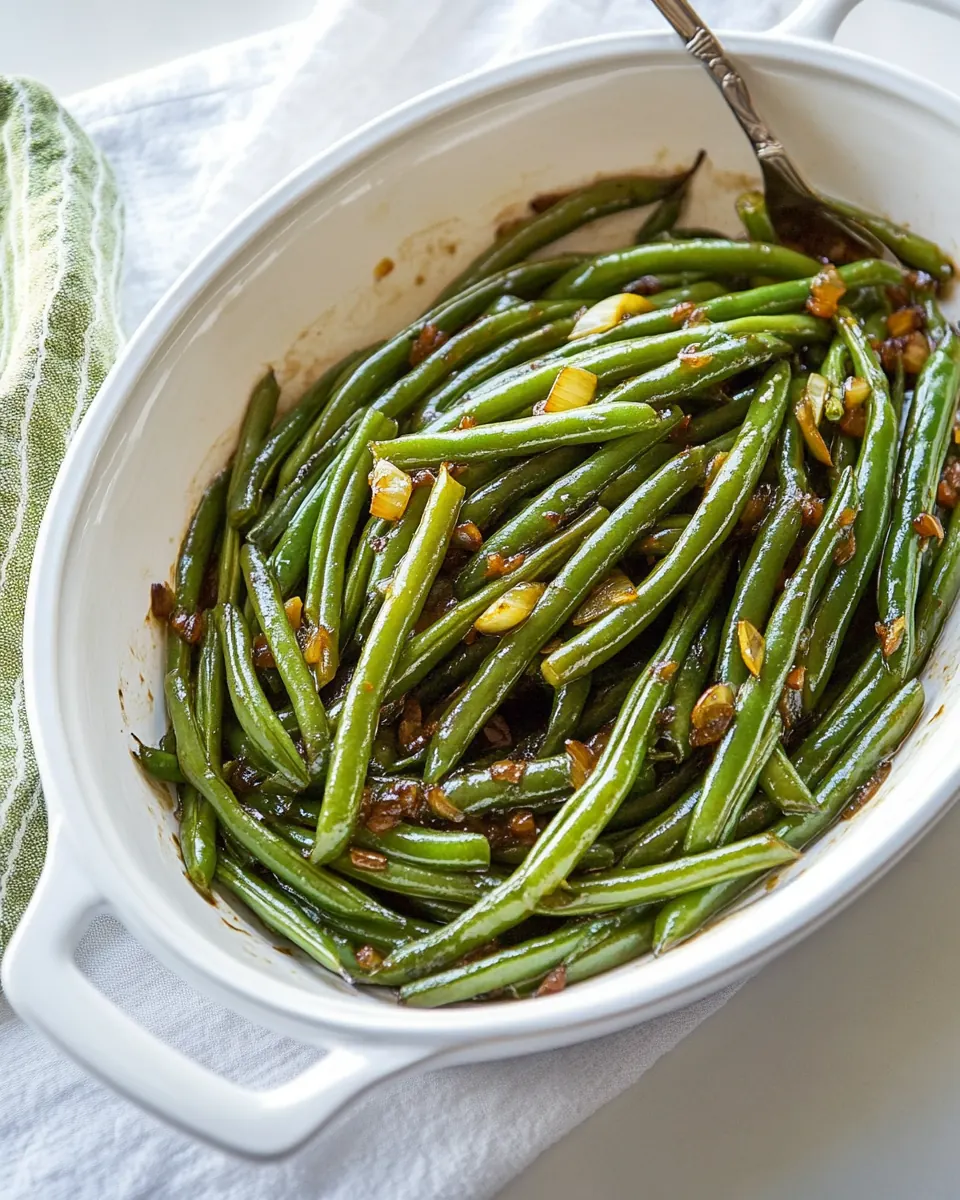
The philosophy behind these ingredients is simplicity and synergy. Each item plays a clear role: the olive oil and butter build flavor and mouthfeel, the shallot and garlic add aromatic lift, and the acid from lemon juice or balsamic vinegar brightens the final bite. The water helps create a quick steam so the beans finish tender while keeping that fresh green snap intact.
- 1 tbsp olive oil: Heat and flavor the pan by coating it with a drizzle of oil; helps prevent sticking and carries aromatics for even cooking. Olive oil adds a subtle fruity note that complements the beans during sautéing.
- 1 medium shallot, thinly sliced: Sauté thinly sliced shallot until translucent to build sweet, mild oniony flavor; releases moisture that blends with the oil to form a flavorful base. Shallot adds delicate aroma and gentle sweetness without overpowering the green beans.
- 1 lb green beans, ends trimmed, cut into 2-inch pieces: Trim and cut into pieces to ensure even cooking; provides the main body and texture of the dish that becomes tender-crisp when sautéed. Fresh green beans contribute vegetal flavor and vibrant color, forming the primary component of the recipe.
- 1/2 tsp salt, then more to taste: Season early with a measured pinch to enhance natural flavors and assist in drawing out moisture from the beans while cooking. Salt serves both as a flavor enhancer and a cooking aid, with additional adjustment recommended to taste.
- black pepper, to taste: Adjust and finish seasoning with ground pepper to introduce mild heat and complexity; sprinkle during or after cooking to control the intensity. Black pepper brightens the overall flavor profile and contrasts the richness of oil and butter.
- 1/3 cup water: Add a small amount of water to the pan to create steam for quick blanching or deglazing, which helps cook the beans through without burning. Water also aids in loosening browned bits and keeps the beans tender while preserving color.
- 1 tbsp butter: Enrich the sauté at the end with a knob of butter to add silky mouthfeel and roundness; melt into the pan to glaze the beans. Butter contributes a rich, creamy finish that balances the brightness of citrus or vinegar.
- 1 tbsp minced garlic: Introduce minced garlic toward the end of cooking to infuse pungent, savory notes without becoming bitter; briefly sauté until fragrant. Garlic provides aromatic depth and a savory edge that complements the other components.
- 2 tsp fresh lemon juice or balsamic vinegar: Finish with a splash of fresh acidic element to brighten and balance the dish; either lemon juice or balsamic vinegar adds contrasting brightness or sweet-tangy complexity. Acid lifts the flavors and gives a final refreshing accent to the sautéed beans.
Instructions for Sauteed Green Beans
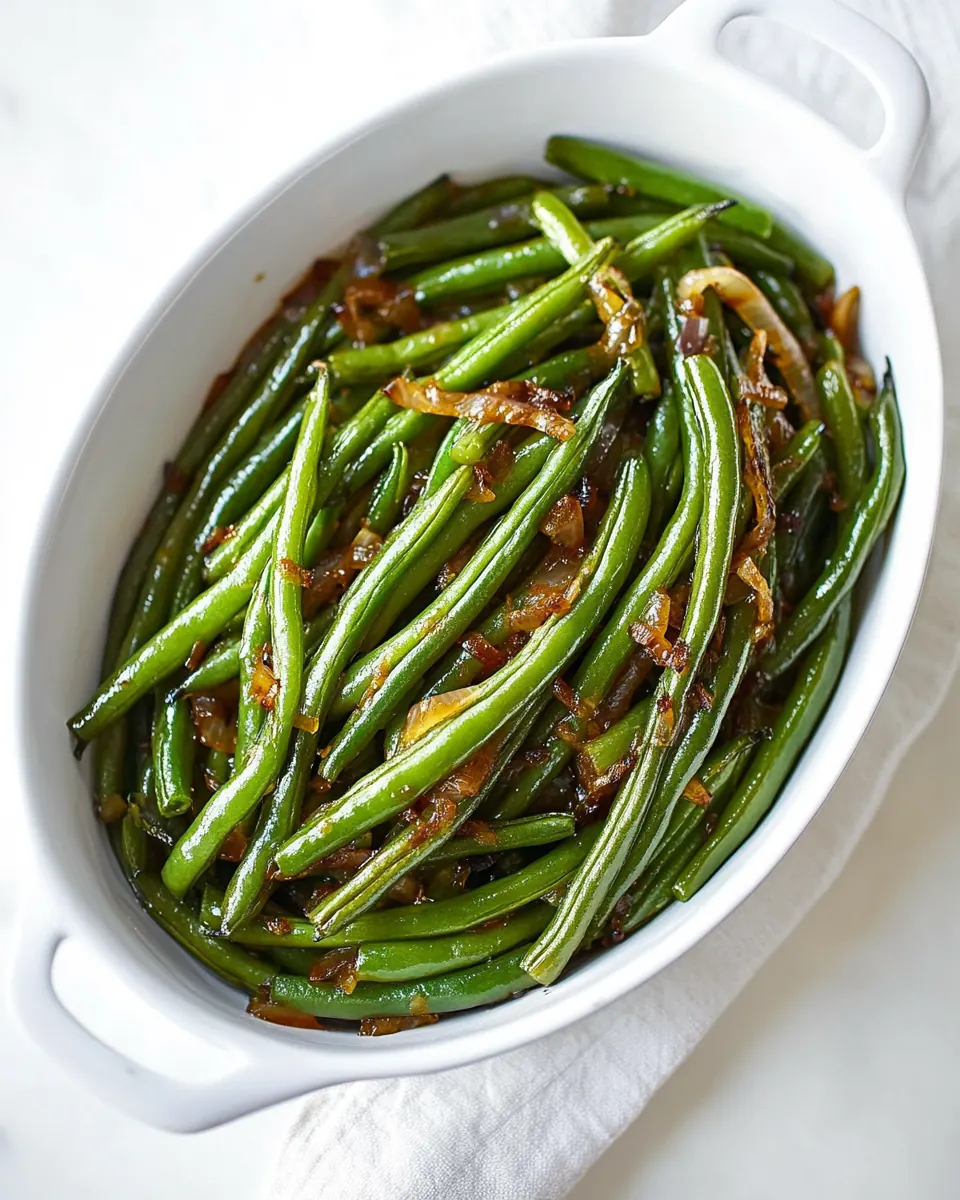
This recipe moves quickly, so stay present and use your senses to guide you. I’ll walk you through each stage with notes on what you should hear, see, and smell, plus small fixes if something goes off course.
- Heat olive oil in a 12-inch skillet over medium-high heat. Add shallot and saute 30 seconds.: You should hear a gentle shimmer as the olive oil warms, with faint ripples when the pan is ready. The oil must be hot enough to sizzle the shallot on contact but not smoking, because scorching will add bitterness. If the oil smokes, lower the heat and start over with fresh oil, as burned oil will ruin the dish. Use a pan with a wide surface so the beans get good contact and a bit of caramelization.
- Add green beans, salt and pepper, and saute 4 to 6 minutes.: In this brief window the shallot will soften and release a sweet aroma, not brown deeply. You should smell a gentle sweetness rise up from the pan. Move quickly because shallot cooks fast; if it starts to darken too much, reduce heat and stir more often. Overcooked shallot becomes bitter, so aim for translucent edges rather than full color.
- Pour in water, reduce heat to medium, cover and simmer until green beans are tender, about 2 to 4 minutes.: At this stage you want audible sizzling as the green beans meet the hot pan, signaling contact cooking that develops flavor. The beans will begin to blister and show flecks of brown while still looking glossy. Stir occasionally so they brown evenly. A common mistake is crowding the pan which steams rather than sautéing the beans, so keep them in a single layer when possible to encourage even color.
- Add butter and garlic and saute uncovered 1 minute longer.: The brief steam will soften the beans to a tender crisp, and you will see moist steam escaping from under the lid. This step preserves the bright green color and gives a lovely tender bite. Avoid oversteaming because the beans will become limp and lose vibrancy; check early and test a piece for the texture you prefer.
- Off heat toss in lemon juice and serve.: With the lid off, the sizzling will return and the butter will melt into a glossy coating. The scent of toasted garlic should be immediate and fragrant but not acrid. Adding the garlic late protects its bright, aromatic quality. Watch closely because garlic can go from golden to bitter in seconds; remove from heat if you notice any sharp burnt notes.
- Off heat toss in lemon juice and serve: You should first feel the warmth of the pan settle, then the bright citrus aroma will bloom as you toss. The acid wakes up all the flavors and balances the richness of the butter . If the dish tastes flat, a touch more acid or a pinch of salt usually snaps it into balance. Serve immediately for best texture and color.
Recipe Tips about Sauteed Green Beans
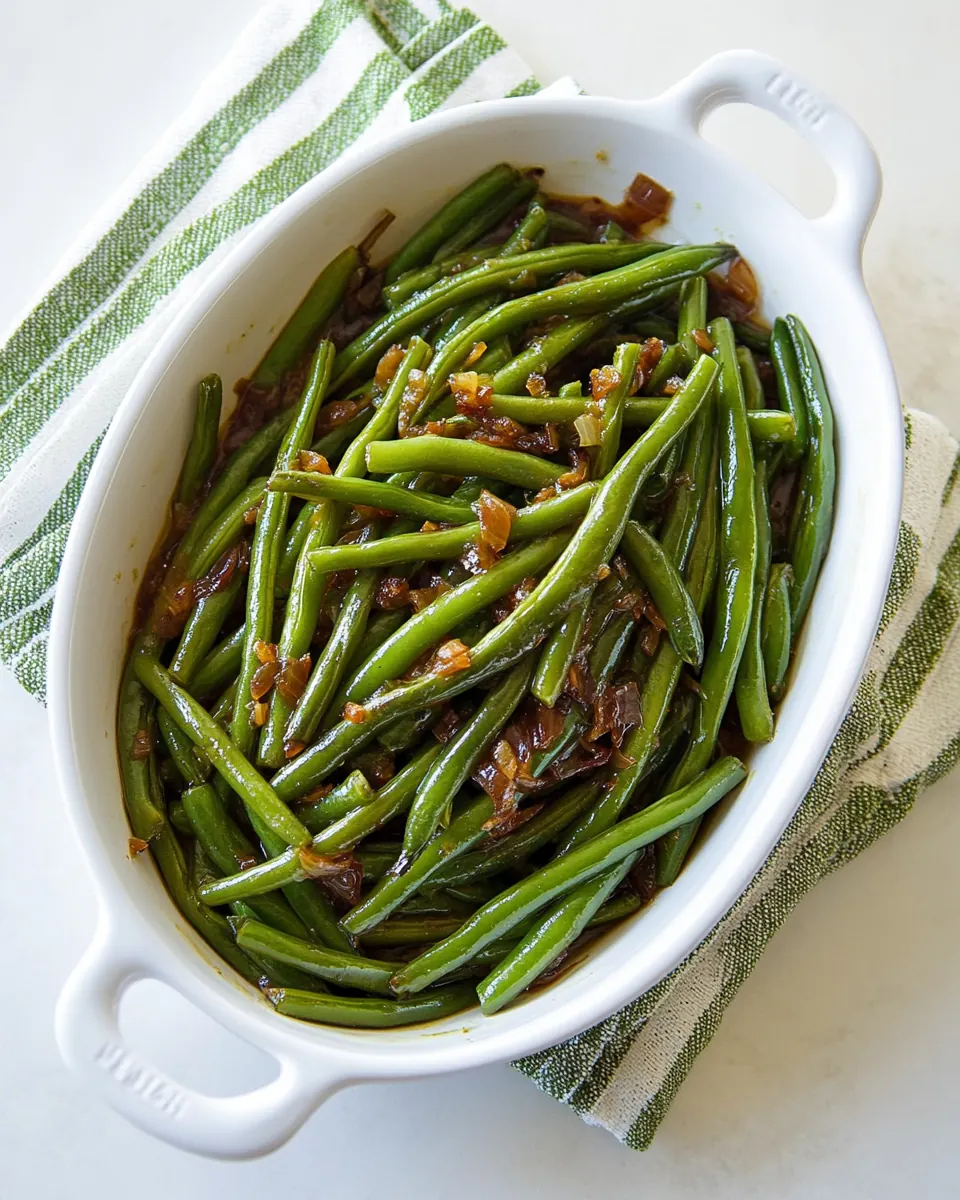
I like to think of these tips as small chef moves that make a big difference. They help you control texture, boost flavor, and rescue the dish if something goes slightly off.
- Hot pan matters Start with the pan fully warmed so the olive oil sizzles on contact, encouraging pleasant browning and keeping the green beans from stewing.
- Slice uniformly Cut the beans into consistent 2 inch pieces so they cook at the same rate and every bite has the same texture.
- Finish with acid Tossing in the lemon juice or balsamic vinegar off the heat brightens the dish and balances the butter without dulling the citrus aroma.
- Use water for a quick steam A small splash of water under a lid softens the beans rapidly while preserving their lively green color, avoiding the need for longer boiling.
- Adjust seasoning at the end Taste after adding the acid and butter, then add more salt or black pepper if needed to sharpen the flavors.
Perfect Matches for Sauteed Green Beans
This section helps you think about serving, pairing, and storing so the dish fits any meal plan. I’ll suggest complementary mains and occasions, and a few practical storage notes.
- Weeknight dinners Pair the Sauteed Green Beans with roasted chicken or fish for a balanced, easy meal where the beans add freshness and texture.
- Holiday sides These beans work for festive tables because their bright finish complements richer mains, making them a versatile holiday companion.
- Casual gatherings Serve warm in a communal dish so guests can help themselves, the glossy buttered surface keeps them attractive on the buffet.
- Storage tips Cool quickly and store in an airtight container in the refrigerator for up to three days, then reheat gently to preserve texture.
- Seasonal pairing In spring, lean into fresh green produce across the menu, using herbs and light citrus to harmonize flavors.
FAQ
Conclusion
Sauteed Green Beans stand out for their balance of simplicity and flavor, turning a few pantry staples into a vibrant sidedish. They are quick to make, forgiving in technique, and versatile enough to suit weeknight meals or festive gatherings. I hope you give this one a try, letting the skillet and a final splash of acid do the heavy lifting. Enjoy the satisfying contrast of crisp bright beans with a silky buttery finish, and make it your own with small adjustments to seasoning and timing.
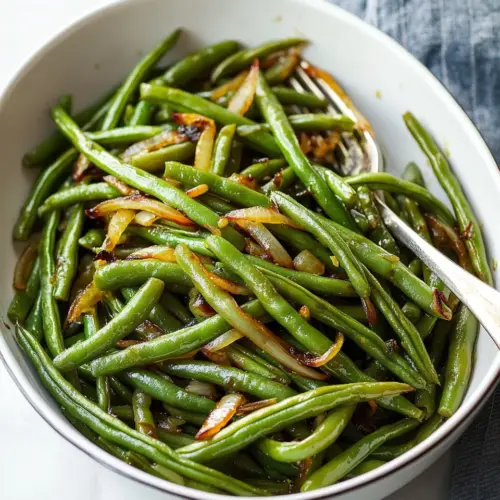
Sauteed Green Beans
Equipment
- 12-inch skillet
- Lid
- Knife
Ingredients
- 1 tbsp olive oil Heat and flavor the pan by coating it with a drizzle of oil; helps prevent sticking and carries aromatics for even cooking. Olive oil adds a subtle fruity note that complements the beans during sautéing.
- 1 medium shallot, thinly sliced Sauté thinly sliced shallot until translucent to build sweet, mild oniony flavor; releases moisture that blends with the oil to form a flavorful base. Shallot adds delicate aroma and gentle sweetness without overpowering the green beans.
- 1 lb green beans, ends trimmed, cut into 2-inch pieces Trim and cut into pieces to ensure even cooking; provides the main body and texture of the dish that becomes tender-crisp when sautéed. Fresh green beans contribute vegetal flavor and vibrant color, forming the primary component of the recipe.
- 1/2 tsp salt, then more to taste Season early with a measured pinch to enhance natural flavors and assist in drawing out moisture from the beans while cooking. Salt serves both as a flavor enhancer and a cooking aid, with additional adjustment recommended to taste.
- black pepper, to taste Adjust and finish seasoning with ground pepper to introduce mild heat and complexity; sprinkle during or after cooking to control the intensity. Black pepper brightens the overall flavor profile and contrasts the richness of oil and butter.
- 1/3 cup water Add a small amount of water to the pan to create steam for quick blanching or deglazing, which helps cook the beans through without burning. Water also aids in loosening browned bits and keeps the beans tender while preserving color.
- 1 tbsp butter Enrich the sauté at the end with a knob of butter to add silky mouthfeel and roundness; melt into the pan to glaze the beans. Butter contributes a rich, creamy finish that balances the brightness of citrus or vinegar.
- 1 tbsp minced garlic Introduce minced garlic toward the end of cooking to infuse pungent, savory notes without becoming bitter; briefly sauté until fragrant. Garlic provides aromatic depth and a savory edge that complements the other components.
- 2 tsp fresh lemon juice or balsamic vinegar Finish with a splash of fresh acidic element to brighten and balance the dish; either lemon juice or balsamic vinegar adds contrasting brightness or sweet-tangy complexity. Acid lifts the flavors and gives a final refreshing accent to the sautéed beans.
Instructions
- Heat olive oil in a 12-inch skillet over medium-high heat. Add shallot and saute 30 seconds.: You should hear a gentle shimmer as the olive oil warms, with faint ripples when the pan is ready. The oil must be hot enough to sizzle the shallot on contact but not smoking, because scorching will add bitterness. If the oil smokes, lower the heat and start over with fresh oil, as burned oil will ruin the dish. Use a pan with a wide surface so the beans get good contact and a bit of caramelization.
- Add green beans, salt and pepper, and saute 4 to 6 minutes.: In this brief window the shallot will soften and release a sweet aroma, not brown deeply. You should smell a gentle sweetness rise up from the pan. Move quickly because shallot cooks fast; if it starts to darken too much, reduce heat and stir more often. Overcooked shallot becomes bitter, so aim for translucent edges rather than full color.
- Pour in water, reduce heat to medium, cover and simmer until green beans are tender, about 2 to 4 minutes.: At this stage you want audible sizzling as the green beans meet the hot pan, signaling contact cooking that develops flavor. The beans will begin to blister and show flecks of brown while still looking glossy. Stir occasionally so they brown evenly. A common mistake is crowding the pan which steams rather than sautéing the beans, so keep them in a single layer when possible to encourage even color.
- Add butter and garlic and saute uncovered 1 minute longer.: The brief steam will soften the beans to a tender crisp, and you will see moist steam escaping from under the lid. This step preserves the bright green color and gives a lovely tender bite. Avoid oversteaming because the beans will become limp and lose vibrancy; check early and test a piece for the texture you prefer.
- Off heat toss in lemon juice and serve.: With the lid off, the sizzling will return and the butter will melt into a glossy coating. The scent of toasted garlic should be immediate and fragrant but not acrid. Adding the garlic late protects its bright, aromatic quality. Watch closely because garlic can go from golden to bitter in seconds; remove from heat if you notice any sharp burnt notes.
- Off heat toss in lemon juice and serve: You should first feel the warmth of the pan settle, then the bright citrus aroma will bloom as you toss. The acid wakes up all the flavors and balances the richness of the butter . If the dish tastes flat, a touch more acid or a pinch of salt usually snaps it into balance. Serve immediately for best texture and color.
Notes
- Hot pan matters Start with the pan fully warmed so the olive oil sizzles on contact, encouraging pleasant browning and keeping the green beans from stewing.
- Slice uniformly Cut the beans into consistent 2 inch pieces so they cook at the same rate and every bite has the same texture.
- Finish with acid Tossing in the lemon juice or balsamic vinegar off the heat brightens the dish and balances the butter without dulling the citrus aroma.
- Use water for a quick steam A small splash of water under a lid softens the beans rapidly while preserving their lively green color, avoiding the need for longer boiling.
- Adjust seasoning at the end Taste after adding the acid and butter, then add more salt or black pepper if needed to sharpen the flavors.