Roasted Onions
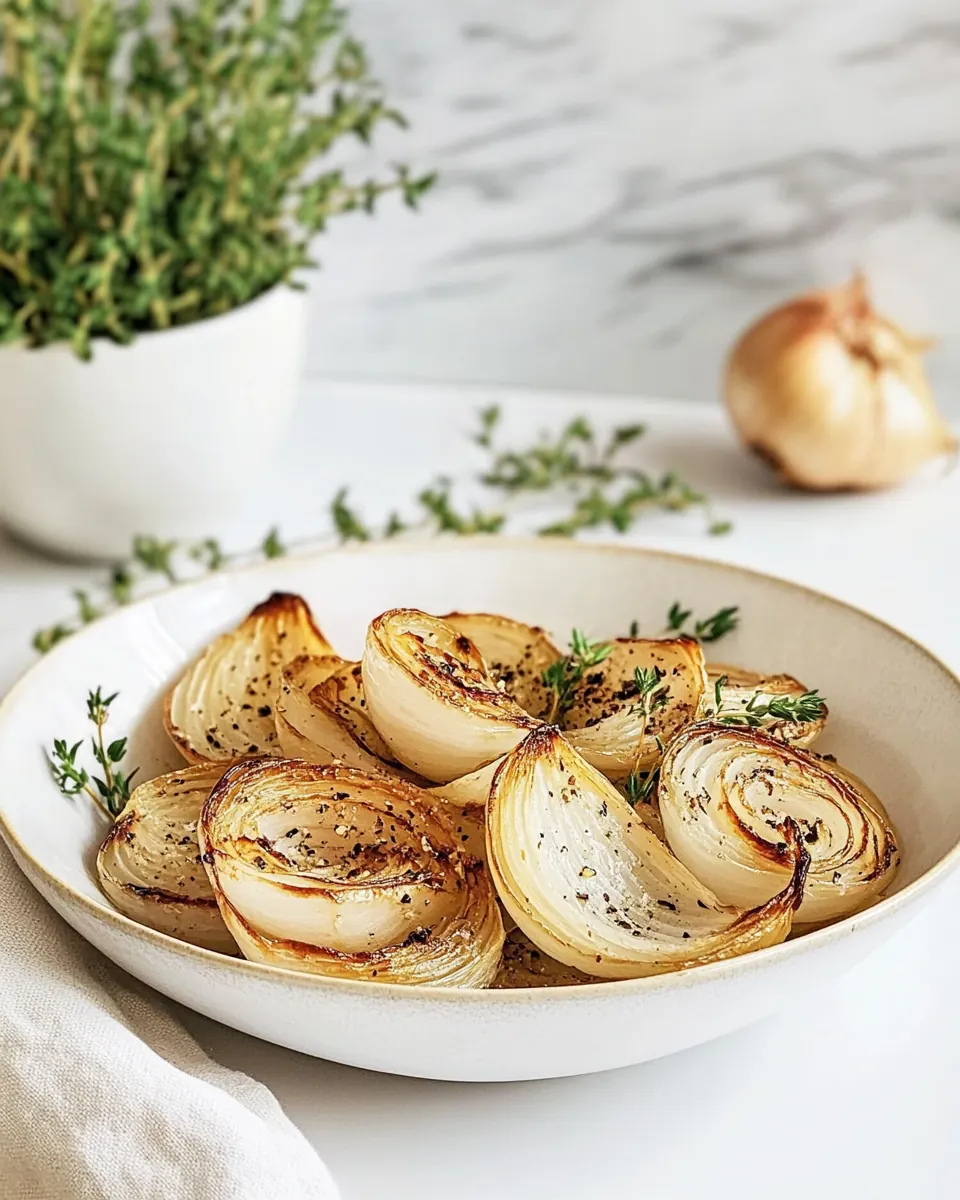
Roasted Onions is one of those simple preparations that always finds its way onto my table when I want comfort without fuss.
I remember the first time I roasted a tray of onion on a chilly evening, the whole kitchen filled with a warm, sweet aroma that felt like a cozy blanket. I was coming home from a long day and wanted something that required little attention but rewarded me with deep flavor. The way the outer layers caramelized into glossy, savory ribbons while the centers turned soft and luscious convinced me that this is a small technique with big impact.
Since then, I reach for this recipe for weeknight dinners, to stretch a simple grain bowl into something memorable, or to serve alongside a roast when guests arrive unexpectedly. The transformation is quiet and almost magical, the way the heat teases out sugars until each bite is sweet, savory, and utterly satisfying. You do not need fancy equipment or a long shopping list, just a few onion and pantry staples, and a bit of time in the oven. It’s the sort of recipe that makes you look forward to the small moments of cooking, and it teaches patience in the most delicious way.
Recipe Snapshot
40 mins
10 mins
30 mins
Easy
120 kcal
American
Keto, Paleo
Side Dishes
Oven, Baking sheet, Parchment paper
The Best Thing About This Roasted Onions
1. Pure, Concentrated Flavor
I love how Roasted Onions converts humble onion into something rich and almost sweet. The oven gently coaxed out natural sugars, and that caramelized edge gives a complex, savory note that is hard to achieve with quick stovetop methods. For me, this depth of flavor is why I keep coming back to it.
2. Ridiculously Easy, Yet Impressive
There is something delightful about serving a side that looks and tastes elevated when it required minimal attention. I can prep the tray while getting other things ready, then walk away while the oven does the work. Guests often assume I spent far longer on it than I did.
3. Versatile Partner
I use Roasted Onions with grain bowls, salads, or simply alongside roasted vegetables. The texture and flavor add a savory backbone to many dishes. I particularly like that they can anchor both casual family meals and a more refined dinner setting.
4. Minimal Ingredients, Maximum Reward
This recipe relies on pantry stalwarts like olive oil, salt, and black pepper. That means I can make it on short notice, and the ingredient list stays friendly to varied dietary needs. The result is clean, focused flavor where each component contributes to the finished dish.
5. Hands Off, Sensory Payoff
The method gives you an audible and aromatic reward as the edges sing with caramelization and the kitchen fills with that golden, savory scent. It is comforting, and it signals that a warm, satisfying plate is minutes away.
Roasted Onions Shopping List
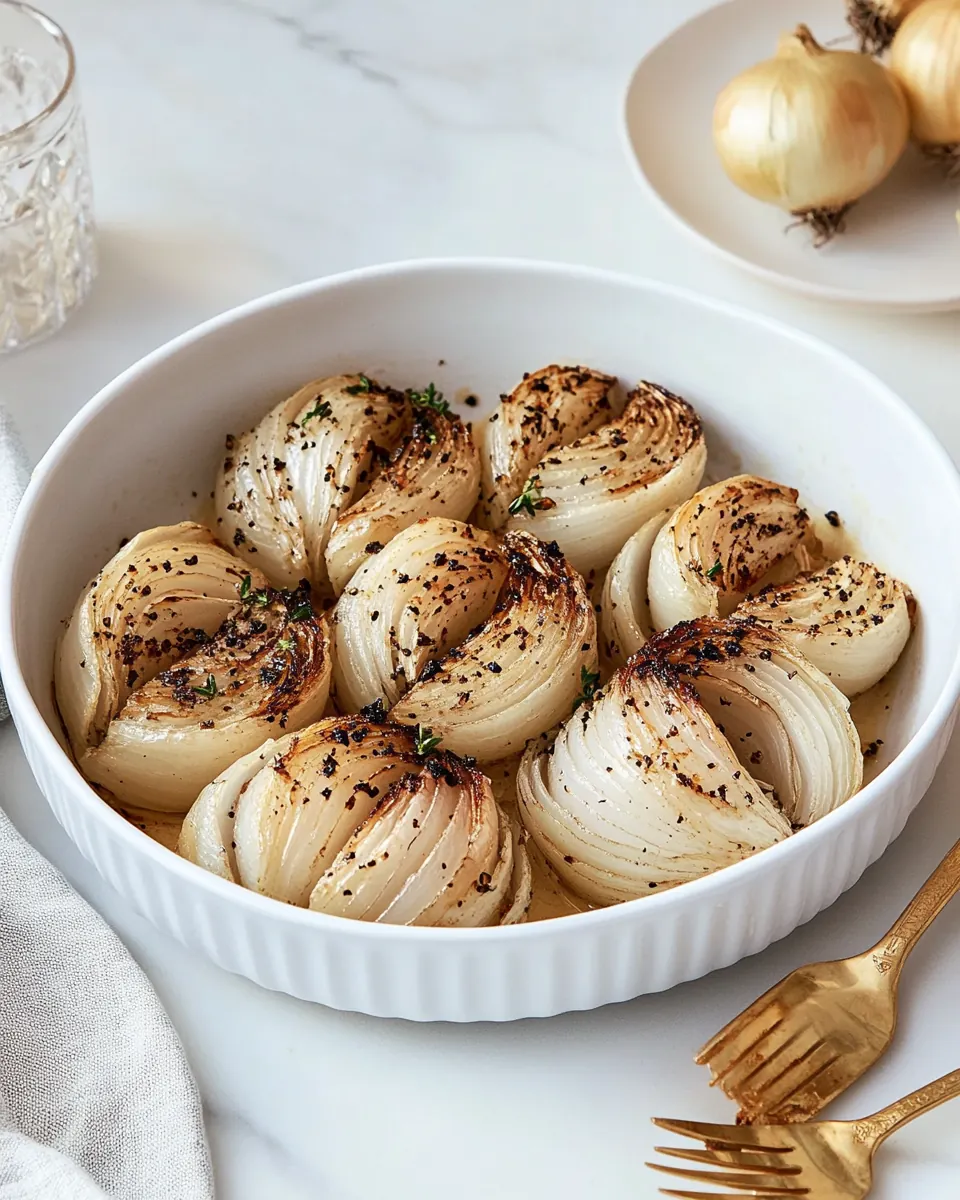
These ingredients highlight a philosophy of simplicity and concentration. We rely on a few key players to coax deep flavor from humble bulbs, letting heat and time do the heavy lifting while oil and salt amplify the natural sweetness.
- 4 medium, yellow onions: Peel and halve before roasting to develop sweet, caramelized layers; provides the primary body and texture for the dish. Transform when exposed to heat, concentrating sugars and yielding a rich, savory-sweet flavor that defines the recipe.
- 2 tablespoons olive oil: Drizzle evenly over onions to promote browning and prevent sticking; supplies healthy fat that conducts heat and enhances mouthfeel. Coat pieces lightly to help seasonings adhere and to encourage crisp edges and tender interiors during roasting.
- 1 teaspoon ea salt: Season generously to elevate and balance flavors; brings out the natural sweetness of roasted onions and enhances overall savory depth. Dissolve into the surface during cooking to amplify taste and make the dish more savory and satisfying.
- 1/2 teaspoon black pepper: Sprinkle to add mild heat and a subtle bite; contributes a contrasting note that brightens the caramelized sweetness. Disperse uniformly to highlight other flavors and provide a gentle peppery finish without overpowering the dish.
The Method for Roasted Onions
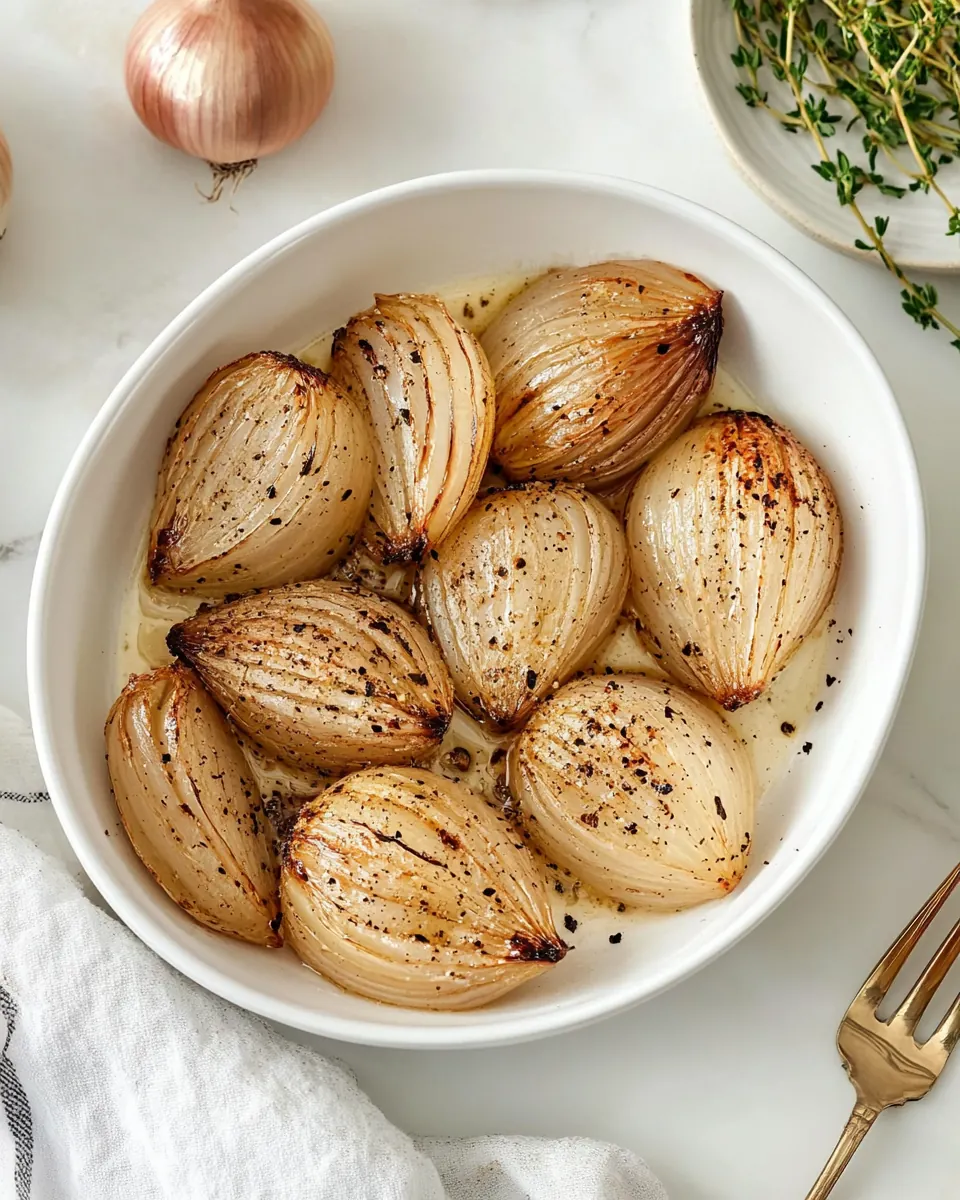
I like to think of this method as a calm, sensory process where the oven slowly converts layers of onion into tender, sweet morsels. The steps below walk you through each stage with tips to recognize the right aromas, sights, and what to avoid.
- Preheat your oven to 425°F.: The oven should breathe a steady, dry heat that encourages caramelization. You will sense a warm, even air when you open the door, and that consistent temperature is what browns edges while keeping centers tender. If your oven runs hot, check with an oven thermometer to avoid overbrowning, a common issue. Why this matters, the high heat speeds Maillard reactions on the onion surface, building deep savory notes.
- Peel the onions and slice off the ends. Cut into halves or quarters, depending on size.: As you cut, the sharp scent of fresh onion will make your eyes water slightly, and you can see the concentric layers clearly. Even, sized pieces allow uniform cooking; uneven chunks cause some to char while others stay underdone, a frequent mistake. This technique gives consistent texture, so the larger pieces become tender and the thinner edges caramelize beautifully.
- Arrange the onion pieces on a baking sheet lined with parchment paper.: When you place the pieces, you will notice a pleasing visual order, and the parchment will catch drips while promoting even browning. Spread them with space between pieces so hot air can circulate; overcrowding traps steam and softens edges instead of browning them. The right arrangement leads to crisp edges and soft centers, producing texture contrast.
- Drizzle olive oil over the onions and sprinkle with sea salt and black pepper.: The oil will glisten on the surfaces, and the salt will start to dissolve into the onions, drawing out moisture. Rub or toss briefly so each piece wears a light coating; too much oil makes them greasy, too little prevents caramelization. This step enhances flavor through even seasoning and helps achieve those golden, slightly crisp edges you want.
- Roast in the preheated oven for 25-30 minutes, or until onions are tender and edges are caramelized.: About midway through, you may hear gentle sizzling and smell a sweet, savory perfume as sugars darken. Look for translucent centers and deep golden rims; they should yield when prodded with a fork. If they are browning too quickly, rotate the pan or lower the temperature slightly, a common fix. This slow transformation concentrates sugars and creates a texture that combines melting softness with crisped edges.
Expert Tips about Roasted Onions
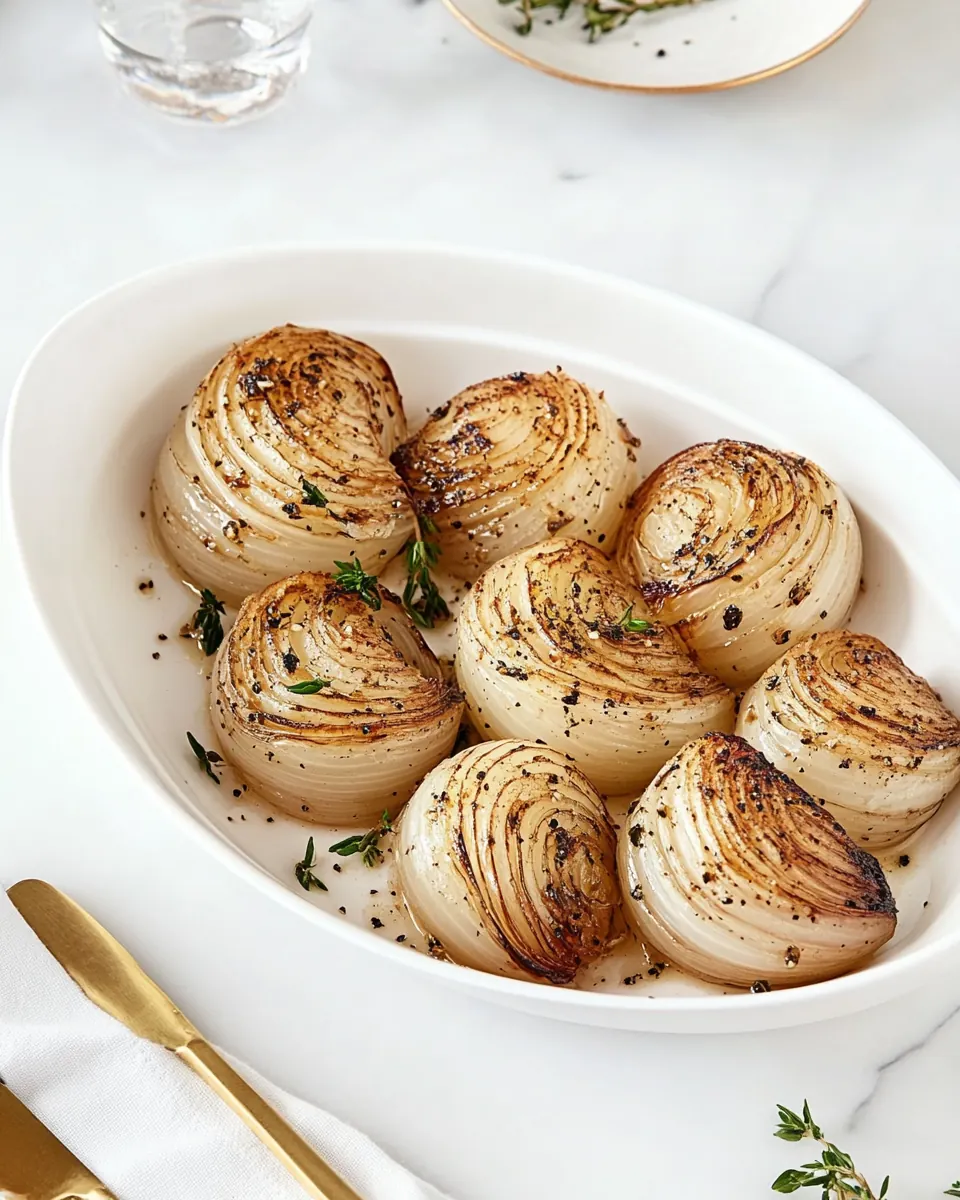
I often get asked for little adjustments that make a big difference. These tips expand on small technique and timing tweaks that elevate the final result.
- Room temperature pieces: Letting the cut onion sit briefly at room temperature helps it roast more evenly and reduces the cold center effect.
- Use good parchment: A high quality lining prevents sticking and avoids burned bits that can taint the flavor.
- Even spacing matters: Arrange pieces with breathing room to promote crisp edges instead of steaming.
- Monitor for carryover cooking: They will continue to soften after you remove them, so pull them when centers are just tender to avoid mushiness.
- Adjust seasoning at the end: Taste after roasting and add a light pinch of salt if needed, as flavors concentrate during cooking.
Pairing Suggestions for Roasted Onions
This component can anchor a meal or act as an elegant side. Below I outline serving ideas, occasions, and storage tips to help you present these onions at their best.
- Serve with roasted grains: Combine warm roasted onions with rice or farro bowls for a hearty lunch or easy weeknight dinner.
- Use as a side for dinner: Plate alongside roasted vegetables and a protein for a balanced, cozy evening meal.
- Include on holiday tables: Their deep flavor pairs well with seasonal mains during fall gatherings and makes a comforting addition to a spread.
- Store properly: Refrigerate cooled onions in an airtight container for up to four days, and reheat gently to preserve texture.
- Seasonal pairing: In autumn, pair them with root vegetables or a grain salad featuring warm spices for complementary flavors.
FAQ
Conclusion
Roasted Onions stand out for their ability to transform simple ingredients into a deeply flavored side with minimal effort. The oven coaxed natural sugars into caramelized edges while the interior becomes tender and melt in your mouth, making them an ideal partner for many meals. I hope you give this easy technique a try, whether for a weeknight meal or a special supper, and enjoy how it elevates familiar dishes with sweet, savory charm.
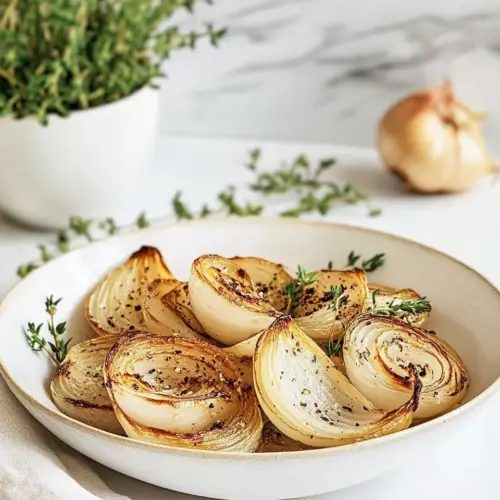
Roasted Onions
Equipment
- Oven
- Baking Sheet
- Parchment Paper
Ingredients
- 4 medium, yellow onions Peel and halve before roasting to develop sweet, caramelized layers; provides the primary body and texture for the dish. Transform when exposed to heat, concentrating sugars and yielding a rich, savory-sweet flavor that defines the recipe.
- 2 tablespoons olive oil Drizzle evenly over onions to promote browning and prevent sticking; supplies healthy fat that conducts heat and enhances mouthfeel. Coat pieces lightly to help seasonings adhere and to encourage crisp edges and tender interiors during roasting.
- 1 teaspoon ea salt Season generously to elevate and balance flavors; brings out the natural sweetness of roasted onions and enhances overall savory depth. Dissolve into the surface during cooking to amplify taste and make the dish more savory and satisfying.
- 1/2 teaspoon black pepper Sprinkle to add mild heat and a subtle bite; contributes a contrasting note that brightens the caramelized sweetness. Disperse uniformly to highlight other flavors and provide a gentle peppery finish without overpowering the dish.
Instructions
- Preheat your oven to 425°F.: The oven should breathe a steady, dry heat that encourages caramelization. You will sense a warm, even air when you open the door, and that consistent temperature is what browns edges while keeping centers tender. If your oven runs hot, check with an oven thermometer to avoid overbrowning, a common issue. Why this matters, the high heat speeds Maillard reactions on the onion surface, building deep savory notes.
- Peel the onions and slice off the ends. Cut into halves or quarters, depending on size.: As you cut, the sharp scent of fresh onion will make your eyes water slightly, and you can see the concentric layers clearly. Even, sized pieces allow uniform cooking; uneven chunks cause some to char while others stay underdone, a frequent mistake. This technique gives consistent texture, so the larger pieces become tender and the thinner edges caramelize beautifully.
- Arrange the onion pieces on a baking sheet lined with parchment paper.: When you place the pieces, you will notice a pleasing visual order, and the parchment will catch drips while promoting even browning. Spread them with space between pieces so hot air can circulate; overcrowding traps steam and softens edges instead of browning them. The right arrangement leads to crisp edges and soft centers, producing texture contrast.
- Drizzle olive oil over the onions and sprinkle with sea salt and black pepper.: The oil will glisten on the surfaces, and the salt will start to dissolve into the onions, drawing out moisture. Rub or toss briefly so each piece wears a light coating; too much oil makes them greasy, too little prevents caramelization. This step enhances flavor through even seasoning and helps achieve those golden, slightly crisp edges you want.
- Roast in the preheated oven for 25-30 minutes, or until onions are tender and edges are caramelized.: About midway through, you may hear gentle sizzling and smell a sweet, savory perfume as sugars darken. Look for translucent centers and deep golden rims; they should yield when prodded with a fork. If they are browning too quickly, rotate the pan or lower the temperature slightly, a common fix. This slow transformation concentrates sugars and creates a texture that combines melting softness with crisped edges.
Notes
- Room temperature pieces: Letting the cut onion sit briefly at room temperature helps it roast more evenly and reduces the cold center effect.
- Use good parchment: A high quality lining prevents sticking and avoids burned bits that can taint the flavor.
- Even spacing matters: Arrange pieces with breathing room to promote crisp edges instead of steaming.
- Monitor for carryover cooking: They will continue to soften after you remove them, so pull them when centers are just tender to avoid mushiness.
- Adjust seasoning at the end: Taste after roasting and add a light pinch of salt if needed, as flavors concentrate during cooking.