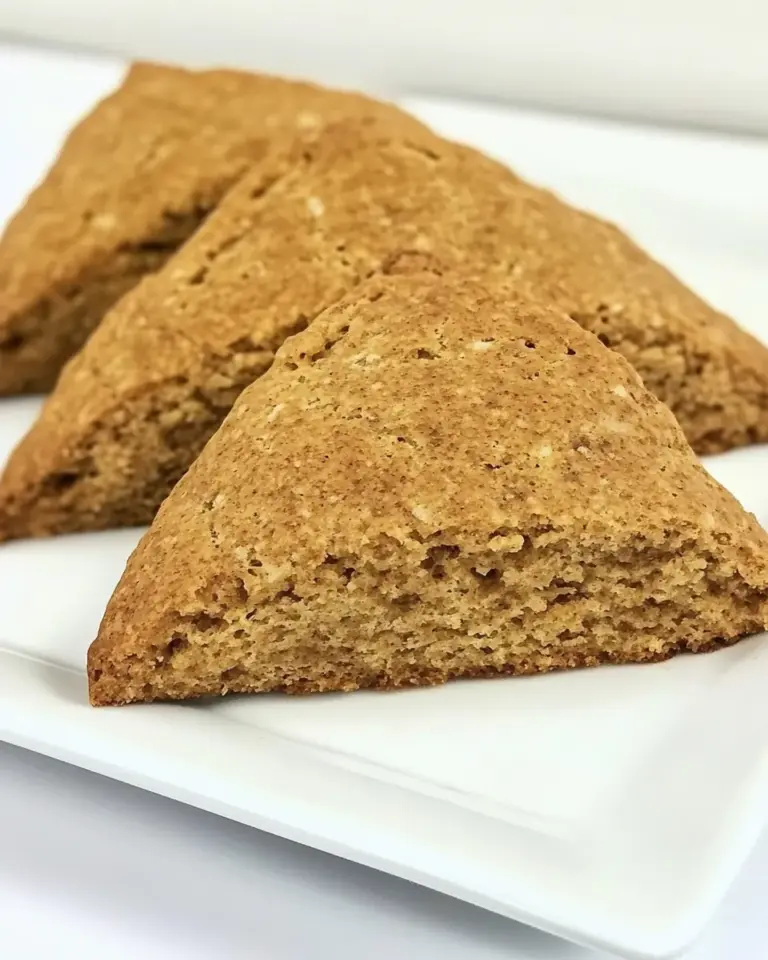
Mini Lemon Scones
Mini Lemon Scones have been my go to when I need a bright, buttery treat that feels both cozy and celebratory.
Years ago I brought a batch of these to a friend who had just moved into a new apartment, and the warm, citrusy aroma practically unpacked the boxes for them. I remember the way the kitchen seemed to change its mood as the oven worked, the air filling with a delicate, sugary lemon scent that felt like sunshine. We sat on the floor with mismatched mugs and a plate of still warm scones, chatting about tiny victories and the kind of small comforts that make a house feel like home.
These little scones are the kind of thing I make when I want something that is quick, impressive, and forgiving. The dough comes together with a light dusting of powdered sugar and a punch of lemon zest, producing tender crumb and crisp edges. Because they are mini, they bake fast, which means you can go from bowl to table in under an hour and still have time to tidy up before guests arrive.
Over the years I’ve tweaked the balance of cream to egg, and I always keep extra powdered sugar on hand to adjust the glaze to my taste. They are wonderful for brunches, tea time, or a simple afternoon pick me up when you want something bright but not fussy. If you like baking that rewards you quickly and fills the room with a friendly fragrance, these are the scones for you.
Recipe Snapshot
32 mins
20 mins
12 mins
Easy
200 kcal
American
Gluten-Free, Low FODMAP
Desserts
Mixing bowl, Measuring cups, Pastry cutter, Baking sheet, Parchment paper, Whisk, Knife, Measuring cup for liquids
What Sets This Mini Lemon Scones Apart
Bright Citrus Flavor That Feels Fresh
I love how Mini Lemon Scones capture lemon in a way that is lively but not overpowering. The combination of zest and a touch of lemon juice in the glaze gives every bite a real lemon identity, without making the scone taste like candy. That bright note cuts through the buttery richness, so each mouthful feels clean and satisfying.
Quick and Rewarding Prep
One of the reasons I return to this recipe is how quickly it comes together. With a short list of pantry staples and simple steps, you can have beautiful scones ready to serve in about thirty minutes. I appreciate recipes that respect time, and these let me bake something that looks special even when I am in a hurry.
Small Size, Big Appeal
The mini format is genius for entertaining. I like serving Mini Lemon Scones because guests can sample multiple treats without feeling guilty. They stack neatly on platters and stay tender while allowing the edges to caramelize, giving contrast between tender center and crisp rim.
Forgiving Dough and Flexible Glaze
I find this dough forgiving for less experienced bakers. It tolerates a little over handling, and a brief chill smooths any texture issues. The glaze is equally flexible, so you can make it thicker for a glossy coating or thinner for a soft drizzle. This flexibility removes the fear factor from baking and invites experimentation.
Perfect for Many Occasions
These scones are at home at casual brunches, afternoon tea, or a quiet weekend breakfast. They pair well with tea, coffee, or a simple fruit salad. I often bring them to small gatherings because they travel well and always make people smile.
Ingredients to Make Mini Lemon Scones

These ingredients are thoughtfully chosen to create tender, flaky Mini Lemon Scones. The dry and wet players perform different roles: the all purpose flour forms structure, baking powder leavens for lift, and cold unsalted butter provides rich pockets of tenderness. The instant lemon pudding mix adds lemon flavor and a soft crumb, while the heavy cream and egg bind and enrich the dough. For finishing, a dusting of powdered sugar and a touch of lemon juice brighten each bite.
- 2 cup (248 g) all-purpose flour: Measure accurately and provide the structural base and bulk for the scones, yielding tender crumb when combined with fat and liquid. Sift or whisk briefly to aerate and ensure even distribution of leavening. Maintain the specified weight for consistent texture and baking results.
- 2 tablespoon (25 g) granulated sugar: Add sweetness and a hint of caramelization to the scone exterior while balancing tart lemon flavors in the dough. Dissolve slightly into the wet ingredients to help with browning and to enhance overall taste. Adjust measurement carefully to avoid overly sweet scones.
- 1 tablespoon baking powder: Leaven gently and create lift in the dough so scones rise and become light rather than dense. Distribute evenly through the flour before cutting in the butter to ensure uniform rise. Freshness matters; verify potency for reliable results.
- 1/2 teaspoons salt: Season mildly to enhance overall flavor and balance the sweetness and tartness from other components. Dissolve into the dry ingredients so it is evenly incorporated throughout the dough. Use precise measurement to prevent an overly salty taste.
- 6 tablespoon (84 g) cold unsalted butter diced: Cut cold and work quickly to create flaky layers and tender pockets by coating flour with fat; chill helps prevent melting into the dough. Dice into small pieces to facilitate even distribution and pea-sized bits for proper texture. Keep cold until mixing to produce desirable crumbly structure.
- 1 box 3.4 ounces instant lemon pudding mix: Provide concentrated lemon flavor and some sweetness to intensify citrus notes without adding excess liquid to the dough. Stir into wet ingredients or sprinkle into the dry mix to incorporate uniformly and boost aroma. Use the specified instant cheesecake-style or pudding powder for consistent flavor and texture.
- 1/2 cup (118 ml) heavy cream or whipping cream: Enrich the dough with fat and moisture to yield a soft, tender crumb while contributing to browning during baking. Adjust consistency slightly by adding just enough to bring the dough together without making it sticky. Use chilled cream for best results when combined with cold butter.
- 1 large egg: Bind the ingredients together and add richness and color while contributing to structure and moisture retention. Whisk lightly with the cream and vanilla to create an even wet mixture before combining with dry ingredients. Use at room temperature for better incorporation.
- 1 teaspoon vanilla extract: Enhance aroma and deepen flavor with subtle sweet-vanilla notes that balance lemon brightness. Stir into the wet mixture to distribute flavor uniformly without overpowering citrus. Use pure extract for the clearest, most consistent flavor.
- Zest from one large lemon: Provide bright citrus oils that intensify lemon character and aroma without adding extra liquid, delivering freshness and complexity. Zest finely to avoid bitter white pith and incorporate into dry or wet components for even distribution. Use a microplane or fine grater for best texture.
- 1/2 cup (57 g) powdered sugar: Dust lightly over the finished scones or whisk into a glaze to add sweetness and a smooth, melt-in-the-mouth coating. Sift to remove lumps for an even, glossy finish when mixed with lemon juice. Use sparingly to achieve desired sweetness and texture.
- Pinch salt: Season the glaze or dusting subtly to cut through sweetness and round out flavors, ensuring brightness without overpowering citrus. Add a tiny pinch when whisking powdered sugar with lemon juice to balance taste. Measure carefully to avoid detectable saltiness.
- 1 2 tablespoon fresh lemon juice: Brighten the glaze and provide fresh acidic lift to balance sweetness while creating a thin, glossy coating for the scones. Start with the lesser amount and add gradually to reach desired consistency and tang. Use fresh-squeezed juice for the cleanest lemon flavor.
Instructions for Mini Lemon Scones

These instructions take you step by step with sensory cues and troubleshooting notes so your Mini Lemon Scones come out tender, bright, and beautifully golden. I walk you through tactile and visual signals so you know when you are on track.
- Preheat oven to 425°F. Line a baking sheet with parchment paper or a silicone baking mat.: The room will begin to smell faintly warm as the oven gains heat, and a steady rise to 425°F ensures quick oven spring that gives the scones lift. You'll notice the oven light reflecting on a clean sheet of parchment, and the sound of the oven clicking as it hits temperature. This high heat helps the butter steam rapidly, creating flakiness, so avoid skipping this step. A common mistake is not allowing the oven to fully preheat, which leads to flat, pale scones. Use an oven thermometer if your stove tends to run cool.
- Whisk flour, sugar, baking powder, and salt. Add diced cold butter and cut in with a pastry cutter until the butter is worked in and the mixture is crumbly. Stir in the pudding mix.: When you whisk the dry ingredients, the air you trap helps the baking powder distribute evenly; the mixture should smell faintly sweet and citrusy once you add the pudding mix. As you cut in the cold butter , watch for pea sized lumps and a sandy texture that still has visible flecks of butter. These pieces melt during baking and make flaky pockets, so do not overwork the dough. A common pitfall is using softened butter, which blends too thoroughly and removes the lifting pockets.
- Place the cream, egg, vanilla, and extract in a measuring cup. Whisk to combine. Create a well in the center of the dry ingredients and add the wet. Stir with a fork until just combined (there may still be some dry ingredients in the bottom of the bowl).: As you whisk the wet mix, it should look glossy and homogeneous. When combined into the dry, the dough will appear shaggy and slightly sticky; you might hear a quiet scrape from the fork as you stir. This undermixing is intentional because overworking develops gluten and makes scones tough. Avoid vigorous stirring and stop when you still see streaks of flour, since residual dry will hydrate during gentle kneading.
- Turn out the dough onto a cutting board. Knead the dough a few times until the mixture comes together and is smooth. Cut the dough in half. Form each half of the dough into a disk that’s about 1-2” thick. Slice each into 8 wedges, for a total of 16 mini scones.: The dough, when turned out, should feel slightly tacky but not sticky to the touch. Kneading a few times brings it together into a cohesive mass and distributes the zest and butter pockets evenly. As you form each disk, press gently so the layers remain light. When slicing wedges, you should hear a soft thud as the knife moves through the dough. A frequent error is overkneading, which yields dense scones, so keep the handling brief and confident.
- Place scones on prepared cookie sheet, 1-2” apart. Bake for 8-11 minutes, or until the bottoms are just golden brown. Cool completely before glazing.: As the scones bake, you will smell the buttery and citrus notes intensify, and the tops will take on a pale gold hue. When you lift one off the sheet, the bottom should be just golden and slightly crisp, while the interior remains tender. The quick bake time preserves moisture, so resist the urge to leave them in longer for extra color. A common mistake is overcrowding the pan, which prevents even browning; give them space to breathe for the best texture.
- To make the glaze: whisk all ingredients in a small bowl. Drizzle over scones. Let set for a few minutes before serving or stacking.: whisk all ingredients in a small bowl. Drizzle over scones. Let set for a few minutes before serving or stacking. : The glaze should feel smooth and slightly glossy as you whisk powdered sugar with lemon juice and a pinch of salt . Drizzle slowly and watch it bead on the warm scone surface, then settle into shiny ribbons. The scent of fresh lemon intensifies now, and the sugar adds a pleasant crackle as it sets. If your glaze is too thick, a small additional drop of juice will loosen it; if too thin, add a dusting more powdered sugar . A typical misstep is glazing while the scones are still hot, which can make the glaze melt away, so allow them to cool sufficiently.
Substitutions and Tips

I like to keep a few substitutions and practical tips in mind when I bake Mini Lemon Scones. These ideas help when pantry items are low or when I want to tweak texture and flavor without changing the recipe’s spirit.
- Swap for dairy options: If you do not have heavy cream, a mix of half whole milk and half melted butter can add richness, though the crumb will be slightly less tender.
- Boost lemon intensity: Add the optional half teaspoon of lemon extract from the notes to the wet ingredients for a more pronounced citrus punch without altering texture.
- Adjust glaze consistency: If your glaze is too runny, add more powdered sugar one teaspoon at a time; if too thick, add lemon juice by the drop until it reaches a pipeable consistency.
- Keep butter cold: Chill your diced unsalted butter right up until cutting it into the dry mix to preserve flaky pockets that lift when baked.
- Storage and reheating: Store cooled scones in an airtight container at room temperature for up to two days, and rewarm briefly in a low oven to refresh the crust before serving.
Perfect Matches for Mini Lemon Scones
Mini Lemon Scones pair beautifully with simple beverages and light accompaniments. They work well for brunch, afternoon gatherings, or a sunny dessert course. Below I list pairing ideas, serving suggestions, and storage notes to keep these scones tasting their best.
- Serve with tea: A pot of green or black tea complements the citrus without overpowering the delicate butteriness of the scone.
- Pair with coffee: Brewed coffee, particularly a mild roast, balances the sugar and bright lemon notes for a satisfying contrast.
- Good for brunch: Arrange Mini Lemon Scones on a platter with fresh fruit for a light brunch offering that looks elegant and travels well.
- Occasions: These scones are ideal for spring gatherings, afternoon teas, baby showers, or casual get togethers where a small, sweet bite is appreciated.
- Storage tips: Keep cooled scones in an airtight container for two days at room temperature, or freeze for up to one month. Thaw and warm gently before serving.
- Seasonal pairing: In spring, serve with a berry compote or a small fruit salad to emphasize the citrus and keep the plate bright and fresh.
FAQ
Conclusion
These Mini Lemon Scones stand out because they combine bright citrus and tender, buttery texture in a quick, approachable bake. Give them a try when you want an elegant snack that comes together with minimal fuss and maximum charm. I hope they become a go to in your baking rotation, bringing small, sunny moments to your table.

Mini Lemon Scones
Equipment
- Mixing Bowl
- Measuring Cups
- Pastry Cutter
- Baking Sheet
- Parchment Paper
- Whisk
- Knife
- Measuring cup for liquids
Ingredients
- 2 cup (248 g) all-purpose flour Measure accurately and provide the structural base and bulk for the scones, yielding tender crumb when combined with fat and liquid. Sift or whisk briefly to aerate and ensure even distribution of leavening. Maintain the specified weight for consistent texture and baking results.
- 2 tablespoon (25 g) granulated sugar Add sweetness and a hint of caramelization to the scone exterior while balancing tart lemon flavors in the dough. Dissolve slightly into the wet ingredients to help with browning and to enhance overall taste. Adjust measurement carefully to avoid overly sweet scones.
- 1 tablespoon baking powder Leaven gently and create lift in the dough so scones rise and become light rather than dense. Distribute evenly through the flour before cutting in the butter to ensure uniform rise. Freshness matters; verify potency for reliable results.
- 1/2 teaspoons salt Season mildly to enhance overall flavor and balance the sweetness and tartness from other components. Dissolve into the dry ingredients so it is evenly incorporated throughout the dough. Use precise measurement to prevent an overly salty taste.
- 6 tablespoon (84 g) cold unsalted butter diced Cut cold and work quickly to create flaky layers and tender pockets by coating flour with fat; chill helps prevent melting into the dough. Dice into small pieces to facilitate even distribution and pea-sized bits for proper texture. Keep cold until mixing to produce desirable crumbly structure.
- 1 box 3.4 ounces instant lemon pudding mix Provide concentrated lemon flavor and some sweetness to intensify citrus notes without adding excess liquid to the dough. Stir into wet ingredients or sprinkle into the dry mix to incorporate uniformly and boost aroma. Use the specified instant cheesecake-style or pudding powder for consistent flavor and texture.
- 1/2 cup (118 ml) heavy cream or whipping cream Enrich the dough with fat and moisture to yield a soft, tender crumb while contributing to browning during baking. Adjust consistency slightly by adding just enough to bring the dough together without making it sticky. Use chilled cream for best results when combined with cold butter.
- 1 large egg Bind the ingredients together and add richness and color while contributing to structure and moisture retention. Whisk lightly with the cream and vanilla to create an even wet mixture before combining with dry ingredients. Use at room temperature for better incorporation.
- 1 teaspoon vanilla extract Enhance aroma and deepen flavor with subtle sweet-vanilla notes that balance lemon brightness. Stir into the wet mixture to distribute flavor uniformly without overpowering citrus. Use pure extract for the clearest, most consistent flavor.
- Zest from one large lemon Provide bright citrus oils that intensify lemon character and aroma without adding extra liquid, delivering freshness and complexity. Zest finely to avoid bitter white pith and incorporate into dry or wet components for even distribution. Use a microplane or fine grater for best texture.
- 1/2 cup (57 g) powdered sugar Dust lightly over the finished scones or whisk into a glaze to add sweetness and a smooth, melt-in-the-mouth coating. Sift to remove lumps for an even, glossy finish when mixed with lemon juice. Use sparingly to achieve desired sweetness and texture.
- Pinch salt Season the glaze or dusting subtly to cut through sweetness and round out flavors, ensuring brightness without overpowering citrus. Add a tiny pinch when whisking powdered sugar with lemon juice to balance taste. Measure carefully to avoid detectable saltiness.
- 1 -2 tablespoon fresh lemon juice Brighten the glaze and provide fresh acidic lift to balance sweetness while creating a thin, glossy coating for the scones. Start with the lesser amount and add gradually to reach desired consistency and tang. Use fresh-squeezed juice for the cleanest lemon flavor.
Instructions
- Preheat oven to 425°F. Line a baking sheet with parchment paper or a silicone baking mat.: The room will begin to smell faintly warm as the oven gains heat, and a steady rise to 425°F ensures quick oven spring that gives the scones lift. You'll notice the oven light reflecting on a clean sheet of parchment, and the sound of the oven clicking as it hits temperature. This high heat helps the butter steam rapidly, creating flakiness, so avoid skipping this step. A common mistake is not allowing the oven to fully preheat, which leads to flat, pale scones. Use an oven thermometer if your stove tends to run cool.
- Whisk flour, sugar, baking powder, and salt. Add diced cold butter and cut in with a pastry cutter until the butter is worked in and the mixture is crumbly. Stir in the pudding mix.: When you whisk the dry ingredients, the air you trap helps the baking powder distribute evenly; the mixture should smell faintly sweet and citrusy once you add the pudding mix. As you cut in the cold butter , watch for pea sized lumps and a sandy texture that still has visible flecks of butter. These pieces melt during baking and make flaky pockets, so do not overwork the dough. A common pitfall is using softened butter, which blends too thoroughly and removes the lifting pockets.
- Place the cream, egg, vanilla, and extract in a measuring cup. Whisk to combine. Create a well in the center of the dry ingredients and add the wet. Stir with a fork until just combined (there may still be some dry ingredients in the bottom of the bowl).: As you whisk the wet mix, it should look glossy and homogeneous. When combined into the dry, the dough will appear shaggy and slightly sticky; you might hear a quiet scrape from the fork as you stir. This undermixing is intentional because overworking develops gluten and makes scones tough. Avoid vigorous stirring and stop when you still see streaks of flour, since residual dry will hydrate during gentle kneading.
- Turn out the dough onto a cutting board. Knead the dough a few times until the mixture comes together and is smooth. Cut the dough in half. Form each half of the dough into a disk that’s about 1-2” thick. Slice each into 8 wedges, for a total of 16 mini scones.: The dough, when turned out, should feel slightly tacky but not sticky to the touch. Kneading a few times brings it together into a cohesive mass and distributes the zest and butter pockets evenly. As you form each disk, press gently so the layers remain light. When slicing wedges, you should hear a soft thud as the knife moves through the dough. A frequent error is overkneading, which yields dense scones, so keep the handling brief and confident.
- Place scones on prepared cookie sheet, 1-2” apart. Bake for 8-11 minutes, or until the bottoms are just golden brown. Cool completely before glazing.: As the scones bake, you will smell the buttery and citrus notes intensify, and the tops will take on a pale gold hue. When you lift one off the sheet, the bottom should be just golden and slightly crisp, while the interior remains tender. The quick bake time preserves moisture, so resist the urge to leave them in longer for extra color. A common mistake is overcrowding the pan, which prevents even browning; give them space to breathe for the best texture.
- To make the glaze: whisk all ingredients in a small bowl. Drizzle over scones. Let set for a few minutes before serving or stacking.: whisk all ingredients in a small bowl. Drizzle over scones. Let set for a few minutes before serving or stacking. : The glaze should feel smooth and slightly glossy as you whisk powdered sugar with lemon juice and a pinch of salt . Drizzle slowly and watch it bead on the warm scone surface, then settle into shiny ribbons. The scent of fresh lemon intensifies now, and the sugar adds a pleasant crackle as it sets. If your glaze is too thick, a small additional drop of juice will loosen it; if too thin, add a dusting more powdered sugar . A typical misstep is glazing while the scones are still hot, which can make the glaze melt away, so allow them to cool sufficiently.
Notes
- Swap for dairy options: If you do not have heavy cream, a mix of half whole milk and half melted butter can add richness, though the crumb will be slightly less tender.
- Boost lemon intensity: Add the optional half teaspoon of lemon extract from the notes to the wet ingredients for a more pronounced citrus punch without altering texture.
- Adjust glaze consistency: If your glaze is too runny, add more powdered sugar one teaspoon at a time; if too thick, add lemon juice by the drop until it reaches a pipeable consistency.
- Keep butter cold: Chill your diced unsalted butter right up until cutting it into the dry mix to preserve flaky pockets that lift when baked.
- Storage and reheating: Store cooled scones in an airtight container at room temperature for up to two days, and rewarm briefly in a low oven to refresh the crust before serving.