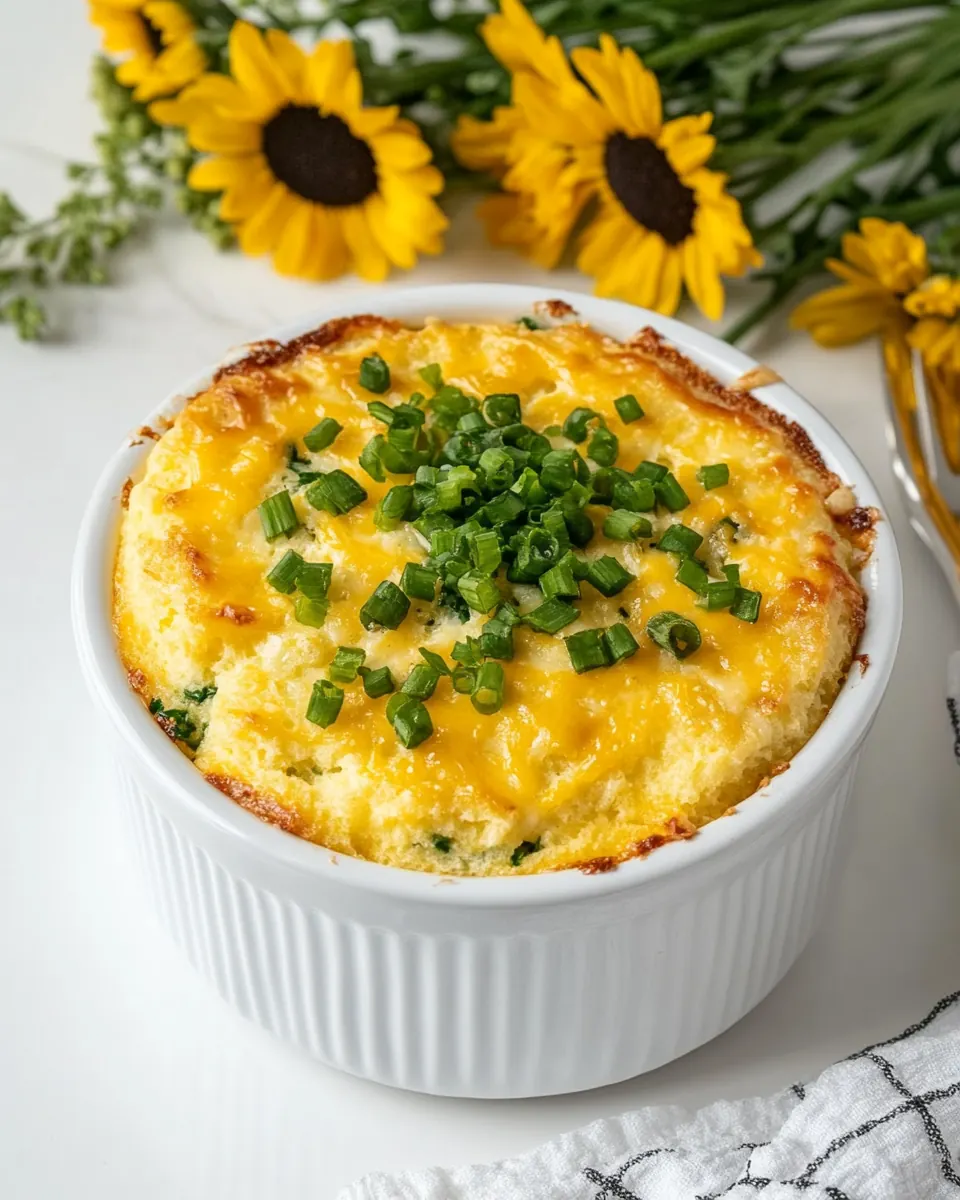
Mexican Cheese Soufflé
Mexican Cheese Soufflé has been one of those cozy weekend projects I return to when I want something that feels both celebratory and comfort forward. The first time I made it, I remember the house filling with the warm scent of butter and roasted corn, the soft hiss as the skillet warmed, and that thrilling puff as the dish came out of the oven, golden and proud. It immediately became a crowd pleaser at small dinners, where everyone nudged their plates closer and asked for seconds.
Over the years I tweaked the balance between the creamy melted Monterey Jack cheese and the tang of sharp Cheddar cheese, learning when to coax sweetness from the onions and when to let the fresh jalapeños sing. There is something deeply satisfying about building layers in a skillet, then pouring the egg mixture and watching everything bind into a light, custardy puff. I like to prepare the components while chatting with a friend, because the routine is relaxing.
Serving this Mexican Cheese Soufflé can feel like a small celebration. It travels well to a potluck, or it can be plated simply with a crisp green salad for an effortless dinner. I often make it when I want to impress without fuss, because it delivers on texture and flavor while staying straightforward. Every time I slice into it, there is that lovely interplay of creamy interior and slightly crisp, browned top that keeps everyone coming back.
Recipe Snapshot
50 mins
25 mins
25 mins
Medium
220 kcal
Mexican
Gluten-Free, Low FODMAP
Side Dishes
Ovenproof skillet, Whisk, Mixing bowl, Grater
Why This Mexican Cheese Soufflé Is So Good
Beautiful balance of textures
I love that the Mexican Cheese Soufflé marries a silky custard with moments of chew from the corn and gentle crispness from the top. When I dig a spoon in, I hear a faint crackle, then a soft give, and that contrast keeps each bite interesting. The combination feels deliberate, not accidental.
Bright savory flavors
I find the sautéed onions and fresh jalapeños give the soufflé a lively backbone. They bring both sweetness and mild heat, which pairs perfectly with the mellow melted Monterey Jack cheese and the sharper notes of the Cheddar cheese. I often tell friends this is comfort with a kick.
Impressive but approachable
People assume soufflés are fussy, yet this version is forgiving. I like that you can assemble it in an ovenproof skillet, slide it into the oven, and get a towering result without complicated steps. It feels chefy, yet it is achievable on a weeknight when you want something special without a rehearsal.
Flexible for serving
I appreciate how the dish works for many occasions. You can serve it hot right from the oven, or let it rest to room temperature and still enjoy texture and flavor. It pairs well with light sides for a brunch or with more robust plates for a dinner gathering, making it a versatile addition to my repertoire.
Built from simple pantry ingredients
What makes me a little giddy is how the soufflé relies on accessible staples: eggs, milk, butter, cheese, and fresh vegetables. No exotic shopping, just thoughtful technique. Given that, it becomes a recipe I reach for again and again.
Essential Ingredients for Mexican Cheese Soufflé
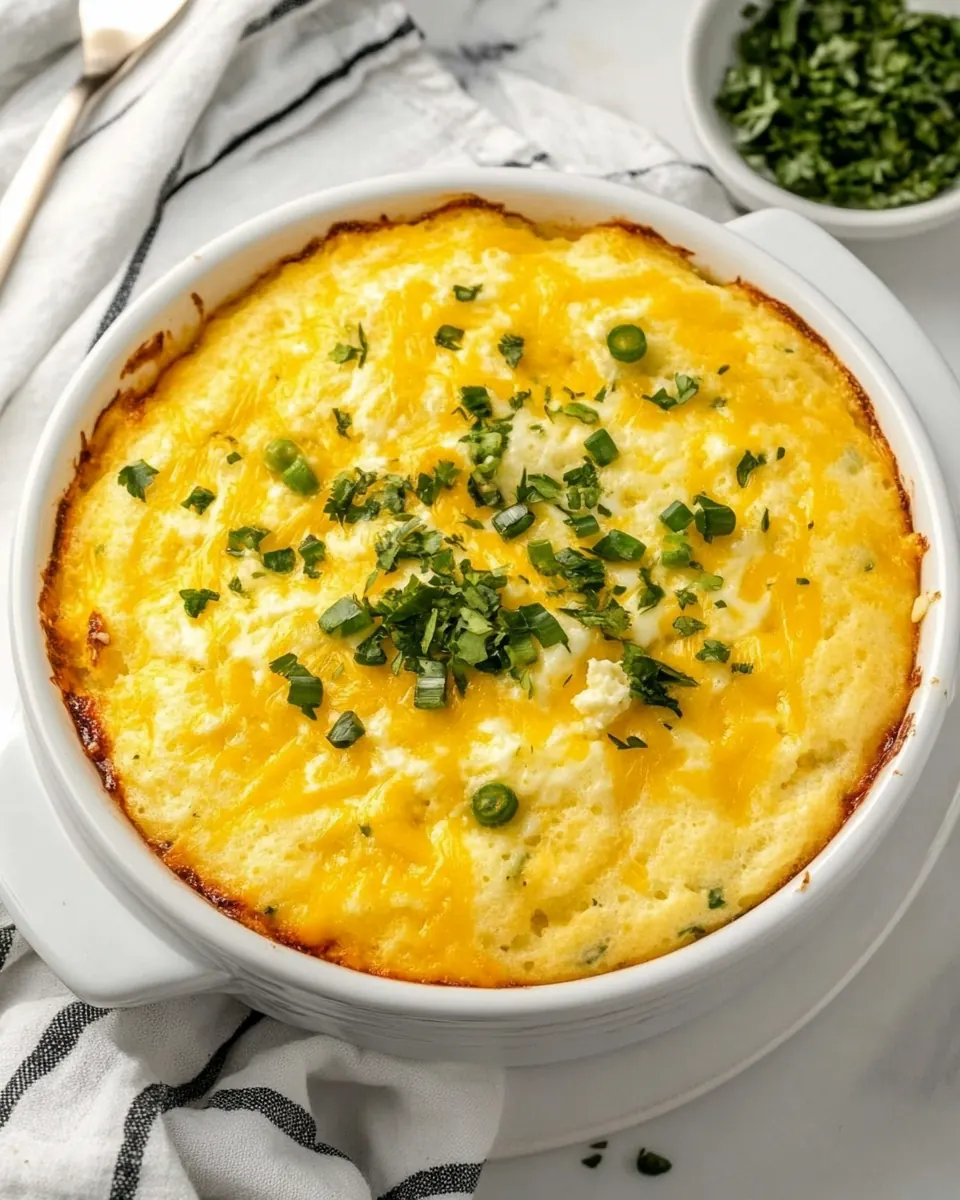
These ingredients form a simple, effective team. The sweet aromatic base from the onions, the bright pop from the corn, and the gentle heat of the jalapeños work together to support the rich, melting profile of the cheeses. At the center, the eggs and milk create a custardy matrix that traps air during baking, producing the soufflé lift. Each player is purposeful, contributing to texture, moisture, and flavor.
- 2 medium onions, sliced: Sliced and cooked until softened to build a sweet, aromatic base for the soufflé; provides texture and depth when caramelized lightly. Balances spicy and savory elements and helps release natural sugars that enhance overall flavor.
- 2 tablespoons unsalted butter: Used to sauté aromatics and prevent sticking while adding a rich, creamy mouthfeel; contributes subtle dairy fat that carries flavors. Also helps achieve a glossy finish on vegetables and aids in browning.
- 2 whole fresh jalapeño chiles (cut into halves lengthwise – seeded and cut into strips): Halved, seeded, and sliced into strips to introduce bright heat and vegetal complexity; adds a lively, smoky note when cooked and a fresh spicy lift. Functions as a textural contrast and flavor accent against the creamy cheese custard.
- 2 medium garlic cloves, minced: Minced to release pungent aromatics that deepen savory complexity when briefly sautéed with onions and chiles. Enhances overall aroma and provides a subtle sharpness that mellows with cooking.
- 1 1/2 cups fresh corn kernels (cut off the cob): Cut from the cob to add bursts of sweet, crisp kernels that contrast creaminess and spice; contributes fresh corn flavor and slight juiciness. Adds visual brightness and a tender bite that complements the soufflé structure.
- salt and freshly ground black pepper, to taste: Seasoned to taste to balance and amplify flavors throughout the dish; helps heighten sweetness, tame heat, and define the cheese's profile. Adjusted at different stages to ensure the soufflé is neither bland nor over-salted.
- 2 tablespoons unsalted butter: Added again to create additional richness during later sautéing or finishing steps; supplies more butterfat to meld ingredients and create a silky texture. Supports gentle browning and improves mouthfeel in the final bake.
- 1 1/4 cups (5-ounces) shredded Monterey Jack cheese: Shredded to provide a smooth, melting body with mild, creamy flavor essential for a tender, cheesy custard. Helps bind the mixture and contributes elasticity and richness when combined with eggs and milk.
- 2/3 cups shredded sharp Cheddar cheese: Shredded to impart sharp, tangy flavor and pronounced cheese character that balances milder cheeses; contributes a slightly crumbly texture and savory depth. Enhances overall complexity and helps define the soufflé's savory profile.
- 6 extra-large eggs, lightly beaten: Lightly beaten to incorporate air and structure, creating lift and a light, airy texture when baked; proteins coagulate to set the custard. Also provides richness and emulsifying properties that bind cheese and liquid.
- 1/2 cup milk: Used to thin and enrich the egg mixture while adding creaminess and subtle dairy sweetness; helps produce a smooth, custardy consistency. Contributes moisture and assists in achieving a tender, well-set soufflé.
How to Make Mexican Cheese Soufflé
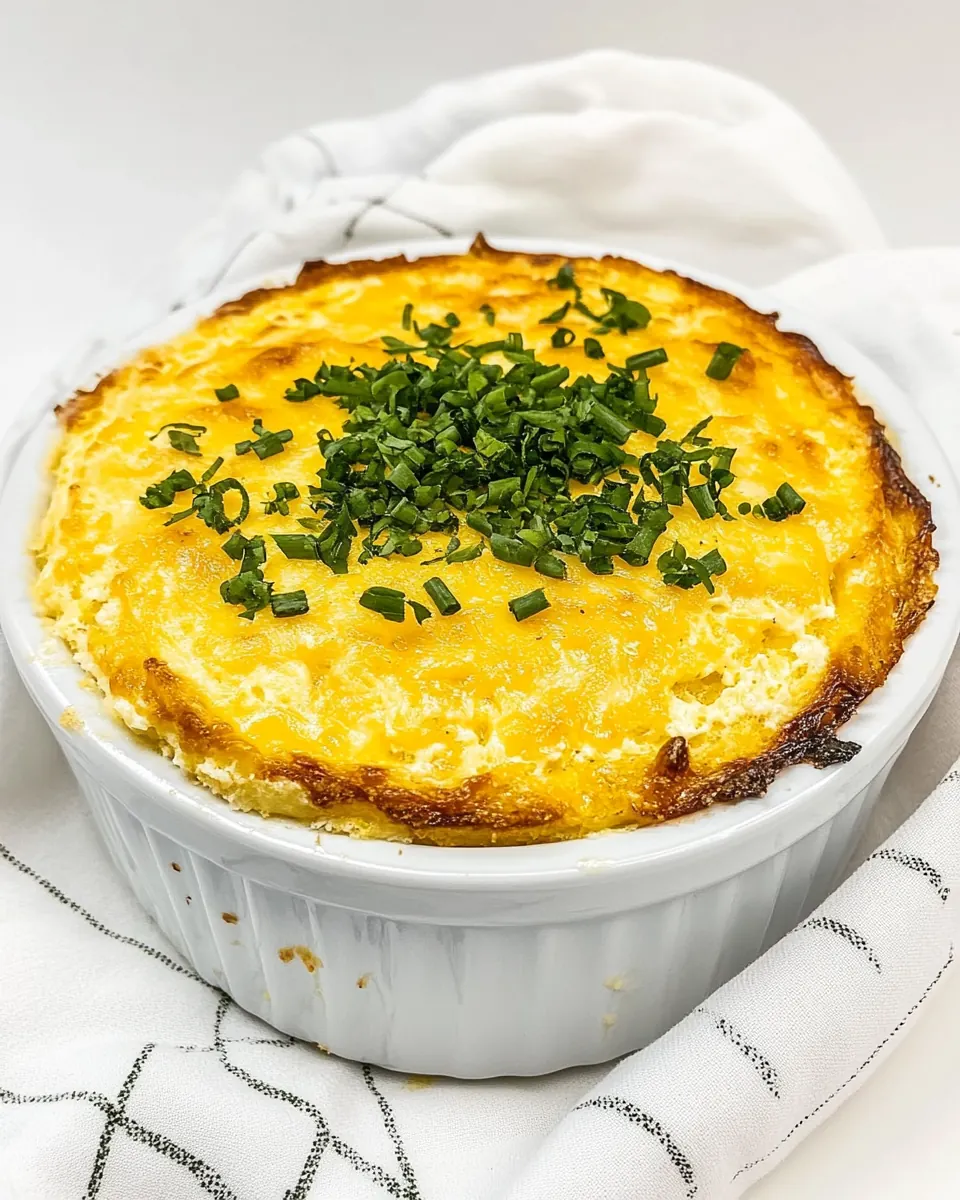
This is a hands on, layered skillet soufflé that rewards gentle attention. I like to assemble the fillings first, layer mindfully, then whisk the custard and pour to bind everything before baking. The oven does the rest, turning the set layers into a puffed, golden dish you can serve warm or at room temperature.
- Preheat the oven to 350°F.: Warmth in the oven fills the kitchen with a steady heat and faint dry scent that primes the bake, so your soufflé rises evenly and the top browns gently. You should preheat fully to the correct temperature, because slipping a dish into an oven still warming can reduce lift and lead to uneven cooking. A common mistake is underestimating oven warm up time, so use an oven thermometer if your appliance runs cool or hot.
- Cook the onions in 2 tablespoons of butter in an ovenproof skillet over low heat until tender but not brown. Stir in the jalapeños and garlic and cook for 2 minutes, stirring constantly. Add the corn, salt, and pepper and mix well. Continue cooking for 1 minute, stirring frequently.: The onions will soften and release a sweet, savory aroma as their cell walls break down, creating a fragrant base for the dish. Keep the heat low to coax out sugars slowly, stirring occasionally so they do not stick or crisp. If you let them brown too much, the flavor becomes sharp, changing the soufflé profile, so watch for a translucent, tender texture.
- Transfer 2/3 of the corn mixture into a bowl. Stir the remaining 2 tablespoons of butter into the rest of the corn mixture in the skillet, and spread it out to cover the bottom of the skillet.: This brief cook softens the jalapeños just enough to mellow raw bite while the minced garlic brightens the mix with its nutty aroma. You will notice a quick lift in fragrance as the oils are released. Avoid leaving them unattended, as small bits of garlic can burn within seconds and introduce bitterness.
- Toss the Monterey Jack cheese and Cheddar cheese in a bowl.: When you fold in the corn , you will see kernels glisten as they pick up butter, and their sweet scent intensifies. Seasoning now allows the grains to absorb seasoning before baking. Over-salting at this stage is a common pitfall because the cheeses will also contribute salt, so season modestly and taste later if possible.
- Sprinkle 1/3 of the cheese mixture over the corn mixture left in the skillet and then spoon 1/2 of the remaining corn mixture (from the bowl) on top of the cheese. Sprinkle with 1/2 of the remaining cheese mixture and top with the remaining corn mixture from the bowl.: A short, final sauté gives the corn a touch of toast and helps evaporate excess moisture, preventing a soggy interior. Listen for a gentle sizzle and watch for slightly drier, more concentrated kernels. If you cook longer than needed, the kernels may dry out and lose that juicy pop.
- Whisk the eggs, milk, salt and pepper in a bowl until blended and pour over the prepared layers. Sprinkle with the rest of the cheese. Bake for 25 minutes or until puffed and brown. Serve hot or at room temperature.: Moving the majority of the mixture into a bowl separates layers and preserves a portion for topping later, producing distinct textural strata within the soufflé. The bowlred mixture will cool slightly, making it easier to layer without melting the cheese prematurely. An error here is mixing everything at once, which can lose the layered structure that gives each bite complexity.
- Stir the remaining 2 tablespoons of butter into the rest of the corn mixture in the skillet, and spread it out to cover the bottom of the skillet.: The melted butter will coat the skillet base, creating a slick, golden foundation that helps the bottom brown and prevents sticking. Spread it evenly so the first layer has uniform richness. If the butter pools unevenly, parts of the bottom may brown disproportionately during baking.
- Toss the Monterey Jack cheese and Cheddar cheese in a bowl.: Combining the two cheeses integrates their textures and flavors so you can portion them predictably through the layers. Freshly shredded cheeses melt more uniformly than pre-shredded ones that contain anti caking agents. A typical slip is not mixing them, which can concentrate sharpness or creaminess in one area rather than providing balance throughout.
- Sprinkle 1/3 of the cheese mixture over the corn mixture left in the skillet and then spoon 1/2 of the remaining corn mixture from the bowl on top of the cheese.: As you lay these components, notice the cheeses begin to soften and knit with the warm base, producing a glossy bridge of dairy between the layers. This staged layering builds pockets of melted flavor that surprise in each forkful. Rushing this step can cause uneven layering and a less cohesive structure.
- Sprinkle with 1/2 of the remaining cheese mixture and top with the remaining corn mixture from the bowl.: Layering again gives the soufflé depth, and the contrast between cheese and vegetable layers creates visual interest when sliced. Ensure the final layer is leveled so the custard can seep in evenly. If the top is lumpy, the custard may pool and bake unevenly.
- Whisk the eggs, milk, salt and pepper in a bowl until blended and pour over the prepared layers.: The whisked eggs and milk produce a smooth custard that will set around the layers, holding pockets of cheese and corn . You should see a silky, slightly frothy mixture before pouring; this indicates good integration. Avoid overwhisking vigorously into foam, because too much incorporated air can create a fragile structure that collapses quickly.
- Sprinkle with the rest of the cheese.: The final shower of cheese gives the top a cheesy crust that browns attractively and adds savory contrast. It will melt and form a golden layer that crackles gently when cooled. Using too much cheese here can make the top heavy, potentially weighing the soufflé down as it bakes.
- Bake for 25 minutes or until puffed and brown.: During baking you will witness the soufflé rise, the aroma becoming more concentrated, and the top taking on a warm, nutty color. The center should be set but tender, not jiggly, and a toothpick inserted near the center should come out mostly clean with a few moist crumbs. Opening the oven too early can cause the structure to collapse, so resist peeking during the crucial middle phase of baking.
- Serve hot or at room temperature.: The soufflé will slightly deflate as it cools but remain tender and flavorful, with a pleasant mix of textures. Serve in wedges or spoon out portions to showcase the layers. One misstep is reheating aggressively, which can toughen the custard, so rewarm gently if needed.
Helpful Hints

I like keeping practical tips as short actionable lines you can scan in the kitchen. Below are focused notes that cover technique, timing, and small adaptions I use regularly to get a reliable result.
- Preheat fully: Ensure your oven reaches a steady 350°F before baking to promote even rise and a uniformly browned top, using an oven thermometer if your oven is unreliable.
- Even slicing: Slice the onions uniformly so they soften evenly during the low heat sauté and do not create uneven pockets of texture.
- Jalapeño control: Remove seeds and membranes to reduce heat intensity, or leave some if you want a noticeable kick; small adjustments greatly change perceived spiciness.
- Fresh corn advantage: Use fresh corn cut from the cob for the best sweet bursts; if using frozen, thaw and pat dry to avoid extra moisture.
- Cheese handling: Grate the cheeses yourself and mix them well so melting is consistent across the layers and the flavor balance is even throughout.
- Butter distribution: Spread the second tablespoon of butter across the skillet base to ensure a balanced golden bottom rather than greasy pools.
- Custard integration: Whisk eggs and milk until smooth but not frothy to create a tender set without excessive air that would deflate quickly.
- Layer patience: Take a moment to level and arrange each layer so the custard can permeate uniformly and no pockets are trapped that would bake unevenly.
- Resting time: Allow the soufflé to cool just slightly before slicing for cleaner wedges; this avoids a loose, overly runny center.
- Gentle reheating: If reheating, do so at a low oven temperature to maintain texture and avoid drying the custard or toughening the surface.
What Goes Well With This Mexican Cheese Soufflé
This Mexican Cheese Soufflé pairs beautifully with crisp, bright sides and fits a variety of occasions from casual lunches to festive dinners. Below are thoughtful serving ideas and practical notes for storage and occasions that showcase how versatile the dish can be.
- Light green salad: A simple salad dressed with a citrus vinaigrette cuts through the richness, adding crunch and acidity to balance the creamy soufflé, ideal for lunch or a light dinner.
- Roasted vegetables: Serve alongside seasonal roasted vegetables to add earthier notes and heartiness for a weekend dinner or a relaxed holiday table.
- Warm tortillas: Offer soft warmed tortillas so guests can scoop a wedge and fold it for a playful, shareable presentation at brunch or casual gatherings.
- Fresh salsa: A bright salsa made from tomatoes and cilantro adds acidity and freshness, bringing contrast and a lively companion for each bite.
- Occasions: This soufflé works well for brunches, summer dinners, or when hosting friends; it feels special enough for celebrations yet approachable for everyday meals.
- Storage tips: Refrigerate leftovers in an airtight container for up to three days, then rewarm gently in a low oven to preserve texture rather than microwaving which can make it rubbery.
- Seasonal pairing: In summer, emphasize fresh corn and paired salads; in cooler months, pair with roasted root vegetables to make the meal more comforting.
- Portioning: Slice into wedges for serving, and label small plates if serving buffet style so guests understand whether it is best eaten warm or at room temperature.
- Presentation: Garnish with a few thin jalapeño strips or a sprinkle of extra shredded Cheddar cheese before serving for a polished look that hints at the flavors inside.
- Make ahead: Prepare the filling and cheeses up to a day in advance and assemble just before baking to keep flavors bright and textures optimal.
FAQ
Conclusion
The Mexican Cheese Soufflé stands out because it blends simple ingredients into a dish that feels elegant and comforting at the same time. Its creamy custard, melty cheeses, and bursts of fresh corn make it a versatile choice for brunches, dinners, and casual gatherings. I encourage you to give it a try, keeping the layers deliberate and the oven reliably warm, because the payoff is a reliably impressive, flavorful dish that invites compliments and seconds.

Mexican Cheese Soufflé
Equipment
- Ovenproof skillet
- Whisk
- Mixing Bowl
- Grater
Ingredients
- 2 medium onions, sliced Sliced and cooked until softened to build a sweet, aromatic base for the soufflé; provides texture and depth when caramelized lightly. Balances spicy and savory elements and helps release natural sugars that enhance overall flavor.
- 2 tablespoons unsalted butter Used to sauté aromatics and prevent sticking while adding a rich, creamy mouthfeel; contributes subtle dairy fat that carries flavors. Also helps achieve a glossy finish on vegetables and aids in browning.
- 2 whole fresh jalapeño chiles (cut into halves lengthwise - seeded and cut into strips) Halved, seeded, and sliced into strips to introduce bright heat and vegetal complexity; adds a lively, smoky note when cooked and a fresh spicy lift. Functions as a textural contrast and flavor accent against the creamy cheese custard.
- 2 medium garlic cloves, minced Minced to release pungent aromatics that deepen savory complexity when briefly sautéed with onions and chiles. Enhances overall aroma and provides a subtle sharpness that mellows with cooking.
- 1 1/2 cups fresh corn kernels (cut off the cob) Cut from the cob to add bursts of sweet, crisp kernels that contrast creaminess and spice; contributes fresh corn flavor and slight juiciness. Adds visual brightness and a tender bite that complements the soufflé structure.
- salt and freshly ground black pepper, to taste Seasoned to taste to balance and amplify flavors throughout the dish; helps heighten sweetness, tame heat, and define the cheese's profile. Adjusted at different stages to ensure the soufflé is neither bland nor over-salted.
- 2 tablespoons unsalted butter Added again to create additional richness during later sautéing or finishing steps; supplies more butterfat to meld ingredients and create a silky texture. Supports gentle browning and improves mouthfeel in the final bake.
- 1 1/4 cups (5-ounces) shredded Monterey Jack cheese Shredded to provide a smooth, melting body with mild, creamy flavor essential for a tender, cheesy custard. Helps bind the mixture and contributes elasticity and richness when combined with eggs and milk.
- 2/3 cups shredded sharp Cheddar cheese Shredded to impart sharp, tangy flavor and pronounced cheese character that balances milder cheeses; contributes a slightly crumbly texture and savory depth. Enhances overall complexity and helps define the soufflé's savory profile.
- 6 extra-large eggs, lightly beaten Lightly beaten to incorporate air and structure, creating lift and a light, airy texture when baked; proteins coagulate to set the custard. Also provides richness and emulsifying properties that bind cheese and liquid.
- 1/2 cup milk Used to thin and enrich the egg mixture while adding creaminess and subtle dairy sweetness; helps produce a smooth, custardy consistency. Contributes moisture and assists in achieving a tender, well-set soufflé.
Instructions
- Preheat the oven to 350°F.: Warmth in the oven fills the kitchen with a steady heat and faint dry scent that primes the bake, so your soufflé rises evenly and the top browns gently. You should preheat fully to the correct temperature, because slipping a dish into an oven still warming can reduce lift and lead to uneven cooking. A common mistake is underestimating oven warm up time, so use an oven thermometer if your appliance runs cool or hot.
- Cook the onions in 2 tablespoons of butter in an ovenproof skillet over low heat until tender but not brown. Stir in the jalapeños and garlic and cook for 2 minutes, stirring constantly. Add the corn, salt, and pepper and mix well. Continue cooking for 1 minute, stirring frequently.: The onions will soften and release a sweet, savory aroma as their cell walls break down, creating a fragrant base for the dish. Keep the heat low to coax out sugars slowly, stirring occasionally so they do not stick or crisp. If you let them brown too much, the flavor becomes sharp, changing the soufflé profile, so watch for a translucent, tender texture.
- Transfer 2/3 of the corn mixture into a bowl. Stir the remaining 2 tablespoons of butter into the rest of the corn mixture in the skillet, and spread it out to cover the bottom of the skillet.: This brief cook softens the jalapeños just enough to mellow raw bite while the minced garlic brightens the mix with its nutty aroma. You will notice a quick lift in fragrance as the oils are released. Avoid leaving them unattended, as small bits of garlic can burn within seconds and introduce bitterness.
- Toss the Monterey Jack cheese and Cheddar cheese in a bowl.: When you fold in the corn , you will see kernels glisten as they pick up butter, and their sweet scent intensifies. Seasoning now allows the grains to absorb seasoning before baking. Over-salting at this stage is a common pitfall because the cheeses will also contribute salt, so season modestly and taste later if possible.
- Sprinkle 1/3 of the cheese mixture over the corn mixture left in the skillet and then spoon 1/2 of the remaining corn mixture (from the bowl) on top of the cheese. Sprinkle with 1/2 of the remaining cheese mixture and top with the remaining corn mixture from the bowl.: A short, final sauté gives the corn a touch of toast and helps evaporate excess moisture, preventing a soggy interior. Listen for a gentle sizzle and watch for slightly drier, more concentrated kernels. If you cook longer than needed, the kernels may dry out and lose that juicy pop.
- Whisk the eggs, milk, salt and pepper in a bowl until blended and pour over the prepared layers. Sprinkle with the rest of the cheese. Bake for 25 minutes or until puffed and brown. Serve hot or at room temperature.: Moving the majority of the mixture into a bowl separates layers and preserves a portion for topping later, producing distinct textural strata within the soufflé. The bowlred mixture will cool slightly, making it easier to layer without melting the cheese prematurely. An error here is mixing everything at once, which can lose the layered structure that gives each bite complexity.
- Stir the remaining 2 tablespoons of butter into the rest of the corn mixture in the skillet, and spread it out to cover the bottom of the skillet.: The melted butter will coat the skillet base, creating a slick, golden foundation that helps the bottom brown and prevents sticking. Spread it evenly so the first layer has uniform richness. If the butter pools unevenly, parts of the bottom may brown disproportionately during baking.
- Toss the Monterey Jack cheese and Cheddar cheese in a bowl.: Combining the two cheeses integrates their textures and flavors so you can portion them predictably through the layers. Freshly shredded cheeses melt more uniformly than pre-shredded ones that contain anti caking agents. A typical slip is not mixing them, which can concentrate sharpness or creaminess in one area rather than providing balance throughout.
- Sprinkle 1/3 of the cheese mixture over the corn mixture left in the skillet and then spoon 1/2 of the remaining corn mixture from the bowl on top of the cheese.: As you lay these components, notice the cheeses begin to soften and knit with the warm base, producing a glossy bridge of dairy between the layers. This staged layering builds pockets of melted flavor that surprise in each forkful. Rushing this step can cause uneven layering and a less cohesive structure.
- Sprinkle with 1/2 of the remaining cheese mixture and top with the remaining corn mixture from the bowl.: Layering again gives the soufflé depth, and the contrast between cheese and vegetable layers creates visual interest when sliced. Ensure the final layer is leveled so the custard can seep in evenly. If the top is lumpy, the custard may pool and bake unevenly.
- Whisk the eggs, milk, salt and pepper in a bowl until blended and pour over the prepared layers.: The whisked eggs and milk produce a smooth custard that will set around the layers, holding pockets of cheese and corn . You should see a silky, slightly frothy mixture before pouring; this indicates good integration. Avoid overwhisking vigorously into foam, because too much incorporated air can create a fragile structure that collapses quickly.
- Sprinkle with the rest of the cheese.: The final shower of cheese gives the top a cheesy crust that browns attractively and adds savory contrast. It will melt and form a golden layer that crackles gently when cooled. Using too much cheese here can make the top heavy, potentially weighing the soufflé down as it bakes.
- Bake for 25 minutes or until puffed and brown.: During baking you will witness the soufflé rise, the aroma becoming more concentrated, and the top taking on a warm, nutty color. The center should be set but tender, not jiggly, and a toothpick inserted near the center should come out mostly clean with a few moist crumbs. Opening the oven too early can cause the structure to collapse, so resist peeking during the crucial middle phase of baking.
- Serve hot or at room temperature.: The soufflé will slightly deflate as it cools but remain tender and flavorful, with a pleasant mix of textures. Serve in wedges or spoon out portions to showcase the layers. One misstep is reheating aggressively, which can toughen the custard, so rewarm gently if needed.
Notes
- Preheat fully: Ensure your oven reaches a steady 350°F before baking to promote even rise and a uniformly browned top, using an oven thermometer if your oven is unreliable.
- Even slicing: Slice the onions uniformly so they soften evenly during the low heat sauté and do not create uneven pockets of texture.
- Jalapeño control: Remove seeds and membranes to reduce heat intensity, or leave some if you want a noticeable kick; small adjustments greatly change perceived spiciness.
- Fresh corn advantage: Use fresh corn cut from the cob for the best sweet bursts; if using frozen, thaw and pat dry to avoid extra moisture.
- Cheese handling: Grate the cheeses yourself and mix them well so melting is consistent across the layers and the flavor balance is even throughout.
- Butter distribution: Spread the second tablespoon of butter across the skillet base to ensure a balanced golden bottom rather than greasy pools.
- Custard integration: Whisk eggs and milk until smooth but not frothy to create a tender set without excessive air that would deflate quickly.
- Layer patience: Take a moment to level and arrange each layer so the custard can permeate uniformly and no pockets are trapped that would bake unevenly.
- Resting time: Allow the soufflé to cool just slightly before slicing for cleaner wedges; this avoids a loose, overly runny center.
- Gentle reheating: If reheating, do so at a low oven temperature to maintain texture and avoid drying the custard or toughening the surface.