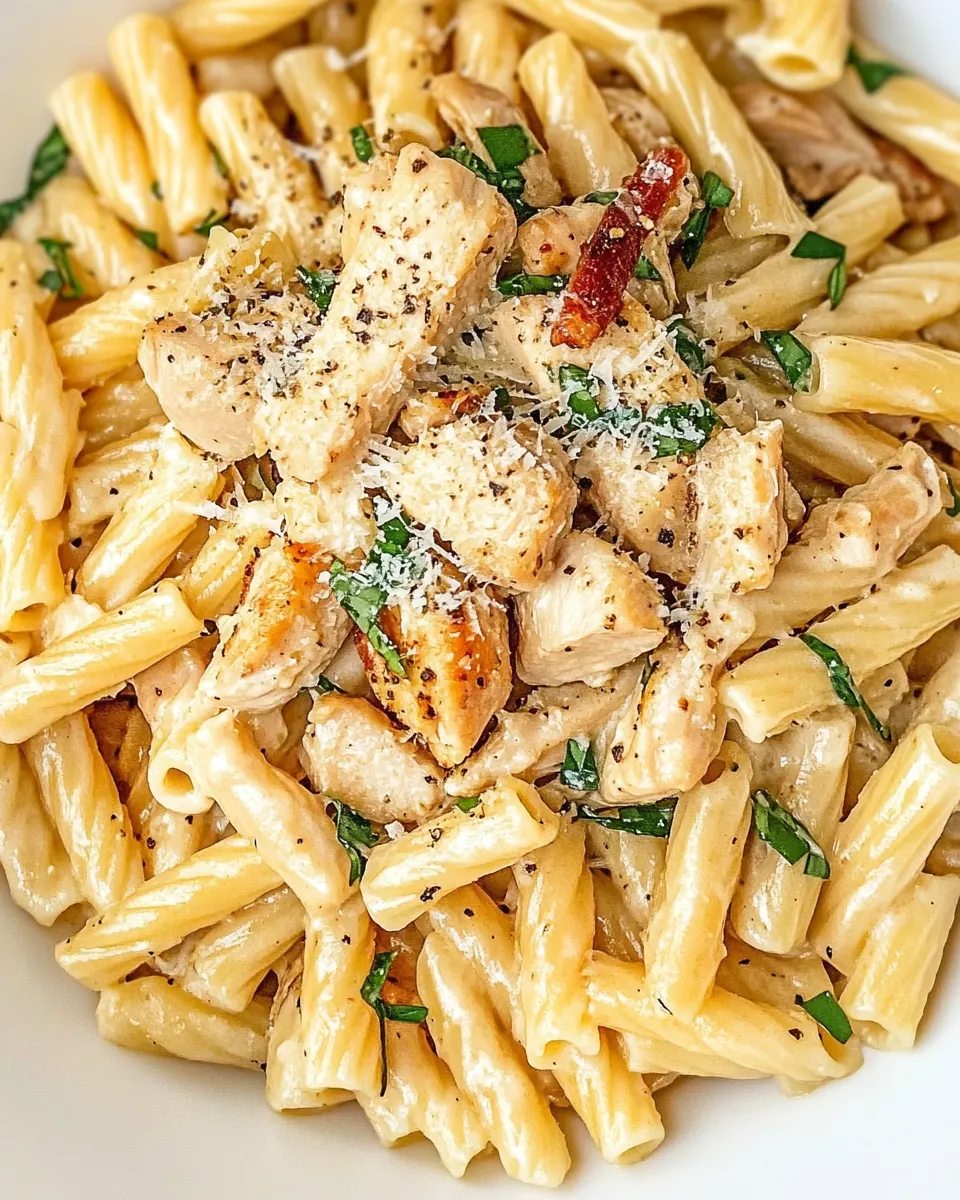
Marry Me Chicken Pasta
Marry Me Chicken Pasta has a funny way of showing up when I need a recipe that feels like a celebration while still being perfectly manageable on a busy night.
I first made Marry Me Chicken Pasta on an ordinary Tuesday after an impromptu invite from friends. I had a few pantry staples and a lot of curiosity, so I grabbed the pasta, sliced up the chicken, and started cooking. The kitchen quickly filled with the smell of garlic hitting warm olive oil, and I remember thinking that something this rich and comforting should probably be reserved for special occasions, but it became a new weekday favorite instead.
That night the sauce bubbled and reduced, turning glossy and clinging to the rigatoni, while the bits of sun-dried tomatoes released a sweet tang that surprised everyone at the table. We ate by candlelight because it made the moment feel important, though nothing fancy was needed. The recipe rewards you with a creamy texture from the heavy cream and a savory lift from the Parmesan cheese, and the fresh basil at the end brightens each forkful.
Recipe Snapshot
45 mins
15 mins
30 mins
Medium
620 kcal
Italian
Gluten-Free, Low FODMAP
Dinner
12″ All-Clad Stainless Skillet
What We Adore About This Marry Me Chicken Pasta
Comfort with a Crowd Pleasing Finish
I love that Marry Me Chicken Pasta manages to be both cozy and showy. The sauce is creamy yet light enough to let the chicken and sun-dried tomatoes shine, so it works for a casual dinner or a date night. Every time I serve it, people go quiet for a minute, which is my favorite kind of compliment.
Simple Ingredients, Maximum Impact
This dish uses pantry-friendly staples like rigatoni, chicken, and Parmesan cheese, yet the combination yields layers of flavor. The garlic and olive oil create an aromatic base, while the simmered chicken broth and heavy cream turn into a silky sauce that clings to pasta. I often appreciate recipes that do a lot with a little, and this one certainly does.
Quick Enough for Weeknights
While it feels indulgent, the whole process moves fast. From boiling the pasta to browning the chicken, the timing fits a regular evening without stress. I like that I can chat with friends or help kids with homework while it simmers, then finish with a flourish of chopped basil.
Flexible and Forgiving
I’m a fan of recipes that adapt. Swap the pasta shape, tweak the red pepper flakes for more or less heat, or use a different hard cheese if you prefer. The structure stays the same, so small changes do not break the final result. That forgiving nature makes me reach for this dish again and again.
Pretty Enough to Impress
Visually it’s a winner too. The creamy sauce coating the rigatoni, flecks of sun-dried tomatoes, and ribbons of fresh basil create a plate that looks as though you put in twice the effort. I love serving it when I want a little flair without a long shopping list.
Ingredients to Make Marry Me Chicken Pasta
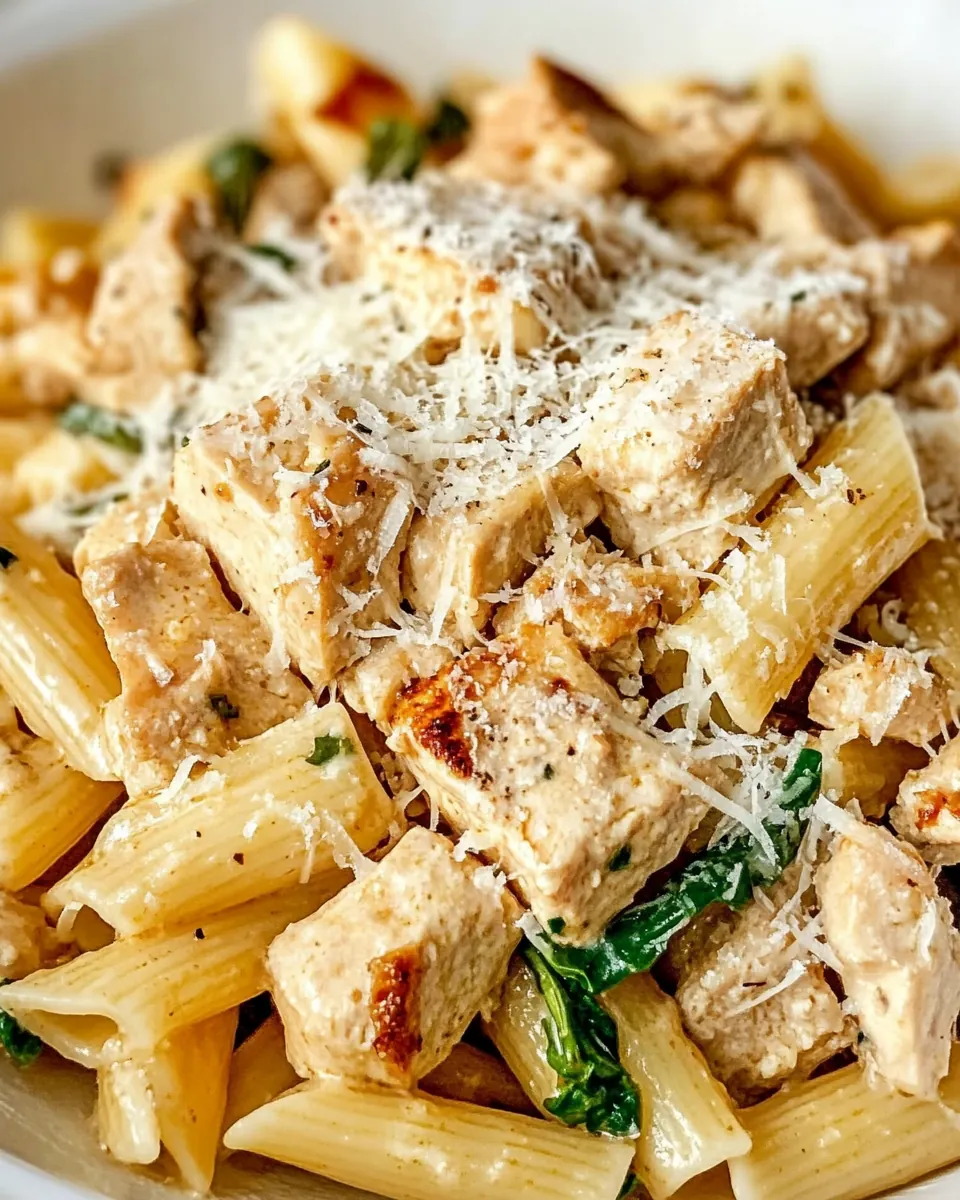
These ingredients come together to create a silky, savory pasta that balances richness and brightness. The key players are the rigatoni which carries the sauce, the seared chicken which adds substance, and the trio of garlic, sun-dried tomatoes, and Parmesan cheese that build layered flavor. Each item plays a clear role, from texture to aroma, and they harmonize without competing.
- 12 ounces rigatoni pasta (or other small shaped pasta): Cook until al dente to provide the pasta base that carries the sauce and proteins; choose rigatoni or another small shaped pasta to trap chunks and creamy sauce between ridges and hollows. Ensure proper salting of pasta water to season the pasta internally and balance the dish. Serve immediately after tossing so texture remains tender yet firm.
- 2 large chicken breasts (boneless and skinless, cut into bite size pieces): Cut into bite–size pieces and sear to develop golden browning that adds savory depth and texture to the pasta; use boneless, skinless breasts for ease of preparation and lean protein. Season before cooking to build layers of flavor while cooking through to a safe internal temperature. Rest briefly to retain juices before combining with the sauce.
- salt and pepper (to taste): Season generously to enhance and balance flavors across the dish; use to taste but remember it brings out natural sweetness and suppresses bitterness. Apply both during cooking of the chicken and in the sauce to ensure even seasoning. Adjust at the end to fine-tune the final flavor profile.
- 2 tablespoons olive oil (or oil from sun-dried tomatoes): Heat to sauté and brown the chicken and aromatics, supplying a medium with a clean, fruity flavor for cooking; olive oil or oil from sun-dried tomatoes will also help deglaze the pan and carry fat-soluble flavors. Use the oil moderately to prevent burning while ensuring ingredients cook evenly and develop color.
- 3 cloves garlic (minced): Mince and sauté gently to release a fragrant, savory foundation that infuses the entire sauce with aromatic complexity; avoid overcooking to prevent bitterness. Add early when cooking the chicken or to the oil to bloom flavor, then combine with liquids for a balanced final profile.
- 1/2 teaspoon red pepper flakes: Add sparingly to introduce warm heat and a subtle smoky bite that lifts the creaminess of the sauce; adjust amount to personal heat tolerance. Toast briefly in the oil to bloom flavor, then combine with other aromatics so the spice permeates without overpowering other ingredients.
- 1/2 cup sun-dried tomatoes (chopped): Chop and incorporate to contribute concentrated tomato flavor and sweet-tart complexity; sun-dried tomatoes add chewy texture and umami that complement the creamy sauce. Use oil-packed varieties if desired for extra richness, adding both solids and oil to deepen the sauce base.
- 1 cup chicken broth (low sodium): Pour in to deglaze the pan and build savory body in the sauce while adding liquid for simmering; low-sodium chicken broth provides stock flavor without excessive salt. Simmer briefly to concentrate flavors and create a flavorful backbone that melds with cream and cheese.
- 1 cup heavy cream: Stir in to create a rich, silky sauce that binds the pasta and chicken together; heavy cream supplies luxurious texture and helps carry flavors. Simmer gently after adding to prevent curdling, and reduce slightly to thicken before combining with cheese and pasta.
- 1 cup Parmesan cheese: Grate and fold in to add salty, nutty complexity and natural thickness to the sauce; Parmesan helps the cream to emulsify and cling to pasta. Add gradually off the heat to avoid graininess, and taste to balance saltiness with other seasonings.
- 1/4 cup fresh basil (chopped): Chop and finish the dish with bright, herbal aroma and fresh color that cuts through the richness of the sauce; fresh basil adds a sweet, peppery lift. Scatter over the plated pasta just before serving to preserve its fragrance and appearance.
Instructions for Marry Me Chicken Pasta
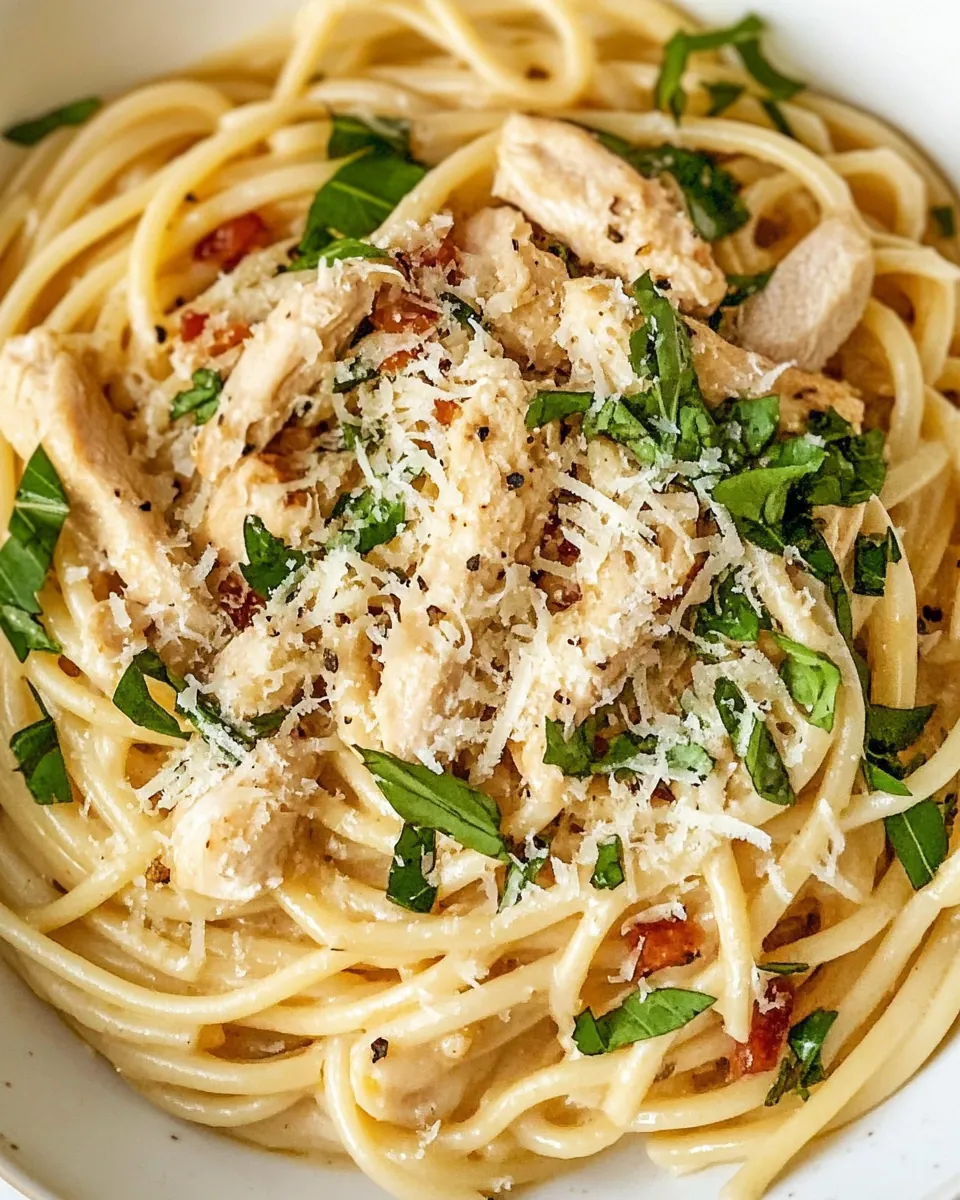
I like to move through these steps with an eye on aromas and texture, so the kitchen feels alive as the dish comes together. Keep your tools handy and taste as you go, adjusting salt and pepper gradually so the balance stays right.
- Bring a large pot of salted water to a boil. Cook the rigatoni according to package instructions until al dente. Drain and set aside.: The bubbling pot should smell faintly mineral and make the kitchen sound lively, a steady rolling boil that promises perfectly cooked pasta. The reason this matters is that well salted water seasons the rigatoni from within, preventing a bland final dish. A common mistake is under-salting, which yields flat pasta, so be generous but not overpowering. Watch for the pot to reach a vigorous boil before adding pasta, and use a large pot to avoid sticking.
- Season the chicken pieces with salt and pepper. In a large skillet, heat olive oil over medium-high heat. Add the chicken and cook until golden brown and cooked through, about 5-7 minutes.: You will hear a gentle plunk as the pasta hits the water and then a more vigorous simmer. Al dente means the pasta has a slight chew, not mushy, providing textural contrast to the creamy sauce. Overcooking is the main pitfall here, it will turn limp and unable to hold the sauce. Taste a piece a minute or two before the package time to hit that perfect bite.
- Add the minced garlic and red pepper flakes. Sauté for about 1 minute until fragrant. Add the sun-dried tomatoes and cook for an additional 2 minutes.: After the pasta is tender but firm, drain it and let it rest briefly so it stops cooking from residual heat. Leaving a little pasta water can be helpful if you need to loosen the sauce later. A mistake is rinsing the pasta under water, which removes the starch that helps the sauce adhere, so always skip rinsing unless making a cold salad.
- Pour in the chicken broth and heavy cream. Bring to a simmer, then reduce the heat and continue to simmer for about 10 minutes, or until the sauce starts to thicken.: As you sprinkle seasoning, you will notice the raw chicken taking on a faint sheen and a more savory smell. Proper seasoning enhances the meat itself and the sauce it will help flavor. A frequent error is adding too little seasoning early on, leading to underflavored chicken that disappoints in the finished dish. Season both sides evenly for uniform taste.
- Stir in the grated Parmesan cheese and chopped basil. Cook until the cheese is melted and the sauce is creamy.: The oil should shimmer, showing it is hot enough to sear, and you might catch a faint, fruity olive scent. Heating the oil properly ensures a golden crust on the chicken , which adds depth to the dish. If the oil smokes, it is too hot and may impart bitterness, so lower the heat slightly to avoid burning.
- Add the cooked rigatoni to the skillet and toss everything together until the pasta is coated in the creamy sauce.: You will hear a focused sizzle as the chicken hits the pan, and the edges will turn a warm golden color, releasing meaty aromas. Browning creates Maillard flavors that enrich the sauce. Cutting into a piece should show no pink inside; undercooking risks food safety issues, while overcooking results in dry chicken . Keep the heat moderate and turn pieces for even color.
- Plate the pasta and top with extra grated Parmesan and fresh basil for garnish.: The moment the garlic hits the warm oil, a heady, savory aroma will blossom, and the red pepper flakes will tease the nose with warmth. This quick sauté builds an aromatic foundation that the sauce will ride on. Be vigilant because garlic browns fast and can become bitter if left too long. Stir constantly and limit the time to preserve sweetness.
- Sauté for about 1 minute until fragrant: During this short step, you will notice the scent deepen and the pan become more fragrant overall. The brief sauté releases oils and heightens flavor without cooking the garlic to the point of losing its charm. Overcooking here is common and results in a bitter note, so remove heat or add the next ingredient promptly.
- Add the sun dried tomatoes and cook for an additional 2 minutes: As the sun-dried tomatoes warm, they soften and release concentrated tomato oils, lending a sweet tang to the pan. This step layers fruitiness into the savory base, and you might see the tomato pieces slightly caramelize at the edges. A frequent misstep is skipping the extra minute of cooking, which keeps them tasting raw and chewy rather than integrated.
- Pour in the chicken broth and heavy cream: When the liquid hits the pan, it will hiss softly and begin to deglaze the browned bits, lifting that deep flavor into the sauce. The combination of chicken broth and heavy cream forms the body of the sauce, with the broth contributing savory notes and the cream adding richness. Avoid boiling vigorously, as rapid boiling can separate the cream and create a broken sauce.
- Bring to a simmer, then reduce the heat and continue to simmer for about 10 minutes: Gentle simmering reduces and thickens the sauce, concentrating flavors and developing a glossy finish that will cling to the pasta. You will see small bubbles and a fragrant steam as the sauce transforms. Stir occasionally to prevent sticking, and be careful not to let it scorch on the bottom, which would introduce a bitter undertone. Simmering too long can over reduce the sauce, so watch the consistency.
- Stir in the grated Parmesan cheese and chopped basil: Adding the Parmesan cheese melts into the sauce, making it silkier and imparting a savory, nutty depth, while the basil brightens the aroma and flavor. The sauce should become creamy and slightly thickened at this point. A common mistake is adding the cheese over high heat, which can cause clumping; remove from direct high heat and stir gently to incorporate.
- Cook until the cheese is melted and the sauce is creamy: You will notice the texture smooth and the sauce glisten, clinging to the back of a spoon. This mouthfeel is crucial for a restaurant style finish. If the sauce looks grainy, it may have overheated or the cheese may not be fully incorporated, so lower the temperature and stir vigorously to bring it together.
- Add the cooked rigatoni to the skillet and toss everything together until the pasta is coated in the creamy sauce: The moment the pasta meets the sauce, the kitchen fills with an irresistible, steamy aroma, and you should see the sauce nestle into the rigatoni tubes. Tossing helps ensure every piece is coated. A typical error is adding the pasta cold from the sink, which chills the sauce and prevents it from emulsifying; transfer pasta warm and, if needed, add a splash of reserved pasta water to marry them.
- Plate the pasta and top with extra grated Parmesan and fresh basil for garnish: On the plate you will get a final visual contrast from the green basil and the snowy Parmesan cheese . This finishing touch adds aroma and texture right before serving. Avoid plating too far in advance, as the sauce can tighten upon cooling; serve promptly for the best creaminess.
Pro Tips and Tweaks
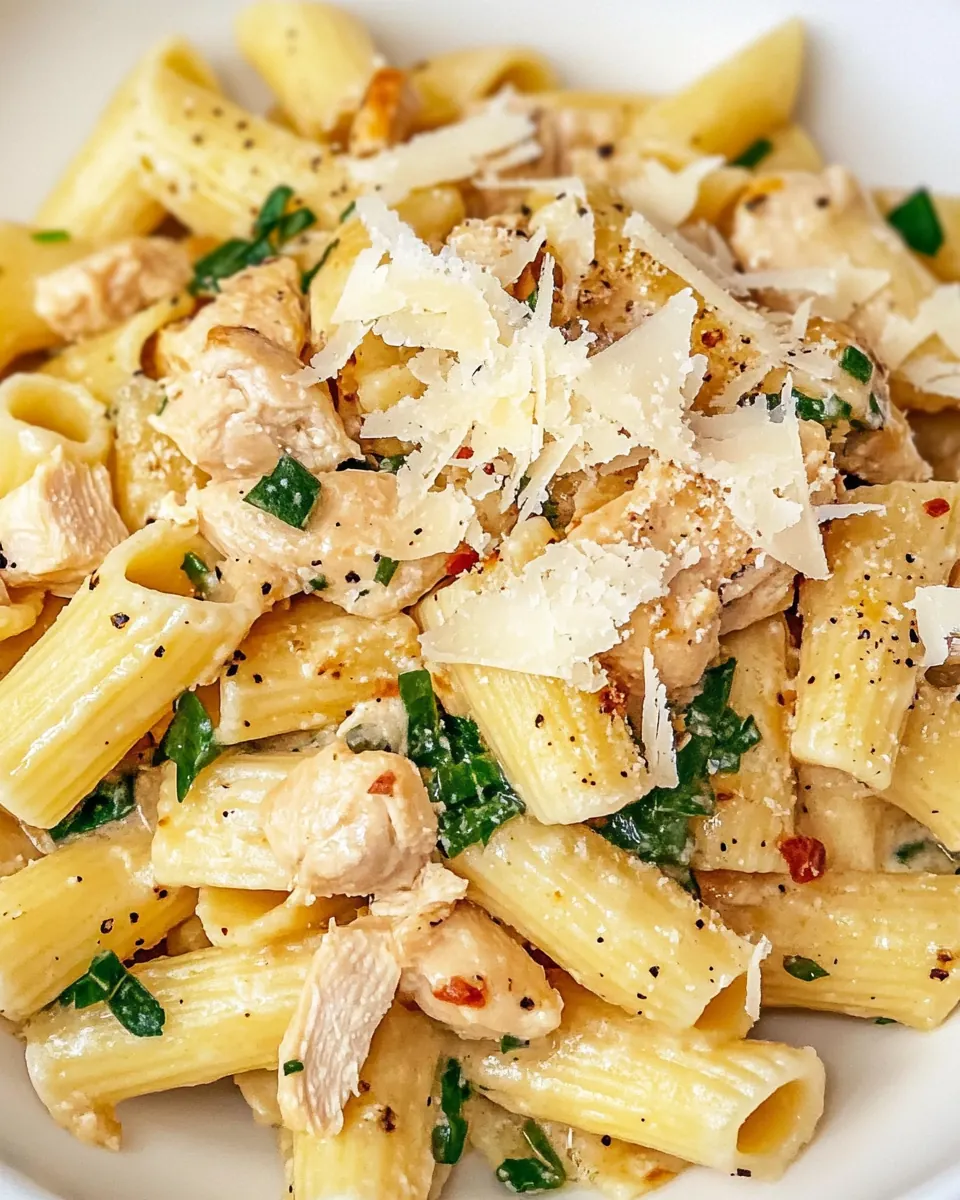
This section expands on practical adjustments and flavor tweaks that elevate Marry Me Chicken Pasta. Small changes can tailor spice, texture, and richness to your preference while keeping the core technique intact.
- Adjust Spice Level: Tweak the amount of red pepper flakes to suit your taste, using less for milder palates and more if you prefer a pronounced kick. I recommend starting small and tasting the sauce as it simmers, because heat concentrates with reduction. If you overshoot, a splash of extra heavy cream or reserved pasta water will calm it down.
- Pasta Choice Matters: Rigatoni holds the sauce well due to its ridges and tube shape, but penne or fusilli are great alternatives if you have them. The main idea is to pick a shape that traps sauce in ridges or hollows. If you use a thinner pasta, reduce the sauce slightly so it does not overwhelm the strands.
- Cheese Variations: While Parmesan cheese is classic, try Pecorino Romano for a tangier profile or a mix of both for complexity. Hard cheeses melt differently, so grate finely and add at off heat to avoid clumping. Taste as you go, adjusting salt because Pecorino is saltier than Parmesan.
- Fresh Basil is Key: Use fresh basil for garnishing rather than dried. Its volatile oils disappear with prolonged cooking, so add it last for bright aroma. If fresh is unavailable, fold in a small amount of dried basil at the end, but expect a milder result.
- Creamy Sauce Tip: If the sauce thickens too much when reheating, loosen it with a splash of milk or reserved chicken broth. Reheat gently over low heat to preserve the smooth texture. Rapid reheating can cause separation, so patience preserves creaminess.
Serve This Marry Me Chicken Pasta With
This dish is versatile and pairs well with light sides and varied occasions, from cozy weeknights to celebratory dinners. Think about contrasts in texture and freshness to balance the rich, creamy pasta. Below are serving ideas, storage guidance, and occasion suggestions to help you plan the whole meal.
- Light Green Salad: Serve with a crisp salad dressed simply with lemon and olive oil to cut through the richness and add a refreshing counterpoint. The crunchy greens provide textural contrast to the creamy rigatoni.
- Garlic Bread or Crusty Loaf: A warm, crusty bread is perfect for sopping up sauce and makes the meal feel heartier for dinner gatherings. It also offers a pleasing crisp chew that complements the soft pasta.
- Occasions: This recipe shines for date nights and intimate dinners like Valentine's Day, yet it is simple enough for an easy weeknight dinner. The presentation is attractive, and the flavors feel elevated without demanding hours in the kitchen.
- Storage Tips: Store leftovers in an airtight container for up to three days. When reheating, warm gently and add a splash of reserved pasta water or milk to restore the sauce silkiness. Avoid high heat to prevent separation of the heavy cream.
- Seasonal Pairings: In spring and summer, toss a few extra fresh herbs like basil on top. In cooler months, serve with a simple roasted vegetable to add warmth and heartiness to the plate.
FAQ
Conclusion
This recipe stands out because it balances rich creaminess with bright, savory notes, giving you a comforting yet elegant pasta dinner. Try it when you want something that feels special without demanding a long time in the kitchen, and don’t be afraid to personalize the heat or pasta shape. Share it with friends or family, savor the fragrant garlic and basil, and enjoy how a few simple ingredients can create an impressive meal.
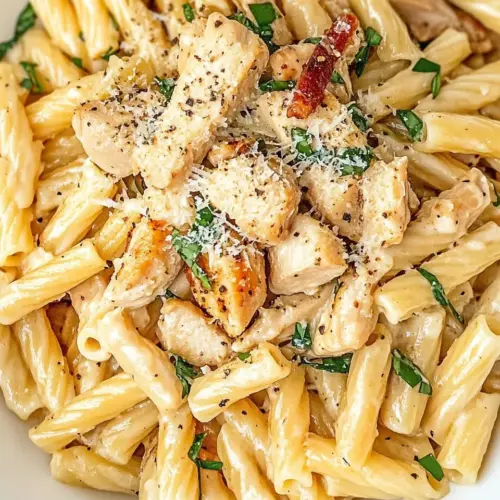
Marry Me Chicken Pasta
Equipment
- 12 All-Clad Stainless Skillet
Ingredients
- 12 ounces rigatoni pasta (or other small shaped pasta) Cook until al dente to provide the pasta base that carries the sauce and proteins; choose rigatoni or another small shaped pasta to trap chunks and creamy sauce between ridges and hollows. Ensure proper salting of pasta water to season the pasta internally and balance the dish. Serve immediately after tossing so texture remains tender yet firm.
- 2 large chicken breasts (boneless and skinless, cut into bite size pieces) Cut into bite-size pieces and sear to develop golden browning that adds savory depth and texture to the pasta; use boneless, skinless breasts for ease of preparation and lean protein. Season before cooking to build layers of flavor while cooking through to a safe internal temperature. Rest briefly to retain juices before combining with the sauce.
- salt and pepper (to taste) Season generously to enhance and balance flavors across the dish; use to taste but remember it brings out natural sweetness and suppresses bitterness. Apply both during cooking of the chicken and in the sauce to ensure even seasoning. Adjust at the end to fine-tune the final flavor profile.
- 2 tablespoons olive oil (or oil from sun-dried tomatoes) Heat to sauté and brown the chicken and aromatics, supplying a medium with a clean, fruity flavor for cooking; olive oil or oil from sun-dried tomatoes will also help deglaze the pan and carry fat-soluble flavors. Use the oil moderately to prevent burning while ensuring ingredients cook evenly and develop color.
- 3 cloves garlic (minced) Mince and sauté gently to release a fragrant, savory foundation that infuses the entire sauce with aromatic complexity; avoid overcooking to prevent bitterness. Add early when cooking the chicken or to the oil to bloom flavor, then combine with liquids for a balanced final profile.
- 1/2 teaspoon red pepper flakes Add sparingly to introduce warm heat and a subtle smoky bite that lifts the creaminess of the sauce; adjust amount to personal heat tolerance. Toast briefly in the oil to bloom flavor, then combine with other aromatics so the spice permeates without overpowering other ingredients.
- 1/2 cup sun-dried tomatoes (chopped) Chop and incorporate to contribute concentrated tomato flavor and sweet-tart complexity; sun-dried tomatoes add chewy texture and umami that complement the creamy sauce. Use oil-packed varieties if desired for extra richness, adding both solids and oil to deepen the sauce base.
- 1 cup chicken broth (low sodium) Pour in to deglaze the pan and build savory body in the sauce while adding liquid for simmering; low-sodium chicken broth provides stock flavor without excessive salt. Simmer briefly to concentrate flavors and create a flavorful backbone that melds with cream and cheese.
- 1 cup heavy cream Stir in to create a rich, silky sauce that binds the pasta and chicken together; heavy cream supplies luxurious texture and helps carry flavors. Simmer gently after adding to prevent curdling, and reduce slightly to thicken before combining with cheese and pasta.
- 1 cup Parmesan cheese Grate and fold in to add salty, nutty complexity and natural thickness to the sauce; Parmesan helps the cream to emulsify and cling to pasta. Add gradually off the heat to avoid graininess, and taste to balance saltiness with other seasonings.
- 1/4 cup fresh basil (chopped) Chop and finish the dish with bright, herbal aroma and fresh color that cuts through the richness of the sauce; fresh basil adds a sweet, peppery lift. Scatter over the plated pasta just before serving to preserve its fragrance and appearance.
Instructions
- Bring a large pot of salted water to a boil. Cook the rigatoni according to package instructions until al dente. Drain and set aside.: The bubbling pot should smell faintly mineral and make the kitchen sound lively, a steady rolling boil that promises perfectly cooked pasta. The reason this matters is that well salted water seasons the rigatoni from within, preventing a bland final dish. A common mistake is under-salting, which yields flat pasta, so be generous but not overpowering. Watch for the pot to reach a vigorous boil before adding pasta, and use a large pot to avoid sticking.
- Season the chicken pieces with salt and pepper. In a large skillet, heat olive oil over medium-high heat. Add the chicken and cook until golden brown and cooked through, about 5-7 minutes.: You will hear a gentle plunk as the pasta hits the water and then a more vigorous simmer. Al dente means the pasta has a slight chew, not mushy, providing textural contrast to the creamy sauce. Overcooking is the main pitfall here, it will turn limp and unable to hold the sauce. Taste a piece a minute or two before the package time to hit that perfect bite.
- Add the minced garlic and red pepper flakes. Sauté for about 1 minute until fragrant. Add the sun-dried tomatoes and cook for an additional 2 minutes.: After the pasta is tender but firm, drain it and let it rest briefly so it stops cooking from residual heat. Leaving a little pasta water can be helpful if you need to loosen the sauce later. A mistake is rinsing the pasta under water, which removes the starch that helps the sauce adhere, so always skip rinsing unless making a cold salad.
- Pour in the chicken broth and heavy cream. Bring to a simmer, then reduce the heat and continue to simmer for about 10 minutes, or until the sauce starts to thicken.: As you sprinkle seasoning, you will notice the raw chicken taking on a faint sheen and a more savory smell. Proper seasoning enhances the meat itself and the sauce it will help flavor. A frequent error is adding too little seasoning early on, leading to underflavored chicken that disappoints in the finished dish. Season both sides evenly for uniform taste.
- Stir in the grated Parmesan cheese and chopped basil. Cook until the cheese is melted and the sauce is creamy.: The oil should shimmer, showing it is hot enough to sear, and you might catch a faint, fruity olive scent. Heating the oil properly ensures a golden crust on the chicken , which adds depth to the dish. If the oil smokes, it is too hot and may impart bitterness, so lower the heat slightly to avoid burning.
- Add the cooked rigatoni to the skillet and toss everything together until the pasta is coated in the creamy sauce.: You will hear a focused sizzle as the chicken hits the pan, and the edges will turn a warm golden color, releasing meaty aromas. Browning creates Maillard flavors that enrich the sauce. Cutting into a piece should show no pink inside; undercooking risks food safety issues, while overcooking results in dry chicken . Keep the heat moderate and turn pieces for even color.
- Plate the pasta and top with extra grated Parmesan and fresh basil for garnish.: The moment the garlic hits the warm oil, a heady, savory aroma will blossom, and the red pepper flakes will tease the nose with warmth. This quick sauté builds an aromatic foundation that the sauce will ride on. Be vigilant because garlic browns fast and can become bitter if left too long. Stir constantly and limit the time to preserve sweetness.
- Sauté for about 1 minute until fragrant: During this short step, you will notice the scent deepen and the pan become more fragrant overall. The brief sauté releases oils and heightens flavor without cooking the garlic to the point of losing its charm. Overcooking here is common and results in a bitter note, so remove heat or add the next ingredient promptly.
- Add the sun dried tomatoes and cook for an additional 2 minutes: As the sun-dried tomatoes warm, they soften and release concentrated tomato oils, lending a sweet tang to the pan. This step layers fruitiness into the savory base, and you might see the tomato pieces slightly caramelize at the edges. A frequent misstep is skipping the extra minute of cooking, which keeps them tasting raw and chewy rather than integrated.
- Pour in the chicken broth and heavy cream: When the liquid hits the pan, it will hiss softly and begin to deglaze the browned bits, lifting that deep flavor into the sauce. The combination of chicken broth and heavy cream forms the body of the sauce, with the broth contributing savory notes and the cream adding richness. Avoid boiling vigorously, as rapid boiling can separate the cream and create a broken sauce.
- Bring to a simmer, then reduce the heat and continue to simmer for about 10 minutes: Gentle simmering reduces and thickens the sauce, concentrating flavors and developing a glossy finish that will cling to the pasta. You will see small bubbles and a fragrant steam as the sauce transforms. Stir occasionally to prevent sticking, and be careful not to let it scorch on the bottom, which would introduce a bitter undertone. Simmering too long can over reduce the sauce, so watch the consistency.
- Stir in the grated Parmesan cheese and chopped basil: Adding the Parmesan cheese melts into the sauce, making it silkier and imparting a savory, nutty depth, while the basil brightens the aroma and flavor. The sauce should become creamy and slightly thickened at this point. A common mistake is adding the cheese over high heat, which can cause clumping; remove from direct high heat and stir gently to incorporate.
- Cook until the cheese is melted and the sauce is creamy: You will notice the texture smooth and the sauce glisten, clinging to the back of a spoon. This mouthfeel is crucial for a restaurant style finish. If the sauce looks grainy, it may have overheated or the cheese may not be fully incorporated, so lower the temperature and stir vigorously to bring it together.
- Add the cooked rigatoni to the skillet and toss everything together until the pasta is coated in the creamy sauce: The moment the pasta meets the sauce, the kitchen fills with an irresistible, steamy aroma, and you should see the sauce nestle into the rigatoni tubes. Tossing helps ensure every piece is coated. A typical error is adding the pasta cold from the sink, which chills the sauce and prevents it from emulsifying; transfer pasta warm and, if needed, add a splash of reserved pasta water to marry them.
- Plate the pasta and top with extra grated Parmesan and fresh basil for garnish: On the plate you will get a final visual contrast from the green basil and the snowy Parmesan cheese . This finishing touch adds aroma and texture right before serving. Avoid plating too far in advance, as the sauce can tighten upon cooling; serve promptly for the best creaminess.
Notes
- Adjust Spice Level: Tweak the amount of red pepper flakes to suit your taste, using less for milder palates and more if you prefer a pronounced kick. I recommend starting small and tasting the sauce as it simmers, because heat concentrates with reduction. If you overshoot, a splash of extra heavy cream or reserved pasta water will calm it down.
- Pasta Choice Matters: Rigatoni holds the sauce well due to its ridges and tube shape, but penne or fusilli are great alternatives if you have them. The main idea is to pick a shape that traps sauce in ridges or hollows. If you use a thinner pasta, reduce the sauce slightly so it does not overwhelm the strands.
- Cheese Variations: While Parmesan cheese is classic, try Pecorino Romano for a tangier profile or a mix of both for complexity. Hard cheeses melt differently, so grate finely and add at off heat to avoid clumping. Taste as you go, adjusting salt because Pecorino is saltier than Parmesan.
- Fresh Basil is Key: Use fresh basil for garnishing rather than dried. Its volatile oils disappear with prolonged cooking, so add it last for bright aroma. If fresh is unavailable, fold in a small amount of dried basil at the end, but expect a milder result.
- Creamy Sauce Tip: If the sauce thickens too much when reheating, loosen it with a splash of milk or reserved chicken broth. Reheat gently over low heat to preserve the smooth texture. Rapid reheating can cause separation, so patience preserves creaminess.