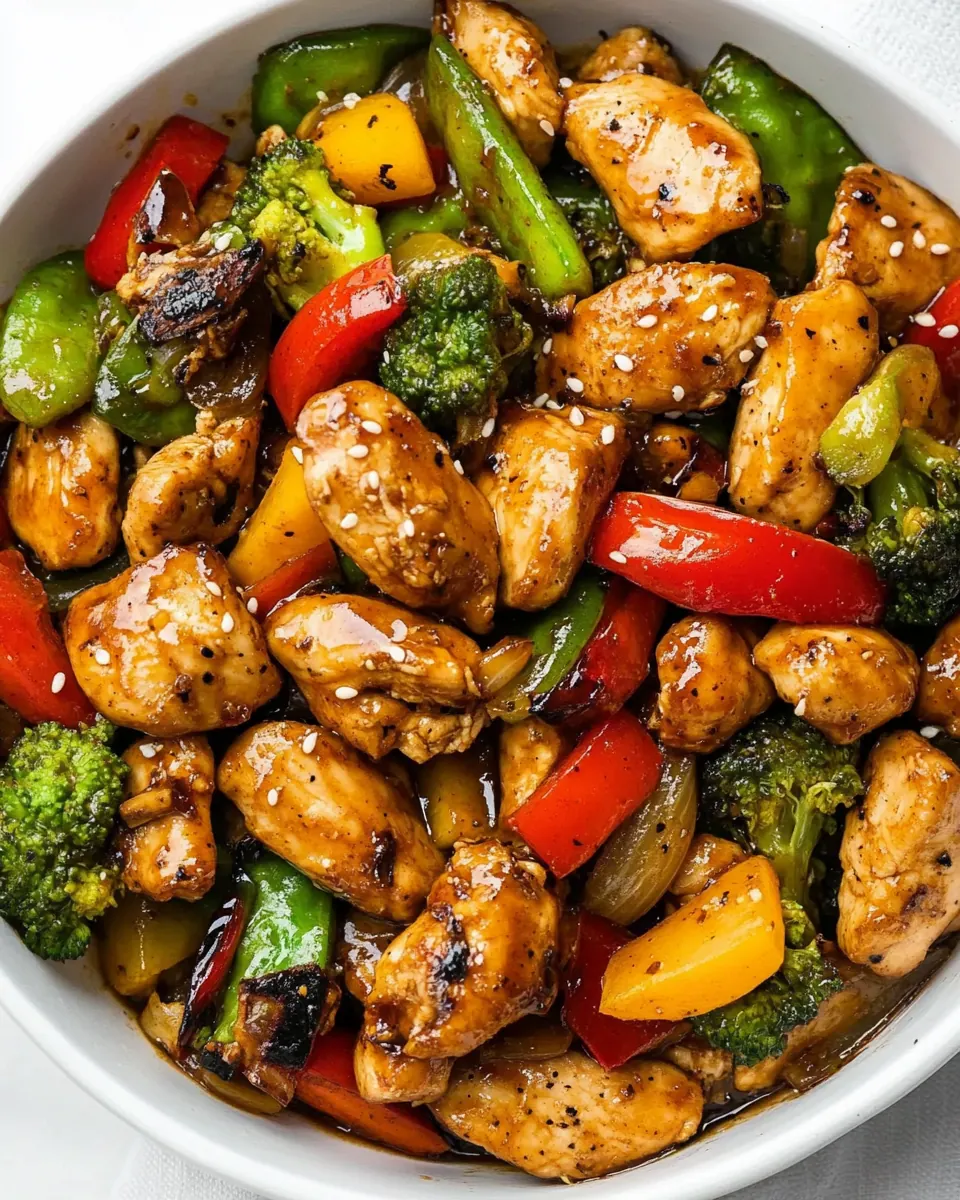
Teriyaki Chicken Stir Fry
Teriyaki Chicken Stir Fry is the kind of weeknight hero I turn to when I want something fast, deeply flavored, and genuinely satisfying without a lot of fuss.
I remember the first time I made Teriyaki Chicken Stir Fry for a friend who had just moved into a tiny apartment with a single-burner hot plate. We had little space and fewer dishes, yet that skillet filled the room with sweet soy aromas that felt like an instant celebration. I chopped the chicken into even cubes and tossed in crisp broccoli and colorful bell peppers, and the sauce bubbled into a glossy coat that made everything sing. That evening taught me how ingredient quality and timing transform simple pantry staples into something memorable.
Over time I’ve refined small rituals that lift this dish, like grating fresh ginger rather than using powder, and whisking the sauce until the cornstarch is smooth so it thickens evenly. I love how the toasted sesame oil sneaks in a whisper of nuttiness at the end, and how the sesame seeds add the perfect little crunch. This recipe travels well to potlucks, it’s ideal for busy families, and it saves beautifully for lunch the next day.
Recipe Snapshot
30 mins
15 mins
15 mins
Easy
350 kcal
Asian
Gluten-Free, Paleo
Dinner
Skillet, Bowl, Whisk, Knife
The Beauty of This Teriyaki Chicken Stir Fry
1. Reliable, fast flavor
I love that Teriyaki Chicken Stir Fry delivers big flavor in a short time. Using a compact sauce of soy sauce, honey, and rice vinegar creates a balanced sweet and tangy profile that clings to the chicken and veggies. When I am short on time, this recipe consistently gives me the depth I want without complicated steps.
2. Texture contrast that sings
What makes me keep returning to this dish is the crunchy tender play between the stir fried broccoli and the juicy, seared chicken. A quick high heat sauté gives the vegetables a bright snap, while properly cooked chicken stays moist and caramelized. That contrast is what turns a simple bowl into a satisfying meal.
3. Flexible and forgiving
I often tweak the veggies based on what I have on hand, yet the core technique remains the same. The sauce is forgiving, too, and can be loosened with a splash of water or thickened with a tiny bit more cornstarch. This flexibility means I rarely stress if something is missing, and I can adapt it for lighter or heartier meals.
4. Crowd friendly and meal prep ready
This recipe scales easily, and it reheats well, which is why I use it for quick meal prep during busy weeks. I’ll double the sauce and cook extra chicken to make several lunches at once. Leftovers taste great reheated, and the flavors often deepen overnight.
5. Balanced pantry ingredients
I appreciate how the ingredient list reads like a pantry inventory rather than a special trip to the market. A few staple items such as soy sauce, honey, and cornstarch become the base for a restaurant style glaze, which is why I consider this one of my go to supper solutions.
What You Need for Teriyaki Chicken Stir Fry
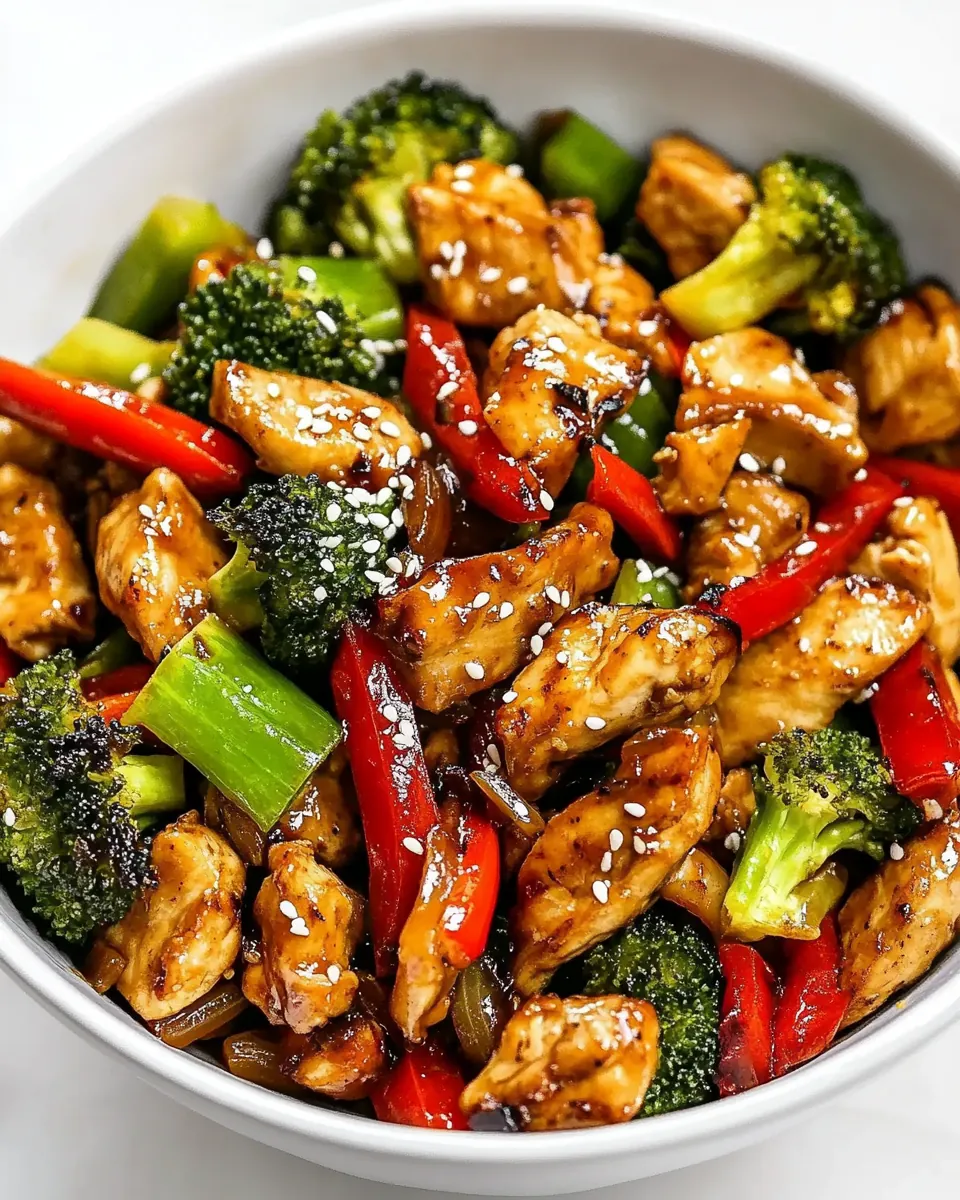
The ingredients for Teriyaki Chicken Stir Fry are intentionally straightforward, focused on a small cast of players that produce big results. The sauce ingredients create a glossy, balanced glaze, while the proteins and vegetables provide texture and substance. Each element plays a clear role, from thickening to seasoning to adding crunch.
- 1/4 cup (60 ml) low-sodium soy sauce use Tamari for gluten free: Provide a savory, salty base for the sauce and add umami depth; use low-sodium soy sauce to control salt and choose Tamari if a gluten–free option is needed. Balance the sauce flavors and help tenderize the chicken during marination or cooking.
- 1/4 cup (60 ml) water: Add body and dilute the soy sauce concentration while enabling the sauce to reach the right consistency; water also helps dissolve sugars and cornstarch for an even glaze. Use room-temperature water to blend ingredients smoothly.
- 2 tablespoon (30 g) honey: Contribute natural sweetness and a glossy finish to the teriyaki glaze while adding a subtle floral complexity; honey also helps thicken the sauce when heated. Use it sparingly to avoid overpowering the savory elements.
- 1 tablespoon brown sugar: Bolster sweetness and provide a deeper, caramel-like molasses note that enhances the teriyaki character; brown sugar also assists with browning during stir-frying. Dissolve fully into the warm liquid to prevent graininess.
- 1 tablespoon (15 ml) rice vinegar: Introduce a mild tang that brightens the sauce and balances the sweet and salty components; rice vinegar adds a clean, slightly sweet acidity common in Asian sauces. Add gradually to achieve a well-rounded flavor profile.
- 1/2 teaspoon toasted sesame oil: Impart a toasty, aromatic finish with a small amount to avoid overwhelming other flavors; toasted sesame oil delivers concentrated nutty richness. Stir in near the end of cooking to preserve its fragrance.
- 2 teaspoon fresh ginger peeled and grated: Provide fresh, zesty heat and aromatic warmth; freshly grated ginger adds brightness and a slight peppery bite that complements the soy-sweet sauce. Use freshly peeled ginger for maximum flavor and texture.
- 2 teaspoon fresh garlic peeled and minced: Give pungent, savory undertones and aromatic depth; freshly minced garlic enhances the overall umami and integrates with ginger for classic stir-fry aromatics. Sauté briefly to mellow harshness without burning.
- 2 teaspoon cornstarch: Thicken the sauce into a glossy, clingy glaze when dissolved in the liquid and heated; cornstarch creates the desired coating for chicken and vegetables. Make a slurry first to avoid lumps and ensure even thickening.
- 1 tablespoon (15 ml) vegetable oil plus more if needed for the vegetables: Provide a neutral, high-heat cooking medium to brown and cook the chicken and vegetables without imparting strong flavors; vegetable oil offers a clean frying surface. Add more oil if the pan becomes dry during stir-frying.
- 1 1/4 pounds (650 g) chicken breasts boneless and skinless, diced into 3/4-inch cubes: Supply the main protein and substance for the dish with tender, lean meat that soaks up the teriyaki flavors; dicing into uniform 3/4-inch cubes ensures even, quick cooking. Pat dry before cooking to promote good browning.
- 3 cups broccoli florets: Offer bright color, crisp texture, and nutritional value; broccoli florets absorb the sauce and retain a pleasant bite when quickly stir-fried. Cut into similar-sized pieces to match the chicken's cooking time.
- 2 bell peppers diced (red and green): Add sweetness, color contrast, and crunchy texture; using red and green bell peppers enhances visual appeal and flavor variety. Dice peppers into pieces comparable to the chicken for consistent cooking.
- 1 teaspoon (5 ml) toasted sesame seeds: Provide a final crunchy garnish and subtle nutty aroma when sprinkled over the finished dish; toasted sesame seeds add visual polish and complementary flavor. Use sparingly to avoid overpowering delicate sauce notes.
Recipe Directions for Teriyaki Chicken Stir Fry
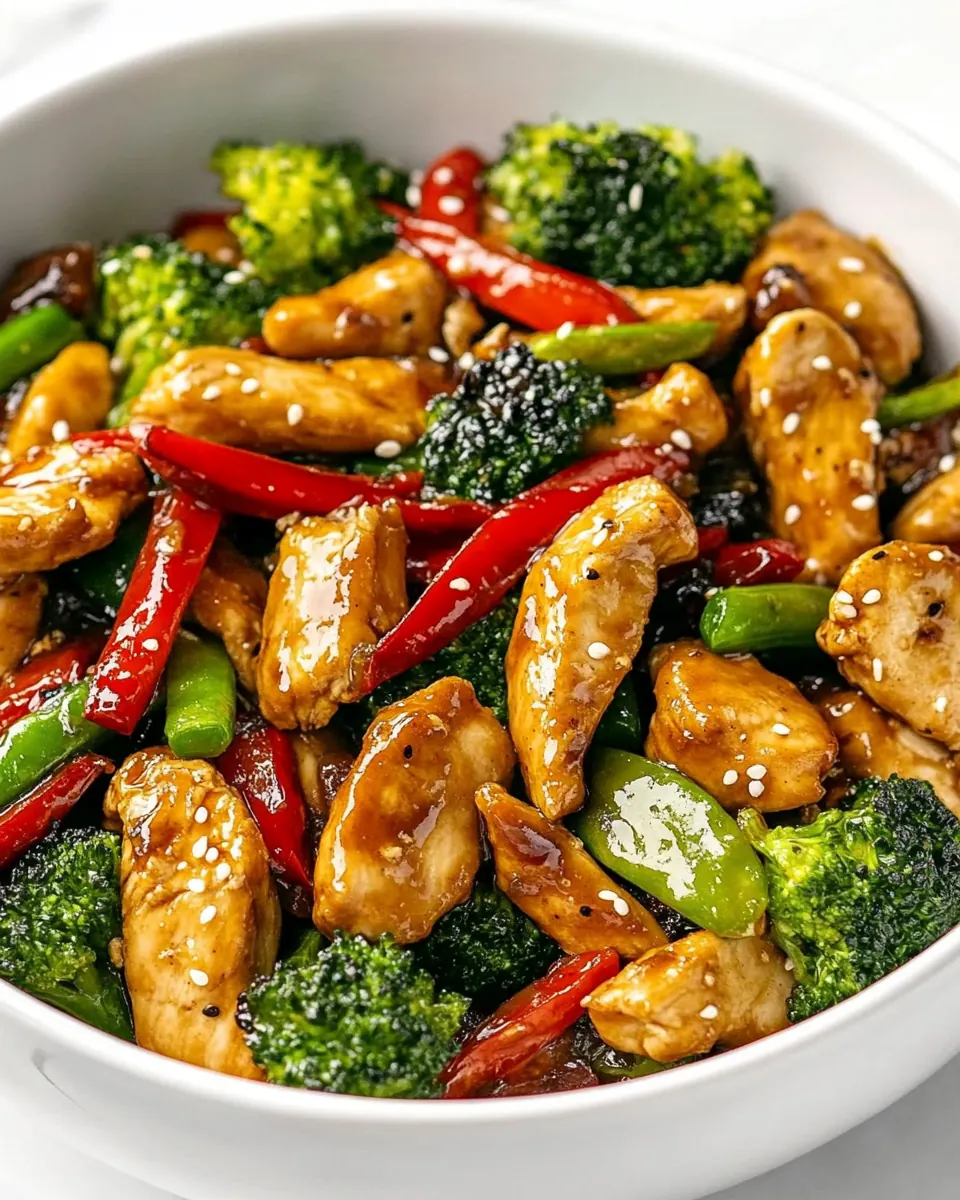
These directions transform simple components into a glossy, balanced stir fry. I like to work in a rhythm, prepping everything first because the actual cooking moves quickly. Read the steps through once, then get your mise en place ready so the pan time is smooth.
- In a small bowl or jug, combine the sauce ingredients and give them a quick whisk. Set aside.: When you whisk the sauce, the aroma of soy sauce and rice vinegar mingles with sweet honey and brown sugar, creating an inviting scent that hints at the final dish. The texture should be silky, not grainy, so whisk until the cornstarch dissolves and the liquids look homogeneous. Doing this step ahead prevents lumps later, and you will notice the mixture shine slightly when it is well combined. A common mistake is adding the cornstarch dry into a hot pan which causes clumping, so always pre mix. If the sauce smells too sharp, a touch more honey smooths it out, but add sparingly so it does not become overly sweet.
- In a skillet over medium heat, heat the oil, and cook the chicken (I like to season it with freshly cracked black pepper – optional) and cook for 5 minutes until golden and cooked through. Remove the chicken from the skillet, and set it aside.: As the vegetable oil warms, it will shimmer and deliver a faint toasted scent, signaling it is ready. When you add the cubed chicken , listen for an immediate sizzle, and watch the edges turn a warm golden brown, which locks in juices and creates flavor. Cook in a single layer to promote even browning, and avoid crowding the pan which can steam the meat and prevent crisping. After about the time it usually takes to hum a short tune, check for an internal change from translucent to opaque. Transfer the chicken to a plate so it rests while you cook the vegetables; this prevents overcooking. A frequent error is flipping too often, which disrupts browning, so let the pieces sit for a solid minute before moving them.
- Add more oil to the skillet, and saute the vegetables for 3-4 minutes until just softened. Make sure not to cook them for too long, as they'll be cooked for longer with the sauce.: As you add the additional oil and then the broccoli and diced bell peppers , the pan will sing with a lively sizzle, and the vegetables will release a fresh green aroma. Stir constantly to expose all surfaces to heat, aiming for bright color and a slight yielding when pierced with a fork. The goal is tender crisp, so end this phase before the vegetables are fully soft, because they will finish cooking when the sauce returns to the pan. Overcooking here results in limp, colorless veg, so watch for a glossy sheen and vibrant hues as your cue to stop.
- Give the sauce a quick whisk, and add it to the skillet. Cook over low-medium heat for 2-3 minutes until it thickens. If it's thickened too much, add a splash of water to loosen it.: Pouring the pre mixed sauce into the hot pan should produce a gentle bubbling, and you will see the liquid transform from thin to velvety as the cornstarch activates. The aroma builds with intensified sweet and savory notes, and the sauce will begin to cling to the vegetables. Stir gently and watch for a translucent, glossy coat that coats a spoon. If it firms too fast and becomes gluey, add small amounts of water to bring it back to a saucy state. Resist stepping away during this thickening stage, because cornstarch can change texture quickly, and catching it early keeps the mouthfeel pleasant.
- Add the chicken back in and stir to make sure that it's well coated in the sauce. Remove from the stove, and garnish with toasted sesame seeds, and serve over cooked jasmine rice.: Reintroducing the resting chicken allows the pieces to warm through and become evenly coated, creating a unified bite where protein and sauce are married. Stirring brings out a glossy sheen and releases a finale of combined aromas. Once everything is heated and evenly sauced, remove the skillet from heat to avoid breaking down the texture of the vegetables and overcooking the chicken . Sprinkle the toasted sesame seeds for a final little crunch and nutty perfume. Serve immediately over warm rice for contrast in temperature and texture. Watch out for leaving it on residual heat which continues to cook the components, potentially making them dull and soft.
Customization Ideas
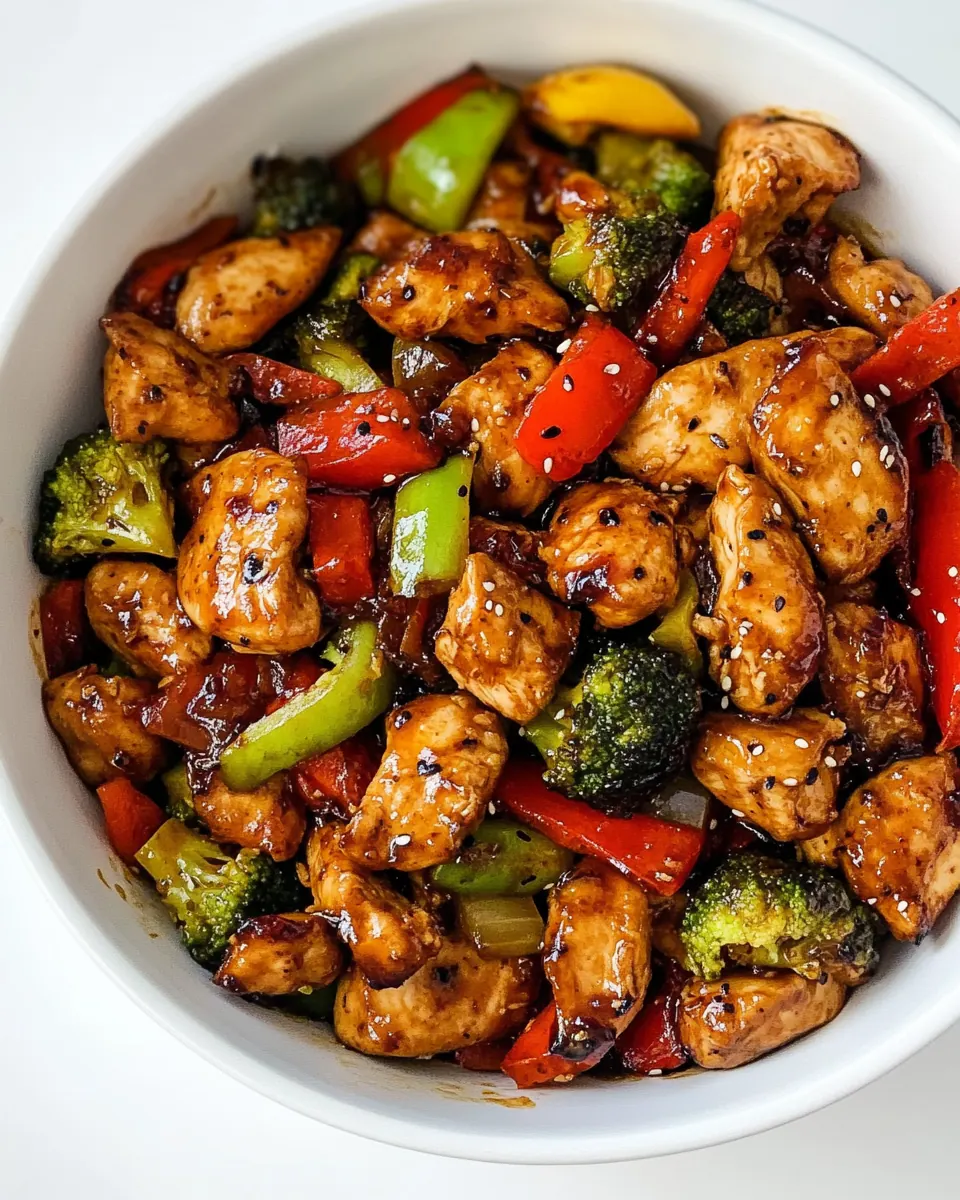
This section offers ways to tailor Teriyaki Chicken Stir Fry to your taste or pantry. Small swaps or additions can shift the texture and flavor profile, while preserving the core technique that gives you a glossy, balanced finish.
- Keep the sauce consistent by measuring the soy sauce and sweeteners to start, adjusting only after tasting a finished spoonful so you do not over sweeten.
- Boost the aromatics by finely grating extra ginger if you prefer a sharper, fresher bite, adding it during the sauce whisk for even distribution.
- Vary the vegetables by swapping or adding crunchy options like shredded cabbage or thinly sliced carrots to add color and texture without changing the method.
- Control the thickness of the glaze by whisking the cornstarch with cold water before adding and then adding the sauce slowly to the pan so you can monitor the consistency.
- Improve sear by using a hot skillet and not crowding it, so the chicken gets a golden crust rather than steaming.
- Make it meal prep friendly by cooking rice and protein ahead, storing them separately from the sauce and vegetables to keep textures optimal when reheating.
How to Serve Teriyaki Chicken Stir Fry
Teriyaki Chicken Stir Fry is wonderfully versatile for serving occasions from casual weeknight dinners to small gatherings. It pairs beautifully with plain steamed rice, or a light grain for contrast. Garnish choices and accompaniments can shift the meal to feel more festive or more everyday.
- Over steamed jasmine rice is classic and provides a fragrant, soft bed for the glossy stir fry, absorbing the sauce and balancing textures.
- With brown rice or quinoa for a nuttier, whole grain option that adds fiber and a firmer bite.
- Family dinner style is ideal; serve the stir fry in a large skillet or platter with bowls of rice, letting everyone assemble their own portions.
- Lunch meal prep tip, store the sauce and protein separately from the rice in airtight containers, and reheat gently in a skillet with a splash of water to revive texture.
- Occasion suggestions such as casual dinners or Ramadan iftar meals where a comforting, easy to eat main is desired, pairing well with light soups or salads.
- Storage advice store leftovers in an airtight container in the refrigerator for up to 3 days, and reheat in a skillet over medium heat to preserve texture. Avoid microwaving too long as vegetables may lose their snap.
- Seasonal pairing in spring and summer, emphasize fresh peppers and tender broccoli, while in cooler months, you might use firmer vegetables that hold up to reheating.
FAQ
Conclusion
Teriyaki Chicken Stir Fry stands out for its balanced sauce, quick cooking time, and satisfying texture contrast between tender chicken and crisp vegetables. Give it a try the next time you need a reliable, flavorful meal that comes together fast. I hope this recipe becomes one of those regulars in your rotation that you turn to when you want something both comforting and bright.
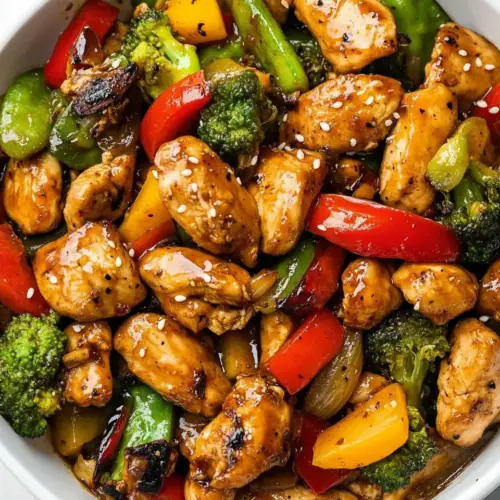
Teriyaki Chicken Stir Fry
Equipment
- Skillet
- Bowl
- Whisk
- Knife
Ingredients
- 1/4 cup (60 ml) low-sodium soy sauce use Tamari for gluten free Provide a savory, salty base for the sauce and add umami depth; use low-sodium soy sauce to control salt and choose Tamari if a gluten-free option is needed. Balance the sauce flavors and help tenderize the chicken during marination or cooking.
- 1/4 cup (60 ml) water Add body and dilute the soy sauce concentration while enabling the sauce to reach the right consistency; water also helps dissolve sugars and cornstarch for an even glaze. Use room-temperature water to blend ingredients smoothly.
- 2 tablespoon (30 g) honey Contribute natural sweetness and a glossy finish to the teriyaki glaze while adding a subtle floral complexity; honey also helps thicken the sauce when heated. Use it sparingly to avoid overpowering the savory elements.
- 1 tablespoon brown sugar Bolster sweetness and provide a deeper, caramel-like molasses note that enhances the teriyaki character; brown sugar also assists with browning during stir-frying. Dissolve fully into the warm liquid to prevent graininess.
- 1 tablespoon (15 ml) rice vinegar Introduce a mild tang that brightens the sauce and balances the sweet and salty components; rice vinegar adds a clean, slightly sweet acidity common in Asian sauces. Add gradually to achieve a well-rounded flavor profile.
- 1/2 teaspoon toasted sesame oil Impart a toasty, aromatic finish with a small amount to avoid overwhelming other flavors; toasted sesame oil delivers concentrated nutty richness. Stir in near the end of cooking to preserve its fragrance.
- 2 teaspoon fresh ginger peeled and grated Provide fresh, zesty heat and aromatic warmth; freshly grated ginger adds brightness and a slight peppery bite that complements the soy-sweet sauce. Use freshly peeled ginger for maximum flavor and texture.
- 2 teaspoon fresh garlic peeled and minced Give pungent, savory undertones and aromatic depth; freshly minced garlic enhances the overall umami and integrates with ginger for classic stir-fry aromatics. Sauté briefly to mellow harshness without burning.
- 2 teaspoon cornstarch Thicken the sauce into a glossy, clingy glaze when dissolved in the liquid and heated; cornstarch creates the desired coating for chicken and vegetables. Make a slurry first to avoid lumps and ensure even thickening.
- 1 tablespoon (15 ml) vegetable oil plus more if needed for the vegetables Provide a neutral, high-heat cooking medium to brown and cook the chicken and vegetables without imparting strong flavors; vegetable oil offers a clean frying surface. Add more oil if the pan becomes dry during stir-frying.
- 1 1/4 pounds (650 g) chicken breasts boneless and skinless, diced into 3/4-inch cubes Supply the main protein and substance for the dish with tender, lean meat that soaks up the teriyaki flavors; dicing into uniform 3/4-inch cubes ensures even, quick cooking. Pat dry before cooking to promote good browning.
- 3 cups broccoli florets Offer bright color, crisp texture, and nutritional value; broccoli florets absorb the sauce and retain a pleasant bite when quickly stir-fried. Cut into similar-sized pieces to match the chicken's cooking time.
- 2 bell peppers diced (red and green) Add sweetness, color contrast, and crunchy texture; using red and green bell peppers enhances visual appeal and flavor variety. Dice peppers into pieces comparable to the chicken for consistent cooking.
- 1 teaspoon (5 ml) toasted sesame seeds Provide a final crunchy garnish and subtle nutty aroma when sprinkled over the finished dish; toasted sesame seeds add visual polish and complementary flavor. Use sparingly to avoid overpowering delicate sauce notes.
Instructions
- In a small bowl or jug, combine the sauce ingredients and give them a quick whisk. Set aside.: When you whisk the sauce, the aroma of soy sauce and rice vinegar mingles with sweet honey and brown sugar, creating an inviting scent that hints at the final dish. The texture should be silky, not grainy, so whisk until the cornstarch dissolves and the liquids look homogeneous. Doing this step ahead prevents lumps later, and you will notice the mixture shine slightly when it is well combined. A common mistake is adding the cornstarch dry into a hot pan which causes clumping, so always pre mix. If the sauce smells too sharp, a touch more honey smooths it out, but add sparingly so it does not become overly sweet.
- In a skillet over medium heat, heat the oil, and cook the chicken (I like to season it with freshly cracked black pepper – optional) and cook for 5 minutes until golden and cooked through. Remove the chicken from the skillet, and set it aside.: As the vegetable oil warms, it will shimmer and deliver a faint toasted scent, signaling it is ready. When you add the cubed chicken , listen for an immediate sizzle, and watch the edges turn a warm golden brown, which locks in juices and creates flavor. Cook in a single layer to promote even browning, and avoid crowding the pan which can steam the meat and prevent crisping. After about the time it usually takes to hum a short tune, check for an internal change from translucent to opaque. Transfer the chicken to a plate so it rests while you cook the vegetables; this prevents overcooking. A frequent error is flipping too often, which disrupts browning, so let the pieces sit for a solid minute before moving them.
- Add more oil to the skillet, and saute the vegetables for 3-4 minutes until just softened. Make sure not to cook them for too long, as they'll be cooked for longer with the sauce.: As you add the additional oil and then the broccoli and diced bell peppers , the pan will sing with a lively sizzle, and the vegetables will release a fresh green aroma. Stir constantly to expose all surfaces to heat, aiming for bright color and a slight yielding when pierced with a fork. The goal is tender crisp, so end this phase before the vegetables are fully soft, because they will finish cooking when the sauce returns to the pan. Overcooking here results in limp, colorless veg, so watch for a glossy sheen and vibrant hues as your cue to stop.
- Give the sauce a quick whisk, and add it to the skillet. Cook over low-medium heat for 2-3 minutes until it thickens. If it's thickened too much, add a splash of water to loosen it.: Pouring the pre mixed sauce into the hot pan should produce a gentle bubbling, and you will see the liquid transform from thin to velvety as the cornstarch activates. The aroma builds with intensified sweet and savory notes, and the sauce will begin to cling to the vegetables. Stir gently and watch for a translucent, glossy coat that coats a spoon. If it firms too fast and becomes gluey, add small amounts of water to bring it back to a saucy state. Resist stepping away during this thickening stage, because cornstarch can change texture quickly, and catching it early keeps the mouthfeel pleasant.
- Add the chicken back in and stir to make sure that it's well coated in the sauce. Remove from the stove, and garnish with toasted sesame seeds, and serve over cooked jasmine rice.: Reintroducing the resting chicken allows the pieces to warm through and become evenly coated, creating a unified bite where protein and sauce are married. Stirring brings out a glossy sheen and releases a finale of combined aromas. Once everything is heated and evenly sauced, remove the skillet from heat to avoid breaking down the texture of the vegetables and overcooking the chicken . Sprinkle the toasted sesame seeds for a final little crunch and nutty perfume. Serve immediately over warm rice for contrast in temperature and texture. Watch out for leaving it on residual heat which continues to cook the components, potentially making them dull and soft.
Notes
- Keep the sauce consistent by measuring the soy sauce and sweeteners to start, adjusting only after tasting a finished spoonful so you do not over sweeten.
- Boost the aromatics by finely grating extra ginger if you prefer a sharper, fresher bite, adding it during the sauce whisk for even distribution.
- Vary the vegetables by swapping or adding crunchy options like shredded cabbage or thinly sliced carrots to add color and texture without changing the method.
- Control the thickness of the glaze by whisking the cornstarch with cold water before adding and then adding the sauce slowly to the pan so you can monitor the consistency.
- Improve sear by using a hot skillet and not crowding it, so the chicken gets a golden crust rather than steaming.
- Make it meal prep friendly by cooking rice and protein ahead, storing them separately from the sauce and vegetables to keep textures optimal when reheating.
