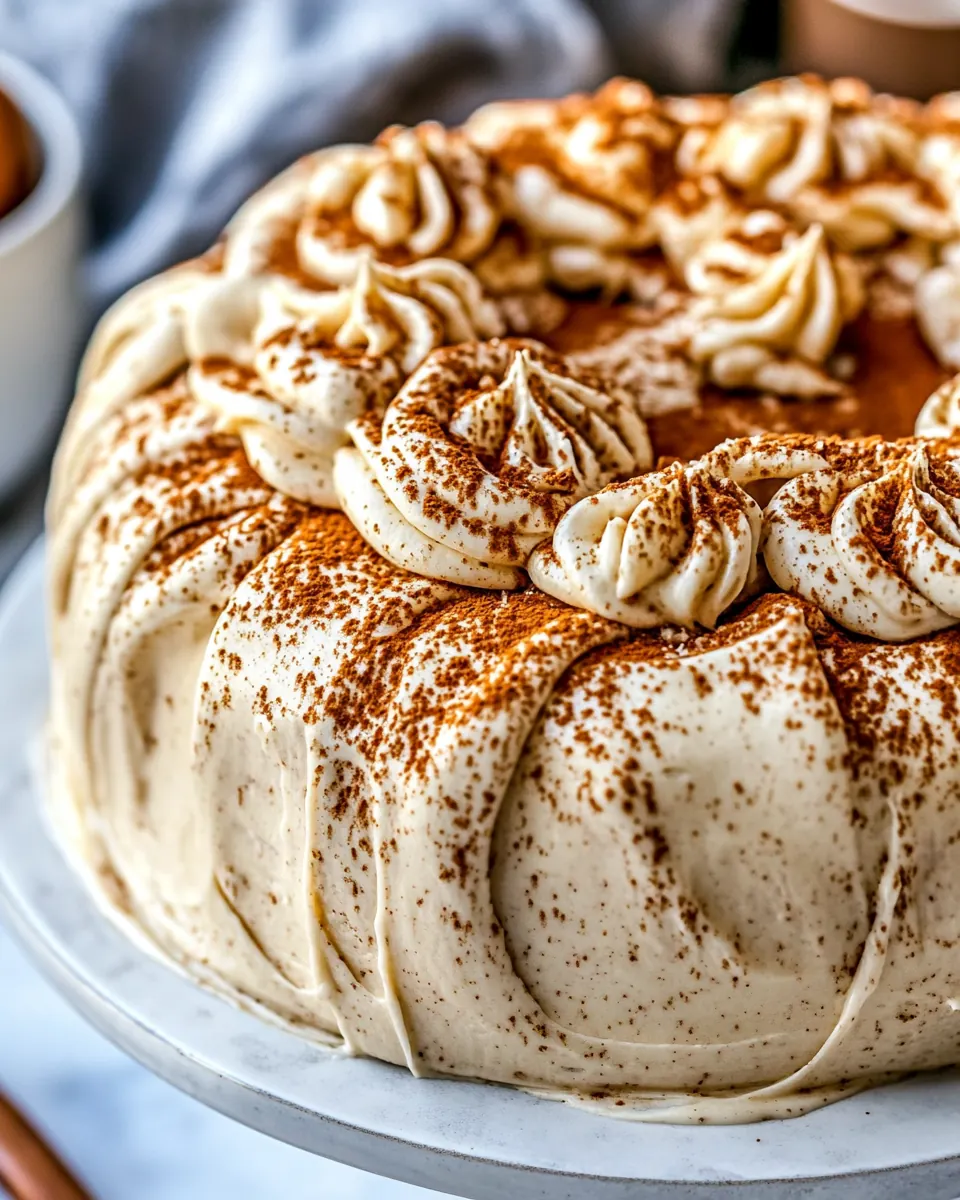
Eggnog Cake with Eggnog Frosting
Eggnog Cake with Eggnog Frosting has been one of those cozy, celebratory bakes that I pull out when cold evenings stretch into holidays and family drop-ins feel inevitable. The very first time I made this cake, the kitchen smelled like toasted nutmeg and butter, and everyone kept circling the counter, pretending not to be impatient while secretly inhaling every time I opened the oven door. That memory stuck with me, because this cake is equal parts showstopper and comfort food.
Some of my fondest moments with this recipe involved last minute gatherings when I wanted something festive without fuss. I remember bringing a slice to a neighbor who was under the weather, and how the soft crumb and warm spice brightened their whole afternoon. Over years of making it, I learned little tricks that changed texture and flavor for the better, and I enjoy sharing them as if we were standing shoulder to shoulder in my kitchen, swapping notes over a wooden spoon.
Recipe Snapshot
1 hr 5 mins
20 mins
45 mins
Medium
400 kcal
American
Gluten-Free, Low FODMAP
Desserts
Stand Mixer, Paddle Attachment, 12 cup Bundt Pan, Wire Rack, Mixing Bowls
What Makes This Eggnog Cake with Eggnog Frosting Special
Classic holiday flavor in cake form
I love how Eggnog Cake with Eggnog Frosting captures the aromas we associate with the season, without needing any complicated techniques. The combination of nutmeg and cinnamon makes every bite feel nostalgic, and the use of eggnog in both batter and frosting doubles down on that signature flavor.
Moist, tender crumb that holds up
I’ve found this cake balances fat and liquid so the crumb stays soft but not gummy. The generous amount of butter and room temperature eggs give structure and richness, while the alternating additions of dry mix and eggnog keep the batter silky and easy to work with.
Flexible frosting, from piped to glaze
One reason I reach for this recipe is the frosting versatility. You can aim for a thick, pipeable frosting or a thinner glaze by adjusting a touch of eggnog. I like piping for gatherings and glazing when I want a delicate sheen that soaks into the cake edges.
Approachable for confident home bakers
Even if you’re not a professional, this feels doable. The steps are straightforward, and the sensory clues are forgiving. I remind people to watch for visual cues, not the clock alone. Your cake should pull slightly from the pan edges and a skewer should have a few moist crumbs.
Great for sharing and gifting
This bundt style is naturally charming, and it travels well after a brief chill. I often make it ahead and store it wrapped, then frost the day of serving. It’s the kind of dessert that reads festive on a table and still slices beautifully for gifting.
Eggnog Cake with Eggnog Frosting Ingredients
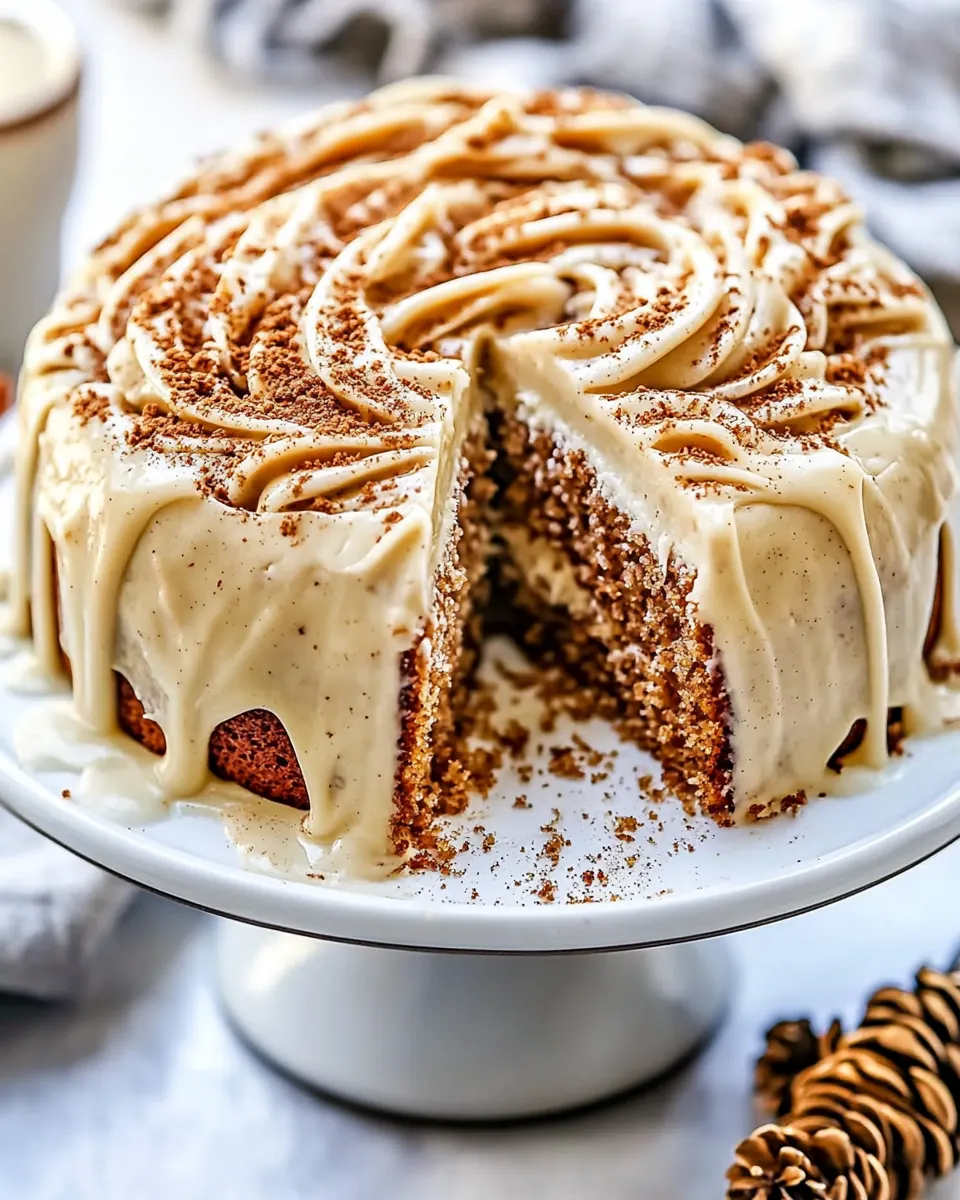
These ingredients work together to build a spiced, tender cake with a creamy, eggnog forward frosting. The key players are the enriched dairy elements and the warm spices. The dairy and eggs bring richness and moisture, while the flour and leaveners create the structure. Spices like nutmeg and cinnamon provide the seasonal aroma that makes this cake memorable.
- 1 cup full fat eggnog at room temperature: Bring moisture and rich dairy flavor to the batter while helping create a tender crumb; room temperature ensures even mixing and proper emulsion with eggs and butter for optimal cake texture.
- 2 tablespoons lemon juice: Add acidity to curdle the eggnog slightly and brighten flavors while reacting with baking soda to provide gentle lift and tenderize the crumb structure.
- 3 cups all-purpose flour: Provide the primary structure and bulk to the cake by forming gluten when mixed; sifted or measured properly ensures consistent texture and proper ratio with leaveners.
- 2 teaspoons baking powder: Leaven the cake by producing carbon dioxide when activated, contributing to rise and light crumb; ensure even distribution by whisking into the dry mix.
- 1/2 teaspoon baking soda: React with acidic components to produce additional lift and a finer crumb; measured precisely to avoid soapy or metallic aftertastes.
- 1 teaspoon ground nutmeg: Introduce warm, aromatic spice notes characteristic of eggnog and baked holiday desserts; ground form disperses evenly through the batter enhancing overall flavor.
- 1 teaspoon ground cinnamon: Contribute sweet-spicy warmth and depth to complement nutmeg, balancing the cake’s flavor profile and enhancing perceived sweetness without adding sugar.
- 1 teaspoon salt: Enhance overall flavor balance by heightening sweetness, stabilizing batter chemistry, and strengthening gluten development when combined with flour.
- 24 tablespoons (3 sticks) unsalted butter softened to room temperature: Provide richness, moisture, and tenderizing fat to the cake while aiding in creaming with sugar to incorporate air for lift; softened temperature helps achieve a smooth emulsion.
- 2 cups granulated sugar: Tenderize and aerate the batter when creamed with butter, help with caramelization and sweetness balance, and contribute structure when dissolved during mixing.
- 6 large eggs at room temperature: Contribute structure, moisture, and emulsification to the cake; room temperature eggs blend more evenly and help trap air for better rise.
- 1 tablespoon vanilla extract: Add aromatic vanilla sweetness that rounds and enhances other flavors; pure extract provides depth and a warm, familiar note.
- 4 oz . cream cheese softened to room temperature: Add creamy tang and richness to the frosting while contributing to stability and smoothness; softened temperature prevents lumps and aids in achieving a silky texture.
- 2 tablespoons butter softened to room temperature: Provide additional fat and richness to the frosting, assisting with spreadability and smooth mouthfeel when brought to room temperature.
- 2 cups powdered sugar sifted: Sweeten and thicken the frosting while providing structure for piping or spreading; sifting prevents lumps and ensures a smooth, stable icing.
- 2 tablespoons eggnog plus more as needed: Thin and flavor the frosting slightly with eggnog for cohesive taste; add sparingly to reach desired spreading consistency without making it runny.
- 1/2 teaspoon ground cinnamon: Provide a finishing layer of warm spice in the frosting to echo the cake’s flavors and add aromatic complexity; use sparingly to avoid overpowering sweetness.
- 1/8 teaspoon ground nutmeg: Deliver a subtle, background nuttiness to the frosting that complements cinnamon and enhances the traditional eggnog profile when used in small amounts.
Putting Together Eggnog Cake with Eggnog Frosting
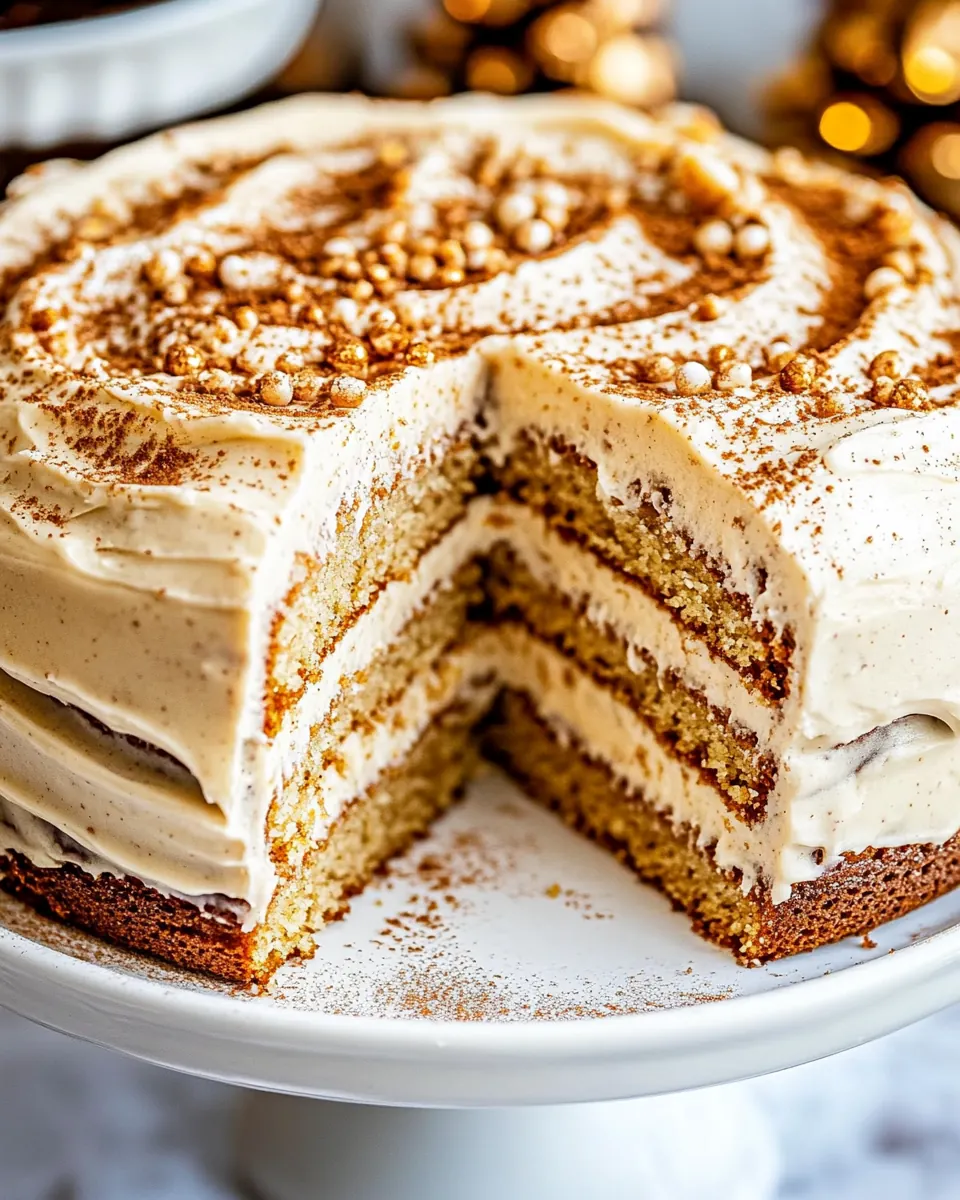
This recipe is approachable but benefits from careful attention to temperature and timing. I like to line up ingredients first, then follow the rhythm of creaming, alternating dry and wet additions, and finally cooling before frosting. Below I expand each direction into rich, sensory driven guidance you can rely on.
- Preheat oven to 350 degrees F and spray all surfaces of a 12 cup nonstick bundt pan with nonstick cooking spray with flour or grease and flour the inside of your pan. Set aside.: As the oven warms, you will smell the faint dry heat that signals even baking ahead, which calms nerves. Properly preparing your bundt pan is critical because the cake needs to release cleanly; the light dusting of flour on the greased surface creates a barrier so the cake edge will retract and unmold without tearing. A common error is skimping on greasing in the intricate bundt ridges, leading to a stuck cake; take extra care to get into grooves with a pastry brush if needed. If you notice any excess pooled oil, blot it so the coating stays even. Visual cues include a smooth, even sheen of oil and a light, powdery coating of flour without clumps.
- In a small bowl, whisk lemon juice into room temperature eggnog. Set aside.: When you combine the lemon juice and room temperature eggnog , you may observe a subtle thickening as the acid reacts, which contributes a gentle tang and reacts with the baking soda to help the cake rise. This small chemical interaction uplifts the crumb and brightens the richness of the dairy. Avoid using cold ingredients here so the mixture stays emulsified; cold can create small lumps or cause the butter to seize later. The mixture should look slightly curdled or thickened, not separated, which is normal.
- Whisk flour, baking powder, baking soda, nutmeg, cinnamon and salt together in a medium bowl. Set aside.: As you whisk the dry mix, you will notice the warm scents of nutmeg and cinnamon blooming into the air, a tiny preview of the cake aroma. Even distribution of leaveners and spices ensures consistent rise and flavor in every bite. A typical mistake is adding the leaveners directly to wet batter, which can cause uneven pockets of rise; pre-mixing avoids that. The dry mix should look uniform, with no streaks of baking powder or soda visible, which indicates proper mixing.
- Add butter and sugar to a stand mixer fitted with the paddle attachment and beat on medium-high speed for at least 3-4 minutes (no shorter!), until light and fluffy, scraping down sides occasionally. Reduce speed to medium and add eggs, one at a time, beating just until the yellow disappears after each egg. Beat in vanilla just until combined.: Creaming butter and sugar that long forces the mixture to become pale and aerated; you will see the texture change from glossy to pillowy, and you will hear the mixer hum differently as air is incorporated. Those air pockets expand in the oven, making for a taller, lighter cake. When adding eggs , watch the batter go from thick to silkier; stop when the yellow streaks vanish to avoid overbeating which can cause collapse. If you overbeat at this stage, the batter may become too loose and the cake can sink; scrape the bowl well to ensure even incorporation.
- Reduce speed to low and gradually add flour mixture to butter mixture in thirds, alternately with eggnog in between each third. Beat until just combined, giving the batter a final stir by hand to get any flour at the bottom.: The rhythm of alternation keeps the batter smooth while minimizing gluten development; I love how this produces a tender crumb with a velvety mouthfeel. You should notice the batter thicken and then loosen slightly after each addition of eggnog , with no dry streaks left. Avoid overmixing, which makes the crumb tough. A common oversight is dumping everything in at once; that can create clumps and cause uneven texture. Finish by folding gently with a spatula so the batter looks homogenous and glossy.
- Transfer batter to prepared bundt pan and tap pan on the counter a few times to get rid of any air bubbles.: When you pour the batter, it should flow slowly and fill the pan evenly, with a satiny surface. Tapping releases trapped air pockets which, if left, can create large holes in the crumb. Listen for a dull thud as the batter settles, and you may see tiny bubbles rise and pop. Avoid shaking the pan too vigorously because that can create waves; gentle taps are enough. If you spot big bubbles on top, smooth them with a spatula before baking.
- Bake at 350 degrees F until a wood pick inserted near the center of cake comes out with a few crumbs, 45 – 55 minutes (darker pans will require closer to 40-45 minutes).: As the cake bakes, the scent of spices will intensify and the top will take on a golden hue. The edges will begin to pull away slightly and the cake will feel springy when gently pressed. Using a skewer ensures doneness without overbaking; you want a few moist crumbs, not wet batter. Opening the oven often can cause the cake to fall, so resist peeking until the final minutes. If the top browns too quickly, tent with foil to prevent overcoloring while the center finishes baking.
- Let cake cool in pan for 15 minutes then remove from pan to a wire rack to cool completely before frosting. If not frosting immediately, then tightly wrap cooled cake in plastic wrap.: The resting period allows the cake to retract slightly from the pan, making unmolding safer and cleaner. You will notice steam gently escaping and the cake settling into a stable shape. If you try to unmold too soon, it can break or stick; if left too long, condensation can make the exterior damp. Once on the wire rack, the cake cools evenly; a warm cake plus cold frosting can melt the frosting, so ensure it is fully cool before applying.
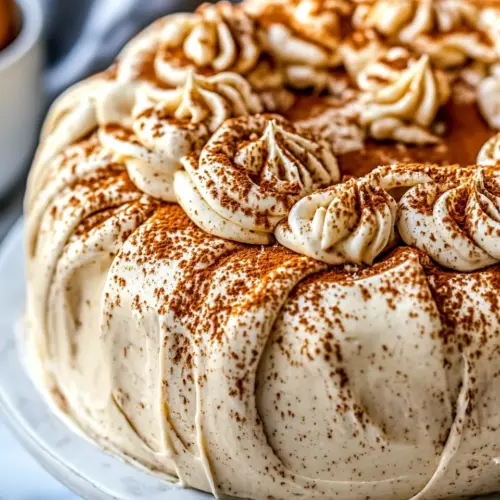
- Beat cream cheese, butter and 2 tablespoons eggnog together until smooth. Gradually beat in powdered sugar, adding additional eggnog if necessary, to reach desired consistency. Beat in cinnamon and nutmeg. (Thick frosting is like the pictured piped frosting and thinner will be more like a glaze – totally personal preference.): The frosting should be silky and luminous when properly whipped, and you will smell the warm spices rising through the sweet tang of cream cheese . Start with softened components so the mixer produces a smooth texture rather than lumps. Add powdered sugar gradually to control thickness; too much at once can create a dust cloud and an overly stiff frosting. If the frosting becomes too thin from extra eggnog , chill briefly to firm it up before piping. Taste as you go and adjust spice balance to preference.
- Pipe or drizzle desired amount of frosting over cake and serve any remaining frosting with individual servings. I love to warm my cake with glaze in the microwave for 10 seconds or so – so good!: Piping creates defined ridges and pretty swirls, while a drizzle settles into crevices, offering contrasting textures. If you warm slices slightly, the frosting will soften and meld into the cake for a cozy mouthfeel; just a few seconds is enough. Avoid overheating slices as the frosting can melt away completely. For even coverage, start at the center and let the frosting move outward, watching how it falls into the bundt valleys.
- Store frosted cake in the refrigerator and bring to room temperature before serving.: Chilling helps the frosting set and extends freshness, and bringing the cake back to room temperature just before serving restores the best texture and flavor. You will notice the spices and butter flavors bloom as the cake warms. Leaving the cake at room temperature too long risks softening the frosting excessively, while leaving it refrigerated too long can mute flavors; aim for about 20 to 30 minutes at room temp for best results.
Ways to Adapt This Recipe
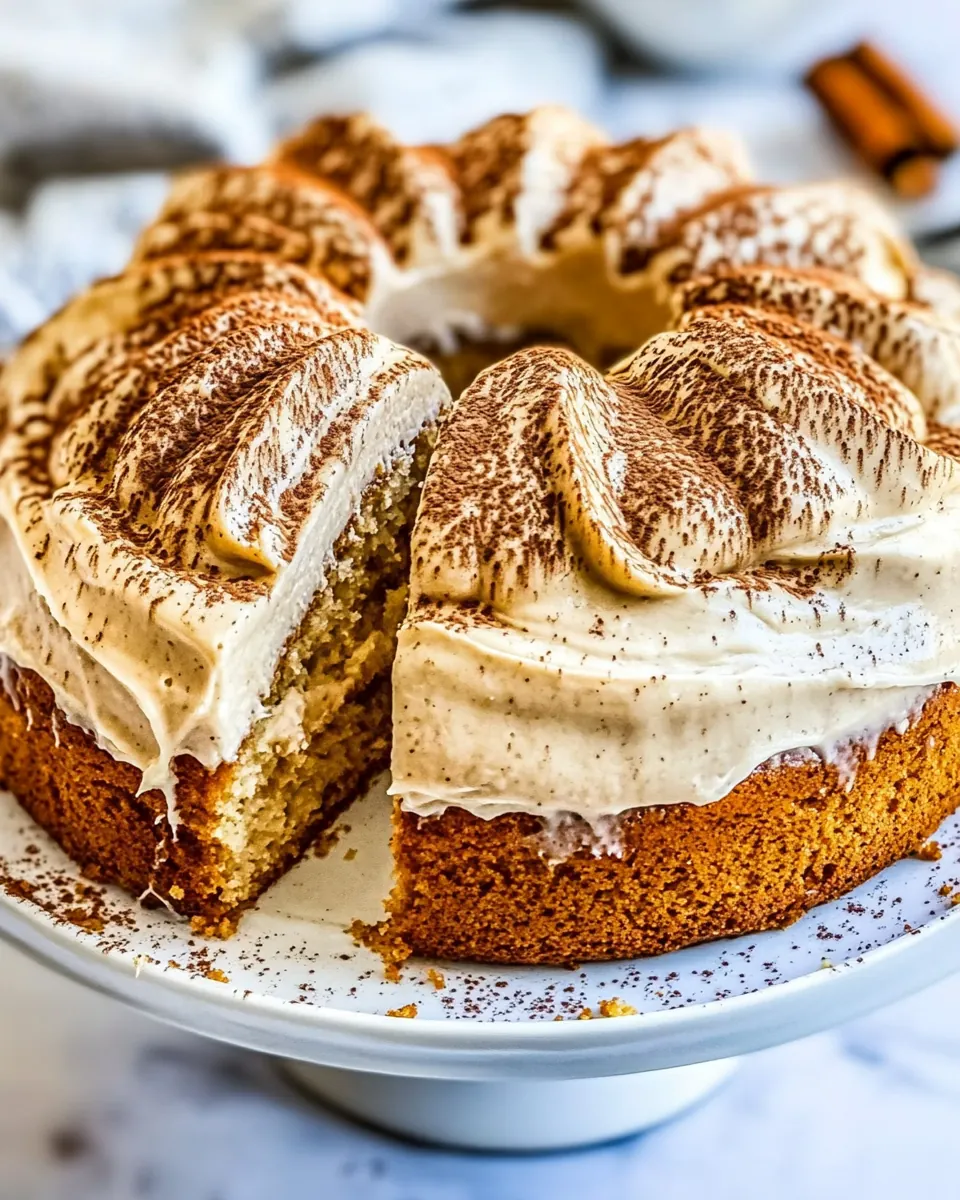
This cake is a wonderful base for small creative twists that keep the signature eggnog flavor intact. Below are practical adaptation tips to help you tailor texture, presentation, and serving style without changing core ingredients.
- Make it more glazed: Add a tablespoon more eggnog to the frosting to thin it into a glaze that will soak slightly into the cake for a softer finish.
- Pipe for presentation: Chill the frosting briefly for firmer piping; use a large star tip to make decorative swirls that highlight the bundt ridges.
- Prep ahead: Bake the cake a day early, wrap tightly, and frost the day you serve to save time while keeping freshness.
- Adjust sweetness: If you prefer less sweet, reduce powdered sugar in the frosting by one quarter and balance with the spice; taste as you go.
- Texture tweak: If you want an ultra tender crumb, gently fold one extra tablespoon of eggnog into the batter before transferring to the pan.
Best Served With
This bundt cake works as a centerpiece dessert and pairs nicely with simple accompaniments that let the spice and eggnog shine. Below I outline serving ideas, storage notes, and occasions where this cake feels right at home.
- Holiday dessert table: Serve slices on a platter alongside small plates to let guests help themselves; the bundt shape is festive and elegant for Christmas gatherings.
- Warm and cozy serving: Warm individual slices for about 10 seconds in the microwave and top with a spoonful of frosting for a comforting treat during winter evenings.
- Make ahead storage: Store the frosted cake in the refrigerator for up to five days, tightly covered; bring to room temperature for about 20 to 30 minutes before serving to restore texture.
- Gifting option: Wrap a cooled, unfrosted cake tightly in plastic wrap and a layer of foil; include a small container of frosting so the recipient can frost fresh.
- Occasions: Ideal for holiday brunches, potlucks, and festive dinners, where the spicy, creamy notes of eggnog complement seasonal menus.
- Seasonal pairing: Pairs beautifully with lightly spiced hot beverages and simple fruit like poached pears, creating a balanced dessert course for winter celebrations.
FAQ
Conclusion
This Eggnog Cake with Eggnog Frosting is special because it captures the cozy, spiced flavors of the season in a moist, tender bundt cake. With a straightforward method and a forgiving frosting that can be thinned or thickened to taste, it’s a dessert you can feel proud to bring to gatherings. Try it the next time you want a festive, shareable cake that fills the kitchen with warm aromatics and invites second helpings.
Eggnog Cake with Eggnog Frosting
Equipment
- Stand mixer
- Paddle attachment
- 12 cup bundt pan
- Wire Rack
- Mixing Bowls
Ingredients
- 1 cup full fat eggnog at room temperature Bring moisture and rich dairy flavor to the batter while helping create a tender crumb; room temperature ensures even mixing and proper emulsion with eggs and butter for optimal cake texture.
- 2 tablespoons lemon juice Add acidity to curdle the eggnog slightly and brighten flavors while reacting with baking soda to provide gentle lift and tenderize the crumb structure.
- 3 cups all-purpose flour Provide the primary structure and bulk to the cake by forming gluten when mixed; sifted or measured properly ensures consistent texture and proper ratio with leaveners.
- 2 teaspoons baking powder Leaven the cake by producing carbon dioxide when activated, contributing to rise and light crumb; ensure even distribution by whisking into the dry mix.
- 1/2 teaspoon baking soda React with acidic components to produce additional lift and a finer crumb; measured precisely to avoid soapy or metallic aftertastes.
- 1 teaspoon ground nutmeg Introduce warm, aromatic spice notes characteristic of eggnog and baked holiday desserts; ground form disperses evenly through the batter enhancing overall flavor.
- 1 teaspoon ground cinnamon Contribute sweet-spicy warmth and depth to complement nutmeg, balancing the cake’s flavor profile and enhancing perceived sweetness without adding sugar.
- 1 teaspoon salt Enhance overall flavor balance by heightening sweetness, stabilizing batter chemistry, and strengthening gluten development when combined with flour.
- 24 tablespoons (3 sticks) unsalted butter softened to room temperature Provide richness, moisture, and tenderizing fat to the cake while aiding in creaming with sugar to incorporate air for lift; softened temperature helps achieve a smooth emulsion.
- 2 cups granulated sugar Tenderize and aerate the batter when creamed with butter, help with caramelization and sweetness balance, and contribute structure when dissolved during mixing.
- 6 large eggs at room temperature Contribute structure, moisture, and emulsification to the cake; room temperature eggs blend more evenly and help trap air for better rise.
- 1 tablespoon vanilla extract Add aromatic vanilla sweetness that rounds and enhances other flavors; pure extract provides depth and a warm, familiar note.
- 4 oz . cream cheese softened to room temperature Add creamy tang and richness to the frosting while contributing to stability and smoothness; softened temperature prevents lumps and aids in achieving a silky texture.
- 2 tablespoons butter softened to room temperature Provide additional fat and richness to the frosting, assisting with spreadability and smooth mouthfeel when brought to room temperature.
- 2 cups powdered sugar sifted Sweeten and thicken the frosting while providing structure for piping or spreading; sifting prevents lumps and ensures a smooth, stable icing.
- 2 tablespoons eggnog plus more as needed Thin and flavor the frosting slightly with eggnog for cohesive taste; add sparingly to reach desired spreading consistency without making it runny.
- 1/2 teaspoon ground cinnamon Provide a finishing layer of warm spice in the frosting to echo the cake’s flavors and add aromatic complexity; use sparingly to avoid overpowering sweetness.
- 1/8 teaspoon ground nutmeg Deliver a subtle, background nuttiness to the frosting that complements cinnamon and enhances the traditional eggnog profile when used in small amounts.
Instructions
- Preheat oven to 350 degrees F and spray all surfaces of a 12 cup nonstick bundt pan with nonstick cooking spray with flour or grease and flour the inside of your pan. Set aside.: As the oven warms, you will smell the faint dry heat that signals even baking ahead, which calms nerves. Properly preparing your bundt pan is critical because the cake needs to release cleanly; the light dusting of flour on the greased surface creates a barrier so the cake edge will retract and unmold without tearing. A common error is skimping on greasing in the intricate bundt ridges, leading to a stuck cake; take extra care to get into grooves with a pastry brush if needed. If you notice any excess pooled oil, blot it so the coating stays even. Visual cues include a smooth, even sheen of oil and a light, powdery coating of flour without clumps.
- In a small bowl, whisk lemon juice into room temperature eggnog. Set aside.: When you combine the lemon juice and room temperature eggnog , you may observe a subtle thickening as the acid reacts, which contributes a gentle tang and reacts with the baking soda to help the cake rise. This small chemical interaction uplifts the crumb and brightens the richness of the dairy. Avoid using cold ingredients here so the mixture stays emulsified; cold can create small lumps or cause the butter to seize later. The mixture should look slightly curdled or thickened, not separated, which is normal.
- Whisk flour, baking powder, baking soda, nutmeg, cinnamon and salt together in a medium bowl. Set aside.: As you whisk the dry mix, you will notice the warm scents of nutmeg and cinnamon blooming into the air, a tiny preview of the cake aroma. Even distribution of leaveners and spices ensures consistent rise and flavor in every bite. A typical mistake is adding the leaveners directly to wet batter, which can cause uneven pockets of rise; pre-mixing avoids that. The dry mix should look uniform, with no streaks of baking powder or soda visible, which indicates proper mixing.
- Add butter and sugar to a stand mixer fitted with the paddle attachment and beat on medium-high speed for at least 3-4 minutes (no shorter!), until light and fluffy, scraping down sides occasionally. Reduce speed to medium and add eggs, one at a time, beating just until the yellow disappears after each egg. Beat in vanilla just until combined.: Creaming butter and sugar that long forces the mixture to become pale and aerated; you will see the texture change from glossy to pillowy, and you will hear the mixer hum differently as air is incorporated. Those air pockets expand in the oven, making for a taller, lighter cake. When adding eggs , watch the batter go from thick to silkier; stop when the yellow streaks vanish to avoid overbeating which can cause collapse. If you overbeat at this stage, the batter may become too loose and the cake can sink; scrape the bowl well to ensure even incorporation.
- Reduce speed to low and gradually add flour mixture to butter mixture in thirds, alternately with eggnog in between each third. Beat until just combined, giving the batter a final stir by hand to get any flour at the bottom.: The rhythm of alternation keeps the batter smooth while minimizing gluten development; I love how this produces a tender crumb with a velvety mouthfeel. You should notice the batter thicken and then loosen slightly after each addition of eggnog , with no dry streaks left. Avoid overmixing, which makes the crumb tough. A common oversight is dumping everything in at once; that can create clumps and cause uneven texture. Finish by folding gently with a spatula so the batter looks homogenous and glossy.
- Transfer batter to prepared bundt pan and tap pan on the counter a few times to get rid of any air bubbles.: When you pour the batter, it should flow slowly and fill the pan evenly, with a satiny surface. Tapping releases trapped air pockets which, if left, can create large holes in the crumb. Listen for a dull thud as the batter settles, and you may see tiny bubbles rise and pop. Avoid shaking the pan too vigorously because that can create waves; gentle taps are enough. If you spot big bubbles on top, smooth them with a spatula before baking.
- Bake at 350 degrees F until a wood pick inserted near the center of cake comes out with a few crumbs, 45 – 55 minutes (darker pans will require closer to 40-45 minutes).: As the cake bakes, the scent of spices will intensify and the top will take on a golden hue. The edges will begin to pull away slightly and the cake will feel springy when gently pressed. Using a skewer ensures doneness without overbaking; you want a few moist crumbs, not wet batter. Opening the oven often can cause the cake to fall, so resist peeking until the final minutes. If the top browns too quickly, tent with foil to prevent overcoloring while the center finishes baking.
- Let cake cool in pan for 15 minutes then remove from pan to a wire rack to cool completely before frosting. If not frosting immediately, then tightly wrap cooled cake in plastic wrap.: The resting period allows the cake to retract slightly from the pan, making unmolding safer and cleaner. You will notice steam gently escaping and the cake settling into a stable shape. If you try to unmold too soon, it can break or stick; if left too long, condensation can make the exterior damp. Once on the wire rack, the cake cools evenly; a warm cake plus cold frosting can melt the frosting, so ensure it is fully cool before applying.
- Beat cream cheese, butter and 2 tablespoons eggnog together until smooth. Gradually beat in powdered sugar, adding additional eggnog if necessary, to reach desired consistency. Beat in cinnamon and nutmeg. (Thick frosting is like the pictured piped frosting and thinner will be more like a glaze – totally personal preference.): The frosting should be silky and luminous when properly whipped, and you will smell the warm spices rising through the sweet tang of cream cheese . Start with softened components so the mixer produces a smooth texture rather than lumps. Add powdered sugar gradually to control thickness; too much at once can create a dust cloud and an overly stiff frosting. If the frosting becomes too thin from extra eggnog , chill briefly to firm it up before piping. Taste as you go and adjust spice balance to preference.
- Pipe or drizzle desired amount of frosting over cake and serve any remaining frosting with individual servings. I love to warm my cake with glaze in the microwave for 10 seconds or so – so good!: Piping creates defined ridges and pretty swirls, while a drizzle settles into crevices, offering contrasting textures. If you warm slices slightly, the frosting will soften and meld into the cake for a cozy mouthfeel; just a few seconds is enough. Avoid overheating slices as the frosting can melt away completely. For even coverage, start at the center and let the frosting move outward, watching how it falls into the bundt valleys.
- Store frosted cake in the refrigerator and bring to room temperature before serving.: Chilling helps the frosting set and extends freshness, and bringing the cake back to room temperature just before serving restores the best texture and flavor. You will notice the spices and butter flavors bloom as the cake warms. Leaving the cake at room temperature too long risks softening the frosting excessively, while leaving it refrigerated too long can mute flavors; aim for about 20 to 30 minutes at room temp for best results.
Notes
- Make it more glazed: Add a tablespoon more eggnog to the frosting to thin it into a glaze that will soak slightly into the cake for a softer finish.
- Pipe for presentation: Chill the frosting briefly for firmer piping; use a large star tip to make decorative swirls that highlight the bundt ridges.
- Prep ahead: Bake the cake a day early, wrap tightly, and frost the day you serve to save time while keeping freshness.
- Adjust sweetness: If you prefer less sweet, reduce powdered sugar in the frosting by one quarter and balance with the spice; taste as you go.
- Texture tweak: If you want an ultra tender crumb, gently fold one extra tablespoon of eggnog into the batter before transferring to the pan.
