Maple Cinnamon Oatmeal Recipe
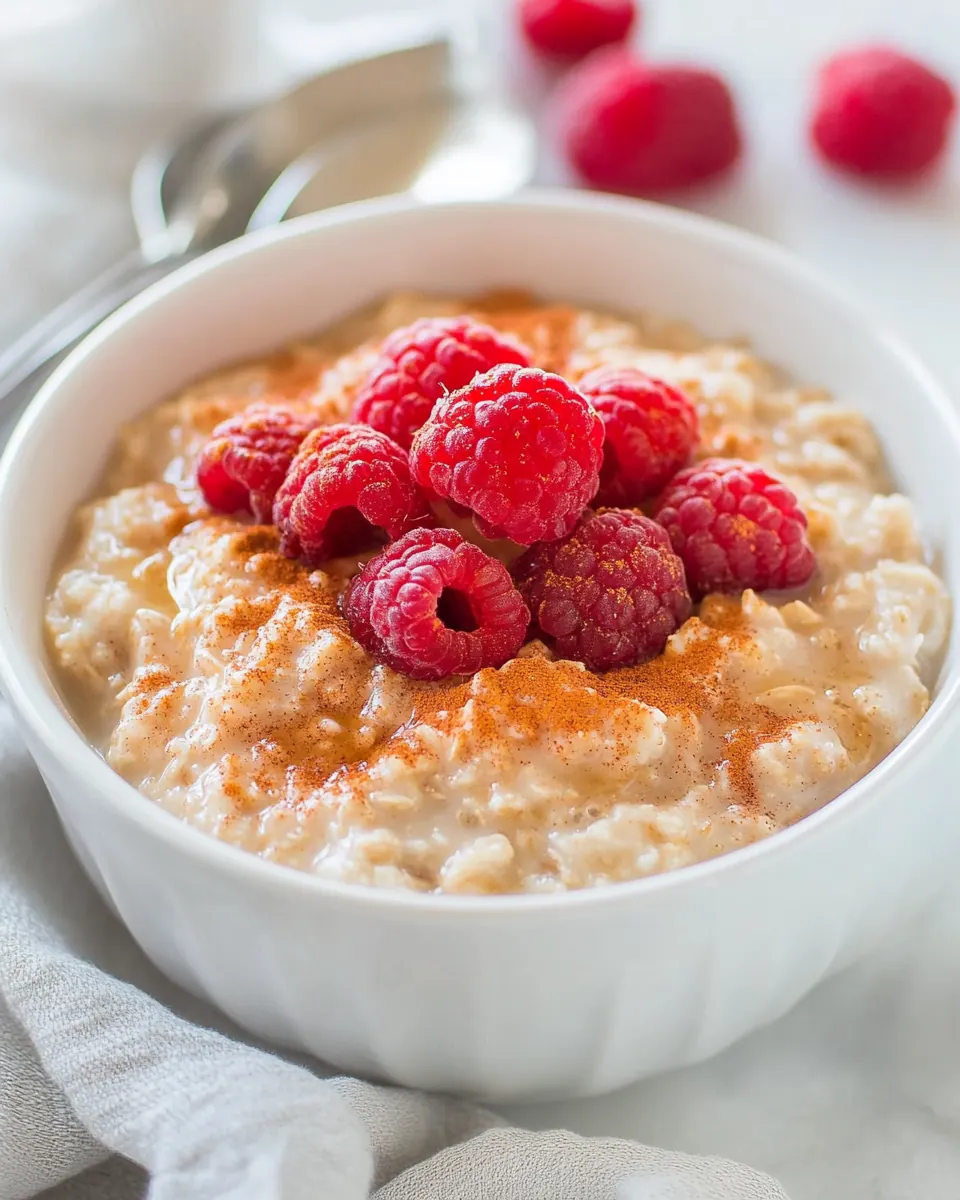
Maple Cinnamon Oatmeal Recipe is the kind of warm morning hug I reach for on crisp days, the one that turns a simple bowl into a small ritual. I first learned to make this at my grandmother’s kitchen table where mornings moved slowly, and the scent of toasted oats and sweet maple floated through the house. Over time I adjusted the ratios, tried different milks, and finally landed on the version I share here, which balances creamy texture with bright fruit and a careful kiss of cinnamon.
Some mornings I sit with a mug of tea and a bowl while the rest of the house sleeps, and other times this oatmeal becomes the centerpiece of a rushed family breakfast where everyone helps themselves to toppings. I like that it plays well with fruit, it welcomes both peaches and berries, and it keeps its texture without going gluey if you follow a few simple steps. I also love how flexible it is, so you can make it gently on the stove and still have time to sip coffee.
Recipe Snapshot
35 mins
3 mins
32 mins
Easy
250 kcal
American
Gluten-Free, Vegan
Breakfast
Medium saucepan, Wooden spoon, Measuring cups
Why This Maple Cinnamon Oatmeal Recipe Works
Comforting texture with a toothsome bite
I adore how Maple Cinnamon Oatmeal Recipe manages to be both creamy and slightly chewy. The steel cut oats keep a satisfying mouthfeel that rolled oats simply cannot replicate. I notice the difference every time I spoon a bite, the grains hold shape, and that little chew makes each mouthful feel substantial, especially on mornings when I need something that will stick with me.
Balanced, natural sweetness
Using a modest amount of maple syrup gives just the right lift without masking the oat flavor. I like that the sweetness feels honest, not cloying, and that it pairs beautifully with fresh fruit. When berries or sliced peaches are in season, this combination sings in a way that makes me want to make the recipe again and again.
Rich, layered creaminess
The double dairy trick, combining whole milk and buttermilk, adds complexity. I use both because one brings silkiness and the other adds a subtle tang that brightens the bowl. Together they create a creamy backdrop that lets the oats and spices shine while keeping the final texture lush and comforting.
Simple technique, big payoff
There is nothing fussy about this dish, yet the method matters. Toasting the oats first introduces a toasty aroma and deeper flavor, and cooking them gently prevents them from becoming gluey. When I teach friends this method, they are always surprised how a few mindful moments transform basic pantry items into something special.
Versatile and forgiving
I often adapt this bowl for different mornings. The recipe welcomes substitutions in fruit and slight tweaks in syrup or cinnamon. It also travels well to make-ahead breakfasts; I will often cook a batch and gently rewarm it, adding a splash of milk to restore creaminess. That flexibility keeps it in my rotation, especially during busy weeks.
What Goes Into Maple Cinnamon Oatmeal Recipe
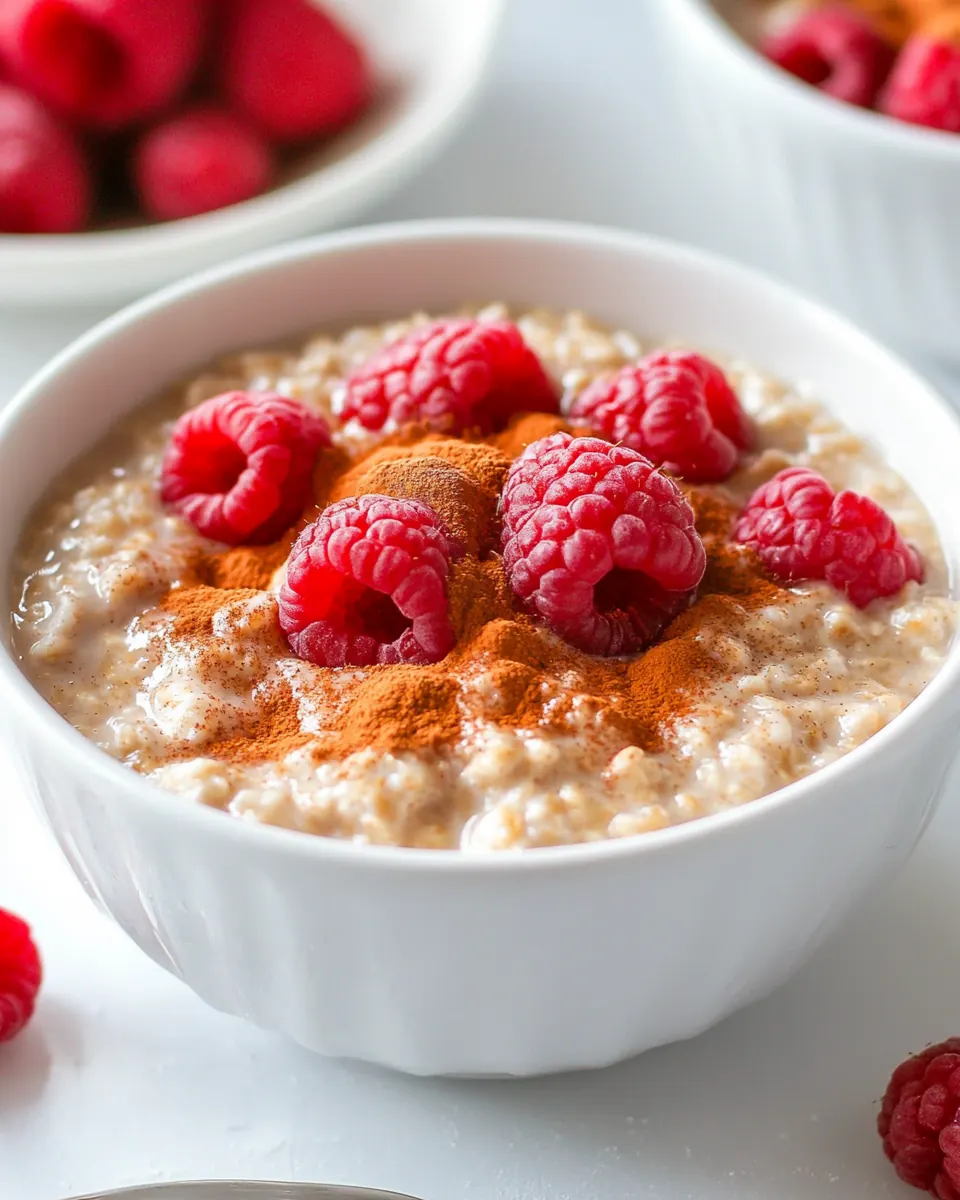
These ingredients are intentionally simple and thoughtfully paired. The key players are the steel cut oats for texture, the milks for creaminess, and the maple syrup and cinnamon for layered warmth. Each item plays a role in creating a balanced bowl that feels hearty without being heavy.
- 1 tbsp unsalted Butter: Melted to enrich and provide a silky mouthfeel, unsalted butter balances flavors without adding extra salt; use to toast oats briefly or finish the oatmeal for a glossy texture and richer taste.
- 1 cup steel cut oats, I used Bob's Red Mill brand, dry/un-rinsed: Toasted and simmered as the base of the dish, steel cut oats contribute a hearty, chewy texture and nutty flavor; cook thoroughly in boiling water for proper softness and fiber-rich substance.
- 3 cups boiling water: Boiling to properly hydrate and cook the steel cut oats, hot water softens the kernels and extracts their nutty character; maintain a steady simmer to achieve even cooking and desired consistency.
- 1/2 cup whole milk: Added to mellow and cream the porridge, whole milk lends richness, smoothness, and body while enhancing mouthfeel; stir in near the end of cooking to prevent scorching and integrate flavors.
- 1/2 cup low-fat buttermilk: Folded in for tangy creaminess and light acidity, low-fat buttermilk brightens flavor and adds a velvety finish without overwhelming richness; stir gently to combine and preserve a slightly cultured note.
- 1/4 tsp salt: Sprinkled to enhance overall flavor balance, salt elevates sweetness and rounds savory elements; add during cooking to evenly season the oats and enhance their natural taste.
- 1 tbsp maple syrup, plus more to taste: Drizzled to sweeten and impart authentic maple flavor, maple syrup provides nuanced sweetness and aromatic depth; add at the end and adjust to taste for ideal sweetness level.
- 1/4 tsp cinnamon, plus more to taste: Sprinkled to warm and aromatize the oatmeal, cinnamon brings cozy spice and complexity; add gradually and taste, increasing as desired for a pronounced cinnamon character.
- 2 cups fresh fruit or berries, I used sliced peaches and raspberries: Tossed fresh to add bright, juicy contrast and natural sweetness, fresh fruit or berries contribute texture, color, and freshness; add as a topping to maintain their shape and vibrant flavor.
How to Prepare Maple Cinnamon Oatmeal Recipe
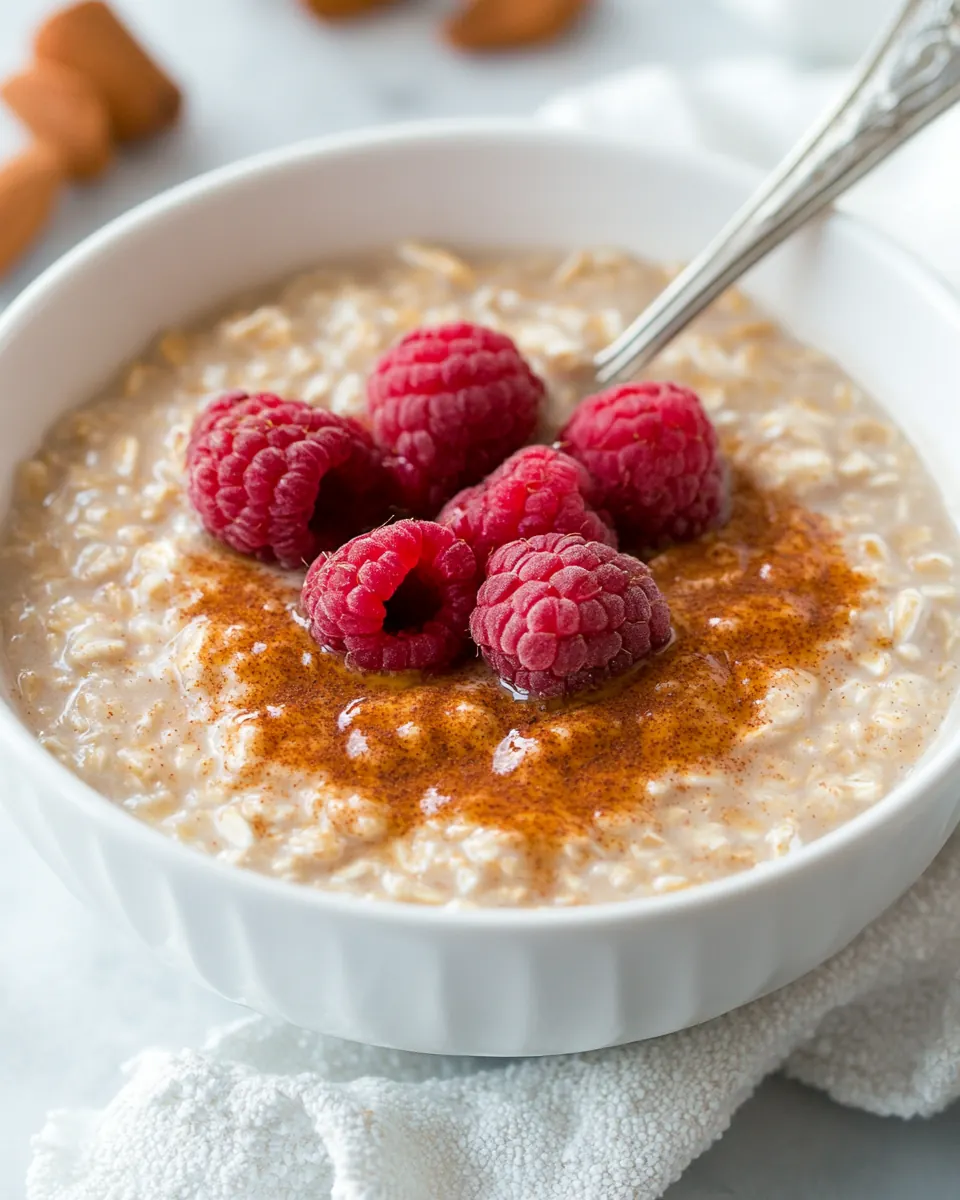
These steps are straightforward, but the magic is in the details. Work methodically, pay attention to aroma and texture, and you will be rewarded with a bowl that feels both homey and refined. Take your time with each phase and resist shortcuts that flatten the final result.
- Set a medium saucepan over medium heat. Melt in 1 Tbsp butter then add 1 cup oats and toast for 2 min, stirring occasionally.: As you begin, notice the pan warming, a subtle shimmer will appear on the surface of the butter once it melts. That faint nutty aroma signals that the pan is ready for the oats , and toasting them releases warm, toasty notes that deepen the overall flavor. A common mistake is using too high heat, which can scorch the butter and make the oats smell acrid; keep the flame steady and listen for a faint popping sound as the little grains hit the pan.
- Add 3 cups boiling water then reduce heat to a simmer, cover and cook on low 20 min without stirring.: You should smell a toasty, almost nutlike fragrance within a minute, and the oats will gain a slightly golden edge. Stirring occasionally prevents hotspots and ensures even color. The reason this matters is that toasting unlocks oils in the oats that amplify flavor, giving the final bowl a deeper, more complex profile. Avoid leaving them unattended, or they will brown too quickly and develop a bitter edge.
- Combine 1/2 cup whole milk with 1/2 cup buttermilk. Pour over the oatmeal and add 1/4 tsp salt then stir just until incorporated. Cook another 10 min uncovered, stirring gently once or twice – don't over mix.: When you pour in the boiling water , expect a burst of steam and an immediate change in aroma as the oats start to hydrate. Covering the pan traps that steam and allows the steel cut oats to cook through evenly. Cooking undisturbed encourages a tender exterior and chewy interior, but stirring too often can make the mixture gluey. If you notice the pot boiling too vigorously, lower the heat to maintain a gentle simmer.
- Finally, stir in 1/4 tsp cinnamon and 1 Tbsp maple syrup, or to taste. Divide among 4 bowls and top each bowl with about 1/2 cup of fresh fruit (plus a sprinkle of cinnamon and drizzle of maple syrup if desired): The mixture should be slightly cool to the touch, not scalding, before you add it. When you pour the dairy blend over the oats, you should see the surface loosen and a creamy sheen develop. This combination enriches the porridge and adds a subtle tang from the buttermilk , which brightens the flavor. A mistake here is adding very cold milk that shocks the oats; bring the dairy closer to room temperature if possible for more even integration.
- Pour over the oatmeal and add 1/4 tsp salt then stir just until incorporated: After adding the dairy, the first stir should be gentle; you want to incorporate without agitating the grains into mush. The aroma will shift toward a milky, comforting note, and the texture should already feel creamier. Salt helps lift the sweet and savory balance, and stirring briefly ensures even seasoning. Overstirring at this point risks losing the oats distinct texture, so resist the urge to constant stir.
- Cook another 10 min uncovered, stirring gently once or twice – don't over mix: As the porridge simmers uncovered, the surface will develop small, slow bubbles and steam will steadily rise, concentrating flavor. Stirring once or twice allows the bottom grains to rehydrate and prevents sticking, while still preserving that desirable chew. This step matters because it thickens the bowl and melds the dairy into the oats. A common error is vigorous stirring which breaks down the grains excessively, resulting in a gluey finish.
- Finally, stir in 1/4 tsp cinnamon and 1 Tbsp maple syrup, or to taste: The moment you add the cinnamon and maple syrup the kitchen will fill with warm, sweet-spiced scent, signaling the flavor finale. These additions should be folded in gently so they disperse evenly, and you can taste and adjust the sweetness or spice. The reason this final seasoning is added now is to preserve the delicate aromatic notes rather than dulling them with prolonged heat. Avoid adding too much syrup at once; you can always add more, but you cannot remove excess sweetness.
- Divide among 4 bowls and top each bowl with about 1/2 cup of fresh fruit: The contrast between hot oatmeal and cool, juicy fruit is delightful. As you spoon the oatmeal into bowls, notice the steam rising and the velvety surface; then the fruit provides bright color and bursts of acidity that cut through the creaminess. A finishing sprinkle of extra cinnamon or a light drizzle of maple syrup enhances aroma and presentation. Watch out for adding fruit too early, as prolonged heat will soften it into mush rather than providing fresh contrast.
Tips and Variations
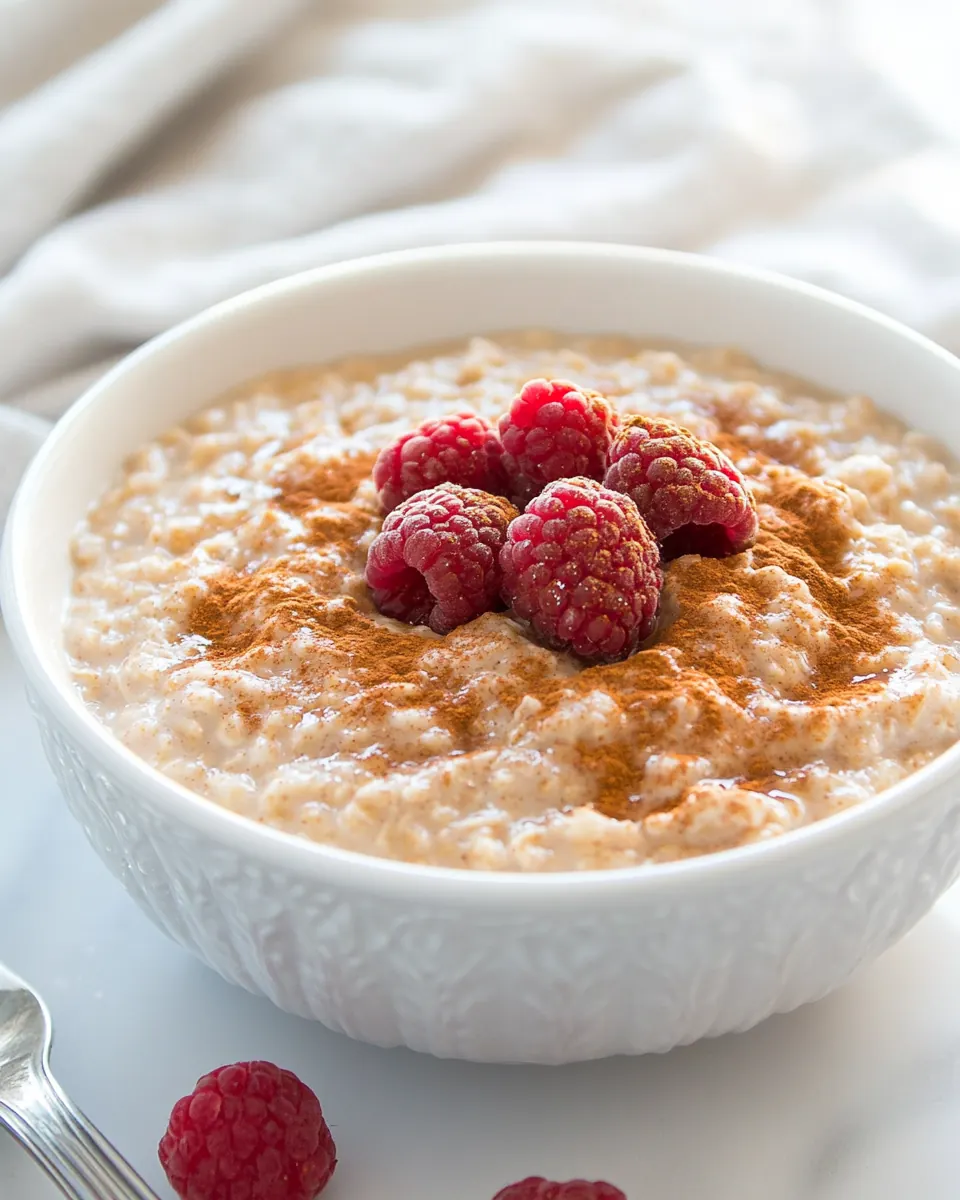
This recipe is forgiving and open to small changes that tailor it to your mornings. Below are practical tips and modest variations I use to adapt the bowl for different tastes and schedules.
- Cookware choice: Choose a medium heavy bottom saucepan so heat distributes evenly and the oats do not burn on the bottom, which preserves flavor and texture.
- Toasting technique: Toast the oats over medium heat until fragrant but not browned to release oils and deepen flavor, stirring occasionally to avoid hot spots.
- Milk temperature: Bring milk closer to room temperature before adding so it blends smoothly and avoids shocking the grains, improving consistency.
- Timing for fruit: Add fresh fruit at the end to retain texture and bright flavor, rather than cooking it into the porridge where it will become soft and lose vibrancy.
- Adjust sweetness later: Start with 1 tablespoon of maple syrup and sweeten more after tasting; adjustments at the end preserve aroma and prevent over-sweetening.
Serving Suggestions
This oatmeal makes a versatile centerpiece for many meals. Serve it warm for breakfast, pack it for a simple lunch, or use it as a comforting start to a relaxed weekend brunch. Below are detailed serving ideas and pairings to elevate the bowl.
- Family breakfast: Serve bowls of Maple Cinnamon Oatmeal Recipe family style, letting everyone choose from a tray of toppings such as extra maple syrup and additional cinnamon for personalization.
- Brunch centerpiece: Present the oatmeal alongside a platter of fresh fruit and warm toast so guests can customize their bowls, creating a communal and interactive brunch experience.
- Quick weekday meal: Portion into microwave safe containers for grab and go breakfasts; reheat gently and stir in a splash of milk to restore creaminess before serving.
- Seasonal pairings: In fall, pair with sliced stone fruit or poached pears; in summer, keep it bright with berries and nectarines to complement the warm spice notes.
- Storage tips: Refrigerate leftovers in an airtight container for up to four days. When reheating, stir in a little milk to loosen the texture and revive creaminess without thinning the flavors.
FAQ
Conclusion
This version of the recipe stands out for its comforting balance of creamy dairy, toothsome steel cut oats, and warming cinnamon finished with a touch of maple syrup. It’s a reliable morning bowl that feels both nourishing and indulgent, versatile enough for busy weekdays or relaxed weekend brunches. Give it a try — the gentle technique and simple ingredients deliver a consistently satisfying breakfast that becomes a small daily pleasure.
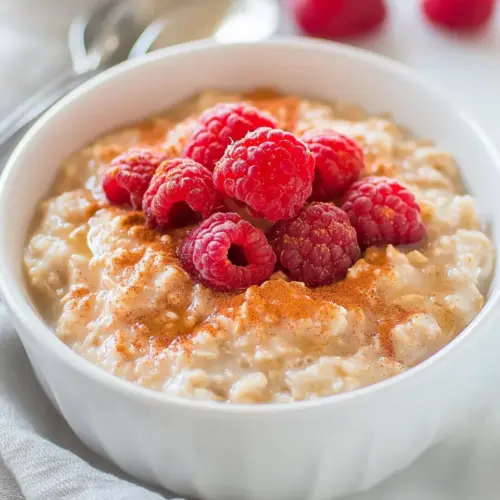
Maple Cinnamon Oatmeal Recipe
Equipment
- Medium Saucepan
- Wooden Spoon
- Measuring Cups
Ingredients
- 1 tbsp unsalted Butter Melted to enrich and provide a silky mouthfeel, unsalted butter balances flavors without adding extra salt; use to toast oats briefly or finish the oatmeal for a glossy texture and richer taste.
- 1 cup steel cut oats, I used Bob's Red Mill brand, dry/un-rinsed Toasted and simmered as the base of the dish, steel cut oats contribute a hearty, chewy texture and nutty flavor; cook thoroughly in boiling water for proper softness and fiber-rich substance.
- 3 cups boiling water Boiling to properly hydrate and cook the steel cut oats, hot water softens the kernels and extracts their nutty character; maintain a steady simmer to achieve even cooking and desired consistency.
- 1/2 cup whole milk Added to mellow and cream the porridge, whole milk lends richness, smoothness, and body while enhancing mouthfeel; stir in near the end of cooking to prevent scorching and integrate flavors.
- 1/2 cup low-fat buttermilk Folded in for tangy creaminess and light acidity, low-fat buttermilk brightens flavor and adds a velvety finish without overwhelming richness; stir gently to combine and preserve a slightly cultured note.
- 1/4 tsp salt Sprinkled to enhance overall flavor balance, salt elevates sweetness and rounds savory elements; add during cooking to evenly season the oats and enhance their natural taste.
- 1 tbsp maple syrup, plus more to taste Drizzled to sweeten and impart authentic maple flavor, maple syrup provides nuanced sweetness and aromatic depth; add at the end and adjust to taste for ideal sweetness level.
- 1/4 tsp cinnamon, plus more to taste Sprinkled to warm and aromatize the oatmeal, cinnamon brings cozy spice and complexity; add gradually and taste, increasing as desired for a pronounced cinnamon character.
- 2 cups fresh fruit or berries, I used sliced peaches and raspberries Tossed fresh to add bright, juicy contrast and natural sweetness, fresh fruit or berries contribute texture, color, and freshness; add as a topping to maintain their shape and vibrant flavor.
Instructions
- Set a medium saucepan over medium heat. Melt in 1 Tbsp butter then add 1 cup oats and toast for 2 min, stirring occasionally.: As you begin, notice the pan warming, a subtle shimmer will appear on the surface of the butter once it melts. That faint nutty aroma signals that the pan is ready for the oats , and toasting them releases warm, toasty notes that deepen the overall flavor. A common mistake is using too high heat, which can scorch the butter and make the oats smell acrid; keep the flame steady and listen for a faint popping sound as the little grains hit the pan.
- Add 3 cups boiling water then reduce heat to a simmer, cover and cook on low 20 min without stirring.: You should smell a toasty, almost nutlike fragrance within a minute, and the oats will gain a slightly golden edge. Stirring occasionally prevents hotspots and ensures even color. The reason this matters is that toasting unlocks oils in the oats that amplify flavor, giving the final bowl a deeper, more complex profile. Avoid leaving them unattended, or they will brown too quickly and develop a bitter edge.
- Combine 1/2 cup whole milk with 1/2 cup buttermilk. Pour over the oatmeal and add 1/4 tsp salt then stir just until incorporated. Cook another 10 min uncovered, stirring gently once or twice - don't over mix.: When you pour in the boiling water , expect a burst of steam and an immediate change in aroma as the oats start to hydrate. Covering the pan traps that steam and allows the steel cut oats to cook through evenly. Cooking undisturbed encourages a tender exterior and chewy interior, but stirring too often can make the mixture gluey. If you notice the pot boiling too vigorously, lower the heat to maintain a gentle simmer.
- Finally, stir in 1/4 tsp cinnamon and 1 Tbsp maple syrup, or to taste. Divide among 4 bowls and top each bowl with about 1/2 cup of fresh fruit (plus a sprinkle of cinnamon and drizzle of maple syrup if desired): The mixture should be slightly cool to the touch, not scalding, before you add it. When you pour the dairy blend over the oats, you should see the surface loosen and a creamy sheen develop. This combination enriches the porridge and adds a subtle tang from the buttermilk , which brightens the flavor. A mistake here is adding very cold milk that shocks the oats; bring the dairy closer to room temperature if possible for more even integration.
- Pour over the oatmeal and add 1/4 tsp salt then stir just until incorporated: After adding the dairy, the first stir should be gentle; you want to incorporate without agitating the grains into mush. The aroma will shift toward a milky, comforting note, and the texture should already feel creamier. Salt helps lift the sweet and savory balance, and stirring briefly ensures even seasoning. Overstirring at this point risks losing the oats distinct texture, so resist the urge to constant stir.
- Cook another 10 min uncovered, stirring gently once or twice - don't over mix: As the porridge simmers uncovered, the surface will develop small, slow bubbles and steam will steadily rise, concentrating flavor. Stirring once or twice allows the bottom grains to rehydrate and prevents sticking, while still preserving that desirable chew. This step matters because it thickens the bowl and melds the dairy into the oats. A common error is vigorous stirring which breaks down the grains excessively, resulting in a gluey finish.
- Finally, stir in 1/4 tsp cinnamon and 1 Tbsp maple syrup, or to taste: The moment you add the cinnamon and maple syrup the kitchen will fill with warm, sweet-spiced scent, signaling the flavor finale. These additions should be folded in gently so they disperse evenly, and you can taste and adjust the sweetness or spice. The reason this final seasoning is added now is to preserve the delicate aromatic notes rather than dulling them with prolonged heat. Avoid adding too much syrup at once; you can always add more, but you cannot remove excess sweetness.
- Divide among 4 bowls and top each bowl with about 1/2 cup of fresh fruit: The contrast between hot oatmeal and cool, juicy fruit is delightful. As you spoon the oatmeal into bowls, notice the steam rising and the velvety surface; then the fruit provides bright color and bursts of acidity that cut through the creaminess. A finishing sprinkle of extra cinnamon or a light drizzle of maple syrup enhances aroma and presentation. Watch out for adding fruit too early, as prolonged heat will soften it into mush rather than providing fresh contrast.
Notes
- Cookware choice: Choose a medium heavy bottom saucepan so heat distributes evenly and the oats do not burn on the bottom, which preserves flavor and texture.
- Toasting technique: Toast the oats over medium heat until fragrant but not browned to release oils and deepen flavor, stirring occasionally to avoid hot spots.
- Milk temperature: Bring milk closer to room temperature before adding so it blends smoothly and avoids shocking the grains, improving consistency.
- Timing for fruit: Add fresh fruit at the end to retain texture and bright flavor, rather than cooking it into the porridge where it will become soft and lose vibrancy.
- Adjust sweetness later: Start with 1 tablespoon of maple syrup and sweeten more after tasting; adjustments at the end preserve aroma and prevent over-sweetening.