Low Carb Chicken Casserole
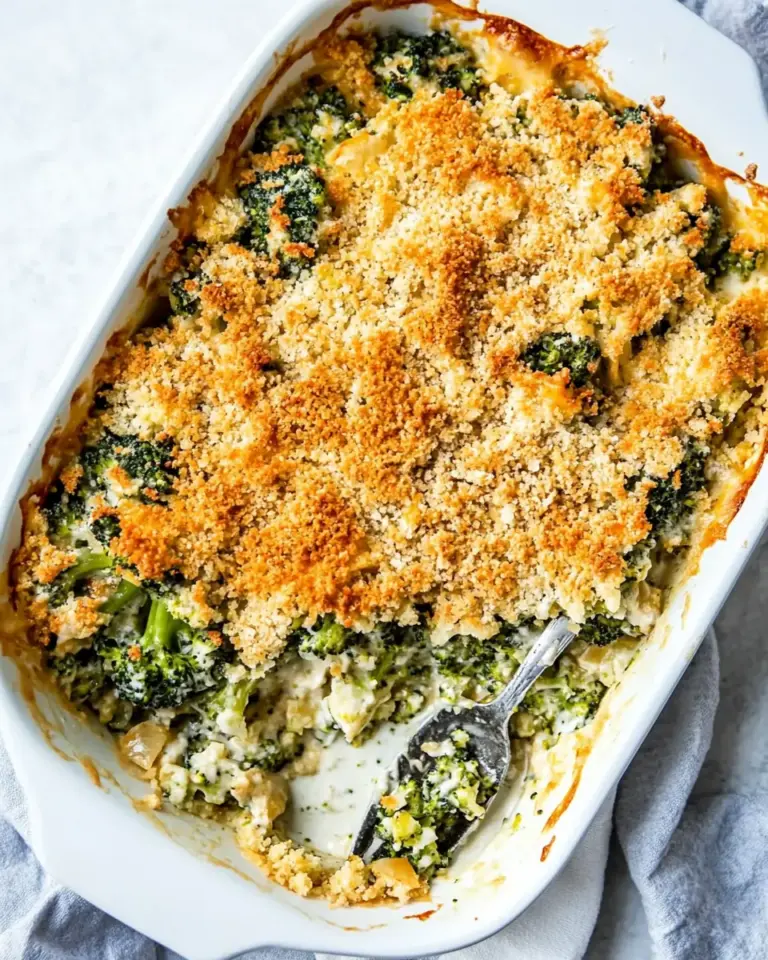
Low Carb Chicken Casserole has been my go to when evenings get busy and I want something comforting without the carbs weighing us down. The first time I made this dish I was juggling work calls and a hungry family, and the way the kitchen filled with warm, cheesy aromas convinced everyone to gather early. I remember snatching a spoonful straight from the baking dish as it came out of the oven, steam lifting and cheese stretching, and thinking this belongs on every weeknight rotation.
There is a real comfort in simplicity, and the charm of Low Carb Chicken Casserole lies in how honest it is. The textures are straightforward yet satisfying, with tender chicken and tender little bursts of broccoli giving contrast to melted cheese. I often make a double batch, because leftovers reheat beautifully and save the next frantic evening. Over time I learned tiny tricks that make the flavors sing, and I love sharing those small notes with friends who become converts after one bite.
Recipe Snapshot
30 mins
10 mins
20 mins
Medium
350 kcal
American
Keto, Gluten-Free
Dinner
Skillet, 8×8 baking dish, Mixing bowl
What Makes This Low Carb Chicken Casserole Special
Comfort with a Light Twist
I love how Low Carb Chicken Casserole delivers that cozy, rich feeling of a traditional casserole, while keeping the dish light. The melted cheese and creamy tang from the sour cream satisfy craving for richness, yet the focus on chicken and broccoli keeps it from being heavy. I lean on this recipe when I want indulgence without overdoing calories.
Speed and Simplicity
This casserole is a weekday hero. The steps are straightforward, and prep is fast, so you can get dinner on the table without fuss. I appreciate recipes where every action moves the dish forward, and here each ingredient pulls its weight so you are not babysitting the stove the whole time.
Family Friendly Flavors
The flavors are universally appealing. Kids and adults both respond to the melted cheese and tender chicken. I find that even picky eaters are won over, especially when the broccoli is cut into small, bite size pieces and mixed in so it becomes part of the comforting texture.
Great for Leftovers and Meal Prep
I often make this recipe when I know I will need lunch the next day. It reheats cleanly, and the flavors actually deepen overnight. It stores well in the fridge, and I can portion it for quick lunches. That flexibility is why this casserole ends up in my rotation frequently.
Customizable but Reliable
You can play slightly with the cheese blend or seasoning, but the core formula is forgiving. The combination of shredded chicken, tender broccoli, creamy sour cream, and a blend of cheese forms a dependable base that I trust to please a crowd or simplify a solo dinner.
Recipe Ingredients for Low Carb Chicken Casserole
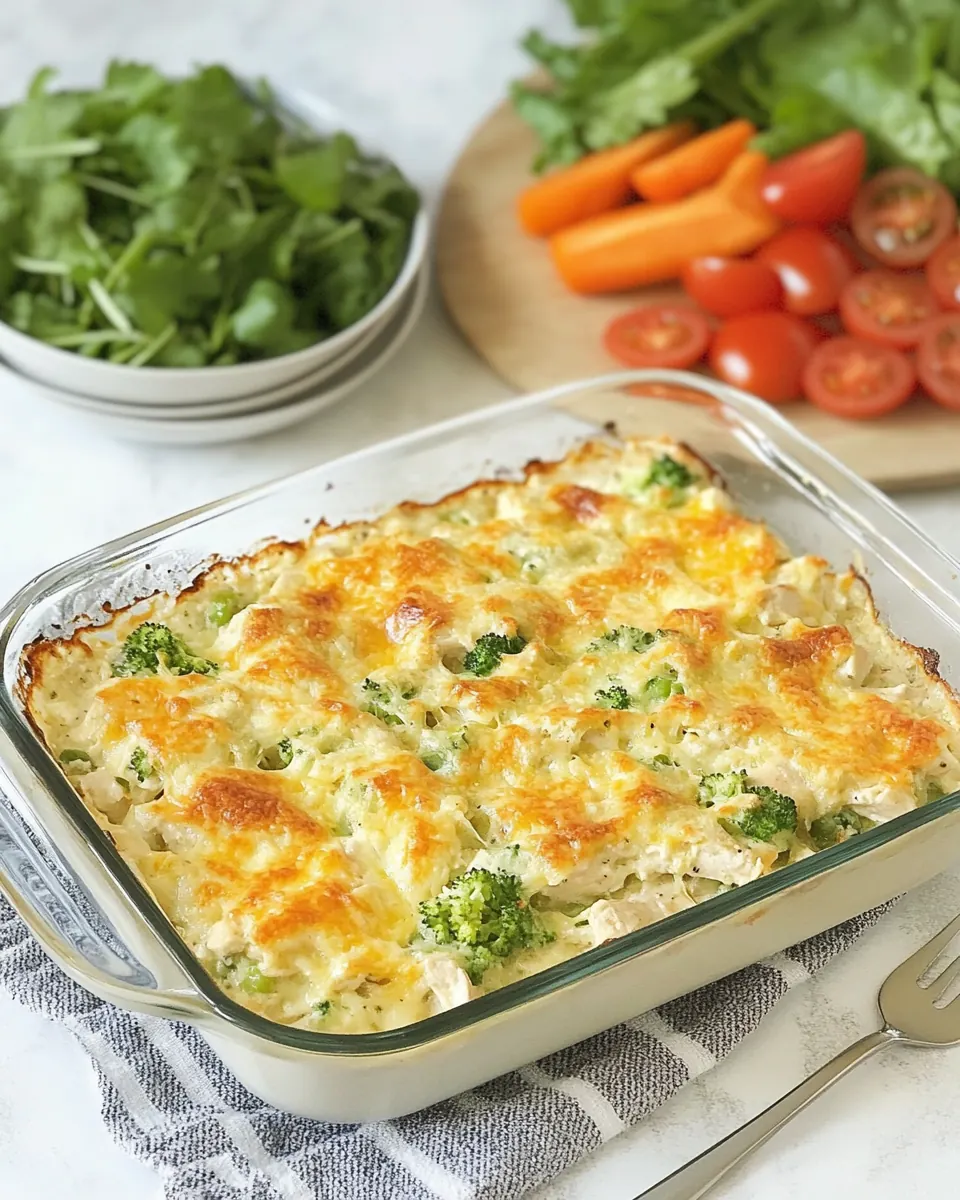
These ingredients are chosen for balance and simplicity. The key players are shredded chicken for lean protein, broccoli for texture and a vegetable boost, and plentiful cheese and sour cream for creaminess. The seasonings pull everything together without masking the delicate flavors. Together they create a cohesive casserole that bakes into a bubbly, savory dish.
- 1 pound or 2 cups chicken breast, cooked and shredded: Adds tender cooked protein and body to the casserole, providing a satisfying texture and substantial source of lean protein when shredded for even distribution.
- Salt and Pepper to taste: Enhances overall flavor balance by seasoning during preparation and serving, allowing control over saltiness and bringing out other ingredients' tastes.
- 1 cup broccoli florets cooked and cut into bite size pieces: Contributes a tender vegetable texture and mild earthy flavor while adding color, nutrients, and bite-sized pieces that complement the creamy components.
- 3 cups cheese shredded – sharp cheddar, or a combination of cheese you like: Provides rich, melty creaminess and sharp savory flavor that binds the casserole together, offering both moisture and a golden, gratin-like topping when baked.
- 1/2 cup sour cream light: Introduces tangy creaminess and moisture while lightening calories, helping to create a smooth, cohesive filling that contrasts with the cheese.
- 2 teaspoons garlic powder: Imparts concentrated savory garlic aroma and flavor, ensuring consistent seasoning throughout without adding moisture or texture changes.
- 1 teaspoon dried parsley: Delivers subtle herby notes and mild color contrast, reinforcing freshness and complementing other dried seasonings without overpowering the dish.
- 2 teaspoons Italian seasoning: Combines a blend of Mediterranean herbs to provide aromatic, savory complexity and depth, tying together the flavors of chicken, cheese, and vegetables.
Low Carb Chicken Casserole Instructions
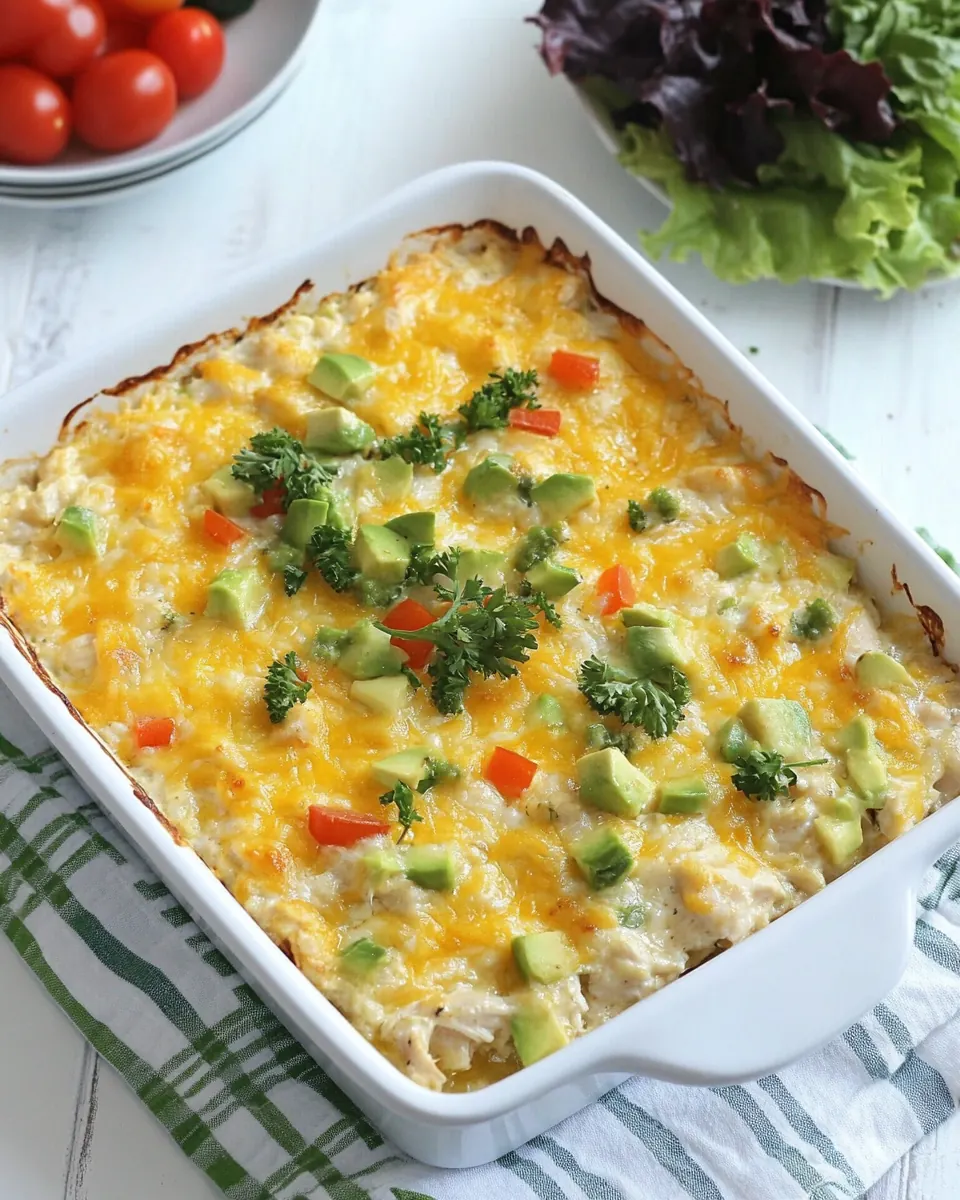
This casserole comes together in clear, manageable steps. I like to prep everything first, then combine quickly so the filling stays moist and cohesive. Follow the sequence for best texture and confident results.
- Add salt and pepper to taste to chicken: The moment you season cooked chicken , you set the foundation for every bite. You will notice aromas blooming as the salt hits the surface and any pepper adds a gentle warmth. Do this while the chicken is still warm so the seasoning melds in, preventing bland pockets inside the casserole. One common mistake is under seasoning, which leaves the finished dish muted. If the chicken lacks flavor, the entire casserole will feel flat, so taste a small bit and adjust. Visually, properly seasoned chicken looks more appetizing because it has a slight sheen and even color.
- Cook chicken in skillet: As the chicken sizzles in the pan you will hear a steady gentle sound and smell a toasty, savory aroma. Cooking in a skillet allows quick control over browning, which adds flavor through the Maillard reaction. Aim for golden edges but avoid drying the interior, because moisture is what keeps the casserole tender. A frequent error is cranking the heat too high to accelerate browning, which results in tough meat. Let the skillet medium heat coax flavor out slowly. When done, the chicken should be cooked through and yield juices, indicating it remains juicy for shredding.
- Shred chicken, add to large bowl: Shredding warm chicken produces tender, uniform strands that integrate easily. The texture will be soft and slightly glossy from retained juices, and those juices help the filling stay moist. Use two forks or your hands if it has cooled slightly; either way aim for consistent pieces so every spoonful has balanced protein and sauce. A common mistake is shredding into uneven chunks, leading to bites that are either all meat or all other ingredients. Place the shredded chicken into a large bowl to give yourself space to fold in other components evenly.
- Preheat oven to 350 degrees F: Preheating ensures the dish cooks evenly from the moment it hits the oven, so the cheese melts smoothly and the edges bubble at the same rate as the center. You should feel a warm air rise when you open the oven and notice the element glowing as it reaches temperature. A mistake many make is skipping preheat, which causes uneven baking where the top may brown before the interior heats through. Set the oven early while you finish assembling to avoid this problem.
- Cook or steam broccoli, add to bowl: The scent of steamed broccoli is fresh and slightly sweet, and cooking it until just tender keeps color bright and texture satisfying. Overcooked florets lose structure and become mushy, and undercooked ones remain too firm after baking. I aim for tender crisp, where a fork meets slight resistance. Once added to the bowl, the broccoli should distribute evenly among the shredded chicken . A common slip is steaming too long and ending up with a grayish color, which signals overcooking.
- Add 2 1/2 cups cheese, sour cream, garlic powder, parsley and Italian seasoning to bowl: When you add the shredded cheese and sour cream , the bowl begins to smell rich and savory. The cheese will start to warm and soften from the residual heat of the chicken and broccoli , which helps everything bind. Seasonings like garlic powder and Italian seasoning round out the flavor profile, bringing depth and herbaceous notes. A frequent mistake is adding too much moisture at this stage, which can prevent the casserole from setting; measure the sour cream accurately to keep the filling cohesive.
- Stir together until well combined: As you fold the ingredients, listen for a soft, cohesive scrape as the mixture comes together, and watch for even coating of cheese and sour cream on the chicken and broccoli . The texture should look uniformly creamy with no dry pockets. Mixing gently avoids smashing the broccoli , preserving its bite, while ensuring every strand of chicken is flavored. A common error is over stirring which breaks down the broccoli and makes the filling mushy. Stop once you see an even, homogenous mix.
- Spread mixture into 8×8 square baking dish and sprinkle with additional cheese: As you spread, you will feel the mixture settle into the corners and notice an even surface ready to brown. The extra layer of cheese on top will form a golden crust and create appealing bubbling during baking. Make sure the layer is even to promote consistent browning. A mistake is over packing the dish which hinders heat circulation and yields uneven melt; leave a little space so the casserole can bubble freely.
- Bake uncovered for 20-25 minutes or until cheese is melted and bubbly: The oven will fill with a warm, toasty aroma and you will see the top change from pale to golden and then to bubbling brown. That bubbling is the sign the interior reached a hot enough temperature to marry flavors. Keep an eye so it does not over brown; if the top gets too dark before the center is warm, tent loosely with foil. A typical mistake is opening the oven repeatedly which causes heat loss and prolongs cooking time. Bake until you see even bubbling across the surface and edges pulling away slightly from the dish.
- Serve immediately: Steaming and stringy cheese on each plate is part of the pleasure. The scent will be rich and inviting, and the texture will be creamy with tender bites of chicken and flecks of broccoli . Serving right away preserves the contrast between the hot filling and the slightly cooler surroundings. Waiting too long makes the casserole firm and less luscious, so aim to serve as soon as it rests briefly out of the oven.
- Store leftovers in refrigerator: Cool the casserole to near room temperature before sealing to avoid condensation, then transfer to an airtight container. Properly stored, the dish keeps well and reheats evenly. A common oversight is leaving it out too long at room temperature which invites bacterial growth. Refrigerate within two hours and consume within a few days for best flavor and safety.
Recipe Variations about Low Carb Chicken Casserole
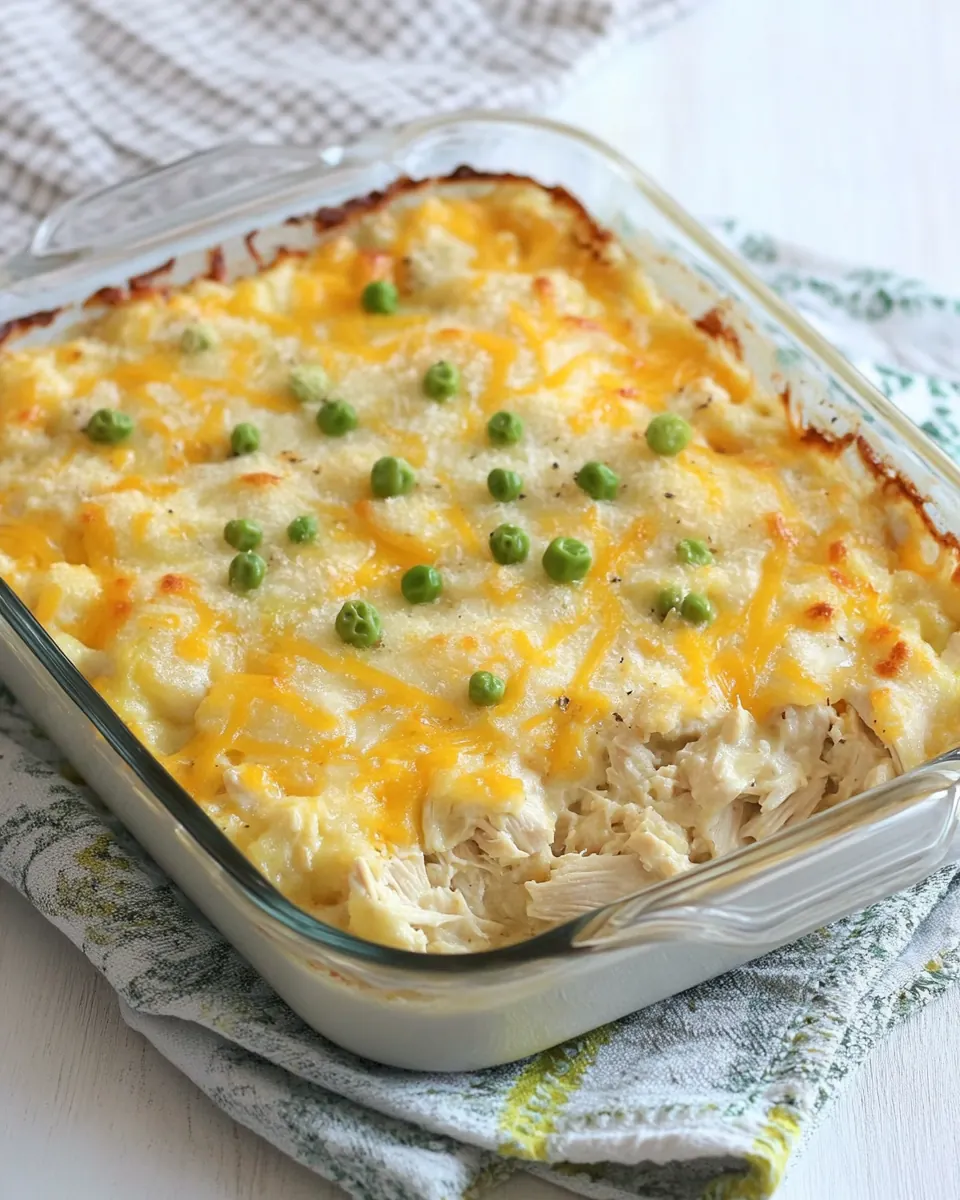
I like to offer small, practical variations so you can tailor this casserole to your pantry and preferences. Below are ideas that keep the soul of the recipe intact while offering new textures or flavor notes.
- Cheese swap: Try a mix of sharp cheddar and a milder melting cheese to balance tang and creaminess, this changes the character without altering method.
- Herb boost: Add a sprinkle of fresh chopped herbs after baking for brightness, it adds a fresh contrast to the warm, cheesy profile.
- Extra veg: Fold in finely chopped cooked cauliflower or spinach to increase volume and keep the dish low carb while adding subtle flavor.
- Spicy kick: Stir in a pinch of crushed red pepper or a dash of cayenne for warmth, use sparingly to avoid overpowering the family friendly base.
- Make ahead: Assemble up to the step before baking, cover and refrigerate, then bake 10 to 15 minutes longer from cold for a convenient meal later.
Serve This Low Carb Chicken Casserole With
This casserole pairs well with simple sides and suits a range of occasions from casual weeknights to gatherings. Below are serving ideas and storage notes to help you present it at its best.
- Light salad: A crisp green salad with a lemony vinaigrette cuts through the richness and adds refreshing contrast for a balanced meal.
- Family dinners: Serve this casserole for a cozy family dinner, family members appreciate the warmth and familiar flavors any night of the week.
- Meal prep lunches: Portion into airtight containers and refrigerate for quick lunches, the casserole reheats well and stays creamy.
- Occasions: This dish works for casual potlucks or Ramadan if you need a comforting, shareable casserole that is easy to transport and reheat.
- Storage tips: Cool to near room temperature, then refrigerate within two hours in airtight containers to keep texture and flavor for up to three to four days.
FAQ
Conclusion
This Low Carb Chicken Casserole stands out for its balance of comfort and simplicity, bringing together tender shredded chicken, bright broccoli, and a lush, cheesy binding that feels indulgent without being heavy. If you are looking for a reliable weeknight dinner that reheats well and satisfies picky eaters, this recipe is a smart pick. Give it a try on a busy evening and you may find it becoming as comforting and dependable in your kitchen as it is in mine, returning whenever you need an easy, flavorful meal.

Low Carb Chicken Casserole
Equipment
- Skillet
- 8x8 baking dish
- Mixing Bowl
Ingredients
- 1 pound or 2 cups chicken breast, cooked and shredded Adds tender cooked protein and body to the casserole, providing a satisfying texture and substantial source of lean protein when shredded for even distribution.
- Salt and Pepper to taste Enhances overall flavor balance by seasoning during preparation and serving, allowing control over saltiness and bringing out other ingredients' tastes.
- 1 cup broccoli florets cooked and cut into bite size pieces Contributes a tender vegetable texture and mild earthy flavor while adding color, nutrients, and bite-sized pieces that complement the creamy components.
- 3 cups cheese shredded – sharp cheddar, or a combination of cheese you like Provides rich, melty creaminess and sharp savory flavor that binds the casserole together, offering both moisture and a golden, gratin-like topping when baked.
- 1/2 cup sour cream light Introduces tangy creaminess and moisture while lightening calories, helping to create a smooth, cohesive filling that contrasts with the cheese.
- 2 teaspoons garlic powder Imparts concentrated savory garlic aroma and flavor, ensuring consistent seasoning throughout without adding moisture or texture changes.
- 1 teaspoon dried parsley Delivers subtle herby notes and mild color contrast, reinforcing freshness and complementing other dried seasonings without overpowering the dish.
- 2 teaspoons Italian seasoning Combines a blend of Mediterranean herbs to provide aromatic, savory complexity and depth, tying together the flavors of chicken, cheese, and vegetables.
Instructions
- Add salt and pepper to taste to chicken: The moment you season cooked chicken , you set the foundation for every bite. You will notice aromas blooming as the salt hits the surface and any pepper adds a gentle warmth. Do this while the chicken is still warm so the seasoning melds in, preventing bland pockets inside the casserole. One common mistake is under seasoning, which leaves the finished dish muted. If the chicken lacks flavor, the entire casserole will feel flat, so taste a small bit and adjust. Visually, properly seasoned chicken looks more appetizing because it has a slight sheen and even color.
- Cook chicken in skillet: As the chicken sizzles in the pan you will hear a steady gentle sound and smell a toasty, savory aroma. Cooking in a skillet allows quick control over browning, which adds flavor through the Maillard reaction. Aim for golden edges but avoid drying the interior, because moisture is what keeps the casserole tender. A frequent error is cranking the heat too high to accelerate browning, which results in tough meat. Let the skillet medium heat coax flavor out slowly. When done, the chicken should be cooked through and yield juices, indicating it remains juicy for shredding.
- Shred chicken, add to large bowl: Shredding warm chicken produces tender, uniform strands that integrate easily. The texture will be soft and slightly glossy from retained juices, and those juices help the filling stay moist. Use two forks or your hands if it has cooled slightly; either way aim for consistent pieces so every spoonful has balanced protein and sauce. A common mistake is shredding into uneven chunks, leading to bites that are either all meat or all other ingredients. Place the shredded chicken into a large bowl to give yourself space to fold in other components evenly.
- Preheat oven to 350 degrees F: Preheating ensures the dish cooks evenly from the moment it hits the oven, so the cheese melts smoothly and the edges bubble at the same rate as the center. You should feel a warm air rise when you open the oven and notice the element glowing as it reaches temperature. A mistake many make is skipping preheat, which causes uneven baking where the top may brown before the interior heats through. Set the oven early while you finish assembling to avoid this problem.
- Cook or steam broccoli, add to bowl: The scent of steamed broccoli is fresh and slightly sweet, and cooking it until just tender keeps color bright and texture satisfying. Overcooked florets lose structure and become mushy, and undercooked ones remain too firm after baking. I aim for tender crisp, where a fork meets slight resistance. Once added to the bowl, the broccoli should distribute evenly among the shredded chicken . A common slip is steaming too long and ending up with a grayish color, which signals overcooking.
- Add 2 1/2 cups cheese, sour cream, garlic powder, parsley and Italian seasoning to bowl: When you add the shredded cheese and sour cream , the bowl begins to smell rich and savory. The cheese will start to warm and soften from the residual heat of the chicken and broccoli , which helps everything bind. Seasonings like garlic powder and Italian seasoning round out the flavor profile, bringing depth and herbaceous notes. A frequent mistake is adding too much moisture at this stage, which can prevent the casserole from setting; measure the sour cream accurately to keep the filling cohesive.
- Stir together until well combined: As you fold the ingredients, listen for a soft, cohesive scrape as the mixture comes together, and watch for even coating of cheese and sour cream on the chicken and broccoli . The texture should look uniformly creamy with no dry pockets. Mixing gently avoids smashing the broccoli , preserving its bite, while ensuring every strand of chicken is flavored. A common error is over stirring which breaks down the broccoli and makes the filling mushy. Stop once you see an even, homogenous mix.
- Spread mixture into 8×8 square baking dish and sprinkle with additional cheese: As you spread, you will feel the mixture settle into the corners and notice an even surface ready to brown. The extra layer of cheese on top will form a golden crust and create appealing bubbling during baking. Make sure the layer is even to promote consistent browning. A mistake is over packing the dish which hinders heat circulation and yields uneven melt; leave a little space so the casserole can bubble freely.
- Bake uncovered for 20-25 minutes or until cheese is melted and bubbly: The oven will fill with a warm, toasty aroma and you will see the top change from pale to golden and then to bubbling brown. That bubbling is the sign the interior reached a hot enough temperature to marry flavors. Keep an eye so it does not over brown; if the top gets too dark before the center is warm, tent loosely with foil. A typical mistake is opening the oven repeatedly which causes heat loss and prolongs cooking time. Bake until you see even bubbling across the surface and edges pulling away slightly from the dish.
- Serve immediately: Steaming and stringy cheese on each plate is part of the pleasure. The scent will be rich and inviting, and the texture will be creamy with tender bites of chicken and flecks of broccoli . Serving right away preserves the contrast between the hot filling and the slightly cooler surroundings. Waiting too long makes the casserole firm and less luscious, so aim to serve as soon as it rests briefly out of the oven.
- Store leftovers in refrigerator: Cool the casserole to near room temperature before sealing to avoid condensation, then transfer to an airtight container. Properly stored, the dish keeps well and reheats evenly. A common oversight is leaving it out too long at room temperature which invites bacterial growth. Refrigerate within two hours and consume within a few days for best flavor and safety.
Notes
- Cheese swap: Try a mix of sharp cheddar and a milder melting cheese to balance tang and creaminess, this changes the character without altering method.
- Herb boost: Add a sprinkle of fresh chopped herbs after baking for brightness, it adds a fresh contrast to the warm, cheesy profile.
- Extra veg: Fold in finely chopped cooked cauliflower or spinach to increase volume and keep the dish low carb while adding subtle flavor.
- Spicy kick: Stir in a pinch of crushed red pepper or a dash of cayenne for warmth, use sparingly to avoid overpowering the family friendly base.
- Make ahead: Assemble up to the step before baking, cover and refrigerate, then bake 10 to 15 minutes longer from cold for a convenient meal later.