Oven Beef Stew
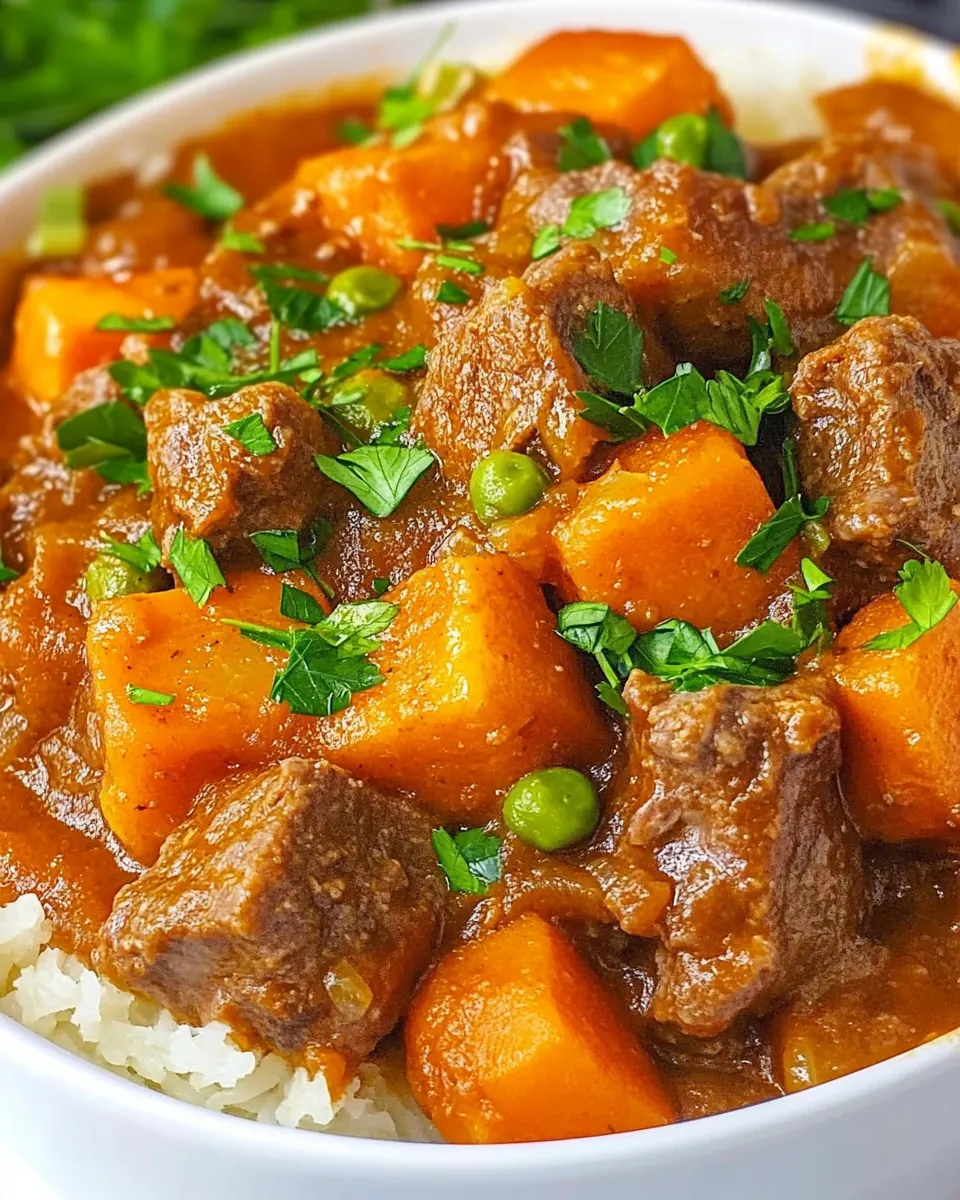
Oven Beef Stew is the kind of one pot comfort food I reach for when the weather outside is gray and I want my kitchen to smell like home. The first time I made this, the whole apartment filled with a slow roasted, tomato and spice aroma that made neighbors peek in the hallway, and I remember thinking how simple ingredients can become something soulful and sustaining.
I learned to rely on this version when weeknights stretched long and I needed a reliable, nourishing dinner that buffered busy days. There’s something quietly satisfying about tucking a dish into the oven and letting time do the heavy lifting while you handle homework, emails, or simply unwind. Over the years I tweaked the spice balance and how I layer the vegetables so every bite gives you tender beef and bursts of sweet carrot and peas.
When friends come over for a casual meal, I often serve Oven Beef Stew over creamy mashed potatoes and watch people relax as they spoon up the thickened sauce. It travels well to potlucks, and leftovers reheat like a dream. What I love most is the forgiving nature of this dish, it welcomes small changes yet always returns a deep, cozy flavor. Try it on a chilly evening and you’ll see why this has become a go to in my kitchen.
Recipe Snapshot
2 hr 10 mins
10 mins
120 mins
Hard
350 kcal
American
Gluten-Free, Paleo
Dinner
Baking dish 2.5 quart or 9x9x3 inch baking dish, Mixing Bowl
Why We Love This Oven Beef Stew
Slow Oven Aroma that Comforts
I adore how the oven takes simple ingredients like beef, carrot, and onion and turns them into a layered, savory experience. The long, gentle heat concentrates flavors, producing an inviting scent that fills the house and signals a satisfying meal is coming. I find this method especially useful on busy days, because the oven manages timing while I focus on other tasks.
Hands Off, Big Payoff
One major reason I keep this in my rotation is the low hands on time. After a short prep, the dish bakes slowly and rewards patience with fork tender beef and a sauce that naturally thickens. That makes it perfect for weeknight dinners when you want a hearty meal with minimal fuss, and it shines when you want leftovers that taste even better the next day.
Balanced Textures and Bright Finishes
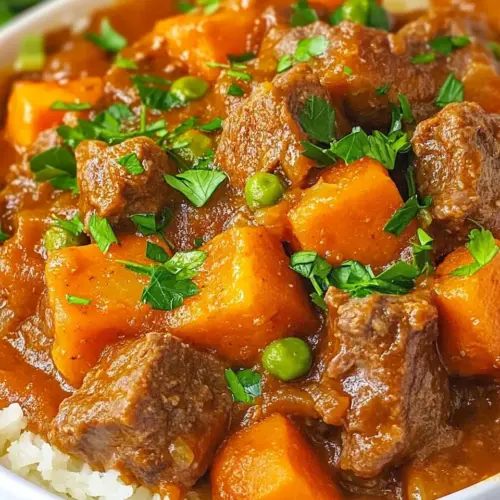
I love the way chunky carrot and diced celery hold their texture against melt in your mouth meat. The pop of frozen peas added at the end brings a fresh color contrast and a sweet note that lifts the savory base. A sprinkle of chopped fresh parsley brightens each bowl and gives the stew a finished look.
Reliable Flavor Built from Pantry Staples
This recipe uses pantry friendly items like tomato sauce, olive oil, and common spices such as paprika and cumin. That means it’s easy to pull together without a special shopping trip. Because the ingredients are familiar, you can confidently scale the dish for a family meal or a small gathering.
Versatile Serving Options
I appreciate how Oven Beef Stew adapts to different meals. Serve it over mashed potatoes for a classic feel, spoon it over rice for a quick dinner, or ladle it on buttered egg noodles for a cozy twist. The stew stores and freezes well, so you can make a double batch for added convenience. Each option highlights the stew‘s hearty character in a slightly different way, which keeps it interesting.
What to Buy for Oven Beef Stew
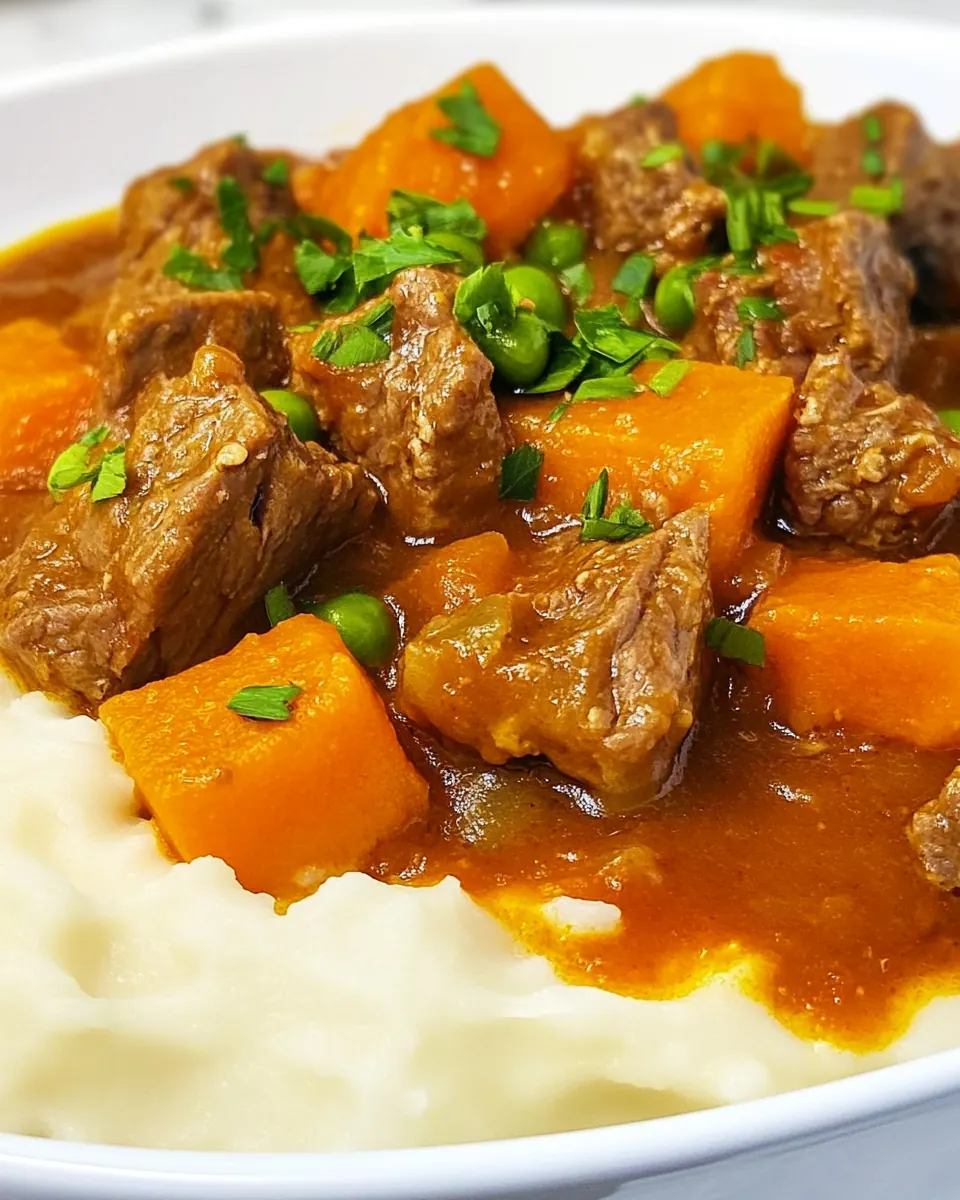
These ingredients are chosen to build depth and balance. The beef provides the rich backbone, while the vegetables contribute sweetness, texture, and aromatic foundations. Tomato based elements lend acidity and body, and simple spices round everything out. Together, they create a stew that feels slow cooked and homey, yet comes together with minimal fuss.
- 2 pounds beef stew meat: Brown thoroughly to develop deep, savory flavor and create fond for the stew; provides hearty texture and protein that becomes tender during long, slow cooking in the oven.
- 4 carrots peeled and sliced into 1/2 inch pieces: Add after peeling and slicing to contribute natural sweetness, body, and slight starchiness; softens while cooking and helps thicken the stew broth with its released juices.
- 1 small sweet onion diced: Sauté until translucent to build aromatic sweetness and savory depth; contributes delicate flavor layers that balance richer ingredients when the dish finishes cooking.
- 2 cloves garlic minced: Mince finely and cook briefly to release pungent, aromatic oils that brighten the stew; enhances overall savory complexity and pairs well with herbs and spices.
- 1 cup chopped celery: Chop into even pieces and add for aromatic backbone and slight crunch that mellows with slow cooking; contributes moisture and savory nuance to the broth.
- 14 ounces tomato sauce or diced tomatoes, undrained: Pour in undrained to supply acidity, tomato flavor, and liquid base; binds flavors together and adds body whether using sauce or diced tomatoes with their juices.
- 1 teaspoon kosher salt: Season evenly to bring out natural flavors, balance sweetness and acidity, and enhance the savory profile; helps to season both meat and vegetables throughout cooking.
- 1 teaspoon granulated sugar: Sprinkle to counteract acidity and round out flavors; adds subtle sweetness that balances tomatoes and deepens the overall flavor profile of the stew.
- 1 teaspoon paprika: Add to impart warm, earthy smokiness and color; complements the meat and vegetables while contributing a subtle depth to the dish.
- 1 teaspoon ground cumin: Stir in to provide warm, slightly nutty and earthy notes that complement beef and tomatoes; adds a distinctive aromatic layer to the stew's spice blend.
- 1 tablespoon olive oil: Heat briefly to brown and sauté aromatics and meat; provides fat for flavor development and helps sear beef to lock in juices before oven cooking.
- 1 dried bay leaf: Tuck into the pot to infuse a subtle, herbal bitterness and aromatic note during simmering; remove before serving to avoid overpowering the dish.
- 1 1/2 cups frozen peas: Stir in near the end of cooking to add bright color, sweet flavor, and a tender pop; frozen peas thaw quickly and preserve a fresh contrast to rich stew.
- chopped fresh parsley to garnish: Garnish chopped to add a fresh, herbal finish and bright visual contrast; sprinkled over the stew just before serving for aromatic uplift and color.
Step by Step Guide for Oven Beef Stew
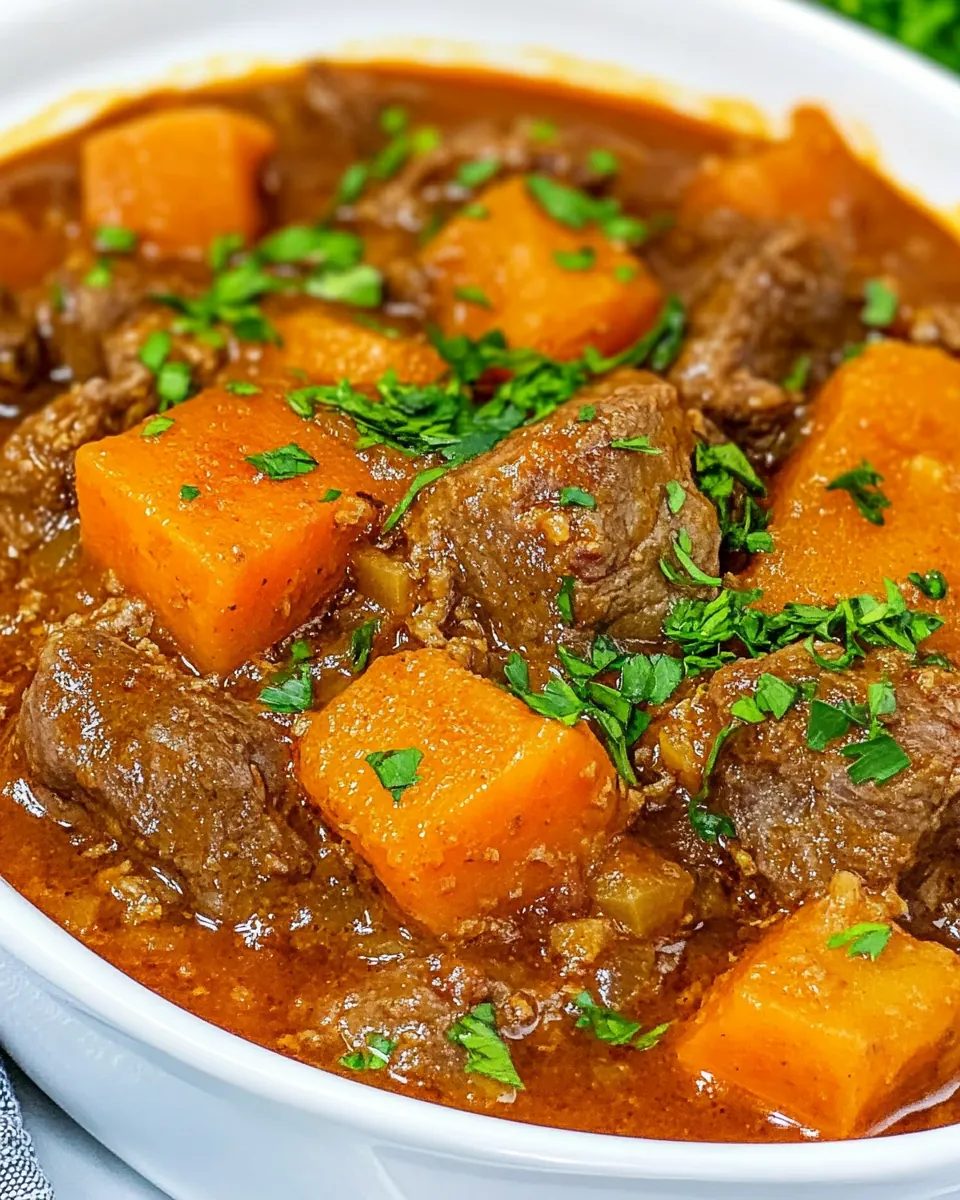
I like to think of this as a layering process where each start point builds toward a rich finish. The instructions below expand each direction into detailed, sensory driven guidance so you know exactly what to look, smell, and feel for as you go.
- Preheat the oven to 350°F/180°C. Spray a 2.5 quart baking dish with cooking spray and set it aside.: As the oven warms, you will notice a gentle rush of heat and a faint warm metal scent from the racks, which signals readiness; setting the oven properly ensures steady, even cooking and prevents underdone sections. Make sure the rack is centered so heat circulates evenly, a common mistake is placing the dish too close to the top where it can brown unevenly. The prepared dish should be greased so the stew releases easily when served, you want the surface lightly slick to the touch.
- Cut the stew meat into bite size pieces if needed.: As you work, the beef should feel cool and slightly tacky, and uniform pieces about one to one and a half inches ensure even tenderness. The exposed flesh will be a deep red with flecks of marbling that promise succulence after the long bake. A typical error here is leaving wildly varying sizes which causes some pieces to overcook while others remain tough; trimming larger chunks down avoids that. Use a sharp knife and steady strokes to keep edges clean, which also helps the meat brown and release juices into the sauce.
- Place the beef, carrots, onion, garlic, celery, tomato sauce or diced tomatoes, salt, sugar, paprika, cumin, and olive oil in a large bowl. Stir well to coat the meat in the seasoned tomato sauce. Add this mixture to the prepared baking dish.: When you combine everything, the bowl fills with layered aromas of raw onion , pungent garlic , and spices; the olive oil gives a slight sheen that helps the seasoning adhere. Toss until the beef looks evenly coated and the vegetables are thoroughly mixed in, this contact ensures the meat absorbs flavor while the tomatoes provide the braising liquid. Avoid under mixing which can leave pockets of unseasoned meat, and also be careful not to overwork the meat which can change the texture. Transfer gently so the ingredients remain evenly distributed in the baking dish.
- Tuck the bay leaf into the stew. Cover the dish with foil and bake in the preheated oven for 2 hours or until the beef is tender and the liquid has slightly thickened. Stir the stew every half hour or so.: During the first hour you will see the tomato liquid simmering quietly under foil, small steam droplets collecting on the underside of the cover. As it progresses, the scent deepens into a roasted tomato and beef perfume, and the surface will show gentle bubbling through the foil. Stirring every thirty minutes encourages even cooking and prevents sticking, the sound is a soft swish as the vegetables move and juices redistribute. A common slip is removing the lid too often, which lets heat escape and prolongs cooking, so lift the foil briefly and return it promptly. You'll know it's ready when the beef yields easily to a fork and the sauce clings to the back of a spoon.
- When the meat has cooked, remove the stew from the oven and find and discard the bay leaf. Stir in the frozen peas. Cover and let sit for 5 minutes to allow the peas to thaw and warm through.: Pulling the dish from the oven releases a deeper, richer aroma, and you may notice a faint steam haze rising. Removing the bay leaf is critical because it can be tough and overly aromatic if left in, so search the surface and edges carefully. When you fold in the frozen peas , they will release a sharp green scent and their bright color will contrast with the tomato sauce; covering for about five minutes lets them soften without losing firmness. Avoid adding the peas too early or they will become mushy and lose their pop, and resist the urge to over stir which can break them down. After resting, the peas should be vibrant and just warm through.
- Serve over mashed potatoes, garnished with fresh parsley.: The final presentation is tactile and aromatic; spooning the stew over warm mashed potatoes produces a steam rising cloud and a comforting combination of silky starch and robust sauce. The chopped fresh parsley offers a bright herbaceous note, and visually it pops against the deep red and brown of the stew. One common oversight is serving in cold dishes which cools the stew too quickly, so warm serving bowls if possible. Plate generously so each helping has a balance of beef , vegetables, and sauce; take a moment to taste and adjust salt if needed just before serving.
Helpful Notes about Oven Beef Stew
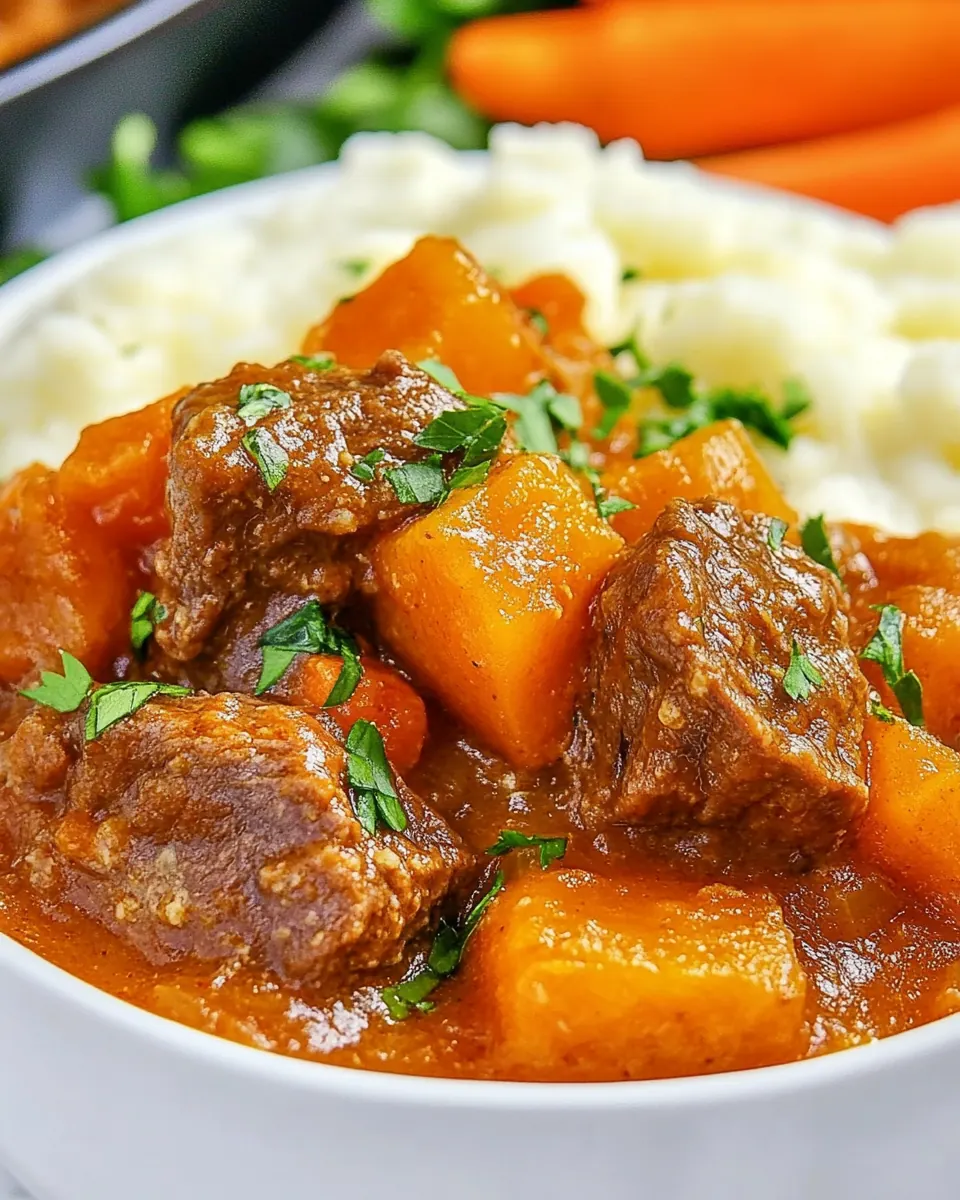
This section expands useful pointers I have picked up from testing this recipe. These notes help you avoid common mistakes, improve flavor, and adapt the stew to different serving situations. Read through before you start for a smoother cooking experience.
- Choose the right dish. Using a 2.5 quart oval dish or a 9x9x3 inch square dish ensures the liquid concentrates properly, which gives you a thick, spoonable sauce instead of a watery broth.
- Trim and size the beef evenly. Cut the beef into consistent pieces so they tenderize at the same rate; uneven sizes lead to mixed textures where some bites may be overdone while others stay tough.
- Stir gently and intermittently. Stirring every thirty minutes redistributes juices and prevents scorching on the bottom; avoid vigorous stirring which can break down vegetables into mush.
- Check seasoning near the end. Taste the stew after baking and before serving, adjust the salt or a pinch more sugar if the tomatoes taste too acidic, this keeps the balance bright and round.
- Make ahead friendly. This stew often tastes better the next day as flavors meld, so consider cooking it a day in advance and reheating gently for an even deeper profile.
Side Dish Ideas for Oven Beef Stew
This stew pairs beautifully with starchy, creamy, or simply seasoned sides. Below are options that work for weeknight dinners, cozy weekend meals, and special gatherings. Each suggestion includes practical serving notes and seasonal pairings so you can match the stew to the occasion.
- Mashed potatoes. Classic and comforting, creamy mashed potatoes are my go to because they soak up the sauce, creating a perfect bite combining silky starch with savory beef and tomato sauce. Serve immediately while both components are hot.
- Egg noodles. Buttered egg noodles provide a simple, slightly chewy base that complements the stew‘s robust sauce; they are quick to prepare and especially good for casual family dinners.
- Steamed rice. Plain steamed rice is an easy, neutral companion that highlights the stew‘s flavors and makes the meal stretch further for larger gatherings or budget friendly family nights.
- Crusty bread. A warm, crusty loaf is ideal for soaking up every last drop of sauce; this is perfect for relaxed weekend meals where lingering at the table is part of the plan.
- Green salad. A simple green salad with a light vinaigrette provides a refreshing contrast to the rich stew, balancing the palate and adding a crisp textural element, ideal for a lighter dinner option.
- Occasions and storage. This dish is perfect for cold weather dinners, weekend family meals, or Ramadan if you want a hearty iftar. Store leftovers in an airtight container in the fridge for up to four days, or freeze for up to three months. Reheat gently on the stove or in the oven to preserve texture.
FAQ
Conclusion
Oven Beef Stew stands out because it turns straightforward pantry staples into a deeply flavored, comforting meal that warms both body and soul. Try it when you want a hands off dinner that still delivers tender meat and a rich, spoonable sauce. It’s forgiving, delicious, and ideal for serving family style or saving for leftovers; give it a go on a chilly evening and enjoy how a simple baking method can produce such satisfying results.
Oven Beef Stew
Equipment
- Baking dish 2.5 quart or 9x9x3 inch baking dish
- Mixing Bowl
Ingredients
- 2 pounds beef stew meat Brown thoroughly to develop deep, savory flavor and create fond for the stew; provides hearty texture and protein that becomes tender during long, slow cooking in the oven.
- 4 carrots peeled and sliced into 1/2 inch pieces Add after peeling and slicing to contribute natural sweetness, body, and slight starchiness; softens while cooking and helps thicken the stew broth with its released juices.
- 1 small sweet onion diced Sauté until translucent to build aromatic sweetness and savory depth; contributes delicate flavor layers that balance richer ingredients when the dish finishes cooking.
- 2 cloves garlic minced Mince finely and cook briefly to release pungent, aromatic oils that brighten the stew; enhances overall savory complexity and pairs well with herbs and spices.
- 1 cup chopped celery Chop into even pieces and add for aromatic backbone and slight crunch that mellows with slow cooking; contributes moisture and savory nuance to the broth.
- 14 ounces tomato sauce or diced tomatoes, undrained Pour in undrained to supply acidity, tomato flavor, and liquid base; binds flavors together and adds body whether using sauce or diced tomatoes with their juices.
- 1 teaspoon kosher salt Season evenly to bring out natural flavors, balance sweetness and acidity, and enhance the savory profile; helps to season both meat and vegetables throughout cooking.
- 1 teaspoon granulated sugar Sprinkle to counteract acidity and round out flavors; adds subtle sweetness that balances tomatoes and deepens the overall flavor profile of the stew.
- 1 teaspoon paprika Add to impart warm, earthy smokiness and color; complements the meat and vegetables while contributing a subtle depth to the dish.
- 1 teaspoon ground cumin Stir in to provide warm, slightly nutty and earthy notes that complement beef and tomatoes; adds a distinctive aromatic layer to the stew's spice blend.
- 1 tablespoon olive oil Heat briefly to brown and sauté aromatics and meat; provides fat for flavor development and helps sear beef to lock in juices before oven cooking.
- 1 dried bay leaf Tuck into the pot to infuse a subtle, herbal bitterness and aromatic note during simmering; remove before serving to avoid overpowering the dish.
- 1 1/2 cups frozen peas Stir in near the end of cooking to add bright color, sweet flavor, and a tender pop; frozen peas thaw quickly and preserve a fresh contrast to rich stew.
- chopped fresh parsley to garnish Garnish chopped to add a fresh, herbal finish and bright visual contrast; sprinkled over the stew just before serving for aromatic uplift and color.
Instructions
- Preheat the oven to 350°F/180°C. Spray a 2.5 quart baking dish with cooking spray and set it aside.: As the oven warms, you will notice a gentle rush of heat and a faint warm metal scent from the racks, which signals readiness; setting the oven properly ensures steady, even cooking and prevents underdone sections. Make sure the rack is centered so heat circulates evenly, a common mistake is placing the dish too close to the top where it can brown unevenly. The prepared dish should be greased so the stew releases easily when served, you want the surface lightly slick to the touch.
- Cut the stew meat into bite size pieces if needed.: As you work, the beef should feel cool and slightly tacky, and uniform pieces about one to one and a half inches ensure even tenderness. The exposed flesh will be a deep red with flecks of marbling that promise succulence after the long bake. A typical error here is leaving wildly varying sizes which causes some pieces to overcook while others remain tough; trimming larger chunks down avoids that. Use a sharp knife and steady strokes to keep edges clean, which also helps the meat brown and release juices into the sauce.
- Place the beef, carrots, onion, garlic, celery, tomato sauce or diced tomatoes, salt, sugar, paprika, cumin, and olive oil in a large bowl. Stir well to coat the meat in the seasoned tomato sauce. Add this mixture to the prepared baking dish.: When you combine everything, the bowl fills with layered aromas of raw onion , pungent garlic , and spices; the olive oil gives a slight sheen that helps the seasoning adhere. Toss until the beef looks evenly coated and the vegetables are thoroughly mixed in, this contact ensures the meat absorbs flavor while the tomatoes provide the braising liquid. Avoid under mixing which can leave pockets of unseasoned meat, and also be careful not to overwork the meat which can change the texture. Transfer gently so the ingredients remain evenly distributed in the baking dish.
- Tuck the bay leaf into the stew. Cover the dish with foil and bake in the preheated oven for 2 hours or until the beef is tender and the liquid has slightly thickened. Stir the stew every half hour or so.: During the first hour you will see the tomato liquid simmering quietly under foil, small steam droplets collecting on the underside of the cover. As it progresses, the scent deepens into a roasted tomato and beef perfume, and the surface will show gentle bubbling through the foil. Stirring every thirty minutes encourages even cooking and prevents sticking, the sound is a soft swish as the vegetables move and juices redistribute. A common slip is removing the lid too often, which lets heat escape and prolongs cooking, so lift the foil briefly and return it promptly. You'll know it's ready when the beef yields easily to a fork and the sauce clings to the back of a spoon.
- When the meat has cooked, remove the stew from the oven and find and discard the bay leaf. Stir in the frozen peas. Cover and let sit for 5 minutes to allow the peas to thaw and warm through.: Pulling the dish from the oven releases a deeper, richer aroma, and you may notice a faint steam haze rising. Removing the bay leaf is critical because it can be tough and overly aromatic if left in, so search the surface and edges carefully. When you fold in the frozen peas , they will release a sharp green scent and their bright color will contrast with the tomato sauce; covering for about five minutes lets them soften without losing firmness. Avoid adding the peas too early or they will become mushy and lose their pop, and resist the urge to over stir which can break them down. After resting, the peas should be vibrant and just warm through.
- Serve over mashed potatoes, garnished with fresh parsley.: The final presentation is tactile and aromatic; spooning the stew over warm mashed potatoes produces a steam rising cloud and a comforting combination of silky starch and robust sauce. The chopped fresh parsley offers a bright herbaceous note, and visually it pops against the deep red and brown of the stew. One common oversight is serving in cold dishes which cools the stew too quickly, so warm serving bowls if possible. Plate generously so each helping has a balance of beef , vegetables, and sauce; take a moment to taste and adjust salt if needed just before serving.
Notes
- Choose the right dish. Using a 2.5 quart oval dish or a 9x9x3 inch square dish ensures the liquid concentrates properly, which gives you a thick, spoonable sauce instead of a watery broth.
- Trim and size the beef evenly. Cut the beef into consistent pieces so they tenderize at the same rate; uneven sizes lead to mixed textures where some bites may be overdone while others stay tough.
- Stir gently and intermittently. Stirring every thirty minutes redistributes juices and prevents scorching on the bottom; avoid vigorous stirring which can break down vegetables into mush.
- Check seasoning near the end. Taste the stew after baking and before serving, adjust the salt or a pinch more sugar if the tomatoes taste too acidic, this keeps the balance bright and round.
- Make ahead friendly. This stew often tastes better the next day as flavors meld, so consider cooking it a day in advance and reheating gently for an even deeper profile.