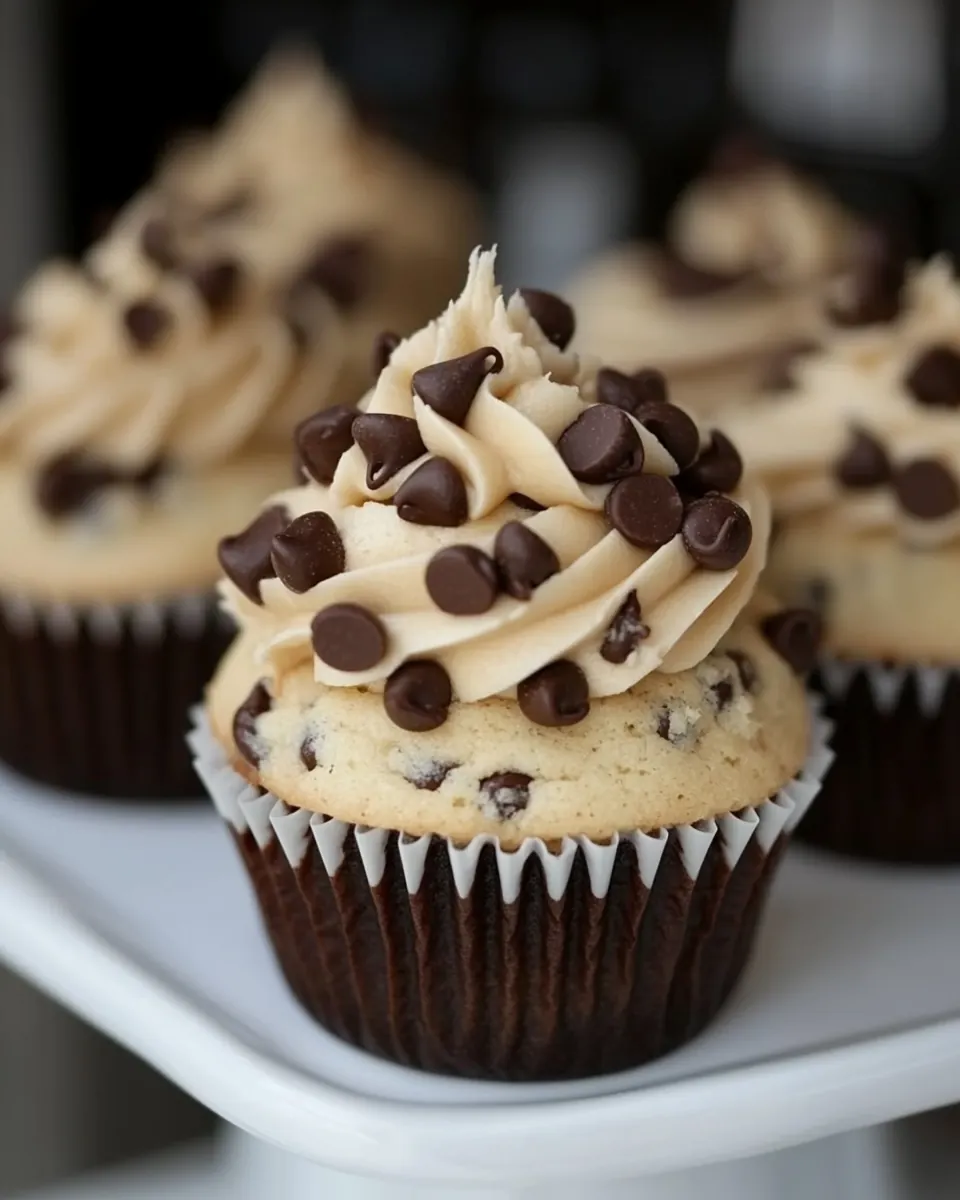
Chocolate Chip Cookie Cupcakes
Chocolate Chip Cookie Cupcakes started as a kitchen experiment the Sunday I wanted cookies with frosting but only had a muffin tin and a stubborn sweet tooth. I remember stirring a too thick batter while my kiddo danced around my ankles, insisting on counting chocolate chips as they went into the bowl. That first batch came out slightly domed, warm, and impossibly tender, with pockets of melted chocolate chips that tasted like a nostalgic childhood treat, but dressed up for a party.
Over the next few months I refined the formula, swapping a little more butter here, a touch less granulated sugar there, and playing with the frosting texture until the swirl held but melted instantly on the tongue. I like making these when friends drop by unexpectedly, since they travel well and the crumb is forgiving if you need to frost them a day later. Each cupcake is portable comfort, and I often bring a tray to school events because they vanish before I can count how many I gave away.
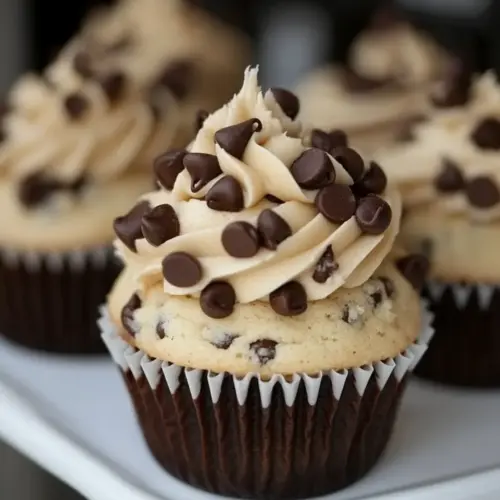
When you bake these, you’ll notice the kitchen filling with a warm, toasty aroma that hints of both baked cookie and cake, and it always makes guests smile. I enjoy pressing a few extra chocolate chips into the tops just before serving, because the look of glossy chips scattered over soft buttercream is irresistible. That small flourish turns simple snacks into something celebratory, and it is my go to when I want to make people feel welcome without fuss.
Recipe Snapshot
45 mins
20 mins
25 mins
Medium
250 kcal
American
Gluten-Free, Low FODMAP
Desserts
Electric mixer, Stand mixer, Muffin tin, Cupcake liners, Wire rack
Why This Chocolate Chip Cookie Cupcakes Is So Good
Classic Nostalgia, Elevated
I love how Chocolate Chip Cookie Cupcakes merge two favorites into one. The batter carries the familiar chew of a cookie, while the cupcake shape adds an airy bite. It feels like comfort food with a polished edge, and I enjoy serving them when I want something familiar but a little more special.
Textural Contrast
The interplay between a slightly dense, cookie like crumb and a smooth buttercream offers contrast in every bite. I often tell guests to note the way the crisp top gives way to tender interior, while the frosting adds a silky counterpoint. That balance is why I keep returning to this recipe.
Simple, Reliable Ingredients
What stands out is the ingredient list. It reads like pantry staples, which means I can pull these together without a special shopping trip. I especially value recipes that let butter and chocolate chips shine, so I avoid complicated flavor profiles that distract from that duo.
Friendly for Gatherings
These cupcakes are sturdy for transport and look inviting on a platter. I like bringing them to potlucks and neighborhood coffee mornings because they hold their shape and still taste fresh the next day. I also appreciate that you can make the frosting a day ahead and assemble when guests arrive.
Room for Personal Touches
Even though the recipe is reliable, there is space to make it yours. I sometimes press extra chocolate chips on top, or pipe a taller swirl of frosting when I want drama. You can keep it humble or make it showy, and it will always be crowd pleasing.
Ingredients You’ll Need for Chocolate Chip Cookie Cupcakes
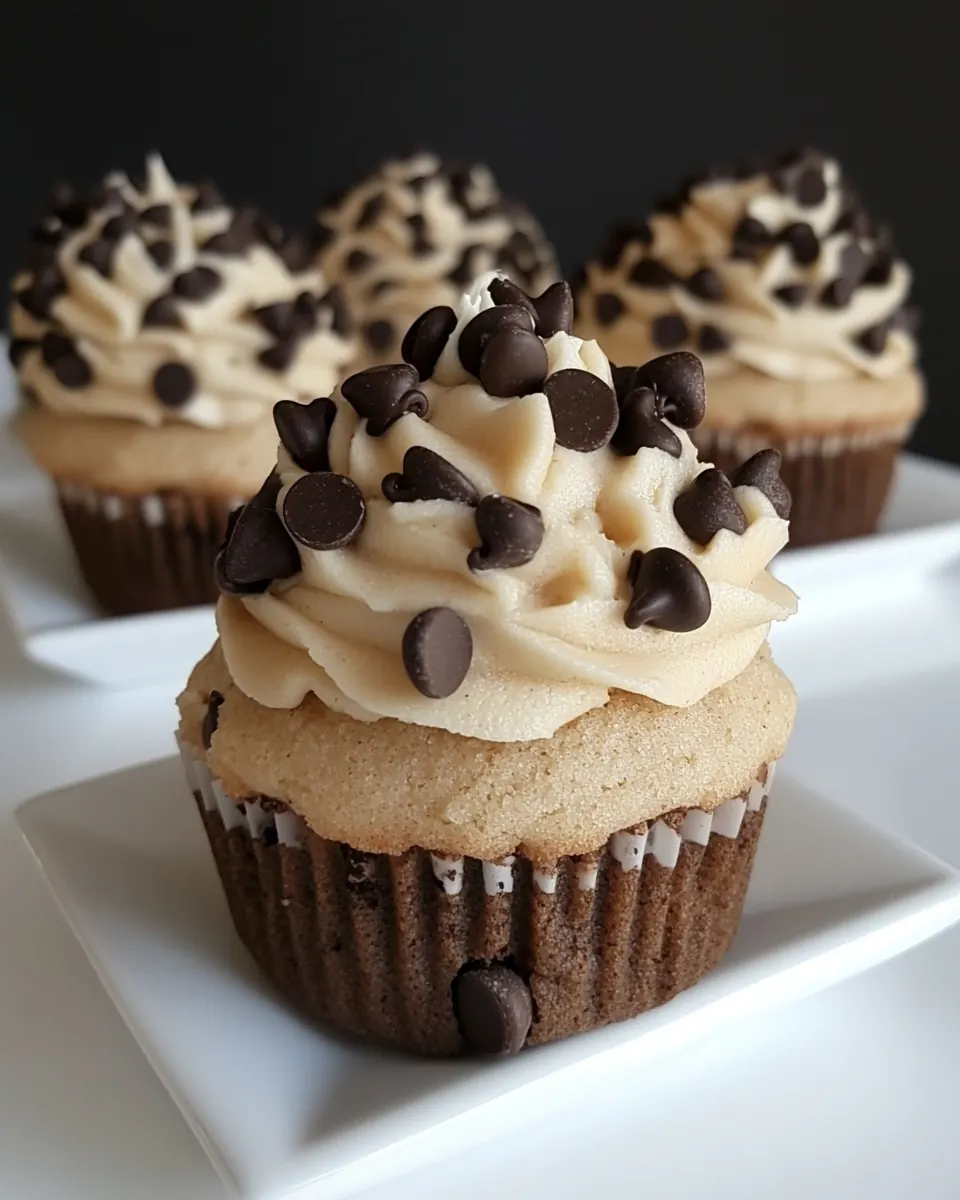
These ingredients are straightforward and cooperative. The structure comes from the all purpose flour and eggs, while the butter and sugars deliver tenderness and caramelized depth. Chocolate chips are the star, providing melty pockets and textural contrast. The buttercream players are simple too, offering a sweet, creamy finish that pairs perfectly with the cookie like crumb.
- Cookie Cupcakes: Used as the format for baking, provides a handheld presentation and creates individual cookie-centered cupcakes that bake evenly in muffin tins. Facilitates portion control and makes the dessert suitable for parties or gatherings. Helps crisp edges while keeping a soft, chewy center when baked properly.
- 1/2 pound 2 sticks or one cup unsalted butter, at room temperature: Cream together with sugars to create a rich, tender dough that contributes moisture and structure while aiding in browning during baking. Adds richness and a silky mouthfeel to the cookie cupcakes when at room temperature and properly creamed. Helps incorporate air when beaten to lighten the final texture.
- 1 cup light brown sugar (packed): Provides deep, caramel-like sweetness and moisture to the dough while contributing a slight chewiness. Packed brown sugar also enhances flavor complexity and helps retain softness in the finished cupcake. Works with butter to create the creamed base for proper texture and spread.
- 1/2 cup granulated sugar: Adds sweetness and helps create a lighter texture and crisp edges through caramelization. Aids in balancing the deeper notes of brown sugar and complements the butter for proper creaming. Contributes to the overall sweetness level without overpowering other flavors.
- 2 teaspoons pure vanilla extract: Imparts aromatic warmth and enhances the overall flavor profile with concentrated sweet, floral notes that complement the sugars and chocolate. Aids in rounding out the dough’s taste and masking any raw flour or egg flavors. Use pure vanilla for the most pronounced, clean flavor.
- 2 eggs (at room temperature): Provides structure, moisture, and leavening support while enriching the dough with fat and protein for tenderness. Beaten eggs help bind ingredients and contribute to rise and chewiness in the cookie cupcakes. Room–temperature eggs incorporate more easily for a smooth batter.
- 2 cups all-purpose flour: Forms the primary dry structure of the cookie cupcakes, providing gluten and bulk that set during baking. Works with fats and liquids to develop texture, with mixing technique determining chewiness versus cakiness. Sift or measure properly to maintain consistent results.
- 1 teaspoon baking soda: Acts as a chemical leavener that produces carbon dioxide when combined with acids or heat, helping the cupcakes lift and gain slight softness. Controls spread and lightness of the cookie batter, preventing overly dense results. Measure accurately to avoid bitter aftertastes or excessive rise.
- 1 teaspoon kosher salt: Balances sweetness and enhances flavor while strengthening gluten formation slightly; also helps control fermentation and interaction with leaveners. Influences the intensity of other flavors and contributes to overall seasoning of the dough. Use measured kosher salt for predictable salinity.
- 2 cups semisweet chocolate chips (I prefer Ghiradelli's, plus a handful more for topping the cupcake): Adds pockets of melted chocolate throughout the cookie cupcakes, providing rich, bittersweet contrast and texture variation when baked. Offers flavor depth and a pleasing melt-in-your-mouth quality, with extra chips on top creating visual appeal. Choose quality semisweet chips for balanced sweetness.
- Brown Sugar Buttercream: Serves as the frosting component that transforms cookie cupcakes into decorated, spreadable treats and provides a contrasting creamy texture. Allows piping and topping to enhance presentation while adding sweetness and richness. Complements the cookie base with a buttery, smooth finish.
- 1/4 pound 1 stick or 1/2 cup unsalted butter, softened: Contributes rich fat and a silky texture to the buttercream, lending depth of flavor and spreadability when softened. Helps stabilize the frosting and provides the main buttery taste that defines the buttercream character. Room–temperature butter ensures smooth incorporation with powdered sugar.
- 1/4 cup shortening: Adds body and stability to the buttercream while lightening texture and improving pipeability; shortening helps the frosting hold shape at room temperature. Neutral flavor helps the buttercream maintain a clean buttery profile without melting too quickly. Works well with butter to balance firmness and creaminess.
- 1/2 cup dark brown sugar (packed): Imparts deeper, molasses-like sweetness and moisture to the buttercream, enhancing caramel undertones and complexity. Packed dark brown sugar strengthens the frosting’s flavor and contributes to a richer color. Dissolves into the fats to create a smooth, flavored buttercream base.
- 3 cups powdered sugar: Provides structure and sweetness while forming a smooth, spreadable texture when sifted and incorporated into the buttercream. Absorbs moisture from the other ingredients, thickening the frosting to desired consistency for piping. Use fresh powdered sugar to avoid clumps in finished buttercream.
- Pinch salt: Enhances flavor by balancing sweetness and rounding out the buttercream’s profile while cutting richness slightly. A small pinch improves overall taste perception and can reduce any overly sweet or flat notes. Use sparingly to avoid noticeable salinity.
- 1 teaspoon pure vanilla extract: Adds aromatic depth and sweet complexity to the buttercream while complementing the brown sugar notes. Strengthens the overall flavor synergy between butter, sugar, and chocolate when used at the proper intensity. Pure vanilla yields the cleanest, most pronounced flavor.
- 3 tablespoons half-and-half: Adjusts the frosting’s consistency by adding fluidity and creates a creamy, spreadable texture for smoother piping and finishing. Contributes a slight richness that helps the buttercream feel lighter on the palate when used in small amounts. Use half-and-half to maintain a balanced creaminess without thinning excessively.
The Process for Making Chocolate Chip Cookie Cupcakes
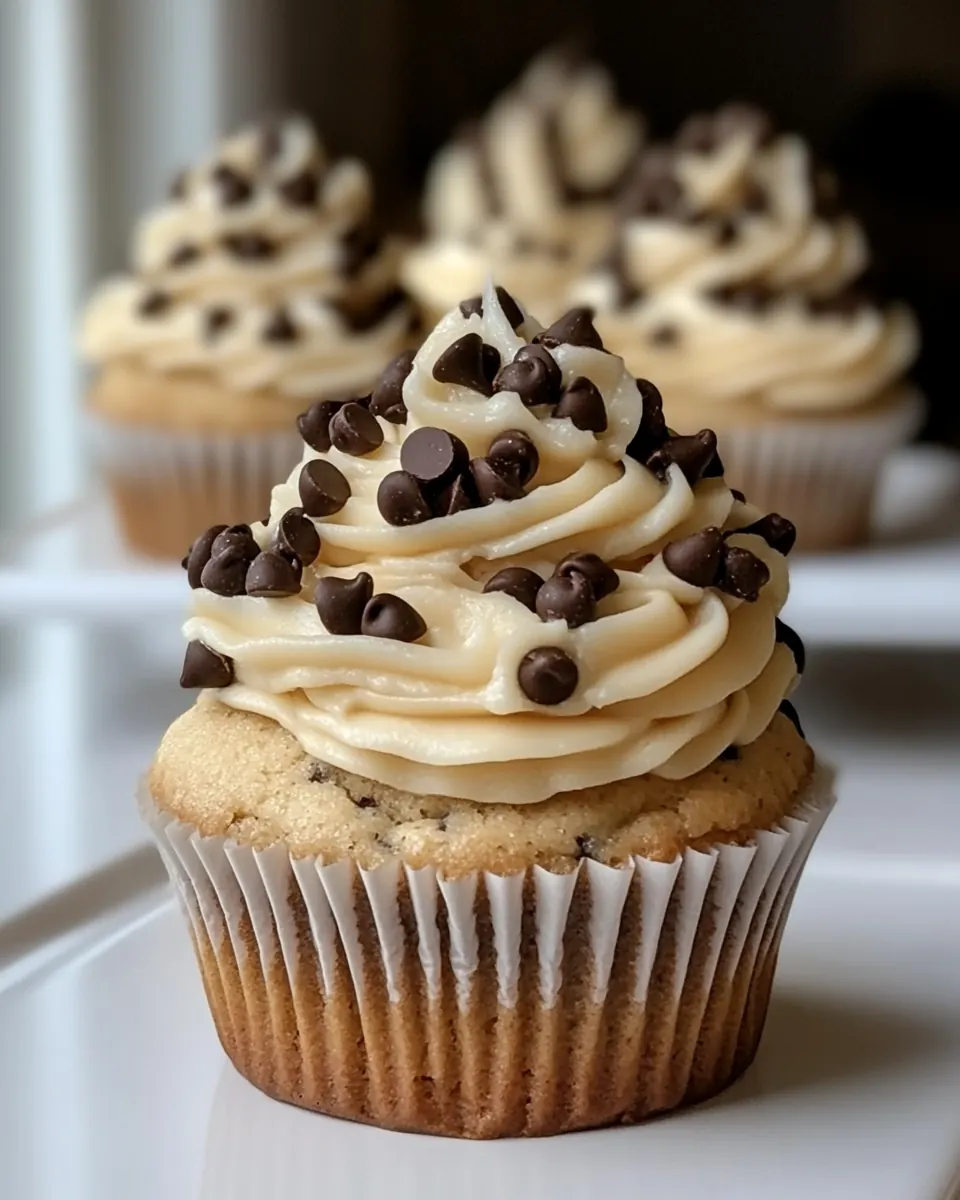
These steps are straightforward but rewarding. I like to work deliberately, noticing the texture changes and aroma at each stage. A timer and a relaxed pace will help you get consistent results, and you will find that small adjustments at key moments make a big difference in the final cupcake.
- Preheat the oven to 350 degrees Fahrenheit.: You will smell a faint warmth as the oven stabilizes, giving the air a dry, toasty scent that promises baked goods. This step ensures an even rise and proper set for the batter. If the oven is not fully preheated the cupcakes can bake unevenly or spread too much, so always wait until the dial reads the full temperature. A common mistake is placing pans into an oven that is still heating, which can lead to dense centers. Use an oven thermometer if your appliance runs hot or cool to maintain accuracy.
- Add cupcake liners to 15 standard-size baking cups.: The liners provide structure and make cleanup easy, plus they help the edges bake evenly and prevent sticking. Press each liner into the well until it sits flat, and arrange the filled pan on a middle rack for uniform heat. If you crowd the pan or use liners that are too small, cupcakes may overflow or bake unevenly. One thing I avoid is using over greased pans without liners, because it can make removing the cupcakes messy and tear the tops.
- In a large bowl, using an electric mixer with paddle attachment or a hand mixer, cream the butter, brown sugar and granulated sugar on medium-high speed for about three minutes, until pale yellow, light and fluffy.: You will notice the mixture becoming lighter in color and airy in texture, and the sound of the mixer will change from heavy to a smoother hum. This aeration creates lift and tenderness in the crumb. Scrape the bowl occasionally so everything mixes evenly. Over mixing at this stage can cause the batter to trap too much air, leading to large holes, while under mixing can leave sugar pockets. Stop when the texture is billowy and the sugars are well incorporated.
- Turn the mixer to low and add the eggs one at a time. Mix well.: When you add the first egg , the mixture will look a bit glossy, and each addition should blend completely before the next goes in. This sequence helps maintain emulsion, which supports a stable batter. If you add eggs too quickly the batter can break and appear curdled, which affects texture. If that happens, reduce speed and scrape the bowl while mixing, and the batter should come back together.
- Sift in the flour, baking soda and salt, then mix just until blended. Fold in the chocolate chips.: As you add the dry ingredients, you will see the batter thicken and take on a denser look. Mixing just until blended prevents gluten overdevelopment, keeping the cupcakes tender rather than chewy. Folding in the chocolate chips by hand preserves air and distributes the chocolate evenly. Over mixing here is the most common error, resulting in a tighter crumb. Stop as soon as streaks of flour disappear, and fold gently to combine the chips.
- Divide the batter between the 15 cups. The batter will be very thick.: Use a sturdy spoon or a cookie scoop to portion the batter, aiming for roughly equal amounts so they bake at the same rate. The thick batter will mound slightly in the liners, and that is expected because this recipe reads cookie like. If you underfill, cupcakes may bake faster and dry out; overfilling risks overflow. Keep consistent portions so each cupcake has a similar final texture and height.
- Pat the batter gently to create a somewhat level top.: Lightly tamping the top helps the cupcakes bake with a neat profile and makes frosting easier later. You will feel the dense batter compress slightly under your touch, but avoid smashing it flat. Pressing too hard can make the cupcakes compact and reduce tenderness. Aim for a gently smoothed top so heat travels evenly during baking and the final appearance is attractive.
- Bake for 25 minutes or until golden and well-set.: During baking you will notice the aroma of toasted sugar and warm butter filling the kitchen, and the tops will gain a golden color. A tester inserted in the center should come out with a few moist crumbs, not raw batter. If you open the oven too often to check, you risk uneven rise and longer bake time. Ovens vary, so start checking a few minutes before 25 minutes if your oven tends to run hot.
- Move to a wire rack and let cool completely.: Cooling on a rack allows air to circulate and prevents the bottoms from steaming and becoming soggy. You will see the crumb set as the cupcakes lose warmth, and waiting until they are completely cool is important before frosting, or the buttercream will melt. A typical mistake is frosting while still warm, which causes runny frosting and lost definition in piping. Be patient and let them come to room temperature.
- Now make the frosting! In a stand mixer with the whisk attachment or using a hand blender (with whisk attachment if you have it), mix the butter and shortening on medium speed for about three minutes.: The mixture will become lighter in color and airy, and you will notice a whipped, creamy texture forming. This base gives the frosting structure and prevents it from collapsing when piped. If the fats are too cold, the frosting can be lumpy; if too warm, it may be greasy. Use room temperature ingredients and stop once it is uniformly fluffy.
- Add the brown sugar and mix for about another three minutes.: The addition will create a deeper color and a caramel like aroma, and the texture will remain smooth and satiny as it incorporates. Brown sugar brings molasses notes that complement the semisweet chocolate chips in the cupcakes. If the sugar is not fully dissolved, you may feel slight grittiness, so mix until smooth. Avoid overwhipping which can incorporate too much air, making the frosting unstable.
- Turn the mixer to low, and slowly add the confectioner's sugar. Blend well.: Adding the powdered sugar on low prevents clouds of sugar and keeps the frosting smooth. As the sugar blends, the frosting will thicken, creating a pipeable consistency. If you add sugar too fast you may end up with lumps or a dry frosting. Scrape the sides and blend until the texture is even and soft.
- Continue mixing on low and add the vanilla and the pinch of salt, then slowly add the half-and-half until the frosting reaches desired spreading consistency.: The vanilla extract and pinch salt heighten the flavor and balance sweetness, while the half-and-half adjusts the texture so the frosting spreads without breaking. Add liquid gradually to avoid a runny finish. If the frosting becomes too thin, chill briefly and then rewhip; if too thick, stir in a little more half-and-half.
- Spread or pipe the frosting onto the cupcakes, then press a few additional chocolate chips into the top.: As you frost, you will notice the contrast between the smooth buttercream and the slightly grainy, cozy crumb. Pressing a few chocolate chips into each crown provides an attractive finishing touch and an extra burst of chocolate in every bite. Avoid over decorating if serving outdoors in heat, since the frosting can soften. Work quickly in warm conditions and keep cupcakes refrigerated until serving if needed.
Helpful Hints
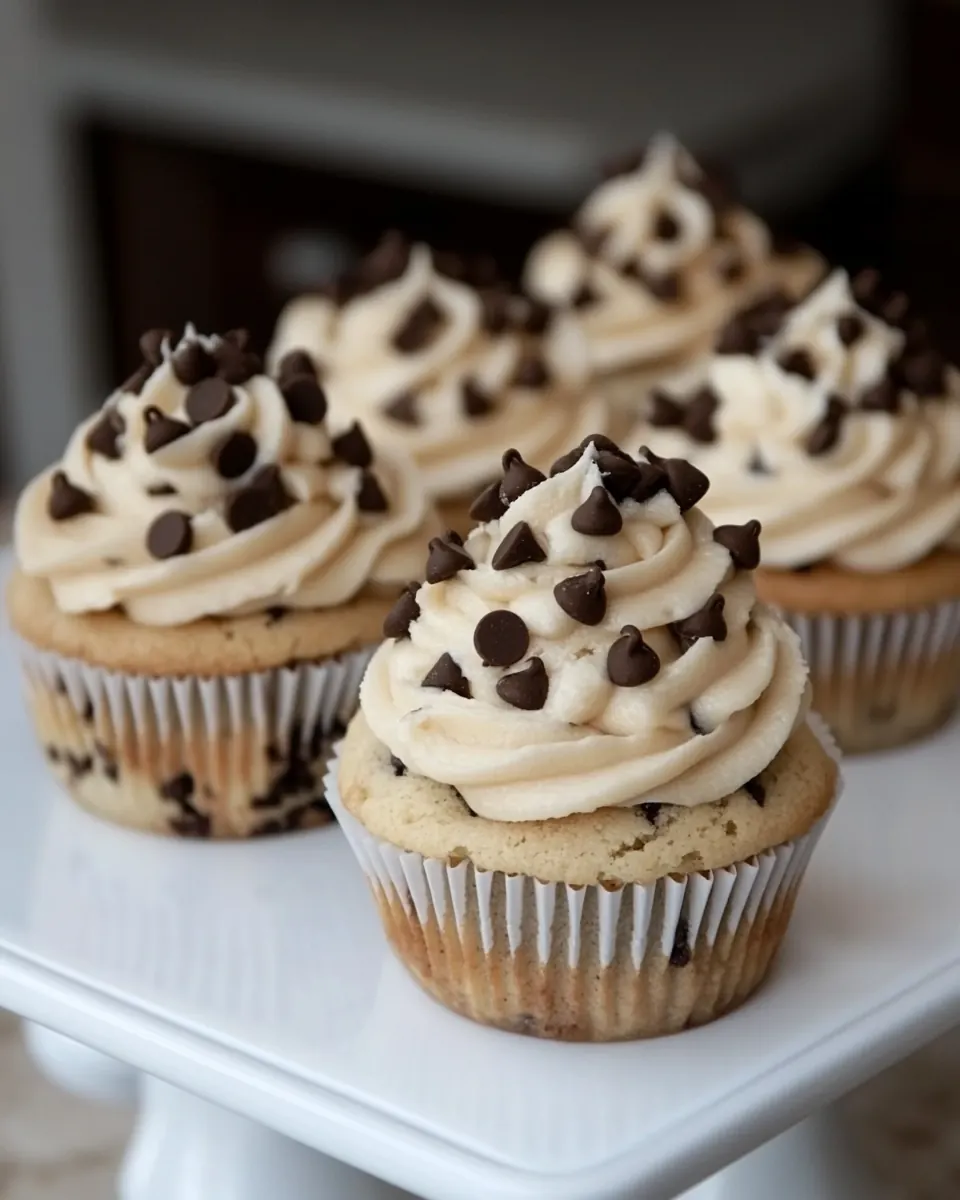
I rely on a handful of tried tips that keep these cupcakes consistent and crowd pleasing. The list below expands on little tricks from ingredient prep to finishing touches that make a big difference when you bake a batch.
- Room temperature fats and eggs: Having your unsalted butter and eggs at room temperature ensures a smooth emulsion and a stable batter, which leads to a tender, evenly textured cupcake.
- Even scoops matter: Use a cookie scoop to portion batter into the 15 liners so each cupcake bakes in the same time and yields consistent height and texture.
- Don’t overfill liners: Fill each cup to about two thirds full so the cupcakes rise without overflowing, preserving a neat look and avoiding wasted batter.
- Check doneness by feel: A lightly springy top and a tester with a few moist crumbs indicate doneness, rather than a perfectly dry skewer which can mean overbaking.
- Chill frosting for piping: If your buttercream becomes too soft while you work, chill it briefly and then re whip to restore structure before piping decorative swirls.
Perfect Matches for Chocolate Chip Cookie Cupcakes
- Casual gatherings: These cupcakes are ideal for birthday parties, school functions, or an afternoon get together because they are easy to transport and serve.
- Pair with coffee or milk: A glass of cold milk or a robust cup of coffee complements the sweetness and enhances the chocolate notes, making them a perfect snack or dessert.
- Seasonal celebrations: Whether it is a summer picnic or a cozy winter tea, these cupcakes adapt well to seasonal settings and travel without losing texture.
- Storage tips: Keep frosted cupcakes in a single layer in an airtight container in the refrigerator for up to two days, or freeze unfrosted cupcakes for up to one month and thaw before frosting.
- Serving style: Arrange on a platter at room temperature and add a few extra chocolate chips on top for visual appeal and a burst of melty chocolate in the first bite.
FAQ
Conclusion
These Chocolate Chip Cookie Cupcakes stand out because they combine the best traits of cookies and cupcakes into a single, irresistible bite. They are easy to assemble with pantry ingredients, offer comforting textures, and present beautifully for any gathering. I encourage you to give them a try soon, and tweak small details to make them your own, whether that is adding a few extra chips on top or piping a taller swirl of brown sugar buttercream. Share them with friends, and enjoy the smiles that follow.
Chocolate Chip Cookie Cupcakes
Equipment
- Electric Mixer
- Stand mixer
- Muffin Tin
- cupcake liners
- Wire Rack
Ingredients
- Cookie Cupcakes Used as the format for baking, provides a handheld presentation and creates individual cookie-centered cupcakes that bake evenly in muffin tins. Facilitates portion control and makes the dessert suitable for parties or gatherings. Helps crisp edges while keeping a soft, chewy center when baked properly.
- 1/2 pound 2 sticks or one cup unsalted butter, at room temperature Cream together with sugars to create a rich, tender dough that contributes moisture and structure while aiding in browning during baking. Adds richness and a silky mouthfeel to the cookie cupcakes when at room temperature and properly creamed. Helps incorporate air when beaten to lighten the final texture.
- 1 cup light brown sugar (packed) Provides deep, caramel-like sweetness and moisture to the dough while contributing a slight chewiness. Packed brown sugar also enhances flavor complexity and helps retain softness in the finished cupcake. Works with butter to create the creamed base for proper texture and spread.
- 1/2 cup granulated sugar Adds sweetness and helps create a lighter texture and crisp edges through caramelization. Aids in balancing the deeper notes of brown sugar and complements the butter for proper creaming. Contributes to the overall sweetness level without overpowering other flavors.
- 2 teaspoons pure vanilla extract Imparts aromatic warmth and enhances the overall flavor profile with concentrated sweet, floral notes that complement the sugars and chocolate. Aids in rounding out the dough’s taste and masking any raw flour or egg flavors. Use pure vanilla for the most pronounced, clean flavor.
- 2 eggs (at room temperature) Provides structure, moisture, and leavening support while enriching the dough with fat and protein for tenderness. Beaten eggs help bind ingredients and contribute to rise and chewiness in the cookie cupcakes. Room-temperature eggs incorporate more easily for a smooth batter.
- 2 cups all-purpose flour Forms the primary dry structure of the cookie cupcakes, providing gluten and bulk that set during baking. Works with fats and liquids to develop texture, with mixing technique determining chewiness versus cakiness. Sift or measure properly to maintain consistent results.
- 1 teaspoon baking soda Acts as a chemical leavener that produces carbon dioxide when combined with acids or heat, helping the cupcakes lift and gain slight softness. Controls spread and lightness of the cookie batter, preventing overly dense results. Measure accurately to avoid bitter aftertastes or excessive rise.
- 1 teaspoon kosher salt Balances sweetness and enhances flavor while strengthening gluten formation slightly; also helps control fermentation and interaction with leaveners. Influences the intensity of other flavors and contributes to overall seasoning of the dough. Use measured kosher salt for predictable salinity.
- 2 cups semisweet chocolate chips (I prefer Ghiradelli's, plus a handful more for topping the cupcake) Adds pockets of melted chocolate throughout the cookie cupcakes, providing rich, bittersweet contrast and texture variation when baked. Offers flavor depth and a pleasing melt-in-your-mouth quality, with extra chips on top creating visual appeal. Choose quality semisweet chips for balanced sweetness.
- Brown Sugar Buttercream Serves as the frosting component that transforms cookie cupcakes into decorated, spreadable treats and provides a contrasting creamy texture. Allows piping and topping to enhance presentation while adding sweetness and richness. Complements the cookie base with a buttery, smooth finish.
- 1/4 pound 1 stick or 1/2 cup unsalted butter, softened Contributes rich fat and a silky texture to the buttercream, lending depth of flavor and spreadability when softened. Helps stabilize the frosting and provides the main buttery taste that defines the buttercream character. Room-temperature butter ensures smooth incorporation with powdered sugar.
- 1/4 cup shortening Adds body and stability to the buttercream while lightening texture and improving pipeability; shortening helps the frosting hold shape at room temperature. Neutral flavor helps the buttercream maintain a clean buttery profile without melting too quickly. Works well with butter to balance firmness and creaminess.
- 1/2 cup dark brown sugar (packed) Imparts deeper, molasses-like sweetness and moisture to the buttercream, enhancing caramel undertones and complexity. Packed dark brown sugar strengthens the frosting’s flavor and contributes to a richer color. Dissolves into the fats to create a smooth, flavored buttercream base.
- 3 cups powdered sugar Provides structure and sweetness while forming a smooth, spreadable texture when sifted and incorporated into the buttercream. Absorbs moisture from the other ingredients, thickening the frosting to desired consistency for piping. Use fresh powdered sugar to avoid clumps in finished buttercream.
- Pinch salt Enhances flavor by balancing sweetness and rounding out the buttercream’s profile while cutting richness slightly. A small pinch improves overall taste perception and can reduce any overly sweet or flat notes. Use sparingly to avoid noticeable salinity.
- 1 teaspoon pure vanilla extract Adds aromatic depth and sweet complexity to the buttercream while complementing the brown sugar notes. Strengthens the overall flavor synergy between butter, sugar, and chocolate when used at the proper intensity. Pure vanilla yields the cleanest, most pronounced flavor.
- 3 tablespoons half-and-half Adjusts the frosting’s consistency by adding fluidity and creates a creamy, spreadable texture for smoother piping and finishing. Contributes a slight richness that helps the buttercream feel lighter on the palate when used in small amounts. Use half-and-half to maintain a balanced creaminess without thinning excessively.
Instructions
- Preheat the oven to 350 degrees Fahrenheit.: You will smell a faint warmth as the oven stabilizes, giving the air a dry, toasty scent that promises baked goods. This step ensures an even rise and proper set for the batter. If the oven is not fully preheated the cupcakes can bake unevenly or spread too much, so always wait until the dial reads the full temperature. A common mistake is placing pans into an oven that is still heating, which can lead to dense centers. Use an oven thermometer if your appliance runs hot or cool to maintain accuracy.
- Add cupcake liners to 15 standard-size baking cups.: The liners provide structure and make cleanup easy, plus they help the edges bake evenly and prevent sticking. Press each liner into the well until it sits flat, and arrange the filled pan on a middle rack for uniform heat. If you crowd the pan or use liners that are too small, cupcakes may overflow or bake unevenly. One thing I avoid is using over greased pans without liners, because it can make removing the cupcakes messy and tear the tops.
- In a large bowl, using an electric mixer with paddle attachment or a hand mixer, cream the butter, brown sugar and granulated sugar on medium-high speed for about three minutes, until pale yellow, light and fluffy.: You will notice the mixture becoming lighter in color and airy in texture, and the sound of the mixer will change from heavy to a smoother hum. This aeration creates lift and tenderness in the crumb. Scrape the bowl occasionally so everything mixes evenly. Over mixing at this stage can cause the batter to trap too much air, leading to large holes, while under mixing can leave sugar pockets. Stop when the texture is billowy and the sugars are well incorporated.
- Turn the mixer to low and add the eggs one at a time. Mix well.: When you add the first egg , the mixture will look a bit glossy, and each addition should blend completely before the next goes in. This sequence helps maintain emulsion, which supports a stable batter. If you add eggs too quickly the batter can break and appear curdled, which affects texture. If that happens, reduce speed and scrape the bowl while mixing, and the batter should come back together.
- Sift in the flour, baking soda and salt, then mix just until blended. Fold in the chocolate chips.: As you add the dry ingredients, you will see the batter thicken and take on a denser look. Mixing just until blended prevents gluten overdevelopment, keeping the cupcakes tender rather than chewy. Folding in the chocolate chips by hand preserves air and distributes the chocolate evenly. Over mixing here is the most common error, resulting in a tighter crumb. Stop as soon as streaks of flour disappear, and fold gently to combine the chips.
- Divide the batter between the 15 cups. The batter will be very thick.: Use a sturdy spoon or a cookie scoop to portion the batter, aiming for roughly equal amounts so they bake at the same rate. The thick batter will mound slightly in the liners, and that is expected because this recipe reads cookie like. If you underfill, cupcakes may bake faster and dry out; overfilling risks overflow. Keep consistent portions so each cupcake has a similar final texture and height.
- Pat the batter gently to create a somewhat level top.: Lightly tamping the top helps the cupcakes bake with a neat profile and makes frosting easier later. You will feel the dense batter compress slightly under your touch, but avoid smashing it flat. Pressing too hard can make the cupcakes compact and reduce tenderness. Aim for a gently smoothed top so heat travels evenly during baking and the final appearance is attractive.
- Bake for 25 minutes or until golden and well-set.: During baking you will notice the aroma of toasted sugar and warm butter filling the kitchen, and the tops will gain a golden color. A tester inserted in the center should come out with a few moist crumbs, not raw batter. If you open the oven too often to check, you risk uneven rise and longer bake time. Ovens vary, so start checking a few minutes before 25 minutes if your oven tends to run hot.
- Move to a wire rack and let cool completely.: Cooling on a rack allows air to circulate and prevents the bottoms from steaming and becoming soggy. You will see the crumb set as the cupcakes lose warmth, and waiting until they are completely cool is important before frosting, or the buttercream will melt. A typical mistake is frosting while still warm, which causes runny frosting and lost definition in piping. Be patient and let them come to room temperature.
- Now make the frosting! In a stand mixer with the whisk attachment or using a hand blender (with whisk attachment if you have it), mix the butter and shortening on medium speed for about three minutes.: The mixture will become lighter in color and airy, and you will notice a whipped, creamy texture forming. This base gives the frosting structure and prevents it from collapsing when piped. If the fats are too cold, the frosting can be lumpy; if too warm, it may be greasy. Use room temperature ingredients and stop once it is uniformly fluffy.
- Add the brown sugar and mix for about another three minutes.: The addition will create a deeper color and a caramel like aroma, and the texture will remain smooth and satiny as it incorporates. Brown sugar brings molasses notes that complement the semisweet chocolate chips in the cupcakes. If the sugar is not fully dissolved, you may feel slight grittiness, so mix until smooth. Avoid overwhipping which can incorporate too much air, making the frosting unstable.
- Turn the mixer to low, and slowly add the confectioner's sugar. Blend well.: Adding the powdered sugar on low prevents clouds of sugar and keeps the frosting smooth. As the sugar blends, the frosting will thicken, creating a pipeable consistency. If you add sugar too fast you may end up with lumps or a dry frosting. Scrape the sides and blend until the texture is even and soft.
- Continue mixing on low and add the vanilla and the pinch of salt, then slowly add the half-and-half until the frosting reaches desired spreading consistency.: The vanilla extract and pinch salt heighten the flavor and balance sweetness, while the half-and-half adjusts the texture so the frosting spreads without breaking. Add liquid gradually to avoid a runny finish. If the frosting becomes too thin, chill briefly and then rewhip; if too thick, stir in a little more half-and-half.
- Spread or pipe the frosting onto the cupcakes, then press a few additional chocolate chips into the top.: As you frost, you will notice the contrast between the smooth buttercream and the slightly grainy, cozy crumb. Pressing a few chocolate chips into each crown provides an attractive finishing touch and an extra burst of chocolate in every bite. Avoid over decorating if serving outdoors in heat, since the frosting can soften. Work quickly in warm conditions and keep cupcakes refrigerated until serving if needed.
Notes
- Room temperature fats and eggs: Having your unsalted butter and eggs at room temperature ensures a smooth emulsion and a stable batter, which leads to a tender, evenly textured cupcake.
- Even scoops matter: Use a cookie scoop to portion batter into the 15 liners so each cupcake bakes in the same time and yields consistent height and texture.
- Don’t overfill liners: Fill each cup to about two thirds full so the cupcakes rise without overflowing, preserving a neat look and avoiding wasted batter.
- Check doneness by feel: A lightly springy top and a tester with a few moist crumbs indicate doneness, rather than a perfectly dry skewer which can mean overbaking.
- Chill frosting for piping: If your buttercream becomes too soft while you work, chill it briefly and then re whip to restore structure before piping decorative swirls.
