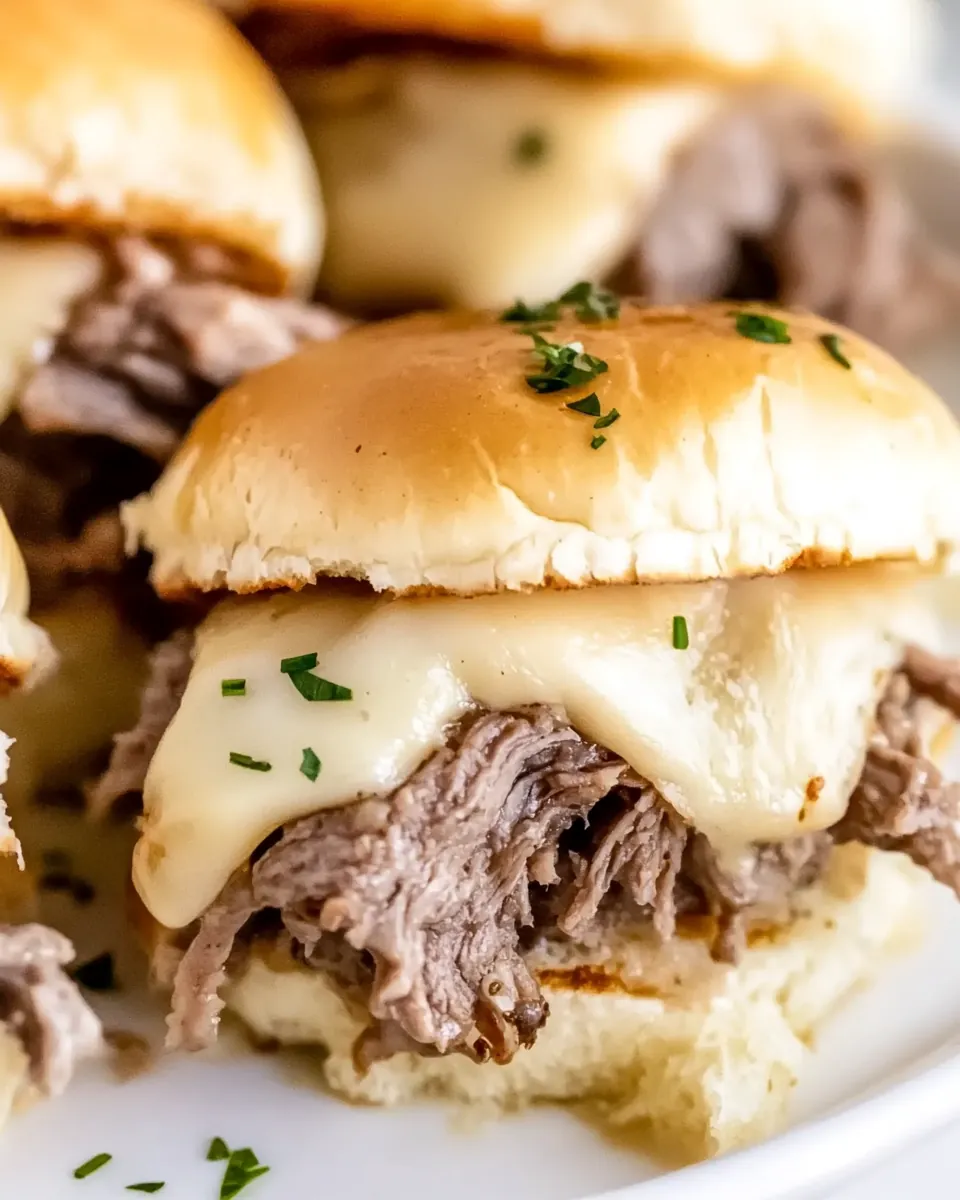
French Dip Sliders
French Dip Sliders came into my life on a rainy afternoon when I needed something warm, nostalgic, and utterly comforting. I remember the kitchen smelling like seared onion and sautéed mushrooms, and how the little Hawaiian rolls warmed my hands as I pulled them from the oven. That first batch was for a casual game night, and everyone kept reaching for more, the roast beef tucked between soft bread and gooey provolone disappearing in minutes. I loved how simple components turned into something special, and that memory keeps pulling me back to this recipe whenever I want to feed a crowd with minimal fuss.
I still make these when friends stop by unexpectedly, because they are forgiving and sociable to assemble, and they travel well when I bring them to potlucks. Over time I tweaked the au jus, learning to deepen its flavor just enough to make dipping irresistible, and I learned small tricks to keep the rolls from getting soggy while maximizing that melty cheese moment. Every time I bake a tray I think about texture contrasts, the soft crumb of the roll versus the savory, slightly juicy roast beef, and how a drizzle of rich broth can tie it all together.
Recipe Snapshot
35 mins
15 mins
20 mins
Easy
320 kcal
American
Gluten-Free, Keto
Dinner
Skillet, 9×13 baking dish, Whisk, Bowl
Why This French Dip Sliders Is So Good
Comfort in Every Bite
I love how these sliders combine familiar flavors into one handheld experience. The soft Hawaiian rolls give a sweet, pillowy base while the thin sliced roast beef keeps the filling tender and easy to bite through. When you dip a slider into warm au jus, you get a concentrated beefy aroma that makes the whole thing feel indulgent without being fussy.
Speed and Simplicity
We often need recipes that come together quickly on busy nights, and this recipe fits that bill. With just a few skillet minutes for caramelizing onion and sautéing mushrooms, then a short bake to melt the provolone, the dish is practically effortless. I appreciate that it scales easily, so you can double up for a crowd or halve it for a smaller gathering.
Textural Contrast
The contrast between toasted tops of the rolls and the soft interior is what keeps people coming back. A brief bake without overdoing it gives a golden, slightly crisp top while the interior remains tender. That distinction elevates a simple sandwich into something you want to serve guests.
Customizable and Crowd Friendly
I like that the sliders are forgiving of small swaps in quantities or add ins, and they are tailor made for sharing. They sit well on a buffet table, and the au jus can be simmered ahead to free you up during the final bake. I also appreciate that leftovers reheat nicely, so you can plan for easy snacks later.
Ingredients Required for French Dip Sliders
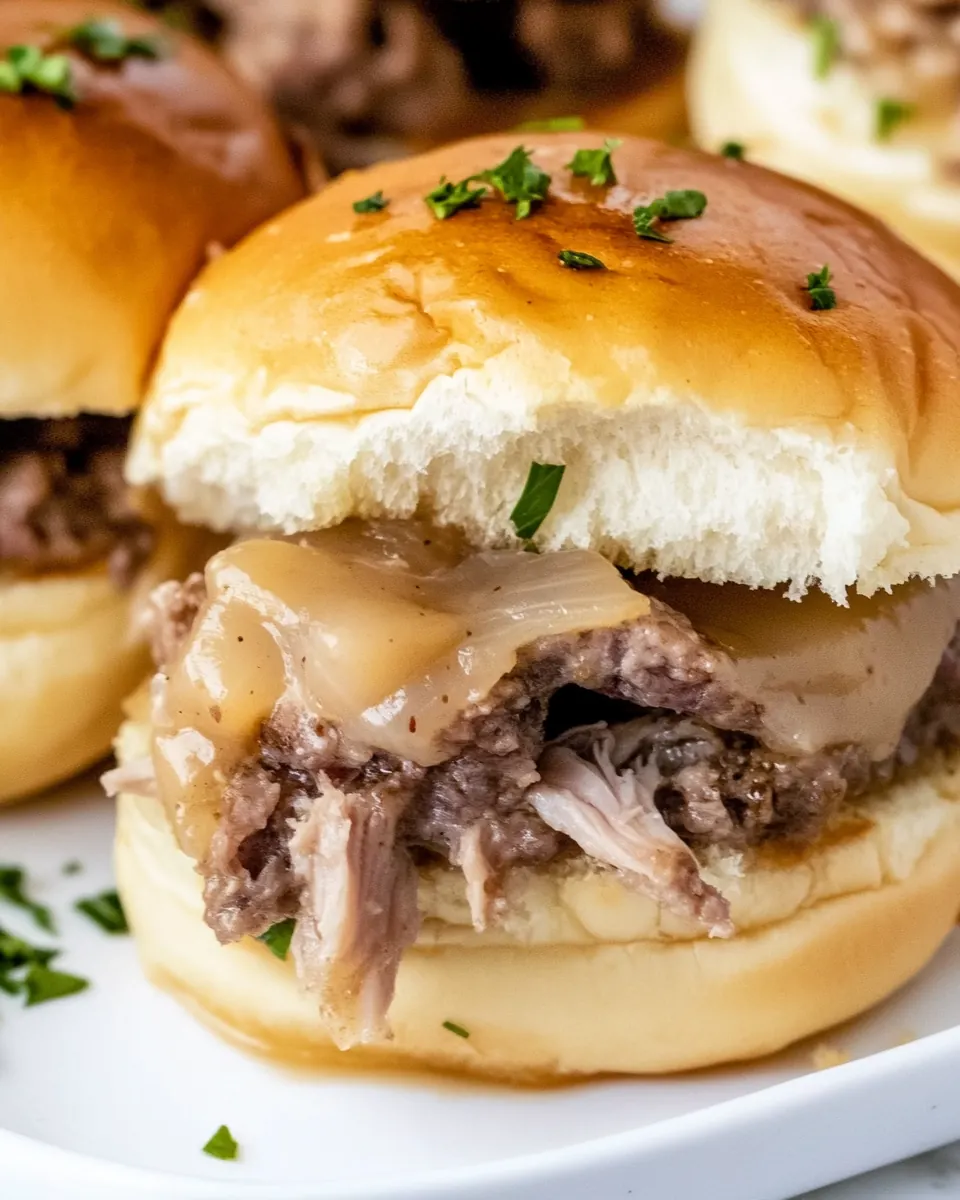
These ingredients are a carefully balanced team. The soft Hawaiian rolls provide a slightly sweet, tender base that contrasts with the savory, thin sliced roast beef. Provolone melts into the nooks of the filling, while caramelized onion and sautéed mushrooms introduce sweetness and umami. The au jus, built from beef broth and Worcestershire, brings everything together with aromatic herbs.
- 12 Hawaiian rolls: Lightly sweet and soft rolls provide the base for assembling sliders; split horizontally and hold fillings together while soaking up au jus flavors. Warm slightly before serving to enhance texture and meld cheeses with roast beef. Hawaiian rolls' fluffy crumb contrasts savory components and makes portions easy to handle.
- 3/4 lb deli roast beef, thin sliced: Thinly sliced deli roast beef supplies the primary savory protein and rich beef flavor central to French dip sliders. Layer evenly across rolls to ensure each bite has meaty satisfaction and pairs well with melted cheese. Choose thin slices for tenderness and easy reheating without drying out.
- 6 8 slices provolone cheese: Mild, semi-soft provolone cheese melts smoothly over roast beef to add a creamy, slightly tangy layer that balances savory elements. Place slices atop meat before warming to achieve an even, gooey melt that ties sliders together. Provolone also contributes a subtle milky flavor without overpowering other components.
- 2 T butter, melted: Melted butter is brushed on roll tops to promote browning and impart a rich, buttery finish when baked or toasted. Use lightly to achieve golden color and a slightly crisp exterior while enhancing overall richness. Butter also helps seasonings like thyme and sea salt adhere to the surface.
- 1/2 tsp thyme (dried): Dried thyme adds an herbal, slightly earthy note that complements beef and mushrooms without introducing moisture. Sprinkle sparingly onto buttered roll tops or into simmering jus to layer aromatic depth. Dried thyme's concentrated flavor holds up well during baking and cooking.
- coarse sea salt (optional): Coarse sea salt provides optional finishing seasoning and a crunchy burst of saline contrast on top of buttery rolls. Sprinkle lightly after toasting to enhance other flavors and create pleasant texture. Use sparingly to avoid overpowering the sliders' delicate balance.
- 1 yellow onion: Sliced yellow onion contributes sweet, aromatic base notes when caramelized and adds texture to the slider filling. Cook slowly to develop deep, mellow flavor that complements beef and mushrooms and becomes luscious when combined with butter. Onions also help create the savory fond for the jus.
- 8 oz mushrooms, sliced: Sliced mushrooms bring an earthy, umami-rich component that enhances the beefy profile and adds meaty texture for well-rounded sliders. Sauté before assembling to concentrate flavor and evaporate excess moisture so they won't make rolls soggy. Mushrooms also absorb pan juices, contributing to the overall savory sauce.
- 2 T butter: Butter used for sautéing provides a rich medium for cooking onions and mushrooms, encouraging browning and flavor development through caramelization. Add at the start of cooking to coat vegetables and help release their sugars. Butter also lends silky mouthfeel to the cooked mixture.
- 1/4 tsp salt: Salt seasons vegetables and helps draw out moisture from onions and mushrooms, intensifying their natural flavors as they cook. Add during sautéing to ensure even seasoning and to aid in caramelization. Adjust quantity to taste to maintain balance with other salted components.
- 1 tsp sugar (optional): Sugar, used optionally, boosts caramelization and enhances the natural sweetness of onions for a richer, rounded flavor when cooked. Sprinkle small amounts while sautéing to accelerate browning without making the dish overtly sweet. Use sparingly to complement savory elements.
- 1 T butter: Butter added later helps finish the sautéed vegetables with glossy sheen and silky texture, enriching the filling before assembly. Stir in near the end of cooking to create a cohesive, flavorful mixture that melds with beef and cheese. This addition also carries seasonings and juices into the sliders.
- 1 1/4 c beef broth: Beef broth forms the flavorful au jus for dipping and simmering vegetables, providing concentrated beefiness that elevates the sliders' savory profile. Simmer with aromatics to reduce slightly and intensify taste, ensuring a rich dipping liquid. Use a good-quality broth for best depth of flavor.
- 1 T Worcestershire: Worcestershire sauce contributes tangy, savory umami and a subtle fermented complexity that deepens the au jus and pairs well with roast beef. Add in small amounts to build layers of flavor without overwhelming the broth. Its savory punch helps mimic traditional French dip character.
- 1 2 garlic cloves, minced: Minced garlic adds bright, pungent aromatic notes that enhance overall savoriness and complement beef and mushrooms when sautéed or added to jus. Incorporate early in cooking for mellowed sweetness or toward the end for a sharper garlic presence. Garlic balances richness and rounds out the flavor profile.
- 1/2 tsp thyme: Thyme provides additional herbaceous warmth and continuity between components when added to the jus or vegetables, reinforcing the aromatic theme. Use either dried or fresh as specified to maintain consistent herbal character. Thyme pairs particularly well with beef and mushrooms for cohesive seasoning.
- sea salt, to taste: Sea salt seasons the final jus and filling to taste, ensuring all elements are balanced and flavorful before serving. Add gradually and taste frequently to avoid oversalting, especially if using salted broth or processed meats. Proper seasoning brings out the full depth of the dish.
Preparation Steps for French Dip Sliders
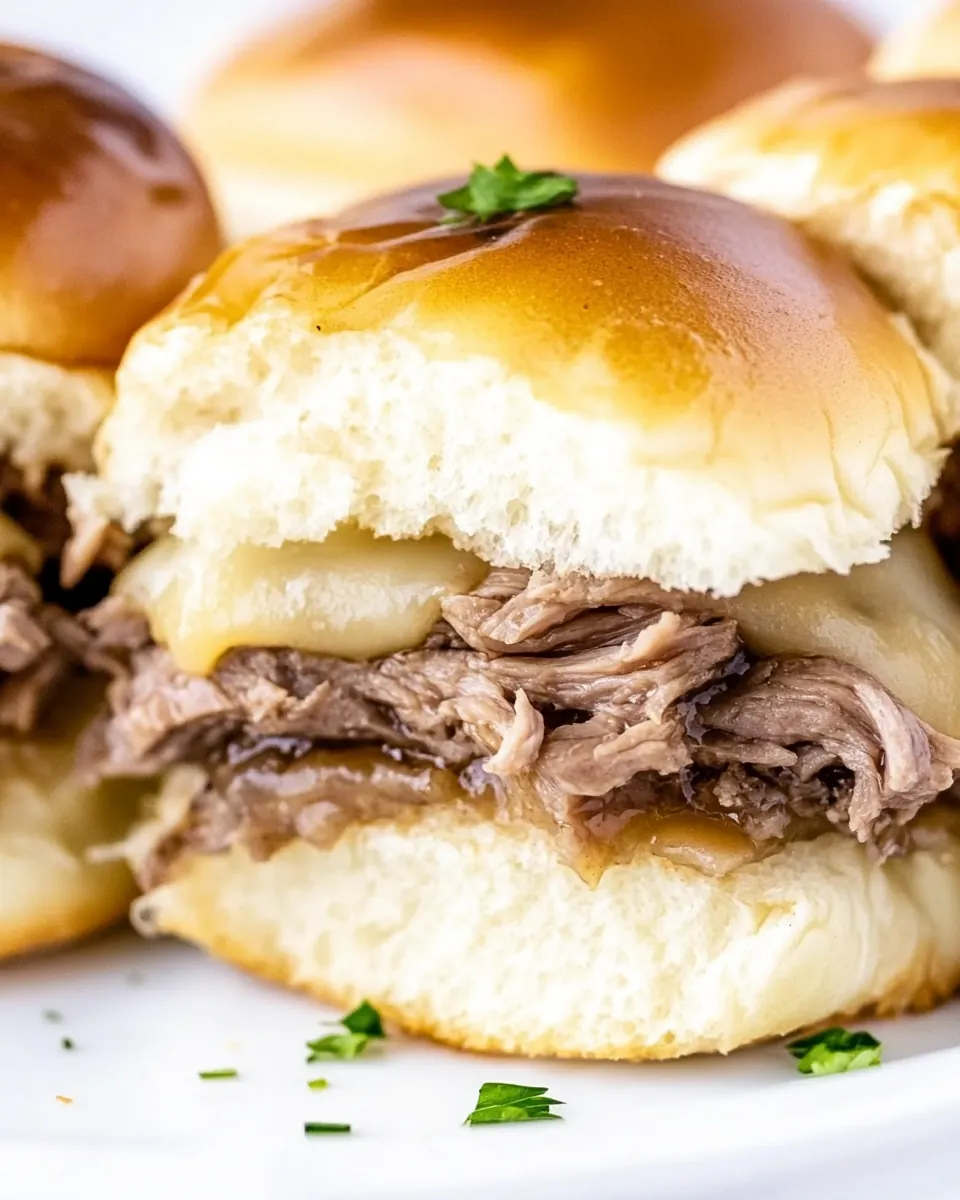
These steps take you from raw components to a bubbling tray of sliders ready for dipping. The directions below follow the original sequence, but I expand each moment so you can focus on sensory cues and avoid common missteps. Take your time with the vegetables and the au jus, small details make a big difference.
- Melt 2 tablespoons of butter at medium high in a skillet. Add the onions and mushrooms and sauté for 3-4 minutes until the onions soften and start to become translucent. Sprinkle the sugar, salt and thyme over top and continue to heat, stirring every couple minutes until the onions become a caramel color. Remove from heat.: Warmth and fragrance will hit the moment the butter melts, producing a gentle bubbling and a nutty aroma from the milk solids. You want the butter fully melted and slightly foaming but not browned, so the pan is hot enough to quickly sizzle the onion and mushrooms on contact. If your skillet smokes, lower the heat to prevent burning which would give a bitter edge to the vegetables. Use a medium high setting to coax out moisture then encourage gentle browning.
- Preheat the oven to 350°F.: As the vegetables hit the pan you will hear an immediate gentle sizzle, and within a couple minutes the onion will go soft and glossy, while the mushrooms release their liquid and begin shrinking. This step sets up the texture of the filling, ensuring the vegetables are tender but not mushy. Avoid overcrowding the pan, as too many pieces will steam instead of sautéing, producing a bland result.
- Slice the rolls in half, keeping them attached to each other while doing so. Add the bottom of the rolls to a 9×13 inch baking dish. Layer the roast beef, then the provolone, top with the onions and mushrooms. Add the top layer of the Hawaiian rolls. Brush with the 2 tablespoons melted butter, covering the tops completely.: The sprinkle of sugar will speed caramelization, giving the onion a deep amber hue and sweet notes that balance the savory roast beef . Stir intermittently so the vegetables brown evenly and do not cling or burn on the pan. Watch the color closely, because caramelization can go from perfect to bitter quickly; lower the heat if browning accelerates too fast.
- Loosely cover with foil and bake for about 15 minutes, or until the cheese is melted. Remove the foil and bake another 5-7 minutes or until the tops of the rolls are toasted and golden brown.: After the onion reaches rich caramel color and the mushrooms are tender, pull the skillet from heat to stop further cooking. The residual warmth will finish any gentle softening without risking bitterness. Letting them rest briefly also concentrates their flavor and keeps them from overcooking when layered into the sliders. A common mistake is letting them continue to sizzle in the pan, which can dry them out.
- While the sliders bake, add the remaining tablespoon of butter to the skillet used for the onions and mushrooms. Melt over medium heat. Add all the other au jus ingredients and whisk to combine. Simmer on medium for about 10 minutes, allowing to slightly reduce. Transfer to a bowl to serve.: You will feel the kitchen begin to warm and the oven light will reflect on racks as it comes to temperature. Preheating is crucial so the cheese melts quickly and the tops toast without the interior drying out. If you skip proper preheating, you'll end up with under melted cheese or uneven browning, so wait until the oven registers the correct temperature.
- When the sliders are ready, allow to cool for about 5 minutes before slicing. Slice to separate into sandwiches for easier serving. Sprinkle with chopped parsley if desired and enjoy with the au jus.: The soft Hawaiian rolls will give slightly under the knife, and slicing them as a connected sheet helps maintain assembly and even baking. Keep the bottoms intact in the pan to make serving easy, and take care to slice gently so the roll tops remain separate. A sloppy cut here can result in uneven sandwiches that fall apart when you slice later.
- Add the bottom of the rolls to a 9×13 inch baking dish: The low profile of the dish helps the heat circulate, melting the cheese without burning the top. Press the bottoms snugly together to form an even base, this ensures consistent heating and makes slicing uniform after baking. If the dish is too large, the sliders may spread and not hold together as well.
- Layer the roast beef, then the provolone, top with the onions and mushrooms: The assembly order is important for texture management. Place thin sliced roast beef directly on the bread so its juices are contained, add provolone to form a protective barrier, then spoon caramelized onion and sautéed mushrooms so they rest on cheese and not directly on the bread. This prevents the rolls from becoming soggy while letting flavors meld. Avoid adding overly wet vegetables directly to the bread surface.
- Add the top layer of the Hawaiian rolls: Place the roll tops evenly, ensuring they align with the bottoms for neat portions. The snug top helps trap steam and melt the cheese uniformly. Press lightly so the layers make contact, but do not compact them or the texture will become dense instead of airy.
- Brush with the 2 tablespoons melted butter, covering the tops completely: Brushing with melted butter promotes golden browning and a glossy finish, and it contributes a rich, toasty note that complements the savory filling. Be generous enough to saturate the surface but avoid pooling, which can drip and cause uneven browning. If you skip this, the tops will remain pale and lack crispness.
- Loosely cover with foil and bake for about 15 minutes, or until the cheese is melted: The foil trap holds heat and steam, gently melting the provolone into a luscious layer over the filling. You will see the cheese soften and become glossy through the foil. Check gently at the 12 minute mark to ensure the cheese is melting without the roll tops overcooking. Leaving it covered too long can produce a steamed top rather than a toasted one.
- Remove the foil and bake another 5-7 minutes or until the tops of the rolls are toasted and golden brown: This short uncovered bake caramelizes the buttered tops to a crisp, golden finish. You will hear the surface go quiet and see a clear golden color form, signaling readiness. Watch carefully, since the final browning can happen quickly and you want an even golden result not a burnt one.
- While the sliders bake, add the remaining tablespoon of butter to the skillet used for the onions and mushrooms: That warm butter will pick up residual fond and flavor from the pan, adding complexity to the au jus. Heat it slowly until it melts and begins to shimmer, this creates a luscious mouthfeel in the finished broth. If the pan has stuck bits, gently scrape them up to incorporate into the sauce for depth.
- Melt over medium heat: As the butter melts and warms, aromas will lift and the pan will glisten, preparing the base for the liquid ingredients. Keeping a medium heat prevents scorching and preserves a clean, buttery backdrop for the savory additions. Too high heat risks browning the butter which can alter the delicate au jus balance.
- Add all the other au jus ingredients and whisk to combine: When you add beef broth , Worcestershire , minced garlic , and thyme , the mixture will steam and release a rich, meaty scent. Whisking integrates the flavors and dissolves any concentrated bits, yielding a cohesive dipping sauce. Taste early and adjust seasoning carefully, because concentrated flavors can intensify as it simmers.
- Simmer on medium for about 10 minutes, allowing to slightly reduce: The au jus should bubble gently, thickening just a little and concentrating the savory notes. You will notice the aroma deepen and the liquid take on a richer mouthfeel. Simmering too long will overly reduce the sauce making it too salty or viscous, so keep a close eye and stop when the flavor feels balanced and slightly intensified.
- Transfer to a bowl to serve: Pour the warm au jus into a shallow bowl that allows easy dipping. The broth should be hot and fragrant, encouraging guest interaction. If it cools too much it will lose potency, so keep it covered until serving time. A common oversight is letting it sit too long and becoming tepid.
- When the sliders are ready, allow to cool for about 5 minutes before slicing: A brief rest lets the cheese set slightly and prevents the filling from spilling when you slice. The aroma will remain but the texture firms up enough for clean portions. Cutting immediately may cause the layers to slide and produce messy sandwiches.
- Slice to separate into sandwiches for easier serving: Use a sharp knife to cut cleanly through the tray, delivering uniform sandwiches that hold together when dipped. The sound of the knife gliding and the sight of neat squares is satisfying, and the portions will be easy for guests to manage. If your cuts are uneven, some sandwiches will fall apart or be overfilled.
- Sprinkle with chopped parsley if desired and enjoy with the au jus: A scattering of fresh parsley adds color contrast and a light herbaceous note against the rich profile. Serve immediately with warm au jus and encourage guests to dip each slider for maximum flavor impact. Avoid adding watery garnishes that could make the rolls soggy.
Recipe Notes about French Dip Sliders
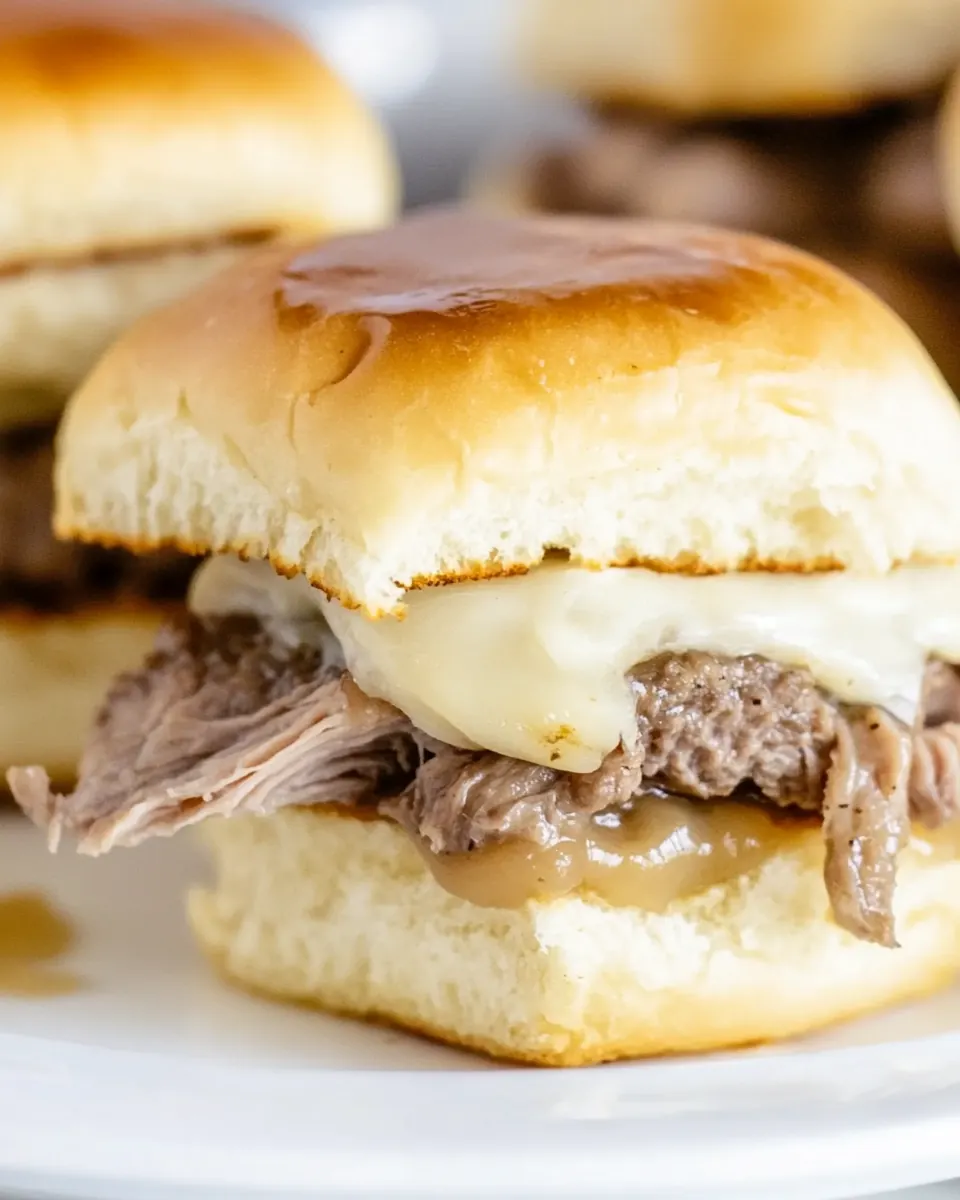
Small details make a big difference when assembling these sliders. The tips below expand on the notes provided, and highlight practical tweaks for reheating and preventing sogginess. Read them before you start so you can cook with confidence and serve happily.
- Keep the cheese as a barrier To prevent the buns from getting soggy, place a layer of provolone between the meat and the bread and another slice on top of the meat filling so that the cheese is the primary layer contacting the rolls.
- Drain cooked roast beef well If you use a roast beef that was cooked in juices instead of deli style, be sure to drain excess liquid thoroughly before layering it into the rolls, as excess moisture will make the buns soggy.
- Reheat in the oven for best texture Leftovers reheat nicely; bake at 350°F in a foil covered dish for about 8 to 10 minutes to refresh the cheese and warm the filling through without drying it out.
- Microwave quick reheat option If you need a faster method, microwave individual sliders for about 45 seconds depending on your microwave power, but watch closely to prevent overcooking or uneven heating.
- Make the au jus ahead The au jus can be simmered ahead and reheated at serving time, which frees you to focus on final assembly and baking without last minute timing stress.
Serve This French Dip Sliders With
These sliders are versatile and suit casual gatherings or relaxed dinners. Consider simple sides and serving cues to enhance the experience, and plan for storage and reheating if you want leftovers to shine.
- Casual party platter Arrange the sliders on a large board with small bowls of warm au jus so guests can dip as they like, making them perfect for game nights and watch parties.
- Weeknight family dinner Pair the sliders with a light salad or oven roasted vegetables for a balanced meal that feels indulgent but is simple to assemble on busy evenings.
- Potluck friendly Keep the sliders in a foil pan and reheat briefly at the host’s oven so they arrive warm, making them easy to transport and share at gatherings.
- Seasonal pairing These sliders are great in cooler months like fall when people crave warm, hearty bites; serve with a warm bowl of soup for an especially comforting plate.
- Storage and reheating Store leftovers in an airtight container in the refrigerator for up to three days. Reheat in a foil covered dish at 350°F for 8 to 10 minutes, or microwave briefly for a quicker option.
FAQ
Conclusion
These French Dip Sliders stand out because they marry simple, high impact ingredients into a shareable, comforting dish. Try them when you want something that feels indulgent yet effortless to pull together, especially for gatherings or busy weeknights. Serve with warm au jus and watch how the melty cheese and tender roast beef bring people together, then enjoy the ease of leftovers that reheat beautifully.
French Dip Sliders
Equipment
- Skillet
- 9×13 baking dish
- Whisk
- Bowl
Ingredients
- 12 Hawaiian rolls Lightly sweet and soft rolls provide the base for assembling sliders; split horizontally and hold fillings together while soaking up au jus flavors. Warm slightly before serving to enhance texture and meld cheeses with roast beef. Hawaiian rolls' fluffy crumb contrasts savory components and makes portions easy to handle.
- 3/4 lb deli roast beef, thin sliced Thinly sliced deli roast beef supplies the primary savory protein and rich beef flavor central to French dip sliders. Layer evenly across rolls to ensure each bite has meaty satisfaction and pairs well with melted cheese. Choose thin slices for tenderness and easy reheating without drying out.
- 6 -8 slices provolone cheese Mild, semi-soft provolone cheese melts smoothly over roast beef to add a creamy, slightly tangy layer that balances savory elements. Place slices atop meat before warming to achieve an even, gooey melt that ties sliders together. Provolone also contributes a subtle milky flavor without overpowering other components.
- 2 T butter, melted Melted butter is brushed on roll tops to promote browning and impart a rich, buttery finish when baked or toasted. Use lightly to achieve golden color and a slightly crisp exterior while enhancing overall richness. Butter also helps seasonings like thyme and sea salt adhere to the surface.
- 1/2 tsp thyme (dried) Dried thyme adds an herbal, slightly earthy note that complements beef and mushrooms without introducing moisture. Sprinkle sparingly onto buttered roll tops or into simmering jus to layer aromatic depth. Dried thyme's concentrated flavor holds up well during baking and cooking.
- coarse sea salt, optional Coarse sea salt provides optional finishing seasoning and a crunchy burst of saline contrast on top of buttery rolls. Sprinkle lightly after toasting to enhance other flavors and create pleasant texture. Use sparingly to avoid overpowering the sliders' delicate balance.
- 1 yellow onion Sliced yellow onion contributes sweet, aromatic base notes when caramelized and adds texture to the slider filling. Cook slowly to develop deep, mellow flavor that complements beef and mushrooms and becomes luscious when combined with butter. Onions also help create the savory fond for the jus.
- 8 oz mushrooms, sliced Sliced mushrooms bring an earthy, umami-rich component that enhances the beefy profile and adds meaty texture for well-rounded sliders. Sauté before assembling to concentrate flavor and evaporate excess moisture so they won't make rolls soggy. Mushrooms also absorb pan juices, contributing to the overall savory sauce.
- 2 T butter Butter used for sautéing provides a rich medium for cooking onions and mushrooms, encouraging browning and flavor development through caramelization. Add at the start of cooking to coat vegetables and help release their sugars. Butter also lends silky mouthfeel to the cooked mixture.
- 1/4 tsp salt Salt seasons vegetables and helps draw out moisture from onions and mushrooms, intensifying their natural flavors as they cook. Add during sautéing to ensure even seasoning and to aid in caramelization. Adjust quantity to taste to maintain balance with other salted components.
- 1 tsp sugar optional Sugar, used optionally, boosts caramelization and enhances the natural sweetness of onions for a richer, rounded flavor when cooked. Sprinkle small amounts while sautéing to accelerate browning without making the dish overtly sweet. Use sparingly to complement savory elements.
- 1 T butter Butter added later helps finish the sautéed vegetables with glossy sheen and silky texture, enriching the filling before assembly. Stir in near the end of cooking to create a cohesive, flavorful mixture that melds with beef and cheese. This addition also carries seasonings and juices into the sliders.
- 1 1/4 c beef broth Beef broth forms the flavorful au jus for dipping and simmering vegetables, providing concentrated beefiness that elevates the sliders' savory profile. Simmer with aromatics to reduce slightly and intensify taste, ensuring a rich dipping liquid. Use a good-quality broth for best depth of flavor.
- 1 T Worcestershire Worcestershire sauce contributes tangy, savory umami and a subtle fermented complexity that deepens the au jus and pairs well with roast beef. Add in small amounts to build layers of flavor without overwhelming the broth. Its savory punch helps mimic traditional French dip character.
- 1 -2 garlic cloves, minced Minced garlic adds bright, pungent aromatic notes that enhance overall savoriness and complement beef and mushrooms when sautéed or added to jus. Incorporate early in cooking for mellowed sweetness or toward the end for a sharper garlic presence. Garlic balances richness and rounds out the flavor profile.
- 1/2 tsp thyme Thyme provides additional herbaceous warmth and continuity between components when added to the jus or vegetables, reinforcing the aromatic theme. Use either dried or fresh as specified to maintain consistent herbal character. Thyme pairs particularly well with beef and mushrooms for cohesive seasoning.
- sea salt, to taste Sea salt seasons the final jus and filling to taste, ensuring all elements are balanced and flavorful before serving. Add gradually and taste frequently to avoid oversalting, especially if using salted broth or processed meats. Proper seasoning brings out the full depth of the dish.
Instructions
- Melt 2 tablespoons of butter at medium high in a skillet. Add the onions and mushrooms and sauté for 3-4 minutes until the onions soften and start to become translucent. Sprinkle the sugar, salt and thyme over top and continue to heat, stirring every couple minutes until the onions become a caramel color. Remove from heat.: Warmth and fragrance will hit the moment the butter melts, producing a gentle bubbling and a nutty aroma from the milk solids. You want the butter fully melted and slightly foaming but not browned, so the pan is hot enough to quickly sizzle the onion and mushrooms on contact. If your skillet smokes, lower the heat to prevent burning which would give a bitter edge to the vegetables. Use a medium high setting to coax out moisture then encourage gentle browning.
- Preheat the oven to 350°F.: As the vegetables hit the pan you will hear an immediate gentle sizzle, and within a couple minutes the onion will go soft and glossy, while the mushrooms release their liquid and begin shrinking. This step sets up the texture of the filling, ensuring the vegetables are tender but not mushy. Avoid overcrowding the pan, as too many pieces will steam instead of sautéing, producing a bland result.
- Slice the rolls in half, keeping them attached to each other while doing so. Add the bottom of the rolls to a 9×13 inch baking dish. Layer the roast beef, then the provolone, top with the onions and mushrooms. Add the top layer of the Hawaiian rolls. Brush with the 2 tablespoons melted butter, covering the tops completely.: The sprinkle of sugar will speed caramelization, giving the onion a deep amber hue and sweet notes that balance the savory roast beef . Stir intermittently so the vegetables brown evenly and do not cling or burn on the pan. Watch the color closely, because caramelization can go from perfect to bitter quickly; lower the heat if browning accelerates too fast.
- Loosely cover with foil and bake for about 15 minutes, or until the cheese is melted. Remove the foil and bake another 5-7 minutes or until the tops of the rolls are toasted and golden brown.: After the onion reaches rich caramel color and the mushrooms are tender, pull the skillet from heat to stop further cooking. The residual warmth will finish any gentle softening without risking bitterness. Letting them rest briefly also concentrates their flavor and keeps them from overcooking when layered into the sliders. A common mistake is letting them continue to sizzle in the pan, which can dry them out.
- While the sliders bake, add the remaining tablespoon of butter to the skillet used for the onions and mushrooms. Melt over medium heat. Add all the other au jus ingredients and whisk to combine. Simmer on medium for about 10 minutes, allowing to slightly reduce. Transfer to a bowl to serve.: You will feel the kitchen begin to warm and the oven light will reflect on racks as it comes to temperature. Preheating is crucial so the cheese melts quickly and the tops toast without the interior drying out. If you skip proper preheating, you'll end up with under melted cheese or uneven browning, so wait until the oven registers the correct temperature.
- When the sliders are ready, allow to cool for about 5 minutes before slicing. Slice to separate into sandwiches for easier serving. Sprinkle with chopped parsley if desired and enjoy with the au jus.: The soft Hawaiian rolls will give slightly under the knife, and slicing them as a connected sheet helps maintain assembly and even baking. Keep the bottoms intact in the pan to make serving easy, and take care to slice gently so the roll tops remain separate. A sloppy cut here can result in uneven sandwiches that fall apart when you slice later.
- Add the bottom of the rolls to a 9×13 inch baking dish: The low profile of the dish helps the heat circulate, melting the cheese without burning the top. Press the bottoms snugly together to form an even base, this ensures consistent heating and makes slicing uniform after baking. If the dish is too large, the sliders may spread and not hold together as well.
- Layer the roast beef, then the provolone, top with the onions and mushrooms: The assembly order is important for texture management. Place thin sliced roast beef directly on the bread so its juices are contained, add provolone to form a protective barrier, then spoon caramelized onion and sautéed mushrooms so they rest on cheese and not directly on the bread. This prevents the rolls from becoming soggy while letting flavors meld. Avoid adding overly wet vegetables directly to the bread surface.
- Add the top layer of the Hawaiian rolls: Place the roll tops evenly, ensuring they align with the bottoms for neat portions. The snug top helps trap steam and melt the cheese uniformly. Press lightly so the layers make contact, but do not compact them or the texture will become dense instead of airy.
- Brush with the 2 tablespoons melted butter, covering the tops completely: Brushing with melted butter promotes golden browning and a glossy finish, and it contributes a rich, toasty note that complements the savory filling. Be generous enough to saturate the surface but avoid pooling, which can drip and cause uneven browning. If you skip this, the tops will remain pale and lack crispness.
- Loosely cover with foil and bake for about 15 minutes, or until the cheese is melted: The foil trap holds heat and steam, gently melting the provolone into a luscious layer over the filling. You will see the cheese soften and become glossy through the foil. Check gently at the 12 minute mark to ensure the cheese is melting without the roll tops overcooking. Leaving it covered too long can produce a steamed top rather than a toasted one.
- Remove the foil and bake another 5-7 minutes or until the tops of the rolls are toasted and golden brown: This short uncovered bake caramelizes the buttered tops to a crisp, golden finish. You will hear the surface go quiet and see a clear golden color form, signaling readiness. Watch carefully, since the final browning can happen quickly and you want an even golden result not a burnt one.
- While the sliders bake, add the remaining tablespoon of butter to the skillet used for the onions and mushrooms: That warm butter will pick up residual fond and flavor from the pan, adding complexity to the au jus. Heat it slowly until it melts and begins to shimmer, this creates a luscious mouthfeel in the finished broth. If the pan has stuck bits, gently scrape them up to incorporate into the sauce for depth.
- Melt over medium heat: As the butter melts and warms, aromas will lift and the pan will glisten, preparing the base for the liquid ingredients. Keeping a medium heat prevents scorching and preserves a clean, buttery backdrop for the savory additions. Too high heat risks browning the butter which can alter the delicate au jus balance.
- Add all the other au jus ingredients and whisk to combine: When you add beef broth , Worcestershire , minced garlic , and thyme , the mixture will steam and release a rich, meaty scent. Whisking integrates the flavors and dissolves any concentrated bits, yielding a cohesive dipping sauce. Taste early and adjust seasoning carefully, because concentrated flavors can intensify as it simmers.
- Simmer on medium for about 10 minutes, allowing to slightly reduce: The au jus should bubble gently, thickening just a little and concentrating the savory notes. You will notice the aroma deepen and the liquid take on a richer mouthfeel. Simmering too long will overly reduce the sauce making it too salty or viscous, so keep a close eye and stop when the flavor feels balanced and slightly intensified.
- Transfer to a bowl to serve: Pour the warm au jus into a shallow bowl that allows easy dipping. The broth should be hot and fragrant, encouraging guest interaction. If it cools too much it will lose potency, so keep it covered until serving time. A common oversight is letting it sit too long and becoming tepid.
- When the sliders are ready, allow to cool for about 5 minutes before slicing: A brief rest lets the cheese set slightly and prevents the filling from spilling when you slice. The aroma will remain but the texture firms up enough for clean portions. Cutting immediately may cause the layers to slide and produce messy sandwiches.
- Slice to separate into sandwiches for easier serving: Use a sharp knife to cut cleanly through the tray, delivering uniform sandwiches that hold together when dipped. The sound of the knife gliding and the sight of neat squares is satisfying, and the portions will be easy for guests to manage. If your cuts are uneven, some sandwiches will fall apart or be overfilled.
- Sprinkle with chopped parsley if desired and enjoy with the au jus: A scattering of fresh parsley adds color contrast and a light herbaceous note against the rich profile. Serve immediately with warm au jus and encourage guests to dip each slider for maximum flavor impact. Avoid adding watery garnishes that could make the rolls soggy.
Notes
- Keep the cheese as a barrier To prevent the buns from getting soggy, place a layer of provolone between the meat and the bread and another slice on top of the meat filling so that the cheese is the primary layer contacting the rolls.
- Drain cooked roast beef well If you use a roast beef that was cooked in juices instead of deli style, be sure to drain excess liquid thoroughly before layering it into the rolls, as excess moisture will make the buns soggy.
- Reheat in the oven for best texture Leftovers reheat nicely; bake at 350°F in a foil covered dish for about 8 to 10 minutes to refresh the cheese and warm the filling through without drying it out.
- Microwave quick reheat option If you need a faster method, microwave individual sliders for about 45 seconds depending on your microwave power, but watch closely to prevent overcooking or uneven heating.
- Make the au jus ahead The au jus can be simmered ahead and reheated at serving time, which frees you to focus on final assembly and baking without last minute timing stress.