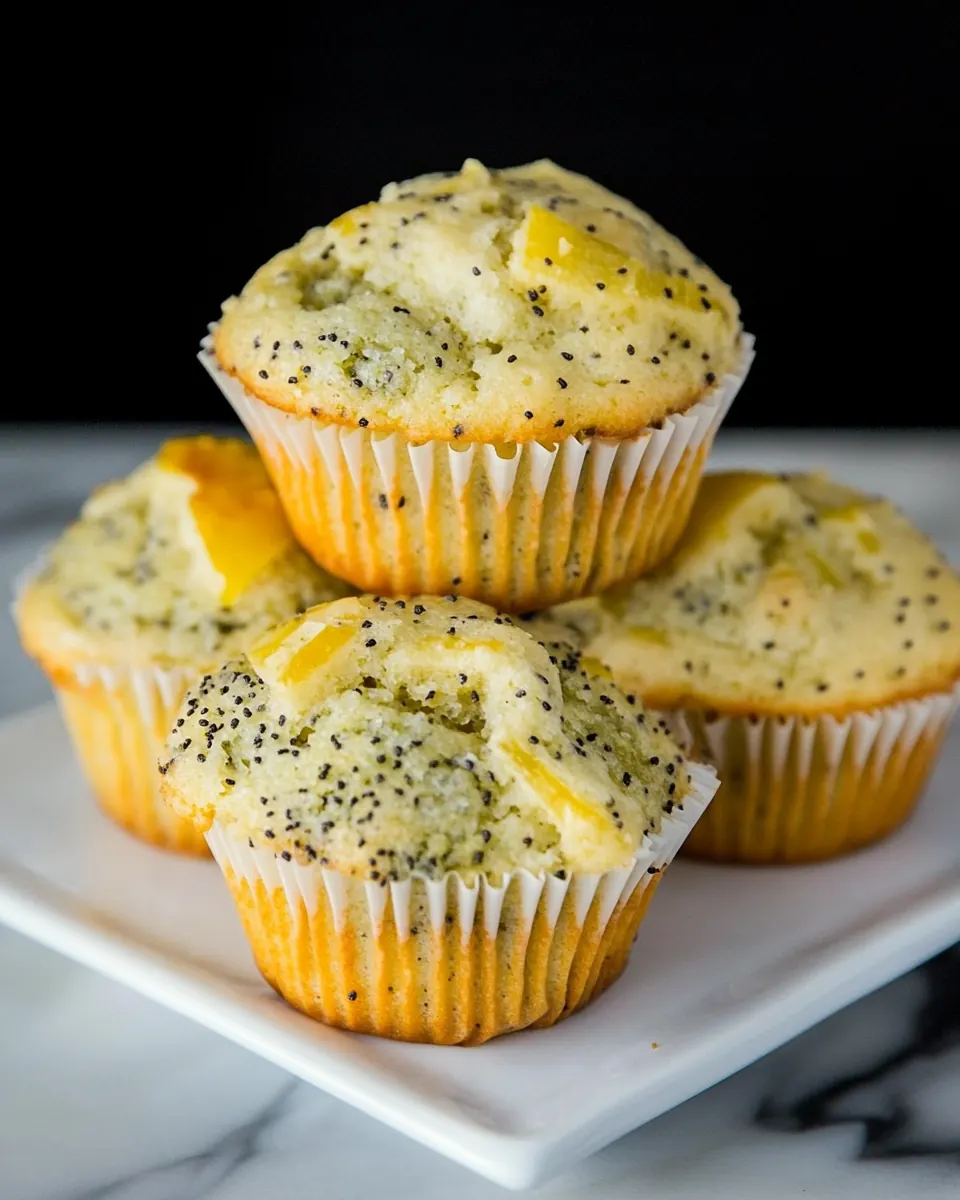
Lemon Poppy Seed Muffins
Lemon Poppy Seed Muffins have been a kitchen mainstay for me since college, when a box of stale muffins and a jar of forgotten poppy seeds collided with an urgent need for breakfast optimism. I remember the first batch I baked in a cramped dorm kitchenette, trading sleep for the bright, citrusy lift of lemon and the delicate crunch of poppy seeds. That early experiment turned into a ritual, one I return to whenever I want something that feels comforting and a little celebratory at the same time.
Over the years, I refined the balance between tang and sweetness, and the texture shifted from dense to tender, thanks to simple swaps like a touch of sour cream and the right measure of butter. I’ve shared these Lemon Poppy Seed Muffins with neighbors on busy mornings and tucked them into picnic baskets on slow afternoons. Each time, the recipe’s bright aroma announces itself minutes after the batter hits the oven, and people always seem to pause, drawn by that buttery citrus scent.
What keeps me coming back is its versatility. These muffins are at home beside a weekday coffee, on a brunch spread, or as a lightly sweet treat after a casual dinner. I like that they are forgiving, too; they welcome small errors and still reward you with golden tops and tender crumbs. When I bake them, I listen for the right sounds, glance for the perfect dome, and know the moment by the way the kitchen fills with that lemony perfume. That’s the kind of recipe that earns its place in your rotation.
Recipe Snapshot
30 mins
10 mins
20 mins
Easy
180 kcal
American
Gluten-Free, Low FODMAP
Breakfast
muffin tins
What We Adore About This Lemon Poppy Seed Muffins
Bright, Balanced Flavor
First off, I adore these Lemon Poppy Seed Muffins because the flavor profile is effortless yet layered. The tang from the lemon zest and juice cuts through the sweetness so nothing tastes cloying. I often find myself taking a bite and appreciating how the citrus lifts the butter and sugar, making each mouthful lively. You get a satisfying contrast between the tender crumb from the all purpose flour and the tiny, nutty bursts of poppy seeds, which keep the experience interesting from the first bite to the last.
Reliable Texture Every Time
Second, this recipe reliably produces a tender interior and a slightly crisp top. That’s thanks to the combination of butter, sour cream, and the right amount of liquid from milk. I’ve tried leaner mixes, but without the richness here the muffins come out dry. When you follow the technique, you’ll notice the batter holds together but still looks a little lumpy, which is exactly what gives a soft crumb. I love how forgiving this mix is; it hides small errors while still turning out a great result.
Simple, Pantry Friendly Ingredients
Third, the ingredient list reads like pantry staples. I rarely need to shop specially to make these; typically I have eggs, flour, sugar, and butter on hand. That convenience makes this a go to when I want something homemade without a long prep. Because the components are common, it’s also easy to adjust for dietary needs or scale up for gatherings, which is a big reason I reach for these muffins on short notice.
Great for Gatherings and Everyday Moments
Fourth, these muffins bridge special occasions and daily life. I’ve brought them to brunches and also packed them into lunches on ordinary Tuesdays. They travel well and keep their texture for a day or two at room temperature. For me, that flexibility is invaluable; I can make a double batch and send half home with friends, and everyone seems to appreciate a treat that feels homemade without being fussy.
Kid Friendly, Adult Approved
Finally, both kids and adults tend to agree on these. The lemon provides brightness that adults savor, while the gentle sweetness and tiny crunch of poppy seeds usually win over younger palates. I like recipes that create shared moments around the table, and these muffins do exactly that, sparking small conversations with every warm, fragrant plate.
What’s In This Lemon Poppy Seed Muffins
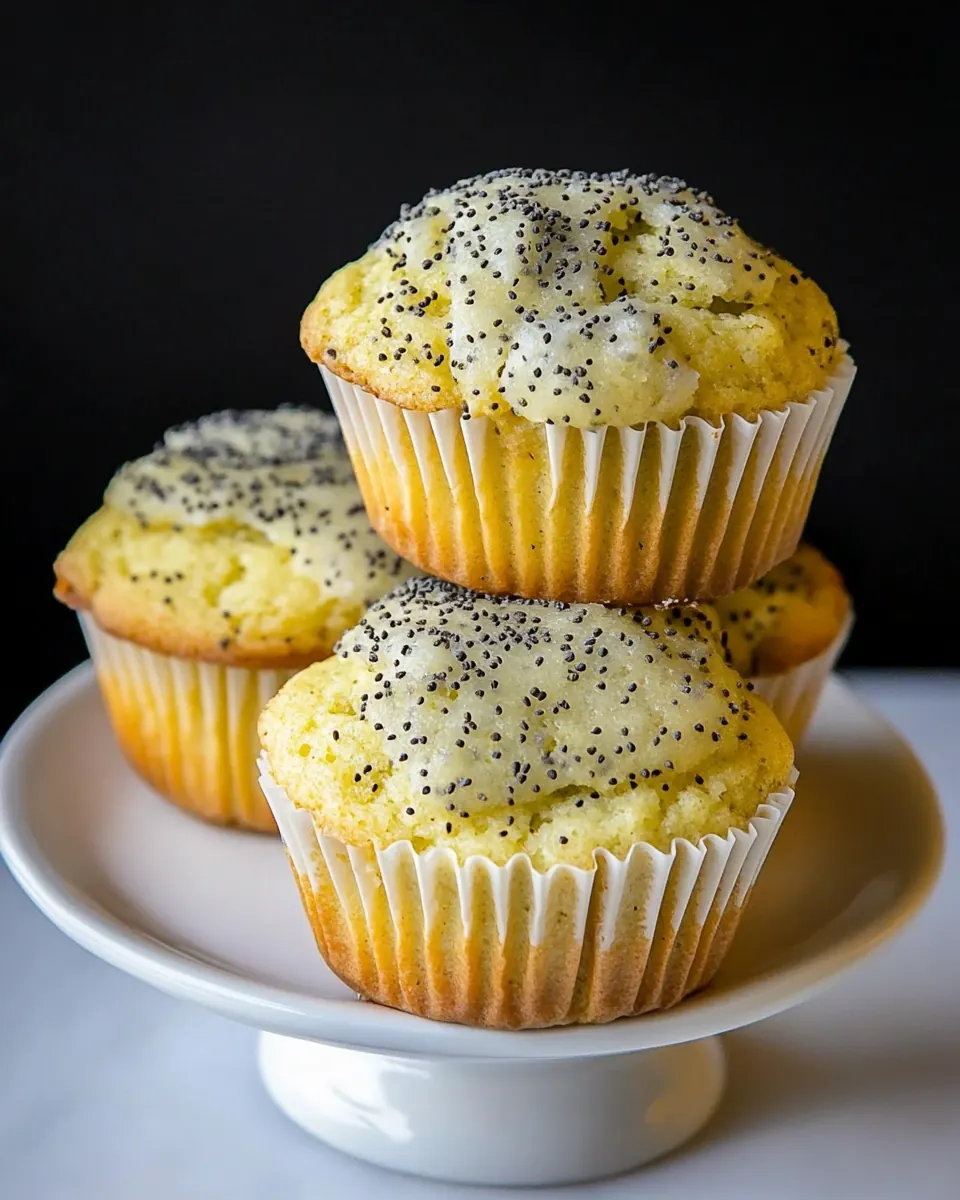
These ingredients are chosen to create a tender, slightly rich muffin with clean citrus notes and a delicate crunch. The interplay between the fat, acid, and leavening is what gives these muffins lift, moistness, and a pleasant crumb. The key players like butter, eggs, and all purpose flour form the structure, while sour cream and milk keep the interior soft. The lemon components give brightness and the poppy seeds provide textural interest.
- 12 tablespoons butter at room temperature, 3/4 cup: Soften and cream to provide fat and moisture while helping create a tender, rich crumb and enhanced flavor throughout the muffins. Allow to reach room temperature so it incorporates smoothly with sugar and eggs for proper aeration.
- 1 1/2 cups granulated sugar: Cream with butter to add sweetness and structure while aiding in leavening through creaming; it dissolves into the batter to produce a delicate texture. Measure accurately to balance sweetness and moisture in the final muffins.
- 2 large eggs: Whisk in to bind ingredients, provide structure, and help with leavening by trapping air when beaten; eggs contribute richness and a moist crumb. Use large eggs at room temperature for optimal emulsification and consistent texture.
- 1 teaspoon vanilla: Add to enhance overall flavor profile with warm, familiar sweetness and aromatic depth; vanilla helps round out and unify other flavors. Use pure vanilla for best aroma and a natural, fragrant note.
- 1 teaspoon almond extract: Stir in sparingly to impart a subtle, nutty-fruity aroma that complements lemon and vanilla; almond extract intensifies perceived sweetness without adding sugar. Use cautiously because of its concentrated flavor to avoid overpowering the muffins.
- 1 cup sour cream: Fold in to contribute tangy moisture, tenderize the crumb, and add a slight acidity that reacts with baking soda for gentle lift. Choose full-fat sour cream to maximize richness and a moist, soft texture.
- 1 tablespoon lemon zest zested: Grate finely to deliver bright citrus oils that provide fresh, zesty aroma and concentrated lemon flavor without added liquid. Add zest carefully to distribute intense citrus notes evenly throughout the batter.
- 1/4 cup whole milk: Stir in to slightly thin the batter and adjust consistency, helping to hydrate dry ingredients and produce a tender crumb. Use whole milk for added richness and a smoother mouthfeel in the finished muffins.
- 2 tablespoons lemon juice: Squeeze in to supply bright acidity and lemon flavor that balances sweetness and enhances overall brightness; it also reacts with leavening agents for lift. Freshly squeezed juice provides the best natural flavor and acidity.
- 3 cups all purpose flour: Combine to form the bulk of the batter, providing structure, texture, and absorbency for fats and liquids; flour proteins develop gluten that supports the muffin's rise. Use all-purpose flour measured properly to avoid dense results.
- 2 teaspoons baking powder: Blend in to create chemical leavening, producing carbon dioxide that helps the muffins rise and become airy; it works in tandem with baking soda and acids. Level teaspoons for consistent rising and light crumb.
- 1/2 teaspoon baking soda: Add to react with acidic components like sour cream and lemon juice to produce additional lift and tenderness; baking soda also helps with browning. Measure precisely because too much can cause off flavors.
- 1/2 teaspoons salt: Mix in to season the batter and balance sweetness, enhancing overall flavor perception by bringing out other aromatics. Use the specified small amount to avoid noticeable saltiness while improving depth.
- 1 tablespoon poppy seeds: Sprinkle through the batter to add crunchy texture and a subtle nutty taste that characterizes poppy seed muffins; seeds also provide visual contrast. Distribute seeds evenly so each muffin gets a consistent pop of flavor.
Putting Together Lemon Poppy Seed Muffins
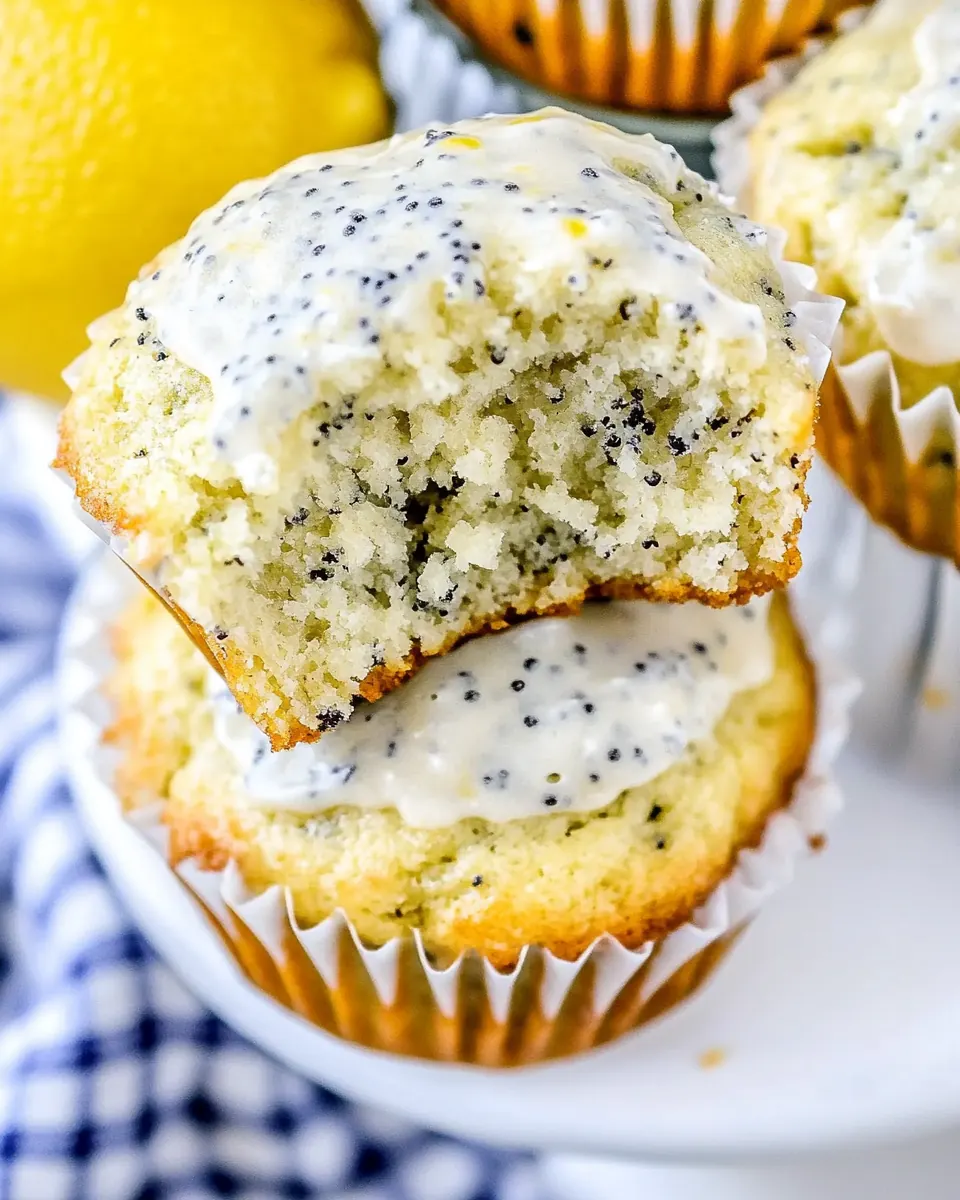
Bringing these muffins together is a comforting, sensory process that rewards attention to texture and aroma. Below are the cleaned directions rewritten into rich, detailed steps so you can feel confident at every stage. Follow the sequence and tune into the smells and visual cues to know you are on the right track.
- Preheat oven to 350 degrees. Line 24 muffin cups with paper liners and set aside.: As the oven warms, you will begin to sense the ritual of baking, and the gradual heat helps ensure even rise. The warmth creates the environment for the leavening agents to react properly once the batter is in the tin. A preheated oven prevents underbaked centers while the tops brown evenly. Common mistakes here include not allowing the oven full time to reach temperature, which causes uneven doming, and opening the door frequently; avoid that to keep the oven temperature steady. The sound of the oven fan settling and the faint hum are good indicators it is ready.
- In a large bowl, stir butter, sugar, eggs, vanilla, sour cream, milk, lemon zest and juice together until well combined.: Preparing the tins first saves time and prevents batter from sitting too long. Paper liners protect the tins and help the muffins release cleanly, preserving the delicate crumb. If you prefer, grease the cups lightly, but liners are more forgiving for transport. One pitfall is using liners that are too thin or cheap, which can tear when removing muffins. Arrange the tins on the middle rack for most even heat distribution.
- In a small bowl, whisk together flour, baking powder, baking soda and salt. Pour dry ingredients into wet and stir until just combined.: As you combine these wet ingredients, the aroma of lemon zest will become pronounced, and the mixture should look glossy and cohesive. Creaming butter with sugar first helps dissolve sugar crystals and traps air for lift. Adding room temperature eggs one at a time helps emulsify the mixture, creating a smooth batter. Overmixing at this stage can incorporate excess air then collapse, so stir until smooth but not overly vigorous. If the mixture appears curdled, a brief, gentle whisking usually brings it back together.
- Fold in poppy seeds. Scoop batter into prepared muffin tins until filled 2/3 of the way.: Whisking the dry ingredients aerates them and ensures even distribution of leaveners, which matters for uniform rise. The flour should look light and slightly powdery when ready. This step prevents pockets of baking powder or soda that could otherwise create odd tasting spots or uneven texture. A common error is dumping the leavening directly without whisking, which risks uneven rise. Use a sifter or fine whisk for best results.
- Bake 18-20 minutes or until a toothpick comes out clean. Enjoy warm or at room temperature.: After adding the dry mix, the batter should look streaky at first and then come together into a slightly thick, lumpy consistency. Those little lumps are fine, and avoiding overmixing preserves tenderness; overworked gluten makes muffins tough and dense. You should see no large pockets of flour, but a few small streaks are acceptable. If the batter seems too thick, a tablespoon or two of milk will loosen it; too thin and the muffins will spread flat, so add liquid carefully. A frequent mistake is stirring too long in an attempt to make it silky smooth, which hurts the final texture.
- Fold in poppy seeds: Folding in the poppy seeds by hand keeps the batter from deflating and ensures even distribution of these tiny flavor pops. Visually, you will notice a subtle speckling throughout the batter as the seeds are incorporated. The seeds add tactile interest and a mild nutty note that complements the lemon . If you beat them in vigorously, the batter may overmix, so use a gentle folding motion. Check the batter to confirm the seeds are scattered throughout, and mix just enough to avoid streaks of flour.
- Scoop batter into prepared muffin tins until filled 2/3 of the way: Use an ice cream scoop or large spoon for uniform portions so the muffins bake evenly. Filling to about two thirds provides room for the tops to dome without overflowing. As you fill, the batter should feel dense but malleable and hold a slight mound in each liner. If portions vary widely, some muffins will bake faster and others will remain underdone. Keep a consistent scoop size and tap the tin gently on the counter to settle the batter and eliminate large air pockets before baking.
- Bake 18 to 20 minutes or until a toothpick comes out clean: While baking, the kitchen will fill with a warm citrus fragrance and you may hear a quiet crackling as the tops set. Watch for golden coloration and a springy top; the toothpick test should show only moist crumbs, not wet batter. Baking too long will dry the muffins, while too little time yields gummy centers. If the tops brown too quickly, move the pan to a lower rack or tent lightly with foil. Allow the muffins to cool slightly in the tin before transferring to a rack to finish setting; this prevents them from breaking apart.
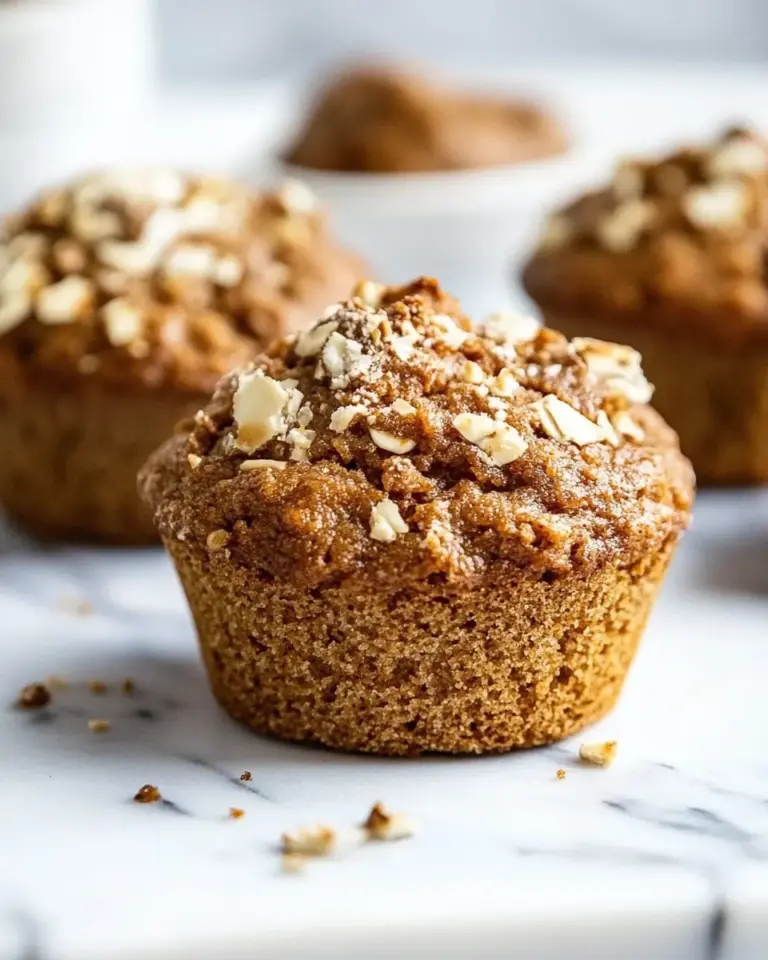
- Enjoy warm or at room temperature: The final taste is best when you note the contrast of a slightly crisp top and a tender interior studded with poppy seeds . Warm muffins offer a softer crumb and more pronounced lemon aroma, while room temperature ones hold together a bit more for packing. Store leftover muffins in an airtight container for a day or two at room temperature, or freeze for longer storage. A common mistake is refrigerating them, which can dry them out faster; instead, keep them at room temperature or wrapped in plastic and then rewarm gently when needed.
Helpful Notes about Lemon Poppy Seed Muffins
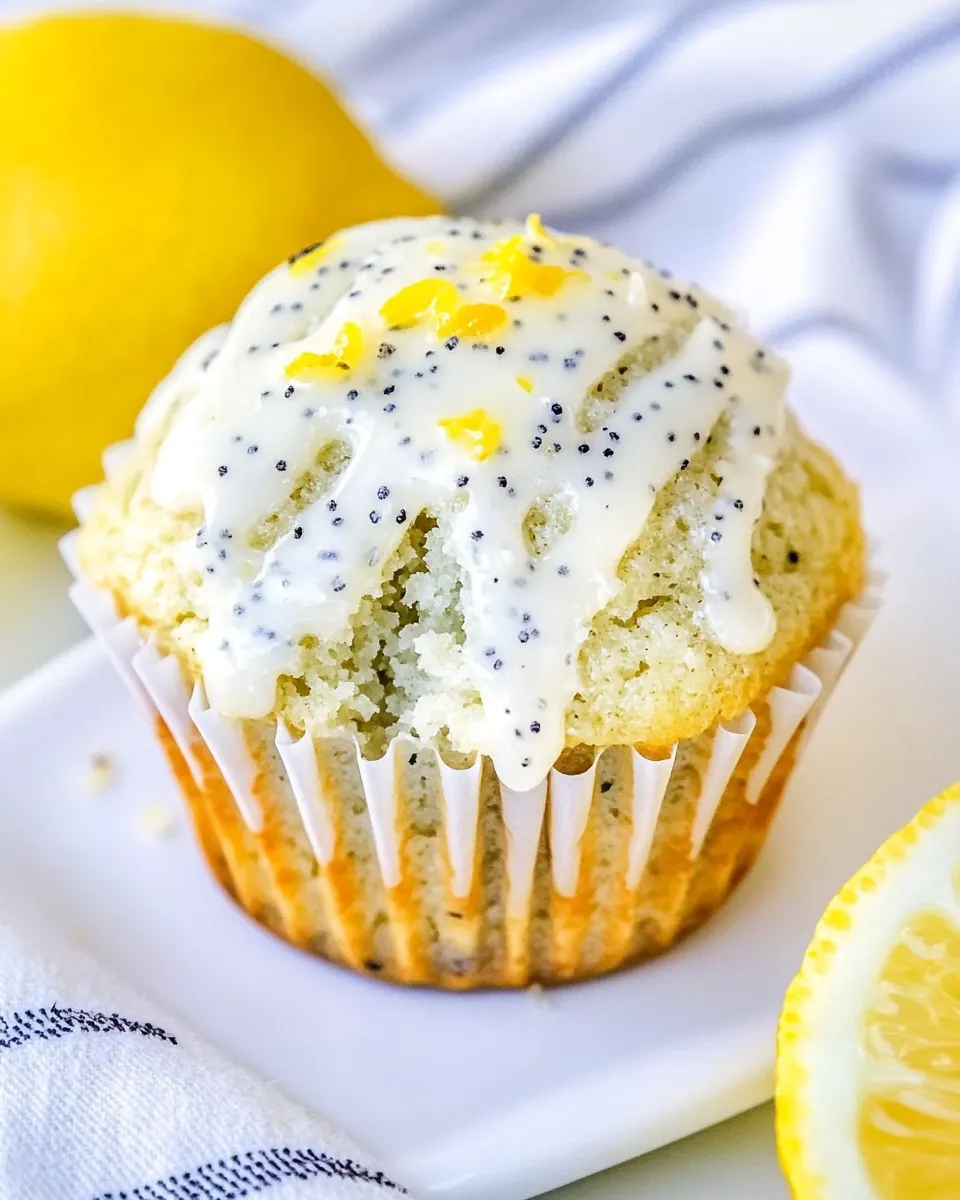
These tips cover small techniques that make a big difference when baking these muffins. The list below expands on practical points, from ingredient handling to storage, helping you get reliable results every time.
- Room Temperature Ingredients Ensure butter, eggs, and sour cream are close to room temperature so they combine smoothly, giving a consistent batter and better rise.
- Fresh Lemon Zest Zest just before you mix to capture the volatile citrus oils, which deliver the brightest aroma and flavor to the muffins.
- Avoid Overmixing Stir the batter until just combined; a few lumps are fine and prevent gluten overdevelopment, which keeps the crumb tender.
- Accurate Measuring Spoon and level flour rather than scooping directly from the bag to prevent packing and dense muffins.
- Uniform Scooping Use an ice cream scoop or measuring cup for consistent portions so all muffins bake evenly and finish at the same time.
- Storage Keep muffins in an airtight container at room temperature for up to two days, or freeze cooled muffins in a sealed bag for up to a month.
Pairing Suggestions for Lemon Poppy Seed Muffins
These muffins pair well with morning beverages, light meals, and casual gatherings. Below are serving ideas and storage notes to help you present them beautifully for any occasion.
- Morning Coffee or Tea Serve the muffins warm alongside a cup of black coffee or a fragrant herbal tea; the bright lemon lifts the drink and creates a lovely breakfast moment.
- Brunch Spread Include the muffins on a brunch table with fresh fruit, yogurt, and small sandwiches for a balanced and inviting plate.
- Picnic-Friendly Pack cooled muffins in an airtight container for an easy outdoor snack; they travel well and make a satisfying addition to picnic fare.
- Light Dessert For a casual after-dinner treat, present a platter of muffins with sliced citrus or berries to echo the bright flavors.
- Storage Tips For best texture, keep at room temperature in a sealed container for up to two days, or freeze cooled muffins and thaw at room temperature when needed.
- Occasions Great for weekend brunches, spring gatherings, or as a simple baked good to bring when visiting friends; they feel seasonal and approachable without being fussy.
FAQ
Conclusion
These Lemon Poppy Seed Muffins shine because they combine bright citrus, tender crumb, and just a hint of crunch in a recipe that is both approachable and dependable. If you love baking that rewards modest effort with memorable results, give them a try; they make mornings feel a little more intentional and gatherings a touch warmer. I hope this recipe becomes one of those staples you reach for when you want to share something homemade and bright.
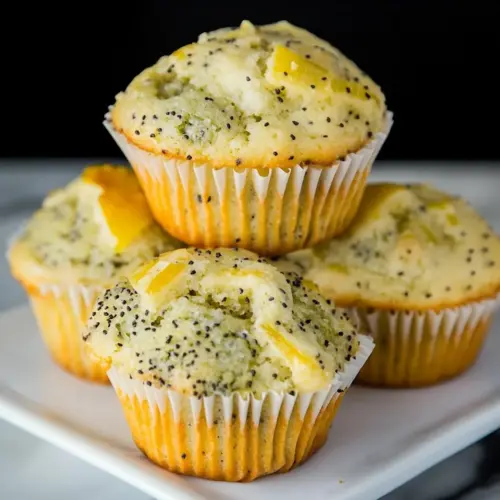
Lemon Poppy Seed Muffins
Equipment
- Muffin tins
Ingredients
- 12 tablespoons butter at room temperature, 3/4 cup Soften and cream to provide fat and moisture while helping create a tender, rich crumb and enhanced flavor throughout the muffins. Allow to reach room temperature so it incorporates smoothly with sugar and eggs for proper aeration.
- 1 1/2 cups granulated sugar Cream with butter to add sweetness and structure while aiding in leavening through creaming; it dissolves into the batter to produce a delicate texture. Measure accurately to balance sweetness and moisture in the final muffins.
- 2 large eggs Whisk in to bind ingredients, provide structure, and help with leavening by trapping air when beaten; eggs contribute richness and a moist crumb. Use large eggs at room temperature for optimal emulsification and consistent texture.
- 1 teaspoon vanilla Add to enhance overall flavor profile with warm, familiar sweetness and aromatic depth; vanilla helps round out and unify other flavors. Use pure vanilla for best aroma and a natural, fragrant note.
- 1 teaspoon almond extract Stir in sparingly to impart a subtle, nutty-fruity aroma that complements lemon and vanilla; almond extract intensifies perceived sweetness without adding sugar. Use cautiously because of its concentrated flavor to avoid overpowering the muffins.
- 1 cup sour cream Fold in to contribute tangy moisture, tenderize the crumb, and add a slight acidity that reacts with baking soda for gentle lift. Choose full-fat sour cream to maximize richness and a moist, soft texture.
- 1 tablespoon lemon zest zested Grate finely to deliver bright citrus oils that provide fresh, zesty aroma and concentrated lemon flavor without added liquid. Add zest carefully to distribute intense citrus notes evenly throughout the batter.
- 1/4 cup whole milk Stir in to slightly thin the batter and adjust consistency, helping to hydrate dry ingredients and produce a tender crumb. Use whole milk for added richness and a smoother mouthfeel in the finished muffins.
- 2 tablespoons lemon juice Squeeze in to supply bright acidity and lemon flavor that balances sweetness and enhances overall brightness; it also reacts with leavening agents for lift. Freshly squeezed juice provides the best natural flavor and acidity.
- 3 cups all purpose flour Combine to form the bulk of the batter, providing structure, texture, and absorbency for fats and liquids; flour proteins develop gluten that supports the muffin's rise. Use all-purpose flour measured properly to avoid dense results.
- 2 teaspoons baking powder Blend in to create chemical leavening, producing carbon dioxide that helps the muffins rise and become airy; it works in tandem with baking soda and acids. Level teaspoons for consistent rising and light crumb.
- 1/2 teaspoon baking soda Add to react with acidic components like sour cream and lemon juice to produce additional lift and tenderness; baking soda also helps with browning. Measure precisely because too much can cause off flavors.
- 1/2 teaspoons salt Mix in to season the batter and balance sweetness, enhancing overall flavor perception by bringing out other aromatics. Use the specified small amount to avoid noticeable saltiness while improving depth.
- 1 tablespoon poppy seeds Sprinkle through the batter to add crunchy texture and a subtle nutty taste that characterizes poppy seed muffins; seeds also provide visual contrast. Distribute seeds evenly so each muffin gets a consistent pop of flavor.
Instructions
- Preheat oven to 350 degrees. Line 24 muffin cups with paper liners and set aside.: As the oven warms, you will begin to sense the ritual of baking, and the gradual heat helps ensure even rise. The warmth creates the environment for the leavening agents to react properly once the batter is in the tin. A preheated oven prevents underbaked centers while the tops brown evenly. Common mistakes here include not allowing the oven full time to reach temperature, which causes uneven doming, and opening the door frequently; avoid that to keep the oven temperature steady. The sound of the oven fan settling and the faint hum are good indicators it is ready.
- In a large bowl, stir butter, sugar, eggs, vanilla, sour cream, milk, lemon zest and juice together until well combined.: Preparing the tins first saves time and prevents batter from sitting too long. Paper liners protect the tins and help the muffins release cleanly, preserving the delicate crumb. If you prefer, grease the cups lightly, but liners are more forgiving for transport. One pitfall is using liners that are too thin or cheap, which can tear when removing muffins. Arrange the tins on the middle rack for most even heat distribution.
- In a small bowl, whisk together flour, baking powder, baking soda and salt. Pour dry ingredients into wet and stir until just combined.: As you combine these wet ingredients, the aroma of lemon zest will become pronounced, and the mixture should look glossy and cohesive. Creaming butter with sugar first helps dissolve sugar crystals and traps air for lift. Adding room temperature eggs one at a time helps emulsify the mixture, creating a smooth batter. Overmixing at this stage can incorporate excess air then collapse, so stir until smooth but not overly vigorous. If the mixture appears curdled, a brief, gentle whisking usually brings it back together.
- Fold in poppy seeds. Scoop batter into prepared muffin tins until filled 2/3 of the way.: Whisking the dry ingredients aerates them and ensures even distribution of leaveners, which matters for uniform rise. The flour should look light and slightly powdery when ready. This step prevents pockets of baking powder or soda that could otherwise create odd tasting spots or uneven texture. A common error is dumping the leavening directly without whisking, which risks uneven rise. Use a sifter or fine whisk for best results.
- Bake 18-20 minutes or until a toothpick comes out clean. Enjoy warm or at room temperature.: After adding the dry mix, the batter should look streaky at first and then come together into a slightly thick, lumpy consistency. Those little lumps are fine, and avoiding overmixing preserves tenderness; overworked gluten makes muffins tough and dense. You should see no large pockets of flour, but a few small streaks are acceptable. If the batter seems too thick, a tablespoon or two of milk will loosen it; too thin and the muffins will spread flat, so add liquid carefully. A frequent mistake is stirring too long in an attempt to make it silky smooth, which hurts the final texture.
- Fold in poppy seeds: Folding in the poppy seeds by hand keeps the batter from deflating and ensures even distribution of these tiny flavor pops. Visually, you will notice a subtle speckling throughout the batter as the seeds are incorporated. The seeds add tactile interest and a mild nutty note that complements the lemon . If you beat them in vigorously, the batter may overmix, so use a gentle folding motion. Check the batter to confirm the seeds are scattered throughout, and mix just enough to avoid streaks of flour.
- Scoop batter into prepared muffin tins until filled 2/3 of the way: Use an ice cream scoop or large spoon for uniform portions so the muffins bake evenly. Filling to about two thirds provides room for the tops to dome without overflowing. As you fill, the batter should feel dense but malleable and hold a slight mound in each liner. If portions vary widely, some muffins will bake faster and others will remain underdone. Keep a consistent scoop size and tap the tin gently on the counter to settle the batter and eliminate large air pockets before baking.
- Bake 18 to 20 minutes or until a toothpick comes out clean: While baking, the kitchen will fill with a warm citrus fragrance and you may hear a quiet crackling as the tops set. Watch for golden coloration and a springy top; the toothpick test should show only moist crumbs, not wet batter. Baking too long will dry the muffins, while too little time yields gummy centers. If the tops brown too quickly, move the pan to a lower rack or tent lightly with foil. Allow the muffins to cool slightly in the tin before transferring to a rack to finish setting; this prevents them from breaking apart.
- Enjoy warm or at room temperature: The final taste is best when you note the contrast of a slightly crisp top and a tender interior studded with poppy seeds . Warm muffins offer a softer crumb and more pronounced lemon aroma, while room temperature ones hold together a bit more for packing. Store leftover muffins in an airtight container for a day or two at room temperature, or freeze for longer storage. A common mistake is refrigerating them, which can dry them out faster; instead, keep them at room temperature or wrapped in plastic and then rewarm gently when needed.
Notes
- Room Temperature Ingredients Ensure butter, eggs, and sour cream are close to room temperature so they combine smoothly, giving a consistent batter and better rise.
- Fresh Lemon Zest Zest just before you mix to capture the volatile citrus oils, which deliver the brightest aroma and flavor to the muffins.
- Avoid Overmixing Stir the batter until just combined; a few lumps are fine and prevent gluten overdevelopment, which keeps the crumb tender.
- Accurate Measuring Spoon and level flour rather than scooping directly from the bag to prevent packing and dense muffins.
- Uniform Scooping Use an ice cream scoop or measuring cup for consistent portions so all muffins bake evenly and finish at the same time.
- Storage Keep muffins in an airtight container at room temperature for up to two days, or freeze cooled muffins in a sealed bag for up to a month.