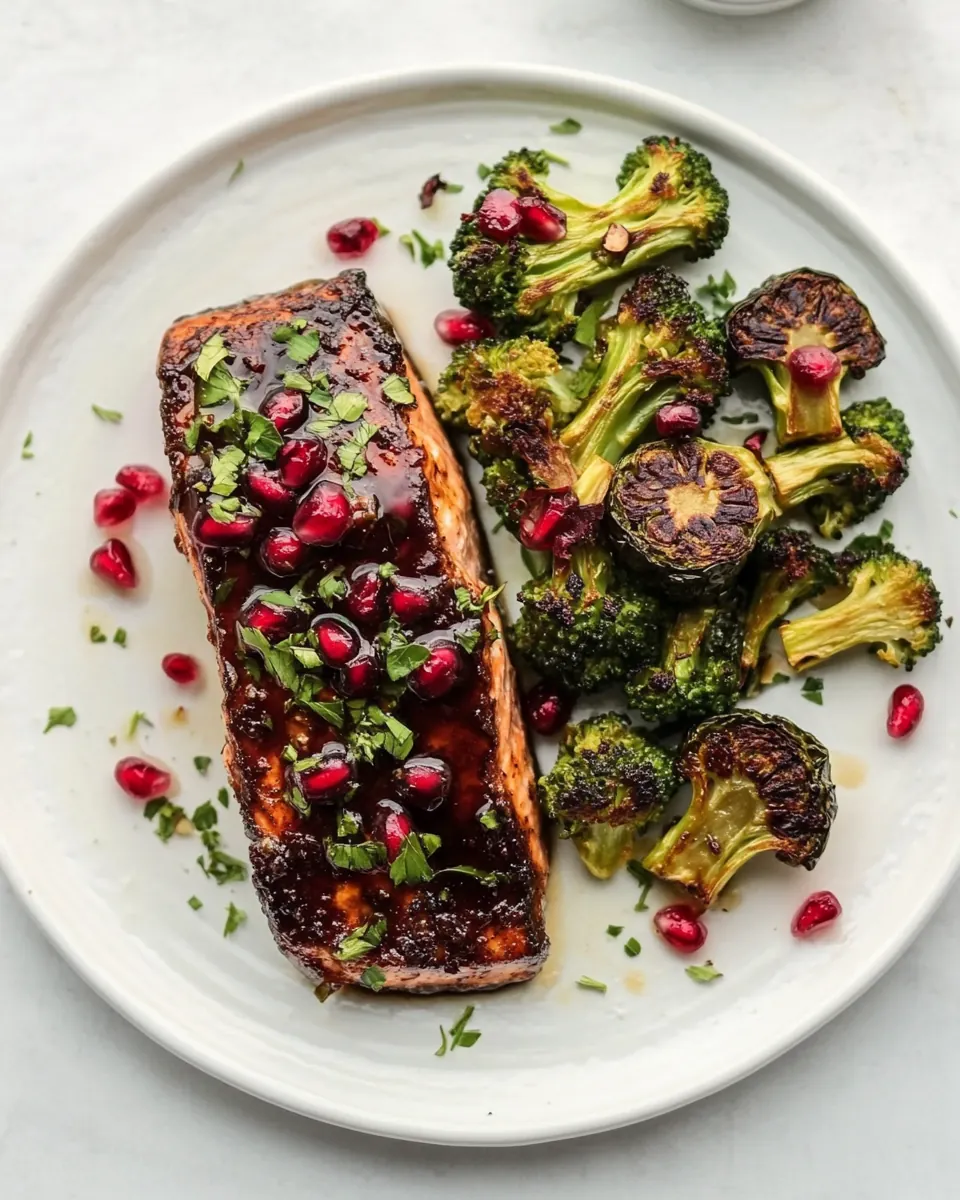
Sticky Pomegranate Salmon with Brussels Broccoli
Sticky Pomegranate Salmon with Brussels Broccoli came into my weeknight rotation the night I wanted something bold but not complicated, something that tasted like effort without asking for an entire afternoon. I remember pulling the cast iron from the stove, watching the glaze bubble and thicken into a glossy coat, while the house filled with an irresistible sweet tang. That first bite, flaky salmon meeting the bright pop of pomegranate, convinced me this was worth repeating again and again.
There is a memory tied to the roasted brussels sprouts and broccoli too, the way the pine nuts crisp beneath the parmesan and tiny caramelized edges formed on the florets. I love how the dish balances sticky and crunchy, savory and bright, so it became my go to for when friends drop by unannounced. Every time I make Sticky Pomegranate Salmon with Brussels Broccoli I tweak one small thing, maybe more herbs or a faster roast, and somehow it always feels fresh.
Recipe Snapshot
45 mins
35 mins
10 mins
Medium
450 kcal
American
Gluten-Free, Low FODMAP
Dinner
Cast iron skillet, Baking sheet
Why Try This Sticky Pomegranate Salmon with Brussels Broccoli
Bold sweet and savory contrast
I adore how the glaze gives salmon an intense, layered flavor. The maple and pomegranate molasses create a caramelized surface that frames the fish without overpowering it. I find that contrast keeps each bite interesting and makes this recipe stick in people s minds.
Textural harmony
The combination of roasted brussels sprouts, crunchy pine nuts, and flaky salmon is what sells this dish to me. I like that every forkful has that tiny crunch against tender fish, it feels thoughtfully composed rather than thrown together.
Weeknight friendly yet impressive
We can put this on the table pretty quickly, but it still feels party ready. I often tell friends that this recipe is my cheat code for a dinner that looks like I cooked all evening, when really it s just a few intentional moves.
Flexible and forgiving
I like recipes that recover from small mistakes, and this one does. The glaze can be adjusted, roasting times varied slightly, and the vegetables will still sing. That kind of freedom lets me relax in the kitchen instead of worrying about precise timing.
Bright finishing notes
The fresh herbs and pomegranate arils at the end bring a freshness that lifts the whole plate. I always add them last, they are the tiny punctuation that makes everyone at the table ask for seconds.
Ingredients Required for Sticky Pomegranate Salmon with Brussels Broccoli
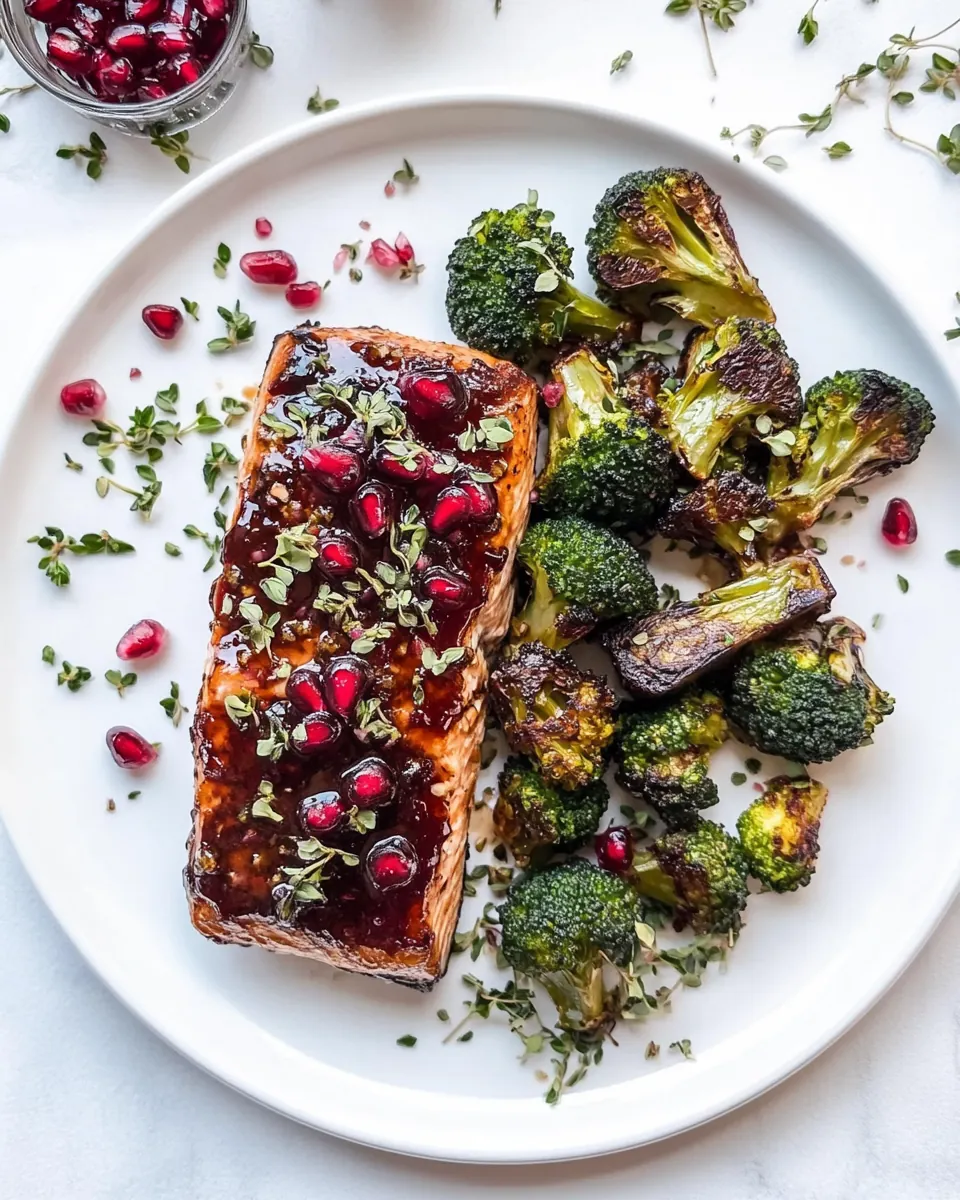
These ingredients play together to create a balance of texture and flavor. The key players are the sticky glaze components that build a shiny coating on the salmon, the roasted broccoli and brussels sprouts that bring caramelized depth, and the finishing touches like parmesan and pine nuts that lend savory crunch.
- 2 cups broccoli florets: Chop into bite-sized florets and roast or steam to provide a tender, slightly crunchy green base that absorbs dressings and flavors well. Add near the end of cooking to retain color and a pleasant bite that complements richer components. Season lightly to balance the natural bitterness and enhance overall dish texture.
- 1 cup brussels sprouts, stems removed and cut in half: Trim stems and halve to create caramelized, nutty bites that add depth and heartiness when roasted or pan-seared. Cook until crisp-tender to deepen natural sweetness and contrast with softer elements like fish or sauces. Finish with a sprinkle of acid or salt to brighten flavors and tie components together.
- 2 tablespoons olive oil: Drizzle over vegetables and fish before roasting or sautéing to provide a fruity, stable cooking fat that promotes browning. Use sparingly to let other flavors shine while helping to crisp surfaces and carry aromatics in the pan. Choose extra-virgin for more pronounced flavor or regular olive oil for neutral cooking.
- 1/4 cup raw, unsalted pine nuts: Toast lightly to unlock rich, buttery flavor and add a crunchy, nutty accent that contrasts with soft vegetables and fish. Sprinkle over finished dishes or stir into roasted veg for added texture and a sophisticated nutty aroma. Store in a cool, dry place to prevent rancidity and toast just before serving for best flavor.
- kosher salt and pepper: Season to taste during and after cooking to enhance natural flavors and provide necessary savory balance. Apply modestly to avoid overpowering delicate ingredients, adjusting for components like cheese or cured elements. Use freshly ground pepper for bright spice and sprinkle evenly for consistent seasoning.
- 3 tablespoons freshly grated parmesan cheese: Grate fresh to add a salty, umami-rich finish that melts slightly over hot vegetables and fish for a cohesive, savory note. Sprinkle just before serving to preserve texture and allow aromatic oils to bloom. Balance with acid or sweet components to prevent overpowering other flavors.
- 4 salmon filets: Pat dry and season before cooking to ensure even searing and tender flaky texture, forming the protein centerpiece of the meal. Cook to preferred doneness while allowing sauce to glaze the surface for sticky, flavorful bites. Portion according to appetite and pair with roasted vegetables for balanced plating.
- kosher salt and pepper: Season again before or after cooking to create layered savory notes and ensure the fish and vegetables are properly balanced. Use restrained amounts to complement other salty elements like cheese and to allow sweet glazes to shine. Re-season lightly after glazing to maintain depth without over-salting.
- 2 tablespoons unsalted butter: Melt to enrich sauces and pan-sauté vegetables with a creamy, slightly sweet richness that promotes browning and mouthfeel. Add toward the end of cooking to finish sauces and coat ingredients with a glossy sheen. Combine with oils for higher smoke point and enhanced flavor complexity.
- 2 garlic cloves, minced: Mince finely to release pungent, aromatic oils that infuse both vegetables and sauces with savory depth. Sauté briefly in fat to mellow sharpness and develop a fragrant backbone for glazes and pan sauces. Add at different stages for varied intensity—early for mellow flavor, late for punchier aroma.
- 1/4 cup maple syrup: Measure to sweeten glazes and balance acidic or bitter components, contributing viscosity and caramel-like notes when reduced. Combine with savory elements to create a sticky, lacquered finish that clings to fish and vegetables. Adjust quantity to control overall sweetness and mouthfeel.
- 1/4 cup pomegranate molasses: Incorporate to provide concentrated tart-sweet, molasses–like flavor that forms the backbone of a glossy, tangy glaze. Reduce gently with sweeteners and liquid to develop a sticky coating that complements fatty fish and roasted vegetables. Use sparingly to avoid overpowering delicate herbs and cheese.
- 1/4 cup water: Add to thin glazes and control consistency while helping to dissolve sweeteners and distribute flavors evenly across ingredients. Use warm water to loosen thicker syrups and create a cohesive sauce that glazes salmon and vegetables. Adjust amount to achieve desired saucy or syrupy texture.
- 3 tablespoons pomegranate arils: Scatter over finished dishes to contribute bright, juicy bursts of sweet-tart flavor and a jewel-like visual accent. Use as a garnish to cut through richness and add delicate texture contrast against crispy vegetables and sticky glaze. Add just before serving to preserve freshness and pop.
- 1 tablespoon fresh herbs, like parsley or cilantro: Chop finely to provide fresh, green aromatic lift that brightens rich, sweet, and savory elements on the plate. Sprinkle as a finishing herb to add color, freshness, and a subtle herbaceous counterpoint to the glaze and roasted vegetables. Use parsley for grassy notes or cilantro for citrusy warmth depending on preference.
Preparation Steps for Sticky Pomegranate Salmon with Brussels Broccoli
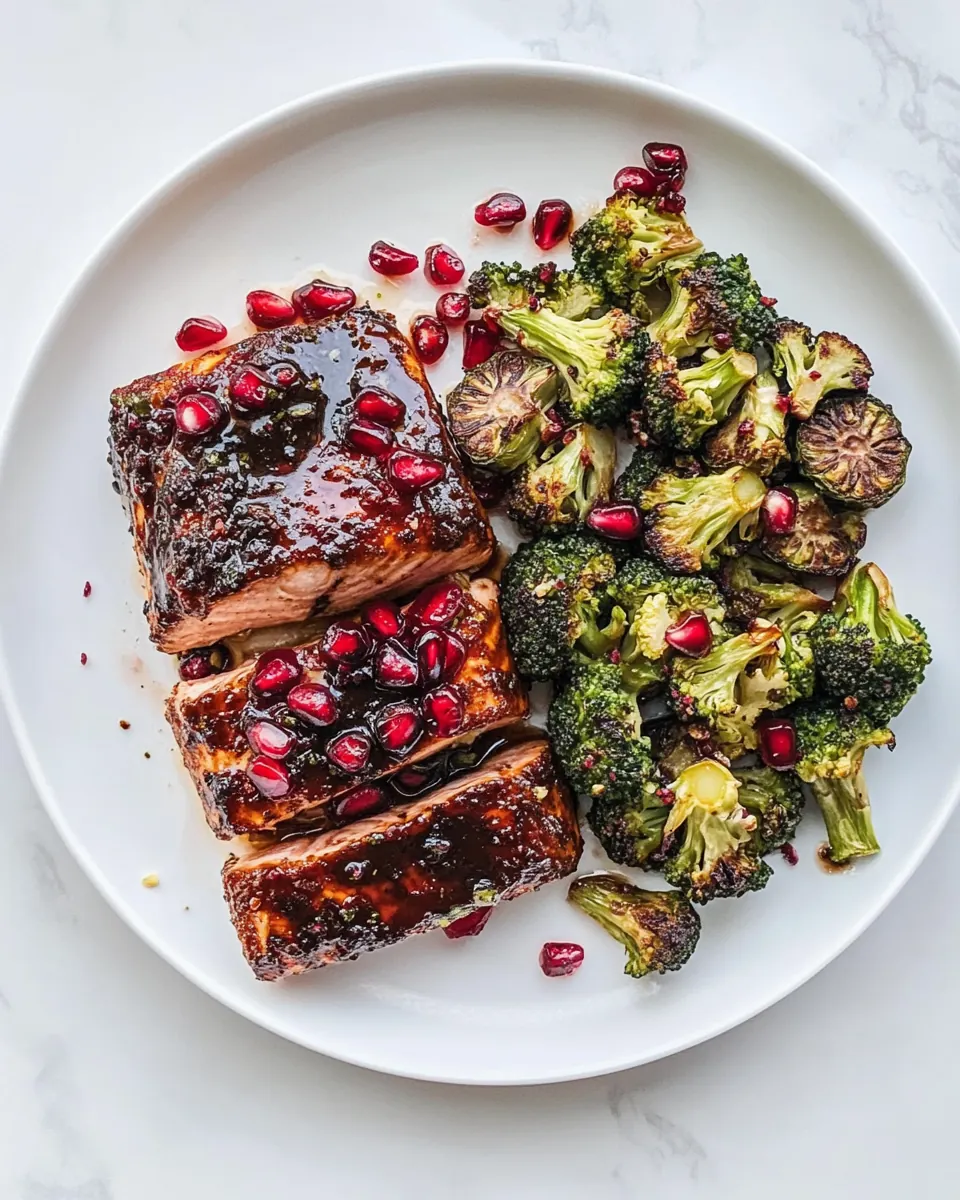
I like to work in two streams here, one for the vegetables and one for the salmon. The vegetables go into a hot oven to become caramelized and nutty, while the pan on the stove reduces the glaze and builds a glossy coat on the fish. Timing them so they finish together is the satisfying part.
- Preheat the oven to 425 degrees F.: You should notice the oven warming evenly, and preheating ensures quick caramelization of the vegetables. The hot environment encourages the Maillard reaction on the surfaces of both the broccoli and brussels sprouts , producing those fragrant roasted notes you want. A common mistake is not waiting until the oven reaches temperature, which leads to limp, pale veg.
- Spread the broccoli and brussels sprouts out on a baking sheet. Toss well with the olive oil. Toss with a big pinch of salt and pepper. Sprinkle on the parmesan and pine nuts. Roast for 15 to 20 minutes, tossing once or twice during cook time to make sure the nuts don’t burn.: As the vegetables roast you will hear a gentle crackle and see edges turn golden brown, with nutty aromas from the pine nuts . Turning them once helps expose all sides to heat for even browning, and the parmesan will melt then crisp slightly, adding savory notes. Watch the pine nuts carefully, because they toast quickly and can go from perfect to bitter within a minute.
- While the vegetables are roasting, make the salmon. Season the salmon filets all over with salt and pepper.: The seasoning step primes the salmon to develop a flavorful crust and helps the glaze adhere. When you touch the fish it should feel slightly tacky after being seasoned, which helps searing. Over seasoning is the usual error here, so start with modest salt and adjust later.
- Heat a cast iron skillet over medium heat. Add the butter. Once melted, stir in the garlic and cook for 30 seconds.: You will smell the butter turn fragrant and the garlic release a light savory perfume almost immediately. This brief cook softens the raw edge of the garlic while infusing the fat, which becomes the flavor base for the glaze. Letting the garlic brown is the common mistake, because once it darkens it turns sharp and bitter.
- Stir in the maple syrup, pomegranate molasses and water. Bring the mixture to a boil then reduce it to a simmer. Add the salmon into the skillet. Spoon the glaze over top of the salmon every 30 seconds or so. Cook and spoon it over for about 5 minutes.: As the liquids hit the hot pan you will see them reduce and thicken into a glossy glaze, filling the kitchen with sweet tart aromas. Basting transfers that concentrated flavor onto the surface of the salmon , promoting a shiny, sticky finish. If you skip frequent spooning the glaze can reduce unevenly and leave parts of the fish dry.
- Transfer the entire skillet, uncovered, to the 425 degrees F oven. Roast for 5 to 10 minutes, until the salmon is just cooked through, is opaque and pink and flakes easily with a fork. By this time, the roasted vegetables should be done too!: In the oven the heat will finish cooking the fish gently while encouraging the glaze to set into a lacquered surface. Look for the fish to turn opaque and to separate into flakes with gentle pressure, and for the vegetables to show golden edges. Overcooking here is the main pitfall as salmon will become dry quickly, so check early and often.
- Remove the salmon from the oven and sprinkle with the parsley and pomegranate. Serve immediately with the vegetables!: The finishing hit of fresh herbs and ruby arils adds aroma and bright acidity that cut through the glaze and fat. Visually the dish pops, making each plate look composed. If you let it sit too long the glaze will lose its shine and the pomegranate will soften, so serve right away for best results.
Variations to Try
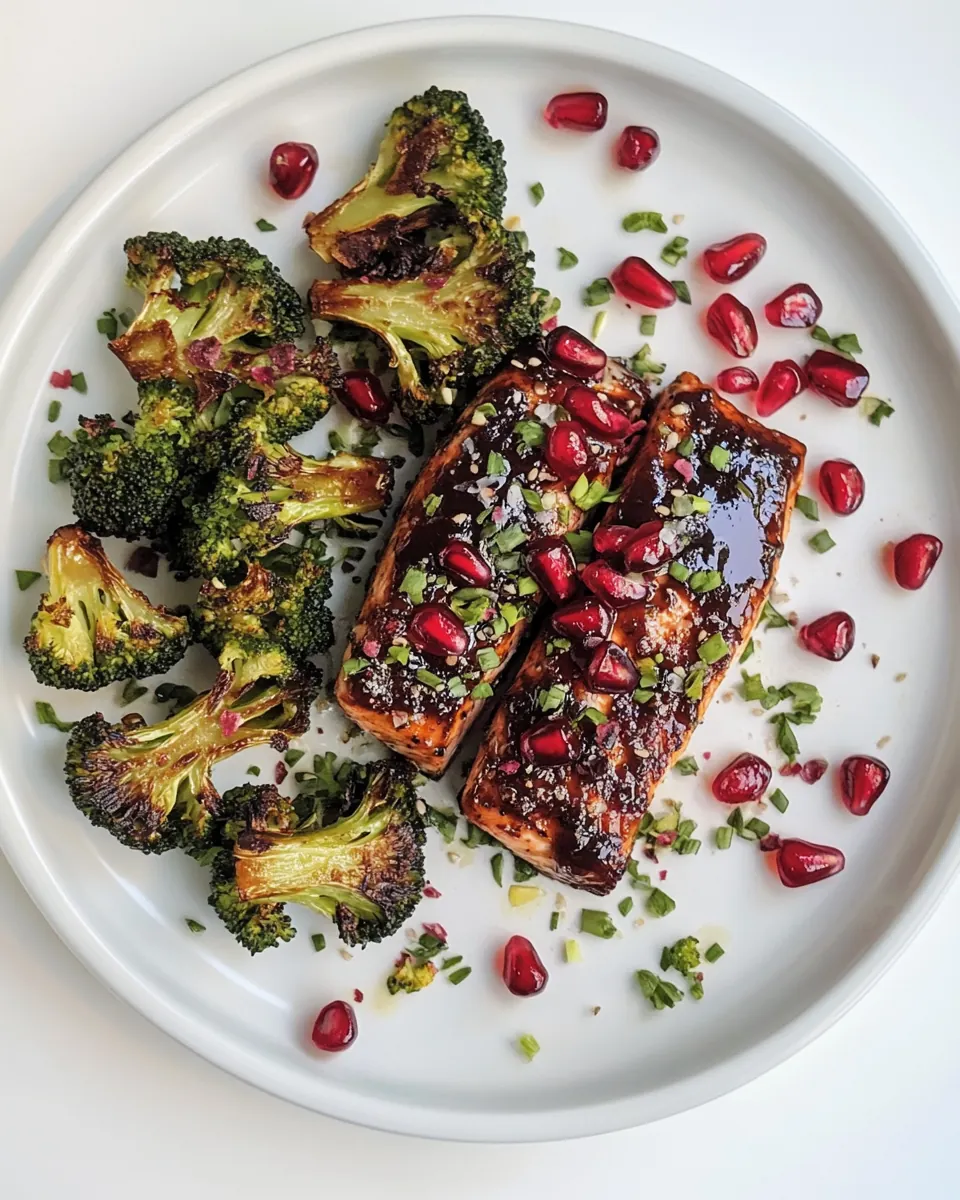
This recipe adapts well to small swaps while keeping its signature sticky, bright profile. Below are a series of focused variations and ideas to tailor the dish to your pantry and tastes.
- Swap herbs Replace parsley with cilantro for a citrusy lift, or add a sprinkle of chopped dill for a softer, aromatic finish that complements the salmon.
- Make it spicier Stir a pinch of red pepper flakes into the glaze as it simmers to introduce a steady warming note that balances the sweetness.
- Nut alternatives Use chopped toasted almonds or walnuts if you prefer a different crunch profile instead of pine nuts, they will brown similarly but offer a stronger nutty flavor.
- Adjust sweetness If you like a less sweet glaze, reduce the maple syrup by a tablespoon and increase the pomegranate molasses slightly to keep acidity.
- Sheet pan option Roast the salmon alongside the vegetables on a separate sheet lined with foil to simplify cleanup and keep juices contained.
- Glaze thickness Simmer the glaze slightly longer off heat to thicken more if you want a stickier coating that clings to the salmon.
How to Serve Sticky Pomegranate Salmon with Brussels Broccoli
This dish works beautifully for casual weeknight dinners as well as special occasions. The following ideas focus on presentation, pairings and storage so you can serve it with confidence.
- Family dinner Serve the salmon and roasted vegetables family style on a large platter, garnished with extra pomegranate arils and herbs for a colorful, communal presentation ideal for busy weeknights.
- Date night Plate individual fillets over a bed of the roasted broccoli and brussels sprouts, drizzle any remaining glaze over the fish, and finish with a sprinkle of grated parmesan for an elevated look that still feels intimate.
- Occasion pairings This recipe suits holiday dinners in the fall, and fits nicely into festive menus that emphasize roasted vegetables and bright fruit notes, making it a tasteful option for gatherings.
- Side dish ideas Pair with a simple grain like quinoa or a lemony rice to soak up the glaze, or offer crusty bread for mopping up pan juices, which complements the texture of the roasted vegetables.
- Storage Refrigerate leftovers in an airtight container for up to two days. Reheat gently in a low oven to preserve texture, and add fresh pomegranate arils and herbs after warming to revive brightness.
- Seasonal serving In fall I serve this with roasted root vegetables alongside, but the bright pomegranate finish keeps it adaptable for other seasons when paired with lighter sides.
FAQ
Conclusion
Sticky Pomegranate Salmon with Brussels Broccoli stands out for its balance of sticky sweet glaze, flaky salmon, and roasted vegetable crunch. This combination makes the recipe approachable enough for a weeknight, yet polished enough for guests, and I encourage you to try it the next time you want a fast, flavorful meal. The bright finishing touches of herbs and pomegranate arils make each plate feel intentional and celebratory, promising a dinner that s both satisfying and memorable.
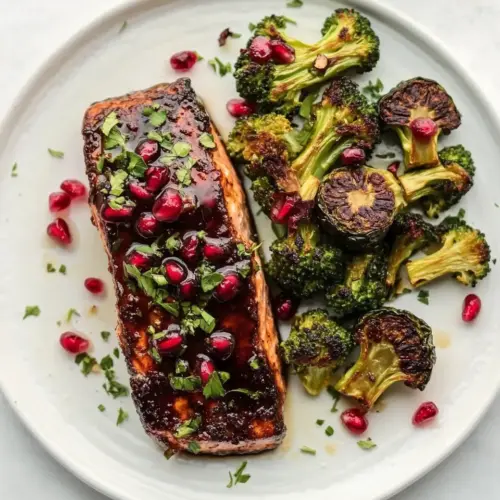
Sticky Pomegranate Salmon with Brussels Broccoli
Equipment
- Cast-Iron Skillet
- Baking Sheet
Ingredients
- 2 cups broccoli florets Chop into bite-sized florets and roast or steam to provide a tender, slightly crunchy green base that absorbs dressings and flavors well. Add near the end of cooking to retain color and a pleasant bite that complements richer components. Season lightly to balance the natural bitterness and enhance overall dish texture.
- 1 cup brussels sprouts, stems removed and cut in half Trim stems and halve to create caramelized, nutty bites that add depth and heartiness when roasted or pan-seared. Cook until crisp-tender to deepen natural sweetness and contrast with softer elements like fish or sauces. Finish with a sprinkle of acid or salt to brighten flavors and tie components together.
- 2 tablespoons olive oil Drizzle over vegetables and fish before roasting or sautéing to provide a fruity, stable cooking fat that promotes browning. Use sparingly to let other flavors shine while helping to crisp surfaces and carry aromatics in the pan. Choose extra-virgin for more pronounced flavor or regular olive oil for neutral cooking.
- 1/4 cup raw, unsalted pine nuts Toast lightly to unlock rich, buttery flavor and add a crunchy, nutty accent that contrasts with soft vegetables and fish. Sprinkle over finished dishes or stir into roasted veg for added texture and a sophisticated nutty aroma. Store in a cool, dry place to prevent rancidity and toast just before serving for best flavor.
- kosher salt and pepper Season to taste during and after cooking to enhance natural flavors and provide necessary savory balance. Apply modestly to avoid overpowering delicate ingredients, adjusting for components like cheese or cured elements. Use freshly ground pepper for bright spice and sprinkle evenly for consistent seasoning.
- 3 tablespoons freshly grated parmesan cheese Grate fresh to add a salty, umami-rich finish that melts slightly over hot vegetables and fish for a cohesive, savory note. Sprinkle just before serving to preserve texture and allow aromatic oils to bloom. Balance with acid or sweet components to prevent overpowering other flavors.
- 4 salmon filets Pat dry and season before cooking to ensure even searing and tender flaky texture, forming the protein centerpiece of the meal. Cook to preferred doneness while allowing sauce to glaze the surface for sticky, flavorful bites. Portion according to appetite and pair with roasted vegetables for balanced plating.
- kosher salt and pepper Season again before or after cooking to create layered savory notes and ensure the fish and vegetables are properly balanced. Use restrained amounts to complement other salty elements like cheese and to allow sweet glazes to shine. Re-season lightly after glazing to maintain depth without over-salting.
- 2 tablespoons unsalted butter Melt to enrich sauces and pan-sauté vegetables with a creamy, slightly sweet richness that promotes browning and mouthfeel. Add toward the end of cooking to finish sauces and coat ingredients with a glossy sheen. Combine with oils for higher smoke point and enhanced flavor complexity.
- 2 garlic cloves, minced Mince finely to release pungent, aromatic oils that infuse both vegetables and sauces with savory depth. Sauté briefly in fat to mellow sharpness and develop a fragrant backbone for glazes and pan sauces. Add at different stages for varied intensity—early for mellow flavor, late for punchier aroma.
- 1/4 cup maple syrup Measure to sweeten glazes and balance acidic or bitter components, contributing viscosity and caramel-like notes when reduced. Combine with savory elements to create a sticky, lacquered finish that clings to fish and vegetables. Adjust quantity to control overall sweetness and mouthfeel.
- 1/4 cup pomegranate molasses Incorporate to provide concentrated tart-sweet, molasses-like flavor that forms the backbone of a glossy, tangy glaze. Reduce gently with sweeteners and liquid to develop a sticky coating that complements fatty fish and roasted vegetables. Use sparingly to avoid overpowering delicate herbs and cheese.
- 1/4 cup water Add to thin glazes and control consistency while helping to dissolve sweeteners and distribute flavors evenly across ingredients. Use warm water to loosen thicker syrups and create a cohesive sauce that glazes salmon and vegetables. Adjust amount to achieve desired saucy or syrupy texture.
- 3 tablespoons pomegranate arils Scatter over finished dishes to contribute bright, juicy bursts of sweet-tart flavor and a jewel-like visual accent. Use as a garnish to cut through richness and add delicate texture contrast against crispy vegetables and sticky glaze. Add just before serving to preserve freshness and pop.
- 1 tablespoon fresh herbs, like parsley or cilantro Chop finely to provide fresh, green aromatic lift that brightens rich, sweet, and savory elements on the plate. Sprinkle as a finishing herb to add color, freshness, and a subtle herbaceous counterpoint to the glaze and roasted vegetables. Use parsley for grassy notes or cilantro for citrusy warmth depending on preference.
Instructions
- Preheat the oven to 425 degrees F.: You should notice the oven warming evenly, and preheating ensures quick caramelization of the vegetables. The hot environment encourages the Maillard reaction on the surfaces of both the broccoli and brussels sprouts , producing those fragrant roasted notes you want. A common mistake is not waiting until the oven reaches temperature, which leads to limp, pale veg.
- Spread the broccoli and brussels sprouts out on a baking sheet. Toss well with the olive oil. Toss with a big pinch of salt and pepper. Sprinkle on the parmesan and pine nuts. Roast for 15 to 20 minutes, tossing once or twice during cook time to make sure the nuts don’t burn.: As the vegetables roast you will hear a gentle crackle and see edges turn golden brown, with nutty aromas from the pine nuts . Turning them once helps expose all sides to heat for even browning, and the parmesan will melt then crisp slightly, adding savory notes. Watch the pine nuts carefully, because they toast quickly and can go from perfect to bitter within a minute.
- While the vegetables are roasting, make the salmon. Season the salmon filets all over with salt and pepper.: The seasoning step primes the salmon to develop a flavorful crust and helps the glaze adhere. When you touch the fish it should feel slightly tacky after being seasoned, which helps searing. Over seasoning is the usual error here, so start with modest salt and adjust later.
- Heat a cast iron skillet over medium heat. Add the butter. Once melted, stir in the garlic and cook for 30 seconds.: You will smell the butter turn fragrant and the garlic release a light savory perfume almost immediately. This brief cook softens the raw edge of the garlic while infusing the fat, which becomes the flavor base for the glaze. Letting the garlic brown is the common mistake, because once it darkens it turns sharp and bitter.
- Stir in the maple syrup, pomegranate molasses and water. Bring the mixture to a boil then reduce it to a simmer. Add the salmon into the skillet. Spoon the glaze over top of the salmon every 30 seconds or so. Cook and spoon it over for about 5 minutes.: As the liquids hit the hot pan you will see them reduce and thicken into a glossy glaze, filling the kitchen with sweet tart aromas. Basting transfers that concentrated flavor onto the surface of the salmon , promoting a shiny, sticky finish. If you skip frequent spooning the glaze can reduce unevenly and leave parts of the fish dry.
- Transfer the entire skillet, uncovered, to the 425 degrees F oven. Roast for 5 to 10 minutes, until the salmon is just cooked through, is opaque and pink and flakes easily with a fork. By this time, the roasted vegetables should be done too!: In the oven the heat will finish cooking the fish gently while encouraging the glaze to set into a lacquered surface. Look for the fish to turn opaque and to separate into flakes with gentle pressure, and for the vegetables to show golden edges. Overcooking here is the main pitfall as salmon will become dry quickly, so check early and often.
- Remove the salmon from the oven and sprinkle with the parsley and pomegranate. Serve immediately with the vegetables!: The finishing hit of fresh herbs and ruby arils adds aroma and bright acidity that cut through the glaze and fat. Visually the dish pops, making each plate look composed. If you let it sit too long the glaze will lose its shine and the pomegranate will soften, so serve right away for best results.
Notes
- Swap herbs Replace parsley with cilantro for a citrusy lift, or add a sprinkle of chopped dill for a softer, aromatic finish that complements the salmon.
- Make it spicier Stir a pinch of red pepper flakes into the glaze as it simmers to introduce a steady warming note that balances the sweetness.
- Nut alternatives Use chopped toasted almonds or walnuts if you prefer a different crunch profile instead of pine nuts, they will brown similarly but offer a stronger nutty flavor.
- Adjust sweetness If you like a less sweet glaze, reduce the maple syrup by a tablespoon and increase the pomegranate molasses slightly to keep acidity.
- Sheet pan option Roast the salmon alongside the vegetables on a separate sheet lined with foil to simplify cleanup and keep juices contained.
- Glaze thickness Simmer the glaze slightly longer off heat to thicken more if you want a stickier coating that clings to the salmon.
