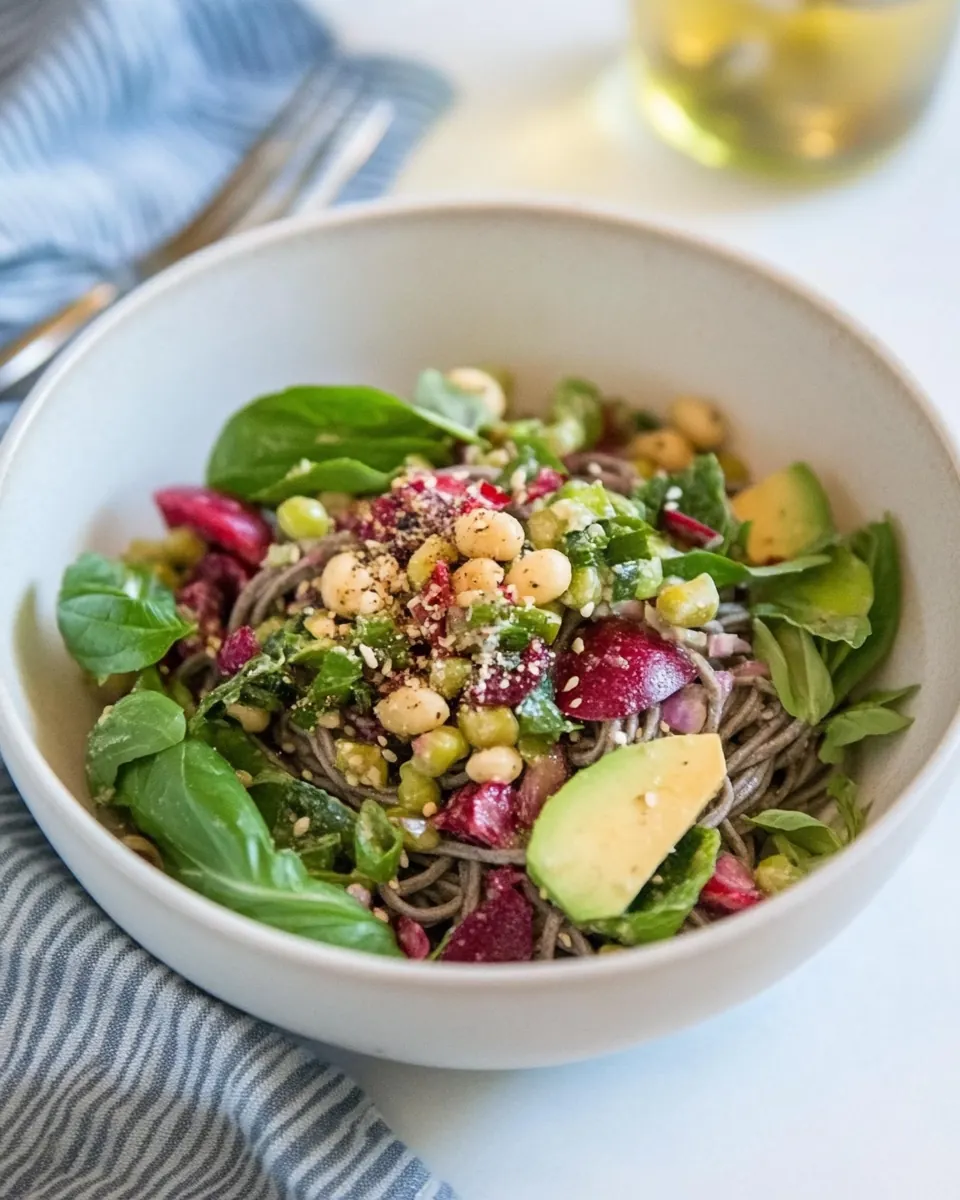
Polish Summer Soba Salad
Polish Summer Soba Salad is one of those recipes I reach for when I want something bright, earthy, and a little unexpected on the table.
I first stumbled onto this combination one humid July, when a late farmer’s market run yielded an armload of beets and a friend handed me a package of soba noodles she could not use. I wanted to showcase the beets without masking them, so I roasted them until they were tender and caramelized, then paired them with the cool, nutty texture of soba noodles and the clean snap of cucumber. The balance of textures surprised me, and I remember taking that first forkful and thinking how much summer could fit into a bowl.
Over the years I refined the dressing, leaning into a rice vinegar and olive oil combo that lifts the ingredients without weighing them down. I like to add white beans for creaminess and a little plant based protein, and roasted walnuts for crunch and warmth. It is a bowl that travels well to picnics, makes a satisfying lunch, and stands up beautifully as a light dinner on sultry evenings. I love how the dill brightens every bite, and how the scallions add a whisper of sharpness.
Recipe Snapshot
40 mins
10 mins
30 mins
Easy
300 kcal
Mediterranean
Vegan, Gluten-Free
Salads
Oven, Baking sheet, Parchment paper, Large pot, Mixing bowl, Glass measuring cup
The Magic of This Polish Summer Soba Salad
It celebrates seasonal produce
I adore how this version spotlights fresh summer beets and crisp cucumber. When produce is at its peak, flavors are cleaner and more vibrant, and that is the foundation of why I keep returning to Polish Summer Soba Salad.
Layered textures keep every bite interesting
The contrast between the tender roasted beets, silky soba noodles, creamy white beans, and crunchy roasted walnuts means you never get bored. I plan the textures deliberately, because a good salad is also a textural experience.
Fast but feels composed
This comes together quickly, yet it has the presence of a dish you might order at a cafe. The simple dressing of rice vinegar and olive oil ties everything together, making it taste intentional rather than thrown together.
Flexible for different occasions
I often serve it at casual dinners, pack it for summer lunches, or bring it to a potluck. It travels well and stands up to being dressed a short time before serving, which makes it reliable for entertaining.
Nutrition with personality
With a mix of legumes, whole grain style soba noodles, and healthy fats from olive oil and walnuts, this salad is satisfying and nourishing. It feels like a treat but also like a smart meal choice, which is the kind of win I look for in everyday cooking.
Key Ingredients for Polish Summer Soba Salad
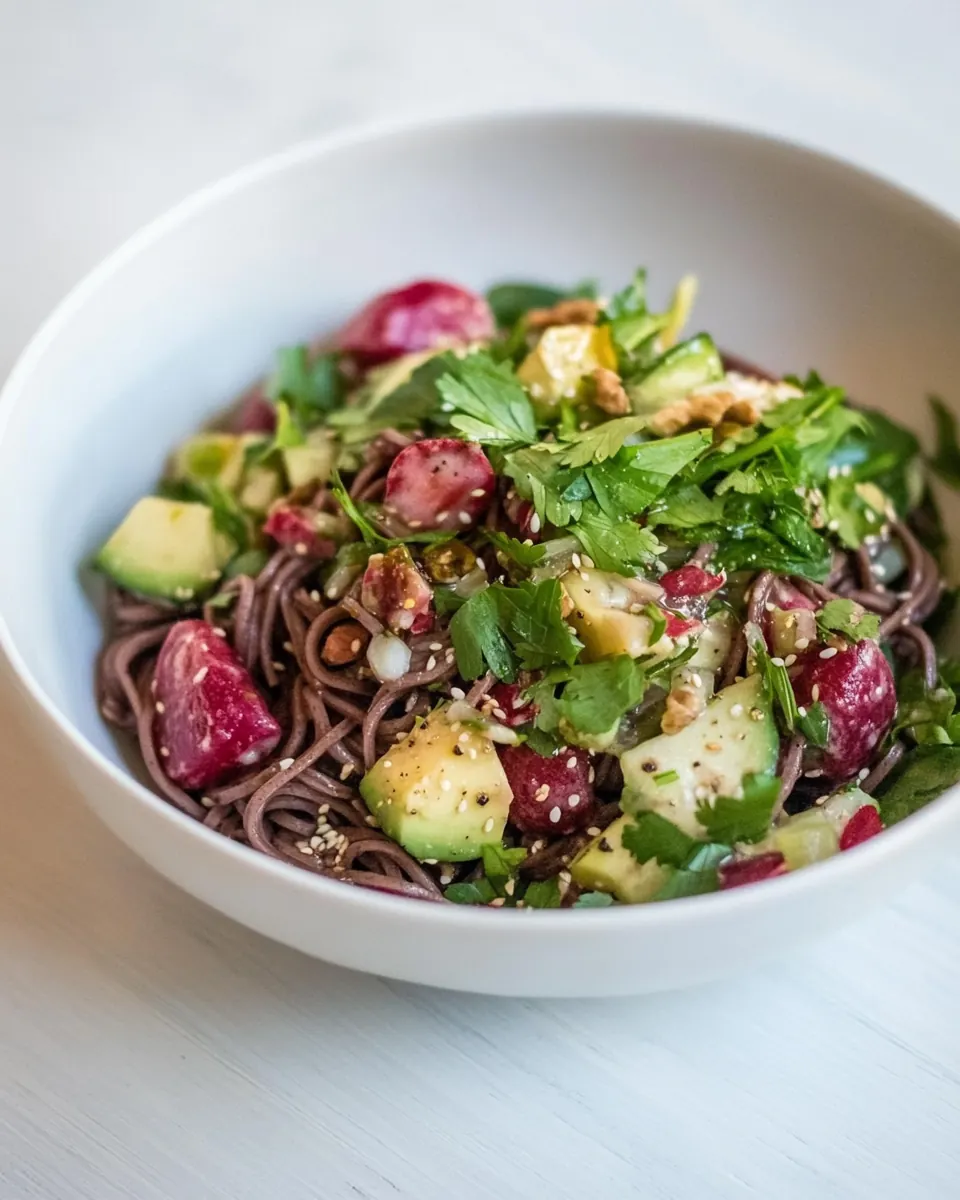
I choose ingredients that highlight summer produce while delivering satisfying contrasts. The key players are the roasted beets for earthy sweetness, the soba noodles for a tender, nutty base, and the white beans for creamy protein. Together they form a balanced bowl that feels light yet substantial.
- 1/2 pound uncooked beets, peeled and diced: Roasted and diced to add earthy sweetness and vibrant color while providing body and a slightly tender bite after cooking.
- 1 tablespoon plus 1 teaspoon olive oil, divided: Divided between cooking and dressing to add richness and help crisp vegetables while carrying flavors throughout the salad.
- 1/4 teaspoon celery seeds: Ground and sprinkled to contribute a warm, slightly bitter aromatic note that complements the beets and dill.
- Pinch of salt and a few twists of freshly ground black pepper: Seasoned sparingly to enhance overall flavors and balance sweetness and acidity without overpowering delicate ingredients.
- 6 ounces soba noodles: Cooked until tender to serve as the hearty, chewy base that soaks up dressing and anchors the salad components.
- 2 scallions, green part only, thinly sliced: Thinly sliced green parts used as a mild oniony garnish to add freshness, crunch, and a subtle sharpness.
- 1 English cucumber, peeled and sliced into thin half-moons: Peeled and thinly sliced into half–moons to provide a cool, crisp contrast and light refreshing texture.
- 1 cup cooked white beans: Cooked and added for creamy protein and a soft texture that balances the vegetables and makes the salad more satisfying.
- 3 tablespoons chopped roasted walnuts: Chopped and scattered to lend a toasty crunch and slightly bitter nutty flavor that contrasts softness of beans and beets.
- 1/2 cup finely chopped fresh dill: Finely chopped and mixed in for a bright, herbaceous aroma and clean anise-like flavor that lifts the whole dish.
- 3 tablespoons rice vinegar: Vinegared to introduce tangy acidity that brightens flavors and helps meld the dressing components together.
- 4 teaspoons olive oil: Added as part of the dressing to contribute smooth mouthfeel and to help emulsify vinegar and seasonings.
- 1 tablespoon organic granulated sugar: Dissolved into the dressing to add subtle sweetness that balances the vinegar and enhances the beets' natural sugars.
- 1/2 teaspoon freshly ground black pepper: Freshly ground to season the salad with a sharp, pungent heat that complements the herbs and vinegar.
- 1/2 teaspoon salt: Measured to season and balance the dressing, ensuring flavors are properly enhanced without becoming overly salty.
Cooking Method for Polish Summer Soba Salad
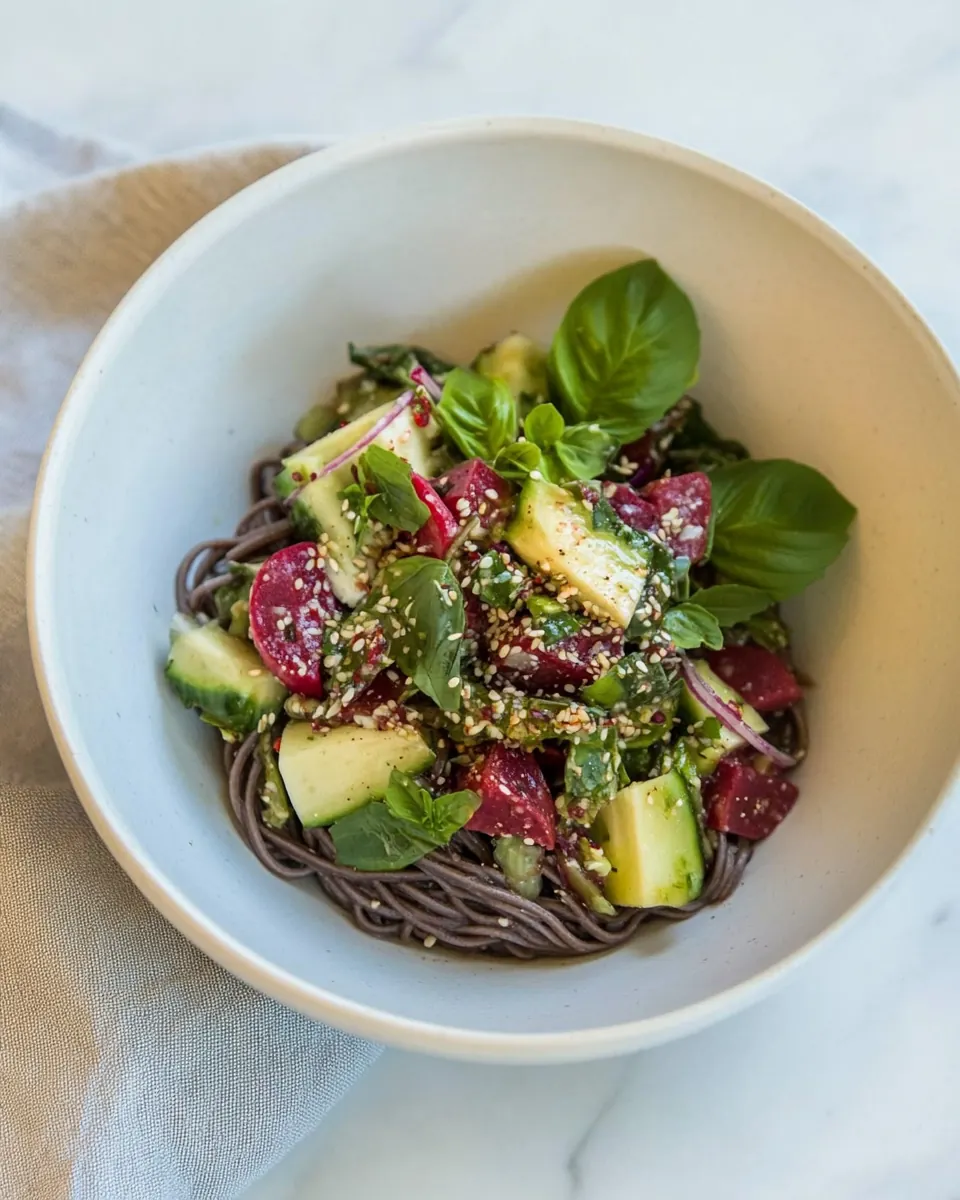
This method moves from roasting to chilling and then assembling, so timing is straightforward but deliberate. I like to roast the beets first, then cook the soba noodles and prep the vegetables while the beets cool. Finish by tossing components with the dressing so each element keeps its texture.
- Preheat the oven to 400°F and line a baking sheet with parchment paper. Spread the diced beets on the parchment paper, drizzle with 1 tablespoon of oil, celery seeds, salt, and pepper and toss. Roast for 20 minutes, or until tender and easily pierced with a fork.: The oven's dry heat will concentrate the sugars in the beets , producing a warm, caramelized scent that fills the kitchen. You should hear a gentle hiss as the juices begin to roast out, and the edges will darken slightly when they are close to done. This step matters because even, hot roasting creates the desirable tender interior and slightly crisped exterior. A common mistake is skipping parchment, which can make cleanup harder and cause sticking; also overcrowding the pan will steam instead of roast, so space the pieces evenly.
- Prepare the soba noodles according to package directions, but slightly undercook them to al dente. Drain, rinse with plenty of cold water, and transfer to a mixing bowl.: Once the beets hit the oil, they glisten and their aroma starts to sweeten. Tossing ensures each piece gets a light coating so they roast uniformly and develop those caramelized edges. This technique helps build concentrated beet flavor which anchors the salad. Avoid adding too much oil, because the surface will steam rather than roast, and large uneven pieces will cook at different rates.
- In another mixing bowl, combine the scallions, cucumber, and white beans. Whisk the dressing ingredients together in a glass measuring cup or bowl, pour half over the bean and vegetable mixture, and toss. Add the remaining dressing to the soba noodles and toss.: During roasting you will notice the kitchen scent shift from raw earthiness to a sweeter, roasted note. Check by inserting a fork into the largest pieces; they should offer little resistance and a creamy interior. Proper roasting makes the beets meld into the salad without being fibrous. The biggest pitfall is under roasting, which leaves them hard and unpleasant; if your oven runs cool, you may need an extra 5 to 10 minutes.
- Divide the soba noodles among serving bowls and twirl into a mound in the center of each bowl. Spoon the bean and vegetable mixture over the soba, garnish with roasted beets, and sprinkle with roasted walnuts.: As the soba noodles cook, they release a nutty aroma and a faint steam that fills the pot. Al dente noodles retain a pleasant chew that contrasts with softer components. Slightly undercooking prevents them from becoming mushy after rinsing and tossing. Overcooking will make the texture limp and gluey, so watch the pot closely and test a strand a minute before the package recommends.
- Drain, rinse with plenty of cold water, and transfer to a mixing bowl: Rinsing stops the cooking process and removes excess starch that causes clumping, leaving the soba noodles cool and silky to the touch. The cold rinse also tightens the texture so they hold dressings better. If you skip rinsing, the noodles will stick together and the dressing will not coat them evenly.
- In another mixing bowl, combine the scallions, cucumber, and white beans: The crisp snap of the cucumber and the gentle onion scent of the scallions create a lively counterpoint to the softer white beans . Tossing them early lets the flavors mingle slightly, which deepens the salad's complexity. A frequent misstep is leaving large cucumber chunks; slice thin so every bite contains balance.
- Whisk the dressing ingredients together in a glass measuring cup or bowl: As you whisk rice vinegar , olive oil , sugar, salt, and pepper, you will smell a bright, tangy lift. Whisking creates a light emulsion that clings to the noodles and vegetables, rather than pooling at the bottom. This step is essential for even seasoning and mouthfeel. If you hurriedly pour without whisking, the dressing may separate and season unevenly.
- Pour half over the bean and vegetable mixture, and toss: Coating the white beans and veg with part of the dressing seasons them internally, so each spoonful is balanced. Tossing gently ensures the dressing adheres and the textures remain intact. Over tossing can bruise the cucumber and mash the beans, so be gentle.
- Add the remaining dressing to the soba noodles and toss: The soba noodles benefit from their own share of dressing so they do not dry out and so they carry flavor to the base of the bowl. Toss until the noodles look glossy and evenly coated. A mistake is adding too much liquid at once, which can make the noodles soggy; add dressing gradually and check texture as you go.
- Divide the soba noodles among serving bowls and twirl into a mound in the center of each bowl: Twirling creates an attractive presentation and concentrates textures so toppings sit nicely. You should see a glossy, structured mound with a contrast of colors. This step matters for plating and portion control. If you skip twirling, the salad will be less composed and may look messy.
- Spoon the bean and vegetable mixture over the soba, garnish with roasted beets, and sprinkle with roasted walnuts: The final assembly brings hot roasted beets into conversation with cool components, and the toasted crunch of walnuts delivers the finishing note. The scent of warm beets against the fresh dill and scallions is very appealing, and the salad should have a mix of temperatures. Avoid adding the walnuts too early or they will lose their crunch; add them right before serving for maximum texture.
Making Adjustments
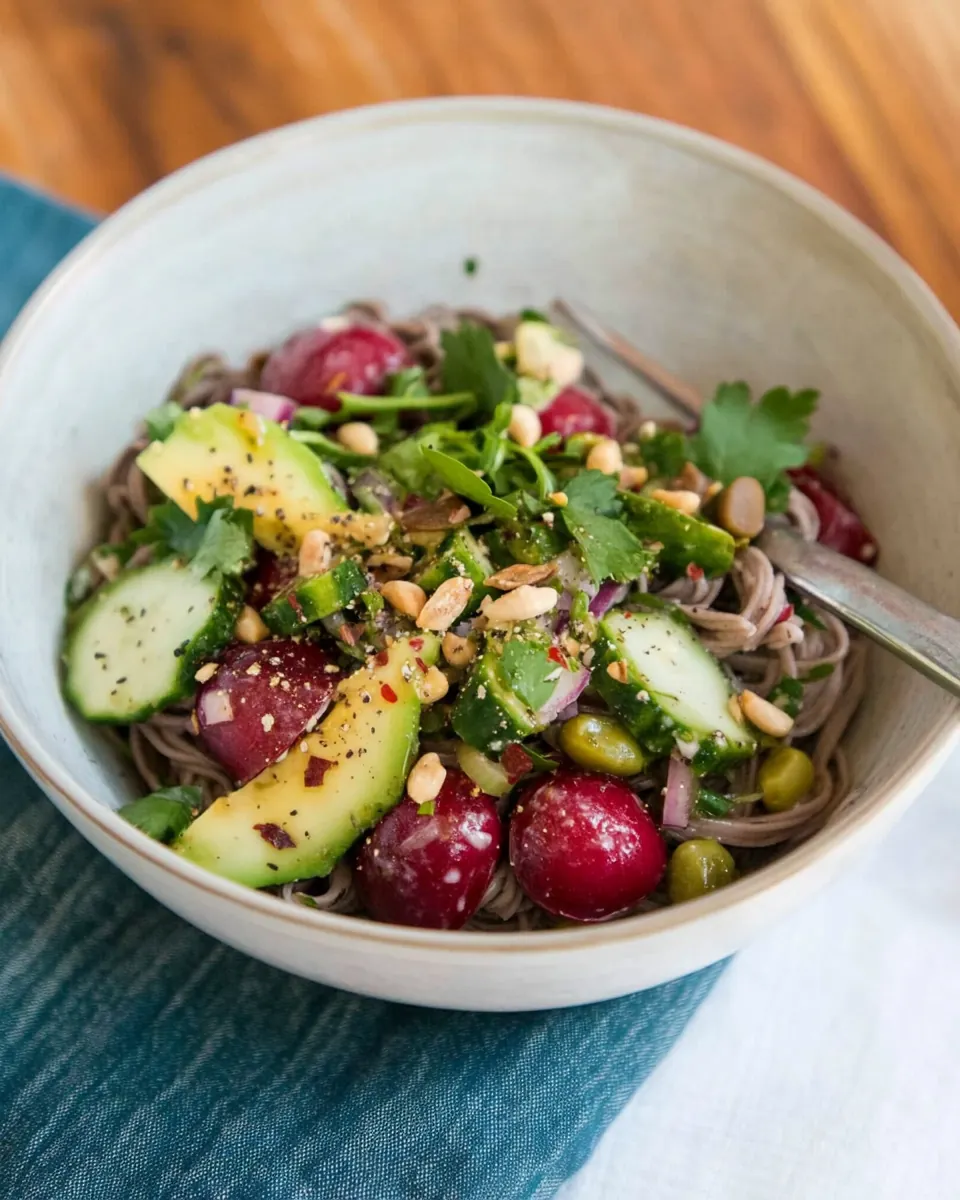
Small changes can tailor this salad to your preferences without losing its essence. Below are practical, detailed tips to adjust flavors, textures, and timing while keeping the dish balanced and reliable.
- Swap noodle timing If you need the soba noodles to be firmer, shorten the cook time by a minute, then rinse immediately with cold water to lock in the texture.
- Roasting temperature If your oven cooks unevenly, lower to 375°F and extend roasting time by a few minutes for more even caramelization without charring.
- Make ahead strategy Roast the beets and prep the vegetables a day ahead, then store separately and dress just before serving to preserve crunch.
- Dressing balance If the dressing tastes too sharp, stir in a tiny pinch more sugar or a few more teaspoons of olive oil to round the acidity.
- Nut handling If serving to guests with nut sensitivities, omit the walnuts and substitute with a toasted seed for crunch while keeping the salad accessible.
Great Combinations for Polish Summer Soba Salad
This salad pairs well with simple sides and suits many occasions. Below are serving ideas, storage tips, and seasonal pairings to help you plan meals around this dish.
- Light lunch pairing Serve the salad with a crisp green side or a handful of olives for a refreshing midday meal.
- Casual dinner Plate the salad alongside crusty bread and a simple vegetable side for an easy summer dinner option.
- Picnic friendly Keep the dressing separate until serving and pack components in layers for a portable picnic bowl.
- Ramadan and communal meals Offer the salad as a cooling option for iftar, where its balanced textures are restorative after a day of fasting.
- Storage tips Store components separately in airtight containers for up to three days; assemble just before serving to preserve texture.
- Seasonal variations In cooler months, double the roasted beets to add warmth; in peak summer, keep it lighter with extra cucumber and fresh dill.
FAQ
Conclusion
Polish Summer Soba Salad shines because it balances roasted sweetness, cool crunch, and nutty, salty notes in every forkful. I encourage you to give it a try when summer produce is at its best, because the combination of textures and the simple tangy dressing really rewards minimal effort. It is one of those bowls that feels thoughtful and light at once, perfect for casual meals, gatherings, or a solo nourishing lunch.
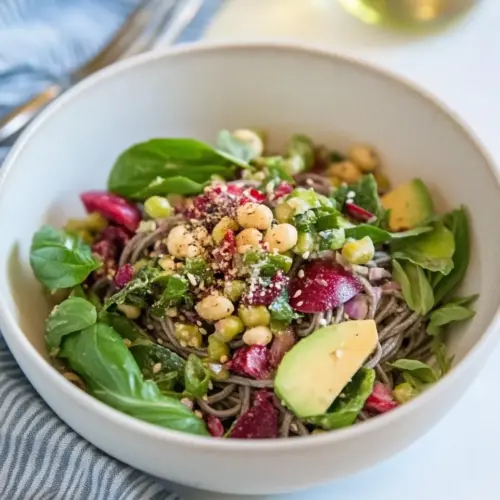
Polish Summer Soba Salad
Equipment
- Oven
- Baking Sheet
- Parchment Paper
- Large Pot
- Mixing Bowl
- Glass measuring cup
Ingredients
- 1/2 pound uncooked beets, peeled and diced Roasted and diced to add earthy sweetness and vibrant color while providing body and a slightly tender bite after cooking.
- 1 tablespoon plus 1 teaspoon olive oil, divided Divided between cooking and dressing to add richness and help crisp vegetables while carrying flavors throughout the salad.
- 1/4 teaspoon celery seeds Ground and sprinkled to contribute a warm, slightly bitter aromatic note that complements the beets and dill.
- Pinch of salt and a few twists of freshly ground black pepper Seasoned sparingly to enhance overall flavors and balance sweetness and acidity without overpowering delicate ingredients.
- 6 ounces soba noodles Cooked until tender to serve as the hearty, chewy base that soaks up dressing and anchors the salad components.
- 2 scallions, green part only, thinly sliced Thinly sliced green parts used as a mild oniony garnish to add freshness, crunch, and a subtle sharpness.
- 1 English cucumber, peeled and sliced into thin half-moons Peeled and thinly sliced into half-moons to provide a cool, crisp contrast and light refreshing texture.
- 1 cup cooked white beans Cooked and added for creamy protein and a soft texture that balances the vegetables and makes the salad more satisfying.
- 3 tablespoons chopped roasted walnuts Chopped and scattered to lend a toasty crunch and slightly bitter nutty flavor that contrasts softness of beans and beets.
- 1/2 cup finely chopped fresh dill Finely chopped and mixed in for a bright, herbaceous aroma and clean anise-like flavor that lifts the whole dish.
- 3 tablespoons rice vinegar Vinegared to introduce tangy acidity that brightens flavors and helps meld the dressing components together.
- 4 teaspoons olive oil Added as part of the dressing to contribute smooth mouthfeel and to help emulsify vinegar and seasonings.
- 1 tablespoon organic granulated sugar Dissolved into the dressing to add subtle sweetness that balances the vinegar and enhances the beets' natural sugars.
- 1/2 teaspoon freshly ground black pepper Freshly ground to season the salad with a sharp, pungent heat that complements the herbs and vinegar.
- 1/2 teaspoon salt Measured to season and balance the dressing, ensuring flavors are properly enhanced without becoming overly salty.
Instructions
- Preheat the oven to 400°F and line a baking sheet with parchment paper. Spread the diced beets on the parchment paper, drizzle with 1 tablespoon of oil, celery seeds, salt, and pepper and toss. Roast for 20 minutes, or until tender and easily pierced with a fork.: The oven's dry heat will concentrate the sugars in the beets , producing a warm, caramelized scent that fills the kitchen. You should hear a gentle hiss as the juices begin to roast out, and the edges will darken slightly when they are close to done. This step matters because even, hot roasting creates the desirable tender interior and slightly crisped exterior. A common mistake is skipping parchment, which can make cleanup harder and cause sticking; also overcrowding the pan will steam instead of roast, so space the pieces evenly.
- Prepare the soba noodles according to package directions, but slightly undercook them to al dente. Drain, rinse with plenty of cold water, and transfer to a mixing bowl.: Once the beets hit the oil, they glisten and their aroma starts to sweeten. Tossing ensures each piece gets a light coating so they roast uniformly and develop those caramelized edges. This technique helps build concentrated beet flavor which anchors the salad. Avoid adding too much oil, because the surface will steam rather than roast, and large uneven pieces will cook at different rates.
- In another mixing bowl, combine the scallions, cucumber, and white beans. Whisk the dressing ingredients together in a glass measuring cup or bowl, pour half over the bean and vegetable mixture, and toss. Add the remaining dressing to the soba noodles and toss.: During roasting you will notice the kitchen scent shift from raw earthiness to a sweeter, roasted note. Check by inserting a fork into the largest pieces; they should offer little resistance and a creamy interior. Proper roasting makes the beets meld into the salad without being fibrous. The biggest pitfall is under roasting, which leaves them hard and unpleasant; if your oven runs cool, you may need an extra 5 to 10 minutes.
- Divide the soba noodles among serving bowls and twirl into a mound in the center of each bowl. Spoon the bean and vegetable mixture over the soba, garnish with roasted beets, and sprinkle with roasted walnuts.: As the soba noodles cook, they release a nutty aroma and a faint steam that fills the pot. Al dente noodles retain a pleasant chew that contrasts with softer components. Slightly undercooking prevents them from becoming mushy after rinsing and tossing. Overcooking will make the texture limp and gluey, so watch the pot closely and test a strand a minute before the package recommends.
- Drain, rinse with plenty of cold water, and transfer to a mixing bowl: Rinsing stops the cooking process and removes excess starch that causes clumping, leaving the soba noodles cool and silky to the touch. The cold rinse also tightens the texture so they hold dressings better. If you skip rinsing, the noodles will stick together and the dressing will not coat them evenly.
- In another mixing bowl, combine the scallions, cucumber, and white beans: The crisp snap of the cucumber and the gentle onion scent of the scallions create a lively counterpoint to the softer white beans . Tossing them early lets the flavors mingle slightly, which deepens the salad's complexity. A frequent misstep is leaving large cucumber chunks; slice thin so every bite contains balance.
- Whisk the dressing ingredients together in a glass measuring cup or bowl: As you whisk rice vinegar , olive oil , sugar, salt, and pepper, you will smell a bright, tangy lift. Whisking creates a light emulsion that clings to the noodles and vegetables, rather than pooling at the bottom. This step is essential for even seasoning and mouthfeel. If you hurriedly pour without whisking, the dressing may separate and season unevenly.
- Pour half over the bean and vegetable mixture, and toss: Coating the white beans and veg with part of the dressing seasons them internally, so each spoonful is balanced. Tossing gently ensures the dressing adheres and the textures remain intact. Over tossing can bruise the cucumber and mash the beans, so be gentle.
- Add the remaining dressing to the soba noodles and toss: The soba noodles benefit from their own share of dressing so they do not dry out and so they carry flavor to the base of the bowl. Toss until the noodles look glossy and evenly coated. A mistake is adding too much liquid at once, which can make the noodles soggy; add dressing gradually and check texture as you go.
- Divide the soba noodles among serving bowls and twirl into a mound in the center of each bowl: Twirling creates an attractive presentation and concentrates textures so toppings sit nicely. You should see a glossy, structured mound with a contrast of colors. This step matters for plating and portion control. If you skip twirling, the salad will be less composed and may look messy.
- Spoon the bean and vegetable mixture over the soba, garnish with roasted beets, and sprinkle with roasted walnuts: The final assembly brings hot roasted beets into conversation with cool components, and the toasted crunch of walnuts delivers the finishing note. The scent of warm beets against the fresh dill and scallions is very appealing, and the salad should have a mix of temperatures. Avoid adding the walnuts too early or they will lose their crunch; add them right before serving for maximum texture.
Notes
- Swap noodle timing If you need the soba noodles to be firmer, shorten the cook time by a minute, then rinse immediately with cold water to lock in the texture.
- Roasting temperature If your oven cooks unevenly, lower to 375°F and extend roasting time by a few minutes for more even caramelization without charring.
- Make ahead strategy Roast the beets and prep the vegetables a day ahead, then store separately and dress just before serving to preserve crunch.
- Dressing balance If the dressing tastes too sharp, stir in a tiny pinch more sugar or a few more teaspoons of olive oil to round the acidity.
- Nut handling If serving to guests with nut sensitivities, omit the walnuts and substitute with a toasted seed for crunch while keeping the salad accessible.